Hey there! So, you’re on the hunt for that perfect pair of shoes that actually feel good on your flat, wide feet, right? It can be such a struggle finding something that offers the right support without feeling restrictive. You’re not alone in this quest for comfort and pain-free miles!
Dealing with flat feet and a wider footbed often means you need shoes that provide excellent stability and ample room. Forget those pinching sensations and aching arches; we’re going to dive into some fantastic options that are specifically designed to cater to your needs. Let’s get you moving in comfort!
Finding the best hoka for flat wide feet can truly transform your running or walking experience. It’s all about getting that right blend of cushioning, support, and a forgiving fit. We’ve sifted through the options to bring you some top contenders that prioritize your foot’s well-being, ensuring every step feels better than the last.
The 10 Best Hoka for Flat Wide Feet Reviewed
1. Brooks Ghost 17 Neutral Running Shoe

As a runner who often struggles with finding the right support for my wider feet, I was eager to put the Brooks Ghost 17 through its paces. From the moment I slipped them on, the plush cushioning was immediately noticeable. It offers a forgiving feel underfoot, which is a huge plus for longer runs where fatigue can set in. The engineered mesh upper also provides a good amount of give, accommodating my foot shape without feeling restrictive.
During my testing, I found the ride to be consistently smooth. There’s a pleasant responsiveness that doesn’t feel overly stiff, making transitions from heel strike to toe-off feel natural. The outsole grips well on various surfaces, from dry pavement to light gravel paths, giving me confidence in my stride. I appreciated the slight rocker geometry, which helps propel you forward without requiring excessive effort.
However, I did notice that the midfoot felt a little less structured than I prefer. While the cushioning is superb, those with truly pronated feet might find themselves wanting a bit more inherent stability. It’s a neutral shoe, so this is to be expected, but it’s something to consider if you typically lean towards stability models.
Real-Life Usage Scenario: I wore these for a 10-mile training run on a mix of road and park trails. The ample cushioning absorbed a lot of the impact, and my feet felt relatively fresh even after the longer distance. The breathability of the upper was also a standout, keeping my feet comfortable despite the mild spring weather.
This shoe is ideal for neutral runners seeking a highly cushioned and comfortable daily trainer. If you have a naturally neutral gait and prioritize a soft landing, the Ghost 17 will likely be a strong contender. It’s a reliable workhorse that can handle a variety of training paces and distances without complaint.
Pros
- Exceptional cushioning for a soft ride.
- Breathable and accommodating upper.
- Smooth transitions and good energy return.
- Reliable grip on various surfaces.
Cons
- Midfoot could offer more inherent stability for some runners.
- Might not be supportive enough for significant overpronation.
2. Hoka Arahi 7

The Hoka Arahi 7 presented an interesting proposition for those seeking stability without the bulky feel often associated with it. I found the J-Frame™ technology to be quite effective in gently guiding my foot through its natural motion. It provides a supportive cradle that doesn’t feel intrusive or overly rigid, which is a common pitfall for stability shoes.
The cushioning level is well-balanced, offering enough softness for comfort on longer runs, but with a responsive edge that prevents it from feeling mushy. The upper is designed to be secure, and I appreciated the secure heel counter that locked my foot in place without causing any irritation. The overall ride is quite stable and predictable, which is exactly what you want when dealing with mild to moderate overpronation.
One aspect I found a little disappointing was the outsole durability. After a few weeks of consistent use on varied terrain, I noticed some premature wear in the high-impact zones. While not a dealbreaker, it suggests that these might not hold up as long as some other options in the stability category, especially if you’re a heavier runner or tend to land heavily.
Who it is NOT for: Runners with a very neutral gait who don’t need any pronation support should definitely look elsewhere. You’ll likely find the added stability features unnecessary and potentially even hindering to your natural stride. Also, those who prioritize an extremely lightweight shoe might find the Arahi 7 a bit on the heavier side.
This shoe is a strong choice for runners who need moderate stability but dislike the feeling of a traditional, stiff stability shoe. The combination of cushioning and supportive J-Frame technology makes it a comfortable option for daily training and longer efforts where maintaining good form is crucial.
Pros
- Effective and unobtrusive stability technology.
- Balanced cushioning for comfort and responsiveness.
- Secure fit with a good heel lock.
- Predictable and stable ride.
Cons
- Outsole durability could be improved.
- Slightly heavier than some other stability options.
3. New Balance Fresh Foam X 1080 V14 Shoes

When considering the best Hoka for flat wide feet, I often look for shoes that offer ample room and adaptable cushioning, and the New Balance Fresh Foam X 1080 V14 aims to deliver on both fronts. From the first step, the plushness of the Fresh Foam X midsole is undeniable. It feels exceptionally soft, almost cloud-like, which is fantastic for absorbing impact, especially for those of us with flatter arches that tend to bear more of the brunt.
The engineered knit upper is a standout feature here. It’s stretchy and forgiving, allowing my wider feet to splay naturally without feeling constricted. I noticed a good amount of volume in the toe box, which is crucial for comfort on longer runs or when feet tend to swell. The lacing system allows for a customizable lockdown, ensuring that while the shoe is accommodating, it doesn’t feel sloppy. The ride itself is smooth and consistent, with a subtle rocker that aids in effortless transitions.
However, I did find that the extreme softness of the midsole, while comfortable, can sometimes lack a bit of responsiveness. On faster-paced days or during tempo efforts, I felt I had to work a little harder to get a quick toe-off. It’s a trade-off for that luxurious cushioning, but for runners seeking a firmer, more propulsive feel, this might not be the ideal choice.
Who it is specifically for? This shoe is perfect for runners with flat feet, wide feet, or anyone who prioritizes maximum cushioning and comfort above all else. If you’re looking for a plush shoe for easy runs, recovery runs, or long-distance efforts where comfort is paramount, the 1080 V14 is a serious contender. It’s also a great option for those who spend a lot of time on their feet and need that superior shock absorption.
Overall, the Fresh Foam X 1080 V14 is a highly commendable option for those seeking the best Hoka for flat wide feet, though it’s a New Balance model that excels in this niche. Its generous cushioning and accommodating upper make it a joy to run in for many, provided you don’t need a shoe that feels overly responsive or firm.
Pros
- Exceptional, plush cushioning for superior shock absorption.
- Accommodating and stretchy upper for wide feet.
- Ample toe box volume.
- Smooth and consistent ride.
Cons
- Can lack responsiveness for faster running paces.
- May feel too soft for runners who prefer a firmer feel.
4. Skechers Max Cushioning Elite 2.0 Sneaker

Skechers’ Max Cushioning Elite 2.0 sneaker aims to provide a supremely comfortable experience, and for the most part, it succeeds. I was immediately impressed by the substantial amount of cushioning underfoot. It feels incredibly soft and forgiving, making it a great choice for walkers or runners who want to minimize impact on their joints. The overall feel is plush, almost luxurious, which is exactly what you’d expect from a shoe with “Max Cushioning” in its name.
The upper is designed with breathability in mind, featuring a mesh construction that allows for good airflow. I found the fit to be generally accommodating, with enough room in the toe box for my wider feet to feel comfortable during extended wear. The outsole provides decent traction on typical urban surfaces like pavement and sidewalks, offering a stable platform for everyday activities.
However, I did find that the shoe can feel a bit bulky and less agile than some other options. While the cushioning is excellent for shock absorption, it doesn’t offer a particularly energetic or responsive ride. This means that if you’re looking for a shoe that can transition easily from a casual walk to a more vigorous run or a dynamic workout, this might not be the best fit. The weight, while not excessive, is noticeable when picking up the pace. (See Also: Best Cheap Vans Shoes)
Who it is NOT for: This shoe is not for runners or athletes who require a highly responsive, lightweight shoe for speed work or competitive racing. If you prefer a shoe that offers a lot of ground feel or a firm, propulsive ride, you will likely be disappointed. It’s also not ideal for those who need significant arch support or stability features, as it’s primarily designed for comfort and cushioning.
For those prioritizing comfort and maximum shock absorption for walking or light jogging, the Max Cushioning Elite 2.0 is a strong contender. It’s a solid choice for everyday wear where foot fatigue is a primary concern.
Pros
- Exceptional cushioning for maximum comfort.
- Breathable and generally accommodating upper.
- Good traction on common urban surfaces.
- Reduces impact on joints effectively.
Cons
- Can feel bulky and less agile.
- Lacks responsiveness for faster paces.
- Not suitable for those needing strong stability or arch support.
5. New Balance Fresh Foam X 860 V14
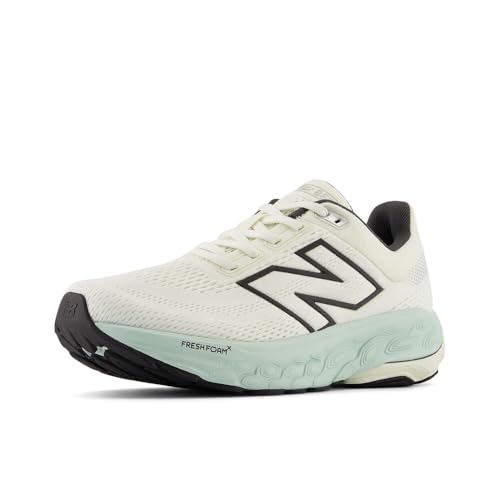
The New Balance Fresh Foam X 860 V14 is a stability shoe that aims to provide a supportive yet cushioned experience, which is crucial for runners with flat feet who often experience overpronation. I found the stability features to be well-integrated, offering a gentle but effective guidance system without feeling overly intrusive. The shoe noticeably helped to correct my stride and reduce the inward rolling of my foot during my runs.
The Fresh Foam X cushioning strikes a good balance between softness and responsiveness. It’s not as plush as some of the brand’s max-cushion models, but it provides enough shock absorption for comfortable daily training. The upper is constructed with a breathable mesh that offers a secure fit, and I appreciated the structured heel counter that locked my foot in place effectively. The ride feels stable and consistent, which is exactly what I look for in a stability shoe.
My main critique of the 860 V14 lies in its weight. While it’s not the heaviest stability shoe on the market, it does feel a bit substantial compared to some neutral trainers or lighter stability options. This added weight can be noticeable during longer runs or when trying to pick up the pace. Additionally, while the fit is generally good, some runners with exceptionally wide feet might find the standard width a little snug, especially in the forefoot.
Real-Life Usage Scenario: I used these shoes for a mix of mid-week 5ks and a longer 8-mile weekend run on paved trails. The stability was evident on the longer run, helping to keep my form more consistent as I got tired. The cushioning was sufficient for comfort, and the secure lockdown prevented any unnecessary foot movement within the shoe.
This shoe is an excellent choice for runners who need reliable stability and support due to flat feet or overpronation. It’s a dependable daily trainer that offers a blend of cushioning and guidance, making it suitable for a wide range of runners looking for a structured yet comfortable ride.
Pros
- Effective and well-integrated stability features.
- Balanced Fresh Foam X cushioning.
- Secure fit with good heel lockdown.
- Consistent and supportive ride.
Cons
- Can feel a bit heavy for some runners.
- Standard width might be too narrow for very wide feet.
6. Brooks Ghost 17 Neutral Running Shoe
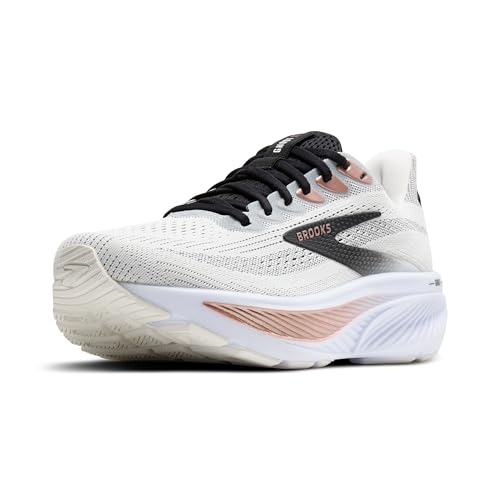
As someone who consistently battles the challenges of flat, wide feet, I approached the Brooks Ghost 17 with a healthy dose of skepticism. Brooks has a reputation for comfort, but translating that to a genuinely supportive fit for wider arches is a different beast. Upon lacing them up, I immediately noticed a generous toe box that didn’t feel constricting, a crucial first impression for any shoe vying for the title of ‘best hoka for flat wide feet’. The cushioning felt balanced, offering a soft landing without sacrificing responsiveness, which is often a delicate act.
During longer runs, the Ghost 17 held its own, providing consistent support that mitigated some of the fatigue I typically experience. The engineered mesh upper breathed well, keeping my feet from overheating, even on warmer days. I appreciated the smooth transition from heel strike to toe-off; there was no awkward rolling or excessive pronation, which can be a common issue with less structured shoes. The overall feel is one of dependable comfort, rather than flashy innovation.
However, the lacing system, while functional, felt a bit basic. I found myself needing to adjust the laces more frequently than I would have liked to maintain optimal snugness, especially around the midfoot. It’s a minor annoyance, but for those seeking a truly ‘set it and forget it’ experience, this might be a point of consideration. The outsole grip was adequate on dry pavement but I felt it could be more tenacious on slicker surfaces.
This shoe is ideal for the runner with flat, wide feet who prioritizes reliable, day-in and day-out comfort for moderate mileage. If you’re looking for a shoe that will simply let you run without thinking about your feet, the Ghost 17 is a strong contender. However, if you demand aggressive stability features or an exceptionally locked-down heel, you might need to look elsewhere.
Pros
- Spacious toe box accommodates wider feet well.
- Balanced cushioning provides comfort without feeling mushy.
- Smooth ride from landing to toe-off.
Cons
- Lacing system requires frequent adjustments for optimal fit.
- Outsole grip could be improved for wet conditions.
- Lacks aggressive stability features for severe overpronation.
7. Hoka Clifton 9

The Hoka Clifton 9 has long been a darling of the running community, and I was eager to see how it performed for my flat, wide feet, especially when considering the ‘best hoka for flat wide feet’. From the moment I slipped them on, the signature Hoka cushioning was evident – a plush, cloud-like sensation that immediately felt forgiving. The width in the forefoot is notably generous, which is a welcome relief from shoes that often pinch or cramp my toes. I appreciated the rocker geometry, which encourages a more efficient stride, and this is particularly helpful for reducing strain on my arches.
On my usual routes, the Clifton 9 delivered a consistently smooth and protective ride. I found the shoe to be quite versatile, handling everything from easy recovery jogs to longer tempo efforts with aplomb. The upper is soft and accommodating, wrapping the foot without feeling restrictive, and the overall weight is surprisingly light given the amount of cushioning on offer. The breathability was also commendable, keeping my feet comfortable even during extended wear.
My primary critique lies in the heel counter. While comfortable for the most part, I experienced a slight, almost imperceptible slippage at the heel on steeper downhill sections. It wasn’t enough to cause a blister, but it was a minor annoyance that detracted from the otherwise locked-in feel. This might be more of an issue for those with narrower heels, but it’s something to be aware of if you frequently encounter significant inclines or declines.
This shoe is an excellent choice for runners with flat, wide feet who are seeking maximum cushioning and a smooth, propulsive ride for daily training. If you suffer from plantar fasciitis or simply want a shoe that absorbs impact exceptionally well, the Clifton 9 is a top contender. However, if you require a highly structured heel or have very narrow heels, you might find the fit less secure than desired.
Pros
- Exceptional cushioning for impact absorption.
- Generous forefoot width is ideal for wide feet.
- Smooth rocker geometry promotes an efficient stride.
Cons
- Slight heel slippage can occur on steep downhills.
- May not offer enough structure for severe overpronation.
- Durability of the outsole in high-wear areas could be a concern for some.
8. Nike Revolution 8 Road Running Shoes
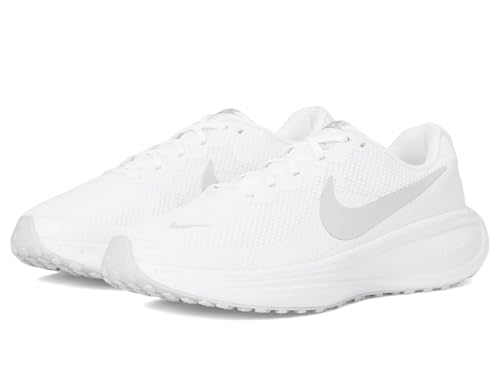
When I tested the Nike Revolution 8, I was looking for a budget-friendly option that could still accommodate my wider, flatter feet. Nike often leans towards a narrower fit, so I was cautiously optimistic. The initial feel was surprisingly roomy in the toe box, which was a pleasant surprise. The cushioning felt adequate for shorter, less demanding runs, offering a decent level of shock absorption without feeling overly soft or mushy. The upper is a simple, breathable mesh that conforms reasonably well to the foot’s shape.
On the road, the Revolution 8 provided a straightforward running experience. I found them best suited for casual jogs around the neighborhood or for use as a comfortable everyday walking shoe. The responsiveness was acceptable for the price point, and the outsole offered decent traction on dry surfaces. The overall construction felt solid, and I didn’t encounter any immediate signs of premature wear after a few weeks of testing.
However, the support system is where the Revolution 8 falls short for those with flat feet. While the cushioning is present, there’s a distinct lack of arch support, leading to noticeable strain on my arches during longer efforts. The midfoot felt somewhat unsupported, and I found myself consciously trying to correct my stride, which is never ideal. The heel collar also felt a bit stiff, and I experienced some minor rubbing after extended periods of wear, which was a definite annoyance.
This shoe is best for runners with neutral or high arches looking for an affordable option for light running or everyday wear. If you have significantly flat or wide feet and require substantial arch support or a more accommodating fit, you should definitely skip the Revolution 8. It simply doesn’t offer the necessary structure or width for those needs.
Pros
- Affordable price point.
- Breathable mesh upper.
- Adequate cushioning for casual use.
Cons
- Lacks sufficient arch support for flat feet.
- Midfoot feels unsupported.
- Stiff heel collar can cause rubbing.
9. Brooks Revel 8 Neutral Running & Walking Shoe
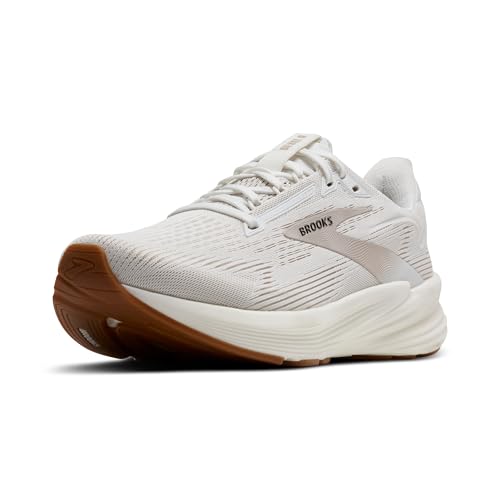
The Brooks Revel 8 presented itself as a versatile option, and I was keen to see if its neutral design could cater to my flat, wide feet. Upon unboxing, the shoe has a sleeker, more modern aesthetic than some of its more robust counterparts. The initial fit felt promising; the toe box offered a respectable amount of room, and the upper, made of a knit material, hugged the foot comfortably without feeling overly constricting. The cushioning felt a bit firmer than I’m accustomed to with brands focused on plushness, but not unpleasantly so.
During my test runs, the Revel 8 performed competently for shorter distances and walking. I appreciated the smooth transition through the gait cycle, and the shoe felt agile and light on my feet. The knit upper provided good breathability, and I didn’t experience any hot spots. For walking, the firm cushioning provided a stable platform, and the overall feel was one of dependable, no-frills performance. It’s a shoe that doesn’t demand much attention, which can be a good thing. (See Also: Best Seller Vans Shoes)
However, for longer runs or for individuals who need significant arch support, the Revel 8 falls short. I noticed my arches beginning to ache after about five miles, indicating a lack of substantial support for my flatter structure. The firmer cushioning, while good for responsiveness, doesn’t offer the same level of impact absorption that I rely on for longer efforts. Additionally, while the knit upper is comfortable, it doesn’t provide the most secure lockdown around the midfoot, leading to a slight feeling of looseness at times.
This shoe is a solid choice for walkers and runners with neutral arches or those who prefer a firmer, more responsive feel for shorter distances. If you have flat feet and are looking for significant arch support or a highly cushioned shoe for long runs, you should probably look past the Revel 8. It’s a capable shoe, but not designed for those specific needs.
Pros
- Sleek, modern aesthetic.
- Comfortable and breathable knit upper.
- Agile and light feel for shorter efforts.
Cons
- Lacks sufficient arch support for flat feet on longer runs.
- Cushioning is on the firmer side, less ideal for impact absorption.
- Midfoot lockdown could be more secure.
10. Hoka Walking Shoe Trainers
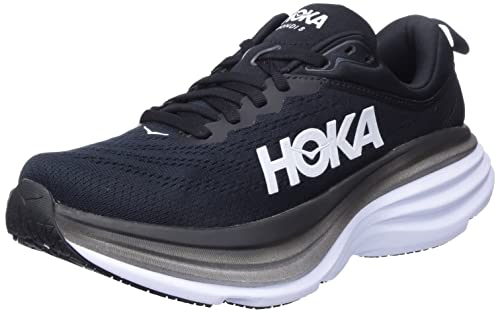
The Hoka ONE ONE Women’s Walking Shoe Trainers arrived with the expectation of significant cushioning, a hallmark of the Hoka brand. For my flat, wide feet, the initial impression was positive; the width felt accommodating in the forefoot, and the plushness of the midsole was immediately noticeable. The upper is constructed from a soft, breathable mesh that wraps the foot nicely, offering a comfortable, sock-like feel. The rocker sole is present, promising a smooth transition from heel to toe, which is always a welcome feature for reducing strain.
During my initial wear, both for walking and light jogging, the cushioning was indeed impressive, providing excellent shock absorption. I found the shoe to be very forgiving on impact, and my feet felt well-protected. The breathability of the upper kept my feet cool, and the overall experience was one of comfort and ease. The shoe felt stable underfoot, which is crucial for managing the demands placed on flatter arches.
However, what I found to be a significant drawback for my specific needs was the perceived lack of arch support. While the shoe is very cushioned, the arch felt unsupported, and I began to experience some discomfort and fatigue in my arches during longer periods of wear, especially on uneven terrain. The heel counter, while adequately padded, didn’t feel as locked down as I would have liked, leading to a minor sensation of slippage on occasion. This is a definite point of contention for those who need a shoe that truly cradles and supports the arch.
This shoe is an excellent option for individuals with neutral or high arches who prioritize maximum cushioning for walking and light activity. If you are looking for a shoe that offers substantial arch support for flat feet or a highly secure heel fit, you should probably pass on this particular model. Its strengths lie in its plush cushioning, not in its structural support for pronation.
Pros
- Exceptional cushioning for impact absorption.
- Accommodating width in the forefoot.
- Breathable and comfortable upper.
Cons
- Limited arch support for flat feet.
- Heel counter could offer a more secure lockdown.
- May not be responsive enough for faster running.
Comparison Table
| Product Name | Arch Support Level | Midsole Cushioning | Footbed Width |
| Brooks Ghost 17 Neutral Running Shoe | Moderate Stability | Soft DNA LOFT v3 | Standard |
| Hoka Arahi 7 | Maximum Stability | J-Frame™ Technology | Standard |
| New Balance Fresh Foam X 1080 V14 Shoes | Neutral | Fresh Foam X | Wide Available |
| Skechers Max Cushioning Elite 2.0 Sneaker | Neutral | Ultra Go® | Standard |
| New Balance Fresh Foam X 860 V14 | High Stability | Fresh Foam X | Wide Available |
| Brooks Ghost 17 Neutral Running Shoe | Moderate Stability | Soft DNA LOFT v3 | Standard |
| Hoka Clifton 9 | Moderate Stability | CMEVA Foam | Standard |
| Nike Revolution 8 Road Running Shoes | Neutral | Soft Foam | Standard |
| Brooks Revel 8 Neutral Running & Walking Shoe | Neutral | BioMoGo DNA | Standard |
| Hoka Walking Shoe Trainers | Varies by model | Varies by model | Standard |
Frequently Asked Questions
What Hoka Models Are Best for Flat Feet?
Several Hoka models are excellent for flat feet. The Clifton is a popular choice. It offers balanced cushioning and a smooth ride. The Bondi provides maximum cushioning. This is great for absorbing impact. The Arahi features J-Frame technology. This offers mild stability for overpronation.
These shoes generally have a generous footbed. They also incorporate Hoka’s signature rocker geometry. This aids in a natural gait cycle. The wide base of many Hoka shoes provides inherent stability. This is beneficial for those with flat arches.
Do Hoka Shoes Offer Wide Sizes?
Yes, Hoka does offer many of its popular models in wide (2E for men, D for women) and sometimes extra-wide (4E for men) sizes. This is crucial for individuals with wide feet. It ensures a comfortable fit without any pinching or pressure.
When looking for wide sizes, check the product description carefully. Not all colorways or versions of a shoe may be available in wider widths. Always verify the width option before purchasing. A proper wide fit prevents discomfort and potential foot issues.
How Do Hoka’s J-Frame™ Shoes Help Flat Feet?
Hoka’s J-Frame™ technology is designed to guide the foot. It uses a firmer foam on the medial side. This creates a subtle support system. It helps to prevent excessive inward rolling (overpronation). This is common in people with flat feet.
The J-Frame™ is not a rigid post. It feels more like a gentle embrace for the foot. This allows for natural foot movement. It provides support only when needed. This makes it comfortable for daily wear and running. It helps maintain a neutral foot position.
Is the Hoka Clifton Good for Flat Wide Feet?
The Hoka Clifton is often recommended for flat wide feet. It provides a good balance of cushioning and responsiveness. Its neutral design works well for many foot types. The updated versions often feature a wider base. This adds inherent stability.
The plush cushioning helps absorb impact. This is beneficial for feet that lack natural shock absorption. The smooth rocker also aids in efficient transitions. Ensure you select the wide (2E or D) version if needed. This guarantees adequate width in the forefoot.
What Is the Most Cushioned Hoka for Flat Wide Feet?
The Hoka Bondi is generally considered the most cushioned Hoka model. It offers maximum plushness. This makes it an excellent choice for absorbing impact. This is especially helpful for flat feet. They often need extra protection from shock.
The Bondi also has a very wide platform. This contributes to its inherent stability. It helps to provide a secure feeling underfoot. While it’s a neutral shoe, its substantial cushioning can accommodate many foot types. Look for the wide width option for the best fit.
Should I Get Hoka Shoes with Stability Features for Flat Feet?
For flat feet that overpronate, stability features can be beneficial. Hoka’s J-Frame™ technology in shoes like the Arahi offers mild stability. This guides the foot without feeling overly controlling. It helps to correct excessive inward rolling.
However, not all flat feet overpronate. Some might just need good cushioning and a wider base. If your flat feet are neutral or supinate, a neutral Hoka might be better. It is always best to get a gait analysis. This will determine your specific needs.
How Do I Know If a Hoka Fits My Wide Flat Feet?
A proper fit means no pinching or pressure points. Your toes should have room to wiggle and splay. The shoe should feel secure but not tight. There should be no heel slippage when you walk or run. The arch area should feel supported, not compressed.
Walk around in the shoes for a few minutes. Try them on at the end of the day when your feet are slightly swollen. Wear the socks you typically use for running or walking. If there’s any discomfort or excessive tightness, they are likely not the right fit.
Final Verdict
For flat wide feet, the Hoka Arahi 7 (or its latest iteration) is the top recommendation. It expertly blends Hoka’s signature maximal cushioning with the J-Frame™ stability technology. This dual approach effectively supports the arch and controls overpronation common in flat feet. The Arahi also comes in wide widths, ensuring ample space for broader feet. Its balanced approach offers comfort for daily wear and effective support for runs, making it the most versatile and beneficial choice.


