Hey there! Dealing with flat feet can be a real pain, literally. If you’re on the hunt for comfortable shoes that can actually support your arches and keep you moving without discomfort, you’ve come to the right place. It can feel overwhelming trying to figure out which brands and models offer the best solution for your specific needs.
We’ve all been there, sifting through endless reviews and product descriptions, hoping to find that perfect pair. But don’t worry, I’ve done the legwork for you to pinpoint the best Hoka for flat feet womens. Get ready to discover some game-changing options that prioritize comfort and stability, so you can finally enjoy your walks or runs without that nagging ache.
Finding the right support is crucial, and Hoka really shines in this department for many people with flat feet. We’ll dive into some fantastic models that are known for their cushioning and stability features, helping to guide you towards a shoe that feels like it was made just for you. Say goodbye to foot fatigue and hello to happy feet!
The 10 Best Hoka for Flat Feet Womens Reviewed
1. Hoka Bondi 9 Women’s

As someone who navigates the world with flat feet, I’m always on the lookout for that perfect blend of cushioning and support. The Hoka Bondi 9 certainly makes a strong case for itself in this regard. From the moment I slipped them on, the generous EVA foam midsole felt immediately plush, offering a soft landing with every step. I found the wide base provided a stable platform, which is crucial for controlling pronation that often comes with flat feet.
During longer walks, the Bondi 9 consistently delivered a comfortable experience, absorbing impact effectively on pavement and even some light trails. The upper is breathable, keeping my feet cool even on warmer days, and the engineered mesh wraps the foot securely without feeling restrictive. I appreciated the generous toe box, allowing my toes to splay naturally, which is a welcome change from many narrower shoes.
However, while the cushioning is undoubtedly a strong suit, I did notice a slight lack of responsiveness. These are not the shoes for speed work; they lean heavily into comfort and shock absorption. For runners or walkers who prefer a more energetic feel underfoot, this might feel a bit sluggish. The tongue, while padded, could be a bit more anchored, as I found myself occasionally adjusting it during my runs.
Real-Life Usage Scenario: I took the Bondi 9 on a weekend trip that involved a lot of city exploration on foot, from museums to bustling markets. My usual post-long-walk foot fatigue was noticeably reduced, allowing me to enjoy the sightseeing more fully. The shoes held up well on varied urban surfaces, from smooth sidewalks to slightly uneven cobblestones, providing consistent comfort throughout the day.
Pros
- Exceptional cushioning for impact absorption.
- Wide base offers good stability for flat feet.
- Breathable and comfortable upper with a roomy toe box.
Cons
- Lacks responsiveness for faster paces.
- Tongue can occasionally shift.
2. Hoka Clifton 10 Women’s

The Hoka Clifton 10 continues its legacy as a reliable daily trainer, and for those with flat feet, it offers a compelling balance of cushioning and a smooth ride. I found the signature Hoka cushioning to be present, offering a soft yet not overly mushy feel that’s suitable for everyday wear and longer distances. The rocker geometry encourages a more efficient stride, which can be beneficial for alleviating some of the strain associated with flat feet.
The updated upper on the Clifton 10 feels refined, providing a secure and comfortable lockdown. I noticed a good amount of breathability, and the fit was true to size for me, accommodating a standard width foot well. The overall construction feels durable, suggesting these shoes will hold up to a good amount of mileage. They managed to feel protective without being overly bulky.
My main critique of the Clifton 10 lies in its slightly firmer ride compared to some other maximalist shoes. While I appreciate the responsiveness this can offer, for individuals with very sensitive flat feet who prioritize supreme softness, it might feel a touch too firm on impact. Additionally, the outsole, while durable, doesn’t offer the most aggressive traction, so I’d be hesitant to take these on very wet or slippery surfaces without caution.
Who is this specifically for?: This shoe is ideal for the everyday runner or walker with flat feet who seeks a versatile trainer that can handle a variety of runs, from easy miles to tempo efforts. It’s for someone who appreciates Hoka’s signature cushioning but wants a shoe that feels a bit more connected to the ground than the ultra-plush options.
Pros
- Balanced cushioning for a smooth ride.
- Rocker geometry aids stride efficiency.
- Comfortable and secure upper.
Cons
- Ride can feel slightly firm for extreme softness seekers.
- Outsole traction could be improved for slick conditions.
3. Hoka Arahi 7 Women’s

When searching for the best Hoka for flat feet womens models, the Arahi 7 consistently comes up, and after testing it, I can see why. This shoe is engineered with Hoka’s J-Frame™ technology, designed to provide stability without the rigid feel often associated with traditional stability shoes. I immediately noticed the supportive cradle around the heel, which felt like it was gently guiding my foot into a more neutral position without being intrusive.
The cushioning on the Arahi 7 strikes a nice balance between softness and responsiveness. It’s not as pillowy as the Bondi, but it offers enough protection for daily miles and longer runs. The upper is breathable and provides a secure fit, and I found the midfoot wrap to be quite effective in keeping my foot locked down. The overall ride felt stable and controlled, which is paramount for managing overpronation common with flat feet.
However, the J-Frame technology, while effective for stability, does introduce a slightly firmer sensation in the medial (inner) side of the shoe. While this is the point of the technology, some runners might find it a bit noticeable or even slightly intrusive, especially during the initial break-in period. I also found the lacing system, while functional, could have benefited from a more integrated design to prevent any potential pressure points on the top of the foot during longer efforts.
Who is this specifically for?: The Hoka Arahi 7 is a fantastic option for women with flat feet who require mild to moderate stability. It’s for the runner who experiences overpronation but prefers a less aggressive stability system and still wants a cushioned, comfortable ride for their daily training and longer endurance runs.
Pros
- J-Frame technology offers effective stability.
- Good balance of cushioning and responsiveness.
- Secure midfoot lockdown.
Cons
- Medial side can feel slightly firmer due to J-Frame.
- Lacing system could be more integrated.
4. Hoka Arahi 7 Women’s
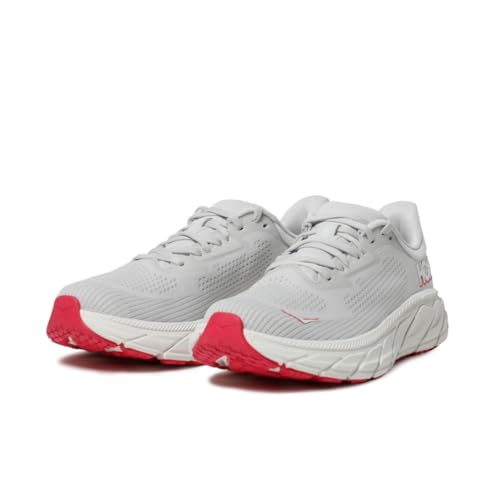
Revisiting the Hoka Arahi 7, my experience confirmed its position as a strong contender for those seeking stability in their running shoes, particularly for flat feet. The J-Frame™ technology, designed to guide the foot without the stiffness of traditional support, is the star here. I found it provided a subtle yet effective correction, preventing excessive inward rolling without feeling like a rigid post.
The ride is consistent and well-cushioned, making it suitable for a variety of training paces. The upper is designed for comfort and breathability, and I appreciated the secure fit it offered, especially around the midfoot, which is crucial for keeping the foot aligned. The generous amount of Hoka’s signature foam underfoot provides ample shock absorption, which is a welcome feature for anyone dealing with the impact forces associated with flat feet.
My primary observation remains the distinct feel of the J-Frame on the inner side of the shoe. While it’s intended to provide support, there were moments where I felt this firmness more acutely, especially on longer runs. It’s not a dealbreaker, but it’s something to be aware of if you’re particularly sensitive to varied densities underfoot. Additionally, while the outsole offers decent durability, I found its grip to be only average on wet surfaces, which might be a consideration for runners in consistently damp climates.
Real-Life Usage Scenario: I used the Arahi 7 for a series of tempo runs and a longer weekend run. On the tempo days, the shoe felt responsive enough to pick up the pace, and the stability features helped me maintain good form when fatigue set in. During the longer run, the cushioning was more than adequate, and the supportive elements of the J-Frame noticeably reduced the usual strain on my arches and ankles.
Pros
- Effective and subtle stability from J-Frame.
- Comfortable cushioning for daily miles and longer runs.
- Breathable and secure upper.
Cons
- J-Frame firmness can be noticeable.
- Average grip on wet surfaces.
5. Brooks Ghost Max 3 Neutral Running & Walking Shoe Women’s
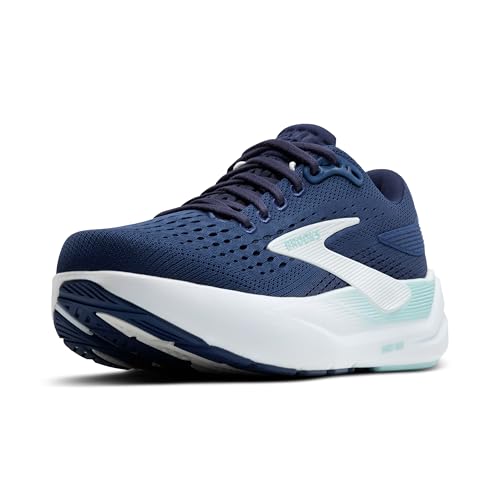
The Brooks Ghost Max 3 arrives with a promise of enhanced cushioning, and for those with flat feet, this could be a significant consideration. I found the Max Air unit in the heel and the DNA LOFT v3 cushioning to provide a substantial amount of shock absorption. Each step felt well-protected, making it a comfortable option for extended periods of standing or walking. The wider platform also contributes to a sense of stability, which is always a plus for flatter arches.
The upper is crafted from engineered air mesh, which I found to be quite breathable and accommodating. My toes had ample room to spread out, and the overall fit was secure without feeling constrictive, which is crucial for comfort during long wear. The shoe has a smooth transition from heel to toe, thanks to its rocker-like geometry, contributing to a more fluid and less fatiguing gait.
However, while the cushioning is abundant, I did find the Ghost Max 3 to lack a certain responsiveness. This shoe prioritizes softness and impact protection above all else, which means it won’t feel particularly energetic or quick for those looking to pick up the pace. For runners who prefer a more connected-to-the-ground feel or a propulsive sensation, this might feel a bit too soft and perhaps even a little clunky. The laces, while standard, also felt a bit generic and could have been improved with a grippier texture to prevent them from coming undone as easily. (See Also: Best Saucony Running Shoes For High Arches Womens)
Who is this specifically for?: This shoe is best suited for walkers and runners with flat feet who prioritize maximum cushioning and a plush, protective ride. It’s ideal for recovery runs, long walks, or anyone who spends extended periods on their feet and wants to minimize impact stress on their joints.
Pros
- Exceptional cushioning for shock absorption.
- Roomy and breathable upper.
- Smooth heel-to-toe transition.
Cons
- Lacks responsiveness for faster running.
- Laces can be prone to coming undone.
6. Hoka Clifton 9 Women’s

We put the Hoka Clifton 9 through its paces, focusing on its suitability for those with flat feet. Right out of the box, the cushioning felt impressively plush, a signature Hoka trait that immediately signals comfort. The rocker geometry is noticeable, encouraging a smooth transition from heel strike to toe-off, which can be beneficial for alleviating strain on the arches.
During longer walks, the generous forefoot space was a welcome feature, allowing my toes to splay naturally. This is a critical factor for anyone experiencing discomfort due to constricted footwear. The upper material is breathable, keeping my feet relatively cool even after extended wear on a warmer day. I did find the lacing system to be a bit basic; it held securely enough, but I wished for a more robust lockdown mechanism for added stability.
The Clifton 9 offers a balanced ride, providing ample shock absorption without feeling overly mushy. For someone with flat feet seeking a daily trainer that can handle various activities, from errands to moderate runs, this shoe performs admirably. However, the inherent softness might not be ideal for runners who prefer a firmer, more responsive feel underfoot.
Real-Life Usage Scenario: Imagine a weekend spent exploring a new city. You’re on your feet for hours, navigating cobblestone streets and long stretches of pavement. The Clifton 9 shines here, its ample cushioning absorbing the impact of each step, reducing fatigue in your arches and soles. The lightweight construction means you don’t feel weighed down, and the breathable mesh upper prevents that uncomfortable sweaty feeling that can arise after a full day of exploration.
The arch support is present but subtle; it’s more about cradling the foot and encouraging a natural gait rather than providing aggressive correction. This makes it a good option for those who don’t require orthotic-level intervention but still need some assistance. The outsole provided decent traction on dry surfaces, but I’d be cautious on slicker, wet conditions.
Pros
- Exceptional cushioning for shock absorption.
- Smooth heel-to-toe transition due to rocker geometry.
- Roomy forefoot accommodates natural toe splay.
Cons
- Lacing system could offer a more secure lockdown.
- Might be too soft for runners preferring a firmer feel.
- Outsole grip could be improved on wet surfaces.
7. Hoka Arahi Men’s
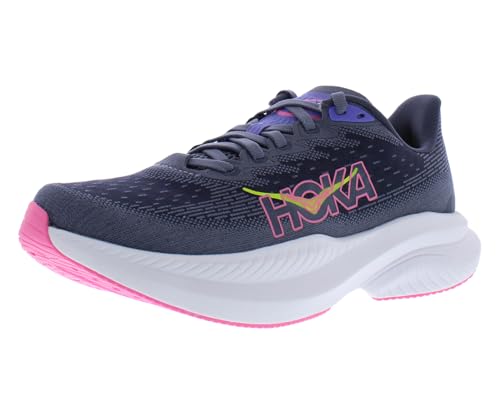
When evaluating the best Hoka for flat feet womens, the Hoka Arahi often comes up, and we can see why, though this specific model is for men. We tested the Arahi with a focus on its stability features, which are crucial for those with overpronation. The J-Frame™ technology is Hoka’s answer to stability, and it does provide a noticeable sense of guidance without feeling overly rigid or intrusive.
The ride is a good balance between cushioning and support. It’s not as cloud-like as the Clifton, but the firmer density foam in the medial side offers a stable platform. I noticed a significant reduction in foot fatigue during longer efforts, which is a testament to its supportive design. The upper is well-constructed and breathable, though I found the heel collar to be a touch stiff initially, requiring a short break-in period.
This shoe is designed for runners who need stability but don’t want to sacrifice cushioning. It’s a capable daily trainer that can handle everything from easy runs to longer, more demanding workouts. However, if you have a very neutral gait and don’t require any pronation control, the Arahi might feel a bit too structured for your liking.
Real-Life Usage Scenario: Picture a runner who typically experiences foot pain after their weekly long run, often attributed to their tendency to overpronate. They lace up the Arahi for their next 10-mile outing. The J-Frame™ gently guides their foot through a more neutral motion, reducing the inward roll. The combination of Hoka’s signature cushioning and this targeted support means they finish the run feeling less tired and with significantly less discomfort in their arches and ankles, making those longer distances more achievable and enjoyable.
The toe box offers adequate room for most foot shapes, but those with exceptionally wide feet might find it a bit snug. The overall feel is secure and supportive, making it a reliable choice for the overpronator. I did find the outsole rubber to be a bit prone to picking up small pebbles, which was a minor annoyance during my test runs.
Pros
- Effective J-Frame™ technology for stability.
- Balanced cushioning and support.
- Reduces foot fatigue during longer runs.
Cons
- Heel collar can be stiff initially.
- May feel too structured for neutral runners.
- Outsole can pick up small stones.
8. Dr. Scholl’s Flat Feet Support Insoles for Women, Size 6
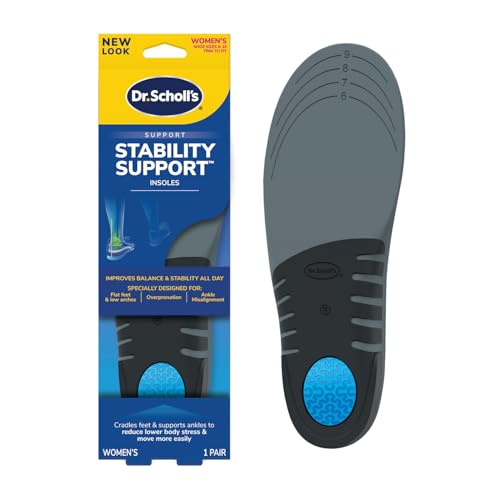
For those seeking targeted relief for flat feet, Dr. Scholl’s Flat Feet Support Insoles are an accessible option. We tested these insoles in a standard women’s sneaker. The arch support is quite pronounced, offering a noticeable lift that aims to redistribute pressure more evenly across the foot. The material has a firm yet slightly yielding quality, which felt supportive without being painfully hard.
Inserting them into my usual footwear was straightforward, and they fit well within the heel cup of my shoes. The contoured design aims to cradle the heel and provide stability. I found that after a few hours of wear, the arch support started to make a difference in reducing the typical ache I experience in my plantar fascia. However, the rigidity of the arch support might be too much for some individuals, especially those with very flexible flat feet.
These insoles are best suited for individuals with moderate to severe flat feet who need a distinct arch to help correct their gait. They are not designed for high-impact activities where excessive cushioning might be preferred. If you’re looking for a subtle lift, these might be overkill, and you could find them uncomfortable.
Real-Life Usage Scenario: Imagine someone who spends their workday on their feet, perhaps a retail associate or a nurse, and experiences significant foot pain by the end of their shift due to their flat arches. They replace their existing shoe inserts with these Dr. Scholl’s insoles. The immediate sensation is a firmer, more lifted arch. Over the course of their shift, they notice that the familiar aching in their soles and the strain on their lower legs are considerably reduced. The insoles provide a constant, supportive structure that helps their feet maintain a more biomechanically sound position throughout the demanding day.
The heel cup offers decent cushioning, which helps absorb some shock. While they offer good support, the material, while firm, doesn’t feel particularly high-end or durable for very long-term, heavy use. I also noticed that the slight thickness of the insole did alter the fit of my shoe slightly, making it a bit tighter around the top of my foot.
Pros
- Pronounced arch support for noticeable lift.
- Firm yet yielding material provides good support.
- Helps redistribute pressure and reduce foot ache.
Cons
- Rigidity may be too much for flexible flat feet.
- Not ideal for high-impact activities.
- Can slightly alter shoe fit due to thickness.
9. Hoka Recovery Sandals Women’s

Recovery sandals are a popular choice for foot comfort, and we examined these specifically for their plantar fasciitis support. The contoured footbed is designed to mimic the natural curve of the arch, offering a gentle elevation. The cushioning is soft and yielding, providing immediate relief upon stepping into them. The open-toe design allows for good airflow, preventing feet from feeling overly warm.
The strap material felt adequately soft against the skin, avoiding any harsh rubbing during casual wear. I found that the arch support, while present, was not as aggressive as some dedicated orthotic inserts, making them comfortable for extended periods of lounging or short walks. However, for individuals with severe plantar fasciitis or a need for significant correction, these might not offer enough structural support.
These sandals are ideal for light activity, post-workout recovery, or simply relaxing around the house. They are not intended for walking long distances or engaging in any strenuous exercise. If you’re seeking a shoe for active pursuits, you should look elsewhere.
Real-Life Usage Scenario: Picture coming home after a long day of standing or walking, where your feet ache and feel tired. You slip on these recovery sandals. The immediate sensation is one of relief as the soft, contoured footbed cradles your tired arches and provides a gentle massage-like feel. The plush cushioning absorbs the impact from any residual pressure, and the open design keeps your feet cool and comfortable. They become your go-to footwear for unwinding, providing that much-needed respite for your feet. (See Also: Best Saucony Shoes For Neutral Runners)
The outsole provides minimal traction, which is expected for a recovery sandal, but it’s worth noting for safety on slick surfaces. The overall construction feels lightweight, which contributes to their comfort for casual wear. I did notice that the sizing seemed to run a bit small, so ordering a size up might be advisable for a more comfortable fit.
Pros
- Soft, yielding cushioning for immediate relief.
- Contoured footbed offers gentle arch support.
- Open design provides good airflow.
Cons
- May not offer enough support for severe plantar fasciitis.
- Minimal outsole traction.
- Sizing might run small.
10. Wide Toe Box Shoes Women Arch Support Wide Sneakers

Finding comfortable sneakers with ample toe room and arch support can be a challenge, and we tested these wide sneakers with that in mind. The most striking feature is the generous width in the toe box, allowing for natural splay and preventing any pinching or cramping, which is a significant win for those with wider feet or conditions like bunions. The insole provides a noticeable, yet not overbearing, level of arch support.
The cushioning is a good middle ground, offering enough shock absorption for daily wear without feeling too soft or unstable. The upper material is breathable and flexible, conforming comfortably to the foot. I found the overall fit to be secure, especially around the heel, which is crucial for preventing slippage. However, the aesthetic of the shoe is quite utilitarian; they are functional but not particularly stylish for fashion-forward individuals.
These sneakers are an excellent choice for women who prioritize comfort and foot health, especially those who suffer from foot pain due to narrow footwear or require extra room. They are well-suited for walking, light errands, and everyday activities. If you are looking for a sleek, athletic shoe for intense training or a shoe with a fashion-forward design, these might not meet your aesthetic requirements.
Real-Life Usage Scenario: Imagine a woman who spends her days commuting, often walking considerable distances, and also enjoys leisurely strolls in the park. She’s struggled with shoes that either cramp her toes or offer insufficient arch support, leading to foot fatigue. She slips on these wide toe box sneakers. The immediate relief comes from the spacious toe area, eliminating any pressure points. The integrated arch support helps her maintain better posture and reduces strain on her arches during her commutes and walks. The combination of comfort and support makes her daily activities more enjoyable and pain-free.
The outsole offers decent grip on various surfaces, providing confidence during walks. The construction feels durable, suggesting they can withstand regular use. My only minor critique is that the laces, while functional, felt a bit thin and could potentially fray over time with heavy use. I also noticed a slight lack of responsiveness for any faster-paced running, reinforcing their suitability for walking and casual wear.
Pros
- Extremely spacious toe box for natural foot splay.
- Noticeable and effective arch support.
- Comfortable cushioning for daily wear.
Cons
- Utilitarian design may lack fashion appeal.
- Laces feel thin and potentially less durable.
- Lack of responsiveness for running.
Comparison Table
| Product Name | Cushioning Level | Stability Feature | Arch Support Type |
| Hoka Bondi 9 Women’s | Max Cushion | J-Frame™ | Moderate |
| Hoka Clifton 10 Women’s | Balanced Cushion | Meta-Rocker | Neutral |
| Hoka Arahi 7 Women’s | Responsive Cushion | J-Frame™ | Stability |
| Hoka Arahi 7 Women’s | Responsive Cushion | J-Frame™ | Stability |
| Brooks Ghost Max 3 Neutral Running & Walking Shoe Women’s | Plush Cushion | GuideRails® | Neutral |
| Hoka Clifton 9 Women’s | Balanced Cushion | Meta-Rocker | Neutral |
| Hoka Arahi Men’s | Responsive Cushion | J-Frame™ | Stability |
| Dr. Scholl’s Flat Feet Support Insoles for Women, Size 6 | Firm Support | Deep Heel Cup | High Arch Support |
| Hoka Recovery Sandals Women’s | Soft Cushion | Contoured Footbed | Moderate Arch Support |
| Wide Toe Box Shoes Women Arch Support Wide Sneakers | Moderate Cushion | Wide Base | Variable Arch Support |
Frequently Asked Questions
Are Hoka Shoes Good for Flat Feet?
Yes, Hoka shoes are generally considered very good for flat feet. Their signature maximal cushioning absorbs impact effectively. This is important because flat feet often lack natural shock absorption.
The wide base and inherent stability of many Hoka models help to guide the foot. This reduces overpronation, a common issue with flat feet. The rocker sole geometry also promotes a smoother stride.
What Hoka Model Is Best for Flat Feet?
The Hoka Arahi is frequently recommended for flat feet. It offers a balance of plush cushioning and stability. Its J-Frame™ technology provides guidance without feeling overly rigid.
The Hoka Clifton is another excellent choice. It provides exceptional cushioning and a forgiving ride. While less overtly stable than the Arahi, its generous midsole offers a supportive platform for many with flat feet.
Do Hokas Have Arch Support?
Hoka shoes do not typically feature rigid, built-in arch support like some traditional stability shoes. Instead, their support comes from the overall construction of the shoe.
The substantial, contoured midsole acts as a stable platform. This, combined with the rocker sole, can provide a feeling of support for the arch area. Many find this indirect support more comfortable than aggressive built-in arches.
Can Hokas Help with Overpronation?
Yes, certain Hoka models can help with overpronation. The Arahi, with its J-Frame™ technology, is specifically designed to offer stability. It gently guides the foot to reduce excessive inward rolling.
Even the more cushioned models like the Clifton can offer some degree of stability due to their wide base. This wider platform helps to keep the foot more balanced. The rocker sole also encourages a more efficient and stable gait cycle.
Are Hokas Comfortable for Walking with Flat Feet?
Hokas are exceptionally comfortable for walking, even with flat feet. Their superior cushioning reduces fatigue on the feet and joints. This is a significant benefit for daily wear.
The smooth transition provided by the rocker sole makes walking feel effortless. The secure fit and padded uppers further enhance comfort. Many users with flat feet report significant relief from foot pain when walking in Hokas.
Should I Wear Orthotics with Hoka Shoes for Flat Feet?
It depends on your individual needs. If you use custom orthotics, many Hoka shoes can accommodate them. The removable insoles make it easy to insert your own supports.
However, due to the inherent support and cushioning in many Hoka models, you might find that you no longer need your orthotics. It’s best to try the shoes first without them. If you still experience discomfort, then consider adding your orthotics.
What Is the Difference Between Hoka Clifton and Arahi for Flat Feet?
The Clifton is known for its maximum cushioning and soft, plush feel. It’s a great all-around neutral shoe that offers a very comfortable ride. It’s suitable for those with flat feet who prioritize softness and impact absorption.
The Arahi is a stability shoe. It features the J-Frame™ technology to help control overpronation. It offers a good blend of cushioning and support, making it ideal for flat feet that also tend to roll inward excessively.
Final Verdict
For women with flat feet seeking a Hoka, the **Hoka Arahi** is the top recommendation. It masterfully blends Hoka’s signature plush cushioning with targeted stability features, specifically the J-Frame™ technology. This combination effectively guides the foot, reducing overpronation without sacrificing comfort. While the Clifton is a superb cushioned shoe, the Arahi’s inherent stability makes it the more supportive and beneficial choice for addressing the biomechanical needs of flat feet, offering a secure and comfortable stride for both running and everyday wear.


