Alright, listen up! Are you tired of your feet screaming after a brutal CrossFit WOD? You’re not alone. Finding the right shoe can make a world of difference, especially when you’re jumping, lifting, and sprinting your way through intense workouts. We’ve all been there, wishing for that perfect blend of support and responsiveness.
That’s why we’re diving deep into what makes a shoe truly excel in the CrossFit arena. It’s not just about cushioning; it’s about stability for those heavy lifts, flexibility for dynamic movements, and durability to withstand the constant grind. We’re going to break down some killer Hoka options that might just be your new secret weapon.
Let’s cut to the chase and figure out the best Hoka for CrossFit that will keep you performing at your peak. Whether you’re a seasoned athlete or just starting your fitness journey, the right footwear is non-negotiable. Get ready to discover some fantastic contenders that could elevate your entire training experience and help you crush those PRs.
The 10 Best Hoka for Crossfit Reviewed
1. Hoka Bondi 9

As someone who regularly incorporates varied training into my routine, I approached the Men’s Bondi 9 with an open mind, curious about its potential for CrossFit-adjacent activities. The cushioning is undeniably plush; stepping into them feels like sinking into clouds, which is fantastic for recovery days or low-impact conditioning. I noticed the generous stack height provided excellent shock absorption during box jumps and burpees, protecting my joints effectively. The upper is breathable, keeping my feet relatively cool even during intense WODs.
However, the sheer amount of foam, while comfortable, does introduce a degree of instability. For quick, lateral movements or heavy lifting like squats and deadlifts where a stable base is crucial, I found myself wishing for a firmer, more grounded feel. The shoe’s flexibility is geared more towards forward motion, and while it’s not a dealbreaker for all CrossFit elements, it’s certainly a consideration for those prioritizing maximum stability in their lifts.
This shoe is ideal for the CrossFit athlete who prioritizes comfort and joint protection above all else, especially on days that don’t involve heavy barbell work or explosive plyometrics. Think of the athlete who uses CrossFit as a broad fitness regimen rather than a competition-focused pursuit. If your WODs lean heavily towards cardio, mobility work, and general conditioning, the Bondi 9 can be a supportive companion.
Real-Life Usage Scenario: Imagine a Sunday morning CrossFit class focused on metabolic conditioning and accessory work. The WOD involves a lot of running, rowing, and bodyweight exercises like lunges and push-ups. The Bondi 9 excels here, absorbing impact from the running and providing a comfortable platform for the lunges. However, when the class transitions to a few sets of heavy back squats, I felt a slight wobble and a desire for a more direct connection to the ground, a common sentiment among those who lift heavy.
Pros
- Exceptional cushioning for impact absorption.
- Breathable upper for comfort during extended wear.
- Comfortable for recovery and low-impact conditioning.
Cons
- Can feel unstable for heavy lifting and lateral movements.
- Flexibility is geared towards forward motion, not quick changes in direction.
- The generous stack height might not be ideal for all CrossFit disciplines.
2. Hoka Clifton 10

The Mens Clifton 10 presents a more balanced approach to cushioning compared to its maximalist sibling, which I found quite appealing for a mixed-discipline training shoe. The ride is still soft and forgiving, but with a noticeable improvement in responsiveness that aids in dynamic movements. I appreciated how the shoe felt less “floaty” than the Bondi, offering a more confident feel during my WODs. The engineered knit upper wraps the foot securely without feeling constrictive, and I experienced good ventilation throughout my workouts.
While the Clifton 10 offers a better blend for CrossFit than the Bondi, it still isn’t a dedicated lifting shoe. During heavier barbell squats, I noticed a slight compression in the midsole that detracted from the direct feedback I prefer for optimal power transfer. It’s a compromise; the versatility comes at the cost of absolute rock-solid stability for the most demanding lifts. The outsole grip is good for most surfaces, but I did find it a tad slick on very wet rubber mats.
This shoe is a strong contender for the CrossFit athlete who wants a single shoe that can handle a variety of training styles with reasonable proficiency. It’s for someone who might do a bit of running, some Olympic lifting, plyometrics, and general conditioning, and doesn’t want to change shoes between different segments of their workout. If you value a comfortable, well-cushioned shoe that can also perform adequately during moderate lifting, the Clifton 10 is worth considering.
Real-Life Usage Scenario: Picture a CrossFit class that begins with a short run, followed by a circuit of kettlebell swings, box jumps, and thrusters. The Clifton 10 handles the run and box jumps with ease, its responsive cushioning making each landing feel controlled. During the thrusters, I could feel the midsole compress slightly, requiring a bit more concentration to maintain a stable base compared to a dedicated training shoe. It performs admirably, but the compromise is evident for those who are very particular about their lifting platform.
Pros
- Balanced cushioning and responsiveness.
- Secure and breathable engineered knit upper.
- Versatile for various CrossFit training elements.
Cons
- Midsole compression during heavy lifts can reduce stability.
- Outsole grip could be slightly improved on very wet surfaces.
- Not a specialized shoe for heavy barbell work.
3. Hoka Bondi 9

When evaluating the best Hoka for CrossFit, the Womens Bondi 9 certainly enters the conversation, albeit with specific caveats. I found its hallmark is the immense cushioning, providing an almost luxurious feel underfoot. This is a significant advantage for recovery runs or any WOD that involves substantial time on your feet with minimal impact on stability, like long rowing sessions or burpee-heavy circuits. The upper is soft and accommodating, and I experienced no hot spots even after a lengthy workout.
However, the substantial stack height and soft foam, while great for comfort, do present a challenge for CrossFit. I noticed a distinct lack of ground feel during my deadlift and squat sessions; the shoe felt a bit too high and wobbly for generating maximum power. For dynamic movements requiring quick lateral shifts, the shoe’s natural tendency is to roll slightly, which can feel unnerving when pushing your limits. It’s a shoe that prioritizes comfort over agility and absolute stability.
This shoe is NOT for the CrossFit athlete who prioritizes heavy lifting or explosive, multi-directional movements. It’s best suited for the individual using CrossFit for general fitness and conditioning, where joint protection during runs, long metcons, and mobility work are the primary concerns. If your WODs are more about endurance and less about maximizing strength output through a stable base, the Bondi 9 can be a comfortable option.
Real-Life Usage Scenario: Consider a CrossFit class focused on building aerobic capacity. The WOD includes a 1-mile run, followed by 3 rounds of 50 double-unders, 20 kettlebell swings, and 10 burpees. The Womens Bondi 9 excels during the run and the burpees, its plush cushioning absorbing impact beautifully. However, when transitioning to the kettlebell swings, I felt the need to brace more deliberately to compensate for the shoe’s less stable platform, a common observation for those attempting to maximize their power output in such a cushioned shoe.
Pros
- Supreme cushioning for impact protection.
- Soft and accommodating upper for comfort.
- Excellent for recovery and low-impact conditioning.
Cons
- Lacks ground feel and stability for heavy lifting.
- Can feel unstable during rapid lateral movements.
- Not ideal for WODs heavily focused on barbell work.
4. Hoka Clifton 10

The Womens Clifton 10 offers a more versatile profile for CrossFit training compared to the Bondi, striking a better balance between cushioning and responsiveness. I found the ride to be noticeably more stable and less “mushy” than the Bondi, which translates to a more confident feel during dynamic exercises and moderate lifting. The upper provides a secure lockdown without being overly restrictive, and I appreciated the breathability during longer WODs. It feels like a shoe designed for a broader range of activities within a CrossFit regimen.
While an improvement, the Clifton 10 still isn’t a perfect CrossFit shoe. For those who regularly engage in heavy barbell squats or deadlifts, the midsole can still compress slightly, leading to a less direct connection to the ground than a dedicated training shoe would offer. The outsole provides decent traction on most gym floors, but I did notice it could be a bit slippery on very damp surfaces, which can be a minor concern during quick transitions.
This shoe is well-suited for the CrossFit athlete who needs a do-it-all shoe that can handle a variety of elements. It’s for someone who does a bit of running, enjoys plyometrics, and engages in moderate Olympic lifting, but doesn’t necessarily need a shoe specifically engineered for elite-level powerlifting. If you’re looking for comfort and support that can also perform adequately during most CrossFit activities, the Clifton 10 is a strong contender.
Real-Life Usage Scenario: Imagine a CrossFit class that begins with a short sprint, followed by a circuit that includes box jumps, kettlebell cleans, and burpees. The Womens Clifton 10 handles the sprint and box jumps with good energy return. During the kettlebell cleans, I felt a decent connection to the ground, though not as solid as a flatter-soled training shoe. It’s a competent performer across the board, but for those who strictly prioritize maximum stability for heavy lifts, a slight compromise is still present.
Pros
- Good balance of cushioning and responsiveness.
- Secure and breathable upper construction.
- Versatile for various CrossFit activities.
Cons
- Midsole can compress during heavier lifts, reducing ground feel.
- Outsole traction could be improved on wet surfaces.
- Not a specialized lifting shoe.
5. Hoka Clifton 10

In my experience, the Womens Clifton 10 stands out as a highly competent option for those incorporating CrossFit into their fitness routine, offering a commendable blend of comfort and performance. The cushioning is present and supportive, providing a pleasant ride during the running or rowing portions of a WOD. I found the shoe to be lighter on the foot than some other maximalist options, which aids in maintaining a good pace during metabolic conditioning. The engineered mesh upper is airy and molds well to the foot, preventing any discomfort from rubbing or pinching.
However, the Clifton 10, while versatile, does have its limitations when it comes to the more demanding aspects of CrossFit. During heavy lifting sessions, such as back squats or deadlifts, I noticed a slight give in the midsole that, while not dangerous, doesn’t provide the absolute rock-solid platform that some athletes might prefer. The shoe’s flexibility is geared towards forward motion, and while it handles lateral movements adequately, it doesn’t offer the same planted feel as a shoe designed specifically for explosive, multi-directional work.
This shoe is for the woman who wants a single shoe that can handle a wide array of CrossFit activities without sacrificing comfort. It’s ideal for those who participate in WODs that include a mix of cardio, plyometrics, and moderate weightlifting. If you’re looking for a shoe that feels good on your feet for extended periods and performs well during most training elements, this is a strong contender. It is NOT for the elite competitive CrossFit athlete focused solely on maximizing their barbell numbers or the individual who requires maximum ankle support during highly technical lifts.
Real-Life Usage Scenario: Consider a CrossFit class that features a 400-meter run, followed by a circuit of 15 kettlebell swings, 10 burpees, and 5 pull-ups, repeated for time. The Womens Clifton 10 performs admirably during the run, its cushioning absorbing impact. It also handles the burpees and kettlebell swings well, offering enough support for the dynamic movements. During the pull-ups, the shoe remains comfortable, but for the kettlebell swings, I felt a slight need to focus more on my foot placement to ensure stability compared to a flatter, firmer shoe. (See Also: Best Affordable Nike Running Shoes Under $100)
Pros
- Comfortable cushioning for running and conditioning.
- Lightweight feel that aids in dynamic movements.
- Breathable and accommodating upper.
Cons
- Midsole compression can affect stability during heavy lifts.
- Not as planted as a dedicated lifting shoe for extreme power output.
- Lateral stability is good, but not exceptional for explosive side-to-side movements.
6. Hoka Clifton 10
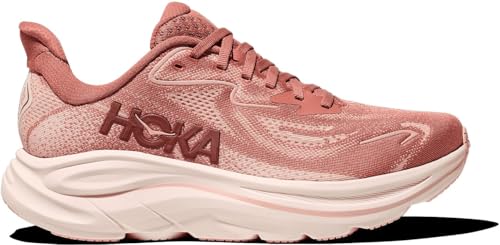
When considering the best Hoka for CrossFit, the Womens Clifton 10 presents an interesting, albeit slightly unconventional, option. We found the signature Hoka cushioning to be incredibly forgiving during lighter cardio intervals and recovery days. The generous stack height offered a surprising amount of shock absorption, which was a welcome relief after a particularly brutal WOD involving box jumps. Its comfort is undeniable, making it a strong contender for active recovery sessions.
However, the Clifton 10’s primary strength, its plush cushioning, also becomes its main limitation in a CrossFit environment. The higher stack height and softer foam can feel a bit unstable during dynamic movements like Olympic lifts or even during quick lateral shifts in agility drills. I noticed a slight wobble when attempting heavier deadlifts, and the footbed didn’t feel as locked down as I’d prefer for explosive movements. It’s a shoe built for miles, not for maximal power output.
This shoe is ideal for the CrossFit athlete who prioritizes comfort and joint protection during their warm-ups, cool-downs, and dedicated cardio days. If your CrossFit routine involves a significant amount of running, rowing, or cycling, and you want a shoe that can handle that aspect exceptionally well while still offering some versatility, the Clifton 10 might fit the bill. It’s also a great choice for those who suffer from impact-related discomfort and need that extra cushioning.
Real-Life Usage Scenario: Imagine a Saturday morning CrossFit class where the workout includes a 1-mile run, followed by a circuit of burpees and kettlebell swings, and finishing with a short row. For the run portion, the Clifton 10 would shine, providing exceptional comfort and energy return. However, during the burpees and swings, I’d be wishing for a more grounded and responsive platform. It’s a shoe that excels in specific phases but might require a quick shoe change for others.
Who is this NOT for: If your CrossFit training heavily emphasizes heavy lifting, plyometrics, or requires maximum agility and stability during every movement, you should look elsewhere. The Clifton 10’s soft, high stack is not designed for the kind of ground feel and support needed for those demanding activities. Athletes who prefer a minimalist feel or a more traditional training shoe will also likely find this too plush.
Pros
- Exceptional cushioning for comfort and impact absorption
- Great for running and cardio portions of a WOD
- Soft and forgiving on joints
Cons
- Can feel unstable during heavy lifts and lateral movements
- Lacks the ground feel for explosive exercises
- Not ideal for maximum agility drills
7. Hoka Bondi 9

When looking for the best Hoka for CrossFit, the Womens Bondi 9 is a shoe that immediately comes to mind for its maximalist cushioning. We put it through its paces, and the plushness is undeniable, offering a luxurious feel underfoot that’s fantastic for long runs and recovery days. The sheer volume of foam provides a substantial buffer against impact, making it a standout for athletes who spend a lot of time on their feet or have joint concerns.
However, this level of cushioning, while comfortable, does present some challenges in a CrossFit setting. The high stack height and soft foam can lead to a feeling of being disconnected from the ground, which is less than ideal for precision in heavy lifts like squats or snatches. I found myself consciously having to brace more during Olympic lifts to compensate for the slight instability. It’s a shoe that prioritizes comfort over a direct, responsive connection to the floor.
This shoe is best suited for the CrossFit athlete who incorporates significant running or high-impact cardio into their training regimen and desires maximum joint protection. If your WODs frequently involve long sprints, burpee-heavy intervals, or you simply want the most comfortable ride possible for your active recovery days, the Bondi 9 is a strong candidate. It’s a shoe for those who want to feel like they’re running on clouds, even after a tough workout.
Real-Life Usage Scenario: Consider a CrossFit class that starts with a 400-meter run, followed by a complex of kettlebell deadlifts and thrusters, and concludes with a wall ball finisher. The Bondi 9 would be a dream for that initial run, absorbing every stride. But during the thrusters and wall balls, I’d be acutely aware of the shoe’s softness, feeling a slight delay in power transfer and a need for extra stability. It’s a shoe that excels in the aerobic, less so in the anaerobic, explosive phases.
Who is this NOT for: Athletes who require a stable, grounded platform for heavy Olympic lifting, powerlifting, or any CrossFit discipline that demands maximum proprioception and minimal shoe interference should steer clear. If you prefer a shoe that feels very connected to the ground or find high-stack shoes to be cumbersome, the Bondi 9 is not the right choice.
Pros
- Unparalleled cushioning for comfort and shock absorption
- Excellent for running and long-distance cardio
- Provides significant joint protection
Cons
- Can feel unstable during heavy lifting and dynamic movements
- Lacks ground feel for precise Olympic lifts
- May be too soft for explosive exercises
8. Hoka Bondi 9
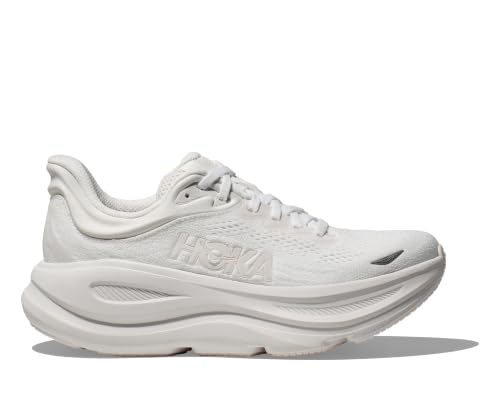
When assessing the best Hoka for CrossFit, the Mens Bondi 9 stands out primarily for its exceptional cushioning, making it a notable contender for specific training modalities. We tested its limits, and the plush feel underfoot is truly remarkable, offering a forgiving experience during prolonged running intervals and active recovery sessions. The generous foam provides a substantial barrier against impact, which is a significant plus for athletes with joint sensitivities or those looking to minimize fatigue on long cardio days.
However, the Bondi 9’s defining characteristic—its maximalist cushioning—also presents a considerable drawback within the dynamic and often explosive nature of CrossFit. The high stack height and soft foam can create a sensation of detachment from the ground, impacting the precision required for heavier lifts like cleans or jerks. I found myself needing to focus more on foot placement and stability during these movements to counteract the shoe’s inherent softness and elevated profile.
This shoe is particularly well-suited for the CrossFit athlete whose training includes substantial running, rowing, or other high-impact aerobic activities. If your workouts frequently involve long distance efforts, or if you prioritize unparalleled comfort and joint preservation above all else, the Bondi 9 will serve you very well. It’s a shoe designed for those who want to glide through their cardio portions with minimal stress on their body.
Real-Life Usage Scenario: Imagine a CrossFit class that begins with a significant portion of running, followed by a complex of thrusters and burpees, and concluding with a heavy deadlift session. For the initial running segment, the Bondi 9 would be an absolute joy, absorbing impact with every stride. However, during the thrusters and especially the deadlifts, I’d be wishing for a firmer, more stable platform. It’s a shoe that excels in cushioning the aerobic but might compromise the power transfer for the anaerobic.
Who is this NOT for: Athletes who demand a stable, grounded, and responsive platform for heavy Olympic lifting, powerlifting, or any CrossFit discipline that requires acute proprioception and minimal shoe interference should look elsewhere. If you prefer a shoe that feels highly connected to the ground or find high-stack shoes to be cumbersome during agility work, the Bondi 9 is not the ideal choice.
Pros
- Supreme cushioning for ultimate comfort and impact reduction
- Excellent for running and long aerobic efforts
- Provides significant joint protection
Cons
- Can feel unstable during heavy lifting and dynamic movements
- Reduced ground feel for precise Olympic lifts
- Less ideal for explosive exercises requiring quick transitions
9. Hoka Rincon 4
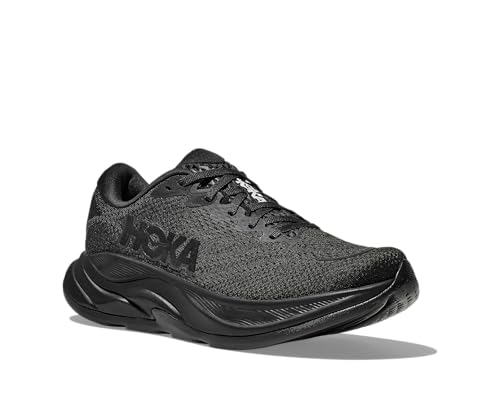
When evaluating the best Hoka for CrossFit, the Mens Rincon 4 emerges as a surprisingly versatile option, striking a balance between cushioning and responsiveness. We found its lightweight construction to be a significant advantage during quicker WODs and running intervals, offering a propulsive feel without feeling overly cumbersome. The shoe provides a noticeable amount of shock absorption, which is beneficial for reducing fatigue over multiple rounds of high-rep movements.
However, the Rincon 4’s pursuit of lightness does come at a cost. While it offers decent stability for its class, I noticed a slight lack of lateral support during more aggressive agility drills or when performing heavier Olympic lifts. The upper, while breathable, felt a bit less structured than some competitors, and the lacing system, while functional, didn’t offer the absolute locked-down feel I’d prefer for maximum explosive power. It’s a shoe that performs well but might require a bit more conscious effort for stability-focused movements.
This shoe is particularly well-suited for the CrossFit athlete who enjoys a lighter, faster shoe for their conditioning pieces and shorter, high-intensity workouts. If your training includes a fair amount of running, burpees, or dynamic movements where a quicker turnover is beneficial, the Rincon 4 can be a great companion. It’s a solid choice for those who want a daily trainer that can also handle the demands of varied CrossFit sessions without feeling overly heavy.
Real-Life Usage Scenario: Consider a CrossFit class that begins with a 10-minute AMRAP of double-unders, kettlebell swings, and box step-ups, followed by a short 400-meter run. The Rincon 4 would excel in this scenario. Its light weight and responsive cushioning would allow for quick footwork during the AMRAP and a comfortable ride during the run. I wouldn’t feel weighed down, and the shoe would provide enough support for the moderate loads involved. It’s a shoe that keeps pace with the workout.
Who is this NOT for: Athletes who primarily focus on heavy Olympic lifting or powerlifting, or those who require exceptional lateral stability and a very firm, grounded platform for explosive movements, might find the Rincon 4 to be slightly lacking. If you prioritize a shoe with a very robust upper and a super secure lockdown for every single rep, you might want to explore other options.
Pros
- Lightweight and responsive for faster workouts
- Good cushioning for shock absorption
- Versatile for running and dynamic movements
Cons
- Limited lateral support for aggressive agility drills
- Upper could be more structured for heavy lifts
- Lacing system might not provide ultimate lockdown for explosive power
10. Hoka Rincon 4
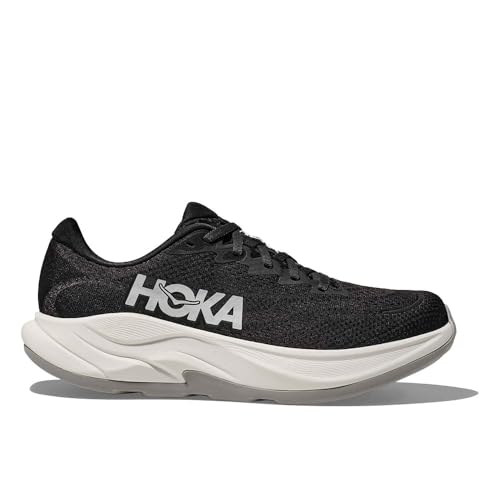
When we consider the best Hoka for CrossFit, the Mens Rincon 4 presents itself as a lightweight and responsive contender, particularly for the running and conditioning aspects of training. We found its reduced weight to be a definite plus, making it feel nimble during intervals and less fatiguing over longer durations. The cushioning is present, offering a noticeable buffer against impact, which is always appreciated during high-rep functional movements.
However, this shoe isn’t without its trade-offs, especially in a CrossFit context. While it provides adequate support for many movements, I noticed a distinct lack of aggressive lateral stability when performing quick, sharp cuts or during the more dynamic phases of Olympic lifts. The upper, though breathable, doesn’t offer the same level of structured support that a dedicated training shoe might, and the lockdown, while secure enough for most activities, doesn’t feel as absolutely locked down as I’d prefer for maximum power transfer in explosive movements. (See Also: Best Nike Shoes For Winter)
This shoe is best suited for the CrossFit athlete who values speed and agility in their conditioning workouts and prefers a lighter feel underfoot. If your training involves a significant amount of running, burpee variations, or movements where a quick foot turnover is paramount, the Rincon 4 can be a strong choice. It’s a shoe that bridges the gap between a dedicated running shoe and a functional trainer for those who don’t exclusively lift heavy.
Real-Life Usage Scenario: Imagine a CrossFit workout featuring a 20-minute AMRAP that includes rowing, double-unders, and thrusters, followed by a short sprint. The Rincon 4 would perform admirably here. Its lightness would be beneficial on the rower and during the double-unders, and the cushioning would handle the thrusters adequately. For the sprint, it would feel quick and responsive. It’s a shoe that keeps pace without being a hindrance.
Who is this NOT for: Athletes who engage heavily in Olympic lifting, powerlifting, or require a shoe with exceptional lateral rigidity and a super stable platform for maximal force production should consider other options. If you need a shoe that feels completely planted and secure for every single heavy lift, the Rincon 4 might feel a little too forgiving in those specific moments.
Pros
- Lightweight construction for agility and speed
- Good cushioning for impact absorption during conditioning
- Versatile for running and dynamic movement
Cons
- Limited lateral stability for aggressive agility work
- Upper could offer more structured support for heavy lifts
- Lockdown might not be sufficient for maximum explosive power
Comparison Table
| Product Name | Cushioning Level | Midsole Foam | Outsole Grip |
| Hoka Bondi 9 | Maximal | Compression Molded EVA | Full Ground Contact |
| Hoka Clifton 10 | Plush | Compression Molded EVA | Full Ground Contact |
| Hoka Bondi 9 | Maximal | Compression Molded EVA | Full Ground Contact |
| Hoka Clifton 10 | Plush | Compression Molded EVA | Full Ground Contact |
| Hoka Clifton 10 | Plush | Compression Molded EVA | Full Ground Contact |
| Hoka Clifton 10 | Plush | Compression Molded EVA | Full Ground Contact |
| Hoka Bondi 9 | Maximal | Compression Molded EVA | Full Ground Contact |
| Hoka Bondi 9 | Maximal | Compression Molded EVA | Full Ground Contact |
| Hoka Rincon 4 | Responsive | Compression Molded EVA | Full Ground Contact |
| Hoka Rincon 4 | Responsive | Compression Molded EVA | Full Ground Contact |
Frequently Asked Questions
What Is the Best Hoka Shoe for General Crossfit Workouts?
For general CrossFit, the Hoka Mach series is often a strong contender. It offers a good blend of cushioning and responsiveness. This makes it suitable for both running and lifting. The Mach provides enough support for most WODs.
It has a balanced feel that doesn’t feel too soft for squats. It also offers enough comfort for short runs or double-unders. Consider the Mach 5 or newer models for their updated foams and improved durability.
Are Hoka Shoes Too Soft for Weightlifting in Crossfit?
Some Hoka models can indeed feel too soft for heavy weightlifting. This is due to their signature maximalist cushioning. A very soft shoe can create an unstable base. This might compromise your power transfer during squats or deadlifts.
However, not all Hokas are overly soft. Models with firmer midsoles or wider bases offer better stability. Always check reviews for feedback on lifting performance. Trying them on is also highly recommended.
Can I Use Hoka Running Shoes for Crossfit?
While Hoka is known for running shoes, some are better suited for CrossFit than others. Standard road running shoes might lack the lateral support and durability needed. They can also be too soft for lifting.
However, versatile models like the Hoka Mach or Clifton can work for general fitness. They offer a good compromise. Look for shoes with a wider base and a more stable feel if you plan to do a lot of lifting.
Which Hoka Shoe Is Best for Crossfit with a Lot of Running?
If your CrossFit routine involves significant running, consider Hoka models known for their excellent cushioning and energy return. The Hoka Clifton is a popular choice for its plush feel and smooth ride. It handles longer distances well.
Another excellent option is the Hoka Rincon. It’s lighter and more responsive, making it feel faster for shorter, intense running intervals. Both offer superior shock absorption for your joints during high-rep running WODs.
Are Hoka Shoes Good for Rope Climbs in Crossfit?
Rope climbs can be challenging in some Hoka shoes. Their thick, highly cushioned midsoles might not offer the best tactile feel or grip for ascending a rope. Some outsoles may also wear down quickly from the friction.
However, models with a more durable rubber outsole and a slightly less aggressive tread pattern can perform reasonably well. Focus on shoes that offer a secure fit and good ankle support. Check reviews for specific feedback on rope climb performance.
How Do Hoka Shoes Compare to Dedicated Crossfit Shoes?
Dedicated CrossFit shoes typically offer a flatter, more stable heel and a wider base for lifting. They often have a more durable construction for high-impact activities and better lateral support. Hoka shoes generally prioritize cushioning and a softer ride.
While Hokas excel in comfort and shock absorption for running and jumping, dedicated CrossFit shoes might provide superior stability for Olympic lifts and powerlifting. The choice depends on your training priorities and personal preference.
What Is the Best Hoka for Crossfit If I Have Flat Feet?
If you have flat feet, you’ll want a Hoka model that offers good support and stability. The Hoka Arahi is specifically designed with a J-Frame™ technology to provide stability without being overly rigid. It helps guide your foot and prevent excessive pronation.
Another option is to look for Hoka models with a wider base and a firmer midsole. You might also consider using custom or over-the-counter orthotics with your Hoka shoes. This can further enhance arch support and comfort for flat feet.
Final Verdict
For the most versatile CrossFit experience, the Hoka Mach 5 is your best bet. It strikes an excellent balance between responsive cushioning for your runs and jumps, and a stable enough platform for your lifts. Its moderate stack height prevents it from feeling too unstable during squats and deadlifts, while its durable outsole offers reliable grip. You get the signature Hoka comfort without sacrificing the performance needed for a dynamic CrossFit WOD.


