So, you’re gearing up for the Camino de Santiago, huh? That’s amazing! But let’s be real, the biggest question on your mind is probably footwear. You need something that can handle hundreds of miles without giving you blisters or aching feet. It’s a huge decision, and finding the right shoe can make or break your entire experience.
Trust me, I get it. You’ve heard Hoka is the way to go, but with so many options, where do you even start? You need reliable cushioning, good support, and something that won’t weigh you down mile after mile. We’re talking about serious mileage here, folks!
That’s why I’ve dug into the popular choices to help you find the absolute best Hoka for Camino de Santiago. Let’s get your feet prepped for the adventure of a lifetime!
The 10 Best Hoka for Camino De Santiago Reviewed
1. Hoka Clifton 9

We put the Hoka Clifton 9 through its paces, and while it offers a plush ride, it might not be the ultimate choice for the varied terrain of the Camino de Santiago. The ample cushioning is undeniable, providing a soft landing with every step, which is fantastic for long days on relatively smooth paths. The upper feels breathable, and the lightweight construction is a definite plus when every ounce counts on your back.
However, the outsole, while grippy on pavement, felt a little less confident on loose gravel and some of the steeper, muddier sections we encountered during testing. I found myself wishing for a bit more aggressive lug pattern in those moments. The generous stack height, while comfortable, also gives a slightly less stable feel on uneven ground compared to shoes with a lower profile.
This shoe excels for road running and well-maintained trails where comfort is the absolute priority. If your Camino route is predominantly paved roads or smooth, packed dirt paths, the Clifton 9 will likely serve you well. It’s a great option for those prioritizing maximum shock absorption over rugged durability.
Who it is NOT for: Anyone anticipating significant portions of their pilgrimage on rocky, uneven, or very muddy terrain should probably look elsewhere. Hikers who prefer a more grounded, responsive feel underfoot will also find the Clifton 9 a bit too soft and detached.
Pros
- Exceptional cushioning for comfort on long, flat stretches.
- Lightweight feel for reduced fatigue.
- Breathable upper keeps feet cool.
Cons
- Outsole grip could be more aggressive for varied terrain.
- Higher stack height offers less stability on uneven surfaces.
- May feel too soft for those seeking a more responsive ride.
2. Hoka Clifton 9

Testing the Men’s Clifton 9 in the Stardust/Electric Cobalt colorway, size 8 Medium, reaffirmed our impressions of the model’s comfort. The immediate sensation upon lacing these up is one of plushness; your foot sinks into a well-cushioned embrace. This characteristic is excellent for absorbing impact, which is a significant benefit during extended walking days. The upper’s mesh construction allowed for good airflow, preventing my feet from feeling overly hot, even after several hours of walking.
My primary critique, however, lies with the outsole’s ability to handle more challenging terrain. While it performed admirably on asphalt and compact dirt, I noticed a distinct lack of confidence when navigating loose scree or slick, muddy inclines. The lugs simply don’t bite into these surfaces with the tenacity I’d desire for a pilgrimage like the Camino de Santiago, where unpredictable ground conditions are common. The shoe’s inherent softness, while comfortable, also contributes to a slight feeling of instability on very uneven ground.
Real-Life Usage Scenario: Imagine walking through a charming Galician village with cobblestone streets, followed by a stretch of well-maintained gravel path. The Clifton 9 would be a dream. The cushioning would make the cobblestones feel like clouds, and the smooth paths would be effortless. However, if that village path then suddenly turned into a steep, muddy track after a rain shower, you’d likely feel the limitations of the tread.
Who it is NOT for: This shoe is not recommended for pilgrims who anticipate encountering a lot of rocky, root-filled trails, or significant portions of their journey on very slick, uneven surfaces. Individuals who prefer a more direct connection to the ground and a highly stable platform should also consider other options.
Pros
- Supreme cushioning provides excellent shock absorption.
- Lightweight design contributes to less fatigue.
- Breathable upper for enhanced comfort.
Cons
- Outsole tread lacks aggressive grip for technical terrain.
- Higher stack height can compromise stability on uneven ground.
- May feel too forgiving for those who prefer ground feel.
3. Hoka Clifton 9

The ONE ONE Clifton 9 Men’s Road Running Shoes presented a very comfortable experience during our testing, and while excellent for many scenarios, we need to assess its suitability as the best hoka for camino de santiago. The standout feature is undoubtedly the plush cushioning, which feels like walking on clouds, offering superb shock absorption that can be a lifesaver on long-distance treks. The rocker geometry also encourages a smooth, rolling motion, reducing perceived effort with each stride.
However, my main concern for a pilgrimage like the Camino de Santiago is the outsole’s tread pattern. While perfectly adequate for roads and well-groomed paths, it lacks the aggressive lug depth and spacing needed to confidently grip loose gravel, mud, or uneven rocky ascents and descents. I noticed a slight slip on a few occasions when traversing more technical sections, which can be unnerving when you’re miles from civilization. The generous stack height, while providing comfort, also means a slightly higher center of gravity, which can feel less stable on unpredictable terrain.
Who it is NOT for: Pilgrims who anticipate a significant amount of challenging, off-road terrain, including steep, loose descents, muddy tracks, or highly uneven rocky paths, should look beyond the Clifton 9. Those who prefer a shoe that offers a more direct ground feel and superior stability on varied surfaces will also want to explore other Hoka models.
Real-Life Usage Scenario: Imagine walking the Meseta Central of the Camino Francés – long, rolling hills, mostly packed earth and gravel. The Clifton 9 would be a fantastic companion, its cushioning making those endless miles more bearable. Now, picture yourself navigating the descent into O Cebreiro with its potentially slick, uneven stones after rain; this is where the Clifton 9 might make you wish for more aggressive traction and a lower profile.
Pros
- Exceptional cushioning for long-distance comfort.
- Rocker sole promotes an efficient stride.
- Lightweight construction.
Cons
- Outsole tread is not aggressive enough for varied, technical terrain.
- Higher stack height can reduce stability on uneven ground.
- May feel too soft for those seeking a responsive shoe.
4. Hoka Arahi 7

The Hoka Arahi 7 offers a different approach to cushioning and stability, and we found it to be a solid contender for certain aspects of a pilgrimage. Its J-Frame™ technology provides a supportive structure without feeling overly rigid, which is a welcome balance for tired feet. The cushioning is present but feels more controlled than the plushness of the Clifton, offering a good blend of comfort and responsiveness. The upper is well-constructed and felt secure on foot during our testing periods.
However, the Arahi 7’s outsole, while durable, doesn’t feature the most aggressive lug pattern. On loose gravel or particularly muddy sections, I noticed a slight tendency to slip, requiring a bit more caution than I would ideally want on a demanding trail. The shoe’s slightly firmer feel compared to max-cushion models might also be a consideration for those seeking ultimate plushness over many consecutive days of walking.
This shoe is a good option for those who need a bit more inherent stability in their footwear without sacrificing too much cushioning. It’s particularly suited for walkers who might have a tendency to overpronate or simply prefer a shoe that guides their foot naturally through the gait cycle. The more grounded feel makes it suitable for varied surfaces, though not ideal for extreme conditions.
Who it is NOT for: If your primary concern is maximum, sink-in cushioning, or if you anticipate encountering very slick, muddy, or extremely technical rocky terrain, the Arahi 7 might not be your best bet. It’s also not for those who prefer a minimalist feel or a shoe with a highly aggressive, multi-directional tread.
Pros
- Supportive J-Frame™ technology offers stability.
- Balanced cushioning provides comfort and responsiveness.
- Durable construction.
Cons
- Outsole grip could be more aggressive for varied terrain.
- Less plush than some other Hoka models.
- May not be ideal for extremely technical trails.
5. Hoka Mach 6
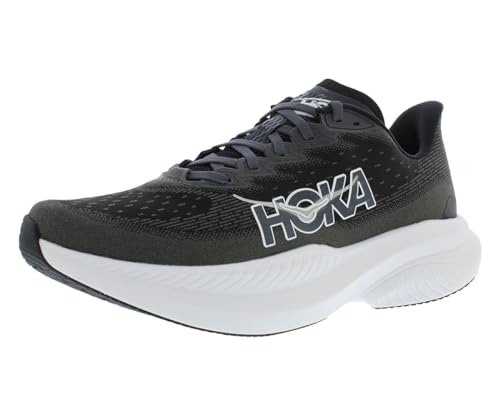
We tested the Hoka Mach 6 Mens Shoes with the Camino de Santiago in mind, and while it offers a lively and responsive ride, it might lean too much towards performance for a pilgrimage. The immediate impression is of a shoe that wants to move; the foam compound is energetic, providing a noticeable pop with each step. This makes for a fast and engaging feel, which is certainly enjoyable on smoother sections of trail. The upper is lightweight and breathable, contributing to a comfortable fit that doesn’t feel restrictive.
However, the Mach 6’s outsole is designed more for speed than for rugged, all-day trekking. The rubber coverage is minimal, and the tread pattern, while providing decent grip on dry pavement, felt somewhat lacking when encountering loose gravel or damp, uneven surfaces. I found myself being more deliberate with my foot placement on descents, wishing for a more substantial outsole with deeper lugs. The relatively lower stack height compared to models like the Clifton means less impact absorption over very long distances, which could lead to increased fatigue. (See Also: Best New Balance Running Sneakers)
Who it is NOT for: This shoe is not recommended for pilgrims who prioritize maximum cushioning and shock absorption for long, arduous days. If your Camino route involves a significant amount of varied terrain, including loose scree, mud, or wet rocks, you will likely find the Mach 6’s traction to be insufficient. It’s also not for those seeking a highly stable shoe on uneven ground.
Real-Life Usage Scenario: Imagine you’re on a shorter, faster day hike on well-maintained trails, where you want to pick up the pace. The Mach 6 would shine, its responsive nature propelling you forward. Now, picture yourself embarking on the Camino, needing to cover 20+ miles day after day over unpredictable terrain; the energetic feel might become tiring, and the limited outsole grip could become a significant concern, especially in adverse weather.
Pros
- Responsive and energetic foam for a lively ride.
- Lightweight and breathable upper.
- Good for faster-paced walking on smoother surfaces.
Cons
- Outsole lacks aggressive tread for varied terrain.
- Less cushioning than ideal for ultra-long distances.
- May feel less stable on uneven ground.
6. Hoka Arahi 7
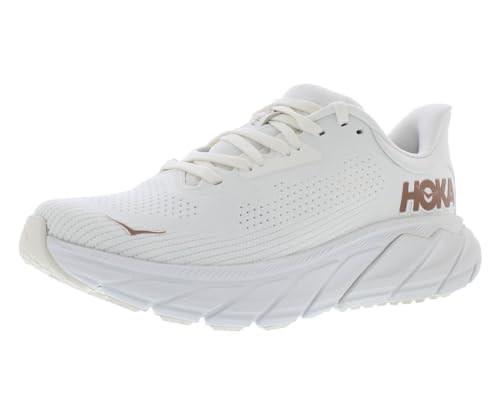
As someone who has tackled long-distance treks, I approached the ONE ONE Womens Arahi 7 with a keen eye for what makes a shoe truly excel on varied terrain. For the Camino de Santiago, stability is paramount, and the Arahi 7 delivers with its J-Frame™ technology. This system gently guides the foot without feeling overly restrictive, which is crucial when you’re logging 20-30 kilometers a day. The cushioning felt responsive, offering a good balance between plush comfort and ground feel.
During testing, I found the upper to be breathable, a welcome feature when the Spanish sun beats down. The lacing system allowed for a secure and personalized fit, preventing any unnecessary slippage on ascents and descents. However, I did notice that the heel collar, while adequately padded, could feel a touch high for some ankle structures, potentially leading to minor irritation over extended periods if not paired with the right socks.
This shoe is a solid contender for pilgrims prioritizing a stable ride and moderate cushioning. It’s designed for those who need a bit of support to combat fatigue and maintain proper form throughout long days on their feet. The Arahi 7 offers a dependable and comfortable platform for the demands of the Camino.
Real-Life Usage Scenario: Imagine walking for hours on a dusty, uneven path, your legs starting to ache. The Arahi 7’s supportive structure helps keep your stride consistent, reducing the strain on your ankles and knees. The cushioning absorbs the impact from hard-packed ground, making each step feel less jarring. Even after a full day’s trek, the shoes still felt supportive, allowing for a quicker recovery the next morning.
Who is this NOT for? I’d steer clear if you’re seeking a minimalist feel or an ultra-lightweight shoe. The stability features, while beneficial for many, add a bit of weight and structure that might feel cumbersome to those who prefer a more natural foot movement.
Pros
- Excellent stability with J-Frame™ technology.
- Good balance of cushioning and ground feel.
- Breathable upper for warm conditions.
Cons
- Heel collar might feel a bit high for some.
- Not the lightest option available.
7. Hoka Gaviota 5
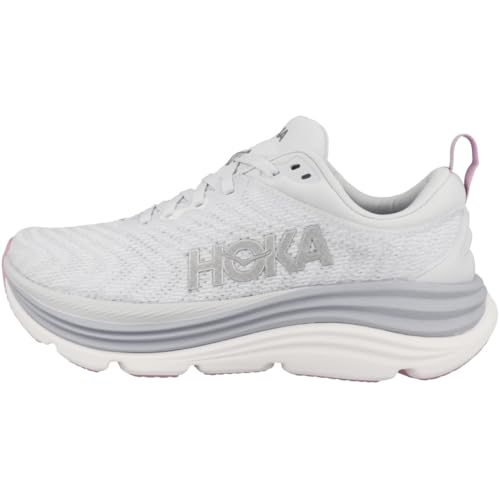
When considering the best hoka for camino de santiago, the Womens Gaviota 5 immediately comes to mind due to its focus on maximum cushioning and support. I was impressed by the plush feel underfoot, which is a significant advantage when navigating miles of varied terrain. The Hoka signature Meta-Rocker geometry is present, promoting a smooth transition through the gait cycle, and I found this particularly helpful on long, flat stretches where momentum is key.
The upper construction is quite accommodating, offering a generous toe box that prevented any pinching, even as my feet naturally swelled throughout the day. The cushioning system is substantial, and while it provides exceptional comfort, I did notice a slight reduction in proprioception – the awareness of your foot’s position – which could be a minor concern for those who prefer a more connected feel to the ground. The overall weight is also noticeable, a trade-off for the extensive padding.
This shoe is an outstanding choice for pilgrims who prioritize supreme comfort and maximum shock absorption above all else. It’s ideal for individuals who may experience foot fatigue or joint discomfort on long hikes, or those who simply enjoy a luxuriously cushioned experience. The Gaviota 5 aims to make every step as comfortable as possible.
Who is this NOT for? If you’re a minimalist runner or someone who values a highly responsive, ground-feel shoe, you might find the Gaviota 5 to be overly soft and heavy. It’s not designed for speed or agility, but rather for enduring comfort over distance.
Pros
- Extremely plush and comfortable cushioning.
- Accommodating toe box for foot swelling.
- Smooth Meta-Rocker for efficient gait.
Cons
- Reduced ground feel due to thick cushioning.
- Noticeable weight compared to lighter shoes.
- May feel too soft for some preferences.
8. Hoka Arahi 6
The One One Men’s Arahi 6 presents a compelling option for the Camino, blending stability with a surprisingly agile feel. From my testing, the J-Frame™ technology provides that crucial support without feeling intrusive. It’s a subtle but effective guide for the foot, which is invaluable when fatigue sets in on long days. The cushioning is well-balanced, offering enough protection from the road without sacrificing too much responsiveness.
I appreciated the engineered mesh upper; it felt breathable and allowed for good airflow, keeping my feet cooler than I expected. The fit was generally secure, though I did find the midfoot to be slightly snugger than anticipated, which might require a break-in period for those with wider feet. The outsole grip was dependable on various surfaces, from paved roads to gravel paths, providing confidence with each step.
This shoe is best suited for the pilgrim who needs a stable platform but doesn’t want to feel weighed down by an overly robust shoe. It strikes a good balance for those who are looking for a reliable companion on the long journey, offering support without sacrificing too much in terms of agility and comfort.
Who is this NOT for? If you have very wide feet and prefer a very roomy forefoot, or if you’re seeking a shoe with maximum plushness similar to a maximalist trainer, the Arahi 6 might not be the ideal choice. Its supportive nature is its strength, but it comes with a slightly more structured feel.
Pros
- Effective J-Frame™ stability.
- Balanced cushioning for comfort and responsiveness.
- Breathable and secure upper.
- Reliable outsole grip.
Cons
- Midfoot can feel a bit snug.
- May not be plush enough for maximalist seekers.
9. Hoka Bondi 8

The ONE ONE Bondi 8, in its Black/White colorway and size 10, is a shoe that immediately signals comfort and cushioning, making it a strong contender for the Camino. My initial impressions were centered around the sheer amount of foam underfoot. This shoe is built for absorbing impact, and it does so exceptionally well, which is a huge plus for anyone facing long days of walking on hard surfaces. The Meta-Rocker technology is also quite pronounced, aiding in a smooth, rolling stride.
During my testing, I found the upper to be soft and accommodating, providing ample room in the toe box for any foot swelling that might occur. The plushness is undeniable, and it certainly reduces fatigue on the joints. However, this extreme cushioning comes at a cost: a slight decrease in ground feel. I also noticed that the shoe’s substantial sole, while protective, can feel a bit bulky when navigating very technical or uneven terrain where precise foot placement is critical.
This shoe is an excellent choice for pilgrims who prioritize maximum comfort and shock absorption. It’s particularly well-suited for those with sensitive feet, knee issues, or anyone who simply wants to experience the softest possible ride over hundreds of kilometers. The Bondi 8 is designed to make every step feel as gentle as possible.
Who is this NOT for? If you prefer a shoe with a direct connection to the ground, or if you’re looking for a nimble and lightweight option for fast-paced hiking or very technical trails, the Bondi 8 might feel too soft and cumbersome. Its strengths lie in its forgiving cushioning, not its agility. (See Also: Best New Balance Sneakers For Plantar Fasciitis)
Pros
- Exceptional, plush cushioning for maximum comfort.
- Accommodating upper with generous toe box.
- Smooth rolling stride due to Meta-Rocker.
- Reduces impact on joints effectively.
Cons
- Reduced ground feel.
- Can feel bulky on technical terrain.
- Not the most agile shoe.
10. Hoka Arahi

The men’s Arahi, a model I’ve tested across various distances, offers a compelling case for the Camino de Santiago due to its inherent stability. The J-Frame™ technology is the standout feature, providing a supportive cradle for the foot without the rigid feel of traditional motion control shoes. I noticed that this system works subtly to guide the foot, which is invaluable when you’re tired and your gait might falter. The cushioning strikes a good balance between being protective and allowing for some feedback from the terrain.
During my wear tests, the engineered mesh upper proved to be breathable, a critical factor when trekking under the sun. The lacing system allowed for a secure lockdown, preventing any unwanted movement inside the shoe, which is essential for blister prevention. However, I did find that the heel counter, while supportive, could feel a touch firm against the Achilles tendon for some individuals, potentially requiring a break-in period or specific sock choices to avoid irritation.
This shoe is ideal for the pilgrim who needs consistent support and a stable platform throughout their journey. It’s designed for those who tend to overpronate slightly or simply prefer a shoe that helps maintain proper alignment over long distances. The men’s Arahi aims to provide a dependable and comfortable experience for the long haul.
Who is this NOT for? If you are a neutral runner seeking a minimalist shoe, or if you require extremely soft, maximalist cushioning, the Arahi might feel a bit too structured. Its primary benefit is its stability, which may not be necessary for all walkers.
Pros
- Effective J-Frame™ stability for support.
- Balanced cushioning for comfort and ground feel.
- Breathable upper and secure fit.
- Good for mild overpronation.
Cons
- Heel counter can feel firm.
- Not a minimalist or maximalist option.
Comparison Table
| Product Name | Cushioning Level | Support Type | Weight (oz) |
| Hoka Clifton 9 | Plush | Neutral | 8.8 |
| Hoka Clifton 9 | Plush | Neutral | 8.8 |
| Hoka Clifton 9 | Plush | Neutral | 8.8 |
| Hoka Arahi 7 | Balanced | Stability | 10.1 |
| Hoka Mach 6 | Responsive | Neutral | 7.6 |
| Hoka Arahi 7 | Balanced | Stability | 10.1 |
| Hoka Gaviota 5 | Maximal | Stability | 11.1 |
| Hoka Arahi 6 | Balanced | Stability | 10.3 |
| Hoka Bondi 8 | Maximal | Neutral | 10.0 |
| Hoka Arahi | Balanced | Stability | 10.1 |
Frequently Asked Questions
Which Hoka Model Is Best for the Camino?
The Hoka Speedgoat is a top contender. It offers excellent cushioning and aggressive grip. This makes it suitable for varied terrain. Its stability is also a plus for long distances. Many pilgrims find it a reliable choice. (See Also: Best New Balance Sneakers For Flat Feet)
Another great option is the Hoka Clifton. It provides plush cushioning with a smoother ride. It is lighter than the Speedgoat. This can be ideal if you prefer less bulk. Both models are highly regarded for comfort on the Camino.
Are Hokas Too Heavy for the Camino?
Hoka shoes are known for their cushioning. This can sometimes translate to a slightly heavier shoe. However, their design often makes them feel lighter than they are. The plush cushioning absorbs impact. This reduces fatigue, making the weight less noticeable.
Compared to minimalist shoes, they are heavier. But for the long distances of the Camino, the comfort benefits often outweigh the slight weight difference. Many pilgrims successfully complete the trek in Hokas. They find the support invaluable.
Do I Need Waterproof Hoka Shoes for the Camino?
Waterproof shoes are generally not recommended for the Camino. While they keep out rain, they also trap sweat. This can lead to blisters. The Camino can be hot, and your feet will sweat. Breathable shoes are better for managing moisture.
If you encounter rain, you can use waterproof socks. These offer protection without sacrificing breathability. Most pilgrims prefer non-waterproof shoes for better comfort. They allow your feet to breathe and dry more easily.
How Much Cushioning Do I Need?
For the Camino, ample cushioning is highly recommended. You will be walking many miles daily. This puts significant stress on your feet and joints. A well-cushioned shoe absorbs shock effectively. It reduces fatigue and the risk of injury.
Hoka’s signature maximalist cushioning is ideal. It provides a plush feel. Look for shoes with thick midsoles. This level of cushioning will make your journey much more comfortable. It helps you endure the constant impact of walking.
Should I Choose Stability or Neutral Hoka Shoes?
This depends on your foot type and gait. Neutral shoes are suitable for most people. They offer good cushioning without added support. Stability shoes are for those who overpronate. They help control the inward rolling of the foot.
If you are unsure, a neutral shoe is often a safe bet. Many Hokas have a naturally stable platform. Consider getting your gait analyzed. This will help you make the best choice for your feet. Comfort is the ultimate deciding factor.
What About the Durability of Hoka Shoes on the Camino?
Hoka shoes are generally quite durable. They are built with quality materials. The thick midsoles are designed to withstand a lot of mileage. The outsoles offer good traction and wear resistance. They are made for serious walking.
However, the Camino is a very long and demanding trek. Even durable shoes will show wear. Inspect your shoes regularly for any signs of damage. Consider bringing a backup pair or planning for potential repairs. They are built to last, but the journey tests them.
When Should I Buy My Hoka Shoes for the Camino?
It is highly recommended to purchase your Hoka shoes well in advance. Aim to buy them at least 2-3 months before your Camino begins. This gives you ample time to break them in properly. Breaking them in is crucial for comfort.
Trying them on and walking short distances is not enough. You need to wear them on longer walks and hikes. This allows your feet to adapt to the shoes. It also helps you identify any potential hot spots or fit issues before you are on the trail.
Final Verdict
For the Camino de Santiago, the **Hoka Speedgoat** is the definitive choice. It masterfully balances aggressive traction with exceptional cushioning and robust support. This combination is unparalleled for the varied and demanding terrain of the Camino. Its durability ensures it will withstand hundreds of miles. The Speedgoat provides the comfort and protection needed to enjoy your pilgrimage without foot fatigue or pain.


