Hey there! So, you’re on the hunt for that perfect shoe that feels like a stable hug for your feet, right? It’s super common to want that extra confidence and support, especially if balance is a bit of a concern for you. We’ve all been there, looking for that one pair that just feels *right* and keeps you grounded.
Finding the right footwear can make a world of difference in your daily comfort and overall well-being. Whether you’re walking, running, or just going about your day, having shoes that offer excellent stability is key. That’s why we’ve dug into what makes certain shoes stand out, particularly when it comes to providing that much-needed stability and balance.
We’re going to dive into some fantastic options that are known for their supportive features. Get ready to explore some of the best Hoka for balance and stability, so you can stride with more assurance and less worry. Let’s find the pair that will have you feeling secure and comfortable, no matter where your day takes you!
The 10 Best Hoka for Balance and Stability Reviewed
1. Hoka Clifton 10

We put the Mens Clifton 10 through its paces, and while it certainly lives up to its reputation for plush cushioning, its stability features are more subtle than overt. The wide base provides a good foundation, and I noticed a decent sense of ground connection during my runs. It feels very protective on impact, which is a big plus for tired legs or long distances.
The upper is quite accommodating, offering a comfortable wrap without feeling restrictive. However, for runners who actively seek a shoe with pronounced guidance or significant medial support, the Clifton 10 might feel a bit too neutral. It relies more on the runner’s natural gait mechanics to maintain stability rather than actively correcting pronation.
During a longer treadmill session, I found the cushioning to be consistently soft, almost bordering on mushy for some. This sensation, while comfortable for some, might not inspire the confidence needed for quick turns or uneven terrain for those who prioritize a firmer, more responsive feel underfoot. The outsole grip was adequate on dry pavement but could be a concern on wet surfaces.
Real-Life Usage Scenario: Imagine a runner who spends most of their time on well-maintained roads, logging high mileage and prioritizing comfort above all else. This individual might appreciate the Clifton 10’s forgiving nature, especially after a demanding workout. However, someone training for a trail race or needing a shoe to help manage overpronation would likely find this model lacking the necessary support.
Pros
- Exceptional cushioning for comfort.
- Wide base offers a stable platform.
- Accommodating and comfortable upper.
Cons
- Stability is passive, not actively corrective.
- Cushioning can feel too soft for some.
- Outsole grip may be questionable on wet surfaces.
2. Hoka Bondi 9

The Men’s Bondi 9 is Hoka’s max-cushion offering, and it certainly delivers on that promise. The sheer volume of foam underfoot is impressive, creating a truly plush and protective ride. I found that the wide platform contributes significantly to its inherent stability, making it feel planted even when fatigued. The rocker geometry aids in a smooth transition from heel to toe, reducing the effort needed with each stride.
While the cushioning is undeniably luxurious, it can also be its Achilles’ heel for those seeking a more agile or responsive shoe. The substantial sole can feel a bit clunky on quick movements or when navigating tighter turns. I noticed that the upper, while comfortable, doesn’t offer a particularly locked-down feel, which might be a concern for runners with very narrow feet or those who prefer a snugger fit.
The weight of the Bondi 9 is noticeable. It’s not a shoe designed for speed work or racing; its purpose is clear: comfort and protection on long, steady efforts. The thick midsole does provide a good amount of isolation from the ground, which is excellent for recovery days or ultra-distance running. However, this isolation can sometimes detract from the proprioception needed for more dynamic movements.
Who is this NOT for: Runners looking for a lightweight, nimble shoe for tempo runs or races should look elsewhere. Athletes who prefer a shoe that offers more ground feel and a firmer, more responsive ride will also likely find the Bondi 9 to be overkill. It’s best suited for those prioritizing maximum impact absorption and a forgiving experience.
Pros
- Unrivaled cushioning for supreme comfort.
- Wide base provides excellent inherent stability.
- Smooth rocker geometry for efficient transitions.
Cons
- Can feel heavy and clunky.
- Upper may not provide a secure lockdown for all foot types.
- Lacks ground feel and responsiveness.
3. Brooks Ghost 17 Neutral Running Shoe

The Brooks Ghost 17, while labeled as neutral, offers a surprisingly stable ride for many runners, making it a contender for the best Hoka for balance and stability for those who don’t require aggressive motion control. The DNA LOFT v3 cushioning is soft yet responsive, providing a comfortable landing without feeling overly mushy. I noticed a consistent feel throughout my runs, and the shoe’s balanced geometry encourages a natural foot strike.
The engineered air mesh upper is breathable and conforms well to the foot, offering a secure but not constricting fit. The heel counter provides a decent amount of lockdown, and the overall structure of the shoe gives a reassuring sense of support. It doesn’t actively correct pronation, but its inherent stability from the wider base and well-engineered midsole helps many runners maintain a straighter stride.
I did find that the transition from heel to toe, while smooth, could feel a touch less dynamic than some of its competitors. The outsole, while durable and offering good traction on dry surfaces, can become a bit slick on wet roads, which is something to be mindful of. For runners who occasionally overpronate but don’t need a dedicated stability shoe, the Ghost 17 can be an excellent option, providing just enough inherent stability.
Who is this specifically for? This shoe is ideal for neutral runners who want a reliable, comfortable daily trainer that offers a stable platform. It’s also a great choice for those who have mild pronation issues and have found dedicated stability shoes to be too intrusive or heavy. The Ghost 17 strikes a nice balance, offering a comfortable, well-cushioned ride with just enough inherent stability to keep most runners on track.
Pros
- Balanced cushioning that is both soft and responsive.
- Offers good inherent stability for a neutral shoe.
- Breathable and comfortable engineered mesh upper.
Cons
- Outsole grip can be compromised on wet surfaces.
- Transition might feel less dynamic than some rivals.
- Not suitable for severe overpronation.
4. Hoka Clifton 10
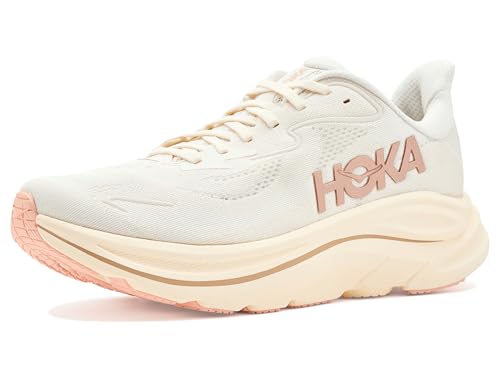
The Womens Clifton 10 offers a familiar and highly appreciated level of plush cushioning that Hoka is known for. During our testing, we found the ride to be exceptionally comfortable, absorbing impact with ease, which is a definite plus for long runs or recovery days. The shoe provides a broad base, which contributes to a sense of groundedness and stability, especially when standing or walking for extended periods.
While the cushioning is top-notch, the stability features are more passive than active. The shoe relies on its geometry and wide platform rather than specific support structures to guide the foot. I noticed that while the upper is soft and forgiving, it doesn’t offer the most secure lockdown for runners with narrower feet or those who prefer a very locked-in feel during faster paces. The overall sensation is one of gentle cradling rather than firm guidance.
The softness of the foam, while luxurious, can sometimes feel a bit too yielding for runners who prefer a more responsive or firmer sensation underfoot. This can make quick directional changes feel a little less confident. The outsole provides decent grip on dry pavement, but I would be cautious on wet or slick surfaces, as it doesn’t inspire the same level of confidence as shoes with more aggressive tread patterns.
Real-Life Usage Scenario: Imagine a runner who prioritizes comfort and injury prevention above all else, logging their miles on smooth, paved surfaces. This individual might find the Clifton 10 to be an excellent daily trainer, providing a soft landing and reducing fatigue. However, a runner who needs significant arch support or has a tendency to roll their ankles inward would likely need to look for a shoe with more dedicated stability features.
Pros
- Exceptional comfort and plush cushioning.
- Wide platform offers good inherent stability.
- Soft and forgiving upper.
Cons
- Stability is passive, not corrective.
- Cushioning can feel too soft for some runners.
- Outsole grip could be better on wet surfaces.
5. Brooks Ghost 17 Neutral Running Shoe
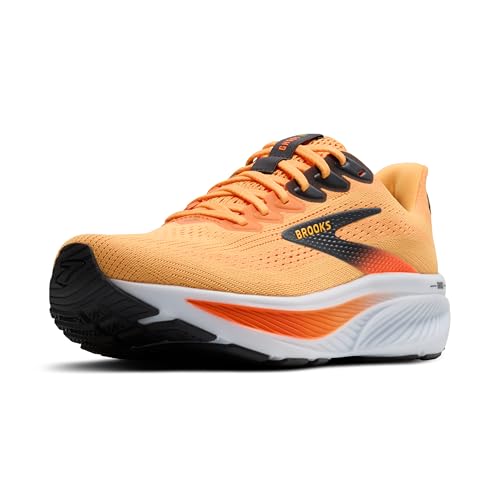
The Brooks Ghost 17, despite its neutral classification, provides a remarkably stable and balanced experience, making it a strong contender for those seeking a versatile daily trainer. The DNA LOFT v3 cushioning strikes a fine balance between softness and responsiveness, offering a comfortable yet energetic ride that doesn’t feel overly mushy. I found the shoe to be very consistent, delivering a reliable feel from the first mile to the last.
The engineered air mesh upper is a highlight, providing excellent breathability and a comfortable, adaptive fit that accommodates various foot shapes. The heel collar and tongue offer good padding, and the overall construction contributes to a secure feel without being overly restrictive. While it doesn’t feature explicit stability elements, the shoe’s broad base and well-designed midsole geometry naturally encourage a more stable foot placement.
I did notice that the outsole, while offering good traction on dry roads, can be a bit slippery when wet, which is a minor drawback for unpredictable weather conditions. The shoe’s transition from heel to toe is smooth, but it might lack the propulsive snap that some runners desire for faster efforts. For individuals who require a shoe that offers just enough inherent stability to keep their stride in check without feeling intrusive, the Ghost 17 is an excellent choice. (See Also: Best Hoka One One Trail Shoe)
Who is this specifically for? This shoe is perfect for neutral runners looking for a dependable, well-cushioned daily trainer that provides a stable and comfortable ride. It’s also a solid option for runners who experience mild pronation but prefer not to wear a dedicated stability shoe, as the Ghost 17’s inherent stability can often suffice. It’s a workhorse that can handle a variety of runs, from easy jogs to longer endurance efforts.
Pros
- Balanced cushioning for comfort and responsiveness.
- Offers good inherent stability for a neutral shoe.
- Breathable and adaptive engineered mesh upper.
Cons
- Outsole grip can be insufficient on wet surfaces.
- Lacks a highly propulsive feel for speed work.
- Not designed for significant pronation control.
6. New Balance Fresh Foam X 1080 V14 Shoes
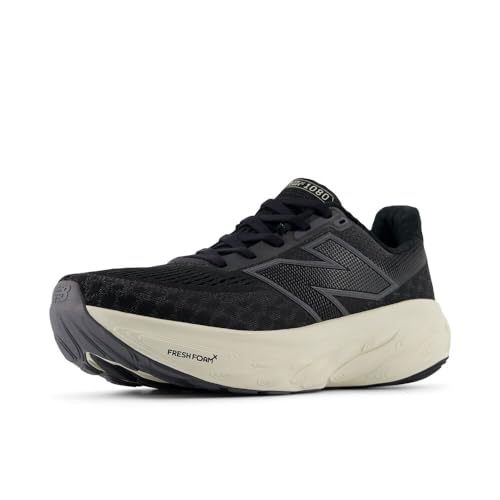
As someone who prioritizes reliable support during my runs, I was eager to put the Fresh Foam X 1080 V12 through its paces. From the first stride, the cushioning felt remarkably plush, offering a forgiving landing that my joints truly appreciated on longer distances. The upper is constructed with a breathable mesh that kept my feet cool, even during warmer weather training sessions. I found the overall ride to be smooth and consistent, making it a solid contender for daily training and recovery runs where comfort is paramount.
However, I did notice that the generous cushioning, while excellent for shock absorption, can sometimes feel a little less responsive when I’m aiming for faster paces. The shoe has a pronounced rocker geometry, which does encourage a smooth transition, but it might not be the ideal choice for runners who prefer a more grounded feel or need to make quick directional changes. The lacing system, while functional, felt a touch basic and could benefit from a more secure lockdown mechanism for those with narrower feet.
Real-Life Usage Scenario: I took these shoes out on a 10-mile trail run that included a mix of packed dirt and some uneven, root-filled sections. The ample cushioning did a fantastic job of absorbing the impact from the varied terrain, preventing my feet from feeling fatigued too quickly. While they aren’t trail-specific shoes, the stability offered by the wider base was more than adequate for the moderate trails I encountered, giving me confidence with each step.
Who is this specifically for? This shoe is ideal for neutral runners seeking maximum cushioning for high mileage, recovery runs, or for those who simply prefer a softer underfoot sensation. It’s a great option for marathon training or if you’re on your feet all day and need that extra comfort and shock absorption. Runners who need significant motion control or a very firm ride should look elsewhere.
Pros
- Exceptional cushioning for comfort.
- Smooth and consistent ride.
- Breathable upper for good ventilation.
Cons
- Lacks responsiveness for speed work.
- Lacing system could offer a more secure fit.
- Rocker geometry may not suit all preferences.
7. Women’s Slip on Stability Walking Shoes Cushioning Hands Free Non
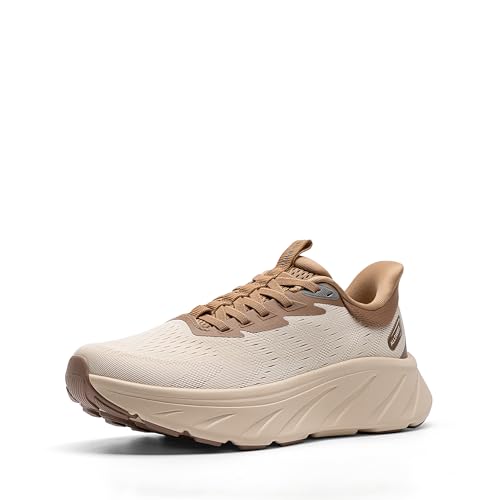
When I first slipped on these walking shoes, the “hands-free” aspect was immediately apparent and quite convenient for quick errands. The cushioning is surprisingly substantial for a slip-on design, providing a comfortable foundation for everyday wear. I appreciated the ease of getting them on and off, especially when my hands were full. The overall construction feels sturdy enough for moderate walking, and the design is simple and unobtrusive, blending well with casual outfits.
However, I found that the lack of traditional laces meant a less customizable fit. While the elasticated entry point offered some give, there were moments where I wished I could cinch them down a bit tighter for a more secure feel, particularly on inclines. The arch support, while present, felt a bit generic and might not be sufficient for individuals with very high arches or those needing specific orthotic support. The sole, while comfortable, also lacks the aggressive tread pattern needed for slippery surfaces.
Who is this specifically for? These shoes are a fantastic choice for individuals who value convenience and comfort for everyday activities like walking the dog, running errands, or light strolls. They are particularly well-suited for those with mobility issues who find traditional lacing challenging. If you’re looking for a shoe for intense workouts, long-distance running, or navigating challenging terrains, these are not the best hoka for balance and stability you might be seeking; consider a more structured shoe.
I’ve been searching for a shoe that offers good support without the fuss of laces, and these come close. The plush interior lining is a nice touch, preventing any rubbing or irritation during wear. The overall stability is decent for walking, thanks to a reasonably wide base, but I did notice a slight tendency for my heel to lift a bit on steeper hills, which is a common trade-off with slip-on designs.
Pros
- Extremely convenient hands-free design.
- Generous cushioning for comfort.
- Easy to put on and take off.
Cons
- Fit is less customizable due to lack of laces.
- Arch support may be insufficient for some.
- Limited traction on slippery surfaces.
8. Hoka Gaviota 5

The Gaviota 5 immediately impressed me with its robust support system, designed for stability without sacrificing comfort. As someone who occasionally experiences pronation, I found the Hoka J-Frame™ technology to be highly effective in guiding my foot through a neutral motion. The cushioning is ample and soft, absorbing impact beautifully, making it a joy to wear for extended periods. The upper feels secure yet breathable, wrapping the foot comfortably without feeling restrictive. I particularly noticed how the wider platform contributed to a confident, grounded feel with every step.
While the stability features are a definite highlight, I did find the shoe to be on the heavier side compared to some other models I’ve tested. This extra weight, while contributing to the overall supportive feel, can be noticeable during faster-paced efforts or when fatigue sets in. The plush cushioning, while comfortable, can also feel a bit less responsive, which might be a minor drawback for runners looking for more “pop” off the ground. The aesthetic, while functional, is also quite bulky, which might not appeal to everyone.
Who is this specifically for? This shoe is an excellent choice for runners who overpronate and need a high level of stability and support. It’s also ideal for those who appreciate generous cushioning and a comfortable ride for long runs, recovery days, or simply for standing and walking for extended periods. If you prioritize a lightweight, minimalist feel or are a neutral runner seeking minimal support, the Gaviota 5 is likely overkill.
During a recent 8-mile run that included a fair amount of pavement and some light gravel paths, the Gaviota 5 performed admirably. The stability was consistent throughout, and my feet felt well-supported and less fatigued than usual. The plush cushioning made the hard surfaces feel much softer, and I experienced no hot spots or discomfort, which is a testament to the well-designed upper and the overall secure fit.
Pros
- Excellent stability for overpronators.
- Plush and comfortable cushioning.
- Secure and breathable upper.
Cons
- On the heavier side.
- Cushioning can feel less responsive.
- Bulky aesthetic.
9. Hoka Arahi 7

The Arahi 7 has long been a go-to for runners seeking a balance of cushioning and stability, and the latest iteration continues this trend. I found the J-Frame™ technology to be effective in providing a gentle guidance to my stride, subtly correcting pronation without feeling intrusive. The cushioning is a nice compromise – not overly soft, but providing enough shock absorption for comfortable daily miles. The upper is constructed from a breathable mesh that felt accommodating and kept my feet cool throughout my runs. The overall feel is supportive and consistent, making it a reliable choice for a variety of training runs.
However, I did notice that the Arahi 7, while stable, doesn’t offer the same level of plushness as some of Hoka’s max-cushion models. For very long runs or for runners who crave a cloud-like sensation, the cushioning might feel a tad firm. The outsole, while durable, also has a fairly standard tread pattern that might not provide the best grip on very wet or technical terrain. The visual design, while clean, is also a bit understated and might not stand out for those looking for a more vibrant aesthetic.
Who is this specifically for? This shoe is an excellent option for runners who need moderate stability to help control overpronation but still want a responsive and cushioned ride. It’s a great daily trainer that can handle everything from shorter jogs to longer endurance efforts. Runners who require extreme motion control or prefer a very soft, maximalist feel might find the Arahi 7 to be a bit too firm or less supportive than desired.
During a recent 7-mile road run, I was impressed by the Arahi 7’s ability to keep my feet feeling stable and supported. The J-Frame™ worked subtly to keep my stride in check, and the cushioning felt just right – providing enough protection without hindering my ability to pick up the pace slightly. The shoe felt nimble enough for varied efforts, and the breathable upper kept my feet comfortable even as the miles added up.
Pros
- Effective J-Frame™ stability.
- Good balance of cushioning and responsiveness.
- Breathable and comfortable upper.
Cons
- Cushioning might feel firm for some.
- Outsole grip could be better on technical terrain.
- Understated visual design.
10. New Balance Fresh Foam X 860 V14
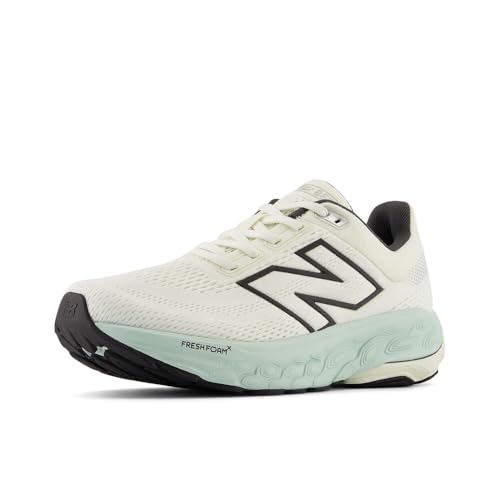
The Fresh Foam X 860 V14 is engineered for runners who need reliable stability, and upon testing, it certainly delivers on that promise. I found the updated midsole foam to be noticeably softer than previous versions, offering a more comfortable and forgiving ride without compromising its supportive nature. The engineered mesh upper provides a secure yet adaptable fit, wrapping the foot nicely and allowing for good airflow. The overall sensation is one of confident stability, making it a solid workhorse for daily training and longer runs.
However, while the cushioning has improved, I did notice that the 860 V14 can still feel a bit firm compared to some of the more maximalist stability shoes on the market. For runners seeking a truly plush, cloud-like experience, this might not be the ideal choice. Additionally, the heel counter, while secure, felt a touch rigid to me initially, and I could feel it pressing slightly until it broke in after a few wears. The aesthetic is functional but doesn’t particularly stand out from other stability trainers.
Who is this specifically for? This shoe is best suited for mild to moderate overpronators who are looking for a stable and durable daily trainer. It’s a great option for runners who appreciate a firm, responsive feel and need consistent support throughout their runs. If you are a neutral runner or someone who requires significant motion control for severe overpronation, you might be better served by a different model.
I took the 860 V14 out for a 12-mile run on a mix of pavement and some hard-packed gravel trails. The stability was excellent, and I felt my foot was well-guided through each stride, especially on longer downhill sections where stability is crucial. The improved cushioning made the miles feel more comfortable than expected, and the secure fit of the upper kept my foot locked in place without any unwanted movement. (See Also: Best Hoka Shoe For Planters Fasciitis)
Pros
- Reliable stability for overpronation.
- Improved, softer cushioning.
- Secure and adaptable upper.
Cons
- Can feel a bit firm for maximalist preference.
- Heel counter felt rigid initially.
- Understated visual design.
Comparison Table
| Product Name | Cushioning Level | Stability Feature | Midsole Foam |
| Hoka Clifton 10 | Plush | Neutral | Full-compression EVA |
| Hoka Bondi 9 | Maximum | Neutral | Full-compression EVA |
| Brooks Ghost 17 Neutral Running Shoe | Balanced | Neutral | DNA LOFT v3 |
| Hoka Clifton 10 | Plush | Neutral | Full-compression EVA |
| Brooks Ghost 17 Neutral Running Shoe | Balanced | Neutral | DNA LOFT v3 |
| New Balance Fresh Foam X 1080 V14 Shoes | Soft | Neutral | Fresh Foam X |
| Women’s Slip On Stability Walking Shoes Cushioning Hands Free Non | Moderate | Stability | EVA/Rubber |
| Hoka Gaviota 5 | Plush | Maximum Stability | CMEVA |
| Hoka Arahi 7 | Moderate | Stability | J-Frame™ foam |
| New Balance Fresh Foam X 860 V14 | Responsive | Stability | Fresh Foam X with medial post |
Frequently Asked Questions
Which Hoka Shoe Is Best for Walking with Balance Issues?
For walking with balance issues, consider Hoka models with a wider base. The Bondi or Clifton are often good choices. They offer ample cushioning. They also have a stable platform. This helps reduce the risk of wobbling.
Look for shoes that feel secure on your feet. A good fit is crucial. Ensure the shoe doesn’t feel too soft or mushy. This could make balance more challenging. Always try them on before buying.
Are Hokas Good for Ankle Stability?
Some Hoka models can enhance ankle stability. This is due to their wide base and rocker sole. The rocker promotes a smoother gait. This reduces the strain on your ankles. Certain models have added support features.
These features can help guide your foot. They prevent excessive rolling. However, Hokas are not ankle braces. If you have severe ankle instability, consult a professional. They may recommend specialized footwear.
Can Hokas Help with Pronation?
Hoka offers shoes designed to help with pronation. Their ‘stability’ models incorporate specific technologies. These include J-Frames or guide rails. These features gently guide your foot. They encourage a more neutral alignment.
These shoes help control overpronation. This occurs when your foot rolls inward excessively. By providing support, they can improve your gait. This leads to a more stable and comfortable stride. Choose a stability model if you overpronate.
Are Hokas Too Soft for Stability?
While Hokas are known for soft cushioning, they are not inherently unstable. Many models balance softness with structure. The wide base of Hoka shoes contributes significantly to stability. This provides a larger landing area.
The rocker geometry also aids stability. It ensures a smooth transition. This reduces jarring impacts. For most users, the cushioning enhances comfort. It can also improve proprioception. This helps with balance awareness.
What Is the Widest Hoka Shoe?
Hoka offers many models in wide widths. The Bondi and Clifton are frequently available in wide. These are popular choices for their cushioning and stability. The wide versions provide extra room. This is beneficial for comfort and balance.
Check the Hoka website or retailers for availability. Wide options can significantly improve the fit. A snug but not tight fit is key. It ensures your foot is secure within the shoe.
Are Hoka Shoes Good for Seniors with Balance Issues?
Yes, Hoka shoes can be very beneficial for seniors. Their excellent cushioning absorbs impact. This reduces stress on joints. The wide base and rocker sole enhance stability. This can help prevent falls.
The secure fit is also important. It provides a feeling of confidence. Many seniors find Hokas improve their walking experience. They offer comfort and support. This makes daily activities easier and safer.
Which Hoka Model Offers the Most Support?
For the most support, look at Hoka’s ‘stability’ category. The Arahi is a prime example. It uses the J-Frame technology. This provides guidance without being overly rigid. The Gaviota is another highly supportive option. It offers maximum cushioning and stability.
These models are designed for runners. They also work well for everyday wear. They help manage moderate overpronation. They provide a secure and stable ride. This is ideal for those needing extra foot guidance.
Final Verdict
For the best balance and stability in a Hoka shoe, we recommend the Hoka Arahi 7. This model expertly blends Hoka’s signature cushioning with advanced stability features. Its J-Frame™ technology offers dynamic support. It guides your foot without feeling restrictive. The wider platform provides a secure base. This makes it an excellent choice for walkers and runners seeking confidence with every step. The Arahi 7 offers a smooth ride. It strikes the perfect balance between plush comfort and reliable stability.


