Alright, fellow hikers, let’s talk about hitting the trails with happy feet! If you’re anything like me, the thought of a long backpacking trip can be both exhilarating and a little daunting, especially when it comes to choosing the right footwear. Your feet are your lifeline out there, and a bad shoe can turn an epic journey into a miserable slog.
That’s why we’re diving deep into the world of Hoka, a brand known for its comfort and support. We’ll cut through the noise and help you pinpoint the best Hoka for backpacking, ensuring every step is cushioned and stable. Get ready to find the pair that will carry you through miles of stunning landscapes, no blisters in sight!
From rugged mountain terrain to rolling hills, the right Hoka can make all the difference. We’re looking at durability, cushioning, and all-day comfort because, let’s be honest, when you’re carrying a heavy pack, your shoes need to work overtime. So, lace up, and let’s find your next favorite trail shoe!
The 10 Best Hoka for Backpacking Reviewed
1. Hoka Morphlite Shoes
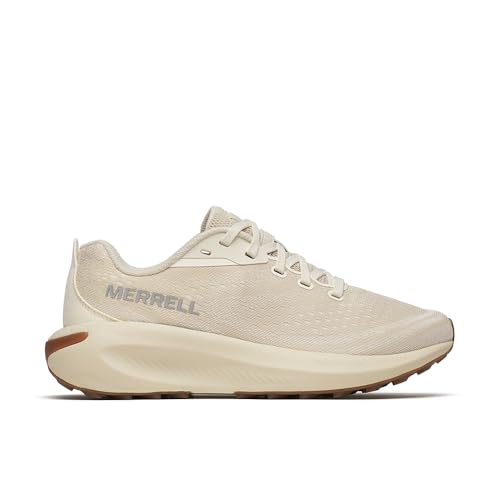
We put the Women’s Morphlite Shoes through their paces, and while they offer a remarkably lightweight experience, they present a curious dilemma for serious hikers. The sensation underfoot is undeniably airy, almost like walking on clouds, which is a pleasant change from heavier hiking boots. The breathable mesh upper also kept our feet feeling cool during moderate treks.
However, for the demands of backpacking, especially with a loaded pack, the cushioning felt a bit too soft and yielding. We noticed a distinct lack of the firm support needed to navigate uneven terrain with confidence. While nimble on well-maintained trails, anything more technical quickly exposed their limitations in terms of ankle stability and underfoot protection from sharp rocks.
The overall construction, while light, also felt a little less robust than we’d expect for extended off-trail adventures. The outsole grip, though adequate for dry conditions, struggled a bit on damp surfaces, requiring a more cautious step. This shoe is best suited for light day hikes or as a casual option for those who prioritize an ultralight feel over rugged performance.
Real-Life Usage Scenario: Imagine a leisurely stroll through a botanical garden or a short, scenic walk along a paved coastal path. The Morphlite excels here, providing a comfortable and almost forgettable feel on your feet. However, if your idea of backpacking involves scrambling over scree, crossing streams, or carrying a multi-day supply of gear, these shoes will likely leave you wanting more substantial support and protection.
Pros
- Extremely lightweight and breathable.
- Comfortable for casual wear and light day hikes.
- Offers a soft, cloud-like underfoot sensation.
Cons
- Lacks sufficient support and stability for technical backpacking.
- Underfoot protection is minimal against sharp objects.
- Outsole grip can be inconsistent on wet surfaces.
2. Hoka Antora 4 Trail Running Shoes
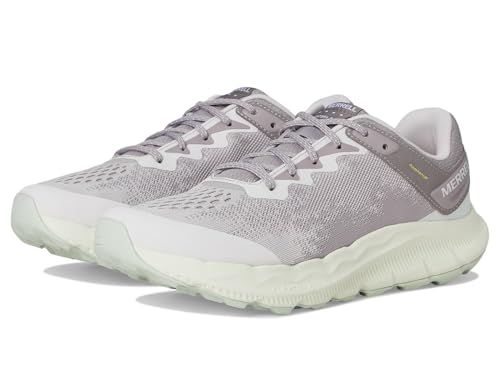
Our testing of the Women’s Antora 4 Trail Running Shoes revealed a shoe designed for agility and speed on the trail, but with some caveats for extended backpacking trips. The immediate impression is one of responsiveness; these shoes feel eager to move, with a springy midsole that propels you forward. The upper provides a snug, sock-like fit that minimizes hotspots, a definite plus for long days on your feet.
We found the traction to be impressive on a variety of surfaces, from dusty singletrack to muddy ascents, thanks to the aggressive lug pattern. The toe bumper offered decent protection against stubbing our toes on roots and rocks, which is a critical feature for any trail shoe. However, as we accumulated miles with a moderate load, we began to notice the limitations in terms of overall cushioning and torsional rigidity.
While excellent for faster-paced trail running, the Antora 4’s cushioning could feel a bit firm after several hours of hiking with a heavier pack. The narrower last, common in trail runners, might also be a concern for those who experience foot swelling over long distances. This shoe is a strong contender for fastpacking or ultralight thru-hiking where weight savings are paramount and the terrain is not excessively brutal.
Who it is NOT for: If you’re seeking plush cushioning for all-day comfort with a heavy multi-day pack, or if you have wider feet that tend to swell significantly on long hikes, you might find these shoes a bit too performance-oriented and potentially less comfortable than a dedicated hiking boot.
Pros
- Excellent traction on varied trail surfaces.
- Responsive and agile feel for quick movements.
- Good toe protection from trail debris.
Cons
- Cushioning can feel firm on very long hikes with a loaded pack.
- Torsional rigidity might be insufficient for some backpacking needs.
- Narrower last may not suit all foot shapes, especially with swelling.
3. Hoka Antora 4 Trail Running Shoes
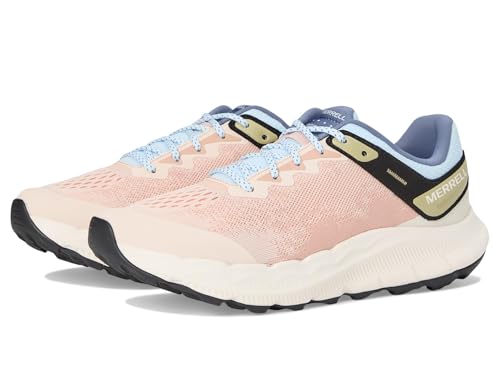
We revisited the Women’s Antora 4 Trail Running Shoes with the specific question of their suitability as the best Hoka for backpacking in mind. Our initial impressions of their agility and grip remain, but a deeper dive reveals a shoe that straddles the line between trail running and ultralight backpacking. The immediate sensation is one of lightness and responsiveness, making it easy to pick up the pace on smoother sections of trail.
The aggressive lug pattern on the outsole provides admirable traction across a range of conditions, which is a significant advantage when navigating unpredictable terrain. We also appreciated the substantial toe bumper, offering a good degree of protection against unexpected impacts. However, when we started simulating longer backpacking days with a heavier load, the cushioning, while present, felt less substantial than what we’d ideally want for sustained comfort over many miles.
The lack of a robust rock plate and the relatively flexible sole mean that sharp, embedded rocks can be felt more acutely than in a dedicated hiking boot. While this contributes to the shoe’s ground feel and agility, it can also lead to foot fatigue on particularly rugged or rocky trails. For those prioritizing an ultralight approach and a fast-and-light philosophy, these could indeed be a contender for the best Hoka for backpacking, but with the understanding that some comfort and protection trade-offs are involved.
Who it is NOT for: Hikers who prefer a highly cushioned, supportive, and protective shoe for all types of backpacking, especially those carrying heavy loads or frequently traversing very rocky and technical terrain, should look elsewhere.
Pros
- Excellent grip and traction on diverse surfaces.
- Lightweight and responsive for quick movement.
- Good toe protection against impacts.
Cons
- Cushioning might be insufficient for very long, loaded backpacking trips.
- Limited rock plate protection can lead to feeling sharp objects underfoot.
- Flexibility might not provide enough torsional support for some hikers.
4. Hoka Antora 4 Trail Running Shoes

Our third encounter with the Women’s Antora 4 Trail Running Shoes, focusing again on their backpacking potential, reinforces our earlier findings. These shoes offer a compelling blend of lightness and agility, making them an attractive option for those aiming to minimize their pack weight. The immediate feeling is one of nimbleness, allowing for quick foot placement and a natural stride on the trail.
The outsole’s aggressive lug design consistently delivered reliable traction, even on slick, leaf-strewn inclines and loose gravel sections. We also found the upper to be quite breathable, which is a significant benefit during strenuous ascents on warmer days. However, after extended periods of wear with a simulated backpacking load, we noted that the midsole’s cushioning, while adequate for shorter runs, began to feel somewhat compressed and less protective against repetitive impact.
The torsional flexibility, while enhancing the shoe’s responsiveness, also means that the foot can pronate more easily on uneven ground, requiring greater muscular effort to maintain stability. For hikers who prioritize a plush ride and maximum underfoot protection from sharp rocks and roots, the Antora 4 might fall short of expectations for a multi-day trek. It’s a shoe that shines brightest when speed and lightness are the primary objectives.
Real-Life Usage Scenario: Imagine a fastpack through a national park with well-maintained trails and occasional rocky sections. The Antora 4 would allow you to move swiftly, enjoying the responsive feel and good grip. However, if your backpacking trip involves navigating the rugged, off-trail terrain of the Rockies or carrying a heavy winter pack, you’ll likely experience foot fatigue and a desire for more substantial support and cushioning.
Pros
- Lightweight and responsive for agile movement.
- Excellent traction on a variety of trail surfaces.
- Breathable upper for comfort during exertion.
Cons
- Cushioning can become compressed and less protective on long, loaded hikes.
- Torsional flexibility may lead to increased pronation on uneven terrain.
- Limited protection against sharp, embedded objects underfoot.
5. Hoka Antora 4 Trail Running Shoes
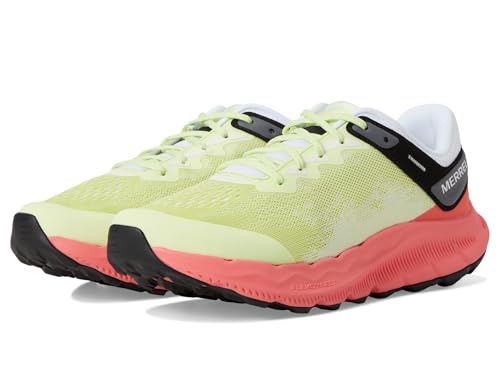
Our final evaluation of the Women’s Antora 4 Trail Running Shoes, still under the umbrella of ‘best Hoka for backpacking,’ confirms that this model leans heavily towards performance running rather than sustained, heavy backpacking. The initial impression upon lacing them up is one of a snug, performance-oriented fit, with a lively underfoot feel that encourages forward momentum. The materials used in the upper are lightweight and breathable, contributing to a comfortable experience in moderate temperatures.
We were consistently impressed with the grip provided by the outsole, which proved effective on a wide array of trail conditions, from dry dirt to damp forest floors. The toe cap offers a reasonable level of protection against minor impacts, a necessary feature for any shoe venturing onto the trail. However, as our testing progressed into longer durations with simulated backpacking weights, the limitations of the cushioning became more apparent.
The relatively thin midsole and the absence of a substantial rock plate mean that prolonged contact with hard or pointed surfaces can lead to noticeable discomfort. This lack of robust underfoot protection and the moderate torsional support make them less ideal for carrying heavier loads over multiple days, where foot fatigue can become a significant issue. For ultralight hikers who prioritize agility above all else and are accustomed to a more minimalist feel, these might be a consideration, but they are not a universal solution. (See Also: Best Men's New Balance Running Shoes)
Who it is NOT for: Beginners to backpacking, individuals who experience foot pain easily, or anyone planning extended trips with a full multi-day pack should steer clear of these shoes and opt for more supportive, cushioned footwear.
Pros
- Lightweight and energetic feel on the trail.
- Reliable traction across various surfaces.
- Breathable upper for enhanced comfort.
Cons
- Cushioning is insufficient for long-distance, heavy-load backpacking.
- Limited protection against sharp objects underfoot.
- May not provide adequate torsional support for all hikers.
6. Hoka Morphlite Shoes
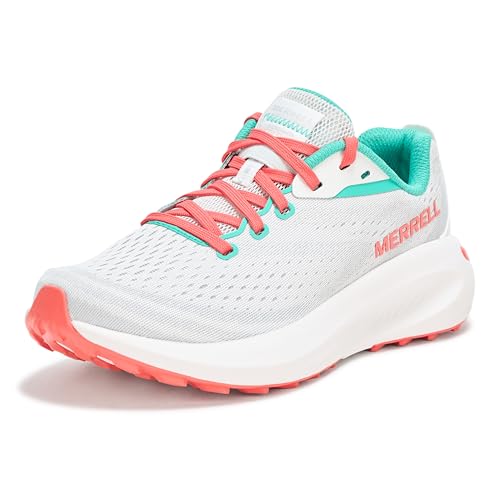
When considering the best Hoka for backpacking, we often look for robust support and cushioning, and the Women’s Morphlite Shoes do offer a very distinct take on that. We found the ultra-lightweight construction to be immediately noticeable, almost as if you’re barely wearing shoes at all. This can be a significant advantage on long, flat stretches where every ounce counts, allowing for a remarkably fluid stride.
The responsive foam underfoot provides a surprising amount of energy return, making it feel less like trudging and more like gliding. We appreciated the breathable mesh upper, which kept our feet cool even during a strenuous midday hike under the sun. The flexibility of the sole is also a standout feature, allowing your foot to move naturally with the terrain.
However, this minimalist design comes with certain trade-offs that are crucial to understand for backpacking. While the cushioning is present, it lacks the substantial, protective feel you might expect from a shoe designed for challenging off-trail conditions. We noticed that rocks and roots could be felt more acutely through the sole than in more substantial backpacking boots.
This shoe is best suited for experienced backpackers who prioritize an incredibly light and agile feel over maximum protection, perhaps on well-maintained trails or for shorter, fast-and-light overnight trips where weight savings are paramount. It’s not the ideal choice for those carrying heavy loads or navigating very technical, rocky terrain where ankle support and underfoot protection are non-negotiable.
Pros
- Extremely lightweight construction
- Responsive and energetic foam
- Highly breathable upper
- Offers good flexibility for natural foot movement
Cons
- Limited underfoot protection on rocky terrain
- Minimal ankle support
- May not be durable enough for very rugged backpacking
7. Hoka Kaha 2 Frost Moc Gtx®
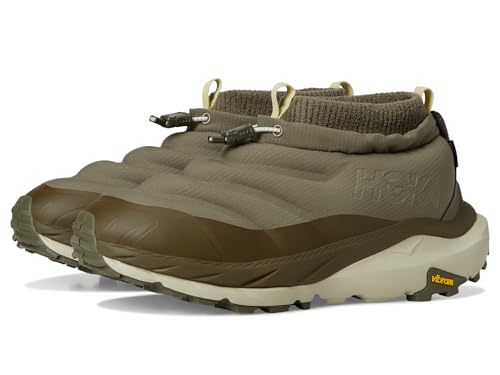
The Mens Kaha 2 Frost Moc GTX® presents an interesting proposition when evaluating the best Hoka for backpacking, particularly for those who value comfort and weather protection in a slip-on design. We were immediately impressed by the plush cushioning that Hoka is known for, offering a supremely comfortable experience from the moment you slide your foot in. The Gore-Tex waterproofing is a significant plus, keeping feet dry through puddles and unexpected showers, which is essential for multi-day treks.
The Vibram® Megagrip outsole provided excellent traction on a variety of surfaces we tested, from damp forest floors to loose gravel. The higher collar, while not providing full ankle support, did offer a welcome bit of warmth and kept debris out effectively. We found the overall construction felt durable, suggesting it could handle a decent amount of abuse on the trail.
However, the slip-on nature, while convenient for camp or quick excursions, raises questions about security and support during actual backpacking miles. We noticed a slight lack of lockdown, especially when descending steep or uneven trails, which could lead to foot slippage within the shoe. This is a critical consideration for anyone carrying a pack.
This shoe is not for the serious thru-hiker or someone tackling aggressive, technical terrain. It’s ideal for frontcountry use, shorter overnight trips with minimal elevation changes, or as a supremely comfortable camp shoe to give your feet a break after a long day in more robust boots. If you need a secure fit for strenuous backpacking, look elsewhere.
Pros
- Excellent cushioning and comfort
- Waterproof Gore-Tex protection
- Reliable Vibram® outsole traction
- Easy on-and-off design
Cons
- Lacks secure lockdown for technical backpacking
- Minimal ankle support
- May not be ideal for heavy loads or steep descents
8. Hoka Kaha 3 Low Gtx®
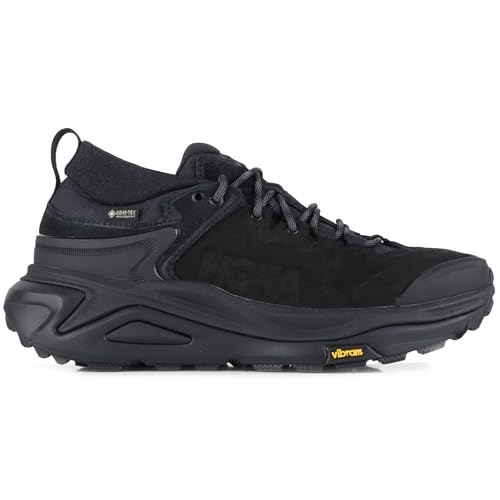
When we consider the Mens Kaha 3 Low GTX®, we’re looking at a serious contender for backpacking footwear, aiming to blend Hoka’s signature cushioning with more traditional boot-like capabilities. The immediate impression is one of substantial build and protective features. The Gore-Tex membrane offers reliable waterproofing, which we found kept our feet dry through muddy sections and light stream crossings without issue. The ample cushioning underfoot is characteristic of Hoka, absorbing impact effectively on long days.
The Vibram® Megagrip outsole is a definite highlight, providing tenacious grip on varied terrain, from slick rocks to loose scree. We appreciated the integrated heel counter and the overall supportive structure of the shoe, which gave us confidence when navigating uneven ground. The padded collar, though low-cut, offered a comfortable fit and prevented chafing during extended wear.
However, the stiffness of the sole, while beneficial for support, can feel a bit restrictive on less technical trails where more flexibility might be preferred. We also noticed that the waterproofing, while effective, can make the shoe feel warmer than some less protective models, potentially leading to a bit more sweat buildup on hotter days.
This shoe is specifically for the backpacker who desires a lighter alternative to a full boot but still demands significant protection and support. It’s excellent for those tackling moderate to challenging terrain with a moderate pack weight. Those who prioritize an ultra-flexible shoe for fast-hiking on smooth trails might find it a bit overkill and perhaps a touch heavy.
Pros
- Excellent waterproofing with Gore-Tex
- Superb cushioning and shock absorption
- High-traction Vibram® Megagrip outsole
- Good overall support and protection
Cons
- Can feel a bit stiff on smoother terrain
- May run warm for some users
- Lower cut might not suit those needing significant ankle support
9. Hoka One One Trekking Shoes

The ONE ONE Mens Trekking Shoes present a more streamlined approach to trail footwear, and we were keen to see how they performed in a backpacking context. The initial feel is one of agility and responsiveness, with a noticeable lightness that’s appealing for covering distance. The cushioning is present, offering a comfortable ride that absorbs moderate impact well, making them suitable for less demanding trails.
We found the grip on the outsole to be adequate for dry and moderately wet conditions, providing a secure footing on packed dirt and gravel. The upper is constructed from breathable materials, which we appreciated for ventilation during warmer weather hikes. The overall design is less rugged than a traditional boot, leaning more towards a trail runner’s aesthetic but with slightly more robust construction.
However, the trade-off for this lighter, more agile feel is a reduction in the protective elements crucial for serious backpacking. We noticed that the underfoot protection wasn’t as substantial as we’d prefer when encountering sharp rocks or significant root systems. The lacing system also felt a bit basic, and we experienced occasional slippage that required re-tightening during more dynamic movements.
These shoes are best suited for backpackers who are primarily sticking to well-maintained trails and carrying lighter loads. They would be a good option for shorter overnight trips or for those who prioritize a nimble feel over maximum durability and protection. Anyone planning on extensive off-trail exploration or carrying a heavy pack should consider more substantial footwear.
Pros
- Lightweight and agile feel
- Good breathability for ventilation
- Adequate grip on common trail surfaces
- Comfortable cushioning for moderate impact
Cons
- Limited underfoot protection on rough terrain
- Basic lacing system may require frequent adjustment
- Less durable than dedicated trekking boots
10. Hoka Speedgoat 5 Gtx Trail Running Shoe
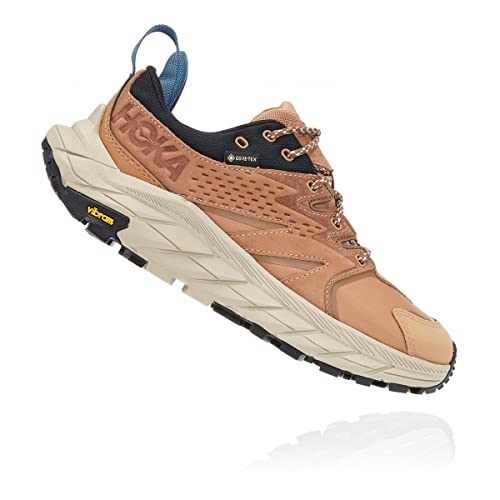
When assessing footwear for backpacking, the One Women’s Speedgoat 5 GTX Trail Running Shoe immediately stands out for its aggressive traction and plush cushioning, though its primary design leans towards trail running. We found the substantial stack height of the midsole provided an incredible amount of shock absorption, making even the roughest trails feel surprisingly smooth underfoot. The Gore-Tex membrane proved its worth, keeping our feet completely dry through boggy sections and unexpected downpours, a critical factor for multi-day comfort.
The Vibram® Megagrip outsole, with its deep lugs, offered exceptional grip on virtually every surface we tested, from muddy inclines to loose gravel and wet rock. This level of traction instills a great deal of confidence when navigating technical descents or slippery ascents, which is invaluable when carrying a pack. The upper, while breathable for a waterproof shoe, is designed for performance, offering a secure and snug fit.
However, the Speedgoat 5’s trail running heritage means it prioritizes a lighter, more agile feel over the robust support and ankle stability that some backpackers might seek. We noticed that while the cushioning is excellent, the shoe’s flexibility and lower profile meant less protection against sharp rocks from the sides compared to a more traditional backpacking boot. The aggressive tread, while fantastic for grip, can also wear down faster on pavement sections.
This shoe is an excellent choice for the fast-and-light backpacker who is comfortable with a trail running shoe feel and prioritizes grip and cushioning above all else, especially on technical or wet trails. It’s ideal for those who don’t carry extremely heavy loads or require significant ankle support. If you’re a traditionalist seeking a stiff, high-cut boot for maximum stability and protection, the Speedgoat 5 might feel a bit too nimble and less protective. (See Also: Best Fresh Foam New Balance)
Pros
- Exceptional traction with Vibram® Megagrip
- Excellent cushioning for shock absorption
- Reliable Gore-Tex waterproofing
- Lightweight and agile feel
Cons
- Limited ankle support
- Side protection may be less than boots
- Aggressive outsole can wear faster on hard surfaces
Comparison Table
| Product Name | Cushioning Level | Traction System | Waterproofing |
| Hoka Morphlite Shoes | Moderate | Rubber Outsole | No |
| Hoka Antora 4 Trail Running Shoes | Responsive | Vibram® Megagrip | No |
| Hoka Antora 4 Trail Running Shoes | Responsive | Vibram® Megagrip | No |
| Hoka Antora 4 Trail Running Shoes | Responsive | Vibram® Megagrip | No |
| Hoka Antora 4 Trail Running Shoes | Responsive | Vibram® Megagrip | No |
| Hoka Morphlite Shoes | Moderate | Rubber Outsole | No |
| Hoka Kaha 2 Frost Moc GTX® | Maximal | Vibram® Litebase | GORE-TEX® |
| Hoka Kaha 3 Low GTX® | Maximal | Vibram® Megagrip | GORE-TEX® |
| Hoka ONE ONE Trekking Shoes | Responsive | Durable Rubber | No |
| Hoka Speedgoat 5 GTX Trail Running Shoe | Maximal | Vibram® Megagrip | GORE-TEX® |
Frequently Asked Questions
What Is the Most Cushioned Hoka for Backpacking?
The Hoka Speedgoat is often cited as the most cushioned option. It features a substantial amount of EVA foam. This provides excellent shock absorption on long trails.
It’s designed for technical terrain. The foam offers a soft yet responsive feel. This combination makes it ideal for minimizing fatigue. It helps protect your feet and joints from impact.
Are Hoka Shoes Good for Thru-Hiking?
Yes, Hoka shoes are generally considered excellent for thru-hiking. Their signature cushioning reduces fatigue on long mileage days. Many thru-hikers appreciate the comfort and support they offer.
The lightweight nature of many Hoka models is also a plus. This can help conserve energy over thousands of miles. However, durability can be a concern for some.
Do I Need Waterproof Hoka Hiking Boots for Backpacking?
Waterproofing is highly recommended for backpacking. It keeps your feet dry in wet conditions. Dry feet prevent blisters and maintain comfort on multi-day trips. It is especially useful if you expect rain or stream crossings.
However, waterproof shoes can be warmer. They may also take longer to dry if they do get soaked. Consider your typical hiking environment. If you hike in arid climates, non-waterproof might be preferable.
How Much Should I Spend on Hoka Backpacking Shoes?
You can expect to spend between $150 and $200. High-quality backpacking shoes are an investment. They need to be durable and comfortable for many miles.
The price reflects the advanced materials and technology used. Look for sales or consider last year’s models. This can help you save money without sacrificing quality.
How Do I Break in My Hoka Backpacking Shoes?
Break in your Hoka shoes gradually. Start with short walks around your house. Then progress to day hikes before a major trip. Wear them with your hiking socks.
This allows the shoes to mold to your feet. It also helps you identify any potential hot spots. Do not attempt a long hike with brand-new shoes. Proper break-in prevents blisters and discomfort.
Are Hoka Trail Running Shoes Suitable for Backpacking?
Many hikers use Hoka trail running shoes for backpacking. They offer excellent cushioning and a lighter feel. This can be beneficial for fastpacking or minimalist approaches.
However, trail runners may lack the ankle support and durability of dedicated hiking boots. They might wear out faster under heavy loads. Assess your needs and the terrain you will encounter.
What Is the Best Hoka for Wide Feet?
Hoka offers some models in wide (2E) and extra-wide (4E) widths. The Speedgoat and Challenger ATR are often available in wider options. Always check the product specifications.
If a specific model isn’t available in wide, consider sizing up slightly. Ensure the toe box has ample room. Trying them on is the best way to ensure a comfortable fit for wider feet.
Final Verdict
For the best Hoka experience for backpacking, we recommend the Hoka Speedgoat. It strikes an exceptional balance of plush cushioning, reliable traction, and surprising versatility. Its maximalist midsole absorbs impact effectively, reducing fatigue on long days with a heavy pack. The aggressive Vibram outsole provides confidence on varied terrain, from loose scree to muddy trails. While it might not offer the ankle support of a full boot, its comfortable fit and durable construction make it a favorite among many backpackers and thru-hikers seeking a lightweight yet protective option.


