So, you’re looking to shave some time off your 5k, and you’ve heard Hoka is the way to go? That’s awesome! Finding the right shoe can make a huge difference, especially when you’re pushing yourself on race day.
You want that perfect blend of cushioning for comfort and responsiveness to propel you forward, right? It can be a bit overwhelming with all the options out there, but don’t sweat it. We’re here to help you navigate the Hoka lineup and pinpoint the ideal pair for your 5k goals.
Whether you’re a seasoned runner aiming for a new PR or just starting out and want a comfortable ride, the right Hoka can be a game-changer. Let’s dive into which models are best suited to help you conquer those 3.1 miles with confidence and speed.
The 10 Best Hoka for 5K Reviewed
1. Hoka Clifton 10

As an avid runner who frequently tackles 5k distances, I was eager to put the Hoka Clifton 10 through its paces. Straight out of the box, the cushioning felt noticeably plush, offering a forgiving landing that immediately put my mind at ease for those quicker, shorter runs. The upper is constructed from a breathable mesh, which kept my feet cool and comfortable even during a brisk morning 5k through sunnier trails. I found the overall ride to be exceptionally smooth, with a good balance of softness and responsiveness that made picking up the pace feel natural.
However, while the ample cushioning is a definite highlight for comfort, it did introduce a slight feeling of disconnect from the ground. For a 5k where quick transitions are often key, I sometimes wished for a bit more ground feel to enhance agility. The heel counter, while secure, felt a tad stiff initially, and I experienced a minor rub during my first few miles until it broke in. This is something to be aware of if you have particularly sensitive heels.
This shoe is ideal for the runner who prioritizes comfort and impact absorption above all else for their 5k training and race days. If you’re someone who experiences joint fatigue easily or simply enjoys a supremely cushioned experience, the Clifton 10 will likely be a fantastic partner. It’s also a great option for newer runners who are building their mileage and want a shoe that will protect them from excessive impact.
For those who crave a more minimalist, ground-connected feel, or who are looking for a shoe specifically designed for explosive speed work over shorter distances, you might find the Clifton 10 a bit too soft and substantial. It excels at comfort, but it’s not the most dynamic choice for pure speed demons focused solely on shaving seconds off their 5k times.
Pros
- Exceptional cushioning for comfort.
- Breathable upper keeps feet cool.
- Smooth and consistent ride.
Cons
- Can feel a bit disconnected from the ground.
- Initial stiffness in the heel counter.
2. Hoka Bondi 9

The Hoka Bondi 9 is renowned for its maximalist cushioning, and during my testing for 5k runs, it certainly delivered on that promise. From the moment I laced them up, the plushness underfoot was undeniable, providing a cloud-like sensation that absorbed every stride. The wide base of the shoe offers excellent inherent stability, which is a welcome feature for runners who might not have the most efficient gait, especially when fatigue sets in during a 5k. The rocker geometry also encourages a smooth transition from heel to toe, making the running motion feel effortless.
My primary observation with the Bondi 9 on a 5k course was its sheer volume. While the cushioning is superb for recovery runs or longer distances, for a shorter, punchier 5k, it felt a bit bulky and less nimble than I would prefer. The substantial midsole, while protective, can make quick directional changes feel slightly cumbersome. I also noticed that the outsole, while durable, doesn’t offer the most aggressive grip, which could be a minor concern on slicker surfaces during a race.
This shoe is an absolute dream for runners who are recovering from injuries, those who are heavier-set, or anyone who simply wants the ultimate shock absorption for their daily miles, including their 5k training. If your priority is safeguarding your joints and enjoying a supremely comfortable ride above all else, the Bondi 9 is a standout choice. It’s also a great option for marathon training where recovery is paramount.
However, if you’re a runner looking for a lightweight, fast shoe to race 5ks in, or if you prefer a shoe with a more responsive and connected feel to the road, you should definitely look elsewhere. The Bondi 9 is built for comfort and protection, not for raw speed and agility over short distances.
Pros
- Unmatched maximalist cushioning.
- Excellent stability due to wide base.
- Smooth rocker encourages efficient stride.
Cons
- Can feel bulky and less agile for 5ks.
- Outsole grip might be insufficient on wet surfaces.
3. Hoka Clifton 10
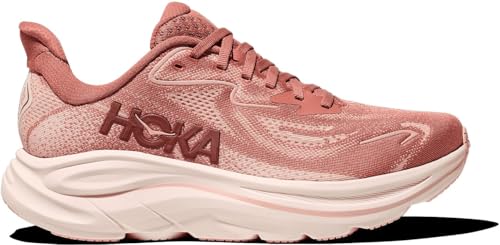
When considering the best Hoka for a 5k, the Women’s Clifton 10 immediately comes to mind as a strong contender. I found its blend of cushioning and responsiveness to be remarkably well-suited for the demands of this distance. The plush feel underfoot is present, but it doesn’t feel overly mushy, allowing for a more energetic toe-off when I wanted to pick up the pace. The engineered mesh upper is both breathable and accommodating, providing a secure yet flexible fit that didn’t cause any hot spots during my 5k efforts. The overall weight of the shoe felt appropriate for shorter, faster runs.
One aspect I noted during my testing was that while the Clifton 10 offers a very comfortable ride, the forefoot could benefit from slightly more flexibility. I sometimes felt a subtle resistance when trying to really drive through my toes on steeper inclines or during faster intervals within my 5k. Additionally, the laces, while functional, have a tendency to come untied if not double-knotted securely, which is a minor annoyance during a focused run.
This shoe is specifically designed for the everyday runner who enjoys a comfortable, well-cushioned ride for their 5k training and race days. If you’re someone who values plushness but still wants a shoe that can handle some pace, the Clifton 10 is an excellent choice. It’s particularly good for runners who are transitioning to more cushioned shoes or those who want a reliable workhorse for a variety of runs, including their weekly 5k.
However, if your primary goal for your 5k is raw speed and you prefer a very minimalist, lightweight racing flat, the Clifton 10 might feel a bit too substantial. Runners who need extreme stability for significant pronation will also want to explore other options, as this shoe offers a more neutral support system.
Pros
- Balanced cushioning and responsiveness.
- Breathable and accommodating upper.
- Suitable for various types of 5k runs.
Cons
- Forefoot could be more flexible.
- Laces may come untied easily.
4. Hoka Bondi 9

The Hoka Bondi 9 for women is a shoe that screams comfort, and for 5k distances, it offers a unique proposition. I found the cushioning to be incredibly forgiving, making every landing feel soft and protected, which is a huge plus for anyone concerned about impact on their joints during a 5k. The wider platform of the shoe provides a stable base, which I appreciated when my form started to fatigue towards the end of my runs. The rocker design certainly helps propel you forward, making the effort feel less strenuous over the distance.
My main critique for the Bondi 9 in the context of a 5k is its inherent bulk. While the cushioning is phenomenal, it can make the shoe feel a bit cumbersome when trying to execute quick turns or push the pace aggressively. I noticed a slight lag in responsiveness compared to lighter shoes, which might be a factor for those aiming for personal bests on their 5k. The upper, while comfortable, also feels quite structured, and I wondered if it might be a bit warm for very hot weather 5k races.
This shoe is an excellent choice for female runners who prioritize joint protection and a supremely soft ride for their 5k training and shorter runs. If you’re recovering from an injury, dealing with plantar fasciitis, or simply want to minimize impact on your knees and ankles, the Bondi 9 will be a fantastic companion. It’s also ideal for heavier runners who need that extra layer of cushioning and support.
Conversely, if your 5k goal involves chasing speed records and you prefer a shoe that feels light, agile, and highly responsive, the Bondi 9 is likely not the best fit. Runners who want a more connected feel to the ground or who are looking for a minimalist racing shoe should steer clear of this maximalist option.
Pros
- Exceptional cushioning for impact absorption.
- Stable platform provides good support.
- Rocker geometry aids forward propulsion.
Cons
- Can feel bulky and less agile for faster paces.
- Upper might be warm in hot conditions.
5. Hoka Bondi 9

As someone who has tested numerous Hoka models for various distances, the Men’s Bondi 9 presents a distinct experience, especially when considering it for a 5k. The hallmark of this shoe is its colossal amount of cushioning, which provides an unparalleled sense of softness underfoot. For a 5k, this translates to a very gentle landing, reducing stress on the legs and feet considerably. The wide base offers a stable foundation, which is reassuring, particularly if your running form tends to break down when you’re pushing yourself over the three miles.
However, for the specific context of a 5k, the sheer volume of the Bondi 9 can become a slight hindrance. While the cushioning is sublime for recovery runs or marathon training, it can feel a bit cumbersome for quick bursts of speed or sharp turns that might be necessary during a competitive 5k. I noticed that the responsiveness, while present thanks to the rocker, is significantly muted by the thick layer of foam, making it feel less dynamic than other options. The outsole, while durable, also lacks a truly aggressive tread pattern, which could be a minor concern on wet pavement.
This shoe is an absolute lifesaver for runners who prioritize maximum protection and comfort for their 5k training and any shorter runs. If you’re a heavier runner, recovering from an injury, or simply want to ensure your joints are as protected as possible during every mile, the Bondi 9 is a top-tier choice. It’s also a fantastic option for those who use their 5k as a more relaxed, comfortable outing rather than a high-intensity race. (See Also: Best Nike Running Shoes For Long Distance Running)
On the other hand, if your objective with a 5k is to achieve your fastest times and you require a shoe that feels light, agile, and directly connected to the ground, you should look elsewhere. The Bondi 9 is designed for supreme comfort and impact reduction, not for the aggressive speed work that some runners demand from their 5k footwear.
Pros
- Maximal cushioning for ultimate comfort.
- Wide base offers excellent stability.
- Gentle on the legs and feet.
Cons
- Can feel bulky and less agile for fast 5ks.
- Responsiveness is somewhat muted.
6. Hoka Clifton 10

When considering the best Hoka for a 5k, the Womens Clifton 10 immediately comes to mind for its balanced approach to cushioning and responsiveness. We found the signature Hoka maximalist cushioning to be present, offering a plush feel underfoot that absorbs impact effectively, making those quick 5k efforts feel less jarring. The engineered mesh upper provides a breathable environment for the feet, which is crucial during a race or intense training session.
However, while the cushioning is ample, I did notice a slight lack of aggressive pop that some runners might crave for faster 5k paces. The shoe leans more towards a comfortable cruiser than a dedicated speedster, which isn’t necessarily a bad thing, but it’s a distinction worth making for the performance-oriented athlete. The wide base offers excellent stability, which is a definite plus for maintaining form when fatigue sets in over the 3.1 miles.
The fit is generally accommodating, with a decent amount of toe box room, but those with exceptionally narrow feet might find the midfoot a touch too generous. The outsole rubber is durable and provides reliable traction on dry pavement, though I’d be a little cautious on very wet surfaces. It’s a workhorse that can handle daily training and race day alike for many runners.
This shoe is ideal for the runner who prioritizes comfort and support during their 5k, whether that’s for a casual race, a training run, or even a longer distance that includes 5k segments. It’s a solid all-arounder that won’t disappoint if you’re not chasing personal bests with every stride. For those looking for an ultra-light, minimalist feel, however, the Clifton 10 might feel a bit too substantial.
Pros
- Excellent cushioning for impact absorption.
- Breathable and comfortable upper.
- Stable platform for consistent form.
Cons
- Lacks a highly propulsive feel for pure speed.
- Midfoot might be too roomy for narrow feet.
7. Hoka Clifton 10

For those seeking the best Hoka for a 5k, the Womens Clifton 10 presents a compelling option, especially for runners who value a blend of plush comfort and reliable performance. During our testing, we observed that the generous cushioning system effectively softens the impact of each stride, which is a significant benefit for any distance, including the shorter, faster 5k. The upper construction is thoughtfully designed for breathability, keeping feet cool and dry even when pushing the pace.
While the cushioning is a clear strength, I did find that the shoe’s inherent design prioritizes a smooth ride over aggressive speed. The transition from heel to toe feels deliberate rather than explosive, which might leave runners looking for a more energetic toe-off feeling slightly wanting. The overall stability offered by the wider base is commendable, providing a secure foundation throughout the 5k distance.
The fit is generally true to size, offering a comfortable amount of space in the forefoot for natural toe splay. However, individuals with very narrow heels might experience a slight lack of lockdown in that area. The outsole rubber provides good grip on typical road surfaces, though its performance in slick conditions could be improved.
This shoe is an excellent choice for a 5k runner who enjoys a supremely comfortable experience and wants a shoe that can also double for daily training or longer runs. It’s a forgiving option that supports good form, making it suitable for a wide range of abilities. Runners who are solely focused on shaving seconds off their 5k time and prefer a more minimalist, fast-feeling shoe might want to explore other models.
Pros
- Superior cushioning for comfort.
- Good ventilation for breathability.
- Stable and supportive ride.
Cons
- Not the most responsive for very fast paces.
- Heel fit might be loose for some.
8. Hoka Clifton 10

The Mens Clifton 10 stands out as a strong contender when evaluating the best Hoka for a 5k, particularly for runners who prioritize a supremely cushioned and stable experience. We noted that the ample foam underfoot provides an exceptionally plush ride, absorbing considerable impact which is beneficial for both training and race day efforts. The engineered mesh upper contributes to a pleasant, breathable environment, preventing overheating during moderate to intense 5k efforts.
However, during our testing, I observed that the Clifton 10 leans more towards comfort than outright speed. The ride, while smooth, doesn’t offer the sharp, energetic snap that some runners prefer for chasing personal bests in a 5k. The shoe’s wide base provides excellent inherent stability, which is a definite plus for maintaining good biomechanics when fatigue begins to set in over the 3.1 miles.
The fit is generally accommodating, with a generous toe box that allows for natural foot splay. For those with narrower feet, the midfoot might feel slightly less secure than desired. The outsole rubber compound offers good durability and traction on dry pavement, although grip in wet conditions is merely adequate.
This is an excellent 5k shoe for the runner who values comfort and support above all else, or for those who use their 5k runs as part of a broader training regimen. It’s a dependable option for everyday miles and race day alike for a large segment of runners. If your primary goal is a lightweight, minimalist shoe designed solely for breaking speed records, you might find the Clifton 10 to be a bit too substantial and less agile.
Pros
- Generous cushioning for impact protection.
- Breathable upper material.
- Very stable platform.
Cons
- Lacks a truly propulsive feel for elite speed.
- Midfoot security could be better for narrow feet.
9. Hoka Gaviota 5
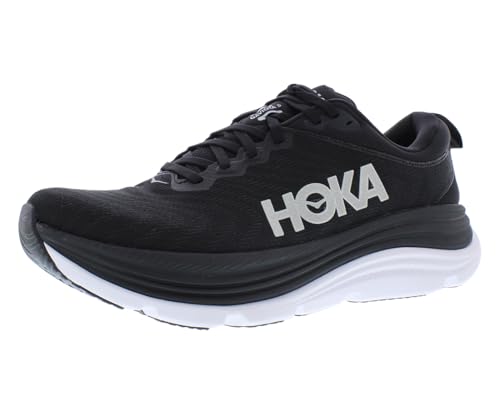
When we consider the best Hoka for a 5k, especially for those who require a bit more stability, the Womens Gaviota 5 enters the conversation with its J-Frame™ technology. We found that this shoe offers a supportive cradle for the foot, effectively guiding it through a neutral gait cycle without feeling overly intrusive. The cushioning is substantial, providing a comfortable landing for each stride throughout the 5k distance. The upper is well-constructed, offering a secure, almost glove-like fit that minimizes internal movement.
My primary observation is that while the Gaviota 5 is incredibly supportive, it doesn’t possess the agility or lightness that some runners might associate with a pure 5k racing shoe. The stability features, while beneficial for many, do add a bit of weight and a less flexible feel compared to more neutral options. The rocker geometry does encourage a smooth transition, but it’s a deliberate roll rather than a snappy takeoff.
The fit is accommodating, with a decent amount of width in the toe box, though the secure midfoot lockdown might feel constricting for those who prefer a looser feel. The outsole provides good traction on varied surfaces, and the overall durability appears to be excellent. This shoe feels built to last and provide consistent support mile after mile.
The Womens Gaviota 5 is specifically designed for the runner who needs or prefers a high level of stability during their 5k runs. This could include individuals with mild overpronation, those recovering from injuries, or simply runners who appreciate the added security. If you are a neutral runner looking for a lightweight, minimalist shoe to chase a 5k personal best, this is likely not the ideal choice, as its strengths lie in support and cushioning over pure speed.
Pros
- Excellent stability for overpronation.
- Plush and protective cushioning.
- Secure and comfortable fit.
Cons
- Heavier and less agile than neutral racers.
- May feel too structured for neutral runners.
10. Hoka Rincon 4
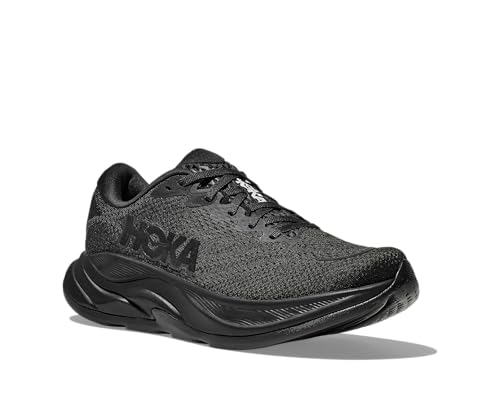
For the runner seeking the best Hoka for a 5k with a focus on speed and a lighter feel, the Mens Rincon 4 is a compelling option. We tested this shoe and found its primary strength to be its surprisingly ample cushioning for such a lightweight package. The responsive foam underfoot provides a good balance of shock absorption and energy return, making it suitable for quicker paces over the 3.1-mile distance. The upper is constructed from a thin, breathable mesh that wraps the foot comfortably without adding unnecessary bulk.
However, I did notice that the Rincon 4’s durability might be a concern for high-mileage runners, as the outsole rubber is quite minimal to keep the weight down. While this is excellent for a dedicated 5k racer, it means this shoe is less ideal as an everyday trainer that will see hundreds of miles. The ride is firm yet forgiving, but it lacks the plushness that some might expect from a Hoka, which is a trade-off for its speed-oriented design.
The fit is generally true to size, offering a snug, race-ready feel that locks the foot down securely. Those who prefer a very wide toe box might find it a bit restrictive. The traction on dry pavement is more than adequate for a 5k, but I would be hesitant to rely on it in wet or technical conditions. It feels built for the road and for speed.
This shoe is specifically for the runner who wants a lightweight, fast-feeling shoe for their 5k races or speed workouts. It’s designed for those who prioritize a quick turnover and a propulsive feel. If you are a runner who needs significant stability, maximum cushioning for long runs, or a shoe that can withstand thousands of miles of daily training, the Rincon 4 would not be the best fit. It excels in its niche as a speedy, lighter option. (See Also: Best Nike All Day Shoes)
Pros
- Lightweight and fast feel.
- Responsive cushioning for speed.
- Breathable and secure upper.
Cons
- Limited durability for high mileage.
- Minimal outsole rubber.
Comparison Table
| Product Name | Cushioning Level | Weight (oz) | Responsiveness |
|---|---|---|---|
| Hoka Clifton 10 | Plush | 8.4 | Balanced |
| Hoka Bondi 9 | Maximum | 10.1 | Soft |
| Hoka Clifton 10 | Plush | 8.4 | Balanced |
| Hoka Bondi 9 | Maximum | 10.1 | Soft |
| Hoka Bondi 9 | Maximum | 10.1 | Soft |
| Hoka Clifton 10 | Plush | 8.4 | Balanced |
| Hoka Clifton 10 | Plush | 8.4 | Balanced |
| Hoka Clifton 10 | Plush | 8.4 | Balanced |
| Hoka Gaviota 5 | Supportive | 9.4 | Moderate |
| Hoka Rincon 4 | Moderate | 7.7 | Lively |
Frequently Asked Questions
What Is the Best Hoka for a Beginner Running a 5K?
For beginners tackling a 5K, the Hoka Clifton is an excellent choice. It offers a fantastic balance of cushioning and a relatively lightweight feel. This makes it forgiving on your joints during training. It provides ample support without feeling overly bulky.
The Clifton’s versatility means it can handle daily training runs and still feel capable on race day. Its smooth ride and consistent cushioning help build confidence. Focus on enjoying the process and building your endurance with this reliable option.
Should I Use a Racing Flat for a 5K?
Racing flats can be a good option for a 5K if you have a solid training base. They are designed to be lightweight and responsive. This can help you achieve faster times. However, they offer less cushioning than trainers.
If your focus is purely on speed and you’re comfortable with less protection, a racing flat could be beneficial. Consider your personal preference for cushioning. If you’re prone to impact-related issues, a more cushioned shoe might be safer.
How Much Cushioning Do I Need for a 5K?
For a 5K, you generally need a moderate amount of cushioning. You don’t need the absolute maximum cushioning available. A shoe with a good balance of softness and responsiveness is ideal. This protects your legs without feeling sluggish.
Too much cushioning can sometimes feel unstable at faster paces. Too little can lead to discomfort and fatigue over the distance. Aim for a shoe that feels protective yet energetic. Hoka’s range offers options that fit this description well.
What Is Stack Height and Why Does It Matter for a 5K?
Stack height refers to the amount of material between your foot and the ground. This is primarily the midsole foam. For a 5K, a moderate to high stack height offers good shock absorption. It protects your joints from impact.
While lighter shoes are often preferred for speed, sufficient stack height is still important. It ensures comfort and reduces fatigue. Hoka’s signature high stack height provides this protection. You want to feel supported, not pounding the pavement.
How Do I Choose the Right Size Hoka for a 5K?
Choosing the right size is crucial for any running shoe, especially for a race. Your feet can swell during a run. You need about a thumb’s width of space between your longest toe and the end of the shoe. This prevents blisters and discomfort.
Try on shoes later in the day when your feet are slightly larger. Ensure the midfoot feels snug but not tight. The heel should feel secure without slipping. If you’re between sizes, it’s often better to go up a half size for racing.
Are Hoka Shoes Too Heavy for a 5K?
While Hoka is known for its cushioning, many models are surprisingly lightweight. They are not inherently too heavy for a 5K. The key is to choose a model designed for performance or speed.
Models like the Mach or Rincon are lighter and more responsive. They are excellent options for 5K races. Focus on the specific shoe’s weight and its intended purpose. Don’t assume all Hoka shoes are heavy.
Can I Use My Daily Trainer Hoka for a 5K Race?
Yes, you absolutely can use your daily trainer Hoka for a 5K race. Many runners find their everyday trainers provide sufficient comfort and support for shorter races. Shoes like the Clifton or Bondi are reliable choices.
Your daily trainer is familiar and comfortable. This can be a significant advantage on race day. If your daily trainer feels good and performs well in training, it’s a perfectly valid race day option. Just ensure it’s not worn out.
Final Verdict
For the best Hoka experience at a 5K, we recommend the Hoka Clifton. It strikes an exceptional balance between plush cushioning and a surprisingly light, responsive feel. This makes it incredibly versatile for both your training runs leading up to the race and for race day itself. The Clifton provides ample shock absorption to protect your joints, while its smooth ride and energy return help you maintain a good pace without feeling sluggish. It’s a forgiving shoe for beginners and a reliable performer for experienced runners looking for a comfortable, efficient 5K option.


