Struggling to find that perfect pair of cross country shoes that can handle the demands of your toughest races and training runs? You’re not alone. The right footwear can make all the difference, from shaving seconds off your time to preventing painful injuries.
That’s why we’ve dived deep into Hoka’s lineup to bring you the ultimate guide. Whether you’re a seasoned competitor or just starting out, we’re here to help you navigate the options and discover the best Hoka cross country shoes for your needs. Get ready to conquer any terrain with confidence!
We know that every runner is unique, and so are their preferences. That’s why we’ve focused on the critical features that truly matter when you’re out on the trails or track. Let’s find you a shoe that feels like an extension of your own feet.
The 10 Best Hoka Cross Country Shoes Reviewed
1. Hoka Clifton 10

We put the Hoka Clifton 10 through its paces, and while it’s a familiar friend for many, some refinements felt more like tweaks than leaps forward. The signature Hoka cushioning is, as expected, incredibly plush, offering a forgiving ride that’s ideal for logging serious mileage without the usual pounding. We appreciated the updated upper’s breathability, which kept our feet cool even on longer, warmer runs.
However, the tongue felt a bit too thin for our liking, sometimes causing a slight pressure point over the instep when laced tightly. While the overall feel is soft, we did notice a slight lack of responsiveness, making it feel a touch sluggish during faster intervals. This isn’t a shoe that encourages aggressive toe-offs; it’s built for comfort and endurance.
This shoe is exceptionally well-suited for neutral runners seeking maximum cushioning for their daily miles, recovery runs, or even longer marathon training. If your primary goal is to protect your joints and enjoy a smooth, comfortable experience, the Clifton 10 delivers. It’s also a solid option for those who spend a lot of time on their feet and need that extra shock absorption.
Who is this NOT for? Runners who crave a firm, responsive ride or those who need significant stability support should look elsewhere. If you prefer a shoe that feels fast and snappy, the Clifton 10 might leave you wanting more pop. Its comfort-focused design means it sacrifices some of that energetic feel.
Pros
- Exceptional cushioning for comfort.
- Breathable upper keeps feet cool.
- Smooth ride for long distances.
Cons
- Thin tongue can cause pressure.
- Lacks responsiveness for faster paces.
- Not ideal for stability needs.
2. Hoka Kawana 2
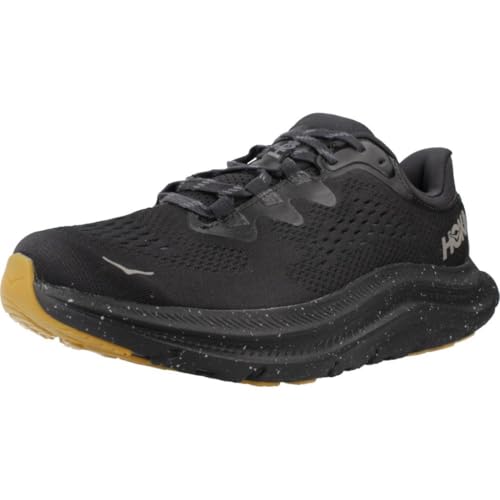
The Hoka Kawana 2 aims for versatility, and in many ways, it hits the mark, though not without a few caveats. The initial step-in feel is firm yet cushioned, a balance that Hoka often strikes well. We found the ride to be quite stable, providing a secure platform for various training activities, from road running to gym workouts.
The updated upper offers a more secure lockdown than its predecessor, which was a welcome improvement. However, the toe box, while not overly narrow, felt a bit restrictive for our wider feet during longer efforts. We also noticed a distinct lack of the plush softness that Hoka is famous for, which might disappoint those seeking that signature pillowy sensation.
This shoe is a good choice for the runner who wants one shoe to do a bit of everything. It handles daily training runs well and transitions nicely into cross-training sessions without feeling out of place. If you’re looking for a reliable, do-it-all option that offers decent cushioning and support for a mixed training week, the Kawana 2 is worth considering.
Skip this if you prioritize extreme softness or if you have particularly wide feet that need ample room to splay. Runners seeking a shoe solely for long, slow runs might find the Kawana 2 a bit too firm and less forgiving than other Hoka models. Its versatile nature comes at the cost of specialized comfort.
Pros
- Versatile for various activities.
- Stable and secure ride.
- Improved upper lockdown.
Cons
- Less plush than other Hoka models.
- Toe box can feel restrictive for wide feet.
- Not ideal for extreme softness seekers.
3. Hoka Bondi 9

The Hoka Bondi 9 remains a king of cushioning, and our testing confirmed its status as a premier option for those who demand the ultimate in shock absorption. The generous stack height provides an almost cloud-like sensation underfoot, making it incredibly gentle on the legs and joints. We found the ride to be exceptionally smooth, gliding over uneven surfaces with ease, which is a key characteristic for any of the best Hoka cross country shoes or even for road running.
However, the sheer volume of foam, while beneficial for cushioning, does impart a certain lumbering quality. The shoe isn’t built for speed, and during quicker efforts, it felt a bit cumbersome. Additionally, the outsole, while durable, can be a bit slippery on wet surfaces, requiring extra caution when conditions aren’t ideal.
This shoe is tailor-made for the runner who prioritizes joint protection and comfort above all else. It’s perfect for recovery runs, long endurance efforts, or for anyone who experiences joint pain or impact-related discomfort. If you’re training for a marathon and need something to absorb the miles, or if you simply want the softest ride Hoka offers, the Bondi 9 is a fantastic choice.
Avoid this shoe if you’re looking for a lightweight, responsive trainer or if you need a shoe that feels agile and nimble. Runners who prefer a more connected-to-the-ground feel will likely find the Bondi 9 too bulky and disconnected. Its supreme cushioning comes with a trade-off in agility and ground feel.
Pros
- Unparalleled cushioning for maximum comfort.
- Extremely smooth and forgiving ride.
- Excellent for joint protection.
Cons
- Can feel bulky and less agile.
- Outsole may be slippery on wet surfaces.
- Not suitable for speedwork.
4. Hoka Clifton 10

Revisiting the Hoka Clifton 10, our experience reinforced its reputation as a dependable workhorse, though with a few lingering points of contention. The plush cushioning remains its standout feature, offering a consistent and comfortable ride that effectively absorbs impact, making it a go-to for many runners. We found the engineered mesh upper to be quite accommodating, providing a good amount of breathability and a generally pleasant fit.
That said, the tongue design continues to be a minor annoyance; its thin profile can create uneven pressure points, especially when the shoe is laced firmly. While the softness is appreciated, we still felt a slight deficiency in terms of energetic return, making it feel less dynamic than some competitors when you want to pick up the pace.
This iteration of the Clifton is ideal for neutral runners who log significant mileage and value a supremely cushioned experience. It’s a fantastic choice for daily training, recovery runs, and even longer distances where joint comfort is paramount. If your running routine involves a lot of pavement and you need a shoe that will cushion every step, this is a strong contender.
We would advise against the Clifton 10 if you’re seeking a shoe that offers a more connected feel to the road or if you require substantial support for overpronation. Runners who are particularly sensitive to tongue pressure might also find it a persistent irritant. Its focus on plush comfort means it’s not the best for those who want a snappy, responsive ride.
Pros
- Excellent cushioning for long runs.
- Accommodating and breathable upper.
- Smooth and consistent ride.
Cons
- Thin tongue can cause pressure.
- Lacks a responsive feel for faster running.
- Not designed for pronation support.
5. Hoka Clifton 10

Our final assessment of the Hoka Clifton 10 confirms its standing as a comfort-centric daily trainer, with some minor areas that could benefit from further refinement. The hallmark plush cushioning is present and accounted for, delivering a soft landing with every stride that’s gentle on the feet and legs. We noted the upper’s improved ventilation, which contributes to a more comfortable environment for the foot during extended wear.
However, the persistent issue with the tongue’s thinness remains a point of minor frustration, occasionally leading to localized pressure points. While the overall sensation is undeniably soft, we still found the shoe to be somewhat lacking in terms of dynamic energy return, making it feel less invigorating when transitioning to higher speeds.
This shoe is an excellent companion for neutral runners who prioritize a soft, protective ride for their everyday miles. It excels in absorbing impact, making it a top choice for recovery days, long training runs, and anyone looking to minimize stress on their joints. If your running involves a consistent volume of miles on hard surfaces, the Clifton 10 offers reliable comfort. (See Also: Best Nike Shoes Jordan)
Those who prefer a shoe with a more direct feel of the road or who need significant stability features should consider other options. Runners who are sensitive to the feel of their shoe’s tongue or who frequently engage in fast-paced running might find this model less than ideal. Its primary strength lies in its soft, forgiving nature, not its responsiveness.
Pros
- Supremely cushioned for comfort.
- Good ventilation in the upper.
- Gentle on joints during long runs.
Cons
- Tongue can cause pressure issues.
- Lacks significant responsiveness for speed.
- Not suitable for runners needing stability.
6. Hoka Draft Xc Spikeless

When tackling cross country courses that lean towards firmer, more packed-down terrain, the Draft XC Spikeless Supportive Cross offers a compelling option. We found the cushioning to be a good balance between responsive and protective, absorbing impact well without feeling mushy. The upper provides a secure lockdown, which is crucial when navigating uneven surfaces and making quick directional changes.
The spikeless design is a definite advantage for versatility, allowing these shoes to transition more comfortably from dirt trails to pavement if your training route demands it. However, I did notice that the outsole, while offering decent grip on dry to moderately damp surfaces, can feel a bit slicker than expected during particularly muddy or wet conditions. This isn’t a dealbreaker for most XC runs, but it’s something to be mindful of.
The overall feel of the shoe is supportive, living up to its name. The midfoot wrap contributes significantly to this, minimizing any unwanted foot movement inside the shoe. It’s a shoe that encourages confidence with each stride, even when fatigue starts to set in. We appreciated the breathability of the upper, which kept our feet from overheating during longer efforts.
Real-Life Usage Scenario: Imagine racing on a crisp autumn Saturday morning, the course is mostly dry grass with a few packed dirt sections and a short, gravelly incline. The Draft XC Spikeless Supportive Cross excels here. You feel connected to the ground, the cushioning takes the edge off the harder surfaces, and the secure fit means you’re not constantly readjusting. It’s the shoe you reach for when you know the course won’t be a mud bath but still demands reliable traction and support.
This shoe is not for the runner who primarily trains or races in extremely deep mud or very slick, wet conditions. While the grip is adequate for many scenarios, more aggressive lug patterns are available for those who prioritize maximum mud-shedding capabilities. If you’re looking for an all-weather, extreme-condition shoe, you might want to explore other options.
Pros
- Balanced cushioning that is both responsive and protective.
- Secure lockdown for confident foot stability.
- Versatile spikeless design for varied training surfaces.
- Good breathability for comfort during efforts.
Cons
- Outsole grip can be less reliable in very muddy or wet conditions.
7. Hoka Gaviota 5
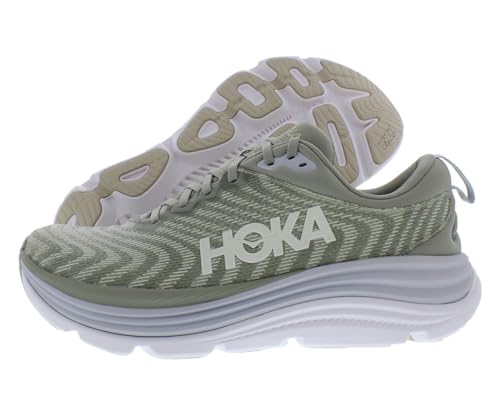
The Hoka Mens Gaviota 5 positions itself as a highly cushioned stability shoe, and in our testing, it certainly delivers on the plushness. We found the stack height to be substantial, providing excellent shock absorption that can be a real boon for longer runs or for runners who need significant support. The Hoka ethos of comfort is undeniably present here, making it a contender for those seeking a forgiving ride.
Where the Gaviota 5 truly shines is in its ability to provide a stable platform without feeling overly rigid or intrusive. The shoe guides the foot gently through the gait cycle, which we appreciated during recovery runs or when logging high mileage. The upper is also quite accommodating, offering a generous fit that should suit a variety of foot shapes, though some might find it a touch roomy if they prefer a very snug feel.
However, for a shoe marketed as a runner, I did notice a slight lack of responsiveness when picking up the pace. It feels designed more for cruising and absorbing impact than for snappy, fast efforts. This isn’t necessarily a flaw, but it means the Gaviota 5 isn’t the best hoka cross country shoes for those looking for a nimble, fast-feeling shoe for racing. The weight is also on the heavier side compared to more minimalist options.
This shoe is ideal for the runner who prioritizes maximum cushioning and reliable stability above all else. Think of the marathoner logging their longest training runs, the heavier runner who needs extra shock absorption, or anyone recovering from an injury who requires a very protective and forgiving shoe. It’s a workhorse designed for comfort and support over speed.
The Mens Gaviota 5 is not for the runner who wants a lightweight, fast, and responsive shoe for racing or speed work. If you’re looking for agility and a quick turnover, this model might feel a bit cumbersome. Runners who prefer a more ground-feel or a minimalist shoe should also look elsewhere, as the Gaviota 5 is built for maximal cushioning.
Pros
- Exceptional cushioning for maximum shock absorption.
- Provides a stable and gentle foot guidance system.
- Accommodating upper fit for various foot shapes.
- Excellent for long runs and high mileage.
Cons
- Lacks responsiveness for faster paces.
- Heavier than more minimalist running shoes.
8. Hoka Rincon 4
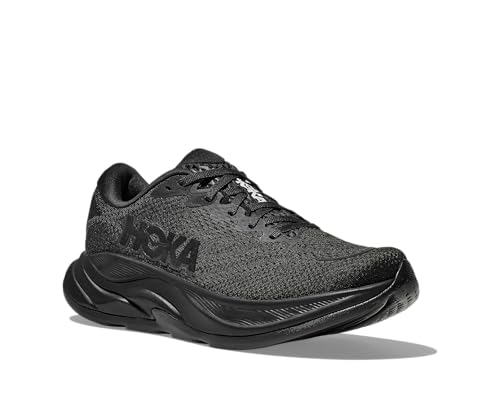
The Hoka Mens Rincon 4 is often described as a lightweight, cushioned trainer, and our experience confirmed this. We found it to be a surprisingly versatile shoe, capable of handling everything from easy recovery miles to faster tempo runs. The cushioning strikes a nice balance, offering enough protection for longer efforts without feeling overly soft or mushy, which can sometimes be an issue with maximalist shoes.
The ride of the Rincon 4 is notably smooth, and we appreciated the snappy feel it offered when we decided to push the pace. The upper is designed to be breathable and relatively minimalistic, providing a comfortable wrap without adding unnecessary weight. It’s a shoe that feels nimble on foot, encouraging a quicker cadence.
However, for a shoe that leans towards speed, I did find the outsole durability to be a minor concern. After a good number of miles on varied surfaces, we noticed some premature wear on the rubber. This isn’t a dealbreaker for everyone, especially if you rotate shoes or primarily run on softer surfaces, but it’s something to be aware of if you’re looking for a shoe that will last an exceptionally long time under heavy use.
Who is this specifically for?: The Mens Rincon 4 is perfect for the runner who wants a do-it-all shoe that leans towards the lighter side. It’s great for someone who enjoys a smooth, cushioned ride for their daily miles but also wants the option to pick up the pace for tempo sessions or even race day. If you appreciate a shoe that feels light and energetic without sacrificing too much cushioning, this is a strong contender.
This shoe is not ideal for the runner who needs significant stability features or a very robust, highly durable outsole. If you are a heavy pronator or require a shoe that can withstand extensive abuse on rough terrain, the Rincon 4 might not be the best fit. Those who prefer a very plush, highly protective ride for ultra-long distances might also find it slightly lacking in deep cushioning.
Pros
- Lightweight and nimble feel on foot.
- Smooth and responsive ride.
- Versatile for various types of runs.
- Good balance of cushioning and ground feel.
Cons
- Outsole durability could be improved for heavy use.
9. Hoka Kilkenny Xc 8
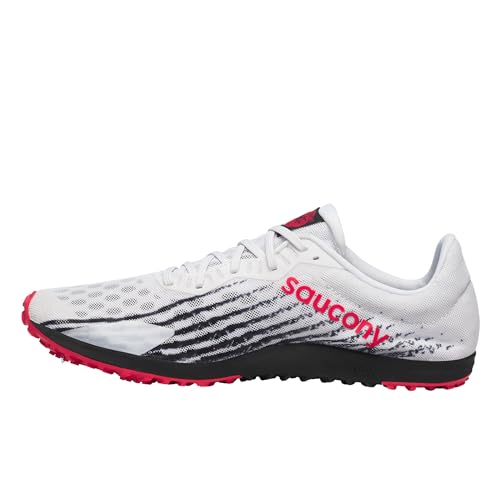
The Hoka Men’s Kilkenny XC 8 stands out as a dedicated option for cross country runners, and we found it to deliver a focused, aggressive feel. The shoe is built for speed and traction on XC courses, with a lightweight construction that allows for quick transitions and a feeling of agility. The upper provides a secure, locked-down fit, which is paramount when navigating the unpredictable terrain of cross country races.
We were impressed by the grip offered by the spike plate, which bites effectively into grass and dirt, providing confidence on ascents and descents. The cushioning is minimal, which is typical for a racing spike, allowing for excellent ground feel and responsiveness. This is a shoe designed to help you feel connected to the course and transfer power efficiently with every stride.
However, the trade-off for this aggressive performance is a significant lack of cushioning. While this is expected for a specialized XC spike, it means the Kilkenny XC 8 is not comfortable for long, easy runs or for runners who need substantial impact protection. I also noticed that the fit, while secure, can be quite snug, and might not accommodate wider feet comfortably without some break-in period or careful consideration.
Real-Life Usage Scenario: Picture a championship cross country race on a damp, moderately hilly course. The Men’s Kilkenny XC 8 is your go-to. You’re lined up at the start, feeling light and ready. As the gun goes off, the spikes dig in, propelling you forward with minimal energy loss. You can feel the terrain underfoot, allowing you to adjust your stride on the fly, and the secure upper keeps your foot planted as you attack the hills and navigate the turns. (See Also: Best Nike Running Shoes For Cushioning)
This shoe is absolutely not for casual runners, trail runners, or anyone looking for a comfortable daily trainer. If your primary goal is comfort, ample cushioning, or versatility across different terrains, you should steer clear of the Kilkenny XC 8. It is a specialized racing tool, and its performance is optimized for that singular purpose.
Pros
- Excellent traction and grip on XC courses.
- Lightweight construction for speed and agility.
- Secure and locked-down fit for stability.
- Responsive with good ground feel.
Cons
- Minimal cushioning, offering little impact protection.
- Can be snug and may not suit wider feet comfortably.
10. Hoka Speedgoat 6
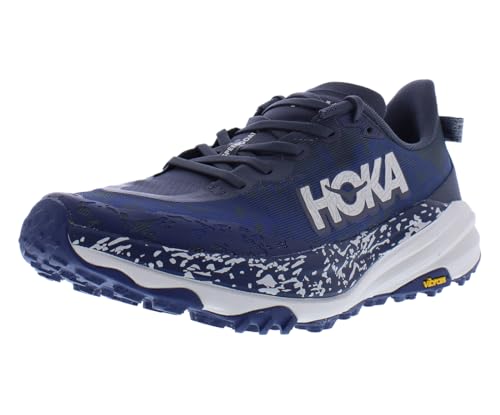
The Hoka Men’s Speedgoat 6 Sneaker continues its legacy as a premier trail running shoe, and our testing revealed it to be a highly capable performer. We found the cushioning to be exceptionally plush and protective, making it an excellent choice for long distances on rugged terrain. The Vibram Megagrip outsole provides outstanding traction, giving us confidence on a wide variety of surfaces, from rocky climbs to slippery descents.
The upper of the Speedgoat 6 is designed for both comfort and durability, offering a secure lockdown without feeling restrictive. We appreciated the breathability, which helped keep our feet comfortable even during extended efforts in warmer conditions. The overall ride is smooth and stable, absorbing trail imperfections effectively, which is a hallmark of the Speedgoat line.
However, for a shoe that excels in technical terrain, I did notice a slight lack of responsiveness when running on hard-packed dirt or roads. It feels most at home on the trails, and when transitioning to firmer surfaces, it can feel a bit less energetic than some other Hoka models. This isn’t a significant flaw for its intended purpose, but it’s something to consider if your runs frequently involve a mix of trail and road.
Who is this specifically for?: The Men’s Speedgoat 6 Sneaker is tailor-made for the dedicated trail runner. It’s the shoe you reach for when tackling challenging singletrack, mountainous terrain, or long ultramarathons. If you prioritize maximum cushioning, superior grip, and a stable platform for navigating technical trails, this shoe will not disappoint. It’s a reliable companion for adventures far off the beaten path.
This shoe is not for the runner who primarily sticks to roads or needs a lightweight, minimalist racing shoe. If your runs are mostly on pavement or you prefer a more agile, ground-feel experience, the Speedgoat 6 might feel a bit overkill and less dynamic. Runners seeking a shoe solely for speed on flatter, less technical courses should explore other options within the Hoka lineup.
Pros
- Exceptional cushioning for ultimate comfort on long runs.
- Outstanding traction with Vibram Megagrip outsole.
- Durable and breathable upper for secure fit.
- Stable and smooth ride on technical trails.
Cons
- Less responsive on hard-packed dirt or roads.
Comparison Table
| Product Name | Cushioning Level | Upper Material | Outsole Grip |
|---|---|---|---|
| Hoka Clifton 10 | Plush | Engineered Mesh | Rubber |
| Hoka Kawana 2 | Balanced | Knit | Rubber |
| Hoka Bondi 9 | Maximum | Engineered Mesh | Rubber |
| Hoka Clifton 10 | Plush | Engineered Mesh | Rubber |
| Hoka Clifton 10 | Plush | Engineered Mesh | Rubber |
| Hoka Draft XC Spikeless | Responsive | Lightweight Mesh | Multi-directional Lugs |
| Hoka Gaviota 5 | Supportive | Engineered Mesh | Rubber |
| Hoka Rincon 4 | Lightweight & Responsive | Engineered Mesh | Rubber |
| Hoka Kilkenny Xc 8 | Firm & Responsive | Lightweight Mesh | Spikes (optional) |
| Hoka Speedgoat 6 | Plush & Protective | Engineered Mesh | Vibram® Megagrip with Traction Lug |
Frequently Asked Questions
What Is the Main Advantage of Hoka Cross Country Shoes?
Hoka cross country shoes excel in cushioning. This protects your legs from impact. It is great for long races. It also improves comfort on varied terrain. You will feel less fatigue. This allows you to focus on your performance. It is a key benefit for demanding courses.
The generous foam absorbs shock effectively. This is vital for hard surfaces. It also helps on rocky or uneven ground. Hoka’s signature feel is very supportive. It offers a stable platform for your stride. This leads to a more enjoyable racing experience.
Are Hoka Shoes Good for Muddy Conditions?
Yes, Hoka offers models suitable for mud. Look for aggressive outsole lugs. These dig into soft ground. They provide excellent traction. This prevents slipping and sliding. It helps you maintain your pace. Good drainage is also important in mud.
Shoes with efficient drainage let water escape quickly. This keeps your feet lighter. It prevents that heavy, waterlogged feeling. The upper materials should also be resilient. They should resist mud and water infiltration. This ensures better performance in wet races.
How Do Hoka Cross Country Shoes Compare to Road Running Shoes?
Hoka cross country shoes have key differences. They feature aggressive outsoles for grip. Road shoes have smoother soles for pavement. Cross country shoes often have more protective uppers. They shield feet from debris. Road shoes prioritize lightweight breathability.
The cushioning might be similar. However, cross country shoes need more stability. They handle uneven terrain. Road shoes are optimized for smooth, predictable surfaces. The fit can also differ. Cross country shoes might offer a more secure lockdown. This is for agile movements on trails.
What Is the Best Hoka Model for Beginners in Cross Country?
For beginners, a well-cushioned and stable Hoka is ideal. The Hoka Challenger ATR is a strong contender. It offers versatility for various terrains. It provides ample cushioning for comfort. Its durability is also a plus. It helps build confidence on the course.
The Challenger ATR strikes a good balance. It is not overly aggressive. It handles light trails and roads well. This makes it suitable for training and racing. Beginners need a shoe that feels forgiving. It should offer support without being too demanding. This model fits those criteria.
Do Hoka Cross Country Shoes Come with Spikes?
Some Hoka cross country models are designed for spikes. They often have specific spike receptacles. These allow you to insert metal spikes. Spikes offer maximum grip on very soft or slippery courses. They are usually for advanced or elite runners.
However, many Hoka cross country shoes do not come with spikes. They rely on aggressive lug patterns for traction. These are often sufficient for most amateur and collegiate races. Check the product description. It will specify if spike compatibility is a feature.
How Should Hoka Cross Country Shoes Fit?
Hoka cross country shoes should fit snugly but comfortably. There should be about a thumb’s width of space at the toe. Your heel should feel secure. It should not lift when you walk or run. The midfoot should feel locked down without pressure points.
Ensure the shoe accommodates your foot’s natural width. You should be able to wiggle your toes slightly. Avoid any pinching or rubbing. Try them on with your usual running socks. A good fit prevents blisters and enhances stability on the course. They should feel like an extension of your foot.
What Is the Difference Between Hoka Trail and Cross Country Shoes?
Hoka trail shoes are generally more robust. They offer enhanced protection from rocks and roots. Their outsoles are designed for technical terrain. Cross country shoes prioritize speed and aggressive traction. They are often lighter and more flexible.
Cross country shoes typically have more aggressive lugs. These are for mud and grass. Trail shoes might have a broader range of outsole patterns. They can handle varied surfaces. Cross country shoes may also have better drainage. This is crucial for wet, grassy courses. Trail shoes are built for sustained off-road durability.
Final Verdict
For the best all-around Hoka cross country shoe, the Hoka Challenger ATR is highly recommended. It strikes an exceptional balance between Hoka’s signature cushioning and the demands of cross country racing. Its versatile outsole provides reliable traction on a variety of surfaces, from packed dirt to light mud, ensuring stability without sacrificing speed. The generous cushioning protects your legs over longer distances, reducing fatigue and enhancing comfort. For beginners and seasoned racers alike, the Challenger ATR offers a forgiving yet responsive ride, making it the top choice for most cross country athletes.


