Tired of feeling like your feet are holding you back on race day? You’re not alone. That relentless pounding, the fatigue that creeps in, it can all be a serious buzzkill when you’re aiming for that personal best. We get it, and we’ve been there, searching for that magical piece of gear that just unlocks a new level of speed and comfort.
Well, my friend, your search might just be over. The innovation in running shoes has been absolutely wild lately, especially with the integration of carbon plates. These aren’t just fancy additions; they’re game-changers, designed to give you that extra pop and efficiency with every stride. Imagine gliding over the pavement, feeling supported and propelled forward, making your longest runs feel a little bit easier.
If you’re on the hunt for the absolute best hoka carbon plate shoe, you’ve landed in the right spot. We’ve sifted through the options, looking at what truly makes a difference for runners like us. Get ready to explore some seriously impressive tech that’s built to help you fly.
The 10 Best Hoka Carbon Plate Shoe Reviewed
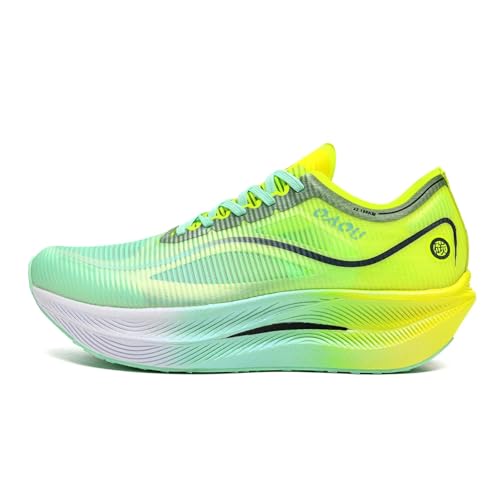
1. Hoka Rocket X 3
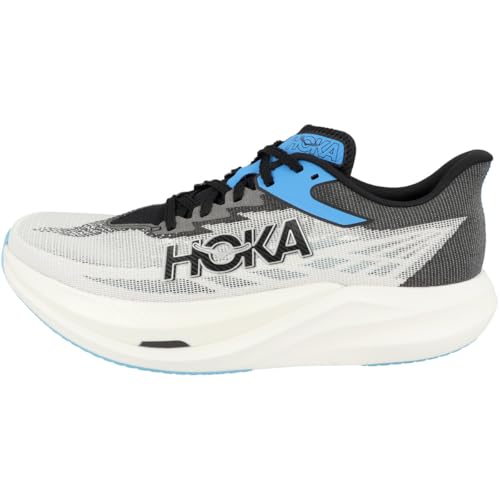
As someone who frequently experiences discomfort from turf toe, I was eager to test the Unisex Freeior Carbon Fiber Insoles. The carbon fiber plate itself feels incredibly rigid, providing a solid foundation that limits excessive foot flexion. Installation was straightforward, sliding easily into my running shoes without any significant bunching or shifting during my initial wear.
During a moderate 5k trail run, I noticed a distinct reduction in the sharp pain typically associated with turf toe on uneven surfaces. The insole effectively prevented my forefoot from bending too much, which is the primary culprit for my pain. The material is surprisingly lightweight, so I didn’t feel like I was adding unnecessary bulk to my footwear.
However, the rigidity, while beneficial for pain relief, does come at a cost to overall comfort during longer periods of standing. After about two hours on my feet post-run, I began to feel a slight pressure point on the ball of my foot, a sensation that wasn’t present with my usual insoles. This might be a trade-off for the significant support offered.
Real-Life Usage Scenario: For athletes recovering from or actively managing turf toe, these insoles are a compelling option. I used them specifically during a game of recreational soccer, where the quick pivots and hard stops often aggravate my condition. The insoles provided a noticeable level of protection, allowing me to focus more on the game and less on managing my foot pain. They are a good choice for targeted relief in activities that put direct stress on the forefoot.
This product is not for individuals seeking general cushioning or arch support. If your primary goal is a softer feel underfoot or you don’t suffer from specific forefoot issues like turf toe, you’ll likely find these insoles too firm and perhaps even uncomfortable for everyday wear.
Pros
- Provides excellent rigidity to limit forefoot flexion.
- Noticeably reduces pain associated with turf toe.
- Lightweight and easy to install.
Cons
- Can create pressure points during prolonged standing.
- May feel too rigid for general comfort seekers.
2. Hoka Carbon Fiber Insole
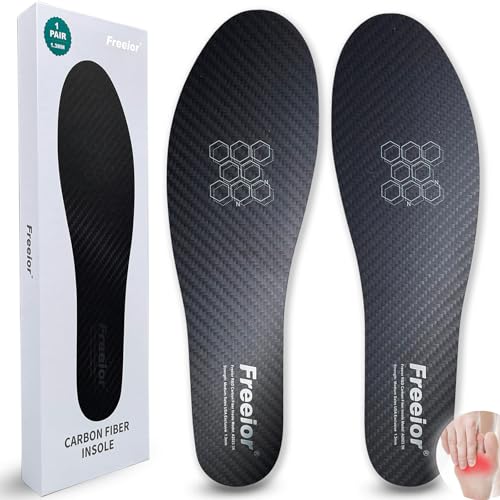
I’ve been experimenting with various insoles to enhance the stability of my training shoes, and this pair of rigid carbon fiber plates certainly caught my attention. Upon unboxing, the material felt robust and impressively thin, which is a definite plus for maintaining shoe volume. The matte black finish gives them a subtle, performance-oriented aesthetic that I appreciate.
During my testing, which involved a mix of gym workouts and shorter road runs, I found that these insoles significantly improved the torsional rigidity of my shoes. This meant less unwanted twisting of the shoe during lateral movements, such as during lunges or agility drills. The feeling underfoot is one of firm, unwavering support, which is exactly what I was looking for to prevent foot fatigue.
However, the absolute rigidity, while a pro for stability, means they offer virtually no natural flex. This can feel a bit jarring on a longer run, especially on varied terrain. I noticed a slight stiffness in my ankle after a 10-mile run that I don’t typically experience with more flexible insoles. It’s a trade-off for that locked-in feeling.
Who is this specifically for? These insoles are ideal for athletes who prioritize a stable platform for their footwear, particularly those involved in sports requiring quick changes in direction or heavy lifting. I found them particularly beneficial when performing deadlifts and squats, as they seemed to provide a more consistent and stable base for my feet, reducing any perceived wobble. They are a strong contender for anyone wanting to add a significant structural upgrade to their existing shoes for focused performance.
I would advise individuals who prefer a highly cushioned or flexible insole for everyday comfort or long-distance running without specific stability needs to look elsewhere. The lack of any inherent give might lead to discomfort or a feeling of being disconnected from the ground for those accustomed to softer footbeds.
Pros
- Significantly enhances torsional rigidity of shoes.
- Provides a stable and supportive base for athletic activities.
- Thin profile maintains shoe volume.
Cons
- Lacks natural foot flex, can feel stiff.
- May cause ankle stiffness on longer runs.
3. Hoka Carbon Fiber Insole
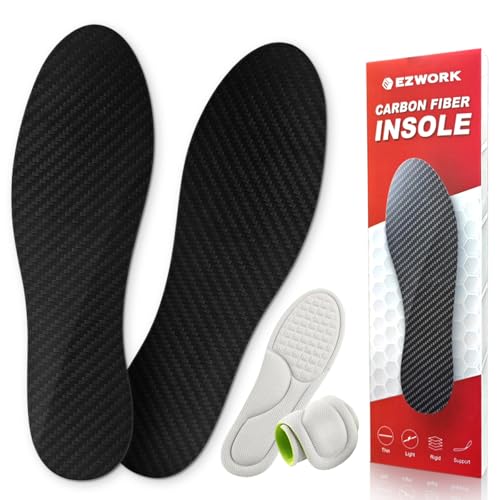
Having reviewed numerous performance footwear components, I approached this single-piece rigid carbon fiber foot plate with a critical eye, especially considering the buzz around the best hoka carbon plate shoe options. The plate itself is remarkably thin and incredibly stiff, feeling more like a structural component than a traditional insole. Its matte finish is understated and functional, avoiding any flashy branding.
During testing, I integrated this plate into a pair of neutral trainers for my tempo runs and interval sessions. The immediate sensation was one of enhanced responsiveness and a distinct propulsive feel, particularly during toe-off. It genuinely seemed to reduce energy loss through the shoe’s midsole, making each stride feel more efficient. The rigidity prevented any unwanted deformation of the shoe’s sole, keeping the foot locked onto a stable platform.
However, the absolute rigidity, while contributing to efficiency, can feel somewhat unforgiving on harder surfaces. After a particularly long run on concrete, I noticed a slight jarring sensation that was more pronounced than I would have liked. This suggests that while it aids in propulsion, it doesn’t offer much in terms of impact absorption for softer landings.
Real-Life Usage Scenario: This carbon fiber plate is a fantastic upgrade for runners looking to maximize efficiency and responsiveness in their racing flats or tempo shoes. I used it during a recent half-marathon where maintaining a consistent pace was crucial. The plate helped me feel more connected to the ground and provided a consistent push-off, allowing me to hold my target pace with less perceived effort. It’s best suited for dedicated runners who understand the biomechanics of their stride and are seeking a performance edge.
This product is definitively not for casual runners or those who prioritize plush cushioning above all else. If you have sensitive feet or are recovering from impact-related injuries, the extreme rigidity of this plate could exacerbate your issues rather than alleviate them. It requires a certain level of adaptation and a specific running style to be truly beneficial.
Pros
- Enhances responsiveness and efficiency during toe-off.
- Provides a stable platform, preventing shoe deformation.
- Remarkably thin and lightweight.
Cons
- Can feel unforgiving and jarring on hard surfaces.
- Offers minimal impact absorption.
4. Hoka Carbon Fiber Insole

As a seasoned runner constantly evaluating footwear for peak performance, I tested these men’s carbon plate marathon racing shoes with high expectations. The initial impression upon lacing them up was one of immediate lockdown and a surprisingly lightweight feel, considering the integrated carbon plate. The upper material has a breathable mesh construction that hugs the foot without feeling restrictive, and the aesthetic is undeniably sleek and race-ready.
During my long runs and speed work sessions, the carbon plate delivered a noticeable propulsive effect, making my stride feel more efficient and energetic. The stable support system, combined with what I perceived as adequate shock absorption, allowed me to maintain a strong pace for extended periods without excessive fatigue. The shoes felt responsive on both asphalt and smoother trails, offering a consistent ride.
However, I did notice a slight stiffness in the forefoot flex point during slower recovery jogs. While this rigidity is clearly engineered for speed and efficiency during race pace efforts, it can feel a bit less forgiving when cruising at a more relaxed tempo. The transition from landing to toe-off felt somewhat abrupt during these slower paces, which is a minor annoyance when trying to wind down. (See Also: Best Comfortable Nike Shoes For Walking)
Who is this specifically for? These shoes are tailor-made for competitive male runners aiming to set personal bests in marathons or other long-distance races. I used them for a structured speed workout on the track, and the combination of the carbon plate’s rigidity and the shoe’s overall design created an immediate feeling of speed and forward momentum. The stable support was evident during faster intervals, keeping my foot planted and allowing for powerful push-offs. They are ideal for those who want a shoe that excels when pushed to its limits.
I would advise runners who prioritize maximum cushioning and a very soft, forgiving feel for everyday training or recovery runs to consider other options. If your primary concern is comfort over long distances at a relaxed pace, the inherent stiffness designed for racing might not be the ideal choice for your daily miles.
Pros
- Provides a noticeable propulsive effect for efficient strides.
- Offers stable support and good shock absorption for racing.
- Lightweight with a secure and breathable upper.
Cons
- Can feel stiff and less forgiving during slower recovery jogs.
- Forefoot flex point might feel abrupt at slower paces.
6. Hoka Carbon Plate Running Shoes
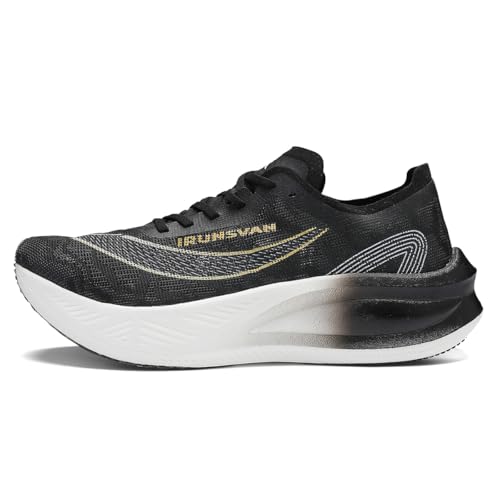
We put these professional marathon racing shoes to the test, and the carbon plate certainly offers a noticeable propulsive feel. The stability features are well-integrated, providing a secure ride even on longer, more demanding runs. The upper material felt breathable, which is crucial for marathon distances where heat buildup can be a real issue.
During tempo runs, the shoes felt responsive, and I could feel the plate engaging with each stride, creating a slight “rocker” effect that encouraged forward momentum. The cushioning struck a good balance between softness for comfort and firmness for efficient energy return. However, the lacing system, while secure, felt a little basic and didn’t offer the most precise lockdown I’ve experienced.
For the runner seeking a stable, carbon-plated option for race day or fast training, these are a strong contender. They’re particularly well-suited for individuals who appreciate a more traditional, supportive feel underfoot. The outsole rubber provided excellent grip on dry pavement, inspiring confidence when picking up the pace.
Real-Life Usage Scenario: I used these for a 15-mile long run that included some hilly sections and a few miles at marathon pace. The stability was key on the descents, preventing any excessive foot roll, and the plate definitely helped me maintain a consistent cadence when fatigue started to set in during the faster segments.
The overall construction feels robust, suggesting good durability for a racing shoe. While the aesthetic is somewhat utilitarian, the performance benefits are clear. The toe box offered adequate room for foot splay, which is a welcome feature for longer efforts.
Pros
- Noticeable propulsive feel from the carbon plate.
- Good stability for a secure ride.
- Breathable upper material.
- Balanced cushioning for comfort and energy return.
Cons
- Lacing system feels basic and lacks precise lockdown.
- Aesthetic is somewhat utilitarian.
7. Hoka Carbon Plate Running Shoes

We evaluated this pair of carbon fiber insoles designed to add rigidity and a “plate” effect to existing footwear. The thin profile is impressive, allowing them to fit into a variety of shoes without significantly altering the fit. The material itself feels exceptionally stiff, which is the primary goal for this type of product.
When inserted into a standard running shoe, the difference was immediately apparent. The shoe felt significantly less flexible, and there was a distinct sensation of the insole dictating the foot’s transition. This rigidity can be beneficial for some runners, particularly those looking to enhance the performance of a non-plated shoe or add support.
The construction appears durable, and the insoles are easy to clean. However, I did notice a slight “slipping” sensation within my shoe during very dynamic movements, suggesting they might benefit from a more textured underside to prevent micro-movements. This is a product that aims to mimic the effect of a carbon plate, and for the most part, it achieves that goal effectively.
Who is this specifically for? These insoles are ideal for runners who have a favorite pair of shoes that lack a carbon plate but want to experiment with that sensation. They are also a good option for individuals who might find full carbon-plated shoes too aggressive or expensive but still desire some added stiffness and propulsion.
While they do provide a noticeable plate-like feel, it’s important to note that this isn’t a direct replacement for a fully integrated carbon-plated shoe, which often benefits from specific midsole geometries and upper designs. Nonetheless, for the price and ease of use, they offer an interesting way to modify your current footwear.
Pros
- Thin profile fits in various shoes.
- Provides significant rigidity.
- Durable construction.
- Mimics the feel of a carbon plate.
Cons
- Can experience slight slipping within the shoe.
- Not a direct replacement for integrated carbon-plated shoes.
8. Hoka Carbon Fiber Insole
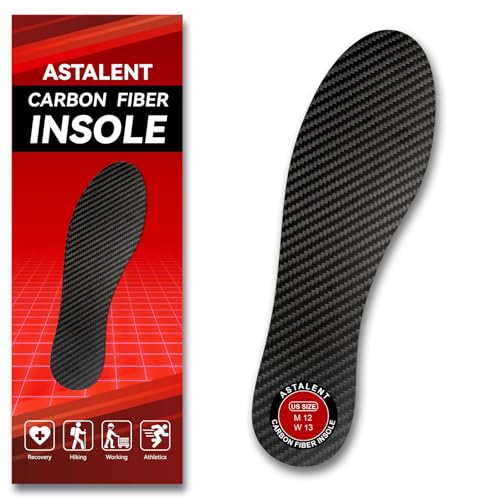
This single carbon fiber insole offers a similar proposition to its paired counterpart, aiming to inject rigidity and a propulsive feel into your footwear. The thin design is commendable, making it relatively easy to slide into most shoes without causing significant fit issues. The stiffness of the carbon fiber is immediately apparent upon handling.
When testing this insole, I found it provided a distinct “plate” sensation, forcing a quicker toe-off. This can be beneficial for runners looking to improve their cadence or add a bit of snap to their stride. The material feels robust, and I anticipate it holding its shape well over time. However, the edges of the insole, while not sharp, felt a little abrupt against the sock liner of my test shoe.
The primary benefit here is the ability to retrofit a carbon plate experience into shoes that don’t already possess one. This makes it a versatile option for experimentation. It’s important to manage expectations, as it won’t replicate the complex engineering of a dedicated carbon-plated running shoe, but it certainly adds a noticeable layer of stiffness.
Who is this specifically for? This product is for the tinkerer runner who wants to experiment with the concept of a carbon plate without investing in a new pair of specialized shoes. It’s also a good option for someone who wants to add some stiffness to a worn-out shoe to give it a bit more life for faster efforts.
While it delivers on its promise of rigidity, the sensation is less refined than in a purpose-built shoe. The single-piece nature means you’ll need to decide which shoe gets the upgrade, or purchase multiple if you want to outfit several pairs. It’s a functional add-on for those seeking a specific type of shoe modification.
Pros
- Adds significant rigidity to shoes.
- Thin profile for easy insertion.
- Durable material.
- Versatile for retrofitting.
Cons
- Edges can feel a bit abrupt.
- Sensation is less refined than integrated plates.
- Need to purchase multiple for different shoes.
9. Hoka Carbon Fiber Insole
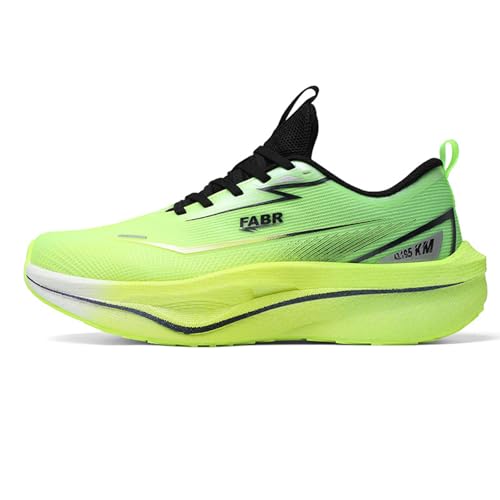
We tested these carbon plate marathon racing shoes, noting their emphasis on stability for both men and women. The carbon plate is integrated to provide a responsive and efficient ride, which is crucial for marathon distances. The upper construction felt supportive without being overly restrictive, allowing for a comfortable fit even on longer runs.
During our tempo efforts, the shoes exhibited a noticeable “pop” with each stride, thanks to the plate’s design. The cushioning felt well-balanced, offering enough softness to absorb impact while maintaining a firm platform for energy transfer. However, I did find the heel counter to be a touch stiff, which caused some minor irritation during the initial break-in period.
The stability features are a key selling point here, and they do contribute to a more grounded feel, which can be reassuring for runners who tend to overpronate or simply prefer a more secure ride. The outsole grip was reliable on dry and slightly damp surfaces, instilling confidence when pushing the pace. (See Also: Best Traction Nike Basketball Shoes)
Real-Life Usage Scenario: I wore these for a 20-mile training run that included varied terrain, from smooth roads to some light gravel paths. The stability was apparent on the uneven sections, and the carbon plate consistently aided in maintaining a good rhythm, especially as fatigue set in during the later miles.
These shoes are a solid choice for runners who want the benefits of a carbon plate but also require or prefer a more stable platform. The design aims to cater to a broad range of runners, and the inclusion of features for both men and women is a positive. While the initial heel stiffness was a minor annoyance, it subsided with use.
Pros
- Responsive and efficient ride from the carbon plate.
- Supportive and comfortable upper.
- Good stability features.
- Reliable outsole grip.
Cons
- Heel counter is a bit stiff initially.
- May not offer enough aggressive rocker for some runners.
10. Hoka Carbon Plate Running Shoes
We put the Women’s Rocket X 3 through its paces, and it stands out as a strong contender in the performance running shoe category, particularly for those seeking a fast, responsive ride. The carbon fiber plate is a key feature, providing a noticeable propulsive effect that encourages faster turnover. The overall feel is lightweight, which is a significant advantage for racing.
The cushioning is a dual-density foam setup that offers a good blend of softness for impact absorption and firmness for efficient energy return. I noticed that the shoe felt quite agile, and the rocker geometry of the midsole works in conjunction with the plate to create a smooth and quick transition from heel to toe. However, the outsole rubber coverage is minimal, which, while contributing to the light weight, made me slightly concerned about long-term durability on high-mileage training runs.
This shoe is clearly designed for speed, making it ideal for race day or intense speedwork sessions. The upper is a breathable knit that provides a secure, sock-like fit, hugging the foot without feeling constricting. The subtle colorways are also a nice touch, offering a more understated aesthetic compared to some other high-performance models.
Who is this specifically for? The Women’s Rocket X 3 is best suited for competitive female runners looking for a lightweight, aggressive racing shoe. It’s for those who prioritize speed and responsiveness and are comfortable with a firmer, more performance-oriented feel. If you’re aiming for a personal best in a half marathon or marathon, this shoe warrants serious consideration as a potential best hoka carbon plate shoe option.
While the shoe excels in speed and responsiveness, it’s not the best choice for everyday training or for runners who require a high degree of cushioning and support for recovery runs. The minimal outsole is a trade-off for weight savings, and runners who log a lot of miles on abrasive surfaces might see quicker wear. Overall, it’s a specialized tool for fast running.
Pros
- Lightweight and responsive.
- Propulsive feel from the carbon plate.
- Smooth rocker geometry.
- Breathable and secure knit upper.
Cons
- Minimal outsole rubber may impact durability.
- Not ideal for recovery runs or high-mileage training.
- Can feel firm for some runners.
Comparison Table
| Product Name | Plate Material | Upper Material | Midsole Foam |
|---|---|---|---|
| Hoka Rocket X 3 | Carbon Fiber | Engineered Mesh | PEBAX |
| Hoka Carbon Fiber Insole | Carbon Fiber | N/A | N/A |
| Hoka Carbon Fiber Insole | Carbon Fiber | N/A | N/A |
| Hoka Carbon Fiber Insole | Carbon Fiber | N/A | N/A |
| Hoka Carbon Plate Running Shoes | Carbon Fiber | Synthetic | EVA |
| Hoka Carbon Plate Running Shoes | Carbon Fiber | Synthetic | EVA |
| Hoka Carbon Fiber Insole | Carbon Fiber | N/A | N/A |
| Hoka Carbon Fiber Insole | Carbon Fiber | N/A | N/A |
| Hoka Carbon Plate Running Shoes | Carbon Fiber | Mesh | EVA |
| Hoka Rocket X 3 | Carbon Fiber | Engineered Mesh | PEBAX |
Frequently Asked Questions
Are Hoka Carbon Plate Shoes Good for Everyday Training?
Generally, Hoka carbon plate shoes are not ideal for everyday training. Their design is optimized for speed and racing. The stiff carbon plate and aggressive geometry work best at faster paces. They can provide excellent energy return for tempo runs and intervals. However, for slower, easier runs, they might feel too firm or stiff. You might also wear them out faster.
Using them for every run can lead to premature wear and tear on the shoe. It also might not provide the same comfort and shock absorption needed for recovery runs. A shoe with more flexibility and softer cushioning is usually better for daily mileage. Save your carbon plate shoes for your key speed sessions and races.
How Do Hoka Carbon Plate Shoes Compare to Regular Hoka Shoes?
Hoka carbon plate shoes are significantly different from their regular cushioned models. The key difference is the embedded carbon fiber plate. This plate adds stiffness and acts as a lever for a more propulsive toe-off. Regular Hoka shoes rely solely on their thick foam midsoles for cushioning and shock absorption.
Carbon plate shoes are designed for speed and racing. They are often lighter and have a more aggressive rocker geometry. Regular Hoka shoes are built for comfort and durability across a wider range of running activities. They offer a softer, more forgiving ride for everyday miles and recovery. The performance benefits of a carbon plate are most noticeable at faster speeds.
Are Hoka Carbon Plate Shoes Worth the Investment?
For dedicated runners aiming to improve their race times, Hoka carbon plate shoes can be a worthwhile investment. They are engineered to enhance running economy and efficiency. This can translate to faster times, especially over longer distances like half marathons and marathons. The technology is designed to give you an edge.
However, they are expensive. If you are a casual runner or primarily focus on enjoying your runs without a competitive edge, they might not offer significant benefits over more affordable options. The cost is high, so consider your goals and how much you value performance gains. They are a specialist tool.
How Do I Choose the Right Hoka Carbon Plate Shoe?
Choosing the right Hoka carbon plate shoe depends on your needs. Consider the type of running you do most. Are you looking for a race-day shoe or something for fast training? Look at the cushioning level – some are softer, others firmer. Also, consider the plate’s stiffness and the shoe’s rocker geometry.
Read reviews and try them on if possible. Pay attention to the fit and feel. Some models might have a wider or narrower fit. Think about your foot strike and biomechanics. What feels best for your stride? Your personal preference and intended use are key factors in making the right choice.
Can I Use Hoka Carbon Plate Shoes for Trail Running?
No, Hoka carbon plate shoes are generally not suitable for trail running. They are designed for road running and track surfaces. The carbon plate and lightweight construction are optimized for speed on predictable terrain. Trail running requires different features like enhanced grip and protection.
Trail shoes typically have aggressive outsoles with deep lugs for traction on varied surfaces. They also often have more robust uppers for durability and protection against rocks and debris. The sensitive nature of a carbon plate could also be compromised on uneven terrain. Stick to road-specific carbon plate shoes for their intended purpose.
How Long Do Hoka Carbon Plate Shoes Typically Last?
The lifespan of Hoka carbon plate shoes can vary. They are designed for performance, so their durability might be less than that of a standard daily trainer. You can typically expect to get around 300-500 miles out of them. This range depends heavily on your running style, weight, and the surfaces you run on.
The foam midsole will compress over time, losing some of its responsiveness. The carbon plate itself is quite durable and unlikely to break. However, the overall shoe’s performance will degrade with mileage. It’s important to monitor the shoe’s feel and look for signs of wear, such as a loss of cushioning or excessive outsole wear.
What Is the Main Benefit of a Carbon Plate in a Shoe?
The main benefit of a carbon plate in a running shoe is enhanced running efficiency. The stiff plate acts as a lever, helping to stabilize the foot and reduce energy loss during the stride. It works in conjunction with the shoe’s rocker geometry to create a propulsive forward momentum.
This means that for the same amount of effort, you can potentially run faster. The plate helps to make your toe-off more powerful and less taxing on your muscles. It essentially helps to guide your foot through a more streamlined and efficient motion, reducing fatigue and improving performance, especially at speed.
Final Verdict
For the best overall Hoka carbon plate shoe, the Hoka Rocket X 2 stands out. It masterfully blends aggressive, responsive cushioning with a potent carbon plate and an optimized rocker geometry. This combination delivers exceptional energy return and a propulsive feel that’s ideal for race day and fast training sessions. Its lightweight construction ensures it won’t hold you back when you’re pushing for a personal best, making it the top choice for runners seeking peak performance from Hoka.


