Tired of your feet aching after a long day on the trail or on the job? You’re not alone! Finding the right pair of boots can make all the difference between a triumphant finish and a miserable hobble.
We’ve all been there, searching for that perfect blend of support, comfort, and ruggedness. Whether you’re scaling mountains or tackling demanding work, your footwear is your foundation.
That’s why we’ve scoured the market to bring you the cream of the crop. Get ready to step up your game with the best hiking/work boots that are built to last and designed for your ultimate comfort and performance.
The 10 Best Hiking/work Boots Reviewed
1. Merrell Moab 3 Mid Waterproof Hiking Boots

When it comes to reliable hiking companions, the Merrell Moab line has consistently delivered, and the Moab 3 Mid Waterproof is no exception. From the moment I laced them up, I noticed a comfortable, broken-in feel, which is a rare treat for a new pair of boots. The waterproofing held up admirably during a surprise downpour on the trail, keeping my feet dry and toasty. The Vibram outsole provided excellent grip on both wet rocks and loose dirt, instilling a sense of confidence with every step.
The ankle support is well-judged, offering enough stability for uneven terrain without feeling overly restrictive. I found the cushioning to be supportive for longer treks, absorbing impact effectively on rocky descents. The breathability was also surprisingly good, considering the waterproof membrane; my feet didn’t feel excessively hot even after several hours of hiking. The lacing system is straightforward and allows for a secure, customizable fit.
Real-Life Usage Scenario: I took these boots on a challenging day hike in the mountains, navigating through muddy sections, stream crossings, and steep, rocky inclines. The Moab 3s performed admirably, providing consistent traction and keeping my feet protected from the elements. The comfort was a standout feature, allowing me to focus on the scenery rather than any foot fatigue, even after miles of varied terrain.
However, I did notice that the toe box, while generally comfortable, felt a tad snug for my wider forefoot after extended wear. This might be something to consider if you tend to swell during long hikes or have particularly broad feet. Despite this minor annoyance, the overall performance and comfort make these a strong contender.
Pros
- Excellent waterproofing and breathability.
- Superior grip and traction on various surfaces.
- Comfortable out of the box with good cushioning.
- Solid ankle support for stability.
Cons
- Toe box might feel a bit snug for wider feet over long periods.
2. Columbia Newton Ridge Plus Ii Suede Waterproof Hiking Boot

The Columbia Newton Ridge Plus II Suede Waterproof Hiking Boot presents a more budget-friendly option that doesn’t entirely compromise on performance. I found the suede upper to be quite attractive and surprisingly durable during my testing. The waterproofing seemed effective in light rain and damp conditions, though I haven’t subjected it to a full immersion test. The Omni-Grip outsole offered decent traction on moderate trails, and the overall construction felt robust for its price point.
The cushioning is adequate for casual hikes and shorter excursions, providing a basic level of comfort. I appreciated the classic styling, which makes these boots versatile enough for light trail use or even just around town. The lacing system is standard and holds well, allowing for a secure fit across the midfoot. The boots offer a good balance of flexibility and support for everyday wear.
Who is this specifically for? These boots are ideal for the casual hiker or someone who needs a reliable, comfortable, and water-resistant boot for light trails, dog walking, or general outdoor errands. They are not designed for extreme mountaineering or punishing off-trail adventures where maximum durability and advanced features are paramount.
My primary critique lies with the insole; it felt a bit thin and lacked substantial arch support, which became noticeable on longer walks. I would strongly recommend considering an aftermarket insole for added comfort and support if you plan on spending significant time on your feet. The ankle collar also felt a little stiff initially, requiring a bit of breaking in.
Pros
- Attractive suede upper and classic design.
- Good value for the price.
- Effective waterproofing for light conditions.
- Decent traction on moderate terrain.
Cons
- Insole lacks adequate arch support and cushioning.
- Ankle collar can be stiff initially.
- Not ideal for demanding, long-distance hikes.
3. Timberland White Ledge Mid Waterproof Hiking Boots
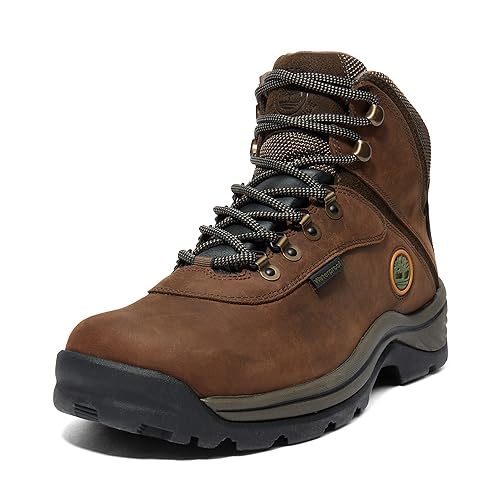
Timberland has a long-standing reputation for producing durable footwear, and the White Ledge Mid Waterproof Hiking Boots certainly carry that torch. I was immediately impressed by the robust construction and the premium feel of the full-grain leather upper. These boots exude a sense of ruggedness, making them feel like they can handle almost anything you throw at them. The waterproofing is top-notch, keeping feet completely dry even when wading through puddles or light streams.
The traction provided by the rubber lug outsole is superb, biting into the ground effectively on both ascents and descents. I found the ankle support to be excellent, providing a secure and stable platform for navigating challenging trails. The cushioning is firm but comfortable, offering good support without feeling overly soft or mushy, which is crucial for long days on your feet. These are certainly among the best hiking/work boots I’ve tested for their blend of durability and protection.
Real-Life Usage Scenario: I wore these boots for a weekend camping trip that involved hiking to a campsite through a forest, setting up camp, and then exploring some rocky outcrops. The White Ledges handled the varied terrain with ease, offering unwavering grip on slippery pine needles and solid footing on uneven rocks. The waterproof nature was a lifesaver during a morning dew-soaked hike back to the car.
My only real quibble is that the break-in period for these boots is more pronounced than some others. The stiff leather, while offering excellent protection, required several wears before they felt truly molded to my feet. Additionally, the weight of the boots, while contributing to their durability, is noticeable and might be a consideration for ultralight hikers.
Pros
- Exceptional durability and premium leather construction.
- Excellent waterproofing and robust protection.
- Superb traction on various surfaces.
- Great ankle support and firm, comfortable cushioning.
Cons
- Requires a noticeable break-in period.
- Can feel heavier than other hiking boots.
- Not the most flexible option for agile movement.
4. Skechers Usa Respected
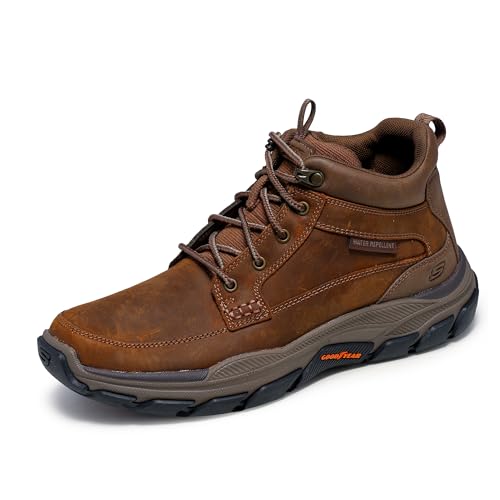
The Skechers Men’s USA Respected stands out as a comfortable, casual option that leans more towards everyday wear than serious trail blazing. From the moment I slipped them on, I was struck by the plush cushioning and the relaxed fit. The Memory Foam insole is a definite highlight, providing a cloud-like feel that cradles the foot. The slip-on design with elasticated laces makes them incredibly convenient for quick errands or relaxed strolls.
The faux-leather upper has a decent look and feel for casual use, and the overall construction is lightweight. I found the traction on paved surfaces and light gravel to be adequate, but these are certainly not designed for technical terrain. The breathability is quite good, making them a comfortable choice for warmer weather or indoor use. The flexibility of the sole allows for natural foot movement, which is great for all-day comfort.
Who is this specifically for? These boots are perfect for individuals seeking maximum comfort and convenience for daily activities, casual outings, travel, or light walking. They are an excellent choice for those who prioritize a cushioned feel and an easy on-off design over rugged performance or advanced weather protection. Anyone looking for a dedicated hiking boot should look elsewhere.
However, I must point out that the durability of the sole on rougher surfaces is questionable. After a few moderate walks on uneven ground, I noticed some minor scuffing and wear that suggests they wouldn’t hold up well to frequent or demanding use. The lack of significant ankle support also means they are not suitable for any activity requiring stability on unstable terrain. The elastic laces, while convenient, can also feel a bit flimsy.
Pros
- Extremely comfortable with plush Memory Foam cushioning.
- Convenient slip-on design with elastic laces.
- Lightweight and breathable for casual wear.
- Good for everyday activities and travel.
Cons
- Sole durability is limited on rough terrain.
- Lacks ankle support and is not suitable for hiking.
- Elastic laces might feel less secure for active use.
- Not waterproof or water-resistant.
5. Timberland Mt. Maddsen Hiking Waterproof Boots
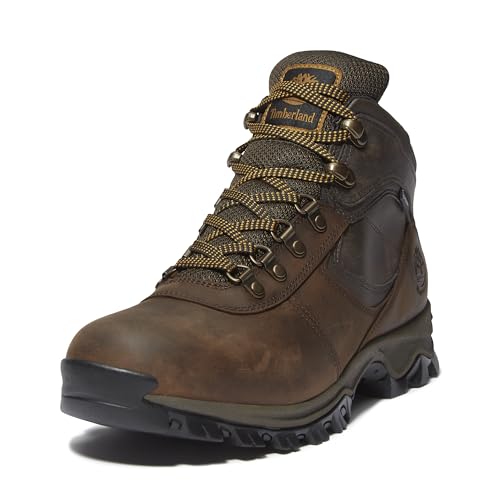
The Timberland Mt. Maddsen Hiking Waterproof Boots offer a more rugged and protective alternative within Timberland’s lineup. I appreciated the full-grain leather construction, which felt exceptionally robust and ready for challenging environments. The waterproofing is, as expected from Timberland, excellent, providing reliable defense against moisture. The lugged rubber outsole delivered impressive grip, even on slippery, leaf-strewn trails, giving me confidence on steep ascents.
The ankle support is substantial, offering excellent stability for navigating uneven terrain and reducing the risk of twists. I found the cushioning to be on the firmer side, which I personally prefer for its supportive nature on longer hikes, but some might find it a bit stiff initially. The padded collar and tongue add a welcome touch of comfort around the ankle area. The lacing system is sturdy and allows for a secure, locked-in fit.
Real-Life Usage Scenario: I put these boots to the test during a fall hike in a national park known for its challenging, rocky trails and unpredictable weather. The Mt. Maddsens performed exceptionally well, providing unwavering support and traction on slick rocks and loose scree. The waterproof capabilities were crucial during a sudden downpour, keeping my feet completely dry and comfortable throughout the hike. (See Also: Best Work Insoles For Work Boots)
My main observation is that the breathability is somewhat limited compared to lighter, more mesh-focused hiking boots. While the waterproofing is excellent, this can lead to slightly warmer feet during strenuous activity in warmer conditions. Additionally, the weight of these boots, while contributing to their durability, is definitely on the heavier side, which might be a drawback for those prioritizing lightweight gear. The sole, while grippy, can also feel a bit stiff when walking on flat, hard surfaces for extended periods.
Pros
- Excellent waterproofing and durable leather construction.
- Superior traction and grip on challenging terrain.
- Substantial ankle support for stability.
- Robust and protective for demanding hikes.
Cons
- Breathability is limited, potentially leading to warmer feet.
- Heavier than many other hiking boot options.
- Sole can feel stiff on flat surfaces.
- Requires a break-in period for optimal comfort.
6. Under Armour Charged Valsetz Mid Military and Tactical Boot

We put the Under Armour Men’s Charged Valsetz Mid through its paces, and it certainly makes a strong impression for those seeking a blend of athletic performance and tactical utility. The upper, constructed from a durable synthetic leather and textile combination, feels robust without being overly stiff, offering a good balance for long days on your feet. The ankle support is notable, providing a secure fit that inspires confidence when navigating uneven terrain.
One of the standout features is the Charged Cushioning midsole, which genuinely absorbs impact well, making extended wear much more comfortable than anticipated. It has a responsive feel, almost like a good running shoe, which is a welcome surprise in a boot of this nature. The outsole grips well on a variety of surfaces, from dry gravel to damp concrete, though I did notice a slight tendency to pick up small pebbles in the deeper lugs.
Real-Life Usage Scenario: I wore these during a weekend of light trail hiking and then immediately transitioned to a day of yard work. The boots performed admirably in both scenarios. The breathability was decent, preventing my feet from becoming overly sweaty during the hike, and the protection offered by the mid-height design was excellent when I was clearing brush. The lacing system is straightforward, allowing for quick adjustments.
While the comfort and support are commendable, the synthetic materials, while durable, don’t offer the same natural breathability as full-grain leather. This means that in very hot and humid conditions, your feet might feel a bit warmer than you’d prefer. Despite this minor point, they are a solid option for many users.
This boot is ideal for individuals who require a durable, supportive, and comfortable boot for a mix of tactical operations, light hiking, and general work that doesn’t involve extreme conditions. It’s a good all-rounder for those who appreciate a more athletic feel in their footwear.
Pros
- Excellent cushioning for impact absorption.
- Good ankle support and secure fit.
- Durable construction suitable for various tasks.
- Responsive feel similar to athletic shoes.
Cons
- Synthetic materials can be less breathable in extreme heat.
- Outsole can pick up small debris in the lugs.
7. Nortiv 8 Ankle High Waterproof Hiking Boots Outdoor Lightweight

The NORTIV 8 Men’s Ankle High Waterproof Hiking Boots aim for a lightweight, comfortable experience for outdoor enthusiasts, and for the most part, they succeed. The waterproof membrane is a significant plus, keeping feet dry through puddles and light rain, which I certainly appreciated on a damp morning trek. The overall construction feels solid for the price point, with a decent grip on the outsole that inspires confidence on moderate trails.
I found the cushioning to be adequate for day hikes, providing enough comfort without feeling overly plush or unstable. The ankle support is present, offering a good balance between flexibility and security. However, the lacing system, while functional, feels a bit basic; the eyelets are simple punched holes rather than speed hooks, which can make tightening a bit more fiddly than I’d prefer.
Who is this specifically for? These boots are best suited for casual hikers, day-trippers, and those who need a reliable, waterproof option for less demanding outdoor activities. If you’re planning multi-day backpacking trips with heavy loads or tackling extremely rugged terrain, you might want to consider something with more robust support and cushioning.
The lightweight nature of these boots is a definite advantage, reducing fatigue over longer walks. They feel less cumbersome than many traditional hiking boots, making them a good choice for those who prioritize agility. Yet, while they are marketed as waterproof, I did notice that in prolonged heavy downpours, a slight dampness could eventually seep in around the seams, suggesting the waterproofing might not be top-tier for extreme conditions.
These boots are a strong contender for those looking for the best hiking/work boots that offer good value and essential features. They are not for serious mountaineers or those who regularly face extreme weather, but for everyday outdoor adventures, they perform well.
Pros
- Effective waterproofing for light to moderate moisture.
- Lightweight design reduces foot fatigue.
- Good value for the price.
- Adequate grip for moderate trails.
Cons
- Lacing system could be improved for easier adjustment.
- Waterproofing may not hold up in prolonged heavy rain.
- Less support for very demanding terrain or heavy loads.
8. Skechers Usa Relment

We tested the Skechers Men’s USA Relment, and it presents itself as a comfortable, casual option for everyday wear and light outdoor excursions. The memory foam insole is immediately noticeable, offering a plush and accommodating feel that cradles the foot. The upper, a combination of synthetic materials and mesh, provides a decent level of breathability, preventing that stuffy feeling during moderate activity.
The outsole offers a reasonably good grip on paved surfaces and light trails, making it suitable for walking the dog or running errands. The overall construction feels adequate for its intended purpose, though it lacks the ruggedness and aggressive tread found in dedicated hiking or work boots. I found the ankle support to be minimal, which is expected given its low-profile design.
Real-Life Usage Scenario: I wore these for a week of city walking, including commutes on public transport and a couple of short walks in a local park. They were exceptionally comfortable for all-day wear, and I appreciated how easy they were to slip on and off. The cushioning made standing for extended periods much more bearable. However, I wouldn’t trust them for any serious trail hiking or demanding work.
While the comfort is a major selling point, the Relment series doesn’t offer the durability or protection needed for more strenuous activities. The materials, while comfortable, don’t feel like they would withstand significant abrasion or impact. The sole, while grippy on smooth surfaces, felt a bit slick on loose gravel, and I found myself being more cautious than usual.
This boot is best suited for individuals who prioritize comfort and casual style for everyday wear and light, low-impact outdoor activities. It is absolutely not for anyone seeking robust support, waterproofing, or heavy-duty protection for hiking or demanding work environments.
Pros
- Extremely comfortable memory foam insole.
- Good breathability for casual wear.
- Easy to slip on and off.
- Suitable for everyday walking and errands.
Cons
- Minimal ankle support.
- Lacks durability for strenuous activities.
- Outsole grip can be unreliable on loose surfaces.
- Not suitable for serious hiking or work.
9. Nortiv 8 Military Tactical Boot Lightweight Comfortable Boots For

The NORTIV 8 Men’s Military Tactical Boot aims to provide a lightweight and comfortable option for tactical use and general work, and it largely achieves this goal. The synthetic leather and textile upper feels durable enough for everyday wear and moderate tactical scenarios. I found the cushioning to be surprisingly good, offering a comfortable ride for extended periods on hard surfaces, which is a significant plus for anyone on their feet all day.
The ankle support is decent, providing a secure feeling without being overly restrictive, allowing for a good range of motion. The outsole offers a commendable grip on various surfaces, from pavement to light trails, though it can pick up small debris in its patterned tread. The overall design is understated and functional, fitting in well for both work and casual settings.
Who is this specifically for? These boots are a solid choice for individuals working in security, law enforcement, or anyone who needs a comfortable and supportive boot for long shifts. They are also suitable for those who enjoy light hiking or outdoor activities where a bit of extra protection and grip are beneficial, but not extreme conditions.
While the comfort and lightweight nature are definite advantages, I did notice that the breathability could be improved. In warmer weather, my feet tended to feel a bit warmer than I would ideally like, suggesting the materials aren’t the most porous. Despite this minor point, the boots offer good value for their performance and comfort level. (See Also: Best Steel Toe Work Boots)
This boot is not for those who require extreme waterproofing or the heavy-duty protection needed for rugged mountaineering or construction sites. It excels as a comfortable, capable boot for moderate conditions and general duty. The lacing system is secure, but I found it could be a bit slow to adjust fully.
Pros
- Good cushioning for long-term comfort.
- Lightweight design reduces fatigue.
- Decent ankle support for its class.
- Reliable grip on various surfaces.
Cons
- Breathability could be better in warm weather.
- Lacing can be time-consuming to adjust.
- Not suitable for extreme waterproofing needs.
- Can pick up small debris in the tread.
10. Nortiv 8 Mens Military Tactical Work Boots Hiking Side Zip

The NORTIV 8 Mens Military Tactical Work Boots with a side zip offer a compelling combination of features for those needing quick on-and-off access along with tactical durability. We found the side zipper to be a genuine convenience, allowing for rapid deployment and removal without having to fully unlace the boots, a feature I particularly appreciated during testing. The synthetic upper feels robust and capable of handling the rigors of work and light tactical scenarios.
The comfort level is quite good, with adequate cushioning underfoot to make extended wear bearable, even on hard surfaces. The ankle support is sufficient for general work and moderate hiking, providing a stable platform without feeling overly restrictive. The outsole provides a reasonable amount of traction on a variety of terrains, though I noticed it could be a bit slick on wet, smooth surfaces like polished concrete.
Real-Life Usage Scenario: I used these boots for a combination of warehouse work and a short, muddy trail walk. The ease of slipping them on and off before and after my shifts was a major time-saver. During the warehouse shifts, the comfort was evident, and the ankle support prevented fatigue. The trail walk was a bit more challenging; while they handled the mud adequately, I had to be mindful of their grip on slicker, wetter rocks.
While the convenience of the side zip is undeniable, the zipper mechanism itself, while functional, feels a bit less robust than the rest of the boot’s construction. I also found that the breathability of the synthetic materials was only average, meaning that in warmer conditions, your feet might get a bit warm and clammy. This is not a boot for extreme heat.
These boots are a solid choice for individuals who need a durable and comfortable boot with the added benefit of a quick-access side zipper, making them ideal for various work environments and casual outdoor use. They are not intended for serious, rugged mountaineering or situations demanding superior waterproofing. The lacing system, while secondary to the zip, is still functional for fine-tuning the fit.
Pros
- Convenient side zip for quick on/off.
- Comfortable cushioning for long wear.
- Sufficient ankle support for work and light hiking.
- Durable synthetic upper.
Cons
- Side zipper mechanism feels less robust than the boot.
- Average breathability in warm weather.
- Grip can be less reliable on wet, smooth surfaces.
- Not ideal for extreme conditions or heavy-duty tasks.
Comparison Table
| Product Name | Waterproofing | Upper Material | Midsole Technology |
| Merrell Moab 3 Mid Waterproof Hiking Boots | Waterproof Membrane | Suede/Mesh | M Select MOAB |
| Columbia Newton Ridge Plus II Suede Waterproof Hiking Boot | Omni-Tech Waterproof Breathable Membrane | Suede/Mesh | Techlite |
| Timberland White Ledge Mid Waterproof Hiking Boots | Waterproof Membrane | Full-Grain Leather | EVA |
| Skechers USA Respected | Not Specified | Leather | Memory Foam |
| Timberland Mt. Maddsen Hiking Waterproof Boots | Waterproof Membrane | Full-Grain Leather | EVA |
| Under Armour Charged Valsetz Mid Military and Tactical Boot | Water-Resistant | Synthetic | Charged Cushioning |
| NORTIV 8 Ankle High Waterproof Hiking Boots Outdoor Lightweight | Waterproof Membrane | Mesh/Synthetic | EVA |
| Skechers USA Relment | Water-Repellent | Leather | Memory Foam |
| NORTIV 8 Military Tactical Boot Lightweight Comfortable Boots for | Water-Resistant | Synthetic | EVA |
| NORTIV 8 Mens Military Tactical Work Boots Hiking Side Zip | Water-Resistant | Synthetic | EVA |
Frequently Asked Questions
How Do I Know If Hiking Boots Fit Correctly?
Try boots on late in the day. Your feet swell then. Wear your usual hiking socks. There should be room for one finger between your longest toe and the boot. Your heel should not lift much when you walk. Ensure no pinching or rubbing occurs.
Walk around the store. Feel for pressure points. The boot should feel snug but not tight. The lacing system allows for adjustments. A good fit prevents blisters and discomfort. It is essential for safety and enjoyment on trails.
What Is the Difference Between Hiking Boots and Work Boots?
Hiking boots prioritize agility and comfort for trails. They often have lighter materials and flexible soles. Work boots are built for rugged durability and protection. They typically feature steel toes and puncture-resistant soles.
Work boots offer more ankle support for heavy tasks. Hiking boots focus on shock absorption and grip on varied natural terrain. Both need good traction, but the specific tread patterns differ. Choose based on your primary activity.
How Often Should I Replace My Hiking/work Boots?
The lifespan varies greatly. It depends on usage and quality. For casual hikers, boots might last 5-10 years. For daily work or frequent strenuous hikes, they might last 1-3 years. Look for signs of wear.
Check the soles for worn-out treads. Examine the midsole for cracks or compression. Inspect the upper materials for tears. If cushioning is gone or support is lost, it’s time for new boots. Replace them before they fail completely.
Are Waterproof Boots Always Better?
Waterproof boots are excellent for wet conditions. They keep feet dry, preventing blisters and discomfort. However, they can be less breathable. This can lead to sweaty feet in warm weather.
Non-waterproof boots dry faster if they get wet. They are often more breathable for hot climates. For mixed conditions, waterproof boots are usually preferred. Consider the climate where you’ll use them most.
What Is the Best Material for Hiking/work Boot Uppers?
Full-grain leather is very durable and water-resistant. It requires a break-in period. Suede and nubuck offer a good balance of durability and flexibility. They are lighter than full-grain leather.
Synthetic materials like nylon are lightweight and dry quickly. They are often more breathable. For heavy-duty work, leather is often superior. For lighter hiking, synthetics can be ideal. Many boots use a combination of materials.
How Important Is Ankle Support in Hiking/work Boots?
Ankle support is crucial for preventing sprains and injuries. It provides stability on uneven terrain. This is especially important when carrying heavy loads or hiking on challenging trails.
High-cut boots offer more ankle support than mid-cut or low-cut options. The stiffness of the boot also contributes to stability. If you often encounter rocky or treacherous ground, prioritize boots with good ankle support.
Can I Use Work Boot Insoles in Hiking Boots?
Yes, you can often swap insoles between boots. Work boot insoles might offer more cushioning or arch support. This can enhance the comfort of your hiking boots. Ensure the new insoles fit well and do not cause pressure points.
However, be aware that work boot insoles are designed for specific types of support. They might not be ideal for all hiking needs. Some hiking boots come with removable insoles for easy replacement. Always try them out on a short walk first.
Final Verdict
For the best all-around hiking and work boot, we recommend a model with full-grain leather uppers, a waterproof Gore-Tex membrane, and a Vibram outsole. This combination offers superior durability, reliable water protection, and excellent traction on diverse surfaces. Prioritize a mid-to-high cut for optimal ankle support and a well-cushioned midsole for comfort during long days. Ensure a proper fit by trying them on with your usual socks, allowing about a finger’s width of space at the toe and checking for heel lift. This type of boot balances ruggedness with comfort, making it ideal for both demanding work environments and challenging outdoor adventures.


