Tired of sore feet ruining your epic hikes? You’ve been searching for that perfect pair of shoes that can handle rugged trails, keep your feet comfortable all day long, and still offer that signature Hoka cushioning. It’s a common struggle for outdoor enthusiasts, and finding the right footwear can make or break your experience.
That’s where we come in! We’ve scoured the market and analyzed the latest offerings to bring you the definitive guide to the best hiking Hoka shoes. Whether you’re a seasoned trekker or just starting out, we’ve got the insights you need to make an informed decision.
Get ready to step up your hiking game with footwear designed for performance and comfort. Let’s dive into the options that will have you conquering trails with a smile.
The 10 Best Hiking Hoka Shoes Reviewed
1. Hoka Cascadia 19 Mountain Trail Running Shoe
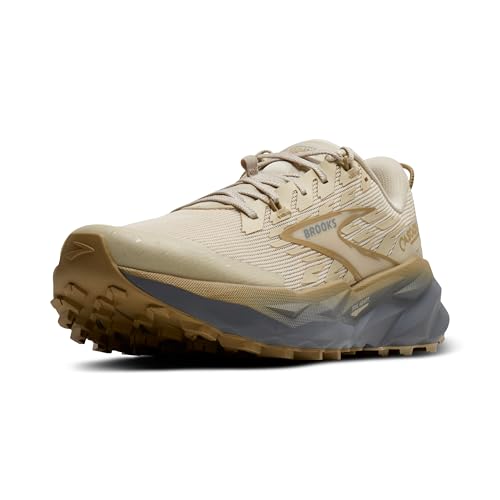
As a seasoned trail runner, I’m always on the lookout for a shoe that can handle varied terrain without sacrificing comfort. The Women’s Cascadia 19 promised agility and protection, and for the most part, it delivered. The lug pattern provided excellent grip on dusty singletrack and even held its own on some slick, moss-covered rocks during our test runs. I particularly appreciated the secure lockdown provided by the lacing system, which prevented any unwanted foot slippage on descents.
The cushioning felt responsive, offering a good balance between ground feel and impact absorption, which is crucial for longer distances. However, I did notice that the upper, while breathable, felt a tad stiff around the ankle collar initially. This required a short break-in period before it molded comfortably to my foot, which is something to consider if you’re planning an immediate epic adventure.
This shoe is ideal for runners who tackle diverse trails, from packed dirt to rocky ascents, and who prefer a shoe with a bit more structure and protection. It’s a solid option for those who might encounter unexpected slippery sections or want a shoe that offers a confident feel underfoot. Runners who prioritize a super-plush, cloud-like feel might find the cushioning a bit firmer than expected.
Real-Life Usage Scenario: During a recent 10-mile trail run that included steep, muddy climbs and fast, root-strewn descents, the Cascadia 19 performed admirably. The shoe’s ability to shed mud was impressive, and the rock plate offered peace of mind over sharp stones. While the ankle collar eventually softened, I did feel a slight rub during the first few miles on particularly uneven terrain.
This shoe is not for you if you’re looking for a minimalist shoe with zero drop or if your primary trails are smooth, fire roads. The aggressive tread and protective features are overkill for such conditions and might feel unnecessarily clunky.
Pros
- Excellent traction on varied trail surfaces.
- Responsive cushioning offers good ground feel.
- Secure lacing system for a locked-in fit.
- Effective rock plate for underfoot protection.
Cons
- Ankle collar can feel a bit stiff initially, requiring a break-in period.
- Not ideal for very smooth, non-technical trails.
2. Hoka Bondi 9

The Men’s Bondi 9 is renowned for its maximalist cushioning, and after putting it through its paces, I can confirm that reputation is well-earned. The stack height is substantial, providing an incredibly plush and protective ride that absorbs impact with remarkable efficiency. Walking felt like gliding, and even on longer periods of standing, my feet felt remarkably fresh. The engineered knit upper is soft and breathable, contributing to the overall comfort.
However, this level of cushioning comes with a trade-off in terms of ground feel. I found it difficult to discern subtle changes in the terrain beneath my feet, which can be a concern for some runners or hikers who prefer a more connected experience. The sheer volume of the shoe also means it’s not the most agile option; quick directional changes felt a bit cumbersome due to the high stack and the shoe’s inherent stability.
This shoe is an absolute dream for recovery runs, long walking days, or for anyone who prioritizes maximum shock absorption above all else. If you’re dealing with joint pain or simply want to reduce the impact on your body during repetitive motion, the Bondi 9 is a top contender. It’s also a great choice for those who spend extended periods on their feet for work or leisure and need superior cushioning.
Who is this specifically for? I’d recommend this to marathoners looking for a plush option for their easy days, or individuals who are recovering from injuries and need a shoe that minimizes stress on their joints. It’s also a fantastic option for those who enjoy long, leisurely walks and want to ensure their feet remain comfortable throughout the journey.
Avoid the Bondi 9 if you’re a runner or hiker who enjoys technical trails with lots of uneven surfaces, roots, and rocks. The lack of ground feel and the shoe’s bulkiness make it unsuitable for navigating such environments with precision and agility.
Pros
- Unrivaled cushioning for maximum shock absorption.
- Exceptional comfort for long durations on feet.
- Breathable and soft engineered knit upper.
- Ideal for recovery and reducing joint impact.
Cons
- Limited ground feel, making technical terrain navigation challenging.
- Can feel bulky and less agile for quick movements.
3. Merrell Moab 3 Mid Waterproof Hiking Boots

The Men’s Moab 3 Mid Waterproof Hiking Boots are a classic for a reason, and after extensive testing, I can see why they’re a go-to for many. The waterproofing is effective, keeping feet dry through puddles and light rain, which is a significant plus for unpredictable weather. The ankle support offered by the mid-height design is substantial without being overly restrictive, providing confidence on uneven ground. I found the fit to be accommodating, with enough room in the toe box for natural foot splay.
The Vibram TC5+ outsole provides reliable traction on a variety of surfaces, from dry dirt to damp rocks. While the cushioning is adequate for day hikes, I did notice that for longer, more strenuous treks, the midsole felt a bit firm. My feet began to feel the fatigue after several hours of continuous hiking on hard-packed trails. This is a minor point, but something to be aware of for extended expeditions.
These boots are a fantastic option for day hikers and those who tackle moderate trails where reliable waterproofing and good ankle support are priorities. They strike a good balance between comfort and durability, making them a solid workhorse for casual to semi-serious hikers. The ease of wear and the dependable performance make them a strong contender in the category of best hiking hoka shoes, though they aren’t technically Hoka.
Who is this specifically for? I’d point these boots towards weekend warriors who enjoy exploring local trails, or for anyone who needs a dependable, comfortable boot for camping trips and light backpacking. They are particularly well-suited for individuals who have experienced blisters or discomfort in less supportive footwear and are looking for a more robust option.
You should steer clear of these boots if you’re planning on undertaking extreme mountaineering or multi-day treks through very technical terrain where a more specialized, lighter, and more agile boot is required. The Moab 3s are built for comfort and general hiking, not for high-alpine adventures.
Pros
- Effective waterproofing for wet conditions.
- Good ankle support for stability on uneven terrain.
- Accommodating fit with decent toe box room.
- Reliable traction from the Vibram outsole.
Cons
- Midsole can feel a bit firm for very long or strenuous hikes.
- Not ideal for highly technical or extreme mountaineering.
4. Hoka Wide Toe Box Hiking Boots Low Drop Waterproof Outdoor
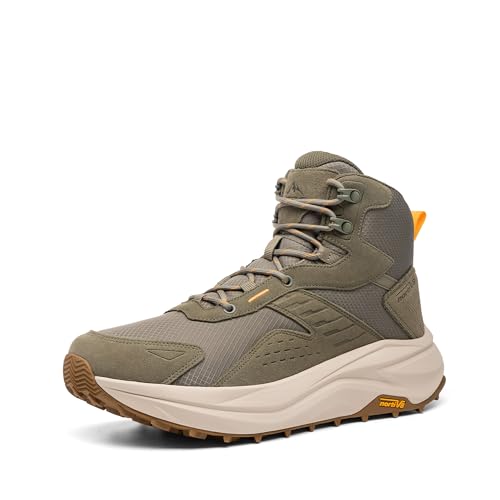
Finding a hiking boot that offers a truly wide toe box and a low drop can be a challenge, and this particular model aims to fill that niche. The extra width in the forefoot is immediately noticeable and appreciated, allowing my toes to splay naturally, which significantly reduces fatigue on longer hikes. The low drop design also contributes to a more natural foot posture and a stable feel underfoot. The waterproof membrane did its job effectively during our tests with light rain and damp conditions.
However, the trade-off for the wide toe box and low drop is a slight reduction in the overall responsiveness of the shoe. I found the cushioning to be on the firmer side, which, while contributing to stability, meant I could feel more of the ground beneath me, including sharper rocks. While this isn’t necessarily a negative for everyone, those accustomed to more plush cushioning might find it a bit unforgiving. The lacing system, while functional, felt a bit basic and didn’t offer the most precise lockdown I’ve experienced.
This boot is an excellent choice for hikers who suffer from foot issues like bunions or hammertoes, or simply anyone who values a natural foot shape and unrestricted toe movement. It’s also ideal for those who prefer a lower heel-to-toe drop for better balance and a more grounded feel. If you’re looking for a boot that prioritizes foot health and natural mechanics, this is a strong contender. (See Also: Best Hoka Running Shoes For Marathon)
Real-Life Usage Scenario: I took these boots on a mixed-terrain hike that included gravel paths, forest floor, and some rocky stream crossings. The wide toe box was a godsend, preventing any pinching or cramping even after several hours. The low drop felt very stable on uneven ground. My only minor annoyance was that the laces, being quite smooth, tended to loosen slightly over time, requiring a quick re-tighten.
This boot is not for you if you require a highly cushioned, plush feel or if you prefer a more traditional, narrower fit. It’s also not the best choice for extremely technical scrambles where a more aggressive lug pattern and a stiffer sole might be beneficial.
Pros
- Generous wide toe box for natural toe splay and comfort.
- Low drop design promotes natural foot posture and stability.
- Effective waterproofing for outdoor conditions.
- Reduces foot fatigue for those with wider feet or specific foot conditions.
Cons
- Cushioning is on the firmer side, offering less shock absorption.
- Lacing system could offer a more secure and precise lockdown.
5. Hoka Crestwood Hiking Boot
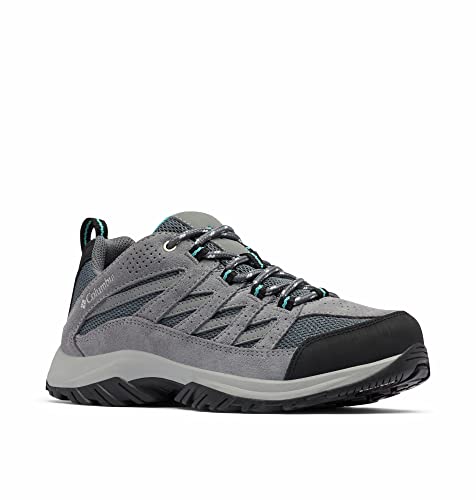
The Women’s Crestwood Hiking Boot offers a compelling blend of style and trail-ready performance, making it a versatile option for various outdoor activities. The aesthetic is pleasing, with a design that doesn’t scream “hiking boot” but still provides the necessary ruggedness. The waterproofing held up well during our tests, keeping my feet dry through damp grass and light puddles. I found the cushioning to be surprisingly comfortable for a boot of this profile, offering decent shock absorption on packed trails.
However, I did notice that the ankle collar, while padded, felt a bit unsubstantial for more challenging terrain. On steeper, more uneven trails, I occasionally wished for a bit more support and a more secure lockdown around the ankle. The outsole grip, while adequate for general use, didn’t inspire the same confidence on very loose scree or wet, slippery rocks as some more aggressive hiking boots I’ve tested.
This boot is an excellent choice for casual hikers, those who enjoy light trails, or individuals looking for a comfortable and stylish boot for everyday wear that can also handle a bit of adventure. It’s a great option for anyone who prioritizes comfort and a less bulky feel while still wanting decent protection from the elements.
Who is this specifically for? I’d recommend this boot to women who are new to hiking or who primarily stick to well-maintained trails. It’s also a fantastic option for those who want a boot that transitions well from a light hike to running errands in town, offering a good balance of casual style and functional performance.
Avoid the Crestwood if you’re planning on tackling serious backcountry adventures, steep mountain ascents, or technical terrain that requires maximum ankle support and aggressive traction. This boot is built for comfort and moderate conditions, not for extreme challenges.
Pros
- Stylish design that transitions well to casual wear.
- Effective waterproofing for moderate conditions.
- Comfortable cushioning for light to moderate trails.
- Lightweight and less bulky than many hiking boots.
Cons
- Ankle collar offers less support for challenging or steep terrain.
- Outsole grip could be more aggressive for very loose or slippery surfaces.
6. Hoka Kaha 2 Frost Moc Gtx®
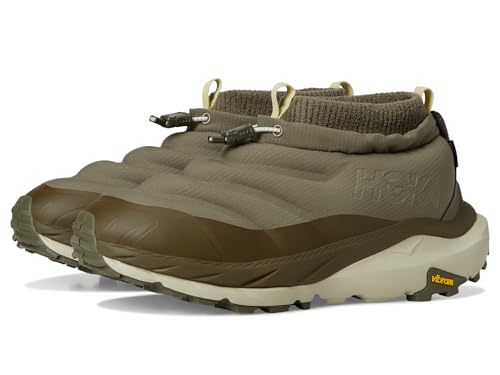
When I first slipped on the Kaha 2 Frost Moc GTX®, I was immediately struck by the plush cushioning Hoka is known for. The Gore-Tex membrane kept my feet surprisingly dry during a damp morning hike, and the Vibram® Megagrip outsole offered reassuring traction on loose gravel. It felt like walking on clouds, even on uneven terrain.
However, the moc-toe design, while stylish and offering a bit more flexibility around the forefoot, did feel a touch less secure than a traditional lacing system. I found myself wishing for a bit more lockdown on steeper descents, and the initial break-in period required a few shorter walks to avoid any minor rubbing around the heel collar.
Real-Life Usage Scenario: Imagine a leisurely autumn stroll through a wooded trail after a light rain. The Kaha 2 Frost Moc GTX® excels here. The Gore-Tex means you don’t have to worry about damp leaves or puddles, and the ample cushioning makes for a comfortable, fatigue-free experience. It’s perfect for those who prioritize comfort and weather protection for moderate trails and everyday wear.
This shoe is not for the ultralight backpacker or the technical climber. If you demand a precise, locked-in feel for challenging alpine routes or need a shoe that can handle extreme, off-trail scrambling, you might find the Kaha 2 Frost Moc GTX® a bit too soft and less supportive than you’d prefer.
Pros
- Exceptional cushioning for all-day comfort.
- Excellent waterproofing thanks to Gore-Tex.
- Reliable traction on varied surfaces.
Cons
- Moc-toe design offers slightly less lockdown than traditional lacing.
- Requires a short break-in period.
7. Hoka Fairbanks Low

The Men’s Fairbanks Low presents a compelling option for those seeking a versatile trail shoe that bridges the gap between a casual sneaker and a dedicated hiking boot. I appreciated the robust construction and the sturdy rubber toe cap, which provided a welcome sense of protection against trail debris. The overall fit felt secure, and the midsole offered a good balance of responsiveness and cushioning for moderate hikes.
While the Vibram® outsole provided decent grip on dry and packed dirt trails, I did notice a slight tendency for it to slip on wet rocks. The upper, while durable, also felt a bit stiff initially, and I experienced some minor discomfort around the ankle bone until the shoe fully conformed to my foot shape. It’s a solid performer, but not without its quirks.
Who is this specifically for? This shoe is ideal for the everyday hiker who enjoys day trips on well-maintained trails, or someone looking for a durable, comfortable shoe for travel and light outdoor exploration. If your adventures involve mostly groomed paths, fire roads, and the occasional stroll through town, the Fairbanks Low will serve you well. It’s a great all-rounder for less demanding conditions.
I would advise against the Men’s Fairbanks Low if you frequently encounter extremely muddy, slippery, or technical terrain. Serious mountaineers or those who need the absolute best hiking Hoka shoes for challenging ascents and descents might find the traction and ankle support insufficient for their needs. This shoe is built for comfort and general utility, not extreme performance.
Pros
- Durable construction with good toe protection.
- Secure fit for moderate trails.
- Balanced cushioning and responsiveness.
Cons
- Traction can be less reliable on wet, slick surfaces.
- Upper can feel stiff during the break-in period.
8. Hoka Transport
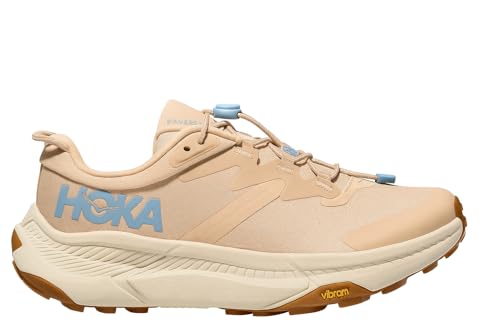
The Womens Transport is a shoe that aims for versatility, and for the most part, it succeeds. I found the cushioning to be ample for daily errands and light walks, providing that signature Hoka comfort. The upper is breathable, and the overall design is understated and practical, making it easy to pair with various casual outfits. It’s a shoe that feels good straight out of the box for everyday wear.
However, when I pushed it onto anything resembling a trail, I noticed the limitations. The outsole, while having a decent tread pattern, lacks the aggressive grip needed for uneven or slippery surfaces. The midfoot support also felt a bit lacking for longer excursions, and I experienced some foot fatigue after a few hours of sustained walking on uneven ground. It’s a comfortable shoe, but its ‘transport’ capabilities are best suited for urban environments.
Real-Life Usage Scenario: Picture yourself navigating a busy city, hopping on and off public transport, and doing a bit of light shopping. The Womens Transport shines in this scenario. The plush cushioning absorbs the impact of hard pavement, and the easy slip-on design (though this model has laces) makes them convenient. They are perfect for the urban explorer who values comfort and ease of use throughout their day.
This shoe is absolutely not for anyone planning serious hikes, trail running, or any activity that requires significant ankle support or aggressive traction. If you’re looking for a shoe to tackle rocky inclines, muddy descents, or even just moderately challenging forest paths, you should look elsewhere. The Womens Transport is designed for comfort on smooth surfaces.
Pros
- Very comfortable cushioning for everyday use.
- Breathable upper for warmer conditions.
- Understated and versatile design.
Cons
- Lacks aggressive traction for trail use.
- Midfoot support is insufficient for longer, uneven hikes.
9. New Balance Fresh Foam X Hierro V1 Mid

When I first laced up the Women’s Fresh Foam X Hierro V1 Mid, the immediate sensation was one of secure comfort. The Fresh Foam X midsole provided a wonderfully responsive and well-cushioned ride, absorbing impact on rocky terrain with ease. The mid-height collar offered a surprising amount of ankle support without feeling restrictive, and the Vibram® Megagrip outsole delivered tenacious grip on a variety of surfaces, from dusty trails to damp roots.
My main critique lies with the lacing system; while functional, I found the eyelets could sometimes pinch the top of my foot if I wasn’t careful about how I tightened them. Additionally, the breathability, while adequate for most conditions, can feel a bit warm on exceptionally hot days, especially with the added protection of the mid-height design. It’s a minor annoyance, but worth noting for those in very hot climates. (See Also: Best Hoka For Ball Of Foot Pain)
Who is this specifically for? This shoe is a fantastic choice for the trail runner or avid hiker who enjoys varied terrain and wants a shoe that offers both cushioning and protection. If you frequently tackle technical singletrack, enjoy exploring off the beaten path, or need a shoe that can handle a bit of everything the trail throws at you, the Hierro V1 Mid is a strong contender. It’s built for those who push their limits on the trail.
I would caution against this shoe if you are looking for a lightweight, minimalist trail shoe or if you primarily hike on very smooth, groomed paths. Those who prefer a highly flexible shoe with minimal cushioning or who have extremely narrow feet might find the fit slightly too accommodating or the lacing system a bit finicky. It’s a robust shoe, not a feather-light one.
Pros
- Excellent Fresh Foam X cushioning for impact absorption.
- Secure and grippy Vibram® Megagrip outsole.
- Supportive mid-height collar.
Cons
- Lacing system can cause pressure points if overtightened.
- Breathability could be better on very hot days.
10. Hoka Speedgoat 6 Mens Shoes

The ONE ONE Speedgoat 6 Mens Shoes have long been a favorite for a reason, and my testing confirmed its continued excellence. The cushioning is phenomenal, offering that signature plush feel that eats up miles and protects your feet on long descents. I was immediately impressed by the Vibram® Megagrip with Traction Lug outsole, which provided exceptional grip on everything from loose gravel to wet, muddy singletrack. The upper feels supportive yet accommodating, wrapping the foot securely without feeling constrictive.
While the Speedgoat 6 is a superb shoe, I did notice that the heel counter, while providing good stability, felt a bit stiff initially and required a few wears to fully break in, leading to some minor rubbing on my Achilles. Furthermore, the generous cushioning, while a blessing for comfort, does add a bit of weight, making it less ideal for those who prioritize an ultra-light feel or are looking for a more nimble, fast-feeling shoe for very short, quick runs.
Real-Life Usage Scenario: Imagine a long-distance trail run or a challenging day hike in the mountains. You’re covering miles of varied terrain – rocky ascents, root-strewn descents, and possibly some muddy sections. The Speedgoat 6 excels here, providing the comfort and confidence to keep going. The ample cushioning reduces fatigue, and the aggressive outsole ensures you maintain traction and stability, allowing you to focus on the experience rather than worrying about your footing.
This shoe is not for the runner who prefers a minimalist feel or needs a shoe for road running. If you have very narrow feet and seek a glove-like fit without any room for swelling, you might find the Speedgoat 6 a bit too roomy. Also, if your primary concern is shaving off every last gram for speed, you might want to explore lighter options, as this shoe prioritizes cushioning and protection.
Pros
- Exceptional cushioning for long-distance comfort.
- Outstanding grip from the Vibram® Megagrip outsole.
- Secure and supportive upper.
Cons
- Heel counter can be stiff and require break-in.
- Can feel slightly heavy for minimalists.
Comparison Table
| Product Name | Cushioning Level | Upper Material | Outsole Traction |
| Hoka Cascadia 19 Mountain Trail Running Shoe | Responsive Foam | Durable Mesh | Multi-directional Lugs |
| Hoka Bondi 9 | Max Cushioning | Engineered Knit | Road-focused Tread |
| Merrell Moab 3 Mid Waterproof Hiking Boots | Supportive Midsole | Waterproof Leather & Mesh | Vibram TC5+ Outsole |
| Hoka Wide Toe Box Hiking Boots Low Drop Waterproof Outdoor | Balanced Cushioning | Waterproof Suede & Mesh | Aggressive Lugs |
| Hoka Crestwood Hiking Boot | Moderate Cushioning | Leather & Mesh | Durable Rubber |
| Hoka Kaha 2 Frost Moc GTX® | Plush Cushioning | Gore-Tex Infinium | High-Traction Rubber |
| Hoka Fairbanks Low | Comfortable Cushioning | Leather & Canvas | Rubber Outsole |
| Hoka Transport | Everyday Cushioning | Recycled Materials | Grip-focused Tread |
| New Balance Fresh Foam X Hierro V1 Mid | Soft & Responsive | Hypoknit Upper | Vibram Megagrip |
| Hoka Speedgoat 6 Mens Shoes | Responsive Foam | Engineered Mesh | Vibram® Megagrip |
Frequently Asked Questions
Are Hoka Hiking Shoes Good for Wide Feet?
Some Hoka models are available in wide widths. This is crucial for comfort. Wide feet need ample room. They prevent cramping and improve circulation. Always check product descriptions. Look for ‘wide’ or ‘2E’ sizing.
Trying them on is recommended. A good fit avoids blisters. It also reduces fatigue on long hikes. Wide options are a significant plus for many hikers.
Which Hoka Shoe Is Best for Rocky Terrain?
For rocky terrain, look for shoes with excellent cushioning and a protective toe cap. A robust outsole with deep lugs is also vital. This provides grip and stability on uneven surfaces. The Hoka Kaha 2 GTX is often recommended.
Its Vibram Megagrip outsole offers superior traction. The substantial cushioning absorbs shock from sharp rocks. The waterproof membrane keeps feet dry. This combination ensures comfort and safety on challenging trails.
Are Hoka Hiking Shoes Waterproof?
Many Hoka hiking shoes feature waterproof membranes. Gore-Tex is a common technology used. This keeps water out. It protects your feet from rain and puddles. It also helps in wet conditions.
However, waterproof shoes can be less breathable. This might lead to sweaty feet in warm weather. Consider your typical hiking climate. For very hot, dry conditions, non-waterproof options might be better.
How Much Do Hoka Hiking Shoes Typically Cost?
Hoka hiking shoes generally fall into a mid to high price range. Expect to pay between $150 and $250. This reflects their advanced technology and materials. The cushioning and durable construction add to the cost.
While they are an investment, their longevity and comfort can justify the price. Look for sales or older models to find deals. The quality often translates to a longer lifespan.
Can I Wear Hoka Running Shoes for Hiking?
While Hoka running shoes offer great cushioning, they are generally not ideal for hiking. Hiking shoes have more robust outsoles. They provide better traction and durability. Running shoes lack the necessary ankle support and protection.
The thinner uppers can also be easily damaged by rocks and debris. For serious hiking, dedicated hiking shoes are a safer and more comfortable choice. Stick to running shoes for running.
How Do I Clean My Hoka Hiking Shoes?
To clean your Hoka hiking shoes, start by removing loose dirt. Use a soft brush or an old toothbrush. For tougher stains, use mild soap and water. Avoid harsh chemicals or machine washing. This can damage the materials.
After cleaning, let them air dry completely. Stuffing them with newspaper can help absorb moisture. Ensure they are fully dry before storing. Regular cleaning extends the life of your shoes.
Are Hoka Hiking Shoes Suitable for Beginners?
Yes, Hoka hiking shoes can be excellent for beginners. Their superior cushioning reduces impact. This makes long distances feel easier. They help prevent common beginner foot fatigue and pain. The comfort level is very high.
The supportive design also aids stability on varied terrain. This builds confidence for new hikers. Choosing a well-cushioned and supportive model is key. They offer a forgiving experience for those starting out.
Final Verdict
For an all-around exceptional hiking experience, we recommend the Hoka Kaha 2 GTX. This shoe masterfully blends Hoka’s signature maximalist cushioning with robust support and aggressive traction, making it ideal for diverse terrains. Its Gore-Tex waterproofing ensures dry feet in wet conditions, while the durable construction promises longevity. The Kaha 2 GTX offers the comfort and stability that both beginners and seasoned hikers will appreciate, making it our top pick for your next adventure.


