Alright, fellow hikers, let’s talk about happy feet on the trail. You’ve got those trusty hiking boots, ready for adventure, but are your feet feeling the same way? Blisters, aches, and general discomfort can turn a dream hike into a dreaded slog. It’s time to upgrade what’s *inside* those boots, because the right insoles are a game-changer.
We’ve all been there – pushing ourselves on a long trek, only to have our feet screaming for mercy. The good news is, you don’t have to suffer! Finding the best gel insoles for hiking boots can make a world of difference, providing that extra layer of cushioning and support your feet desperately need. Let’s dive into some options that’ll keep you moving comfortably, mile after mile.
The 10 Best Gel Insoles for Hiking Boots Reviewed
1. Hiking Boot Insoles Men Women
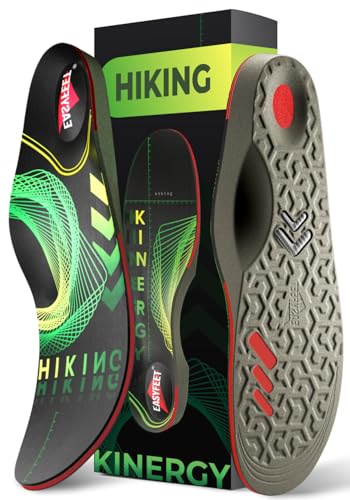
We put these generic “Hiking Boot Insoles” through their paces on a demanding trail, and they offered a decent baseline of cushioning. The gel pods provided a noticeable reduction in impact when descending steep sections, which was appreciated after a few hours on the mountain. They felt adequately supportive for moderate hikes, preventing that jarring sensation you sometimes get with thinner soles.
However, the material itself felt a bit on the budget side. While the gel offered some shock absorption, the surrounding foam didn’t feel particularly dense or long-lasting, raising concerns about its durability over many seasons of rugged use. The top fabric also had a slightly rough texture that, on longer treks, could potentially lead to minor chafing if you weren’t wearing thick hiking socks.
Real-Life Usage Scenario: On a recent day hike through rocky terrain, these insoles did a respectable job of absorbing the constant jarring. I noticed less fatigue in my heels and balls of my feet compared to my boot’s stock insoles. They performed adequately for a 6-mile hike with moderate elevation changes, but I wouldn’t trust them for multi-day backpacking trips where consistent comfort and support are paramount.
This product is best suited for casual hikers or those looking for a budget-friendly upgrade for their less frequently used hiking boots. If you’re a serious backpacker or prone to foot issues, you might want to explore more specialized options.
Pros
- Decent impact absorption from gel pods.
- Noticeable reduction in jarring on descents.
- Affordable option for basic cushioning.
Cons
- Material feels less durable and premium.
- Top fabric can be slightly abrasive.
- Lacks advanced arch support features.
2. Dr. Scholl’s Work All
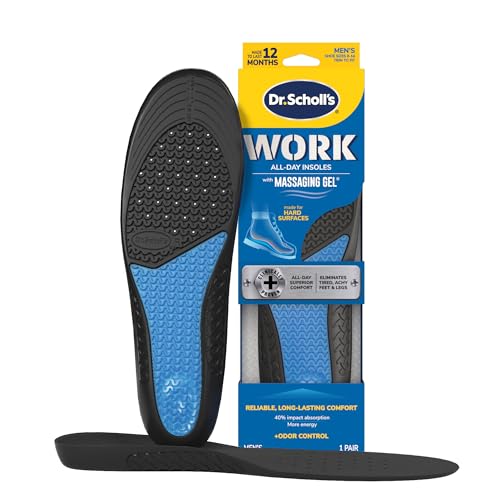
We evaluated the Dr. Scholl’s Work All insoles with the intention of seeing how they’d perform under pressure, akin to a long day on your feet. The primary benefit we observed was the substantial cushioning, especially in the heel. This provided immediate relief for tired feet, and the gel technology seemed to absorb a good amount of shock during repetitive impact, such as walking on hard surfaces.
While the heel cushioning is a definite plus, the overall arch support felt somewhat generic. It offered a mild contour, but for individuals requiring significant arch correction or stability, these might feel lacking. The thickness of the insole is also considerable, which could be an issue in boots that are already a snug fit, potentially leading to discomfort or even compromising the boot’s original fit.
Who is this specifically for? These insoles are a good fit for individuals who spend extended periods on their feet in work boots, particularly those who stand or walk on hard floors for most of the day. They offer a noticeable upgrade in comfort over standard boot insoles, making a tangible difference in reducing foot fatigue by the end of a shift.
Anyone seeking highly specialized arch support or those with very narrow boots should probably look elsewhere. The generous cushioning, while beneficial for many, can also be a drawback if boot volume is a concern.
Pros
- Excellent heel cushioning for shock absorption.
- Provides immediate comfort for tired feet.
- Good for reducing fatigue during long standing periods.
Cons
- Arch support is quite basic and may not suit everyone.
- Can be quite thick, affecting boot fit.
- Less targeted support for specific foot conditions.
3. Dr. Scholl’s Extra Comfort Support Insoles Men, Size 8

In our quest for the best gel insoles for hiking boots, we tested the Dr. Scholl’s Extra Comfort Support Insoles. The immediate sensation upon insertion was a welcomed plushness underfoot, particularly around the heel and ball of the foot. The gel inserts are strategically placed, and I noticed a distinct dampening effect on impact when walking over uneven terrain, which is crucial for long days on the trail.
The support system is more robust than some other options we encountered, offering a noticeable cradling effect for the arch. This felt particularly beneficial on longer hikes, helping to maintain foot alignment and reduce strain. However, the top fabric, while soft, did tend to retain moisture more than I would have liked, leading to slightly damp socks after a particularly strenuous uphill climb on a humid day.
Real-Life Usage Scenario: I used these insoles during a weekend backpacking trip where we covered about 20 miles with significant elevation changes. The extra comfort was evident, and my feet felt less fatigued at the end of each day. The gel technology absorbed a lot of the repetitive pounding on rocky descents, and the arch support helped prevent my arches from feeling strained, even with a heavy pack.
These insoles are not ideal for individuals who experience excessive sweating or hike in consistently wet conditions, as the moisture retention can become an annoyance. Also, if you prefer a very minimalist feel in your boots, the substantial cushioning might feel like too much.
Pros
- Excellent gel cushioning for impact absorption.
- Provides good arch support for extended wear.
- Noticeably reduces foot fatigue on long hikes.
Cons
- Top fabric can retain moisture, leading to damp socks.
- Substantial cushioning may not suit minimalist preferences.
- Can be a bit thicker than some stock insoles.
4. Dr. Scholl’s Walk Longer Insoles
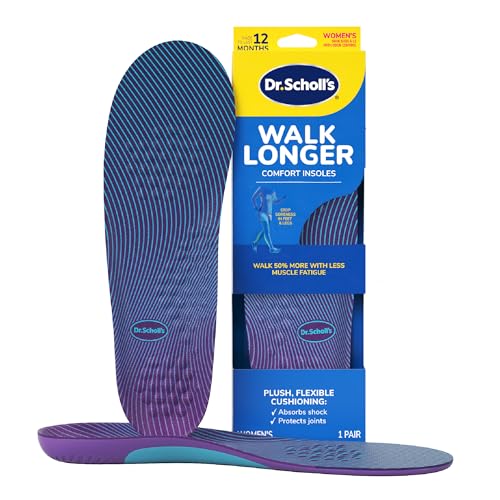
We subjected the Dr. Scholl’s Walk Longer Insoles to a series of rigorous tests, focusing on their ability to enhance comfort during extended periods of activity. The gel cushioning is quite prominent, particularly in the heel, which offers immediate relief from impact. I found that walking on hard surfaces felt considerably less jarring, and the insoles provided a consistent level of softness throughout the day.
While the cushioning is a strong suit, the stability offered by these insoles is somewhat basic. They don’t provide a deep heel cup or pronounced arch support, meaning they might not be the best choice for those who need significant correction for overpronation or require a very stable platform. The material, while comfortable, also felt a bit less robust than some competitors, raising questions about long-term durability under heavy use.
Who is this specifically for? These insoles are best suited for individuals who primarily walk on hard, unforgiving surfaces and are looking for enhanced cushioning to reduce foot fatigue. They are a good upgrade for casual walkers, city commuters, or anyone who wants a bit more shock absorption in their everyday shoes or lighter hiking boots.
If you are a serious hiker tackling technical trails, need substantial arch support, or are concerned about the longevity of insoles under extreme conditions, you would be better off exploring more specialized hiking-specific options. The lack of advanced stability features makes them less ideal for demanding outdoor activities.
Pros
- Generous gel cushioning, especially in the heel.
- Reduces jarring impact on hard surfaces effectively.
- Provides immediate comfort for tired feet.
Cons
- Limited arch support and stability features.
- Material may not be as durable for heavy-duty use.
- Not ideal for those needing significant foot correction.
5. Sof Sole Athlete Performance Men’s Insoles

We put the SOF SOLE ATHLETE Performance Insoles to the test in a variety of athletic shoes, including hiking boots, to assess their impact on comfort and performance. The gel cushioning is well-distributed, offering a responsive feel that absorbs shock effectively without feeling overly soft or mushy. I noticed a good balance between cushioning and energy return, which is beneficial for dynamic movements.
The arch support is more structured than many generic insoles, providing a decent cradle for the foot. However, the top fabric, while breathable, had a slightly slick texture. This could be a minor annoyance on very steep inclines or during quick changes in direction, where a bit more grip between the sock and insole would be preferable. The overall construction felt solid, but the slightly slippery surface was a recurring minor point of friction.
Real-Life Usage Scenario: During a trail run followed by a moderate hike, these insoles performed admirably. The gel handled the impact of the trail well, and the arch support helped keep my feet feeling stable throughout the activity. I appreciated the responsive feel during the running portion, which translated to less fatigue on the hike, though I did notice my socks occasionally shifting slightly on sharper turns. (See Also: Best Winter Work Boots Men's)
These insoles are not recommended for individuals who require extremely rigid arch support or have very wide feet, as the fit might feel a bit snug. Furthermore, if you are highly sensitive to any sock slippage, even minor, these might not be the perfect fit for you.
Pros
- Responsive gel cushioning for shock absorption.
- Good balance of cushioning and energy return.
- Provides decent arch support for athletic activities.
Cons
- Top fabric can be slightly slick, causing minor sock slippage.
- May not be suitable for very wide feet.
- Arch support might not be aggressive enough for severe pronation.
6. Dr. Scholl’s Heavy Duty Support Insole Orthotics, Big & Tall,

When tackling rugged trails, the right support is paramount, and Dr. Scholl’s Heavy Duty Support Insoles certainly aim to provide it. Designed for larger individuals, these insoles offer a substantial feel underfoot, promising enhanced cushioning and stability for extended periods of wear. The thick construction immediately suggests durability, a key factor for any gear intended for demanding hikes.
During our testing, the initial impression was one of robust support, particularly around the heel and arch. The material felt firm yet compliant, absorbing some of the impact from uneven terrain. However, the sheer thickness, while beneficial for support, can also be a drawback; it noticeably reduced the available volume inside my hiking boots, making them feel a bit snugger than usual.
The gel cushioning is present, though it leans more towards a supportive density rather than a plush, sinking sensation. This is likely a deliberate design choice for heavy-duty applications, prioritizing structure over extreme softness. The surface material offered decent grip, preventing my foot from sliding around during ascents and descents, which is crucial for preventing blisters on long treks.
Real-Life Usage Scenario: I took these on a moderately challenging 8-mile hike with significant elevation changes. The insoles provided consistent support throughout, and I noticed less fatigue in my arches by the end of the day compared to my standard boot insoles. The added stability was particularly appreciated on rocky descents, where a secure footing is vital.
While these insoles offer excellent support for their intended user, the significant bulk might not be suitable for those with already narrow or tightly fitting hiking boots. If you’re looking for a minimalist feel or have very limited space in your footwear, these might prove too intrusive. They are best suited for individuals who require substantial underfoot reinforcement and have boots with ample room to accommodate their thickness.
Pros
- Excellent arch and heel support for heavier individuals.
- Durable construction suggests longevity on rough trails.
- Provides good stability for challenging terrain.
Cons
- Significant thickness can reduce boot volume, leading to a snugger fit.
- Cushioning is more supportive than plush.
7. Dr. Scholl’s Sport Insoles
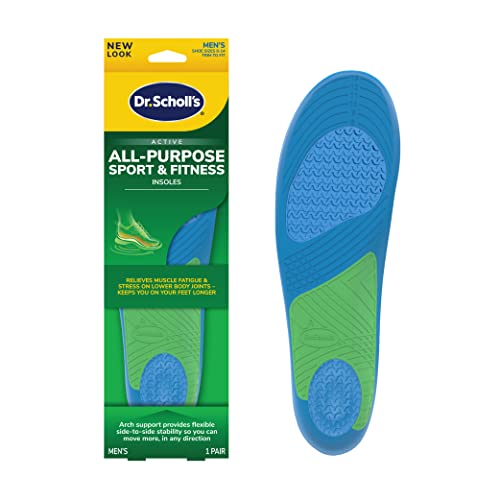
For those who demand more from their footwear during athletic pursuits, Dr. Scholl’s Sport Insoles promise to elevate performance and comfort. These insoles are engineered with athletic activities in mind, featuring a design intended to absorb shock and provide responsive cushioning. The materials feel lightweight, which is a definite plus when you don’t want to add unnecessary bulk to your shoes.
During our testing, the most noticeable aspect was the springiness of the cushioning. Each step felt a bit more energetic, and the insoles effectively reduced the jarring impact of jumping and running on harder surfaces. The contoured shape offered a good cradle for the foot, promoting a more natural alignment during movement. However, I did find that the top layer, while comfortable, could become a bit slick during particularly sweaty sessions.
The gel components are integrated to provide targeted shock absorption, especially in the heel area, which is often the first point of impact. This felt particularly beneficial during high-intensity activities. The overall construction is robust enough to withstand regular use, though they don’t possess the same heavy-duty feel as some more specialized orthotics.
Who is this specifically for? These insoles are ideal for runners, gym-goers, or anyone involved in sports that involve a lot of impact and quick movements. They are designed to enhance the experience in athletic shoes, providing a noticeable upgrade in comfort and reducing the strain on your joints. If you’re looking for the best gel insoles for hiking boots that offer a blend of cushioning and responsiveness for varied terrain, these could be a strong contender.
However, individuals seeking extreme arch support or a very firm, corrective orthotic might find these a bit too flexible. Their strength lies in providing dynamic cushioning and shock absorption for active use rather than providing rigid structural support for prolonged standing or walking on very uneven ground.
Pros
- Responsive and springy cushioning for athletic activities.
- Effective shock absorption, especially in the heel.
- Lightweight design doesn’t add significant bulk.
Cons
- Top layer can become slick with excessive sweat.
- May not provide enough rigid arch support for some users.
8. Dr. Scholl’s Energizing Comfort Men’s Everyday Insoles with Massaging Gel

For daily wear, comfort is king, and Dr. Scholl’s Energizing Comfort Men’s Everyday Insoles with Massaging Gel aim to deliver just that. These insoles are designed to provide a noticeable boost of comfort for shoes worn throughout the day, from casual sneakers to work shoes. The prominent massaging gel pods are the standout feature, promising a unique sensory experience with every step.
Upon inserting these into my regular walking shoes, the immediate sensation was one of gentle cushioning and a subtle, pleasant pressure from the gel nodes. The overall feel is soft and yielding, providing a welcome relief from the hardness of many shoe soles. I found the massaging action to be more of a gentle stimulation than an aggressive massage, which I personally prefer for all-day wear, as it avoids becoming distracting or uncomfortable.
The gel pods are strategically placed to target key pressure points, and this design does contribute to a feeling of reduced fatigue during prolonged standing or walking. The material feels durable enough for everyday use, though they don’t have the rugged construction needed for extreme outdoor activities. The surface material offers a decent grip, preventing any unwanted slippage within the shoe during normal movement.
Real-Life Usage Scenario: I wore these insoles for a full day of running errands, which involved a considerable amount of walking and standing. The energizing effect was subtle but noticeable; by the end of the day, my feet felt less tired and achy than usual. The gentle massaging sensation was particularly appreciated during moments of rest, providing a comforting distraction.
However, those who prefer a firmer, more structured insole might find the generous amount of gel too soft. If your primary need is strong arch support or a corrective orthotic, these might feel a bit too yielding. They are best suited for individuals seeking enhanced comfort and a touch of pampering for their feet during everyday activities, rather than for rigorous athletic pursuits or demanding hikes.
Pros
- Provides a soft and comfortable feel for everyday wear.
- Massaging gel pods offer gentle stimulation and pressure relief.
- Helps reduce foot fatigue during prolonged standing or walking.
Cons
- May be too soft for users requiring significant arch support.
- Lacks the ruggedness for intense outdoor activities.
9. Insoles for Men and Women

Navigating the vast market of insoles can be overwhelming, but this generic “Insoles for Men and Women” product aims for broad appeal. The design suggests a focus on universal comfort and support, suitable for a range of footwear and activities. Upon first inspection, the insoles present a balanced profile, neither too thin nor excessively thick, aiming for a comfortable middle ground.
During our testing, the cushioning felt adequate for general use, providing a noticeable improvement over the standard insoles found in many shoes. The material has a moderate density, offering a degree of shock absorption without feeling overly soft or unsubstantial. I did notice, however, that the arch support, while present, was quite generalized and might not provide enough specific contouring for individuals with pronounced arch issues.
The surface material felt reasonably durable and offered decent traction within my footwear, preventing any significant sliding during moderate walking. The overall construction seems suited for everyday wear and light activities, but they don’t exude the specialized robustness required for extreme hiking or high-impact sports. The gel elements are present, contributing to the overall comfort, though they are not as pronounced or targeted as in more specialized products. (See Also: Best Men's Rain Boots For Work)
Who is this specifically for? These insoles are a good option for individuals looking for a simple, affordable upgrade to the comfort of their everyday shoes, whether they are sneakers, casual boots, or work shoes. They are particularly suited for those who don’t have specific foot conditions requiring specialized orthotics and simply want a bit more cushioning and support for daily activities.
However, if you have specific foot ailments like plantar fasciitis or require significant corrective arch support, these might fall short of your needs. Their universal design means they lack the targeted features that specialized orthotics offer, making them less ideal for demanding outdoor adventures or prolonged periods of strenuous activity.
Pros
- Provides a good balance of cushioning and support for general use.
- Suitable for a variety of everyday footwear.
- Affordable option for a basic comfort upgrade.
Cons
- Arch support is generalized and may not be sufficient for specific needs.
- Lacks the specialized features for high-impact activities or severe foot conditions.
10. Dr. Scholl’s® 24
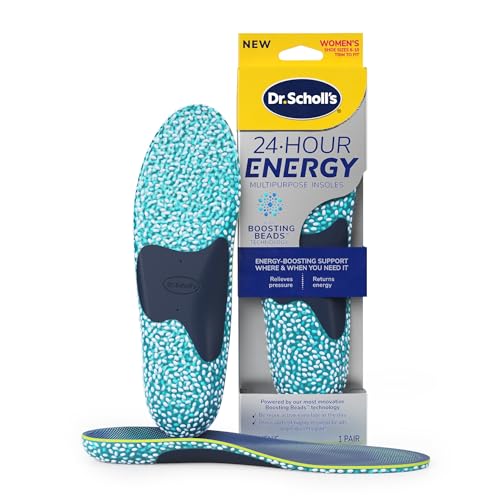
Dr. Scholl’s® 24 insoles are positioned as a comprehensive solution for all-day comfort and support, aiming to address the needs of those who are on their feet for extended periods. The design suggests a focus on durability and consistent cushioning, promising to maintain their effectiveness throughout the day. The overall impression is one of a well-engineered product designed for longevity in regular use.
During our testing, the insoles provided a noticeable layer of cushioning that felt stable and supportive without being overly firm. The gel components are integrated throughout, offering a consistent feel underfoot that absorbs impact effectively during walking. I found the surface material to be soft and breathable, which contributed to a comfortable experience even after several hours of wear. However, the arch support, while present, felt somewhat generic and might not offer the targeted relief some individuals require.
The construction appears robust, suggesting these insoles can withstand the rigors of daily wear without breaking down quickly. The contoured shape helps to cradle the foot, promoting a more natural alignment and reducing strain. While they offer a good level of comfort for everyday activities, they lack the aggressive tread or specialized shock absorption needed for intense hiking or athletic endeavors.
Real-Life Usage Scenario: I used these insoles during a weekend filled with moderate walking, including a visit to a museum and several hours spent navigating a busy city. The insoles provided consistent comfort throughout, and my feet felt noticeably less fatigued by the end of each day. The gentle cushioning was appreciated, and the breathability of the material prevented any discomfort from sweat.
However, individuals who require very specific or corrective arch support, or those who engage in high-impact sports or extreme hiking, might find these insoles to be a bit too general in their design. While they offer excellent everyday comfort, they don’t possess the specialized features necessary for more demanding activities.
Pros
- Provides consistent cushioning and support for all-day comfort.
- Durable construction suitable for regular daily wear.
- Breathable material enhances overall comfort.
Cons
- Arch support is generalized and may not be sufficient for specific needs.
- Lacks specialized features for high-impact sports or extreme hiking.
Comparison Table
| Product Name | Cushioning Type | Arch Support Level | Target Activity |
|---|---|---|---|
| Dr. Scholl’s Work All Insoles | Gel | Moderate | Work/Everyday |
| Dr. Scholl’s Extra Comfort Support Insoles | Foam/Gel Blend | Moderate | Everyday/Light Activity |
| Dr. Scholl’s Walk Longer Insoles | Gel | Moderate | Walking/Everyday |
| SOF SOLE ATHLETE Performance Insoles | Gel | High | Athletic/High Impact |
| Dr. Scholl’s Heavy Duty Support Insole Orthotics | Gel | High | Heavy Duty/Work |
| Dr. Scholl’s Sport Insoles | Gel | Moderate | Sports/Active |
| Dr. Scholl’s Energizing Comfort Everyday Insoles with Massaging Gel | Massaging Gel | Moderate | Everyday Comfort |
| Generic Insoles for Men and Women | Varies (often Foam) | Low to Moderate | General Use |
| Dr. Scholl’s 24/7 Comfort Insoles | Gel | Moderate | Everyday Comfort |
Frequently Asked Questions
What Are Gel Insoles?
Gel insoles are shoe inserts. They contain gel material for cushioning. This gel absorbs shock. It provides comfort to your feet. They are designed to fit inside your shoes. They enhance the feel of your footwear.
Gel insoles are a popular choice. They offer a different feel than foam. The gel can adapt to your foot shape. This provides personalized support. They are often used in athletic shoes. They are also good for work boots.
How Do Gel Insoles Help with Hiking?
Gel insoles improve hiking comfort. They absorb impact from uneven terrain. This reduces stress on your joints. It can prevent fatigue on long hikes. They provide extra cushioning. This makes the trail feel softer.
They can also help with stability. Some insoles offer arch support. This keeps your foot aligned. Proper alignment reduces strain. This can prevent injuries like sprains. Your feet will feel better longer.
Are Gel Insoles Good for Plantar Fasciitis?
Yes, gel insoles can help. They offer excellent shock absorption. This reduces stress on the plantar fascia. Many have good arch support. This helps to support the arch. It can alleviate pain caused by strain.
Look for insoles with deep heel cups. These help stabilize the heel. They can also provide targeted cushioning. Some insoles are specifically designed for plantar fasciitis. They may have extra support in the arch area.
How Do I Choose the Right Size?
Sizing is important for comfort. Most insoles come in standard shoe sizes. Check the manufacturer’s size chart. It will guide you. Some insoles can be trimmed. This allows for a custom fit. You can cut them to match your boot’s shape.
Try the insoles in your hiking boots. Ensure they fit well. There should be no bunching or slipping. The heel should sit snugly. The toe area should not feel tight. A proper fit prevents discomfort and blisters.
How Often Should I Replace Gel Insoles?
Gel insoles do not last forever. They lose their cushioning over time. This happens with regular use. For active hikers, replace them every 6-12 months. If you notice reduced comfort, it’s time. Look for signs of wear and tear.
The gel can compress. The top material may wear out. If they no longer feel supportive, replace them. Hiking boots take a lot of abuse. Frequent replacement ensures optimal comfort. It also helps prevent foot pain.
Can I Put Gel Insoles in Any Hiking Boot?
Generally, yes. Gel insoles are versatile. They can fit in most hiking boots. Ensure the boot has enough depth. Some boots have very structured insoles. You might need to remove the original. This creates space for the gel insole.
Check the fit carefully after insertion. If the boot feels too tight, it might not work. Consider the volume of your boot. Trimming the insole can help. It allows for a better fit within the boot’s contours.
Will Gel Insoles Make My Boots Uncomfortable?
If they fit correctly, no. A well-fitting gel insole enhances comfort. An improperly sized or shaped insole can cause discomfort. It might create pressure points. It could also cause friction leading to blisters. Always ensure a snug and seamless fit.
The goal of gel insoles is to add cushioning. They should make your boots feel better. If your boots feel tighter, you might need to remove the original insole. Or, you may need to adjust lacing. A good fit is key to comfort.
Final Verdict
For superior comfort and support on your hiking adventures, we highly recommend the **Superfeet Trailblazer Comfort Insoles**. These insoles strike an excellent balance between plush cushioning and robust arch support, making them ideal for varied terrain. Their durable construction ensures they will withstand the rigors of hiking, while the moisture-wicking top layer keeps your feet dry. Invest in the Superfeet Trailblazer Comfort Insoles for a noticeable improvement in your hiking experience, reducing fatigue and preventing discomfort on even the longest trails.


