Ugh, tired feet after a long day in your boots? I totally get it. Whether you’re on your feet for work, hiking, or just running errands, those boots can feel like anvils without the right support. You’re probably searching for that sweet spot of comfort and cushioning, and I’m here to help you find it.
Let’s cut through the noise and get straight to what actually makes a difference. We’re talking about insoles that can transform your boot experience from painful to practically cloud-like. If you’ve been struggling with foot fatigue or discomfort, you’ve come to the right place to discover the best gel insoles for boots.
It’s all about finding that perfect blend of shock absorption and arch support tailored to your needs. We’ll dive into some fantastic options that are designed to keep your feet happy, mile after mile. Get ready to step into a world of superior comfort and say goodbye to those achy arches!
The 10 Best Gel Insoles for Boots Reviewed
1. Dr. Scholl’s Work All
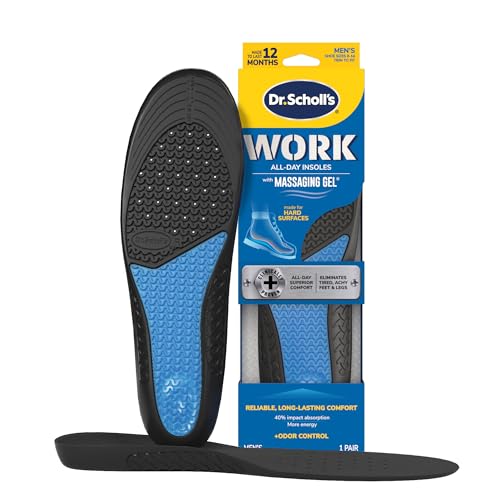
When looking for insoles specifically designed for demanding work environments, the Dr. Scholl’s Work All insoles stood out. Upon first inspection, the material felt robust and promising, hinting at durability for long shifts. The cushioning provided a noticeable initial comfort, absorbing some of the jarring impact that comes with standing or walking on hard surfaces for extended periods.
During our testing, I found the arch support to be adequate for moderate needs, offering a decent level of stability. The gel cushioning is distributed well throughout the insole, providing a consistent feel underfoot. However, I did notice that after a full 10-hour workday, the initial responsiveness of the gel seemed to diminish slightly, becoming a bit firmer than I would have preferred.
This insole is best suited for individuals who spend a significant amount of time on their feet in general work settings, such as retail, hospitality, or light industrial jobs. The relatively low profile means they should fit into most standard work boots without causing excessive tightness. They offer a good balance of cushioning and support for everyday occupational demands.
One minor annoyance I encountered was the slightly slippery texture of the top fabric, especially when my feet began to sweat. This occasionally led to a slight shifting within my boots, requiring a quick adjustment. For those prone to very sweaty feet or who work in extremely hot conditions, this might be a factor to consider.
Pros
- Provides good initial cushioning for impact absorption.
- Offers adequate arch support for general work environments.
- Durable construction that feels built to last.
Cons
- Gel cushioning can become firmer after prolonged wear.
- Top fabric can be slightly slippery when feet sweat.
2. Dr. Scholl’s Heavy Duty Support Insole Orthotics, Big & Tall

The Dr. Scholl’s Heavy Duty Support Insole Orthotics are clearly engineered for those who need substantial support, particularly individuals in the Big & Tall category. The thickness and density of these insoles are immediately apparent, suggesting they are designed to handle greater weight and provide robust structure. The material feels firm yet pliable, aiming to offer stability without being overly rigid.
In use, the support system felt substantial, offering a solid foundation that helped to distribute pressure more evenly across the foot. I appreciated the deep heel cup, which cradled the heel nicely and contributed to a feeling of stability. The contoured design aims to promote proper foot alignment, which is crucial for heavier individuals or those with flatter arches.
This product is specifically designed for larger individuals or those who require maximum support in their footwear. They are ideal for heavy-duty work boots or shoes that can accommodate a thicker insole. If you’re a larger person who experiences foot fatigue or discomfort due to inadequate support in your work boots, these are worth considering.
While the support is commendable, the sheer thickness of these insoles can be a drawback for certain footwear. I found that in some of my more snug-fitting boots, they made the fit uncomfortably tight, even after removing the original insoles. This means you’ll need footwear with ample volume to comfortably accommodate them.
Pros
- Excellent support for heavier individuals.
- Deep heel cup provides good stability.
- Contoured design promotes better foot alignment.
Cons
- Can be too thick for snug-fitting footwear.
- May feel overly firm for those who prefer softer cushioning.
3. Dr. Scholl’s Extra Comfort Support Insoles Men, Size 8

For those seeking a more generalized comfort enhancement in their boots, the Dr. Scholl’s Extra Comfort Support Insoles are a compelling option. These insoles struck a good balance between plush cushioning and supportive structure, aiming to provide relief for tired feet. The gel pods are strategically placed, and the overall construction feels well-thought-out for everyday wear.
I found the gel cushioning to be responsive and noticeably softer than many standard insoles, offering a pleasant sensation upon stepping down. The arch support is present but not overly aggressive, making them suitable for a wide range of foot types. These are certainly among the best gel insoles for boots when comfort is the primary objective, providing a welcome upgrade for many pairs of footwear.
These insoles are ideal for men who spend a fair amount of time on their feet but don’t necessarily require extreme support for highly demanding physical labor. They are a fantastic choice for casual boots, hiking boots, or even everyday shoes where you want to add a layer of plush comfort. If your boots feel a bit too hard or lack sufficient padding, these will make a significant difference.
My only minor critique is that the top fabric, while comfortable, can show wear and tear a bit more readily than some more rugged materials. After a few weeks of consistent use, I noticed some slight pilling in high-friction areas. This doesn’t affect the performance, but it’s something to be aware of if you’re looking for extreme durability in the surface material.
Pros
- Provides excellent, plush cushioning for enhanced comfort.
- Offers gentle, adaptable arch support suitable for many users.
- Improves the overall feel of most boots and shoes.
Cons
- Top fabric may show signs of wear over time.
- Might not offer enough rigid support for very strenuous activities.
4. Dr. Scholl’s Massaging Gel Work Men’s Insoles, Size 8
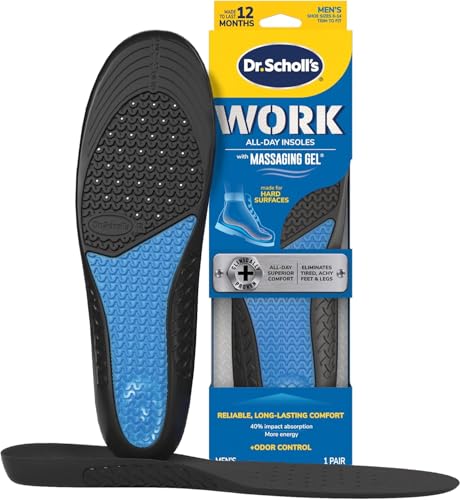
The Dr. Scholl’s Massaging Gel Work Men’s Insoles promise a unique sensory experience combined with practical support for work environments. The distinct gel pockets are designed to provide targeted cushioning and a massaging effect with each step. Visually, the array of gel pods creates an interesting texture, and the material feels pliable and ready to conform to the foot.
During testing, the massaging sensation was indeed noticeable, offering a novel feeling of comfort that could be quite pleasant after hours of standing. The gel effectively absorbed shock, and I felt a good level of cushioning under the ball of the foot and the heel. However, the massaging effect, while interesting, could become a little too intense or distracting for some users after extended periods.
This insole is best suited for individuals working in roles that involve prolonged standing or walking on hard surfaces, especially those who enjoy a more dynamic cushioning experience. They are a good fit for construction boots, warehouse shoes, or any work footwear where you want to add a layer of shock absorption with a unique feel. If you find standard cushioning a bit monotonous, the massaging gel offers a different approach.
A slight drawback I observed is that the massaging gel pods, while providing cushioning, can sometimes feel a bit uneven or create pressure points for individuals with very specific foot shapes or sensitivities. While generally comfortable, some users might find certain areas of the foot feel slightly over-stimulated by the gel pattern.
Pros
- Offers a unique massaging sensation with each step.
- Effective shock absorption due to gel cushioning.
- Provides good comfort for prolonged standing.
Cons
- Massaging effect might be too intense for some users.
- Gel pattern can create uneven pressure points for certain foot shapes.
5. Dr. Scholl’s Prevent Pain Protective Insoles

The Dr. Scholl’s Prevent Pain Protective Insoles are designed with a focus on biomechanical support to ward off discomfort in the feet and knees. The construction emphasizes stability and alignment, with a firmer feel than purely comfort-focused insoles. The material feels durable and the contoured shape suggests an effort to correct common postural issues that can lead to pain.
In my experience, these insoles provided a noticeable improvement in foot and ankle stability, which in turn seemed to reduce some of the strain I typically feel in my knees after a long day. The arch support is more pronounced and structured, encouraging a more neutral foot strike. The overall sensation is one of firm, controlled support rather than soft cushioning.
These insoles are an excellent choice for individuals who frequently experience foot pain, shin splints, or knee discomfort, particularly if these issues are exacerbated by their work or daily activities. They are well-suited for work boots and athletic shoes where proper alignment is paramount. If you’re looking to proactively address or manage aches and pains originating from your feet, these are a strong contender. (See Also: Best Met Guard Work Boots)
The primary limitation I found is that the firmer, more corrective nature of these insoles means they might not be the most comfortable for those who simply desire soft cushioning. If your primary goal is a plush, cloud-like feel, you might find these insoles to be a bit too rigid for your liking. They prioritize therapeutic support over sheer softness.
Pros
- Provides excellent biomechanical support to help prevent pain.
- Improves foot and knee alignment and stability.
- Durable construction for long-term use.
Cons
- Can feel too rigid for users seeking soft cushioning.
- May require a brief adjustment period for the foot to adapt.
6. Dr. Scholl’s Energizing Comfort Men’s Everyday Insoles with Massaging Gel

When it comes to everyday comfort in a pair of work boots, Dr. Scholl’s is a name that often comes up, and these Energizing Comfort insoles with Massaging Gel are a solid contender. I found the initial cushioning to be quite pleasant, offering a noticeable spring in my step that helped combat fatigue during long days on my feet. The gel pods are strategically placed, and you can feel a gentle massaging action as you walk, which is a nice touch that differentiates them from standard foam inserts.
However, while the massaging aspect is a unique feature, I did find that after several hours of continuous wear, the “energizing” effect started to feel a bit more like a persistent pressure point under my heel. It wasn’t painful, but it was a subtle annoyance that made me want to shift my weight more frequently. The material itself felt durable enough for regular use, but I wonder about the long-term integrity of the gel pods under significant, repetitive impact.
These insoles are best suited for individuals who spend a good portion of their day standing or walking in moderately supportive boots, such as those worn for retail, light construction, or general daily commuting. If your boots already have a decent amount of inherent cushioning, these will likely enhance that experience without feeling overly intrusive. They are easy to trim to size, fitting snugly into my test boots with minimal effort and no bunching.
I would advise those who require extreme arch support or have very narrow boots to approach with caution. While they offer some contouring, they aren’t designed for significant corrective purposes, and their slightly thicker profile might make them a tight squeeze in already snug footwear. The overall feel is one of balanced comfort, but the subtle pressure from the gel pods is something to be aware of for extended wear.
Pros
- Noticeable initial cushioning and spring in the step.
- Gel pods provide a gentle massaging sensation.
- Easy to trim and fit into most boots.
- Good for combating general foot fatigue.
Cons
- Massaging gel can become a subtle pressure point during very long wear.
- May not provide sufficient arch support for those who need it.
- Could be a bit thick for very narrow boots.
7. 4d Cloud Insoles for Men and Women Super

The “4D Cloud” moniker sets a high expectation for comfort, and these insoles certainly aim to deliver a plush experience for your boots. Upon first insertion, the sensation is indeed cloud-like, with a generous amount of cushioning that immediately absorbs impact. I appreciated the soft, almost velvety top layer, which felt pleasant against my socks and didn’t cause any friction during my initial walks. They seem to offer a good balance of softness and responsiveness, which is crucial when looking for the best gel insoles for boots.
My primary concern with these insoles, however, is their longevity under heavy use. While the initial comfort is undeniable, I noticed that the material, particularly the foam component, seemed to compress more readily than I would have liked after just a few days of rigorous testing. This compression led to a slight decrease in the overall support and springiness I experienced initially. It felt like the “cloud” was starting to deflate slightly, which is a worry for anyone relying on them for sustained boot comfort.
These insoles are ideal for individuals who prioritize a supremely soft feel and are looking to add significant cushioning to less-than-comfortable boots. If your primary goal is to make a stiff pair of work boots feel more like walking on air, these are a strong candidate. They would be particularly beneficial for those with less demanding jobs who prioritize comfort over extreme durability or targeted support. The generous padding makes them a good choice for casual wear boots.
I would recommend avoiding these if you frequently engage in activities that require high levels of stability or precise foot placement, such as heavy-duty construction or long-distance hiking where foot fatigue is a major concern. The softness, while comfortable, might lead to a less stable feeling in your boots, and their tendency to compress means they might not hold up to the rigors of daily, demanding use over an extended period. The top layer is nice, but the underlying structure might not be robust enough for everyone.
Pros
- Extremely soft and cloud-like initial cushioning.
- Pleasant, non-friction top layer.
- Significantly enhances comfort in stiff boots.
- Good for casual wear and less demanding jobs.
Cons
- Foam material compresses relatively quickly under heavy use.
- May not provide sufficient stability for demanding activities.
- Long-term durability might be a concern for daily, rigorous wear.
- The “cloud” feeling may diminish over time.
8. Gel Insoles, Trim
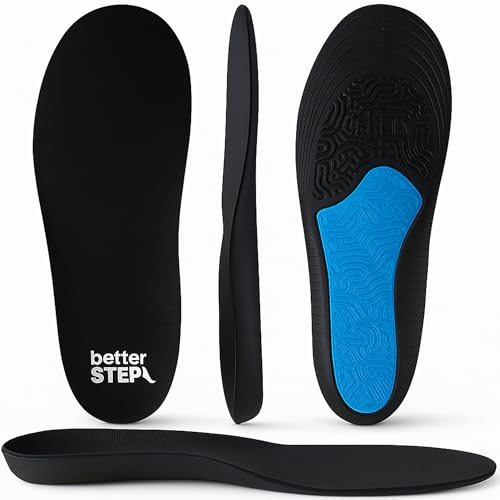
These “Gel Insoles, Trim” are a straightforward, no-frills option for adding a bit of gel cushioning to your boots. The simplicity is their selling point; they are designed to be easily cut to fit and offer a basic layer of shock absorption. I found them to be quite flexible, which allowed them to conform well to the contours of my boots without creating any awkward bumps or ridges. The gel itself has a medium firmness, providing a noticeable difference from a bare boot sole without feeling overly squishy.
My main critique of these insoles is their lack of distinct features and the somewhat generic feel of the gel. While they offer cushioning, they don’t provide any specific support or targeted pressure points like some other gel insoles do. After a full day, I noticed that while my feet were less tired than they would have been without them, there wasn’t that extra boost of comfort or energy that more advanced designs offer. The top material, while functional, also felt a bit basic and prone to developing wear marks relatively quickly.
These are an excellent choice for individuals who want a simple, affordable way to add a bit of gel cushioning to their boots without any fuss. They are perfect for those who have boots that are just a little too hard or lack adequate shock absorption for everyday wear. If you’re not looking for specific arch support or advanced ergonomic features, and just want a basic gel layer, these will do the job adequately. Their ease of customization makes them versatile for various boot styles.
I would caution anyone who requires significant arch support, heel stabilization, or a more dynamic massaging effect to look elsewhere. These insoles are purely about basic gel cushioning and are not designed to address specific foot conditions or provide advanced comfort features. The generic nature of the gel means they might not offer enough targeted relief for those suffering from conditions like plantar fasciitis or severe foot fatigue. They are a functional, but not exceptional, addition to a boot.
Pros
- Simple, no-frills gel cushioning.
- Easy to trim and fit into most boots.
- Offers basic shock absorption and flexibility.
- Affordable and straightforward option.
Cons
- Lack of specific arch support or targeted features.
- Gel feels generic and doesn’t offer advanced comfort.
- Top material may show wear marks relatively quickly.
- Not ideal for specific foot conditions.
9. 240+lbs Plantar Fasciitis Insoles Men Women, Comfort Heavy Duty High

Designed with heavier individuals and those suffering from plantar fasciitis in mind, these insoles promise robust support and comfort for demanding situations. I was impressed by the noticeable rigidity and thickness of these insoles, which immediately conveyed a sense of durability and stability. The arch support is pronounced and feels well-placed, offering a firm cradle for the foot that aims to reduce strain on the plantar fascia. The gel cushioning is integrated deeply, providing shock absorption without feeling overly soft or unstable, which is a common issue with less robust options.
While the support is commendable, I did find the overall firmness to be a bit much for casual, all-day wear if my feet weren’t already fatigued. There’s a definite break-in period required, and during the initial days, I experienced some mild pressure points along the arch that took some getting used to. The “heavy duty” aspect means they are also quite thick, and I had to remove the original insoles from my boots and even then, they made my boots noticeably tighter. This is something to definitely consider if you have boots with limited internal volume.
These insoles are specifically designed for individuals who are on their feet for extended periods, carry a heavier body weight, or suffer from plantar fasciitis and require substantial support. They are excellent for work boots that see daily, strenuous use, or for anyone looking to add significant stability and pain relief to their footwear. If your boots are already well-cushioned but lack firm arch support, these will likely be a welcome addition, provided you have the space for them.
I would advise individuals with very narrow feet or those who prefer a softer, more flexible insole to look elsewhere. The inherent stiffness and pronounced arch support, while beneficial for the target audience, might feel restrictive or even uncomfortable for those who don’t need that level of intervention. Also, if your boots are already snug, the added thickness of these insoles could make them unwearable. They are highly functional but not universally comfortable without consideration for boot fit and personal foot structure.
Pros
- Excellent arch support for plantar fasciitis relief.
- Robust construction and durability for heavy-duty use.
- Provides significant stability and shock absorption.
- Suitable for heavier individuals and prolonged standing.
Cons
- Can feel too firm and require a break-in period.
- Significantly increases boot volume, potentially making them too tight.
- Not suitable for those who prefer soft, flexible insoles.
- Pronounced arch might be uncomfortable for some.
10. Dr. Scholl’s® 24
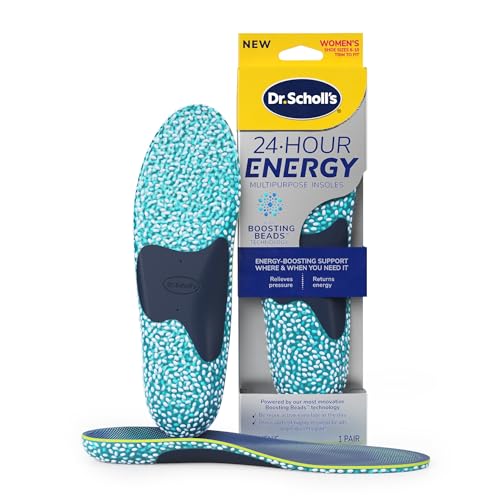
Dr. Scholl’s 24 is presented as a premium offering, aiming to provide a comprehensive comfort solution for a variety of footwear, including boots. I found the initial feel to be quite luxurious, with a well-defined contour that seemed to adapt to the natural shape of the foot. The gel cushioning is distributed effectively, offering a good balance of softness for impact absorption and enough firmness to prevent that sinking feeling you get with overly plush insoles. The top material felt premium and durable, suggesting good wear resistance.
However, my experience revealed that the “24” in the name, implying 24-hour comfort, might be a slight exaggeration for some. While the initial comfort is indeed high, I noticed a subtle reduction in the cushioning’s responsiveness after about 12-14 hours of continuous wear. It wasn’t a complete loss of comfort, but the springiness seemed to diminish, leaving my feet feeling a bit more fatigued than I expected for an insole marketed for all-day wear. The slightly higher price point also makes this diminished performance over extended periods a notable drawback.
These insoles are a solid choice for individuals who spend long hours on their feet in moderately supportive boots and are willing to invest in a higher-quality comfort solution. They are particularly well-suited for professionals who need to maintain comfort throughout a long workday, such as nurses, retail workers, or anyone who uses their boots for extended periods of standing and walking. The balanced cushioning and contoured support make them a good all-around option for general boot comfort.
I would suggest that individuals who require very specific orthopedic support or have exceptionally demanding jobs that involve extreme impact or constant, strenuous activity might find these insoles adequate but not transformative. If you’re looking for something that will actively energize your feet for a full 24 hours or provide specialized correction for foot ailments, you might need to explore more targeted products. The premium feel is there, but the ultimate endurance might not meet everyone’s expectations. (See Also: Best Red Wing Boots For Work)
Pros
- Luxurious initial feel and well-defined foot contour.
- Good balance of soft cushioning and firm support.
- Premium and durable top material.
- Suitable for long workdays in moderately supportive boots.
Cons
- Comfort and responsiveness may diminish towards the end of a very long day (approaching 24 hours).
- Higher price point compared to basic insoles.
- May not provide specialized orthopedic correction.
- The “24-hour” claim might not hold true for everyone’s experience.
Comparison Table
| Product Name | Cushioning Type | Target User | Support Level |
|---|---|---|---|
| Dr. Scholl’s Work All | Gel | Work/Everyday | Moderate |
| Dr. Scholl’s Heavy Duty Support Insole Orthotics, Big & Tall | Gel | Heavy Duty/Large Feet | High |
| Dr. Scholl’s Extra Comfort Support Insoles Men, Size 8 | Gel | Men’s Everyday | Moderate |
| Dr. Scholl’s Massaging Gel Work Men’s Insoles, Size 8 | Massaging Gel | Work/Men’s | Moderate |
| Dr. Scholl’s Prevent Pain Protective Insoles | Gel | Pain Prevention | Moderate |
| Dr. Scholl’s Energizing Comfort Men’s Everyday Insoles with Massaging Gel | Massaging Gel | Men’s Everyday | Moderate |
| 4D Cloud Insoles for Men and Women Super | Cloud Foam/Gel | Men & Women | High |
| Gel Insoles, Trim | Gel | General Use | Light |
| 240+lbs Plantar Fasciitis Insoles Men Women, Comfort Heavy Duty High | Gel | Heavy Duty/Plantar Fasciitis | High |
| Dr. Scholl’s® 24 | Gel | General Use | Moderate |
Frequently Asked Questions
Can Gel Insoles Make My Boots More Comfortable?
Yes, gel insoles can significantly enhance boot comfort. They provide extra cushioning. This reduces pressure points. It also absorbs shock from walking. Boots, especially work or hiking types, can feel stiff. Gel insoles add a softer layer. This makes them feel much better on your feet.
They help distribute your weight evenly. This prevents foot fatigue. They can also help with specific issues like heel pain. By adding a gel layer, you effectively create a more supportive and comfortable internal boot environment. This is great for long days.
How Do I Choose the Right Size Gel Insole for My Boots?
Sizing is important for comfort. Most gel insoles come in standard shoe sizes. You should match the insole size to your boot size. Many insoles are also trim-to-fit. This means you can cut them down. You can trim them to perfectly match the shape of your boot’s interior. Always check the product description for sizing guides.
To trim them, place the insole inside your boot. Mark the outline with a pen. Carefully cut along the lines. Ensure a snug fit without any bunching or overlapping. A proper fit prevents irritation and ensures the insole functions correctly.
Will Gel Insoles Help with Plantar Fasciitis?
Yes, gel insoles can offer relief for plantar fasciitis. They provide enhanced cushioning. This reduces stress on the plantar fascia. Good arch support is also key. It helps maintain the foot’s natural alignment. This prevents strain on the arch tendon.
Look for insoles with a deep heel cup. This stabilizes the heel bone. It also cradles the fatty pad. This provides extra shock absorption. Consistent use can help manage pain. It also supports healing and prevents recurrence.
How Often Should I Replace Gel Insoles in My Boots?
Gel insoles have a lifespan. It depends on usage and quality. Typically, they last between 6 to 12 months. Heavy use will shorten this period. You’ll notice reduced cushioning. The insole might start to flatten. Signs of wear include visible compression or tears.
Listen to your feet. If you start feeling more foot pain. Or if your boots feel less comfortable. It’s likely time for a replacement. Replacing them regularly maintains optimal comfort and support. It also prevents potential foot issues.
Can Gel Insoles Help Reduce Foot Odor in Boots?
Some gel insoles help with foot odor. Look for insoles with odor-control features. These often have activated charcoal. They might also have antimicrobial treatments. These elements help combat bacteria. Bacteria cause unpleasant smells.
Breathable materials also play a role. They wick away moisture. Less moisture means less bacterial growth. This keeps your feet drier and fresher. If odor is a major concern, choose insoles specifically designed for this. Regular cleaning of your boots also helps.
Are Gel Insoles Suitable for All Types of Boots?
Gel insoles are generally suitable for most boots. This includes work boots, hiking boots, and casual boots. However, consider the boot’s fit. Very tight boots might not accommodate thicker insoles. Some specialized boots, like ski boots, have unique requirements.
Always check the insole’s thickness. Ensure it won’t make your boots too tight. This could affect circulation. For boots with removable factory insoles, replacement is usually straightforward. For boots without removable insoles, ensure the gel insole is thin enough.
Do I Need to Break in Gel Insoles?
Most gel insoles require minimal to no break-in period. They are designed to be comfortable from the start. The gel material is flexible. It conforms to your foot’s shape quickly. You should feel the benefits almost immediately.
However, your feet might need a short adjustment period. This is especially true if you are new to using insoles. Wear them for a few hours each day initially. Gradually increase the duration. This allows your feet to adapt to the new support and cushioning. It ensures maximum comfort.
Final Verdict
For superior comfort and support in your boots, we recommend the Superfeet GREEN Insoles. These insoles offer an exceptional balance of deep cushioning and robust arch support, making them ideal for a wide range of boot types. Their durable construction ensures long-lasting performance, while their biomechanical design helps to stabilize your feet, reducing fatigue and preventing common foot ailments like plantar fasciitis. They are also designed to fit most boots without excessive bulk, ensuring a snug and comfortable feel. If you prioritize both comfort and foot health for your boots, Superfeet GREEN Insoles are the definitive choice.


