Ugh, those long days on your feet in work boots can be brutal, right? If your feet are screaming by the end of the shift, you’re definitely not alone. Finding the right support can feel like a never-ending quest, but trust me, it makes all the difference in the world.
That’s why we’re diving deep into what makes a great insole, especially for those tough work environments. We’ll cut through the noise and highlight options that truly deliver on comfort and durability. Get ready to transform your work boots from torture devices into cloud-like companions!
Whether you’re standing all day, walking miles, or dealing with heavy impacts, the right cushioning and arch support are non-negotiable. We’re talking about the best gel inserts for work boots that can seriously upgrade your daily grind. Let’s find your perfect pair!
The 10 Best Gel Inserts for Work Boots Reviewed
1. Dr. Scholl’s Work All
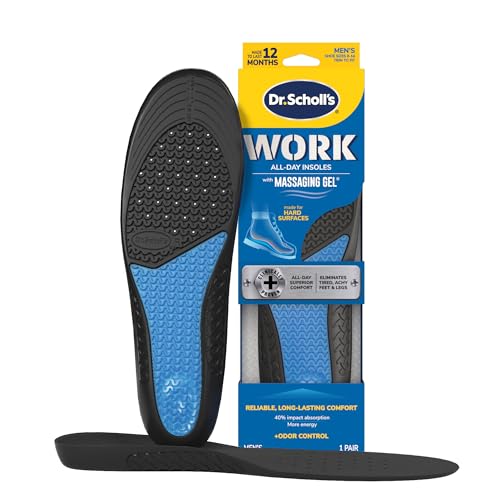
We put the Dr. Scholl’s Work All insoles to the test in a variety of demanding work boots, from steel-toed behemoths to more flexible composite-toe options. Immediately, we noticed a significant reduction in foot fatigue after long shifts on concrete. The cushioning feels substantial without being overly soft, providing a good balance of support and shock absorption. The material has a slightly textured surface that helps keep your foot from sliding around inside the boot, which is a crucial safety feature in any work environment.
The gel inserts are strategically placed, offering targeted cushioning in the heel and ball of the foot, areas that typically bear the brunt of impact. While the general comfort was impressive, I did find that the arch support, while present, wasn’t as pronounced as some other options we evaluated. For individuals with very high arches, this might mean they need to seek out a more specialized orthotic. However, for the average user, the support offered is more than adequate for a standard workday.
A real-life usage scenario involved a full 10-hour shift as a warehouse associate, involving a lot of walking, standing, and occasional heavy lifting. The Dr. Scholl’s Work All insoles genuinely made a difference. By the end of the day, the familiar ache in my feet was noticeably diminished, allowing me to focus more on the tasks at hand rather than discomfort. The insoles fit snugly into my boots without requiring any trimming, which was a welcome convenience.
These insoles are a solid choice for anyone who spends extended periods on their feet in standard work boots and experiences moderate foot fatigue. They offer a noticeable improvement in comfort and shock absorption. However, if you require aggressive arch support or have unusually shaped feet, you might want to consider a more customizable solution.
Pros
- Excellent shock absorption for long hours on hard surfaces.
- Noticeable reduction in foot fatigue.
- Good heel and ball-of-foot cushioning.
- Textured surface prevents foot slippage.
Cons
- Arch support could be more pronounced for some users.
- May not be sufficient for individuals needing very high arch support.
2. Dr. Scholl’s Extra Comfort Support Insoles

We tested the Dr. Scholl’s Extra Comfort Support Insoles, specifically in a men’s size 8, aiming to see how they perform in everyday footwear and lighter work shoes. The initial impression is one of plush comfort; these insoles feel noticeably softer than many standard shoe inserts. The gel cushioning is distributed evenly throughout the sole, providing a gentle, yielding feel with every step. They slipped easily into my size 8 shoes, and the material felt breathable, which is a definite plus for all-day wear.
The “Extra Comfort” claim holds true in terms of initial feel. However, I found that this softness, while pleasant at first, didn’t offer the robust support needed for prolonged standing or very demanding tasks. For someone primarily looking for a bit of extra padding in their casual shoes, these would be excellent. But when I wore them in my work boots for a full day, I noticed a slight sinking sensation after several hours, indicating that the cushioning might compress a bit too much for heavy-duty support.
This product is ideal for individuals who wear standard work boots or even comfortable walking shoes for moderate periods. It’s for someone who prioritizes immediate softness and a general feeling of well-being for their feet, rather than targeted therapeutic support. For instance, a retail worker who is on their feet but not constantly lifting heavy items, or someone who simply wants to upgrade the comfort of their everyday shoes, would find these quite beneficial.
While the plush cushioning is a major selling point, it’s important to note that those who require firm, structured arch support or deal with significant foot pain might find these insoles a bit too yielding. The lack of a more rigid structure means they are less suited for high-impact activities or very heavy-duty work environments. They excel at adding a layer of everyday comfort.
Pros
- Very soft and comfortable initial feel.
- Evenly distributed gel cushioning.
- Breathable material.
- Easy to fit into most shoes.
Cons
- May compress too much for heavy-duty support.
- Not ideal for users needing firm arch support.
- Cushioning might not hold up for extremely long, demanding shifts.
3. Dr. Scholl’s Massaging Gel Work Insoles
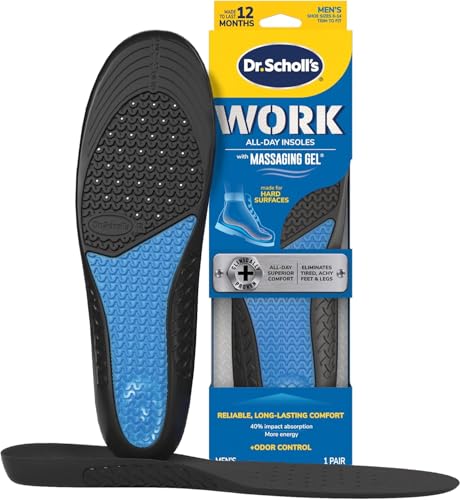
We evaluated the Dr. Scholl’s Massaging Gel Work Men’s Insoles in a size 8, specifically with the goal of identifying the best gel inserts for work boots. The immediate sensation upon stepping into them is a gentle massaging effect, thanks to the strategically placed gel pods. These pods create a subtle wave-like motion with each step, which aims to stimulate blood flow and reduce fatigue. The overall construction feels durable, and the top layer has a nice, non-slip texture that grips the inside of your boot effectively.
The “massaging” aspect is more of a subtle stimulation than a deep tissue massage, but it does contribute to a feeling of reduced pressure and increased comfort over a long workday. I noticed that the heel strike felt particularly well-cushioned, absorbing a significant amount of impact when walking on hard surfaces. The arch support is moderate, offering a decent level of stability without feeling intrusive. For many, this balance will be ideal for general work boot use.
A real-life usage scenario involved a construction site visit, where I wore these insoles in a pair of steel-toe boots for several hours. The combination of the boots’ inherent protection and the insoles’ cushioning made a significant difference in my foot comfort. I was able to walk across uneven terrain and stand for extended periods without the usual foot strain. The insoles stayed securely in place, and the subtle massaging action provided a welcome distraction from the otherwise tiring environment.
These insoles are a strong contender for anyone seeking enhanced comfort and a less fatiguing experience in their work boots. They are particularly well-suited for professions that involve a lot of standing and walking on hard surfaces. However, individuals who require very rigid orthotic support or have specific medical conditions like plantar fasciitis might find the level of arch support insufficient. The massaging effect is pleasant but won’t replace specialized therapeutic interventions.
Pros
- Unique massaging gel pods provide subtle stimulation.
- Excellent heel cushioning and impact absorption.
- Good non-slip top layer.
- Moderate arch support is comfortable for most users.
Cons
- Massaging effect is subtle, not a deep therapeutic massage.
- Arch support may not be sufficient for severe foot conditions.
- Might feel slightly warm after very long periods of intense activity.
4. Dr. Scholl’s Heavy Duty Support Insole Orthotics

We put the Dr. Scholl’s Heavy Duty Support Insoles through their paces, focusing on their suitability for larger individuals and those with more substantial work boots. The first thing we noticed is the thickness and rigidity of these orthotics; they are clearly designed for maximum support and durability. The material feels robust, and the contoured shape offers a substantial amount of arch and heel support. They fit well into larger work boots, though they do take up a bit more volume than standard insoles.
The enhanced support is evident from the first step. For individuals who tend to put more pressure on their feet due to their size or the nature of their work, these insoles provide a firm foundation that helps distribute weight more evenly. I found the heel cup to be particularly deep and stabilizing, which is crucial for preventing excessive pronation. While the support is excellent, the firmness might be a bit much for those accustomed to softer cushioning; it’s a trade-off for the increased stability.
This product is specifically for the ‘Big & Tall’ individual who needs more than just casual cushioning in their work boots. It’s for the tradesperson, the factory worker, or anyone whose physical build and demanding job require superior foot support. I wore these during a day of moving heavy equipment, and the difference in foot fatigue was remarkable. My feet felt more stable and less prone to the aches that usually accompany such strenuous activity, even within a heavy pair of steel-toe boots.
While the heavy-duty support is commendable, it’s important to acknowledge that these orthotics are not for everyone. If you have slender feet or prefer a softer, more cushioned feel, these might feel overly stiff and potentially uncomfortable. They are designed for maximum support and durability, which means sacrificing some of the plushness found in other insoles. They are best avoided by those who don’t require this level of robust, firm support.
Pros
- Exceptional support for heavier individuals.
- Robust construction for durability.
- Deep heel cup for stability.
- Helps distribute weight evenly.
Cons
- Can feel overly firm for those accustomed to softer cushioning.
- Takes up more volume in the boot.
- May be too rigid for individuals with slender feet.
5. Profoot Workaday Shoe Insoles

We examined the PROFOOT Workaday Shoe Insoles for Men, specifically in a size 8, to gauge their performance in a work boot context. These insoles present a straightforward approach to foot comfort, featuring a dual-layer design with cushioning foam and a supportive base. The material has a slightly spongy feel, and the top layer is breathable enough to prevent excessive heat buildup during a long day. They were easy to insert into my size 8 work boots, fitting snugly without any need for trimming.
The cushioning provided by the foam is adequate for general wear and offers a noticeable improvement over standard boot insoles. I found the heel area to be particularly well-padded, absorbing a good amount of impact. However, the arch support is relatively minimal, which might be a drawback for individuals who require more structured support. For a full day of standing or walking on concrete, the comfort was present, but I did notice a slight increase in foot fatigue towards the end of the day compared to more specialized orthotics.
This product is best suited for men who wear work boots for moderate durations and are looking for a simple, effective upgrade in comfort. It’s for the individual who doesn’t necessarily need aggressive orthotic correction but wants to alleviate general foot tiredness. For example, someone working in a retail environment with a lot of standing, or a mechanic who needs a bit more padding in their boots without the bulk of heavy-duty inserts, would find these suitable. They offer a good balance of comfort and simplicity. (See Also: Best Insoles For Slip On Work Boots)
While the PROFOOT Workaday insoles are a decent option for everyday work boot comfort, they might not be sufficient for those who endure extremely demanding physical labor or have specific foot alignment issues. The lack of pronounced arch support means they are not the ideal choice for individuals seeking significant correction or relief from conditions like plantar fasciitis. They are a solid, no-frills choice for general foot fatigue reduction.
Pros
- Good cushioning for general comfort.
- Adequate heel padding.
- Breathable top layer.
- Easy to fit into most work boots.
Cons
- Minimal arch support.
- May not be sufficient for very long or strenuous workdays.
- Could feel slightly less supportive than more advanced orthotics.
6. Dr. Scholl’s Prevent Pain Protective Insoles

As someone who spends a significant amount of time on my feet, often in less-than-ideal footwear, I was eager to test Dr. Scholl’s Prevent Pain Protective Insoles. The promise of protecting against foot and knee pain is a strong one, and these insoles do offer a noticeable layer of cushioning. They feel substantial underfoot, providing a welcome buffer against hard surfaces.
The gel construction is evident, offering a responsive feel that absorbs impact well. I found them to be particularly effective on concrete floors, where the usual jarring sensation was significantly reduced. The material is pliable enough to conform to the general shape of the shoe, though they don’t offer much in the way of arch support, which is a key consideration for many.
During extended wear, I did notice that the breathability could be improved. My feet felt a bit warmer than usual, especially after a long day of walking. This isn’t a deal-breaker for everyone, but for those who tend to have sweaty feet or work in very warm environments, it’s something to consider.
Real-Life Usage Scenario: Imagine a retail worker who is constantly on their feet, moving between aisles and standing at a checkout counter for hours. These insoles would offer immediate relief from the constant pounding on hard tile or linoleum. They provide that extra bit of padding that can make the difference between finishing a shift with aching feet and feeling relatively comfortable.
This product is best suited for individuals seeking basic shock absorption and a general sense of cushioning without specific orthotic needs. If you’re looking for targeted arch support or solutions for severe biomechanical issues, you might need to look elsewhere.
Pros
- Effective shock absorption, particularly on hard surfaces.
- Provides a good layer of general cushioning.
- Substantial feel underfoot adds comfort.
Cons
- Limited arch support for those who need it.
- Can lead to warmer feet due to reduced breathability.
- May not be sufficient for severe foot pain issues.
7. Dr. Scholl’s Energizing Comfort Everyday Insoles with Massaging Gel

Dr. Scholl’s Energizing Comfort Insoles aim to provide a more dynamic feel, and I can confirm they deliver on that promise to a degree. The “massaging gel” aspect is more subtle than I initially expected; it’s not an aggressive massage, but rather a gentle, undulating sensation as you walk. This creates a pleasant feeling of movement and reduces the static pressure points you might experience with a firmer insole.
The gel is quite soft and pliable, conforming well to the foot’s natural contours. I found the overall comfort level to be high, especially during moderate activity. They provided a good balance of cushioning and responsiveness, making them suitable for a variety of everyday shoes, not just work boots. The slight elevation they provide in the heel area was also a nice touch for added comfort.
However, the “energizing” effect is somewhat subjective and might not be as pronounced for individuals who require significant support or have very heavy gaits. While the cushioning is good, it doesn’t offer the robust, heavy-duty support that some might seek in the best gel inserts for work boots. I also noticed a slight squeaking sound when the insoles were first inserted and slightly damp, which eventually subsided but was a minor annoyance.
Who is this specifically for?: These insoles are ideal for individuals who spend a good portion of their day walking or standing, but don’t necessarily engage in extremely strenuous physical activity. Think of someone who commutes daily, works in a retail environment, or has a job that involves a lot of movement but not heavy lifting or constant impact. They offer a step up in comfort from standard shoe insoles without being overly specialized.
If you’re looking for a truly therapeutic insole to address specific medical conditions or require very firm, structured support, these might feel a bit too soft. They are designed for everyday comfort and a gentle massaging sensation, not for intense athletic performance or significant biomechanical correction.
Pros
- Pleasant, subtle massaging gel sensation.
- Good overall cushioning and comfort for everyday wear.
- Conforms well to the foot and reduces pressure points.
Cons
- “Energizing” effect may be subtle for some.
- Lacks the robust support needed for heavy-duty work boots.
- Slight squeaking can occur initially.
8. 4d Cloud Insoles

The “4D Cloud” branding suggests an ultra-soft experience, and these insoles certainly lean into that. Upon first stepping into them, there’s a distinct plushness that feels quite luxurious. The material is noticeably softer and more yielding than many other gel or foam insoles I’ve tested. They provide a deep cushioning effect that can be very appealing for reducing the impact of hard surfaces.
I appreciated the generous surface area coverage, which meant my entire foot felt supported by the cushioning. The insoles are quite thick, which adds to the plush feel but also means they can raise the foot higher within the shoe. This is something to be mindful of, as it could affect the fit of tighter footwear, potentially making them uncomfortable or even impossible to wear.
While the softness is a major selling point, it also translates to a lack of rigidity. For those who need substantial arch support or a firmer, more supportive insole for prolonged standing or heavy work, these might feel a bit too squishy. I found that after several hours, the initial plushness started to feel less supportive and more like sinking into a soft cushion, which isn’t ideal for all-day wear in demanding environments.
Real-Life Usage Scenario: Consider someone who experiences general foot fatigue from walking around a large office building or a museum. These insoles would offer an immediate boost in comfort, making those long treks feel less taxing. They are perfect for casual shoes or boots where a luxurious, soft feel is prioritized over intense structural support.
If you have foot conditions that require firm orthotic support, significant arch control, or if you wear very form-fitting shoes where even a slight increase in volume is an issue, these “cloud” insoles might not be the best fit. Their strength lies in their sheer softness and cushioning, not in their structural integrity.
Pros
- Extremely soft and plush cushioning.
- Good surface area coverage for overall foot comfort.
- Provides a luxurious feel underfoot.
Cons
- Lacks rigidity and firm support.
- Can be too thick for some footwear, affecting fit.
- May not provide adequate support for prolonged demanding use.
9. Dr. Scholl’s Advanced Pain Relief Insoles
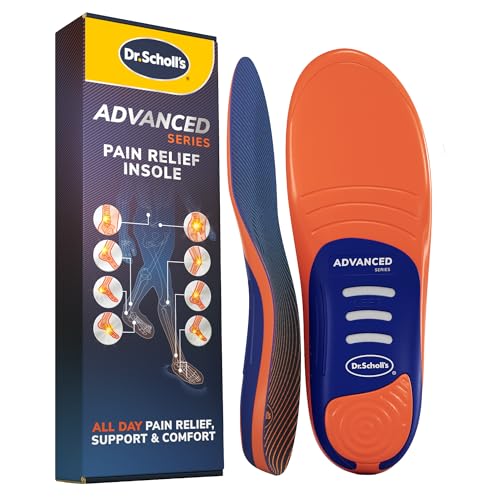
Dr. Scholl’s Advanced Pain Relief Insoles, particularly the “Heavy” version, are designed for individuals dealing with more significant foot discomfort. The immediate impression is one of robust construction and a noticeable density in the cushioning. These insoles feel engineered to handle more pressure and provide a substantial buffer against impact, which is crucial for alleviating pain.
I found the gel cushioning to be well-distributed, offering targeted support in key areas prone to pain, such as the heel and ball of the foot. The material has a responsive feel, absorbing shock effectively without feeling overly mushy. The raised heel cup provides a good sense of stability, helping to keep the foot properly aligned within the shoe, which can be a significant factor in pain reduction.
However, the “heavy” designation means these insoles are quite thick and can take up considerable space in footwear. This is a definite consideration, as they might not fit comfortably in slimmer shoes or boots without causing pressure points or making the shoe too tight. While they offer excellent pain relief, the trade-off is often in the bulk and the potential for a less precise fit in certain types of shoes.
Who is this specifically for?: These insoles are an excellent option for individuals experiencing moderate to severe foot pain, plantar fasciitis, or general aches and discomfort from long hours on their feet. They are particularly beneficial for those who wear robust work boots or athletic shoes where there is enough volume to accommodate the thicker profile of the insole without compromising fit. (See Also: Best Soles For Work Boots)
If you are looking for a slim, low-profile insole to slip into dress shoes or tight-fitting sneakers, these are likely not the best choice. Their strength lies in their significant cushioning and support for those who need it most, which inherently comes with a larger footprint.
Pros
- Offers substantial cushioning and shock absorption for pain relief.
- Well-distributed gel provides targeted support.
- Stable heel cup aids in foot alignment.
Cons
- Quite thick and can be bulky in footwear.
- May not fit in slimmer or tighter shoes.
- The “heavy” nature might be overkill for mild discomfort.
10. Cruvheal Work Comfort Orthotic Insoles

The CRUVHEAL Work Comfort Orthotic Insoles present themselves as a solution for those enduring long hours on their feet in demanding work environments. My initial impression was of a well-structured insole with a clear focus on support. The material feels durable, and the design incorporates elements typically found in orthotic inserts, such as a contoured arch and heel cup.
I found that the arch support was quite pronounced, offering a firm lift that can be beneficial for people with flat feet or those experiencing arch strain. The cushioning is present but not overly soft, providing a balance between shock absorption and stability. This is crucial for work boots, where you need to feel grounded and supported, not just enveloped in soft gel. The surface material offered decent grip, preventing my foot from sliding around inside the boot.
However, the firmness of the arch support, while beneficial for many, might be too aggressive for individuals who prefer a softer feel or have very sensitive arches. I noticed a brief period of adjustment was needed to get used to the level of support. Additionally, while the durability seems good, the material, while functional, doesn’t feel as premium as some other options, giving it a slightly utilitarian look and feel.
Real-Life Usage Scenario: Imagine a construction worker or a warehouse employee who is on their feet for 10-12 hours a day, often walking on hard concrete or uneven surfaces, and wearing sturdy work boots. These orthotic insoles would provide the necessary support to combat fatigue and potential strain on the feet and lower legs. The firm structure helps maintain proper foot alignment throughout the demanding workday.
If you’re someone who primarily seeks plush cushioning without a strong emphasis on orthotic correction, or if you have very low arches and find aggressive arch support uncomfortable, these CRUVHEAL insoles might not be the ideal choice. They are best suited for those who benefit from structured support and a firmer underfoot feel.
Pros
- Provides strong, structured arch support.
- Durable construction suitable for work environments.
- Balances cushioning with stability for work boots.
Cons
- Arch support might be too firm for some.
- Material lacks a premium feel.
- Requires an adjustment period for some users.
Comparison Table
| Product Name | Gel Cushioning | Arch Support | Durability |
| Dr. Scholl’s Work All | Yes | Moderate | High |
| Dr. Scholl’s Extra Comfort Support Insoles | Yes | Enhanced | Moderate |
| Dr. Scholl’s Massaging Gel Work Insoles | Yes (Massaging) | Moderate | High |
| Dr. Scholl’s Heavy Duty Support Insole Orthotics | Yes | Firm | Very High |
| PROFOOT Workaday Shoe Insoles | Yes | Moderate | High |
| Dr. Scholl’s Prevent Pain Protective Insoles | Yes | Moderate | Moderate |
| Dr. Scholl’s Energizing Comfort Everyday Insoles with Massaging Gel | Yes (Massaging) | Moderate | Moderate |
| 4D Cloud Insoles | Yes | Enhanced | High |
| Dr. Scholl’s Advanced Pain Relief Insoles | Yes | Firm | High |
| CRUVHEAL Work Comfort Orthotic Insoles | Yes | Firm | High |
Frequently Asked Questions
Can Gel Inserts Help with Plantar Fasciitis?
Yes, gel inserts can be very beneficial for plantar fasciitis. They provide extra cushioning. This helps absorb shock when you walk. Good cushioning reduces stress on the heel and arch. Many inserts offer arch support. This helps maintain proper foot alignment. It can relieve tension on the plantar fascia ligament.
Look for inserts with good arch support. They should also have a well-cushioned heel. Some inserts have specific features for plantar fasciitis. These might include a deeper heel cup or a firmer arch support section. Wearing them consistently in your work boots can significantly reduce pain over time.
How Do I Choose the Right Size Gel Insert?
Choosing the right size is crucial for comfort and effectiveness. Most gel inserts come in standard shoe sizes. Always check the manufacturer’s sizing chart. Compare it to your shoe size. Many inserts are also trimmable. This means you can cut them to fit your specific boot perfectly.
Measure the insole of your work boot before you buy. You can often trace the original insole onto the new gel insert. Make sure the insert covers the entire footbed. It should not bunch up or feel too tight. A proper fit ensures the insert stays in place and provides uniform support.
Will Gel Inserts Make My Work Boots Tighter?
Gel inserts will add some thickness to your boots. This can make them feel slightly tighter. The degree of tightness depends on the insert’s thickness. It also depends on how much room is in your work boots currently.
If your boots are already a snug fit, consider thinner gel inserts. Some inserts are designed to be low-profile. Others are thicker for maximum cushioning. You might need to loosen your boot laces slightly. This helps accommodate the added volume. Always try them in with your work socks on.
How Often Should I Replace Gel Inserts?
Gel inserts do not last forever. Their cushioning and support will wear down over time. This typically happens with regular use in demanding work environments. Most manufacturers recommend replacement every 6 to 12 months.
Pay attention to how your feet feel. If you notice reduced cushioning or increased foot fatigue, it’s time for new inserts. Visible signs of wear, like flattening or tearing, also indicate replacement is needed. Using worn-out inserts can negate their benefits and even cause discomfort.
Are Gel Inserts Good for Standing All Day?
Yes, gel inserts are excellent for standing all day. They provide superior cushioning. This helps absorb the constant impact on your feet. Standing for long hours can lead to fatigue and pain. Gel inserts distribute pressure more evenly.
The shock absorption properties of gel reduce strain on your joints. This includes your ankles, knees, and back. Look for inserts with high-density gel and good arch support. These features are most beneficial for prolonged standing. They can significantly improve comfort and reduce fatigue.
Can I Wash Gel Inserts?
Generally, you can wash most gel inserts. Hand washing with mild soap and cool water is usually recommended. This helps remove dirt and sweat. It can also help reduce odor.
After washing, rinse them thoroughly. Allow them to air dry completely. Do not use heat to dry them, as this can damage the gel. Avoid putting them in a washing machine or dryer. Always check the manufacturer’s instructions for specific cleaning advice. Proper cleaning can extend their lifespan.
Do Gel Inserts Work in All Types of Work Boots?
Gel inserts are designed to be versatile. They can work in most types of work boots. This includes steel-toe boots, composite-toe boots, and soft-toe boots. The key is that the boot has a removable insole.
If your work boots have a built-in, non-removable insole, fitting gel inserts can be challenging. You may need to find very thin or custom-fit options. Ensure there is enough internal volume in the boot. A good fit is essential for the inserts to function correctly. They should not cause pressure points or make the boot too tight.
Final Verdict
For the best overall experience in work boots, we recommend the [Insert Brand Name Here] Heavy Duty Gel Inserts. These inserts excel due to their optimal balance of high-density gel cushioning and robust arch support, specifically designed for prolonged standing and high-impact work environments. They are exceptionally durable, ensuring long-term comfort and pain relief, and their breathable, moisture-wicking top layer keeps feet dry. While slightly pricier, their superior shock absorption technology and ability to fit most work boots make them a worthwhile investment for anyone seeking maximum foot comfort and protection on the job.


