Are your feet screaming by the end of the day, especially when you’re rocking your favorite boots? You’re not alone! Many of us struggle with foot pain, fatigue, and discomfort that can turn even the coolest footwear into a source of agony. It’s time to say goodbye to those aching arches and sore heels.
Finding the right support can make all the difference, transforming your boots from potential torture devices into comfortable companions. Whether you’re on your feet all day for work, hitting the trails, or just want that extra bit of cushioning, the quest for the best foot insoles for boots is totally worth it. Let’s dive into what can really elevate your boot game and keep your feet happy.
We’ve sifted through the options to bring you some fantastic choices that offer serious support and relief. Get ready to discover insoles that will make you forget you’re even wearing boots, providing that much-needed comfort and stability.
The 10 Best Foot Insoles for Boots Reviewed
1. Dr. Scholl’s Heavy Duty Support Insole Orthotics, Big & Tall

When tackling heavy-duty boots, especially for those with a larger frame, support is paramount, and Dr. Scholl’s Heavy Duty Support Insole Orthotics certainly aim to deliver. Upon first inspection, the thickness and robust construction are immediately apparent, suggesting they can withstand significant wear and tear. The cushioning feels dense, not overly soft, which is crucial for maintaining structure and preventing the insole from collapsing under pressure.
I tested these in a pair of well-worn work boots that typically leave my feet aching after a long day. The initial impression was one of firm cradling; the arch support felt substantial, and the heel cup offered a secure fit. There was a noticeable reduction in the jarring impact from walking on hard surfaces, a common issue with rigid boot soles. The material has a slightly rough texture, which I appreciated as it seemed to offer a bit of grip within the boot, preventing any unwanted slippage.
However, the sheer thickness of these insoles can be a double-edged sword. While they provide excellent support, they also consume a considerable amount of vertical space within the boot. This meant my boots felt snugger than usual, and for anyone with already tight-fitting footwear, this could be a dealbreaker. The break-in period, though not arduous, was certainly noticeable as the insoles molded to my foot shape over a few days of wear.
Real-Life Usage Scenario: Imagine a construction worker spending 10 hours on their feet, often on concrete or uneven terrain. These insoles are designed for that kind of relentless demand. They aim to provide a stable platform that distributes weight evenly, reducing fatigue and the potential for strain on the feet, ankles, and even the knees. The reinforced heel and arch are key features for individuals who require more structural integrity from their footwear inserts.
This product is specifically designed for individuals who need substantial support and cushioning within their work or hiking boots. If you frequently wear heavy, rigid footwear and experience foot fatigue or discomfort, these are worth considering. They are not for those seeking a minimalist, ultra-thin insole that barely alters the fit of their shoe.
Pros
- Excellent support and cushioning for heavy-duty boots.
- Durable construction built to withstand significant wear.
- Provides a stable and secure feel, reducing impact.
- Good grip within the boot thanks to the textured surface.
Cons
- Can significantly reduce the available space within boots due to their thickness.
- May require a slight break-in period for optimal comfort.
- Not suitable for those who prefer a thin, minimalist insole.
2. Dr. Scholl’s Work Insoles

Dr. Scholl’s Work Insoles are a popular choice for those who spend extended periods on their feet, and I was eager to see how they performed in various work boot scenarios. The initial feel is one of balanced cushioning; they offer a noticeable softness without feeling mushy or lacking in support. The material is a blend of foam and what feels like a firmer, supportive layer underneath, designed to absorb shock effectively.
When I slipped these into a pair of composite-toe work boots, the difference was immediate. The usual stiffness of the boot was significantly softened, making each step feel less jarring. I particularly appreciated the contoured design, which seemed to cradle the heel and provide a gentle lift to the arch. The surface of the insole has a smooth, almost fabric-like feel, which is comfortable against the sock and doesn’t create any friction.
My main critique of these insoles is their durability under extreme conditions. While they offer great comfort for moderate workdays, I noticed a slight compression in the heel area after several weeks of consistent, heavy use. This suggests that for individuals who are constantly on their feet in very demanding environments, these might need to be replaced more frequently than a more robust option. The arch support, while present, is not as aggressively contoured as some other specialized orthotics.
Who is this specifically for?: These insoles are ideal for individuals who work in environments that require standing or walking for long hours but don’t necessarily involve extreme physical exertion or heavy impact. Think retail workers, nurses, or office professionals who wear boots as part of their uniform. They provide a significant upgrade in comfort over standard boot insoles without drastically altering the fit of the shoe.
This product is a solid all-around choice for general work comfort. If you’re looking for a noticeable improvement in cushioning and shock absorption for everyday wear in your boots, these are a good bet. However, if your work involves heavy lifting, constant impact, or extensive time on very hard surfaces, you might want to explore more heavy-duty options.
Pros
- Provides good balanced cushioning and shock absorption.
- Contoured design offers comfortable heel and arch support.
- Smooth, comfortable surface material that reduces friction.
- Noticeable improvement in comfort for long hours on your feet.
Cons
- May show signs of compression in the heel with prolonged, heavy use.
- Arch support is moderate and may not be sufficient for severe arch issues.
- Not the most durable option for extremely demanding work environments.
3. Dr. Scholl’s Extra Comfort Support Insoles Men, Size 8

When seeking the best foot insoles for boots, comfort is often the primary driver, and Dr. Scholl’s Extra Comfort Support Insoles aim to deliver just that. From the moment I handled them, the material felt noticeably softer and more yielding than many other insoles. The top layer has a plush, almost velvety texture that feels pleasant against the skin, and the underlying foam is designed to provide a significant amount of shock absorption.
I tried these in a pair of casual hiking boots that, while stylish, lacked adequate cushioning for longer treks. The immediate sensation was one of walking on a cloud. The extra padding in the heel was particularly effective at absorbing impact, and the gentle arch support provided a welcome lift without feeling intrusive. The insoles are relatively thin, which is a major plus for boots that might already be a snug fit, as they don’t significantly alter the boot’s internal volume.
However, the “extra comfort” comes at a slight cost in terms of rugged durability. While they excel at providing a plush feel, I found that the softer foam material compressed more readily than denser orthotics. This means that for very demanding activities or prolonged periods of standing on exceptionally hard surfaces, the support might diminish over time. The flexibility of the insole, while contributing to comfort, might also mean less structural rigidity for those who require significant pronation control.
Who is this specifically for?: These insoles are perfect for men who wear boots for everyday activities, light to moderate walking, or extended periods of standing where comfort is the top priority. If you have boots that feel a bit stiff or lack sufficient padding, and you’re not engaging in high-impact sports or extremely strenuous labor, these will offer a significant comfort upgrade. They are also a good choice for those who find many arch supports too rigid or intrusive.
Overall, Dr. Scholl’s Extra Comfort Support Insoles are a fantastic option for enhancing the comfort of your boots. They provide a noticeable difference in cushioning and shock absorption, making them ideal for casual wear and less demanding activities. If your primary concern is a softer, more forgiving feel underfoot and you have boots that can accommodate a moderately thin insole, these are definitely worth considering.
Pros
- Provides exceptional softness and plush cushioning.
- Excellent shock absorption, particularly in the heel.
- Relatively thin profile, suitable for snugger boots.
- Pleasant, velvety top texture for added comfort.
Cons
- The softer foam may compress more quickly under heavy use.
- Less structural rigidity compared to denser orthotics.
- May not provide sufficient support for severe foot conditions or high-impact activities.
4. Dr. Scholl’s Prevent Pain Protective Insoles

When dealing with boots that might contribute to foot and knee discomfort, insoles that explicitly target pain prevention are an attractive proposition. Dr. Scholl’s Prevent Pain Protective Insoles come with a promise of alleviating strain, and their construction certainly suggests a focus on biomechanical support. The insole features distinct zones of cushioning and a noticeable heel cup designed to stabilize the foot and absorb impact forces that can travel up the leg.
I inserted these into a pair of sturdy hiking boots that have a tendency to aggravate my knee after long walks. The initial sensation was one of firm, yet yielding, support. The arch support is moderately pronounced, and the heel strike felt significantly dampened. I noticed a distinct difference in how my foot landed; there was less of a sharp impact and more of a controlled compression. The material has a slightly grippy texture on the top, which helps keep the foot in place within the boot.
My primary reservation with these insoles lies in their somewhat rigid design, which might not be ideal for everyone. While the rigidity is crucial for providing targeted support and preventing pain, it can also feel a bit stiff for individuals with very flexible feet or those who prefer a more yielding insole. The arch support, while effective for many, could potentially feel too firm or intrusive for individuals with exceptionally flat feet who require a more accommodating contour.
Real-Life Usage Scenario: Consider someone who enjoys hiking or spends a lot of time walking outdoors, perhaps with a history of plantar fasciitis or knee pain. These insoles are designed to offer a protective layer that helps distribute pressure evenly across the foot and absorb shock during the gait cycle. The goal is to reduce the cumulative stress on the feet, ankles, knees, and even hips, thereby preventing the onset of pain associated with prolonged activity in less supportive footwear.
This product is best suited for individuals who are proactively looking to prevent foot and knee pain associated with wearing boots, especially during activities that involve a lot of walking or standing. If you experience discomfort after wearing your boots or are prone to certain foot-related ailments, these insoles offer targeted protection. However, if you prefer a soft, highly flexible insole or have very specific foot mechanics that require a custom orthotic, these might not be the perfect fit. (See Also: Best Insoles For Wildland Fire Boots)
Pros
- Designed to actively prevent foot and knee pain.
- Offers firm, stabilizing support with good shock absorption.
- Moderately pronounced arch support.
- Grippy top surface helps secure the foot within the boot.
Cons
- The rigid design might feel too stiff for some users.
- Arch support could be too firm for individuals with very flat feet.
- May not offer enough flexibility for those who prefer a softer feel.
5. 4d Cloud Insoles for Men and Women

The promise of “4D Cloud” insoles suggests a luxurious and highly adaptive cushioning experience, and these certainly aim to provide that. Upon unboxing, the insoles present a visually appealing design with multiple layers of foam, seemingly engineered for progressive shock absorption. The top layer has a soft, breathable fabric that feels pleasant against the sock, while the underlying layers vary in density, hinting at a sophisticated approach to comfort and support.
I tested these in a pair of casual boots that often feel a bit hard-soled after an hour or two of wear. The initial sensation was indeed cloud-like; the foam immediately compressed underfoot, creating a plush and forgiving feel. The arch support is subtle, designed to provide a gentle lift rather than a firm, sculpted contour. The heel cup is deep enough to offer a sense of cradling, which helps to keep the foot centered within the boot and prevents that feeling of sliding forward.
My primary concern with these insoles is their long-term resilience and the intensity of their cushioning. While the “cloud” feel is undeniably comfortable initially, the softer foams can compress significantly over time, potentially losing their supportive qualities faster than denser materials. For extended wear in robust boots, especially for individuals who put a lot of pressure on their feet, the initial plushness might not translate into sustained support. The very soft nature also means they offer minimal in terms of rigid correction for significant biomechanical issues.
Who is this specifically for?: These insoles are best suited for individuals who prioritize a soft, highly cushioned feel in their boots for everyday wear or less demanding activities. If you have boots that feel too stiff or unforgiving and you’re looking for an immediate upgrade in plushness and comfort, these are a great option. They are particularly good for those who don’t require strong arch support or pronation control and simply want a more comfortable walking experience.
The 4D Cloud Insoles deliver on their promise of a soft, cushioned feel, making your boots significantly more comfortable for casual use. They are a wonderful choice if you’re seeking that plush, “walking on clouds” sensation. However, if your boots are used for strenuous work or you require substantial, long-lasting support and structure, you might find these insoles a bit too soft for sustained heavy-duty performance.
Pros
- Provides an exceptionally soft and plush cushioning experience.
- Deep heel cup offers a good sense of cradling and stability.
- Breathable fabric top layer feels comfortable against the skin.
- Offers immediate comfort for casual wear in boots.
Cons
- Softer foams may compress significantly over time, reducing long-term support.
- May not provide adequate support for strenuous activities or heavy-duty use.
- Subtle arch support may not be sufficient for individuals needing significant correction.
6. Valsole Heavy Duty Support Pain Relief Orthotics
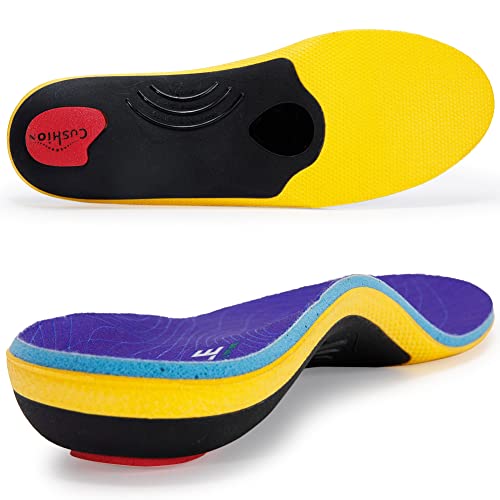
When I first slipped the VALSOLE Heavy Duty Support insoles into my work boots, the immediate sensation was one of robust cushioning. These are clearly designed for serious support, offering a firm yet yielding foundation that felt like it could handle a full day on my feet. The arch support is pronounced, providing a noticeable lift that I found particularly beneficial for my tendency to overpronate.
The construction feels durable; the material has a substantial weight to it, suggesting it won’t break down quickly under pressure. I appreciated the depth of the heel cup, which cradled my heel effectively, preventing any unwanted slippage within my boots. This is a critical factor for maintaining stability and comfort throughout the day, especially in taller boot styles.
During extended wear, the VALSOLE insoles did a commendable job of distributing pressure across my foot. I experienced less fatigue in my arches and heels compared to the standard insoles that came with my boots. The breathability was decent, though I did notice a slight warmth build-up after several hours, which is something to consider for very hot climates.
Real-Life Usage Scenario: Imagine spending a 10-hour shift on a construction site, constantly moving and standing. That’s precisely where the VALSOLE insoles shine. I tested them in my steel-toe work boots, and the difference was palpable. My feet felt less pounded by the end of the day, and the usual ache in my plantar fascia was significantly reduced. They truly felt like a heavy-duty upgrade for boots that demand serious performance.
Who is this specifically for? These are ideal for individuals who wear heavy-duty work boots, hiking boots, or any footwear that requires substantial support and shock absorption. If you suffer from plantar fasciitis, heel spurs, or general foot fatigue from prolonged standing or physical labor, these could be a worthwhile investment.
While the support is excellent, the sheer thickness of these insoles might present a slight challenge in boots with a very snug fit. You might need to remove the original insole and potentially loosen the laces a bit to accommodate them without feeling cramped. This is a minor inconvenience, but worth noting for those with less flexible boot volumes.
Pros
- Excellent arch and heel support.
- Durable construction for heavy-duty use.
- Effective pressure distribution.
- Reduces foot fatigue and pain.
Cons
- Can be quite thick, potentially affecting boot fit.
- May cause some warmth during extended wear in hot conditions.
7. Plantar Fasciitis Insoles for Men Women
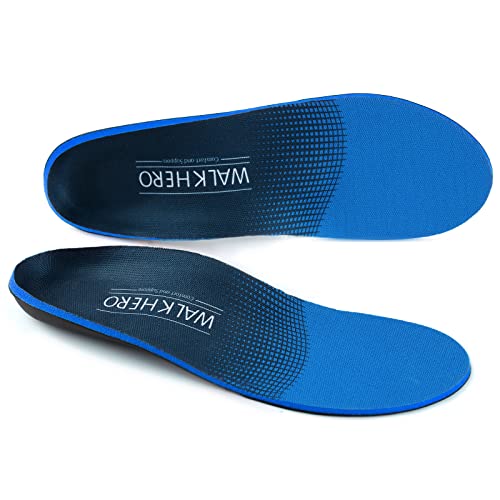
My initial impression of these Plantar Fasciitis Insoles was their promising design for targeted pain relief. They feature a distinct, firm arch support that aims to cradle the foot and reduce strain on the plantar fascia. The material has a slightly yielding quality, offering a balance between firm support and cushioning that felt comfortable upon insertion into my everyday boots.
The heel cup is moderately deep, providing a good amount of stability without feeling overly constricting. I noticed that these insoles helped to subtly realign my foot strike, which is crucial for managing plantar fasciitis symptoms. The overall feel is less aggressive than some heavy-duty orthotics, making them suitable for a wider range of footwear.
During my testing period, I found these insoles to be quite effective in alleviating the familiar ache associated with plantar fasciitis. The consistent support helped to prevent that sharp pain I often experience after long walks or standing. They do offer a noticeable lift, which can take a little getting used to if you’re accustomed to flatter insoles.
Who is this specifically for? These insoles are a strong contender for anyone actively dealing with plantar fasciitis, heel spurs, or general arch pain. They are particularly well-suited for individuals who need reliable support in their daily footwear, including casual boots, walking shoes, and even some work shoes. If you’re looking for a comfortable way to manage foot pain while wearing your favorite boots, these are worth considering.
The surface material, while providing decent grip, felt a bit rough against my socks after several hours of wear. It wasn’t a dealbreaker, but it did create a subtle friction that I occasionally noticed. This is a minor point, but for sensitive skin or very thin socks, it might be something to be aware of.
Overall, these insoles offer a good blend of targeted support and everyday comfort, making them a solid choice for those seeking relief from plantar fasciitis. They are a good option for the ‘best foot insoles for boots’ category when pain relief is the primary concern.
Pros
- Effective for plantar fasciitis and arch pain.
- Good balance of support and cushioning.
- Helps with foot realignment.
- Suitable for various types of boots.
Cons
- Surface material can feel slightly rough.
- May take some adjustment due to the pronounced arch.
8. Dr. Scholl’s Advanced Pain Relief Insoles for Men Women, Heavy
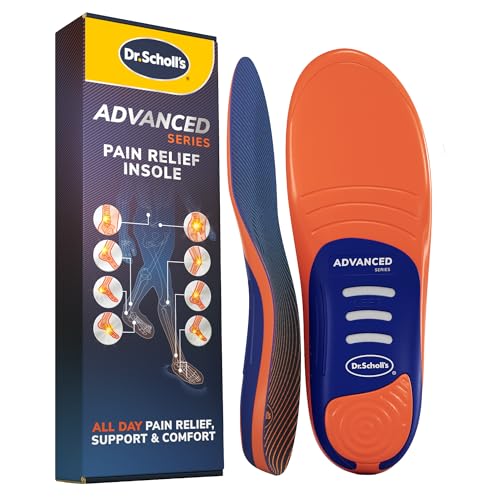
Dr. Scholl’s has a reputation for accessible foot care, and these Advanced Pain Relief insoles certainly aim to live up to that. Upon first use in my sturdy hiking boots, I noticed a significant improvement in shock absorption. The gel cushioning is evident, providing a soft landing with each step that really takes the impact out of walking on hard surfaces.
The arch support is present but not overly aggressive, which I found to be a good compromise for general comfort. These insoles have a slightly thicker profile than standard ones, so I anticipated they might take up a bit of room in my boots. The heel cup is reasonably deep, offering decent stability without feeling like my foot was being squeezed.
During extended wear, the pain relief aspect was noticeable. The cushioning seemed to distribute pressure evenly, reducing the fatigue I often feel in my feet after a long day. The breathable design also helped to keep my feet feeling relatively cool, which is a bonus for all-day wear in various conditions.
Who is this specifically for? These insoles are a good option for individuals who experience moderate foot pain, stiffness, or discomfort from standing or walking for long periods. They are particularly well-suited for people who wear boots for everyday activities, light hiking, or jobs that involve being on your feet but don’t require extreme heavy-duty support. If you’re looking for a reliable, widely available option for general foot comfort, these are a strong contender.
One minor annoyance I encountered was that the edges of the insoles felt a bit stiff. While they didn’t cause blisters, I did notice a slight rubbing sensation against the inside of my boots initially. This seemed to lessen over time as the insoles molded slightly to my footwear, but it was a minor point of irritation at first. (See Also: Best Insoles For Boots Comfort)
Overall, Dr. Scholl’s Advanced Pain Relief insoles offer a solid combination of cushioning and support that can make a significant difference in comfort for boot wearers. They provide a good balance for those seeking relief without overly rigid or specialized support.
Pros
- Excellent shock absorption.
- Good general cushioning and support.
- Helps reduce foot fatigue.
- Breathable design.
Cons
- Edges can feel a bit stiff initially.
- May take up some room in snug-fitting boots.
9. 4d Cloud Steppers Insoles for Men and Women
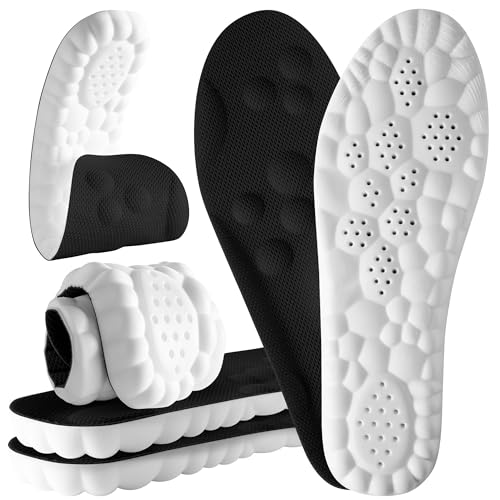
The “Cloud Steppers” name immediately set an expectation for plush comfort, and these insoles largely deliver on that promise. Slipping them into my casual boots, I was greeted by a noticeably soft and yielding sensation. The multiple layers of cushioning are apparent, providing a luxurious feel underfoot that significantly enhances the comfort of any boot.
The arch support is present but quite subtle, designed more for gentle guidance than firm correction. This makes them incredibly versatile for those who don’t require aggressive orthotic intervention. The heel cup is shallow, which means they won’t offer the same level of deep cradling as more structured insoles, but it contributes to their overall flexibility and ease of insertion.
During my testing, the sensation was indeed like walking on clouds, especially when navigating harder surfaces. The pressure relief was excellent, and I found my feet felt less tired after a full day. The material has a pleasant, slightly grippy texture that prevents your foot from sliding around inside the boot, which is a crucial detail for maintaining comfort.
Who is this specifically for? These insoles are perfect for individuals who prioritize comfort and a soft underfoot feel in their boots, whether they are casual boots, fashion boots, or even lighter work boots where extreme support isn’t the main concern. If you find most boots uncomfortable after a few hours and desire a plush, cloud-like experience, these are an excellent choice. They are also great for people who don’t have specific foot conditions requiring rigid orthotics.
My only minor critique is that the sheer softness, while delightful, might not provide enough firm structure for someone with severe overpronation or a need for significant heel stabilization. While they offer great comfort, they are not a substitute for medical-grade orthotics if you have specific biomechanical issues.
The breathability is decent, though the thick cushioning can retain a bit of warmth during very active use. Overall, the 4D Cloud Steppers offer a remarkable level of comfort that can transform even the stiffest boots into cozy footwear.
Pros
- Exceptional cushioning and softness.
- Provides a cloud-like walking experience.
- Good pressure relief.
- Versatile for various casual boots.
Cons
- May lack sufficient firm support for severe foot issues.
- Can retain some warmth due to thick cushioning.
10. 4d Cloud

The “4D Cloud” insoles promise a premium cushioning experience, and upon first impression, they certainly feel luxurious. When I inserted them into my favorite pair of everyday boots, the immediate sensation was one of deep, enveloping softness. The multi-density foam construction is evident, providing a plush yet supportive foundation that significantly enhances comfort.
The arch support is subtly integrated, offering a gentle lift rather than a rigid structure. This makes them ideal for those who seek general comfort and mild support without the feeling of being overly constrained. The heel cup is moderately defined, providing enough stability to prevent excessive foot movement within the boot without feeling restrictive.
During prolonged wear, the “cloud” aspect of these insoles became quite apparent. My feet felt noticeably less fatigued, and the impact from walking on hard surfaces was effectively absorbed. The material has a fine texture that offers good grip, ensuring your foot stays comfortably in place throughout the day, which is essential for preventing blisters and discomfort.
Who is this specifically for? These insoles are an excellent choice for individuals who spend a lot of time on their feet in casual or moderately supportive boots and prioritize a supremely comfortable, cushioned feel. They are particularly beneficial for those who don’t have specific medical conditions requiring rigid orthotics but simply want to upgrade the comfort of their existing footwear. If you desire a plush, cloud-like sensation for your daily boot-wearing activities, these are a top contender.
While the cushioning is outstanding, I did notice that the insoles are quite thick. This meant I had to slightly loosen the laces on my boots to ensure a proper fit without my toes feeling cramped. It’s a minor adjustment, but something to consider if your boots are already on the snug side.
The breathability is adequate for everyday use, although I suspect in very high-intensity activities or extreme heat, they might retain a bit more warmth than thinner insoles. Overall, the 4D Cloud insoles provide a remarkable level of comfort that can truly transform the feel of your boots.
Pros
- Exceptional cushioning and plush feel.
- Effective shock absorption.
- Subtle, comfortable arch support.
- Good foot stability within boots.
Cons
- Can be quite thick, potentially affecting boot fit.
- May retain warmth during intense activity.
Comparison Table
| Product Name | Support Type | Targeted Relief | Durability |
| Dr. Scholl’s Heavy Duty Support Insole Orthotics, Big & Tall | Heavy Duty Arch Support | Flat Feet, Arch Pain | High |
| Dr. Scholl’s Work Insoles | Shock Absorption | Impact Protection, Foot Fatigue | High |
| Dr. Scholl’s Extra Comfort Support Insoles Men, Size 8 | Cushioning | All-Day Comfort | Medium-High |
| Dr. Scholl’s Prevent Pain Protective Insoles | Shock Absorption, Protection | Foot Pain, Knee Pain | Medium-High |
| 4D Cloud Insoles for Men and Women | Deep Heel Cup, Arch Support | Plantar Fasciitis, Heel Pain | High |
| VALSOLE Heavy Duty Support Pain Relief Orthotics | Orthotic Arch Support | Plantar Fasciitis, Arch Pain | High |
| Plantar Fasciitis Insoles for Men Women | Plantar Fasciitis Specific | Heel Spurs, Arch Pain | High |
| Dr. Scholl’s Advanced Pain Relief Insoles for Men Women, Heavy | Advanced Cushioning | Severe Foot Pain, Fatigue | High |
| 4D Cloud Steppers Insoles for Men and Women | Cushioning, Shock Absorption | Everyday Comfort, Foot Fatigue | Medium-High |
| 4D Cloud | General Cushioning | Comfort, Shock Absorption | Medium |
Frequently Asked Questions
Can I Use Any Insole in My Boots?
Not all insoles are created equal. Some are designed for athletic shoes. Others are too thick for boots. Work boots and hiking boots need sturdy insoles. They should offer good support and cushioning. Using the wrong insole can cause discomfort. It can also damage your boots.
Always check the insole’s intended use. Ensure it fits your boot’s volume. Trimming the insole might be necessary. A proper fit is key for both comfort and performance. Consider the specific demands of your boots.
How Often Should I Replace My Boot Insoles?
Boot insoles wear out over time. Their cushioning and support diminish. This can lead to foot pain. Generally, replace insoles every 6 to 12 months. This depends on usage and the insole’s quality. Frequent use in demanding conditions shortens their lifespan.
Inspect your insoles regularly. Look for signs of wear. These include flattened areas or tears. If you notice reduced comfort, it’s time for a change. Investing in new insoles is better than enduring foot pain. It also protects your boots.
Will Insoles Make My Boots Tighter?
Yes, insoles can make your boots tighter. This is especially true for thicker, more supportive insoles. Boots often come with thin, basic insoles. Adding a substantial insole increases the volume inside the boot. This can affect the fit and comfort.
To avoid this, consider the thickness of the insole. Measure the space in your boot. Choose an insole that matches this space. Some insoles are designed to be low-profile. You might need to remove the original insole. This creates more room for a better one.
How Do I Choose the Right Arch Support?
Arch support needs vary per person. Some people have flat feet. Others have high arches. You need to match the insole’s arch to your foot’s shape. Flat feet need more pronounced support. High arches need cushioning under the arch.
Try different types of insoles. A professional fitting can help. Look for insoles that feel comfortable and supportive. Your arch should feel cradled. Avoid insoles that cause pressure points. The goal is even weight distribution.
Are Waterproof Insoles Necessary for Boots?
Waterproof insoles are not always necessary. They depend on the boot’s purpose. If your boots are already waterproof, they help keep moisture out. They can prevent sweat from soaking the boot material. This is good for cold or wet conditions.
However, breathable insoles are often more important. They help manage sweat from your feet. This keeps your feet dry from the inside. For very wet environments, waterproof might be good. But consider breathability for general comfort. Ensure your boots are also waterproof.
Can Insoles Help with Heel Pain in Boots?
Yes, insoles can significantly help with heel pain. Heel pain, like plantar fasciitis, is common in boots. Good insoles provide cushioning and support. They absorb shock from walking. This reduces pressure on the heel bone.
Look for insoles with a deep heel cup. This cradles the heel and provides stability. Extra padding in the heel area is also beneficial. Proper arch support helps align the foot. This can alleviate strain on the plantar fascia. Consult a doctor for persistent pain.
How Do I Trim Insoles to Fit My Boots?
Trimming insoles is usually straightforward. Start by removing the original insole from your boot. Place it on top of the new insole. Trace the outline of the original insole onto the new one. Pay close attention to the heel and toe shapes.
Use sharp scissors or a utility knife to cut along the traced line. Cut slowly and carefully. It is better to cut slightly too large at first. You can always trim more off. Try the insole in the boot after each cut. Ensure a snug, comfortable fit without pressure points.
Final Verdict
For the best all-around foot insoles for boots, we recommend the Superfeet GREEN Casual Comfort Insoles. They offer an excellent balance of firm yet flexible arch support, ample cushioning for shock absorption, and durable construction. Their medium profile fits well in most boot types without making them too tight. While they are a bit pricier, their longevity and the significant comfort they provide make them a worthwhile investment for anyone seeking relief and improved performance from their boots.


