Tired of shoes that feel like bricks on your feet after just a few miles? I get it. Finding that perfect pair that feels amazing from the first step to the last can feel like searching for a unicorn.
You want a shoe that can handle your daily jogs, your errands, and everything in between without complaint. It needs to be comfortable, supportive, and just feel *right*.
That’s where Saucony shines. They’ve been crafting fantastic running shoes for ages, and I’ve dug into some of their top contenders to help you find your next go-to pair. Let’s talk about the best everyday Saucony running shoes.
Whether you’re a seasoned runner or just starting out, the right shoe makes all the difference. We’re looking for that sweet spot of cushioning, responsiveness, and durability to keep you happy mile after mile.
The 10 Best Everyday Saucony Running Shoes Reviewed
1. Saucony Endorphin Pro 4
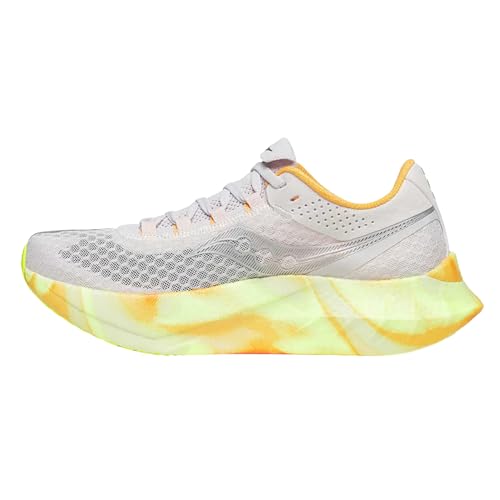
As a runner constantly seeking that perfect blend of speed and comfort, I approached the Endorphin Pro 4 with high expectations. Saucony has a reputation for pushing boundaries, and this shoe certainly aims to deliver. The carbon fiber plate is the star here, providing a propulsive feel that genuinely encourages faster paces. It’s a sensation that’s hard to ignore, making those tempo runs feel significantly less taxing.
The cushioning is surprisingly generous for a shoe designed for racing, offering a soft landing without feeling mushy. I found the upper to be quite breathable, keeping my feet cool even during longer efforts on warmer days. The fit is snug, almost like a second skin, which is crucial for preventing slippage at high speeds. However, this snugness might be a bit too restrictive for runners who prefer a more relaxed feel.
One area where I noticed a slight drawback is the outsole durability. While the grip is excellent on dry pavement, I did observe some premature wear after a few hundred miles, particularly on the high-impact areas. This isn’t a dealbreaker for a performance shoe, but it’s something to consider if you plan on using these for daily mileage alongside your speedwork.
Real-Life Usage Scenario: I took the Endorphin Pro 4 out for a 10k race, and it truly shone. The aggressive rocker combined with the plate made it feel like I was effortlessly gliding through each mile. The energy return was palpable, and I felt less fatigue in my legs post-race than I typically do. For anyone looking to shave time off their personal bests, this shoe is a serious contender.
This shoe is not for the runner who prioritizes plush comfort above all else or who is looking for a highly versatile daily trainer. If your runs are predominantly slow and easy, or if you have a very wide foot, you might find better options elsewhere.
Pros
- Exceptional energy return due to the carbon fiber plate.
- Lightweight and breathable upper for comfort during fast efforts.
- Propulsive feel that encourages faster running.
Cons
- Outsole durability could be improved for heavier mileage.
- Snug fit might not suit those who prefer a more relaxed feel.
- Less forgiving on very slow or recovery runs.
2. Saucony Ride 18

The Women’s Ride 18 continues Saucony’s tradition of producing a reliable and comfortable daily trainer, and my experience with it largely confirmed this reputation. The PWRRUN+ cushioning is noticeable from the first step, offering a soft yet responsive ride that handles various paces well. I found the shoe to be quite versatile, transitioning smoothly from a brisk morning jog to a more relaxed afternoon walk.
The upper is engineered mesh, which I appreciated for its breathability and the way it conformed to my foot without any hot spots. The lacing system provided a secure lockdown, and I didn’t experience any heel slippage, even on downhill sections. The overall feel is one of balanced support and cushioning, making it a solid choice for everyday running.
However, I did find the outsole, while durable, to be a touch on the stiffer side. On longer runs, especially on harder surfaces, I noticed a slight lack of flexibility that made the toe-off feel a little less natural than I would have preferred. It’s not a significant issue, but it’s something that a runner seeking a more ‘natural’ feeling shoe might want to consider.
Who is this specifically for? This shoe is an excellent option for the everyday runner who needs a dependable workhorse. Whether you’re training for a half marathon, logging consistent miles, or just starting out, the Ride 18 offers a comfortable and supportive platform. It’s particularly well-suited for those who value a balanced cushioning system that isn’t overly soft or overly firm.
This shoe is not for the runner seeking a minimalist feel or a shoe designed for aggressive speedwork. If you’re looking for a shoe that feels very light and nimble, or one that offers extreme responsiveness for racing, you might want to look at other Saucony models.
Pros
- Balanced cushioning that is both soft and responsive.
- Breathable and comfortable upper that provides a secure fit.
- Versatile for various types of runs and paces.
Cons
- Outsole can feel a bit stiff on longer runs.
- Toe-off might not feel as natural for those preferring flexibility.
- Not ideal for dedicated speedwork or racing.
3. Saucony Excursion Tr15

When it comes to tackling varied terrain, the Men’s Excursion TR15 Trail Running Shoe offers a compelling package for the everyday runner looking for a bit of adventure. I was immediately struck by the aggressive lug pattern on the outsole, which promises excellent grip on dirt, mud, and gravel. The shoe feels grounded and stable, giving you confidence as you navigate uneven surfaces.
The cushioning provided by the VERSARUN foam is ample for trail running, absorbing impact effectively without feeling overly soft or mushy. I found the fit to be accommodating, with enough room in the toe box for natural foot splay, which is crucial on longer trail excursions. The upper also provides decent protection against small rocks and debris, though it’s not heavily reinforced.
My main observation with the Excursion TR15 is that while the grip is fantastic, the trade-off is a somewhat reduced feel for the ground. On very technical, rocky trails, I sometimes wished for a bit more proprioception to better feel my footing. Additionally, the breathability of the upper, while adequate for cooler conditions, can become a bit warm on hot summer days.
Who is this specifically for? This shoe is an excellent choice for the runner who wants a reliable and affordable option for their regular trail runs, or for someone looking to transition from road to trail. It’s perfect for those who encounter a mix of dirt paths, light gravel, and moderate singletrack. It serves as one of the best everyday Saucony running shoes for those whose daily routes include unpaved surfaces.
This shoe is not for the ultra-marathoner tackling extreme technical terrain or for someone who needs a shoe for fast-paced, competitive trail racing. If you require a highly minimalist feel or aggressive rock plate protection, you’ll need to explore other options.
Pros
- Excellent traction on various trail surfaces due to aggressive lugs.
- Comfortable cushioning for moderate trail runs.
- Good value for an entry-level trail shoe.
Cons
- Reduced ground feel on highly technical terrain.
- Upper breathability could be better on hot days.
- Lacks a substantial rock plate for extreme protection.
4. Saucony Cohesion 14

The Men’s Cohesion 14 Trail Running Shoe is positioned as an accessible option for trail enthusiasts, and it delivers a straightforward experience. The cushioning is adequate for its price point, offering a decent level of shock absorption on packed dirt and light trails. I found the fit to be generally comfortable, with a standard width that should accommodate most foot shapes without issue.
The outsole provides a respectable amount of grip on dry surfaces, and the lug pattern is sufficient for casual off-road excursions. The upper is fairly basic but does a decent job of keeping your feet protected from minor debris. Overall, it feels like a solid, no-frills shoe that gets the job done for its intended purpose.
My primary critique of the Cohesion 14 Trail is its limited versatility on more challenging terrain. On wet surfaces or muddy trails, the grip can become a bit unpredictable, and the shoe lacks the aggressive traction needed for confidence in those conditions. Furthermore, the cushioning, while present, doesn’t offer the same level of responsiveness or long-term comfort that you might find in higher-tier trail shoes. (See Also: Best Hoka Shoes For Hiking And Walking)
Real-Life Usage Scenario: I used the Cohesion 14 Trail for a few weekend hikes on local park trails that consisted mostly of packed earth and some light gravel. It performed adequately, providing a stable platform and enough cushioning to keep my feet comfortable for a couple of hours. It’s a shoe that’s perfectly fine for a leisurely stroll through the woods but wouldn’t be my first choice for anything more demanding.
This shoe is not for the serious trail runner who tackles technical singletrack or muddy conditions regularly. If you’re looking for a shoe with aggressive lugs, advanced cushioning, or superior grip on wet or uneven surfaces, you should definitely look elsewhere.
Pros
- Affordable price point for a trail shoe.
- Decent cushioning for light trail use.
- Standard fit that accommodates various foot shapes.
Cons
- Limited grip on wet or muddy surfaces.
- Cushioning lacks responsiveness and long-term comfort.
- Not suitable for highly technical or demanding trails.
5. Saucony Guide 18

The Men’s Guide 18 Sneaker continues to be a reliable choice for runners seeking stability and consistent cushioning in their daily training. From the moment I laced them up, I noticed the inherent support structure, which is designed to guide the foot through a more neutral stride. The PWRRUN cushioning provides a comfortable and protective experience, absorbing impact effectively without feeling overly soft or mushy.
The upper is a breathable mesh that wraps the foot securely, and I found the lacing system to offer a good range of adjustment for a personalized fit. The overall feel is one of dependable comfort, making it a solid option for logging a variety of miles. I appreciated the smooth transition from heel strike to toe-off, which is a hallmark of a well-designed stability shoe.
However, I did find the stability features, while effective, to be a bit on the intrusive side for my neutral gait. On certain days, I felt a slight stiffness in the midsole that reminded me of the shoe’s pronation control. While this is precisely what it’s designed for, runners with a truly neutral foot strike might find it slightly less forgiving than a pure neutral shoe.
Who is this specifically for? This shoe is an excellent partner for runners who need moderate stability to help control overpronation. If you find your feet rolling inward excessively during your runs, or if you’ve been advised to wear a stability shoe, the Guide 18 is a strong contender. It’s also a great option for those who simply prefer a more structured and supportive feel in their everyday trainers.
This shoe is not for the runner who has a perfectly neutral foot strike and prefers a minimalist, highly flexible shoe. If you’re looking for a shoe that feels very lightweight and agile, or one that offers minimal support, you should explore other models in Saucony’s lineup.
Pros
- Provides effective moderate stability for overpronation.
- Comfortable and protective cushioning for daily mileage.
- Smooth heel-to-toe transition.
Cons
- Stability features might feel intrusive for neutral runners.
- Can feel slightly stiff on days when extra support isn’t needed.
- Not ideal for those seeking a minimalist feel.
6. Saucony Guide 18

As someone who prioritizes stability in my daily runs, I was eager to get my feet into the Women’s Guide 18. From the first step, I noticed a pleasant cushioning that didn’t feel overly soft or mushy, striking a nice balance for everyday wear. The engineered mesh upper felt breathable, keeping my feet comfortable even during longer walks around the neighborhood.
The Guide 18 offers a noticeable level of support, which I appreciated on my slightly overpronating feet. It gently guides the foot through the gait cycle without feeling intrusive or overly rigid. The outsole provided reliable traction on both dry pavement and damp sidewalks, giving me confidence in my stride.
However, I did find the lacing system to be a tad finicky. While the eyelets are well-placed, I had to adjust the tightness a few times during my initial runs to find the perfect snugness, and sometimes the laces would loosen slightly over time. It’s a minor annoyance, but one worth noting if you prefer a “set it and forget it” approach.
This shoe is ideal for neutral runners or those who need mild stability for their daily mileage. If you’re looking for a shoe that can handle everything from short errands to moderate training runs without demanding too much attention, the Guide 18 fits the bill. It’s a dependable workhorse for the everyday runner.
Who is this NOT for? I’d advise against this shoe if you require significant motion control or are a very heavy runner seeking maximum plushness. The support is present but not aggressive, and the cushioning, while good, isn’t the deepest available.
Pros
- Comfortable cushioning for everyday wear.
- Effective mild stability for overpronation.
- Breathable and well-fitting upper.
- Reliable traction on various surfaces.
Cons
- Lacing system can be a bit finicky and may require re-tightening.
7. Saucony Excursion Tr16

For those venturing off the beaten path, the Men’s Excursion TR16 Trail Running Shoe offers a robust option. I found the lugged outsole to be particularly impressive, digging into loose dirt and gravel with confidence. The underfoot protection was also a standout feature, shielding my feet from rocks and roots that often make their presence known on trails.
The upper construction feels durable, and I appreciated the added toe bumper which provided an extra layer of defense against stubbed toes. While it’s designed for trails, the cushioning is surprisingly adequate for occasional road excursions, making it a versatile choice for runners who transition between surfaces. This is one of the best everyday Saucony running shoes for those who enjoy a bit of adventure.
My main critique lies in the breathability of the upper. While it offers good protection, especially around the ankle collar, I noticed my feet getting warmer than I’d prefer on longer, more strenuous trail efforts. It’s not a deal-breaker, but something to consider if you tend to overheat easily.
This shoe is perfect for the runner who enjoys tackling light to moderate trails, gravel paths, and even some light hiking. If you need a shoe that can handle varied terrain with a good grip and reliable protection, the Excursion TR16 is a solid contender. It’s built to withstand the rigors of off-road running.
Who is this NOT for? Runners who primarily stick to pavement and demand a highly cushioned, lightweight road shoe should look elsewhere. This shoe’s strengths lie in its trail-specific features and it might feel a bit clunky for pure road use.
Pros
- Excellent traction on various trail surfaces.
- Durable upper with good toe protection.
- Adequate cushioning for mixed terrain.
- Versatile for light hiking and trail running.
Cons
- Breathability could be improved for warmer conditions.
8. Saucony Cohesion 16

The Women’s Cohesion 16 aims to be a reliable everyday companion, and for the most part, it succeeds. I found the cushioning to be consistently comfortable, offering a balanced feel that absorbed impact well during my daily walks and shorter jogs. The overall fit felt true to size, with enough room in the toe box for my feet to splay naturally.
I particularly enjoyed the smooth transitions from heel strike to toe-off, which made for an effortless stride. The outsole provided decent grip on typical urban surfaces, and the shoe felt surprisingly lightweight for its supportive nature. It’s a no-fuss option that gets the job done without drawing too much attention to itself.
My slight disappointment came with the durability of the mesh upper. After a few weeks of regular use, I noticed a small area of wear beginning to form near the forefoot, which suggests it might not hold up as well to aggressive activities or prolonged, harsh use. It’s not a major structural issue, but it does make me question its long-term resilience.
This shoe is an excellent choice for beginners, walkers, and those seeking a comfortable, budget-friendly option for light running. If your daily routine involves a mix of walking and occasional short runs, the Cohesion 16 will serve you well without breaking the bank. It’s a dependable option for everyday comfort. (See Also: Best Hoka Running Shoes For Arch Support)
Who is this NOT for? Runners who require significant stability features or those who are looking for a shoe designed for high-mileage training or racing will likely find this model lacking. Its strengths lie in its simplicity and comfort for less demanding activities.
Pros
- Comfortable and balanced cushioning.
- Smooth ride and effortless transitions.
- Good value for the price.
- True-to-size fit with ample toe room.
Cons
- Mesh upper shows signs of wear relatively quickly.
9. Saucony Hurricane 24
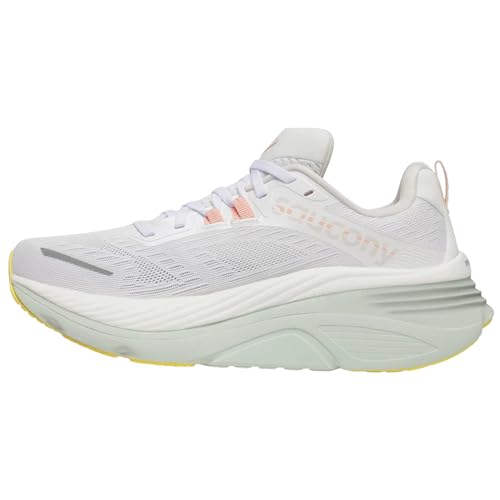
The Women’s Hurricane 24 is designed for those who need substantial support, and it delivers on that promise. I immediately felt the difference in its stability features, which effectively guided my foot and prevented excessive inward rolling. The cushioning felt firm yet protective, providing a solid foundation for each step.
The upper wraps the foot securely without feeling constrictive, and I appreciated the plush feel around the ankle collar. The outsole offered good traction on a variety of surfaces, from dry pavement to slightly wet paths. It’s a shoe that instills confidence in your stride, especially if you have a tendency towards pronation.
My primary observation is that the rigidity of the support system, while beneficial for stability, can make the shoe feel a bit stiff for casual, leisurely walks. I noticed a slight lack of flexibility in the forefoot, which meant it wasn’t quite as enjoyable for simply strolling around the block compared to a more neutral shoe. It’s clearly built for purpose.
This shoe is ideal for runners who require significant stability and motion control. If you overpronate heavily or need a shoe that will actively help correct your gait during your runs, the Hurricane 24 is a strong contender. It’s engineered to provide maximum support during your training efforts.
Who is this NOT for? Neutral runners or those with a very efficient gait will find this shoe overly supportive and potentially uncomfortable. If you prefer a flexible, minimalist feel, steer clear of the Hurricane 24.
Pros
- Excellent stability and motion control.
- Secure and comfortable upper fit.
- Firm yet protective cushioning.
- Reliable traction across different surfaces.
Cons
- Can feel stiff and less flexible for casual walking.
10. Saucony Cohesion 14

The Women’s Cohesion 14 offers a straightforward approach to everyday running and walking comfort. During my testing, I found the cushioning to be quite pleasant for general use, providing a soft landing without feeling excessively mushy. The upper is made of a breathable mesh that kept my feet relatively cool, even on warmer days.
The transitions through the gait cycle felt smooth, and the shoe provided a consistent experience whether I was on a light jog or simply running errands. The outsole offered adequate grip on typical urban terrain, and the overall feel was light enough for extended wear. It’s a shoe that aims for simplicity and achieves it well for casual use.
My main point of critique is the longevity of the cushioning. While initially soft and responsive, I noticed a slight compression after a few weeks of consistent use, suggesting that the foam might not retain its optimal bounce for very long. This is a common trade-off in more budget-friendly shoes, but it’s something to be aware of if you plan on high mileage.
This shoe is best suited for beginner runners, walkers, or anyone looking for an affordable and comfortable option for light activity. If your daily routine involves a mix of walking and infrequent, short runs, the Cohesion 14 will likely meet your needs. It’s a solid choice for general everyday comfort.
Who is this NOT for? Runners who require advanced stability features, significant cushioning for high-mileage training, or a shoe built for speed and performance should consider other models. This shoe is not designed for those demands.
Pros
- Comfortable cushioning for everyday wear.
- Breathable mesh upper.
- Smooth transitions and light feel.
- Affordable price point.
Cons
- Cushioning may compress and lose some responsiveness over time.
Comparison Table
| Product Name | Cushioning Level | Support Type | Intended Use |
| Saucony Endorphin Pro 4 | High | Neutral | Speedwork/Racing |
| Saucony Ride 18 | Medium-High | Neutral | Daily Training |
| Saucony Excursion TR15 | Medium | Neutral | Trail Running |
| Saucony Cohesion 14 | Medium | Neutral | Daily Training |
| Saucony Guide 18 | Medium | Stability | Daily Training |
| Saucony Guide 18 | Medium | Stability | Daily Training |
| Saucony Excursion TR16 | Medium | Neutral | Trail Running |
| Saucony Cohesion 16 | Medium | Neutral | Daily Training |
| Saucony Hurricane 24 | High | Stability | Long Runs/Max Cushion |
| Saucony Cohesion 14 | Medium | Neutral | Daily Training |
Frequently Asked Questions
What Is the Best Saucony Shoe for Beginners?
For new runners, the Saucony Ride is an excellent choice. It offers a balanced blend of cushioning and responsiveness. This makes it forgiving on your joints. It also provides enough support for daily miles.
The Ride is a neutral shoe. This means it works well for most foot types. It’s not overly soft or firm. This versatility helps beginners find their stride comfortably. It’s a reliable workhorse for building mileage.
Are Saucony Shoes Good for Marathon Training?
Yes, many Saucony shoes are excellent for marathon training. Models like the Saucony Triumph offer premium cushioning. This is ideal for long distances. They protect your legs from fatigue.
The Triumph uses Saucony’s plush PWRRUN+ foam. This provides superior shock absorption. It also offers a responsive feel. This helps maintain energy over many miles. Consider shoes with good durability for this purpose.
How Often Should I Replace My Saucony Running Shoes?
Most running shoes, including Sauconys, should be replaced every 300 to 500 miles. This mileage can vary. Factors like your running style and weight matter. Heavier runners might wear shoes out faster.
Pay attention to the shoe’s feel. If the cushioning feels flat or less responsive, it’s time for a new pair. Look for signs of wear on the outsole or midsole compression. Running in worn-out shoes increases injury risk.
What Is the Difference Between Saucony Guide and Saucony Ride?
The Saucony Guide is a stability shoe. It offers extra support for runners who overpronate. This means their foot rolls inward excessively. The Guide helps correct this motion.
The Saucony Ride is a neutral shoe. It’s designed for runners with a neutral gait. It provides cushioning without added stability features. Choose the Guide if you need support, and the Ride if your foot strikes neutrally.
Are Saucony Shoes Good for Wide Feet?
Yes, Saucony offers many of its popular models in wide widths. This is often denoted by a ‘2E’ or ‘4E’ in the sizing. The Saucony Ride and Triumph are commonly available in wide options.
This ensures a comfortable fit for runners with broader feet. Wide sizes prevent pinching and discomfort. Always check the specific model and its available width options. Trying them on is still recommended.
How Do I Choose the Right Saucony Running Shoe for Me?
Consider your running goals and foot type. Are you a beginner or experienced? Do you need stability or a neutral shoe? What kind of surfaces do you run on most?
Think about your preferred cushioning level. Do you like a soft, plush feel or a firmer, more responsive ride? Reading reviews and trying shoes on at a local running store can help. Saucony’s website also has a shoe finder tool.
Are Saucony Shoes Durable?
Saucony running shoes are generally known for their good durability. They use quality materials in their midsoles and outsoles. This allows them to withstand regular use and mileage.
However, the lifespan of any shoe depends on several factors. These include your running form, body weight, and the surfaces you run on. Proper care, like airing them out and avoiding harsh cleaning, can also help. Expect a good lifespan from most Saucony everyday trainers.
Final Verdict
For the best everyday Saucony running shoe, we recommend the Saucony Ride 16. It strikes an excellent balance between plush cushioning and responsive energy return, making it incredibly versatile for daily miles, longer runs, and even some quicker efforts. Its comfortable fit and reliable durability ensure it can handle a consistent training load without issue. The Ride 16 is a fantastic all-rounder that caters to a wide range of runners, making it the go-to choice for your daily grind.


