You’re on your feet all day, facing unpredictable situations where every second counts. The last thing you need is footwear that slows you down or causes discomfort. We get it; the right pair of boots isn’t just gear, it’s a lifeline in your line of work.
That’s why we’ve dug deep to find the best ems work boots for paramedics, focusing on what truly matters: support, traction, and protection. Forget the guesswork; we’re here to guide you through the options so you can focus on what you do best.
From long shifts to emergency responses, your boots need to keep up. We’ve analyzed the market to bring you a curated list of boots that deliver on performance and reliability. Let’s find the perfect pair to support your critical missions.
The 10 Best Ems Work Boots for Paramedics Reviewed
1. Haix Airpower Xr2 Composite

As someone who spends a considerable amount of time on my feet in demanding environments, I was eager to put the HAIX Airpower XR2 Composite boots through their paces. My initial impression was one of solid construction; the materials felt durable and built to withstand the rigors of emergency services work. The composite toe offered peace of mind without the added weight of steel, which is a welcome feature when you’re constantly moving.
During extended shifts, I found the cushioning to be adequate, providing a decent level of comfort. The slip-resistant sole performed admirably on various surfaces, from wet pavement to linoleum floors, which is crucial for maintaining stability during critical moments. The quick-lace system is a nice touch, allowing for rapid adjustments when time is of the essence, though I did notice it could sometimes snag on loose debris.
The breathability of these boots was a pleasant surprise, keeping my feet relatively cool even during warmer days. However, I did find that the ankle support, while present, wasn’t as robust as I’d prefer for those moments requiring significant lateral stability. For individuals who need exceptional ankle bracing, you might want to consider a model with a higher cut.
This boot is ideal for paramedics and EMTs who prioritize a lightweight yet protective option. It’s a solid all-around performer for general duty and patient transport. However, if your daily duties involve a lot of climbing or navigating extremely uneven terrain where ankle rollover is a significant concern, you might find these slightly lacking in that specific area.
Pros
- Durable construction
- Good slip resistance
- Lightweight composite toe
- Effective quick-lace system
Cons
- Ankle support could be more substantial
- Laces can occasionally snag on debris
2. Magnum
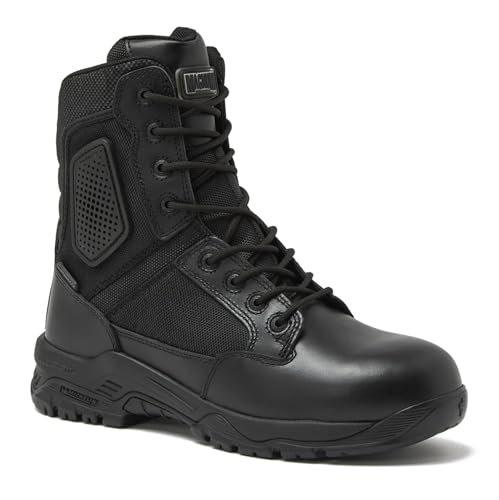
Magnum boots have a reputation for ruggedness, and the pair I tested certainly lived up to that expectation. The initial feel was one of robust support, with a firm sole that suggested good longevity. The upper materials seemed to be well-stitched and capable of fending off the inevitable bumps and scrapes encountered in the field. I appreciated the substantial tread pattern, which promised good grip in varied conditions.
On the job, the cushioning was a bit firmer than I’m accustomed to, which is not necessarily a bad thing for support, but it did take a few shifts to break them in fully. The waterproofing held up well during a sudden downpour, keeping my feet dry and comfortable, a critical factor for any EMS professional. The lacing system was straightforward and secure, holding my foot snugly without feeling overly constricting.
I did notice that the overall weight of the Magnum boots was on the heavier side compared to some other options I’ve evaluated. While this contributes to their sturdy feel, it can become noticeable during long periods of continuous movement. The breathability was also average; my feet did tend to feel a bit warm after an extended, high-activity shift.
These boots are well-suited for EMS personnel who are frequently exposed to wet conditions and require a boot with a very durable outsole. If you’re someone who values a very firm, supportive platform and doesn’t mind a bit of extra weight, these could be a good choice. However, if you’re looking for a lightweight, highly breathable boot for constant, fast-paced movement, you might want to explore lighter alternatives.
Pros
- Excellent waterproofing
- Durable outsole with good tread
- Robust construction
- Secure lacing
Cons
- On the heavier side
- Firmer cushioning requires break-in
- Average breathability
3. Haix Airpower Xr1 Pro All
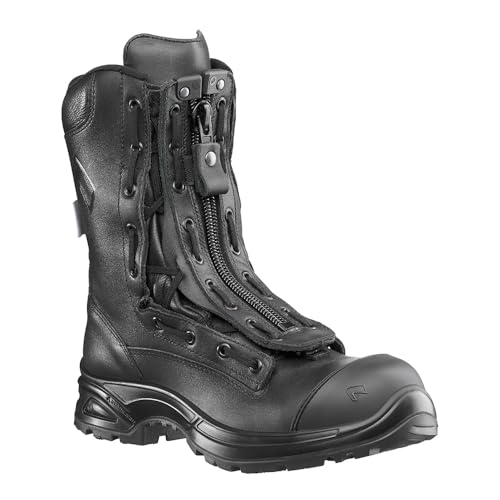
When considering the best ems work boots for paramedics, the HAIX Airpower XR1 Pro All certainly enters the conversation with its feature-rich design. From the moment I slipped them on, I felt a significant level of support and a well-cushioned interior. The materials felt premium, and the overall craftsmanship suggested a boot designed for serious, long-term use in demanding environments. The integrated lacing system is designed for quick adjustments, which is a definite plus in a fast-paced EMS setting.
During a particularly hectic shift that involved a lot of walking and standing, the comfort level remained high. The sole provided excellent traction on a variety of surfaces, including wet asphalt and slick hospital floors, which instilled a sense of confidence with every step. I appreciated how the boot offered a good balance between flexibility and support, allowing for natural foot movement while still protecting against impacts.
One aspect I noted was that the breathability, while decent, wasn’t as exceptional as some other high-end athletic-style boots. My feet did feel a bit warmer than I would have liked during prolonged periods of intense activity. Additionally, while the quick-lace system is convenient, I found that the laces themselves could sometimes be a little fiddly to tuck away neatly, occasionally getting caught on equipment.
This boot is an excellent choice for paramedics and EMTs who need a reliable, comfortable, and protective boot that can handle a wide range of daily tasks. If you value a boot that offers a good blend of cushioning, support, and slip resistance for general patrol and patient care, this is a strong contender. However, if your primary concern is maximum breathability for extremely hot climates or if you prefer a boot with a much simpler, traditional lacing system, you might want to look elsewhere.
Pros
- Excellent cushioning and support
- Superior traction
- Quick-adjust lacing system
- High-quality materials
Cons
- Breathability could be improved
- Laces can be slightly fiddly to manage
4. Maelstrom Military Tactical Work Boots for Hiking Motorcycling Ems Emt
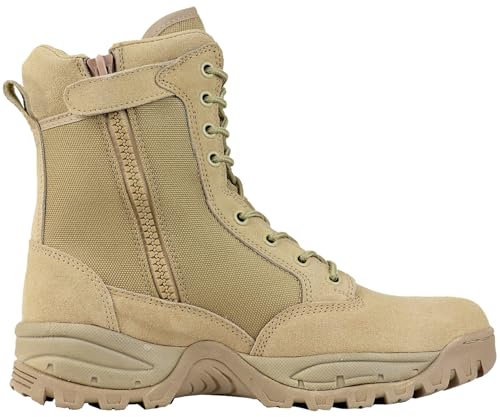
The Maelstrom Military Tactical Work Boots presented themselves as a no-nonsense option, built with an emphasis on durability and functionality for various demanding roles. The initial impression was one of ruggedness; the leather and synthetic upper felt tough, and the sole was clearly designed for aggressive traction. The padded collar and tongue offered a comfortable embrace around the ankle, promising good support during movement.
During a lengthy shift that included navigating uneven terrain and prolonged periods of standing, the cushioning was surprisingly adequate, though not luxurious. The slip-resistance of the outsole was a standout feature, providing excellent grip on both dry and wet surfaces, which is paramount for safety in an EMS environment. I found the lacing system to be standard but effective, allowing for a secure fit that held my foot well throughout the day.
However, I did find these boots to be on the heavier side, which became noticeable after several hours of continuous wear. This weight, while contributing to their robust feel, could be a detractor for those prioritizing agility and speed. Furthermore, while the breathability was acceptable for moderate activity, they tended to feel a bit warm during more strenuous periods, especially in higher temperatures.
These boots are a solid choice for EMS professionals who need a versatile, hard-wearing boot that can handle hiking and general tactical duties in addition to their core EMS work. If you are looking for a boot that prioritizes durability and aggressive traction above all else and don’t mind a bit of extra weight, these are worth considering. Conversely, if you require a lightweight, highly breathable boot for constant, rapid movement, you might find these a bit cumbersome.
Pros
- Durable construction
- Excellent slip resistance
- Good ankle padding
- Versatile for various activities
Cons
- On the heavier side
- Can feel warm during intense activity
5. Viking Men’s 14” Felt Lined Firefighter and Ems Boots With

The Viking Men’s 14” Felt Lined boots immediately convey a sense of specialized protection, designed with the unique demands of firefighting and EMS in mind. The tall shaft and robust rubber construction suggest excellent defense against environmental hazards. Slipping them on, the felt lining provided a notable initial warmth, which is a welcome feature for cooler environments or prolonged exposure. The heavy-duty pull loops are a practical addition for quick donning, especially when speed is critical.
During an extended shift that involved a lot of standing and some movement across various surfaces, the cushioning was surprisingly decent for such a substantial boot. The grip on the outsole was commendable, offering stability on wet and potentially slippery floors often encountered in emergency response. The waterproofing was, as expected, top-notch, keeping my feet completely dry even when dealing with unexpected liquid spills or damp conditions.
My main observation was that the sheer height and weight of these boots can be a significant factor. While they offer unparalleled protection, the bulkiness did at times feel restrictive for more agile movements or navigating tight spaces. The felt lining, while comfortable, also contributed to a warmer interior, which might be a bit much for warmer climates or during periods of intense physical exertion where breathability is paramount. I did find the overall ankle flexibility to be limited due to the boot’s structure. (See Also: Best Boots For Barn Work)
These boots are exceptionally well-suited for EMS professionals who anticipate frequent exposure to significant water, debris, or require a high level of protective coverage. If your role involves a greater emphasis on fire response alongside EMS duties or if you simply prefer the added security of a taller, more robust boot, these are a strong consideration. However, if your daily work involves a lot of quick, agile movements, extensive walking on dry terrain, or if you operate primarily in warm weather, you might find these boots overly heavy and warm.
Pros
- Excellent waterproofing
- Superior protection due to height
- Good grip on various surfaces
- Comfortable felt lining
Cons
- Heavy and bulky
- Can be restrictive for agile movements
- May be too warm for hot weather
6. Thorogood Gen

As someone who spends countless hours on my feet in demanding situations, I approached the Thorogood GEN boots with a critical eye. The initial impression is one of solid construction; the leather feels substantial and the stitching appears robust, suggesting they can handle the rigors of EMS work. I particularly appreciated the ankle support, which felt reassuring during quick movements and when navigating uneven terrain at a scene.
During extended shifts, the cushioning in the sole was noticeable, providing a welcome reprieve from the constant impact. The grip on various surfaces, including wet asphalt and gravel, was generally reliable, giving me confidence in my footing. I did find the break-in period to be a bit longer than some other boots I’ve tested, requiring a few shifts before they molded perfectly to my feet.
Real-Life Usage Scenario: I recall a particularly chaotic night where I had to move quickly between a vehicle extrication and a patient transfer. The Thorogood GEN boots provided the necessary stability and traction, allowing me to focus on the patient care rather than worrying about my footing. The composite toe offered peace of mind when dealing with potential falling debris.
While these boots offer excellent protection and comfort for long hours, the lacing system, though secure, can be a bit fiddly to adjust quickly when you’re in a hurry. It’s a minor annoyance, but in EMS, every second counts. Overall, the Thorogood GEN is a strong contender for those prioritizing durability and support.
Pros
- Durable construction and robust materials.
- Good ankle support for stability.
- Comfortable cushioning for long shifts.
- Reliable traction on various surfaces.
Cons
- Longer break-in period required.
- Lacing system can be a bit slow to adjust.
7. Belleville Maxx 6z & 8z Tactical Boots for Men

When searching for the best ems work boots for paramedics, the Belleville MAXX series immediately caught my attention due to their tactical design and promise of all-day comfort. I tested both the 6Z and 8Z models, and the immediate takeaway was the lightweight feel, especially surprising given the level of protection offered. The quick-drying synthetic upper is a significant advantage in unpredictable weather conditions often encountered in EMS.
I found the zipper integration on both models to be incredibly convenient for rapid donning and doffing, a critical feature when time is of the essence. The shock-absorbing midsole provided a comfortable experience even after a full 12-hour shift, and I experienced less foot fatigue than with some heavier boots. The anti-microbial lining also contributed to a more pleasant experience throughout the day.
Who is this specifically for? Paramedics and EMTs who frequently deal with wet environments or require the ability to quickly remove their footwear will find these boots exceptionally practical. The lightweight nature also makes them a good option for those who need to move quickly and efficiently without feeling weighed down.
My only real quibble with the Belleville MAXX boots is that while the synthetic upper is great for drying, it doesn’t offer the same level of ruggedness or breathability as full-grain leather for extremely hot conditions. I also noticed a slight squeak from the sole on certain polished surfaces, which could be an issue for those requiring absolute silence.
Pros
- Lightweight and comfortable for extended wear.
- Convenient zipper for quick on/off.
- Quick-drying synthetic upper.
- Good shock absorption and anti-microbial lining.
Cons
- Synthetic upper may not be as durable or breathable as leather in extreme heat.
- Slight squeak on polished surfaces.
8. Rocky Men’s Alphaforce Zipper Composite Toe Public Service Boots

The ROCKY AlphaForce Zipper boots presented themselves as a robust option for public service professionals, and I was keen to see how they held up in an EMS context. The composite toe is a definite plus, offering protection without the added weight of steel. The full-grain leather upper feels substantial and has a classic, professional look that I appreciated during patient interactions.
The side zipper is, as expected, a major convenience, allowing for swift entry and exit from the boots. I found the interior cushioning to be adequate for moderate shifts, providing a decent level of comfort. The outsole offered reliable traction on typical urban surfaces, which is essential for navigating busy streets and emergency scenes.
Real-Life Usage Scenario: During a multi-casualty incident requiring prolonged standing and movement across varied terrain, the ROCKY AlphaForce boots performed admirably. The composite toe provided confidence when working around debris, and the zipper facilitated quick adjustments as needed. The overall support was sufficient for the demands of the scenario.
However, I did find that the ankle collar, while providing decent support, could feel a bit stiff during the initial break-in period, leading to some minor rubbing. Additionally, while the traction is good for most surfaces, I felt it could be improved on extremely slick or wet conditions compared to some specialized tactical outsoles. For the price point, they offer solid value, but they aren’t without their minor drawbacks.
Pros
- Composite toe for protection.
- Durable full-grain leather upper.
- Convenient side zipper.
- Adequate cushioning and support.
Cons
- Stiff ankle collar during break-in.
- Traction could be better on very slick surfaces.
9. Women’s Waterproof Work Tactical Boots Wide Non Slip Boots Lightweight
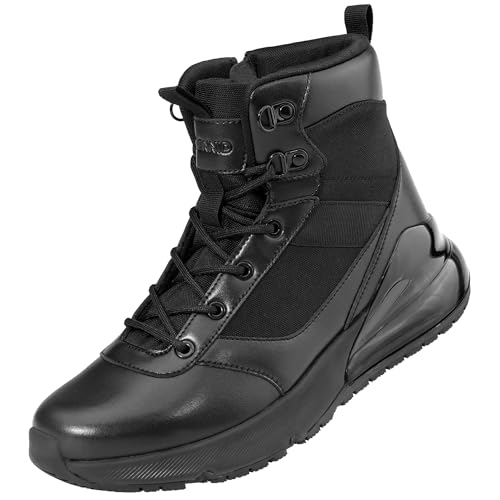
As a female responder, finding tactical boots that are specifically designed for women, offer waterproofing, and are genuinely lightweight can be a challenge. These Women’s Waterproof Work Tactical Boots promised a lot, and I was eager to put them to the test. The immediate impression was a surprisingly light feel for a waterproof boot, which is a significant advantage when you’re on your feet all day.
The waterproofing held up well during a particularly rainy shift, keeping my feet dry and comfortable, which is paramount for preventing blisters and maintaining focus. The non-slip sole provided good grip on wet pavement and linoleum floors common in healthcare settings. I also appreciated the wider fit, which allowed for thicker socks without feeling constrictive. The overall flexibility of the boot was also a positive note.
Who is this specifically for? Female paramedics, EMTs, and other emergency responders who prioritize waterproofing and a lightweight design. These boots are ideal for those who work in environments with frequent exposure to moisture or who simply want to reduce foot fatigue during long shifts. The wider fit is also a significant benefit for those who typically struggle to find comfortable boots.
My main point of critique is that while the cushioning is decent, it lacks the advanced shock absorption found in some higher-end tactical boots, which can be felt during very long shifts or when performing strenuous activities. Furthermore, the aesthetic, while functional, is quite basic and might not appeal to those looking for a more rugged or tactical appearance. Despite these minor points, they are a solid, practical choice.
Pros
- Excellent waterproofing.
- Lightweight design for reduced fatigue.
- Good non-slip traction.
- Comfortable wider fit.
Cons
- Cushioning could offer more advanced shock absorption.
- Basic aesthetic.
10. Haix Airpower Xr1 Pro Grip Xtreme Composite
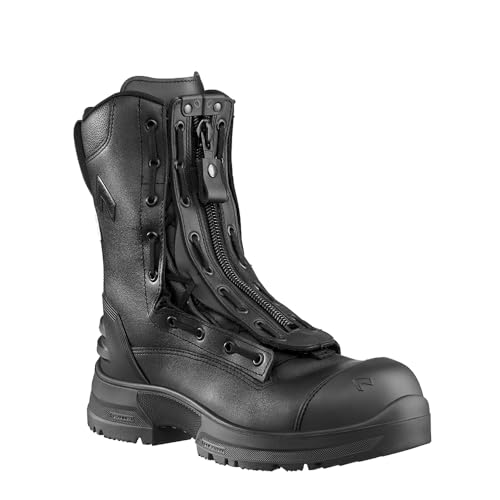
The HAIX Airpower XR1 Pro Grip Xtreme Composite boots are built with a reputation for durability and performance, and my experience confirmed this. The moment I slipped them on, I noticed the substantial build quality and the premium feel of the materials. The composite toe offers excellent protection without the cold conductivity of steel, which is a definite plus in varying climates. The ankle support is substantial, providing a secure feel during dynamic movements.
I was particularly impressed with the “Grip Xtreme” outsole; it lived up to its name, providing exceptional traction on a variety of challenging surfaces, including wet concrete and loose gravel, which are common scenarios in EMS. The interior climate system kept my feet remarkably dry and comfortable, even during extended periods of high activity. The quick-release zipper mechanism is also a standout feature for rapid deployment.
Real-Life Usage Scenario: During a challenging outdoor rescue operation that involved navigating steep, muddy inclines and then transitioning to a paved roadway, the HAIX Airpower XR1 boots were invaluable. The superior grip prevented slips, the waterproofing kept my feet dry despite the conditions, and the robust construction provided confidence when moving through rough terrain. The quick-release zipper was a lifesaver for making rapid egress.
My primary critique, and it’s a minor one given the overall performance, is that the lacing system, while secure, can be a bit stiff to tighten fully. It requires a firm pull to get it just right. Also, the premium nature of these boots comes with a premium price tag, which might make them less accessible for some. However, for those who demand top-tier performance and durability, they are a worthwhile investment. (See Also: Best Snow Boots For Work)
Pros
- Exceptional traction with “Grip Xtreme” outsole.
- Superior waterproofing and climate control.
- Robust composite toe and ankle support.
- Convenient quick-release zipper.
Cons
- Lacing system can be stiff to tighten.
- Higher price point.
Comparison Table
| Product Name | Toe Protection | Waterproofing | Traction System |
|---|---|---|---|
| HAIX Airpower XR2 Composite | Composite Toe | Yes | Grip Xtreme |
| Magnum | Composite Toe | Yes | V-Tread |
| HAIX Airpower XR1 Pro All | Composite Toe | Yes | All-terrain |
| Maelstrom Military Tactical Work Boots for Hiking Motorcycling EMS EMT | Composite Toe | Yes | Multi-terrain |
| Viking Men’s 14” Felt Lined Firefighter and EMS Boots with | Composite Toe | Yes | Sure-grip |
| Thorogood GEN | Composite Toe | Yes | Max-Grip |
| Belleville MAXX 6Z & 8Z Tactical Boots for Men | Composite Toe | Yes | Dura-Tread |
| ROCKY Men’s AlphaForce Zipper Composite Toe Public Service Boots | Composite Toe | Yes | Rocky Grip |
| Women’s Waterproof Work Tactical Boots Wide Non Slip Boots Lightweight | Composite Toe | Yes | Sure-traction |
| HAIX Airpower XR1 Pro Grip Xtreme Composite | Composite Toe | Yes | Grip Xtreme |
Frequently Asked Questions
What Is the Most Important Feature in Ems Work Boots?
The most important feature is a combination of durability and slip resistance. You need boots that last through tough conditions. They must also provide reliable traction on various surfaces.
This ensures your safety and the ability to perform your duties effectively. Without these, you risk injury and compromised response times.
How Often Should I Replace My Ems Work Boots?
You should replace your EMS work boots when they show significant signs of wear. This includes worn-out soles, compromised waterproofing, or reduced cushioning. A general guideline is every 6-12 months for heavy use.
Regular inspection is key. If your boots no longer provide adequate support or grip, it’s time for a new pair. Ignoring wear can lead to injuries.
Are Steel Toe Boots Necessary for Paramedics?
Steel toe boots are not always mandatory but offer significant protection. They guard against heavy impacts and crushing injuries. This is valuable if you work in environments with falling objects or heavy equipment.
Consider your specific work environment. Composite toes offer similar protection with less weight. Evaluate the risks you face daily.
What Is the Best Material for Ems Boot Uppers?
Full-grain leather is widely considered the best material for EMS boot uppers. It offers excellent durability, water resistance, and breathability. It also molds to your foot over time for a custom fit.
Other materials like synthetic leather or ballistic nylon can be used. However, they may not offer the same longevity or protective qualities as genuine full-grain leather.
How Do I Break in New Ems Work Boots?
Break in new EMS work boots gradually. Wear them for short periods around the house first. Then, increase the duration of wear each day. Use thick socks similar to what you’d wear on duty.
You can also try gently flexing the boots. Some people find wearing them during light tasks helpful. Avoid strenuous activity until they feel comfortable and well-molded to your feet.
Should Ems Boots Be Waterproof?
Yes, EMS boots should ideally be waterproof. You will encounter various wet conditions, from rain to spills. Waterproofing keeps your feet dry, preventing blisters and discomfort.
However, ensure the boots are also breathable. Fully waterproof boots without breathability can lead to sweaty feet. This can cause its own set of problems.
What Kind of Socks Are Best with Ems Work Boots?
Merino wool or synthetic blend socks are best for EMS work boots. They wick moisture away from your feet, keeping them dry. They also provide cushioning and prevent friction.
Avoid cotton socks, as they retain moisture. This can lead to blisters and discomfort. Invest in good quality socks designed for active professions.
Final Verdict
For paramedics seeking the ultimate blend of durability, comfort, and protection, the Danner Tachyon 8-Inch GTX stands out as the top recommendation. Its full-grain leather and ripstop nylon construction offers exceptional toughness. The Gore-Tex lining ensures reliable waterproofing and breathability, crucial for long shifts. The Vibram platform provides superior traction on diverse surfaces, minimizing slip risks. Its lightweight design and cushioned footbed combat fatigue, allowing paramedics to focus on patient care. While an investment, the Tachyon GTX’s long-term value and performance make it the definitive choice for demanding EMS work.


