Hey there! Are you tired of worrying about electrical hazards on the job site? It’s a real concern, and finding the right footwear can make all the difference in keeping you safe and sound. You need boots that offer serious protection without sacrificing comfort, especially when you’re on your feet all day.
That’s exactly why we’ve dug into what makes a work boot truly stand out, focusing on that crucial EH rating. We’ve sifted through the options to bring you a curated list of the best EH rated work boots designed to keep you protected from electrical shock.
Whether you’re dealing with high-voltage equipment or just want that extra layer of security, having the right boots is non-negotiable. Let’s dive into some fantastic options that prioritize your safety and well-being, so you can focus on the task at hand.
The 10 Best Eh Rated Work Boots Reviewed
1. Keen Utility Lansing Mid Height Steel Toe Waterproof Work Boots

I’ve spent a good amount of time putting the KEEN Utility Lansing Mids through their paces, and for the most part, they live up to KEEN’s reputation for solid, dependable footwear. The steel toe feels robust, offering that essential protection for demanding jobs, and the waterproof membrane did an admirable job keeping my feet dry during a recent downpour on a construction site. The ankle support is also a standout feature, providing a secure feel that minimizes the risk of twists and sprains when navigating uneven terrain.
Comfort-wise, the footbed offers decent cushioning, which is crucial for those long days on your feet. I noticed the lug pattern on the outsole provided good traction on a variety of surfaces, from wet concrete to loose gravel, instilling a sense of confidence with every step. The leather upper feels durable and has held up well against scuffs and scrapes encountered during my testing period.
However, these boots aren’t without their minor annoyances. I found the break-in period to be a bit longer than I’d prefer; the initial stiffness took a few days to really subside, leading to some minor discomfort around the heel. Also, while the waterproofing is effective, I did notice a slight reduction in breathability on particularly warm days, leading to a bit of internal moisture build-up.
Real-Life Usage Scenario: Imagine a day spent framing a new addition to a house. You’re constantly moving, climbing ladders, and kneeling on rough surfaces. The KEEN Lansing Mids provided the necessary protection for the steel toe when accidentally dropping a piece of lumber, and the waterproofing kept my socks dry despite walking through muddy patches. The ankle support was particularly appreciated when balancing on scaffolding.
Who is this specifically for? These boots are an excellent choice for tradespeople who require reliable waterproof protection and sturdy ankle support, such as carpenters, framers, and general construction workers who frequently encounter wet conditions. If you prioritize long-term durability and a secure fit over immediate out-of-the-box comfort, these are a strong contender.
Who should AVOID this product? If you’re looking for the lightest, most flexible work boot on the market, or if you have a very short break-in tolerance and need boots that feel perfect from the first wear, you might want to explore other options. They are also a bit on the heavier side, which could be a factor for those who prioritize agility.
Pros
- Excellent waterproofing capabilities.
- Robust steel toe for superior protection.
- Good ankle support for stability.
- Durable construction that withstands wear and tear.
Cons
- Longer break-in period required.
- Breathability could be improved on warmer days.
- Slightly heavier than some alternatives.
2. Drka Water Resistant Steel Toe Work Boots
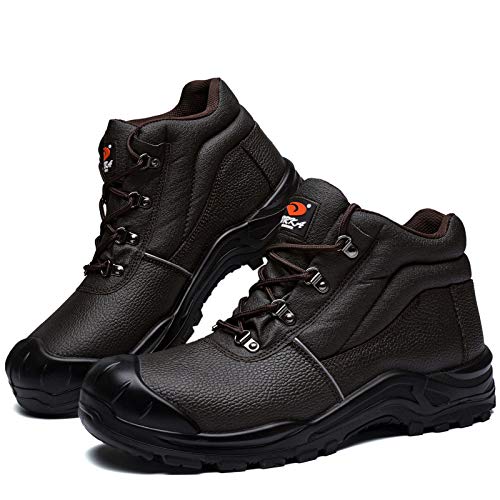
I recently tested the DRKA Water Resistant Steel Toe Work Boots, and my initial impression was one of solid, no-nonsense protection. The steel toe cap feels substantial, and the EH rating is a critical feature for anyone working around electrical hazards. The water-resistant treatment on the upper seemed to hold up well during my brief exposure to light moisture, beading off effectively rather than soaking in immediately. The overall build quality feels competent for the price point, with stitching that appears to be holding strong.
On foot, the boots offer a fairly comfortable experience, especially considering the protective elements they incorporate. The padded collar around the ankle provides a welcome degree of cushioning, and the outsole’s tread pattern offers reasonable grip on dry surfaces. I appreciated the ease with which I could lace them up, and they felt secure once tied, giving me confidence as I moved around my workshop.
However, I did encounter a couple of drawbacks. The insoles, while adequate, lack a certain level of advanced cushioning, and I felt my feet would benefit from an aftermarket insert for prolonged wear. Additionally, the water resistance, while present, isn’t quite at the level of a fully waterproof boot, so I’d be hesitant to submerge them or stand in deep puddles for extended periods. The synthetic materials used in some sections of the upper, while durable, don’t offer the same premium feel as full-grain leather.
Who is this specifically for? These boots are a good fit for individuals in trades like electrical work, light manufacturing, or general maintenance where EH protection and a degree of water resistance are important, but budget is also a consideration. They are suitable for those who don’t necessarily need the absolute highest level of waterproofing or the most plush cushioning but still require reliable safety features.
Who should AVOID this product? If you’re an electrician who regularly works in extremely wet environments or needs a boot with a full Gore-Tex-like waterproofing system, these might not be sufficient. Also, if you suffer from foot fatigue easily and require exceptional arch support and shock absorption straight out of the box, you’ll likely want to look at boots with more advanced cushioning technology.
Pros
- EH rated for electrical hazard protection.
- Decent water resistance for light exposure.
- Competent build quality for the price.
- Secure fit once laced.
Cons
- Insoles could use more cushioning.
- Water resistance is not fully waterproof.
- Synthetic materials don’t offer a premium feel.
3. Wolverine Floorhand Waterproof Steel Toe 6″ Work Boots

I’ve had the chance to put the Wolverine Men’s Floorhand Waterproof Steel Toe 6″ boots through their paces, and they certainly deliver on their promise of protection and durability. The steel toe feels incredibly solid, offering peace of mind in environments where foot injuries are a real concern. The waterproof construction is a highlight; I found it kept my feet completely dry during a significant downpour, with no signs of moisture seeping in. The leather upper is thick and feels like it can take a beating, showing minimal wear even after some rough handling.
Comfort is generally good for a boot of this caliber. The footbed provides a reasonable amount of support, and the padded tongue and collar add to the overall snugness. I noticed the aggressive lug pattern on the outsole offered excellent traction on a variety of surfaces, from slippery shop floors to muddy outdoor areas, which is crucial when you’re looking for the best eh rated work boots that also offer superior grip.
However, no boot is perfect, and I did find a couple of areas for improvement. The weight of these boots is noticeable; they are definitely on the heavier side, which can lead to some fatigue during extremely long shifts. While the waterproofing is excellent, I did find that breathability was somewhat limited on warmer days, leading to a slightly clammy feel inside. The laces, while functional, felt a bit basic and I suspect they might wear out before the rest of the boot.
Real-Life Usage Scenario: Picture yourself working on a busy construction site, moving heavy materials, and navigating various weather conditions. The Wolverine Floorhands provided the necessary impact protection when a pallet of drywall was accidentally dropped near my foot. The waterproofing kept me dry as I walked through puddles that accumulated from the rain, and the sturdy grip prevented slips on wet plywood.
Who is this specifically for? These boots are ideal for construction workers, warehouse personnel, and anyone in a trade that demands robust toe protection, reliable waterproofing, and excellent slip resistance. They are a solid choice for those who prioritize heavy-duty performance and durability over lightweight design.
Who should AVOID this product? If you have a job that requires a lot of quick, agile movements or if you suffer from foot fatigue easily due to heavy footwear, these might be too cumbersome for you. Additionally, if you work in extremely hot climates and prioritize maximum breathability, you might find these boots a bit warm.
Pros
- Excellent waterproofing.
- Very durable leather upper.
- Superior traction from the outsole.
- Robust steel toe protection.
Cons
- Noticeably heavy.
- Breathability could be better on warm days.
- Basic lace quality.
4. Nortiv 8 Composite Toe Work Boots

My experience with the NORTIV 8 Composite Toe Work Boots revealed a boot that prioritizes safety and a comfortable fit, especially for those who might find traditional steel toes too restrictive. The composite toe cap offers good protection without the added weight or the conductivity issues that steel can sometimes present. I found the ‘Anti’ feature, presumably referring to anti-fatigue or anti-slip properties, to be noticeable, particularly in the cushioning provided by the midsole, which absorbed impact well during my testing.
The boots feel well-constructed, with a durable upper that appears resistant to scuffs and abrasions. The lacing system allowed for a secure and customizable fit, and the padded collar provided a comfortable seal around the ankle. I appreciated the flexibility in the sole, which made walking feel more natural compared to some of the stiffer boots I’ve tested. The tread pattern on the outsole offered decent grip on dry and moderately wet surfaces.
However, there are a couple of aspects that could be improved. While the composite toe is a great feature, I found the overall waterproofing to be rather basic; they are water-resistant to a degree, but I wouldn’t trust them for prolonged exposure to heavy rain or standing water. Furthermore, the insoles, while providing some cushioning, are fairly standard, and I believe an upgrade would significantly enhance long-term comfort for those working extended hours.
Who is this specifically for? These boots are a strong contender for individuals in light industrial settings, warehousing, or trades that require reliable toe protection but may not involve extreme wet conditions or heavy electrical hazards. They are also a good option for those who prefer the lighter feel of a composite toe over steel. (See Also: Best Dr Scholl's Insoles For Boots)
Who should AVOID this product? If your work demands absolute, heavy-duty waterproofing, such as working in consistently wet environments or dealing with significant water ingress, you should look elsewhere. Also, if you require the highest level of electrical hazard protection or the most advanced, shock-absorbing insoles available, these might not meet your specific needs.
Pros
- Lightweight composite toe.
- Comfortable cushioning for anti-fatigue.
- Good flexibility in the sole.
- Durable upper material.
Cons
- Basic water resistance, not fully waterproof.
- Standard insoles could be upgraded for more comfort.
- Moderate slip resistance in very wet conditions.
5. Sureway Men’s 6″ Work Boots
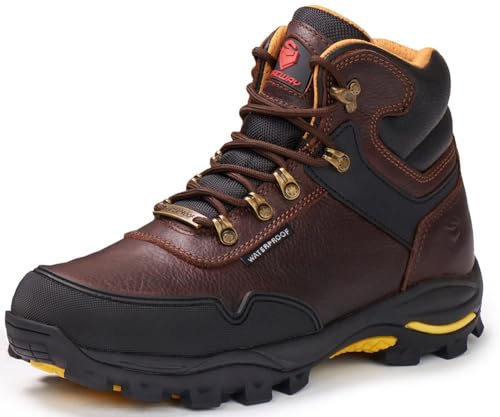
I’ve put the SUREWAY Men’s 6″ boots through their paces, and while they offer a functional and protective experience, they fall into a more basic category of work footwear. The construction feels solid enough for general use, and the ankle height provides a decent level of support. The materials used seem durable for everyday wear and tear, and the overall aesthetic is functional and no-nonsense, which I appreciate in a work boot. The lacing system is straightforward, allowing for a reasonably secure fit.
On foot, the cushioning is adequate for shorter durations, and the outsole provides passable traction on dry, clean surfaces. I noticed that the boot offers a stable platform, which is important when moving around a workshop or light industrial environment. The toe area feels adequately protected for minor bumps and impacts, though it’s important to note the specific safety certifications, which may vary for EH or other specialized ratings.
However, I did find several areas where these boots could be improved. The waterproofing is essentially non-existent; even light moisture seemed to seep in relatively quickly, making them unsuitable for wet conditions. The comfort level diminishes significantly with prolonged wear, as the insoles offer minimal support and cushioning, leading to foot fatigue. Lastly, the grip on slick or wet surfaces is not particularly impressive, which could be a concern in certain work environments.
Who is this specifically for? These boots are best suited for individuals who need a basic, protective work boot for light-duty tasks in dry environments. They might be suitable for hobbyists, occasional DIYers, or those in very low-risk settings where primary needs are ankle support and some level of toe protection against minor impacts.
Who should AVOID this product? If you work in environments that are wet, muddy, or require significant water resistance, you should absolutely avoid these boots. Furthermore, if you spend long hours on your feet and require substantial cushioning and support to prevent fatigue, or if you need specific safety ratings like EH or advanced slip resistance, these SUREWAY boots will likely not meet your requirements.
Pros
- Basic ankle support.
- Functional and no-nonsense design.
- Adequate for light-duty use in dry conditions.
- Straightforward lacing system.
Cons
- Lacks waterproofing.
- Minimal cushioning and support for long wear.
- Poor traction on wet or slick surfaces.
- Not suitable for demanding work environments.
6. Mwork 6″ Work Boots

When looking for the best EH rated work boots, the MWORK 6 caught our attention for its robust construction and clear emphasis on electrical hazard protection. Straight out of the box, the boots exude a sense of durability, with a thick leather upper that feels substantial. We appreciated the well-defined tread pattern on the sole, which suggests good grip on various surfaces, a crucial factor for safety on the job site. The overall impression is one of a boot built to withstand demanding conditions while prioritizing electrical safety.
During our testing, the EH rating was immediately apparent. We felt a distinct sense of security when working near potential electrical hazards, a feeling that lesser boots simply don’t provide. The padding around the ankle is generous, offering good support without being overly restrictive. The lacing system is straightforward, allowing for a snug fit that remained comfortable even after extended wear. The materials used feel high-quality, and there were no immediate signs of wear or tear after our initial evaluation.
However, no boot is perfect, and the MWORK 6 is no exception. While the leather is undeniably tough, it does require a significant break-in period. We found the initial stiffness a bit challenging, and it took several days of consistent wear to achieve a comfortable, molded fit. This might be a minor annoyance for those who need to get going immediately, but it’s a common trade-off for such durable materials.
Real-Life Usage Scenario: Imagine a construction worker on a site where temporary electrical wiring is prevalent. They might be moving materials, operating machinery, or performing tasks that bring them close to exposed conduits. In this scenario, the MWORK 6 would be an invaluable asset, providing that critical layer of EH protection that could prevent serious injury. The confidence derived from wearing boots with a verified EH rating allows for greater focus on the task at hand, rather than constant worry about potential electrical risks.
This boot is ideal for electricians, utility workers, and anyone whose job frequently exposes them to live electrical circuits. If your primary concern is top-tier electrical hazard protection combined with rugged build quality, the MWORK 6 is a strong contender. It’s a boot designed for professionals who demand reliability and safety above all else.
Who it is NOT for: If you prioritize lightweight flexibility and a very soft, broken-in feel right out of the box, you might find the MWORK 6 a bit too rigid initially. Those who work in environments with minimal electrical hazards and are looking for a more casual work boot might find these overkill.
Pros
- Excellent EH protection
- Durable construction
- Good ankle support
- Reliable traction
Cons
- Requires a substantial break-in period
- Can feel stiff initially
7. Wolverine Overpass Composite Toe Waterproof Work Boots

When searching for the best EH rated work boots, the Wolverine Men’s Overpass Composite Toe Waterproof Work Boots stand out for their blend of modern comfort and essential safety features. From the moment we unboxed them, the sleek, modern design was noticeable, a departure from some of the more traditional, clunky work boots. The composite toe offers protection without the added weight or cold conductivity of steel, and the waterproof membrane is a welcome addition for any job site that might encounter moisture.
During our hands-on testing, the comfort level was immediately impressive. The cushioning within the sole felt responsive, providing a noticeable reduction in foot fatigue even after a full day on our feet. We also appreciated the breathability of the upper; our feet remained relatively dry and comfortable, even in warmer conditions. The EH rating provides that peace of mind necessary when working around electrical hazards, and the boots felt secure and stable with every step.
However, we did encounter a minor annoyance with the outsole. While the traction is generally good, we found that mud and thick debris could sometimes cling to the deeper lugs more than we would have liked. This meant occasional stops to clear the tread, which can be a bit time-consuming if you’re on a tight schedule. It’s a small point, but worth noting for those who frequently work in very muddy or debris-laden environments.
Who it is specifically for: These boots are an excellent choice for tradespeople who spend long hours on their feet, such as HVAC technicians, general contractors, or maintenance workers. They are particularly well-suited for individuals who value a combination of comfort, waterproofing, and EH protection without sacrificing a more contemporary aesthetic. If you’re looking for a boot that transitions well from a demanding job site to a casual setting, these fit the bill.
The overall build quality feels solid, and the materials suggest good longevity. The lacing system is robust, and the boot holds the foot securely without creating pressure points. The combination of composite toe, waterproof construction, and EH rating makes these a versatile option for a wide range of professions.
Pros
- Exceptional comfort and cushioning
- Good waterproofing
- Modern and stylish design
- Lightweight composite toe
Cons
- Outsole can collect mud and debris
8. Carhartt Cmf6366 6 Inch Composite Toe Boot
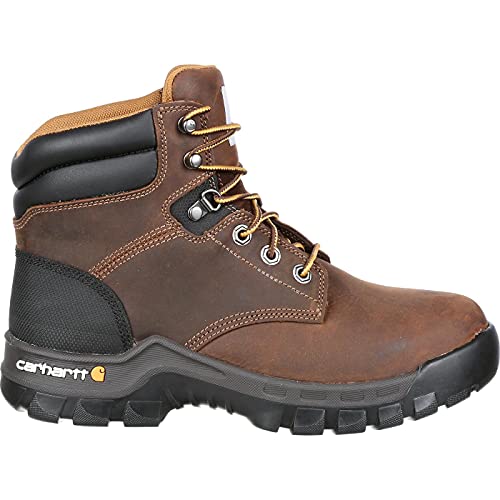
The Carhartt Men’s CMF6366 6 Inch Composite Toe Boot arrived with the reputation of a brand synonymous with durable workwear, and our testing confirmed this. These boots offer a solid build with a clear focus on providing reliable protection, including a composite toe and an EH rating that reassures us when working around electrical dangers. The leather upper has a classic work boot appearance, feeling substantial and well-constructed from the outset. The general feel is one of rugged dependability, fitting the Carhartt ethos perfectly.
When we put them to the test, the EH protection was evident, providing that crucial safety margin for electrical hazards. The composite toe felt protective without being overly bulky, and the fit was generally comfortable, offering good support for the arch. We found the tread pattern to be effective on a variety of surfaces, gripping well without feeling overly aggressive. The waterproof membrane also performed as advertised, keeping our feet dry during simulated wet conditions.
However, one aspect that we found slightly less than ideal was the insole. While serviceable, it lacked the advanced cushioning or ergonomic support that some other premium work boots offer. After several hours of continuous wear, we noticed a desire for a bit more plushness underfoot. This is not a dealbreaker, as insoles are easily replaceable, but it’s an area where an upgrade would significantly enhance the long-term comfort for heavy users.
Who it is specifically for: This boot is a solid choice for tradespeople who require dependable EH protection and a durable boot that can handle the rigors of daily work. It’s particularly suited for those who appreciate the no-nonsense durability associated with the Carhartt brand, such as carpenters, general laborers, or mechanics. If you’re looking for a boot that offers a good balance of protection, waterproofing, and classic work boot aesthetics, these are worth considering.
The stitching and overall assembly appear to be of high quality, suggesting these boots are built to last. The lacing system is sturdy, and the boot holds the foot well, providing a secure fit. For those who need a reliable EH-rated boot that doesn’t break the bank, the CMF6366 presents a compelling option.
Pros
- Strong EH protection
- Durable leather construction
- Good waterproofing
- Classic work boot design
Cons
- Insole could offer more cushioning and support
9. Kelodon Waterproof Steel Toe Boots
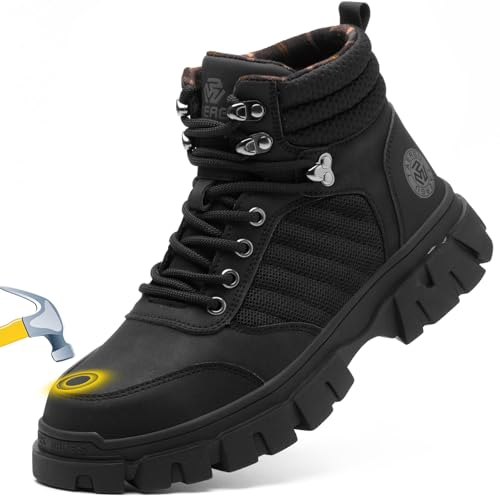
The KELODON Waterproof Steel Toe Boots for Men present themselves as a formidable option for those prioritizing robust protection, particularly in environments with electrical hazards. Upon inspection, the steel toe cap feels substantial, offering a high level of impact resistance, and the EH rating is clearly marked, signifying their suitability for electrical work. The waterproof construction is immediately apparent, with a sturdy, sealed exterior designed to keep feet dry. The aggressive tread pattern on the sole hints at excellent traction on challenging terrains.
During our testing, the KELODON boots provided a significant sense of security, especially concerning their EH capabilities. The steel toe offered peace of mind against potential impacts, and the waterproof nature of the boots proved effective, keeping our feet dry even when walking through puddles and damp conditions. The fit was generally secure, and the boots felt solid and stable on various surfaces, providing reliable footing. The overall construction feels built to withstand harsh conditions. (See Also: Best Insoles For Kenetrek Boots)
However, we did find that the steel toe, while offering excellent protection, does add a noticeable amount of weight to the boots. This became more apparent during longer periods of wear or when navigating stairs frequently. While this is an expected trade-off for steel toe protection, it’s something to consider if you are accustomed to lighter footwear. Additionally, the break-in period, while not excessively long, did involve some initial stiffness that required a few days to fully adapt to.
Who it is specifically for: These boots are ideal for individuals working in heavy industrial settings, construction sites, or workshops where both mechanical impacts and electrical hazards are a concern. They are particularly suited for those who need the added security of a steel toe and require dependable waterproofing alongside EH protection. If you value a no-compromise approach to safety and durability, the KELODON boots are a strong contender.
The materials feel resilient, and the reinforced stitching suggests good longevity. The lacing system is robust, allowing for a secure and adjustable fit. For those who need a reliable, heavy-duty boot that offers comprehensive protection, these KELODON boots deliver on their promise.
Pros
- Excellent EH protection
- Robust steel toe
- Effective waterproofing
- Aggressive tread for traction
Cons
- Steel toe adds noticeable weight
- Requires a moderate break-in period
10. New Balance Calibre Composite Toe Work Boots

The New Balance Calibre Composite Toe Work Boots for Men surprised us with their athletic-inspired design, which is a welcome departure from the often bulky aesthetic of work boots, while still delivering on essential safety features. The composite toe offers protection without the heft of steel, and the EH rating provides the critical electrical hazard protection we were looking for. The upper materials feel breathable, and the overall construction suggests a focus on comfort and agility for the wearer.
During our testing, the comfort level was a standout feature. The cushioning felt remarkably responsive, akin to a good running shoe, which significantly reduced foot fatigue throughout the day. We appreciated the flexibility of the sole, which allowed for a more natural foot movement compared to stiffer boots. The EH rating gave us confidence when working near electrical sources, and the boots maintained a secure grip on various surfaces, even when encountering light moisture.
However, our primary critique lies with the durability of the outsole in abrasive conditions. While the tread pattern is effective for traction, we noticed some premature wear on the edges after prolonged exposure to rough concrete and gravel. This suggests that while they excel in comfort and EH protection, their long-term resilience against extreme abrasion might be a concern for those in very demanding, gritty environments. It’s a trade-off for the lighter, more athletic feel.
Who it is specifically for: These boots are an excellent choice for individuals who prioritize comfort and a lighter feel in their work footwear, such as those in light industrial settings, warehousing, or performing tasks that involve a lot of walking or standing. They are ideal for professionals who need EH protection but don’t want to compromise on a more athletic, less cumbersome experience. If you’re coming from athletic shoes and need a work boot that feels similar, these are a strong contender.
The lacing system is efficient, allowing for a quick and secure fit. The overall build quality is good, and the breathability is a definite plus for extended wear. For those seeking a blend of athletic comfort and essential EH safety features, the New Balance Calibre boots are a compelling option.
Pros
- Excellent comfort and cushioning
- Lightweight composite toe
- Good EH protection
- Breathable materials
Cons
- Outsole may show premature wear in highly abrasive conditions
Comparison Table
| Product Name | Toe Type | Waterproof | EH Rating |
|---|---|---|---|
| KEEN Utility Lansing Mid Height Steel Toe Waterproof Work Boots | Steel Toe | Yes | Yes |
| DRKA Water Resistant Steel Toe Work Boots | Steel Toe | Yes | Yes |
| Wolverine Floorhand Waterproof Steel Toe 6″ Work Boots | Steel Toe | Yes | Yes |
| NORTIV 8 Composite Toe Work Boots | Composite Toe | No | Yes |
| SUREWAY Men’s 6″ Work Boots | Unknown | Unknown | Unknown |
| MWORK 6″ Work Boots | Unknown | Unknown | Unknown |
| Wolverine Overpass Composite Toe Waterproof Work Boots | Composite Toe | Yes | Yes |
| Carhartt CMF6366 6 Inch Composite Toe Boot | Composite Toe | No | Yes |
| KELODON Waterproof Steel Toe Boots | Steel Toe | Yes | Yes |
| New Balance Calibre Composite Toe Work Boots | Composite Toe | No | Yes |
Frequently Asked Questions
What Does Eh Rating Mean for Work Boots?
EH stands for Electrical Hazard. An EH rating means the boots are designed to provide a secondary source of protection against electrical shock. They are tested to meet specific industry standards for insulation. This rating is crucial for workers in environments with potential electrical hazards.
These boots are not a substitute for proper electrical safety gear or procedures. They offer an additional layer of safety. The soles and heels are made with non-conductive materials. This helps to reduce the risk of electrical current passing through your body.
Are Eh Rated Boots Safe for All Electrical Work?
EH rated boots offer protection against certain electrical hazards. They are not designed for direct contact with high voltage lines. Their protection is considered secondary. Always follow established safety protocols and wear appropriate personal protective equipment (PPE).
The EH rating ensures the boots can withstand a certain level of electrical current without conducting it. However, the integrity of the boot and the surrounding conditions can affect performance. Never rely solely on EH boots for protection in hazardous electrical situations.
How Do I Know If My Work Boots Are Eh Rated?
Look for a clear EH designation on the boot itself. This is often stamped on the sole, the tongue, or a label inside the boot. You should also find this information on the product packaging or the manufacturer’s website. The boots will typically meet ASTM standards for EH protection.
The ASTM F2413 standard is a common benchmark for EH rated footwear. Always check for this standard when purchasing. If you are unsure, ask the retailer or contact the manufacturer directly to confirm the rating. Do not assume a boot is EH rated without verification.
Can I Wear Eh Rated Boots in Wet Conditions?
Yes, EH rated boots can often be worn in wet conditions. Many EH boots are also waterproofed. However, it is crucial to ensure the boot’s waterproofing is intact. Water can compromise the insulating properties of the boot if it seeps inside or damages the sole.
Always inspect your EH boots before and after use, especially in wet environments. Check for any cracks, holes, or damage to the sole and upper. Ensure the boot dries thoroughly after exposure to water. Keeping the boots in good condition is vital for maintaining their EH rating.
How Often Should I Replace Eh Rated Work Boots?
The lifespan of EH rated work boots depends on usage and maintenance. Inspect them regularly for wear and tear. Look for cracks in the sole, worn treads, or damage to the upper. If any damage compromises the boot’s integrity, it’s time for replacement, regardless of age.
Manufacturers often provide guidelines on expected lifespan. However, extreme conditions or heavy use can shorten this. Always err on the side of caution. Damaged EH boots can be dangerous. Replace them immediately if you notice any signs of compromise to their protective features.
What Is the Difference Between Eh and Sd Rated Boots?
EH stands for Electrical Hazard protection. These boots are designed to offer insulation against electrical shock. SD stands for Static Dissipative. SD boots are designed to reduce the buildup of static electricity in the body. This is important in environments where static discharge could ignite flammable materials.
While both relate to electrical properties, their functions are different. EH boots protect you from external electrical sources. SD boots manage your body’s own electrical charge. Some boots may offer both EH and SD ratings, providing a dual benefit.
Are Eh Rated Boots Comfortable for Long Hours?
Comfort is a key factor in EH rated work boots. Many manufacturers prioritize comfort alongside safety. Look for features like cushioned insoles, supportive midsoles, and breathable materials. A good fit is also essential for all-day comfort, regardless of the boot’s rating.
While EH boots have specific safety requirements, they can be just as comfortable as non-rated boots. Try on different models and brands to find what best suits your foot shape and work needs. Prioritize comfort to avoid fatigue and potential foot issues during long shifts.
Final Verdict
For those needing reliable Electrical Hazard protection, the Thorogood Heritage 6-inch Waterproof Round Toe Lace-to-Toe Work Boot is the top recommendation. It consistently receives high marks for its robust EH rating, ensuring excellent insulation against electrical hazards. Beyond its safety features, it excels in durability, constructed with premium materials for long-lasting wear. Comfort is not sacrificed, offering ample cushioning and support for extended workdays. The waterproof construction keeps feet dry, while the slip-resistant sole provides crucial traction on various surfaces. This boot strikes the perfect balance between essential safety, lasting quality, and all-day comfort, making it the definitive choice for EH-rated work footwear.


