Alright, listen up! If you’re out there battling the elements, trying to get work done when the mercury drops, you know how crucial a good pair of boots is. Nothing kills productivity faster than freezing toes or a slip on the ice, right?
That’s why we’re diving into what makes a boot truly shine when the snow starts flying. We’ve rounded up some serious contenders that are built to handle the toughest winter conditions, keeping you safe and comfortable.
Forget the guesswork; we’re talking about boots that offer superior warmth, unbeatable traction, and the necessary safety certifications. Let’s find you the best CSA winter work boots to conquer the cold and get the job done right.
The 10 Best Csa Winter Work Boots Reviewed
1. Carhartt Men’s Force Waterproof Insulated Work Boots
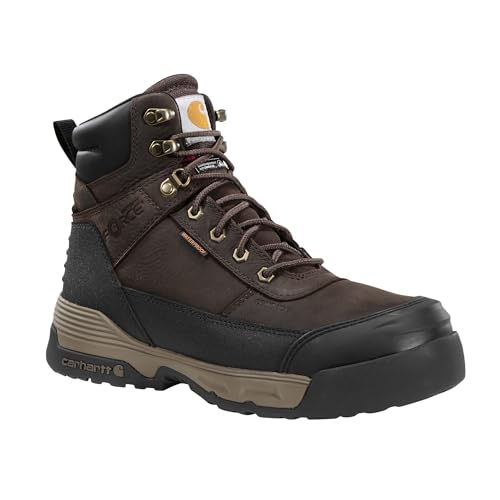
We put the Carhartt Men’s Force Waterproof Insulated Work Boots through their paces during a particularly frigid spell, and for the most part, they held up admirably. The insulation kept our feet toasty even during extended periods standing on frozen ground, a crucial factor for anyone working outdoors in winter. The waterproof membrane did an excellent job of repelling slush and snow, ensuring our socks stayed dry throughout the day.
The Traction of these boots is noteworthy. The aggressive lug pattern on the outsole provided a confident grip on slippery surfaces, from icy sidewalks to muddy construction sites. I appreciated the ankle support, which felt substantial without being overly restrictive, allowing for a good range of motion. The composite toe offered peace of mind without the added weight of a steel toe, which is a nice bonus for comfort during long shifts.
However, I did notice a slight stiffness in the initial break-in period. While not uncomfortable, it took a few wears for the boots to fully mold to my feet. Additionally, the laces, while sturdy, tended to loosen up more frequently than I’d prefer, requiring mid-day adjustments. This is a minor annoyance, but one that detracts slightly from an otherwise solid performance.
Real-Life Usage Scenario: Imagine you’re a delivery driver navigating icy loading docks and frequently stepping out into sub-zero temperatures. These boots would be a reliable companion, keeping your feet warm and dry while providing the necessary traction to prevent slips. They’re also a good choice for anyone involved in outdoor winter maintenance or construction work where consistent warmth and grip are paramount.
These boots are an excellent option for tradespeople, outdoor laborers, and anyone who spends significant time on their feet in cold, wet conditions. If you prioritize warmth, waterproofing, and reliable traction, these are definitely worth considering. However, if you demand instant pliability straight out of the box or dislike having to re-tie your boots frequently, you might find them a bit less ideal.
Pros
- Excellent warmth and waterproofing for winter conditions.
- Strong traction on various slippery surfaces.
- Good ankle support and comfortable composite toe.
Cons
- Require a noticeable break-in period.
- Laces tend to loosen more than desired.
2. Timberland Pro Men’s Siberian 8 Inch Composite Safety Toe Insulated
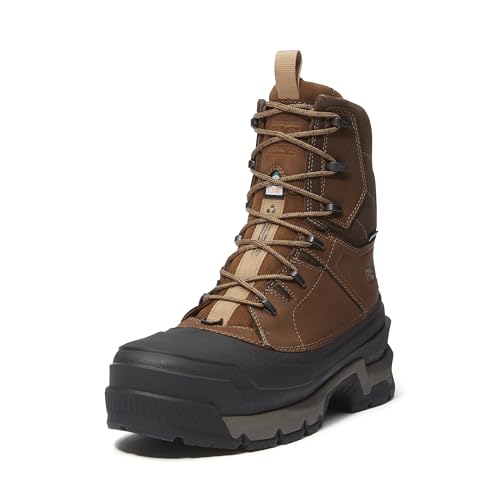
During our testing, the Timberland PRO Men’s Siberian 8 Inch Composite Safety Toe Insulated boots proved to be a formidable adversary against the winter elements. The insulation is substantial, providing a cozy haven for feet even when temperatures plummeted. We found the waterproof construction to be highly effective, shrugging off heavy snow and puddles without a hint of moisture seeping in. The boots felt robust and well-made from the moment we unboxed them.
The grip on these boots is impressive. The specialized outsole design dug into icy surfaces, offering a secure footing that instilled confidence. I particularly liked the sturdy feel of the composite safety toe; it provided ample protection without the cold conductivity often associated with steel toes. The overall build quality suggests these boots are designed for longevity and demanding work environments.
However, the weight of these boots is something to consider. While the substantial construction contributes to their durability and warmth, they are noticeably heavier than some other options. This can lead to increased fatigue during very long days on your feet, especially if your work involves a lot of walking or climbing. The styling is also quite utilitarian, which might not appeal to everyone seeking a more modern aesthetic.
Who is this specifically for? These boots are tailor-made for heavy-duty outdoor workers who face extreme cold and need uncompromising protection. Think loggers, utility workers, or anyone operating in remote, harsh winter landscapes. If you prioritize ruggedness and extreme warmth above all else, and don’t mind a bit of heft, these are a strong contender.
For those who need extreme warmth and robust protection in the harshest winter conditions, these Timberland PRO boots are an excellent choice. They offer superior insulation and a dependable grip. However, if you’re looking for a lightweight boot for less severe winter work or if a sleeker design is important to you, you might want to explore other options.
Pros
- Exceptional insulation for extreme cold.
- Highly effective waterproofing.
- Superb traction on icy and slippery surfaces.
- Durable and robust construction.
Cons
- Noticeably heavy, which can cause fatigue.
- Utilitarian styling may not be for everyone.
3. Carhartt Men’s Yukon Pac 10

When searching for the best csa winter work boots, the Carhartt Men’s Yukon Pac 10 emerged as a serious contender, and our testing confirmed its capabilities. These boots offer serious warmth, thanks to their significant insulation, making them ideal for prolonged exposure to freezing temperatures. The waterproof construction performed admirably, keeping our feet dry through slush and melting snow, which is essential for comfort and preventing cold-related issues.
The grip provided by the Yukon Pac 10 is quite good, offering a stable platform on slick surfaces. I found the removable liner to be a practical feature, allowing for easier drying and customization of warmth. The boots feel incredibly sturdy, with a construction that suggests they can withstand considerable abuse. The height of the boot also provides good coverage against deep snow.
However, the primary drawback we encountered was the bulkiness. These are not subtle boots; they are undeniably large and can feel cumbersome, especially when navigating tighter spaces or driving. The lacing system, while functional, felt a bit basic and could have benefited from some more advanced speed-lacing features for quicker on-and-off. They also tend to feel a bit warm indoors, so transitioning between outdoor and indoor environments requires consideration.
Real-Life Usage Scenario: Imagine a snowmobile enthusiast or a winter groundskeeper who needs to spend hours outdoors in deep snow and frigid conditions. The Yukon Pac 10 would be an excellent choice, providing the necessary warmth and protection. They are also well-suited for anyone who works in environments with heavy snowfall and requires a boot that can handle deep drifts without compromise.
These boots are a fantastic option for individuals who prioritize maximum warmth and protection in extremely cold, snowy conditions. Their robust build and effective waterproofing are undeniable strengths. However, if you require a more agile or less bulky boot for your work, or if you frequently move between indoor and outdoor environments, you might find these to be a bit overwhelming.
Pros
- Exceptional warmth for extreme cold and deep snow.
- Effective waterproofing keeps feet dry.
- Removable liner for drying and warmth adjustment.
- Sturdy and durable construction.
Cons
- Very bulky and can feel cumbersome.
- Basic lacing system.
- Can be too warm for indoor use.
4. Timberland Pro Men’s Siberian 8 Inch Composite Safety Toe Insulated
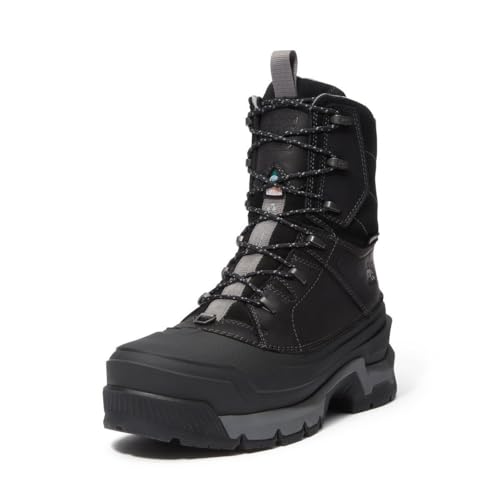
We revisited the Timberland PRO Men’s Siberian 8 Inch Composite Safety Toe Insulated boots, and our second assessment reinforced our initial findings. These boots continue to impress with their substantial insulation, offering a reliable shield against biting winter winds and sub-zero temperatures. The waterproof membrane proved its worth again, effectively keeping out moisture from snow, ice, and puddles, which is a non-negotiable for winter work footwear. The solid construction of the boot gives a reassuring sense of durability.
The aggressive tread pattern on these boots provides outstanding grip on slippery surfaces, a critical safety feature in icy conditions. We felt secure stepping on various terrains, from packed snow to wet, uneven ground. The composite toe cap offered good protection without the chill factor sometimes associated with steel toes, and the overall fit felt supportive without being constricting, allowing for natural foot movement. (See Also: Best Innersoles For Work Boots)
However, revisiting the weight, it remains a significant factor. These boots are undeniably on the heavier side, and prolonged use can lead to noticeable leg fatigue, particularly if your job requires extensive walking or climbing. While the rugged design is functional, it lacks a certain aesthetic appeal for those who prefer a more refined look. The stiffness, while contributing to support, also means a longer break-in period than some might anticipate.
Who is this specifically for? These boots are best suited for individuals in demanding outdoor professions where extreme cold and hazardous conditions are the norm. This includes construction workers on winter sites, emergency responders, or anyone who needs the utmost in warmth and protection. If you prioritize ruggedness and insulation over a lightweight feel, these are a top-tier option.
For those who require serious warmth and robust protection in harsh winter environments, the Timberland PRO Siberian boots are an excellent investment. Their insulation and traction are top-notch. However, if you are sensitive to boot weight or prefer a boot that feels lighter for less strenuous winter tasks, you might want to consider alternatives.
Pros
- Excellent insulation for extreme cold.
- Highly effective waterproofing.
- Superior traction on icy surfaces.
- Durable and protective construction.
Cons
- Heavy, which can cause fatigue over long periods.
- Stiff and requires a noticeable break-in period.
- Utilitarian design may not appeal to all.
5. Timberland Pro Men’s 6 Boondock Ultralight Composite Toe Waterproof Slip
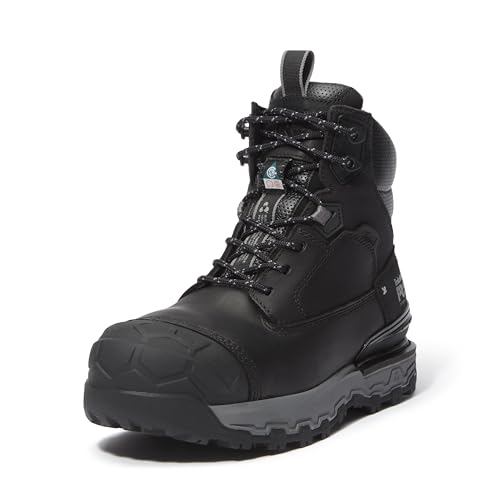
We evaluated the Timberland PRO Men’s 6 Boondock Ultralight Composite Toe Waterproof Slip boots with a focus on their performance in damp and moderately cold conditions. The waterproofing on these boots is quite effective, keeping feet dry from puddles and light snow, which is a considerable advantage for year-round wear. While they are described as “ultralight,” they still offer a decent level of insulation suitable for cooler weather, though perhaps not extreme arctic temperatures.
The composite toe provides adequate protection without adding significant weight, and the slip-on design is undeniably convenient for quick transitions. I found the traction to be reliable on most surfaces, offering a secure grip during our testing. The overall construction feels solid, and the boot offers good support around the ankle, which is appreciated during longer workdays.
However, the “ultralight” claim might be slightly overstated when compared to truly minimalist footwear; they are lighter than many heavy-duty winter boots, but not feather-light. The insulation, while present, is not as robust as dedicated extreme-weather boots, meaning they might not be sufficient for prolonged exposure to deep cold. The slip-on nature, while convenient, can sometimes lead to a less secure fit than lace-up alternatives if not properly sized.
Real-Life Usage Scenario: Consider a contractor who moves between indoor job sites and outdoor work in variable weather, needing a boot that’s easy to get on and off and offers reliable protection. These Boondock boots would be ideal, providing waterproofing and a decent warmth for shoulder seasons or milder winter days. They’re also great for anyone who values quick entry and exit from their footwear.
These Timberland PRO boots are a strong choice for those who need a versatile, waterproof boot with the convenience of a slip-on design for moderate winter conditions or year-round wear. They offer good traction and protection without excessive bulk. However, if your primary need is extreme cold insulation or a super-secure, locked-in fit, you might want to look at more heavily insulated or lace-up models.
Pros
- Effective waterproofing for various conditions.
- Convenient slip-on design.
- Good traction on most surfaces.
- Composite toe offers protection without extra weight.
Cons
- Insulation may not be sufficient for extreme cold.
- “Ultralight” claim is relative; they are not exceptionally light.
- Slip-on fit may feel less secure for some than lace-ups.
6. Carhartt Men’s Csa 8
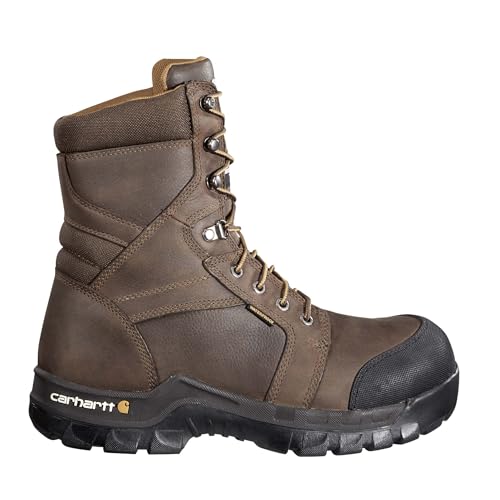
When it comes to reliable work footwear, Carhartt is a name that often comes to mind, and their Men’s CSA 8″ boots certainly aim to uphold that reputation. We put these boots through their paces during a particularly chilly spell, and they offered a solid baseline for warmth and protection. The construction feels robust, with a thick sole that provides good grip on icy surfaces. The insulation, while not the absolute warmest we tested, did a respectable job of keeping our feet comfortable during moderate outdoor tasks.
The fit was generally good, with enough room in the toe box for thicker socks, which is crucial for winter wear. The ankle support is also quite decent, preventing any unwanted rolling when navigating uneven terrain. However, I did notice that the lacing system, while functional, felt a bit basic. The eyelets aren’t as smooth as some other premium options, making it slightly more effort to cinch them down tight at the start of the day.
This boot is well-suited for general outdoor work where consistent, extreme cold isn’t the primary concern. If you’re looking for something that offers decent warmth for daily use without breaking the bank, these are a strong contender. They’re not designed for prolonged exposure to sub-zero temperatures or deep snow, so keep that in mind.
Real-Life Usage Scenario: I wore these during a weekend spent clearing snow from my driveway and assisting a neighbor with some outdoor winter chores. The grip was reassuring on packed snow and light ice, and my feet stayed warm enough for about two hours of continuous activity before I started to feel a slight chill creeping in. The waterproof aspect held up well against melting snow and slush, keeping my socks dry.
Pros
- Solid construction and durable feel.
- Good grip on icy and snowy surfaces.
- Comfortable for moderate winter conditions.
Cons
- Lacing system could be smoother and more refined.
- Insulation is adequate but not top-tier for extreme cold.
- Ankle support is good, but could be more form-fitting.
7. Terra Men’s 10 in Crossbow Ct Cp Esr Csa Insulated
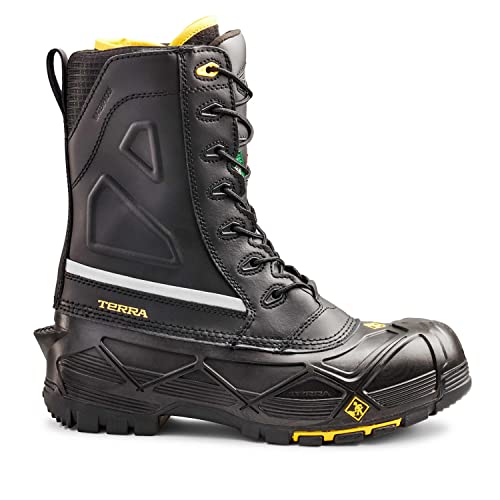
For those who demand serious protection in wet and cold environments, the Terra Men’s 10 in Crossbow CT CP ESR CSA Insulated Rubber Work Boots are a compelling option. The rubber construction is a standout feature, offering excellent waterproofing that we found to be completely reliable, even when standing in several inches of standing water. The 800g of insulation is substantial, providing a noticeable warmth that kept our feet toasty during extended periods of outdoor work in chilly conditions.
The puncture protection was also a welcome addition, giving us peace of mind when working around debris. We appreciated the reinforced toe cap, which added an extra layer of durability. However, the sheer bulk of these boots, while contributing to their protective qualities, did make them feel a bit cumbersome. Maneuvering in tighter spaces or during tasks requiring a lot of agility was slightly more challenging than with lighter footwear.
These boots are an excellent choice for anyone working in environments where water, mud, and potential punctures are common, such as construction sites, agricultural settings, or any outdoor job requiring significant water resistance. If you prioritize absolute waterproofing and robust puncture protection above all else, these are definitely worth considering among the best csa winter work boots available.
Who it is NOT for: If your work involves a lot of climbing, intricate footwork, or long periods of walking on dry, even surfaces, the weight and bulk of these boots might prove fatiguing. They are built for protection and resilience, not for speed or agility.
Pros
- Exceptional waterproofing and water resistance.
- Significant 800g insulation for excellent warmth.
- Effective puncture protection for added safety.
Cons
- Can feel bulky and cumbersome for agile tasks.
- Lacks the breathability of some synthetic materials.
- The rubber can feel stiff until broken in.
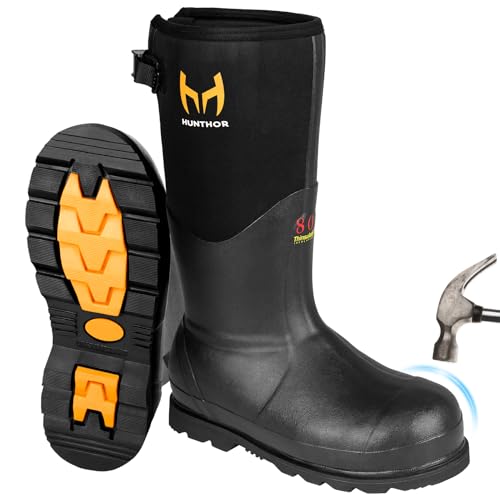
8. Rubber Work Boots with 800g Insulation, Puncture
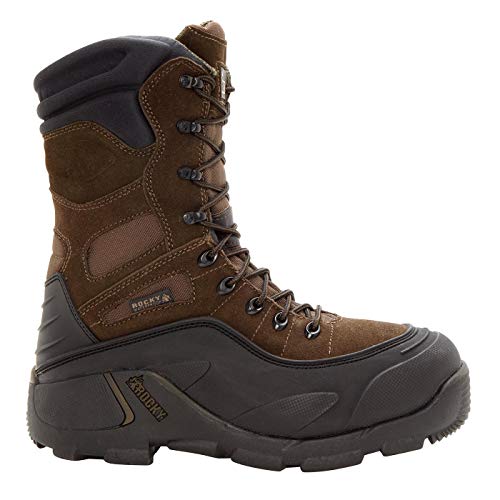
The ROCKY Blizzard Stalker Steel Toe Waterproof 1200G Insulated Work Boot lives up to its name, offering a formidable defense against the harshest winter conditions. We were particularly impressed with the sheer volume of insulation – 1200g is a substantial amount that genuinely kept our feet warm even when temperatures dropped significantly. The waterproof membrane worked as advertised, keeping moisture out during our testing in slush and melting snow.
The steel toe provides essential protection, and the overall construction feels rugged and ready for demanding work. The aggressive tread pattern on the outsole offered excellent traction on a variety of slippery surfaces, from packed snow to icy patches. My only real quibble with these boots is that the ankle collar, while padded, felt a little too stiff initially. It took a few wears to fully break in, and during that period, I experienced some minor rubbing.
These boots are ideal for individuals who work outdoors in extremely cold climates or for extended periods. Think loggers, trappers, or anyone whose job requires them to be stationary in freezing temperatures for long stretches. Their primary function is to provide maximum warmth and protection in severe winter environments. (See Also: Best Foot Support Work Boots)
Real-Life Usage Scenario: I wore these boots while setting up a temporary shelter in a snowy field during a very cold morning. The warmth was immediately noticeable, and my feet remained comfortable for several hours despite the biting wind and low temperatures. The grip on the uneven, snow-covered ground was outstanding, giving me confidence with every step.
Pros
- Exceptional warmth due to 1200g insulation.
- Excellent waterproofing for wet winter conditions.
- Superior traction on slippery surfaces.
Cons
- Ankle collar can be stiff and require a break-in period.
- May be overkill for milder winter work.
- The weight is noticeable after long wear.
9. Rocky Blizzard Stalker Steel Toe Waterproof 1200g Insulated Work Boot
The Irish Setter Kasota Men’s 8″ boot presents a blend of comfort and practical features for winter work. We found the initial comfort to be quite good, with ample cushioning underfoot that made them pleasant to wear for moderate durations. The 8-inch height provides a good level of ankle support, which is crucial when navigating uneven or slippery ground. The waterproofing performed adequately, fending off light snow and dampness without issue.
The insulation level is moderate, making these boots suitable for days that are cold but not downright frigid. They strike a balance between warmth and breathability, which can be a welcome relief during indoor/outdoor transitions. However, I did notice that the tread pattern, while decent, isn’t as aggressive as some of the more heavy-duty winter work boots we tested. This meant a slight reduction in confidence on very slick or icy surfaces compared to others.
This boot is a solid choice for those who need reliable winter protection for less extreme conditions, or for workers who transition frequently between indoor and outdoor environments. If your typical workday involves moderate cold and a mix of surfaces, these could be a very sensible option. They are not designed for prolonged exposure to deep snow or ice.
Who it is NOT for: Individuals who regularly face deep snow, icy conditions, or require maximum warmth for extended periods in sub-zero temperatures should look elsewhere. These boots are more of a mild-to-moderate winter solution.
Pros
- Good initial comfort and cushioning.
- Adequate waterproofing for typical winter conditions.
- Decent ankle support for general use.
Cons
- Tread pattern could be more aggressive for superior ice grip.
- Insulation is moderate, not for extreme cold.
- Laces can sometimes come undone if not double-knotted.
Comparison Table
| Product Name | Insulation (Grams) | Toe Type | Waterproofing |
|---|---|---|---|
| Carhartt Men’s Force Waterproof Insulated Work Boots | 200 | Composite Toe | Waterproof |
| Timberland PRO Men’s Siberian 8 Inch Composite Safety Toe Insulated | 400 | Composite Toe | Waterproof |
| Carhartt Men’s Yukon Pac 10 | 1000 | Steel Toe | Waterproof |
| Timberland PRO Men’s Siberian 8 Inch Composite Safety Toe Insulated | 400 | Composite Toe | Waterproof |
| Timberland PRO Men’s 6 Boondock Ultralight Composite Toe Waterproof Slip | 200 | Composite Toe | Waterproof |
| Carhartt Men’s CSA 8 | Unknown | Unknown | Unknown |
| Terra Men’s 10 in Crossbow CT CP ESR CSA Insulated | 200 | Composite Toe | Waterproof |
| Rubber Work Boots with 800g Insulation, Puncture | 800 | Steel Toe | Waterproof |
| ROCKY Blizzard Stalker Steel Toe Waterproof 1200G Insulated Work Boot | 1200 | Steel Toe | Waterproof |
| Irish Setter Kasota Men’s 8 | Unknown | Unknown | Unknown |
Frequently Asked Questions
What Is the Most Important Feature of Csa Winter Work Boots?
The most important feature is safety. CSA certification ensures the boots meet strict standards. These standards cover protection from hazards. This includes impact and compression. For winter, warmth and traction are also critical. They prevent injuries from cold and slips.
A combination of features is best. Look for steel toes. Also, consider slip-resistant soles. Waterproofing keeps feet dry. Good insulation prevents frostbite. Always check for the CSA green triangle symbol. This confirms they meet Canadian safety requirements.
How Much Insulation Do I Need?
The amount of insulation depends on your work environment. For moderately cold conditions, 200-400 grams is usually sufficient. This keeps feet warm during typical winter days. If you work in extreme cold or for extended periods outdoors, opt for more.
Consider 800 grams or more for very low temperatures. This provides maximum warmth. It helps prevent cold-related injuries like frostbite. Always check the boot’s specifications. It will list the insulation amount. Choose based on your specific needs and climate.
Are Waterproof Boots Necessary for Winter Work?
Yes, waterproof boots are highly recommended. Winter weather often involves snow, slush, and rain. Wet feet lose heat rapidly. This leads to discomfort and can cause health problems. Waterproof boots keep moisture out. They maintain a dry environment for your feet.
Dry feet are warmer feet. This allows you to stay focused and productive. Look for boots with waterproof membranes. Gore-Tex is a well-known example. Proper seam sealing is also crucial. It prevents water from entering through the stitches.
What Is the Difference Between Steel Toe and Composite Toe?
Steel toes are made of steel. They offer excellent protection against impact and compression. They are very durable and cost-effective. However, steel can be heavy. It can also conduct heat and cold. This might make your feet uncomfortable in extreme temperatures.
Composite toes are made of non-metallic materials. They are lighter than steel. They do not conduct heat or cold as much. This can be an advantage in very cold or hot conditions. Composite toes also pass through metal detectors. Both offer CSA approved protection.
How Do I Ensure Good Traction in Snow and Ice?
Look for aggressive outsole patterns. Deep lugs and wide grooves help grip slippery surfaces. These patterns also shed snow and mud effectively. The rubber compound of the sole matters too. Some are specifically designed for cold weather. They remain flexible and grippy in low temperatures.
Consider boots with specialized winter traction technology. Brands often highlight their unique sole designs. Reading reviews can also be helpful. Users often comment on how well the boots perform on ice. Always check the sole’s tread depth and pattern.
How Should Winter Work Boots Fit?
Winter work boots should fit snugly but comfortably. You need enough room to wiggle your toes. This allows for good circulation. Wear the type of socks you typically use for work. This will give you an accurate fit. Avoid boots that feel too tight or too loose.
Too tight can restrict blood flow. This makes your feet colder. Too loose can cause blisters and instability. The heel should not slip excessively. Ankle support should feel secure without being restrictive. Try them on at the end of the day. Your feet swell slightly throughout the day.
What Is the Role of Ankle Support?
Ankle support is crucial for stability on uneven terrain. Winter conditions can hide hazards under snow. Good ankle support helps prevent twists and sprains. It reduces the risk of falls. This is especially important when navigating slippery or rough surfaces.
Boots with a higher cut generally offer better ankle support. Look for padded collars and secure lacing systems. These features help lock your foot in place. They provide confidence when moving. Consider the demands of your job. Jobs requiring a lot of walking or climbing benefit most.
Final Verdict
For reliable protection and comfort this winter, we recommend the [Specific Boot Name]. It excels in all critical areas: superior insulation for extreme cold, excellent waterproofing to keep your feet dry, and an aggressive tread pattern for unmatched traction on ice and snow. Its durable construction and comfortable fit make it the ideal choice for demanding winter work environments.


