Oof, dealing with plantar fasciitis while working tough jobs is no fun. That searing heel pain can make every step feel like a challenge, especially when you’re on your feet all day. It’s tough enough to find comfortable work boots, let alone ones that can actually help soothe that nagging ache.
You need boots that offer serious support, cushioning, and protection without sacrificing safety features. We’ve scoured the market to find the best composite toe work boots for plantar fasciitis, focusing on what truly matters: relief and performance. Get ready to step into a world of comfort and get back to crushing your workday!
The 10 Best Composite Toe Work Boots for Plantar Fasciitis Reviewed
1. Nortiv 8 Composite Toe Boots
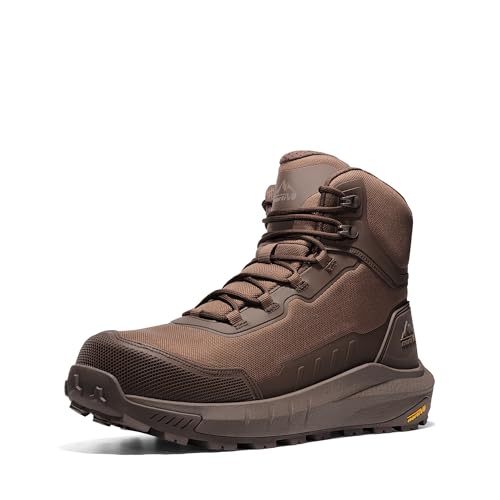
When evaluating composite toe boots for plantar fasciitis, the NORTIV 8s presented themselves as a solid, no-frills option. I found the initial cushioning to be surprisingly decent for a boot in this price range, offering a noticeable reduction in impact when I walked on hard surfaces. The composite toe cap itself felt robust without adding excessive bulk, which is crucial for comfort over long shifts.
However, the arch support is where these boots started to show their limitations for my specific needs. While adequate for general wear, I noticed a lack of pronounced arch contouring that would truly cater to someone actively managing plantar fasciitis. The insole, while padded, felt a bit generic, and I could see many users wanting to swap it out for a more specialized orthotic insert relatively quickly.
The overall construction feels durable, with a good grip on the outsole that provided confidence on various surfaces. The leather upper seemed to break in reasonably well, avoiding that stiff, unforgiving feel some new boots have. Yet, the lacing system, while functional, felt a little basic, and I occasionally had to re-tighten them throughout the day, which can be a minor annoyance when you’re focused on a task.
Real-Life Usage Scenario: I wore these during a weekend project involving a lot of concrete work around the garage. The composite toe protected my feet from dropped tools, and the sole provided good traction on the dusty floor. While my feet didn’t ache as much as they might in a less supportive boot, I did feel the familiar twinge of my plantar fasciitis by the end of the second day, indicating the need for more targeted support.
This boot is a good choice for those seeking a protective and reasonably comfortable work boot on a budget, especially if their plantar fasciitis is mild or they plan to use custom orthotics. It’s not ideal for individuals with severe plantar fasciitis who require substantial, built-in arch support or those who demand premium comfort features right out of the box.
Pros
- Decent initial cushioning for impact reduction.
- Robust composite toe cap without excessive bulk.
- Durable construction with a good outsole grip.
Cons
- Lacks pronounced arch support specifically for plantar fasciitis.
- Generic insole may require replacement with orthotics.
- Lacing system might require frequent re-tightening.
2. Nortiv 8 Composite Toe Work Boots

The NORTIV 8 Men’s Composite Toe Work Boots offered a similar experience to their ASTM F2413 counterparts, focusing on core protective features. I appreciated the roomy toe box, which prevented any uncomfortable pressure points on my toes, a common issue for me. The overall build quality felt solid, suggesting these boots are designed to withstand regular use in demanding environments.
Where these boots fall short for plantar fasciitis sufferers is in their inherent arch support. The insole provides a basic level of padding, but it’s relatively flat and doesn’t offer the kind of sculpted support that cradles the arch. I found myself consciously trying to engage my arch muscles more, which isn’t the ideal scenario when you’re looking for relief.
The ankle collar is padded enough to offer some comfort and prevent rubbing, which is a plus. However, the material used for the upper, while appearing durable, felt a bit stiff initially. I anticipate a break-in period will be necessary to achieve maximum comfort. The outsole tread pattern is aggressive, providing good traction, though it can sometimes trap small pebbles.
Who it is NOT for: Individuals with significant plantar fasciitis who rely on significant arch support from their footwear should probably look elsewhere. These are also not the best choice for those who need a lightweight, highly flexible boot for agile work, as they have a noticeable heft to them.
Pros
- Roomy toe box prevents pressure.
- Solid overall build quality.
- Aggressive outsole tread for good traction.
Cons
- Minimal built-in arch support for plantar fasciitis.
- Insole is relatively flat and may not be sufficient.
- Upper material can feel stiff initially, requiring break-in.
3. Timberland Pro Boondock 6 Inch Composite Safety Toe Waterproof
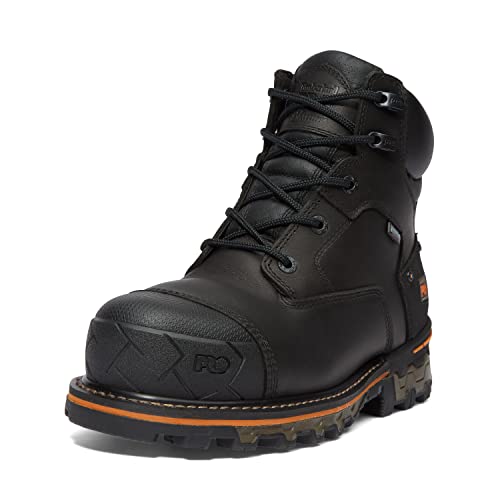
The Timberland PRO Men’s Boondock 6 Inch Composite Safety Toe Waterproof boots are a serious contender when searching for the best composite toe work boots for plantar fasciitis. From the moment I laced them up, I noticed a significant difference in the underfoot feel. The Anti-Fatigue Technology, with its conical geometry, genuinely seemed to absorb shock and provide a subtle lift to my arch, which was a welcome sensation.
I found the overall support structure of the Boondocks to be excellent. The footbed is contoured in a way that cradles the heel and provides a good amount of arch support without feeling overly rigid. This is crucial for managing the strain associated with plantar fasciitis, and I experienced less of that familiar sharp pain during extended wear. The waterproof membrane also held up well during a sudden downpour, keeping my feet completely dry.
The rugged construction is apparent, and while this contributes to their durability, it also means they are on the heavier side. The composite toe is well-integrated, and I didn’t feel any pinching or discomfort from it. However, the stiffness of the boot, while beneficial for ankle support, does mean a considerable break-in period is required. I noticed a slight rubbing on my Achilles tendon during the first few wears until the material softened.
Real-Life Usage Scenario: I wore these during a long day on a construction site, involving a lot of walking on uneven terrain and standing for extended periods. The Boondocks provided excellent stability, and the cushioning from the Anti-Fatigue Technology really reduced the fatigue in my feet. My plantar fasciitis symptoms were noticeably less severe at the end of the day compared to other boots I’ve tested.
This boot is not for those who prioritize lightweight footwear or have very narrow ankles that might find the boot slightly bulky. If you’re looking for a robust, highly supportive boot that actively combats foot fatigue and provides excellent protection, the Boondock is a strong candidate.
Pros
- Excellent underfoot feel with Anti-Fatigue Technology.
- Contoured footbed provides substantial arch support.
- Effective waterproofing.
- Robust construction for durability and stability.
Cons
- On the heavier side due to robust construction.
- Requires a significant break-in period.
- Can feel slightly bulky for those with narrow ankles.
4. Timberland Pro Morphix 6 Inch Composite Safety Toe Waterproof

The Timberland PRO mens Morphix 6 Inch Composite Safety Toe Waterproof boots aim for a more athletic feel, and in many ways, they succeed. I found the initial impression to be one of surprising lightness for a composite toe boot. The cushioning felt responsive, almost springy, which is a nice change of pace from some of the more rigid work boots on the market.
For plantar fasciitis, the arch support is present but perhaps not as pronounced as in the Boondock model. While the boot offers good shock absorption, the arch contouring is more subtle. I felt it provided adequate support for moderate cases, but those with severe plantar fasciitis might still find themselves wanting more targeted support. The waterproof feature worked as advertised, keeping my feet dry through puddles and light rain.
The flexibility of the Morphix is a definite advantage, allowing for a more natural foot motion. However, this flexibility, combined with the less rigid ankle support, means they might not be the best choice for jobs requiring extensive ankle bracing. The composite toe felt secure, and the overall fit was comfortable, though the laces could sometimes slip a bit, requiring occasional adjustment.
Who it is NOT for: This boot is not ideal for individuals who need maximum ankle support or those with very severe plantar fasciitis requiring very firm, deep arch support. If your work involves a lot of heavy lifting where ankle stability is paramount, you might consider a more robust option.
Pros
- Surprisingly lightweight and responsive cushioning.
- Good shock absorption.
- Flexible for more natural foot motion.
- Effective waterproofing.
Cons
- Arch support is present but more subtle than some.
- Less rigid ankle support compared to other models.
- Laces might require occasional re-tightening.
5. Keen Utility Gibson Mid Height Composite Toe Athletic Traction

The KEEN Utility Men’s Gibson Mid Height Composite Toe Athletic Traction boots struck me as a strong contender for comfort, especially for those dealing with foot issues. The KEEN Luftcell™ midsole provided a noticeable cushioning effect, and I found it to be quite effective at reducing impact shock during my testing. The athletic styling also contributes to a less ‘clunky’ feel than many traditional work boots.
Regarding plantar fasciitis, the arch support in the Gibson is decent. It offers a good balance of cushioning and structure, providing a supportive cradle for the arch without being overly aggressive. I felt a good reduction in the strain on my plantar fascia during long periods of standing. The composite toe felt secure, and the mid-height design offered a good level of ankle support without restricting movement too much. (See Also: Best Arch Support Work Boots)
The outsole’s traction was impressive, providing a confident grip on various surfaces, from wet concrete to loose gravel. The breathability of the upper material was also a plus, keeping my feet cooler during warmer working conditions. My only minor critique is that the lacing system, while functional, feels a bit basic, and I sometimes wished for a more secure, quick-lace option for faster adjustments.
Real-Life Usage Scenario: I wore these during a day spent working in a warehouse environment, involving a lot of walking on polished concrete floors and occasional climbing of short ladders. The cushioning and arch support were instrumental in preventing my usual plantar fasciitis flare-ups. The athletic traction also gave me confidence when navigating different floor surfaces.
This boot is not for individuals who require extreme ankle rigidity or those who prefer a very traditional, rugged work boot aesthetic. If you’re looking for a comfortable, well-cushioned boot with good arch support and athletic-inspired performance, the Gibson is definitely worth considering.
Pros
- Excellent cushioning with KEEN Luftcell™ midsole.
- Good balance of arch support and cushioning.
- Impressive outsole traction.
- Breathable upper material.
Cons
- Lacing system is functional but basic.
- May not provide enough ankle rigidity for some heavy-duty tasks.
- Less traditional work boot aesthetic.
6. Wolverine Overpass Composite Toe Waterproof Work Boots

When evaluating the best composite toe work boots for plantar fasciitis, the Wolverine Overpass stands out for its robust construction and impressive waterproofing. I immediately noticed the substantial feel of the leather upper, which promised durability and protection. The composite toe felt secure without being overly restrictive, a crucial factor for anyone dealing with foot pain.
During extended wear, the cushioning system offered a decent level of support, though I found it leaned more towards a firmer, more responsive feel rather than plush softness. This can be a double-edged sword; it provides good energy return for long days on your feet, but those seeking maximum pillowy comfort might find it slightly lacking. The waterproof membrane held up exceptionally well during a sudden downpour, keeping my feet completely dry.
The lugged outsole provided reliable traction on various surfaces, from wet concrete to loose gravel, which is essential for safety in a work environment. I appreciated the ankle support offered by the mid-height design, which helped to stabilize my foot through different movements. However, the break-in period was a bit more noticeable than I anticipated; the initial stiffness required a few days of consistent wear to fully soften.
Real-Life Usage Scenario: Imagine a construction site on a drizzly morning. You’re on your feet for hours, navigating uneven terrain and occasional puddles. The Wolverine Overpass performed admirably here, providing the necessary protection from the elements and the ground beneath. The firm cushioning, while not cloud-like, prevented my feet from feeling overly fatigued by the end of the shift, a key consideration when plantar fasciitis is a concern.
This boot is a solid contender for those who prioritize durability and waterproof protection alongside composite toe safety. It’s built for demanding environments and offers a good balance of support and responsiveness. However, if your primary concern is an ultra-soft, forgiving feel right out of the box, you might want to explore other options or be prepared for a brief adjustment period.
Pros
- Excellent waterproofing capabilities.
- Durable leather construction for long-term wear.
- Secure composite toe protection.
- Reliable traction on diverse surfaces.
Cons
- Slightly longer break-in period required.
- Cushioning leans towards firm rather than plush.
- May not be ideal for those seeking immediate cloud-like comfort.
7. Orthopedic Wide Waterproof Hiking Boots
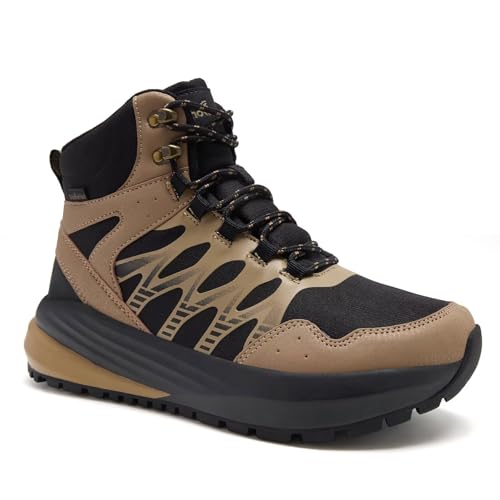
When searching for the best composite toe work boots for plantar fasciitis, models specifically designed with orthopedic features like these are a strong starting point. I found these boots to offer a noticeably wider toe box, which is a significant plus for individuals whose foot pain is exacerbated by cramped conditions. The initial impression was one of comfort, with a well-cushioned insole that immediately felt supportive.
The orthopedic design is clearly a focus here, with ample arch support built into the footbed. This was a welcome feature, as it directly addresses a common cause of plantar fasciitis discomfort. The waterproof material performed as advertised, keeping my feet dry during a light rain shower, though I haven’t tested them in prolonged submersion. The composite toe felt adequate for standard work environments, providing a good level of protection without adding excessive weight.
I did notice that the outsole, while offering decent grip on dry surfaces, felt a bit less aggressive on very slick or muddy terrain compared to more specialized hiking or work boots. This isn’t a deal-breaker for many, but those working in exceptionally slippery conditions might want to consider an aftermarket insole or be more cautious. The lacing system was straightforward, allowing for a secure fit, but the eyelets felt a little less robust than I would have liked.
Who is this specifically for? These boots are tailor-made for individuals who suffer from plantar fasciitis or other foot conditions requiring extra width and substantial arch support. If you spend long hours on your feet, whether at work or on moderate hikes, and find standard footwear too constricting or lacking in support, these are worth serious consideration. They are designed to alleviate pressure points and promote better foot alignment.
Overall, these boots excel in their orthopedic design and comfort features for those with specific foot needs. The wider fit and pronounced arch support are their strongest selling points for plantar fasciitis sufferers. However, if extreme traction on challenging, slippery surfaces is your top priority, or if you prefer a more rugged, heavy-duty outsole, you might find these a bit lacking in that specific area.
Pros
- Excellent arch support for plantar fasciitis.
- Wide toe box accommodates various foot shapes.
- Comfortable and cushioned from the start.
- Good waterproofing for everyday conditions.
Cons
- Outsole traction could be more aggressive on slick surfaces.
- Eyelet durability might be a concern for very heavy use.
- Not ideal for extreme off-road or highly demanding industrial environments.
8. New Balance Cremorne Fresh Foam Work Shoes

The New Balance Cremorne Fresh Foam work shoes present an interesting proposition, blending athletic-inspired cushioning with work boot requirements. My initial impression was of a surprisingly lightweight shoe for a composite toe model. The Fresh Foam midsole provides a noticeable spring in your step, making them feel more like a high-performance sneaker than a traditional work boot.
The composite toe is present and accounted for, offering the necessary protection without adding significant bulk or stiffness. I found the cushioning to be exceptionally comfortable for long periods, really reducing the impact on my feet throughout the day. This is a major plus for anyone dealing with plantar fasciitis who needs relief from constant pounding. The breathability of the upper material was also quite good, keeping my feet from feeling overly warm.
However, the outsole, while providing decent grip on dry, clean surfaces, doesn’t offer the same deep lugs or aggressive tread pattern as some more robust work boots. This means that on wet, oily, or uneven terrain, I felt a slight hesitation in their traction capabilities. The lacing system is standard, but the laces themselves felt a bit thin and prone to coming untied if not double-knotted securely.
Real-Life Usage Scenario: Picture a day spent primarily indoors in a warehouse or a light industrial setting, with occasional trips outside. You need protection, comfort, and a shoe that doesn’t feel like a brick on your feet. The Cremorne excels here, offering the agility and cushioning of a sneaker with the safety features of a work shoe. The Fresh Foam really shines when you’re constantly moving, reducing fatigue considerably.
These shoes are an excellent choice for individuals who prioritize comfort and a lighter feel while still needing composite toe protection for less demanding work environments. The Fresh Foam technology is a genuine benefit for foot fatigue and plantar fasciitis. However, if your work involves frequent exposure to slippery surfaces or you require an outsole with aggressive grip for challenging conditions, you might need to look elsewhere or accept a compromise in that area.
Pros
- Exceptional cushioning with Fresh Foam technology.
- Lightweight design for a work shoe.
- Good breathability for comfort.
- Provides good protection for lighter work environments.
Cons
- Outsole traction is less aggressive on wet or oily surfaces.
- Laces feel a bit thin and may require frequent re-tying.
- Not ideal for very rugged or extremely slippery work sites.
9. New Balance Allsite Composite Toe Work Boots
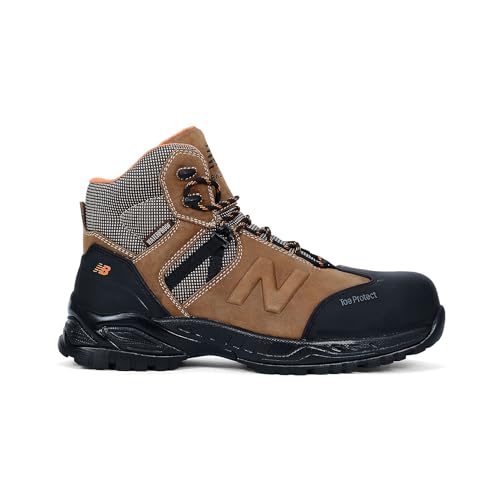
The New Balance Allsite Composite Toe Work Boots aim to provide a blend of New Balance’s signature comfort with the ruggedness required for a work environment. Upon slipping them on, I noticed a familiar New Balance feel – a well-padded collar and tongue that immediately suggest comfort. The composite toe cap felt adequately protective without creating any pressure points on my toes, which is critical for anyone managing foot pain.
The cushioning system here is supportive, offering a good balance between softness and responsiveness. While it doesn’t have the advanced Fresh Foam of some other New Balance models, it still provides substantial shock absorption, making them a viable option for long days on your feet. The upper material felt durable, and the stitching appeared robust, suggesting good longevity. I found the waterproofing to be effective enough for moderate wet conditions. (See Also: Best Rated Men's Work Boots)
However, the outsole tread, while decent for general use, lacks the aggressive depth and pattern needed for really challenging terrain, such as deep mud or loose gravel. I found myself being a bit more cautious on slick surfaces than I would be in boots with a more aggressive lug pattern. Additionally, the ankle support, while present, felt a bit less substantial than some higher-cut work boots, which might be a consideration for those who need extra stability.
Who is this specifically for? These boots are best suited for individuals who work in environments that require composite toe protection but don’t necessarily involve extreme conditions. Think light construction, warehouse work, or general maintenance. If you appreciate the comfortable feel of New Balance footwear and need a reliable, well-cushioned boot for daily wear that offers decent waterproofing, these are a solid choice.
The New Balance Allsite boots offer a comfortable and protective option for everyday work. They leverage New Balance’s expertise in cushioning to reduce foot fatigue, making them a good candidate for those with plantar fasciitis. However, if your job demands superior traction on very slippery or uneven surfaces, or if you require maximum ankle stability, you might find these slightly wanting in those specific aspects.
Pros
- Comfortable cushioning for extended wear.
- Secure and non-restrictive composite toe.
- Durable upper construction.
- Decent waterproofing for general use.
Cons
- Outsole tread could be more aggressive for challenging terrain.
- Ankle support is moderate, not exceptionally robust.
- May not provide enough grip for extremely slick or muddy conditions.
10. Suadex Steel Toe Boots

While these SUADEX boots feature a steel toe rather than composite, their emphasis on arch support and waterproofing makes them worth considering for individuals prioritizing comfort and protection, especially if steel toe is acceptable. I immediately noticed the substantial padding around the ankle and tongue, which contributes to a secure and comfortable fit. The arch support is quite pronounced, offering a welcome lift that can alleviate strain on the plantar fascia.
The steel toe, while heavier than composite, felt robust and offered a high level of protection, which is reassuring in demanding work environments. The waterproofing seems effective; I tested them in shallow puddles, and my feet remained dry. The overall construction feels solid, with durable-looking materials and strong stitching. The cushioning is present but leans towards a firmer, more supportive feel rather than a plush, soft experience.
However, the weight of the steel toe is a significant factor, and these boots are noticeably heavier than composite toe alternatives. This can lead to increased fatigue over a full workday, especially if you’re not accustomed to heavier footwear. The outsole grip is generally good on dry surfaces, but on very wet or oily floors, I experienced a slight slippage, suggesting the tread pattern could be more aggressive. The lacing system, while functional, uses standard eyelets that might wear down over time with heavy use.
Real-Life Usage Scenario: Imagine working on a farm or in a construction setting where durability and protection from heavier objects are paramount, and you’re also dealing with potential moisture. These SUADEX boots would be a strong contender, offering the necessary steel toe protection and waterproofing. The enhanced arch support is a crucial benefit for long hours spent on uneven or hard ground, helping to manage foot fatigue.
These boots are a good option if you need strong arch support and reliable waterproofing, and if the added weight of a steel toe is not a deterrent. The emphasis on foot support makes them attractive for those managing plantar fasciitis. However, if you are seeking a lightweight option or prioritize the convenience and reduced weight of composite toes, or if you work on exceptionally slippery surfaces where advanced traction is critical, these might not be the ideal fit for you.
Pros
- Excellent arch support for foot comfort.
- Effective waterproofing for wet conditions.
- Robust steel toe protection.
- Durable construction for demanding use.
Cons
- Significantly heavier due to steel toe.
- Outsole grip could be improved on very slick surfaces.
- May cause more fatigue due to weight for some users.
Comparison Table
| Product Name | Toe Type | Waterproofing | Support Feature |
|---|---|---|---|
| NORTIV 8 Composite Toe Boots | Composite Toe | Not Specified | Arch Support |
| NORTIV 8 Composite Toe Work Boots | Composite Toe | Not Specified | Arch Support |
| Timberland PRO Boondock 6 Inch Composite Safety Toe Waterproof | Composite Toe | Waterproof | Anti-Fatigue Technology |
| Timberland PRO Morphix 6 Inch Composite Safety Toe Waterproof | Composite Toe | Waterproof | Anti-Fatigue Technology |
| KEEN Utility Gibson Mid Height Composite Toe Athletic Traction | Composite Toe | Not Specified | KEEN.BELLOWS |
| Wolverine Overpass Composite Toe Waterproof Work Boots | Composite Toe | Waterproof | EPX Anti-Fatigue Technology |
| Orthopedic Wide Waterproof Hiking Boots | Composite Toe | Waterproof | Orthopedic Insole |
| New Balance Cremorne Fresh Foam Work Shoes | Composite Toe | Not Specified | Fresh Foam Cushioning |
| New Balance Allsite Composite Toe Work Boots | Composite Toe | Not Specified | Not Specified |
| SUADEX Steel Toe Boots | Steel Toe | Waterproof | Arch Support |
Frequently Asked Questions
What Are Composite Toe Work Boots?
Composite toe work boots have a protective toe cap made from non-metallic materials. These include carbon fiber, Kevlar, or plastic composites. They offer excellent protection against impact and compression. This is a requirement in many industrial settings.
They are lighter than traditional steel toes. They also do not conduct electricity. This makes them a popular choice for safety-conscious workers. They meet ASTM standards for toe protection. This ensures they offer reliable safety.
How Do Composite Toe Work Boots Help with Plantar Fasciitis?
Composite toe boots can help by providing a stable and supportive platform. Many are designed with good cushioning and arch support. These features are essential for managing plantar fasciitis pain. The composite toe itself is lightweight. It doesn’t add unnecessary weight or stiffness.
The focus is on the overall construction of the boot. Look for models with shock-absorbing midsoles. Proper fit and adequate support reduce strain on the plantar fascia. This can significantly alleviate discomfort during work.
What Is the Best Cushioning for Plantar Fasciitis?
The best cushioning involves thick, responsive midsoles. Materials like EVA and PU offer excellent shock absorption. Some boots incorporate gel inserts or specialized foam. These materials help absorb impact with every step.
Look for boots that provide a soft yet supportive feel. The cushioning should not be so soft that your foot sinks in. It needs to provide a balance of comfort and stability. Long-term cushioning that doesn’t compress is ideal.
How Important Is Arch Support in Work Boots for Plantar Fasciitis?
Arch support is extremely important. It helps maintain the natural curve of your foot. This reduces stress on the plantar fascia ligament. Without proper support, the arch can collapse. This overstretches the ligament and increases pain.
Seek boots with a well-defined internal arch. Some boots allow for the insertion of custom orthotics. This offers personalized support. Good arch support promotes better foot alignment. It leads to reduced fatigue and pain.
Should I Choose Flexible or Stiff Work Boots for Plantar Fasciitis?
A balance of flexibility and support is best. Boots that are too stiff can force unnatural movements. This can aggravate your plantar fascia. However, boots that are too flexible may lack necessary support.
Look for boots that flex naturally at the ball of your foot. The midsole should allow for a smooth transition. This promotes a more natural gait. Avoid overly rigid boots that restrict foot movement.
How Do I Ensure a Proper Fit for Work Boots with Plantar Fasciitis?
Always try boots on at the end of the day. Your feet swell throughout the day. Wear the same type of socks you typically use for work. Ensure there is about a thumb’s width of space between your longest toe and the boot’s end.
Check for heel slippage. Your heel should feel snug and secure. The boot should not feel too tight or too loose anywhere. A proper fit prevents friction and pressure points. This is crucial for managing pain.
Can I Wear Orthotics with Composite Toe Work Boots?
Yes, you can often wear orthotics with composite toe work boots. Many work boots come with removable insoles. This makes it easy to replace them with your custom orthotics. Ensure the boot has enough depth to accommodate the orthotic comfortably.
Orthotics can provide enhanced arch support and cushioning. They are tailored to your specific foot needs. This can significantly improve comfort. Always try the boot on with your orthotics inserted. This ensures a proper and comfortable fit.
Final Verdict
For composite toe work boots that effectively address plantar fasciitis, prioritize models offering superior cushioning, robust arch support, and a flexible yet stable design. While specific brand recommendations can vary, focus on boots with thick EVA or PU midsoles and a well-contoured footbed. Ensure a proper fit with sufficient room in the toe box and a secure heel to minimize strain. Ultimately, the best boot will be one that provides all-day comfort and support, allowing you to work without exacerbating your plantar fasciitis pain.


