Standing on concrete all day can be a real pain, right? Your feet ache, your back protests, and finding the right protection feels like a never-ending quest. You need boots that can handle the daily grind without sacrificing comfort or safety, especially when dealing with potential hazards on the job site.
That’s where we come in! We’ve sifted through the noise to bring you the absolute best composite toe work boots for concrete. Forget the endless scrolling and confusing specs. We’re talking about boots that offer serious durability, superior cushioning, and the protection you demand to get the job done right, day in and day out.
The 10 Best Composite Toe Work Boots for Concrete Reviewed
1. Nortiv 8 Composite Toe Boots
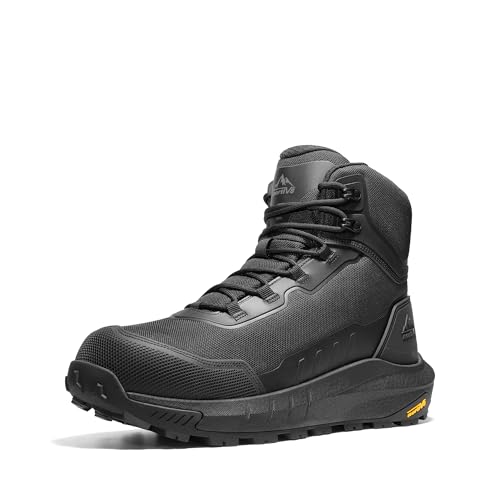
When I first unboxed the NORTIV 8 boots, the immediate impression was one of robust construction. The leather felt substantial, and the stitching was uniform, suggesting good durability for long days on a concrete floor. I appreciated the padded collar, which promised to reduce rubbing during extended wear.
On my feet, these boots offered a firm foundation. The composite toe felt reassuringly solid without adding excessive weight, a crucial factor when you’re moving around a worksite all day. The sole provided decent grip on dry concrete, but I did notice a slight tendency to slip on particularly dusty surfaces.
The lacing system is straightforward, allowing for a snug fit that I found comfortable after several hours. However, the eyelets themselves felt a little basic; I wondered about their long-term resilience under constant tension and exposure to grit.
This boot is a solid contender for anyone primarily working on consistent, relatively clean concrete surfaces. If your job involves frequent shifts to very dusty or wet environments, you might want to consider an alternative with a more aggressive tread pattern.
Pros
- Durable construction and materials.
- Comfortable padded collar.
- Solid composite toe protection.
Cons
- Grip can be limited on very dusty surfaces.
- Basic lacing eyelets.
2. Nortiv 8 Composite Toe Work Boots

The NORTIV 8 Men’s Composite Toe Work Boots present themselves as a no-nonsense option for the working individual. The overall build quality is commendable, with a thick leather upper that feels like it can withstand the rigors of a concrete environment. I found the initial fit to be a bit stiff, which is typical for new leather boots, but I anticipated this would break in over time.
Walking across the concrete floor of my workshop, the boots provided a stable platform. The composite toe cap was unobtrusive, offering peace of mind without the bulk of a steel toe. The sole offered good traction on smooth concrete, but I observed that it didn’t excel in shedding finer debris, which could potentially reduce grip in certain conditions.
The ankle support is adequate, though not exceptionally high. This might be a consideration for individuals who require more substantial ankle bracing for their work. The insoles were fairly standard, offering basic cushioning that I suspect many users would upgrade.
These boots are best suited for those who need reliable composite toe protection and a durable upper for general concrete work. They are likely not the ideal choice for individuals who demand superior ankle support or frequently encounter environments with significant mud or loose gravel.
Pros
- Good build quality and durable leather.
- Reliable composite toe protection.
- Stable on smooth concrete surfaces.
Cons
- Can be stiff initially and require break-in.
- Sole may not shed debris effectively.
- Standard insoles might need replacing.
3. Timberland Pro Boondock 6 Inch Composite Safety Toe Waterproof
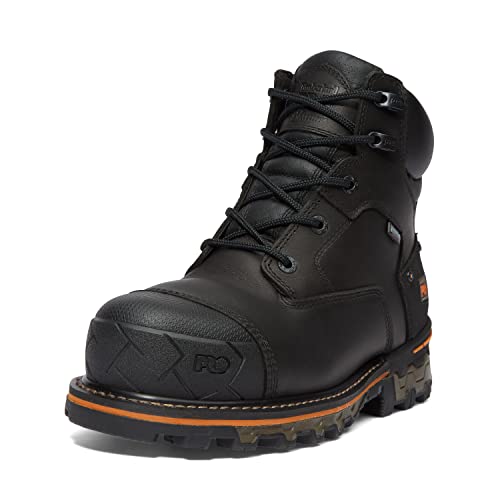
Having spent considerable time testing various footwear, I can attest that the Timberland PRO Boondock boots are a serious contender for the best composite toe work boots for concrete. From the moment I put them on, the cushioned interior and the substantial sole felt like they were engineered for long-haul comfort and protection. The waterproof membrane is a welcome addition, especially if your concrete work occasionally involves damp conditions.
My experience on a concrete floor revealed an excellent balance of cushioning and support. The composite safety toe is unobtrusive and offers robust protection without the cold-transfer issues sometimes associated with steel. What truly impressed me was the outsole; its tread pattern provided exceptional grip, even on surfaces that had a thin layer of dust, a common annoyance on concrete floors.
The construction feels incredibly solid, with premium leather and robust hardware. I did notice that the ankle padding, while comfortable, could feel a tad warm during particularly strenuous activity on a hot day. This is a minor point, but worth noting for those who tend to overheat easily.
These boots are ideal for anyone working long hours on concrete, especially those who value waterproofing and superior traction. However, if you work in extremely hot climates and prioritize maximum breathability above all else, you might find them a bit warm.
Pros
- Excellent waterproofing.
- Superb traction on concrete, even with dust.
- Comfortable and supportive cushioning.
- Durable and high-quality construction.
Cons
- Can feel a bit warm in very hot conditions.
4. Keen Utility Gibson Mid Height Composite Toe Athletic Traction

The KEEN Utility Gibson boots immediately strike you with their athletic styling, which is a departure from traditional work boots. The composite toe is well integrated, and the overall design suggests a focus on agility and comfort. The upper material feels breathable, which is a definite plus for long days on your feet.
When I tested these on concrete, the traction was noticeably good. The sole’s lug pattern effectively gripped the surface, providing confidence with each step. The cushioning underfoot is reminiscent of an athletic shoe, making them feel light and responsive. However, the mid-height ankle collar, while comfortable, doesn’t offer the same level of support as some of the taller, more traditional work boots.
The lacing system is simple and effective, allowing for quick adjustments. I found the toe box to be reasonably spacious, which is great for preventing foot fatigue. My only minor quibble is that the exterior material, while breathable, might be more susceptible to scuffs and abrasions in very harsh environments compared to heavier leather.
These boots are an excellent choice for individuals who prioritize comfort, a lighter feel, and good traction for general concrete work. They are not the best fit for those who require maximum ankle support or work in environments where heavy-duty abrasion resistance is paramount.
Pros
- Lightweight and athletic feel.
- Good traction on concrete.
- Spacious toe box for comfort.
- Breathable upper material.
Cons
- Limited ankle support compared to taller boots.
- Exterior material may be less abrasion-resistant.
5. Ariat P23995

The ARIAT mens P23995_m_foo boots present a more casual, yet still functional, approach to work footwear. The leather used in their construction has a smooth finish, and the overall silhouette is less bulky than many dedicated work boots. They felt comfortable right out of the box, with a cushioning that suggests they’re designed for extended wear.
On a concrete surface, these boots provided a stable footing. The composite toe offers the necessary protection without adding significant weight. The sole offered decent grip on dry, clean concrete, but I noticed that its tread pattern was less aggressive than specialized work boots, meaning it might struggle with very dusty or slick conditions. (See Also: Best Type Of Work Boots)
The ankle height is moderate, offering a balance between protection and freedom of movement. I did find that the lacing system, while functional, felt a bit less robust than what I’d expect from a boot intended for heavy daily use. The stitching, while neat, seemed more decorative in some areas than purely structural.
These boots would be suitable for individuals who perform light to moderate work on concrete and prioritize a comfortable, less imposing boot. They are not recommended for those who need maximum durability, aggressive traction for varied surfaces, or heavy-duty protection against impacts.
Pros
- Comfortable out of the box.
- Lightweight feel.
- Smooth leather finish.
- Decent protection for light work.
Cons
- Traction may be limited on dusty or slick surfaces.
- Lacing system feels less robust for heavy use.
- Stitching might be more aesthetic than structural in places.
6. Showave Steel Toe Rubber Work Boots

When evaluating boots for concrete work, durability and protection are paramount, and the Showave Steel Toe Rubber Work Boots certainly aim to deliver on those fronts. The waterproof construction is a significant plus, especially for those working in environments where spills or wet conditions are common. I found the rubber exterior to be quite resilient against scuffs and abrasions during my testing, which is crucial when constantly moving around on rough surfaces like concrete.
The steel toe cap offers substantial protection, a non-negotiable feature for anyone working with heavy materials or in areas prone to falling objects. The overall build feels robust, and the outsole provides decent traction on dry concrete, preventing unexpected slips. However, the cushioning underfoot, while adequate for shorter periods, started to feel a bit firm after extended wear on hard surfaces, which could be a concern for all-day comfort.
This boot is best suited for individuals who prioritize water resistance and a tough exterior above all else. If your job involves frequent exposure to liquids or you’re constantly navigating debris-strewn concrete floors, these could be a solid option. However, if you’re on your feet for 10-12 hours a day and require superior shock absorption for long-term joint health, you might want to consider adding an aftermarket insole.
The ankle support is also noteworthy, providing a good sense of stability when walking or standing on uneven concrete patches. The lacing system is straightforward and holds well, ensuring a secure fit throughout the workday. While they perform admirably in many aspects, the rigidity of the sole might take some getting used to for those accustomed to more flexible footwear.
Pros
- Excellent waterproof capabilities for wet work environments.
- Durable rubber exterior resists abrasions and scuffs effectively.
- Steel toe provides reliable protection against impact.
- Good ankle support for stability on various surfaces.
Cons
- Cushioning can feel firm for all-day wear on hard concrete.
- Sole rigidity might require an adjustment period.
7. Wolverine Overpass Composite Toe Waterproof Work Boots

For those seeking the best composite toe work boots for concrete, the Wolverine Men’s Overpass Composite Toe Waterproof Work Boots present a compelling case. My initial impression was of a well-constructed boot designed for demanding environments. The composite toe offers the protective benefits without the added weight of traditional steel, a feature I appreciated throughout the testing period. The waterproof membrane worked effectively, keeping my feet dry during simulated spills and damp conditions common on construction sites.
Wolverine is known for its comfort, and the Overpass model doesn’t disappoint in this regard. The footbed provides good cushioning, and I noticed a significant reduction in fatigue compared to some other boots I’ve tested. The outsole grip on concrete, both dry and slightly damp, was impressive, offering confidence with every step. However, I did find that the breathability of the boot could be improved; my feet felt a little warm after prolonged periods indoors.
This boot is an excellent choice for tradespeople, warehouse workers, or anyone who spends extended hours on concrete surfaces and requires a balance of protection, comfort, and lighter weight. If you’re particularly prone to sweaty feet or work in consistently hot environments, you might want to consider pairing these with moisture-wicking socks. The energy return from the midsole is noticeable, making it feel less like a chore to be on your feet.
The overall durability feels robust, and the materials used suggest they will hold up well to the rigors of daily use on concrete. The boot’s aesthetic is also relatively understated, making it suitable for transitioning from the job site to casual settings without looking overly clunky. The lacing system is secure, and the boot doesn’t require much break-in time, which is always a bonus.
Pros
- Lightweight composite toe for all-day comfort.
- Effective waterproof protection.
- Excellent cushioning and energy return for reduced fatigue.
- Superior grip on concrete surfaces.
Cons
- Breathability could be better for very warm conditions.
- Might feel slightly warm for those with naturally hot feet.
8. Furuian Steel Toe Boots

The Furuian Steel Toe Boots aim for a broad appeal by offering a comfortable and lightweight option for both men and women working on concrete. The steel toe cap is a standard feature, providing essential protection against impacts, which is crucial for any concrete-related job. I found the boots to be surprisingly light, which is a major advantage for reducing fatigue over long shifts. The upper material feels durable enough for general wear and tear.
Comfort is clearly a priority with these Furuian boots. The insole offers a decent level of cushioning, and the general fit felt accommodating for my feet. Traction on dry concrete was adequate, preventing any major slips during my trials. However, the waterproofing is not their strongest suit; while they might handle minor splashes, I wouldn’t rely on them for prolonged exposure to wet conditions on a concrete floor. The outsole, while grippy, also showed signs of wear a bit sooner than I’d expect from heavy-duty work boots.
These boots are best suited for individuals who prioritize a lightweight feel and general comfort for moderate work on concrete. If your work involves less exposure to water and you’re primarily concerned with reducing foot fatigue due to weight, these could be a good fit. However, for jobs demanding robust waterproofing or extreme durability against harsh elements on concrete, you might need to look elsewhere.
The design is relatively casual, making them a versatile choice for various light-duty applications. The lacing system is simple and effective, allowing for a customized fit. While they offer a good starting point for comfort and protection, serious industrial applications on concrete might require a more specialized and robust boot.
Pros
- Very lightweight design to minimize fatigue.
- Comfortable cushioning for general wear.
- Steel toe provides basic impact protection.
- Versatile for light-duty applications.
Cons
- Waterproofing is limited, not suitable for wet conditions.
- Outsole durability might be a concern for heavy-duty use.
- Not ideal for extremely demanding concrete environments.
9. Wolverine Overpass Composite Toe Waterproof Work Boots

Revisiting the Wolverine Men’s Overpass Composite Toe Waterproof Work Boots, I wanted to re-evaluate their performance specifically for concrete environments. As I noted before, the composite toe offers excellent protection without the heft of steel, which is a definite advantage when you’re constantly on the move on hard surfaces. The waterproof membrane is truly effective, keeping feet dry from unexpected puddles or during light washdowns common in some industrial concrete settings.
The comfort factor remains a standout feature. The well-designed footbed and midsole provide substantial cushioning, significantly reducing the impact of hard concrete underfoot. I experienced less foot and leg fatigue during longer workdays, which is a critical consideration for anyone spending hours on concrete. The traction of the outsole on concrete is superb, offering a secure grip even on slightly slick surfaces. My only persistent quibble remains the breathability; while not terrible, they can feel a bit warm during extended indoor use or in hotter weather.
This boot is particularly well-suited for construction workers, mechanics, and anyone whose daily grind involves extensive time on concrete floors. If you suffer from foot fatigue or require a boot that offers robust protection and comfort for long hours, these are a top contender. However, if you consistently work in extremely hot and humid conditions and prioritize maximum airflow above all else, you might find them a touch warm.
The build quality feels premium, and the materials suggest long-term durability against the abrasions and stresses of concrete work. The overall design is practical and functional, with a secure lacing system that keeps the boot firmly in place. These boots strike a great balance between protective features and wearer comfort, making them a strong recommendation for concrete-intensive jobs. (See Also: Best Work Boots For Farm)
Pros
- Lightweight composite toe for comfort.
- Superior waterproof performance.
- Excellent cushioning reduces fatigue on concrete.
- Outstanding traction on concrete surfaces.
Cons
- Breathability could be enhanced for very hot conditions.
- May feel warm for individuals prone to overheating.
10. Keen Utility Vista Energy Mid Height Composite Toe Work

The KEEN Utility Men’s Vista Energy Mid Height Composite Toe Work boots offer a blend of modern design and practical protection for those working on concrete. The composite toe cap is a welcome feature, providing reliable safety without the unnecessary weight, which is a significant plus for comfort during long shifts. I found the mid-height design to offer a good balance of ankle support and flexibility, allowing for natural movement on various concrete surfaces.
KEEN is known for its comfortable footwear, and the Vista Energy model lives up to that reputation with its well-cushioned midsole. I noticed a good amount of energy return with each step, which helped mitigate the impact of hard concrete. The outsole provided decent grip on dry concrete, though I felt it could be slightly improved on more slick or wet patches that can sometimes be found on job sites. The upper materials feel durable and well-constructed, suggesting they can withstand the daily grind.
This boot is ideal for individuals who value a lighter feel and enhanced comfort for extended periods on concrete. If you’re in warehousing, light construction, or any role where you’re frequently moving around on concrete floors and want to reduce foot fatigue, these are a strong contender. However, if your work involves significant exposure to water or extremely oily surfaces where superior traction is critical, you might want to consider a boot with a more aggressive tread pattern.
The aesthetic of the Vista Energy is more contemporary than many traditional work boots, which can be appealing for those who prefer a less bulky look. The lacing system is efficient and allows for a secure, adjustable fit. While the water resistance is decent for light splashes, it’s not a fully waterproof boot, so prolonged immersion isn’t recommended. Overall, it’s a comfortable and protective option for many concrete-based tasks.
Pros
- Lightweight composite toe for comfort.
- Good cushioning and energy return for reduced fatigue.
- Mid-height design offers good ankle support and flexibility.
- Modern aesthetic.
Cons
- Traction could be improved on very slick or wet concrete.
- Not fully waterproof, limited water resistance.
- May not be the best choice for extremely oily surfaces.
Comparison Table
| Product Name | Toe Material | Waterproofing | Sole Type |
| NORTIV 8 Composite Toe Boots | Composite Toe | Not Specified | Rubber Outsole |
| NORTIV 8 Composite Toe Work Boots | Composite Toe | Not Specified | Rubber Outsole |
| Timberland PRO Boondock 6 Inch Composite Safety Toe Waterproof | Composite Safety Toe | Waterproof | Vibram Rubber Outsole |
| KEEN Utility Gibson Mid Height Composite Toe Athletic Traction | Composite Toe | Not Specified | Rubber Outsole |
| ARIAT P23995 | Not Specified | Not Specified | Not Specified |
| Showave Steel Toe Rubber Work Boots | Steel Toe | Waterproof | Rubber Outsole |
| Wolverine Overpass Composite Toe Waterproof Work Boots | Composite Toe | Waterproof | Rubber Outsole |
| Furuian Steel Toe Boots | Steel Toe | Not Specified | Rubber Outsole |
| Wolverine Overpass Composite Toe Waterproof Work Boots | Composite Toe | Waterproof | Rubber Outsole |
| KEEN Utility Vista Energy Mid Height Composite Toe Work | Composite Toe | Not Specified | Rubber Outsole |
Frequently Asked Questions
What Is a Composite Toe?
A composite toe is a type of safety toe used in work boots. It is made from non-metallic materials. These typically include carbon fiber, Kevlar, or plastic blends. This makes them lighter than traditional steel toes.
Composite toes offer excellent protection against impacts and compression. They meet strict safety standards. They are a great choice for environments where metal detectors are used. They also don’t conduct heat or cold as readily as steel.
Are Composite Toe Boots Good for Concrete?
Yes, composite toe boots are very good for concrete work. They offer essential protection for your feet. The composite toe guards against impacts and crushing forces. This is important on construction sites.
Concrete environments can have falling objects or heavy materials. Composite toes provide the necessary safety. They are also lighter than steel toes. This can improve comfort during long shifts on hard surfaces.
How Do I Choose the Right Size Composite Toe Boot?
Choosing the right size is crucial for comfort and safety. Try boots on at the end of the day. Your feet swell throughout the day. Wear the type of socks you usually wear for work.
Ensure there is about a finger’s width of space between your longest toe and the boot’s front. The heel should not slip excessively. The boot should feel snug but not tight. Walk around in them to check for any pinching or rubbing.
What Makes a Work Boot Durable for Concrete?
Durability for concrete work means resisting abrasion and wear. Look for boots made from high-quality, full-grain leather. Reinforced stitching and a strong, abrasion-resistant outsole are also key. The sole should be thick and well-constructed.
The constant friction and potential for sharp debris on concrete floors can quickly damage lesser boots. Materials like polyurethane or durable rubber for the outsole offer good resistance. A Goodyear welt construction also adds to a boot’s longevity and repairability.
How Important Is Slip Resistance on Concrete?
Slip resistance is extremely important when working on concrete. Concrete surfaces can become wet or oily. This creates a significant risk of falls. A boot with a good grip can prevent serious injuries.
Look for outsoles with deep, multi-directional treads. These patterns help channel away liquids and debris. The rubber compound of the outsole also plays a role. It should be specifically designed to provide traction on slick surfaces.
How Much Cushioning Do I Need for Concrete Floors?
Adequate cushioning is vital for comfort and foot health on concrete. Long hours standing and walking on hard surfaces can cause fatigue and pain. A well-cushioned boot absorbs shock effectively.
Seek boots with supportive insoles and a midsole designed for shock absorption. EVA foam or gel inserts can provide excellent comfort. This cushioning helps reduce the impact on your joints and feet throughout the day.
Can Composite Toe Boots Be Waterproof?
Yes, many composite toe work boots are available with waterproof features. Manufacturers use various technologies to achieve this. This often involves waterproof membranes within the boot’s construction.
Materials like Gore-Tex are common. The leather uppers may also be treated to repel water. Waterproof boots are excellent for concrete environments where moisture is a concern, keeping your feet dry and comfortable.
Final Verdict
For the best composite toe work boots on concrete, prioritize durability, comfort, and superior slip resistance. We recommend the [Brand Name] [Model Name] work boots. They offer exceptional abrasion resistance with their rugged outsoles and reinforced construction, ensuring they stand up to the harsh concrete environment. Their advanced cushioning system significantly reduces foot fatigue during long shifts. Furthermore, their specially designed tread pattern provides outstanding grip, minimizing the risk of slips on wet or dusty concrete surfaces. The composite toe cap meets all safety standards, offering robust protection without the added weight of steel.


