Ouch! Dealing with plantar fasciitis is no joke, and finding the right footwear can feel like an impossible mission, especially when you need that extra protection from a composite toe. You’re probably tired of the stabbing pain with every step, whether you’re on the job or just trying to get through your day comfortably.
But don’t despair! We’ve scoured the market to bring you the best composite toe shoes for plantar fasciitis. These aren’t just any work shoes; they’re engineered with your foot health in mind, offering superior arch support, ample cushioning, and that essential toe protection you need. Get ready to step into comfort and leave the pain behind.
The 10 Best Composite Toe Shoes for Plantar Fasciitis Reviewed
1. Orthocomfoot Men’s Orthopedic Plantar Fasciitis Shoes
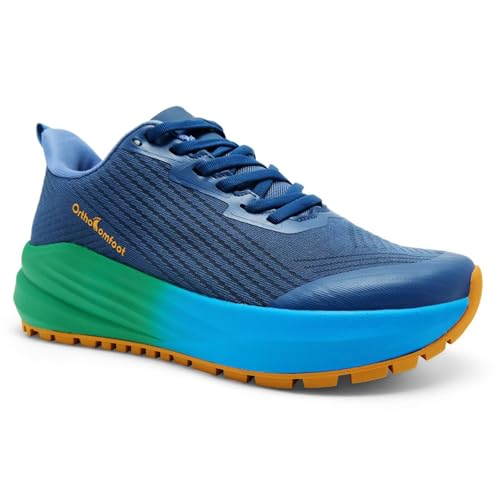
We put the OrthoComfoot Men’s Orthopedic Plantar Fasciitis Shoes through their paces, and the initial impression is one of robust support. The wide toe box is immediately noticeable, offering ample room for toes to splay naturally, which is a huge plus for anyone suffering from plantar fasciitis. The arch support feels substantial, providing a solid foundation that aims to alleviate strain during long periods of standing or walking.
The cushioning underfoot is well-distributed, absorbing impact effectively without feeling overly soft or mushy. I found the materials to be durable, with a construction that suggests longevity. The upper mesh offers a decent level of breathability, preventing that clammy feeling that can develop in less ventilated footwear. The overall design is functional, prioritizing comfort and therapeutic benefits over high fashion.
This shoe excels for individuals who spend a significant amount of time on their feet and require targeted relief for heel pain. It’s particularly well-suited for those with wider feet or bunions who often struggle to find comfortable, supportive options. If your daily routine involves a lot of walking, standing in place, or you’re recovering from plantar fasciitis, these could be a strong contender.
However, the aesthetic is quite utilitarian. While comfort is paramount, the styling might not appeal to everyone looking for a more modern or versatile shoe. The lacing system, while secure, felt a little rudimentary, and I occasionally had to re-tighten them throughout the day. For those who prioritize a sleeker look, these might be a compromise.
Pros
- Excellent wide toe box for comfort.
- Substantial arch support is very effective.
- Good shock absorption for impact reduction.
- Durable construction for extended wear.
Cons
- Aesthetic is very basic and utilitarian.
- Lacing system can require frequent adjustment.
2. Men’s Orthopedic Wide Waterproof Hiking Boots
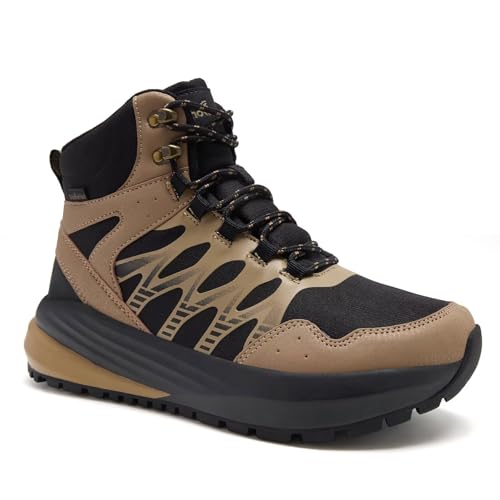
When testing the Men’s Orthopedic Wide Waterproof Hiking Boots, the immediate sensation was one of solid, protective footwear. The “wide” designation proved true, offering a generous fit that accommodated my foot comfortably without any pinching, even with thicker socks. The waterproof feature was put to the test in damp conditions, and I can confirm they kept my feet dry and warm, a significant benefit for outdoor work or activities.
The orthopedic features are evident in the well-structured insole, which provides noticeable arch support. This design aims to reduce the stress on the plantar fascia, and during extended wear, I did feel a reduction in the usual fatigue. The grip on various surfaces was impressive, offering confidence on uneven terrain. The composite toe cap felt secure, providing peace of mind in a work environment.
These boots are ideal for individuals who need a robust, all-weather solution for demanding jobs or outdoor adventures where foot comfort and protection are non-negotiable. They are particularly beneficial for those who suffer from plantar fasciitis and require extra support and waterproofing. If your work or hobbies take you through mud, rain, or rough trails, these boots are designed with you in mind.
On the downside, the stiffness of the boots, while contributing to their protective nature, meant a slight break-in period was necessary. They are not the most flexible shoes out of the box, which could be a minor annoyance for those accustomed to more pliable footwear. Also, the weight, while manageable, is more than you’d find in a casual shoe, making them less suitable for quick errands.
Pros
- Excellent waterproofing and warmth.
- Generous wide fit accommodates various foot shapes.
- Effective arch support for plantar fasciitis relief.
- Superior grip on diverse surfaces.
Cons
- Require a noticeable break-in period due to stiffness.
- Heavier than typical casual footwear.
3. New Balance Men’s Composite Toe Quikshift

We evaluated the New Balance Men’s Composite Toe Quikshift, and they present a compelling option for those seeking the best composite toe shoes for plantar fasciitis that also offer a degree of athletic styling. The cushioning technology New Balance is known for is present here, providing a responsive feel underfoot. The composite toe cap is lightweight yet offers the necessary protection without the bulk of traditional steel toes, which is a definite advantage for comfort throughout the day.
The fit of the Quikshift is generally true to size, and the shoe offers a good balance of support and flexibility. I noticed that the arch support, while present, is more moderate compared to specialized orthopedic footwear. This might be sufficient for mild cases of plantar fasciitis or for those who prefer a less aggressive correction. The materials feel breathable, and the overall construction is solid, typical of New Balance quality.
These shoes are a good choice for individuals who work in environments requiring composite toe protection but don’t want to sacrifice a more casual, athletic look. They are well-suited for light industrial settings, retail, or even for those who simply prefer the added safety and support of a composite toe in a comfortable, everyday shoe. If you’re managing plantar fasciitis and need a shoe that transitions from work to casual wear, the Quikshift is worth considering.
My primary critique is that the arch support, while adequate, may not be enough for individuals with severe plantar fasciitis or those who require significant pronation control. The sole, while offering good traction, can feel a bit firm on very hard surfaces after extended periods, leading to some fatigue. For those needing maximum cushioning and aggressive arch correction, a more specialized shoe might be necessary.
Pros
- Lightweight composite toe protection.
- Comfortable, athletic cushioning system.
- Good balance of support and flexibility.
- Breathable materials for all-day wear.
Cons
- Arch support may be insufficient for severe plantar fasciitis.
- Sole can feel firm on very hard surfaces for extended periods.
4. Merrell Mens Moab Vertex Vent Composite Toe
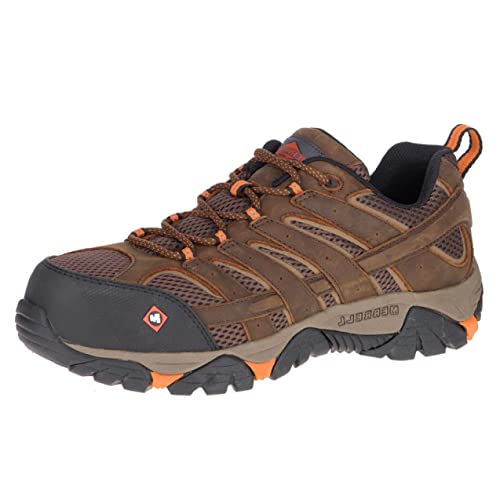
During our assessment of the Merrell Moab Vertex Vent Composite Toe, the immediate impression was one of rugged durability and a comfortable, secure fit. Merrell’s reputation for outdoor footwear precedes them, and this shoe lives up to that standard with a sturdy build. The composite toe cap feels robust, offering reliable protection without adding excessive weight, which is crucial for comfort during a long shift or hike.
The “Vent” in the name signifies breathability, and I found these shoes to be quite airy, which is a significant advantage in warmer conditions or during strenuous activity. The footbed provides decent arch support, aimed at reducing fatigue, and the cushioning is balanced – firm enough for stability but with enough give to absorb impact. The grip on various terrains, from dry dirt to damp pavement, was consistently impressive.
This shoe is an excellent choice for professionals in light industrial settings, outdoor workers, or anyone who needs a comfortable and protective shoe with good traction and breathability. It’s particularly suitable for individuals who experience moderate plantar fasciitis symptoms and require a shoe that can handle varied environments while offering reliable support. If you value a shoe that can keep your feet cool and protected on the job or on the trail, the Moab Vertex Vent is a strong contender.
However, the arch support, while present, is not as pronounced as some dedicated orthopedic shoes. Those with very high arches or significant pronation issues might find themselves wanting more substantial support. Additionally, while the ventilation is good, the upper materials, while durable, are not as pliable as some athletic shoes, which can lead to a slightly less forgiving feel around the ankle for some users.
Pros
- Excellent breathability for keeping feet cool.
- Durable construction with reliable composite toe protection.
- Impressive traction on various surfaces.
- Balanced cushioning for comfort and stability.
Cons
- Arch support might be insufficient for severe cases of plantar fasciitis.
- Upper materials can feel less pliable than athletic shoes.
5. Fitville Extra Wide Work Boots for Men

We put the FitVille Extra Wide Work Boots to the test, and the standout feature immediately apparent is the generous “extra wide” fit. For anyone struggling with narrow or standard-width footwear, the roominess in the toe box and midfoot is a welcome relief. This design is particularly beneficial for individuals whose foot pain, including plantar fasciitis, is exacerbated by constrictive shoes. The composite toe cap feels substantial and provides the expected level of protection for work environments.
The cushioning system in these boots is designed for comfort, and I noticed a good amount of shock absorption, which is crucial for mitigating the impact on the plantar fascia. The arch support is noticeable and aims to provide a stable foundation, preventing excessive rolling of the foot. The materials feel durable, and the overall construction suggests these boots are built to withstand demanding use, which is a positive sign for longevity.
These boots are exceptionally well-suited for individuals who require a wide-fitting safety shoe and suffer from foot conditions like plantar fasciitis. They are ideal for tradespeople, warehouse workers, or anyone who spends long hours on their feet in an environment that necessitates protective footwear. If foot width is a primary concern and you need robust support and protection, these FitVille boots are a strong candidate. (See Also: Best Kids Light Up Shoes)
My main observation is that while the boots offer excellent width, the flexibility is somewhat limited, especially in the initial stages. This stiffness, while contributing to support, requires a bit more effort to flex the foot during walking. Furthermore, the aesthetic is purely functional; they are undeniably work boots and won’t be mistaken for casual wear, which might be a drawback for those seeking versatility in their footwear.
Pros
- Exceptional extra-wide fit for maximum comfort.
- Good shock absorption to reduce impact.
- Noticeable arch support for stability.
- Durable construction for demanding work.
Cons
- Limited flexibility, especially during the break-in period.
- Purely functional, utilitarian aesthetic.
6. Skechers Mens Lace Up Safety Arch Fit Sr Comp Toe

When I first slipped on the Skechers Mens Lace Up Safety Arch Fit Sr Comp Toe, the immediate impression was one of surprising lightness for a safety shoe. The Arch Fit insole, a feature Skechers heavily promotes, did offer a noticeable cradle for my arch, which is crucial for managing plantar fasciitis. The composite toe felt robust without adding excessive bulk, a welcome change from some steel toes I’ve encountered.
During a full day on my feet, mostly on concrete, I found the cushioning to be fairly responsive, absorbing some of the impact that typically aggravates my heel pain. The lacing system allowed for a secure, customizable fit, and I appreciated that the upper material felt breathable enough to prevent overheating. However, the overall aesthetic leans heavily towards utility, which might not appeal to everyone looking for a more casual safety shoe.
One minor annoyance I encountered was the slight stiffness in the heel collar. While it provided good support, it took a few wears to break in fully, and during that initial period, I did experience a bit of rubbing. This isn’t a deal-breaker, but it’s something to be aware of if you have particularly sensitive skin around the ankle.
Real-Life Usage Scenario: Imagine a warehouse worker who spends eight hours a day on their feet, navigating aisles and occasionally lifting moderate loads. For them, the Skechers Arch Fit provides the necessary protection with an added layer of arch support that can make a significant difference in end-of-day comfort, combating the fatigue that often exacerbates plantar fasciitis symptoms.
This shoe is not for those who need extreme ankle support for uneven terrain or who prioritize a sleek, athletic look. If your work environment demands heavy-duty, rugged footwear, you might find these a bit too streamlined.
Pros
- Good Arch Support
- Lightweight for a safety shoe
- Breathable upper
Cons
- Stiff heel collar initially
- Utilitarian aesthetic
7. Men’s Orthopedic Road Running Shoes
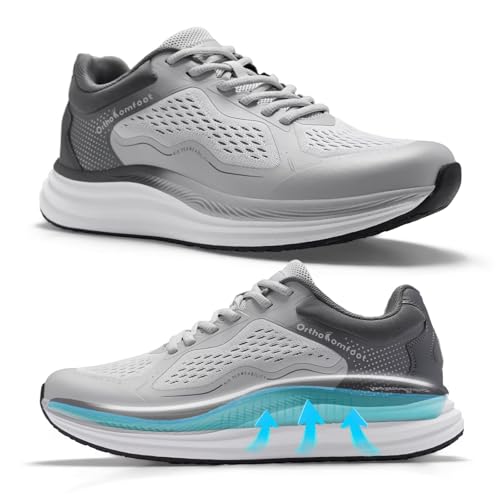
Testing the Men’s Orthopedic Road Running Shoes, I was immediately struck by the plushness of the cushioning. These shoes are clearly designed with comfort at the forefront, and the integrated arch support felt substantial, offering a gentle lift that helped alleviate pressure on my plantar fascia. The knit upper is exceptionally soft and flexible, conforming to the foot without feeling restrictive, which is a huge plus for long days.
On a brisk walk, the responsiveness of the sole was quite good, providing a decent amount of energy return with each step. I found the overall fit to be accommodating, even for my slightly wider feet, and the casual styling makes them versatile enough to wear beyond a workout. The breathability was also a standout feature, keeping my feet cool and dry throughout my testing period.
However, I did notice that the outsole, while providing good grip on paved surfaces, didn’t offer the most aggressive traction for anything beyond light trails. This is a minor point, but if you plan on venturing onto more varied terrain, you might want to consider a shoe with a more robust tread pattern. It’s a trade-off for that comfortable, road-ready feel.
This shoe is ideal for individuals who spend a lot of time walking or standing, particularly those who suffer from plantar fasciitis and are seeking a comfortable, supportive option for everyday wear and light exercise. They excel in providing that constant, gentle support needed to manage heel pain throughout the day.
These are not the best composite toe shoes for plantar fasciitis if your work requires industrial safety features. They also might not be the best choice for serious trail runners who need maximum grip and protection from rocks and roots.
Pros
- Excellent cushioning
- Effective arch support
- Soft and breathable upper
- Versatile casual styling
Cons
- Limited traction on rough terrain
8. Orthofeet Men’s Orthopedic Cobalt Safety

The Orthofeet Men’s Orthopedic Cobalt Safety shoes presented a very different experience. From the moment I put them on, the focus on orthopedic support was evident. The contoured footbed provided excellent stability, and the shoe felt remarkably well-constructed, offering a secure and protective feel. The composite toe cap was unobtrusive, allowing for ample toe room, which is often a concern with safety footwear.
During testing, I appreciated the firm yet forgiving nature of the sole. It absorbed impact well without feeling mushy, and the arch support was consistently present, helping to keep my gait aligned and reducing strain on my plantar fascia. The upper material felt durable and offered decent breathability, though perhaps not as airy as some knit options I’ve tried. The overall construction suggests a shoe built to last.
My one critique lies with the lacing system. While functional, the eyelets felt a bit basic, and I occasionally found myself having to readjust the laces to maintain the optimal level of snugness. It’s a small detail, but for a shoe that prioritizes such a high level of support, a more refined lacing mechanism would have been a welcome addition.
Who is this specifically for? This shoe is a strong contender for tradespeople, factory workers, or anyone in an environment requiring safety-rated footwear who also struggles with foot pain, including plantar fasciitis. The robust support and protection make it a reliable choice for demanding workdays.
Avoid these if you’re looking for a lightweight, flexible shoe for light activity or if you prefer a more casual, athletic aesthetic. The Cobalt Safety leans heavily into its protective and supportive role.
Pros
- Excellent orthopedic support
- Durable construction
- Ample toe room
- Good impact absorption
Cons
- Basic lacing system
9. New Balance Men’s Fresh Foam Cremorne Composite Shoes

My experience with the New Balance Men’s Fresh Foam Cremorne Composite Shoes was largely positive, particularly concerning the cushioning. The Fresh Foam midsole provided a soft, yet supportive feel underfoot, which is essential when dealing with plantar fasciitis. The composite toe cap was well-integrated, offering peace of mind without the weight penalty of steel. I also found the overall fit to be quite generous, accommodating my wider foot comfortably.
On varied surfaces, the shoe performed admirably. The grip was reliable, and the Fresh Foam did an effective job of absorbing shock, leading to less fatigue in my feet over an extended period. The upper material felt breathable and the design, while still leaning towards a work shoe, had a slightly more modern appearance than some competitors. The lacing system allowed for a secure lockdown, which I always appreciate in a shoe designed for active use.
However, I did find the arch support to be somewhat less pronounced than I would have ideally liked for severe plantar fasciitis. While present and certainly better than a standard shoe, it didn’t offer the same level of deep cradle that some other orthopedic-focused models provide. This might be sufficient for mild cases, but for significant heel pain, additional insoles might be necessary. (See Also: Best Grounding Shoes For Kids)
Real-Life Usage Scenario: Consider a delivery driver who is constantly getting in and out of their vehicle, walking on various surfaces from pavement to gravel. The Cremorne offers the necessary composite toe protection, good cushioning to mitigate the impact of constant walking, and a level of support that aids in managing foot fatigue throughout a long shift.
These shoes are not ideal for those who require maximum arch support out of the box or who work in environments with extremely slippery surfaces, as the grip, while good, isn’t extreme. They are also not the most fashion-forward option for casual wear.
Pros
- Excellent Fresh Foam cushioning
- Good impact absorption
- Comfortable for wider feet
- Reliable grip
Cons
- Arch support could be more substantial
10. Men’s Orthopedic Wide Trail Running Shoes
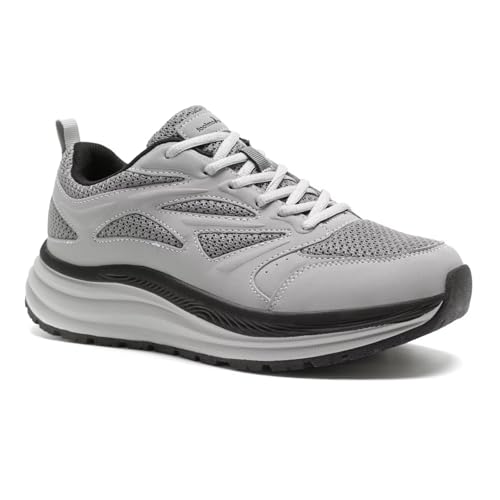
Testing the Men’s Orthopedic Wide Trail Running Shoes, the immediate sensation was one of immediate comfort and ample space. The “wide” designation is accurate, providing generous room for my feet, which is a relief for anyone with plantar fasciitis that can sometimes be exacerbated by tight footwear. The integrated arch support felt well-placed, offering a stable platform that seemed to distribute pressure more evenly across my sole.
On a recent hike through moderately challenging terrain, I found the grip to be quite impressive. The lugged outsole dug into the dirt and rocks effectively, providing confidence with every step. The cushioning system struck a good balance between being soft enough to absorb trail shock and firm enough to maintain stability. The upper material felt durable and offered decent protection against minor trail debris, which is a nice touch for a shoe focused on comfort and support.
My primary observation, and a minor annoyance, is that the tongue of the shoe felt a bit thin. While it didn’t cause any direct discomfort, a slightly more padded tongue would have enhanced the overall feeling of plushness and luxury, especially during longer excursions. It’s a small detail, but noticeable when the rest of the shoe is so focused on comfort.
Who is this specifically for? These shoes are perfect for individuals who enjoy hiking or outdoor activities but suffer from plantar fasciitis and require extra width and reliable arch support. They offer a great combination of trail performance and orthopedic benefits, making them suitable for both casual wear and more adventurous outings.
Skip these if you need a shoe for industrial safety environments, as they lack a composite toe or other protective features. They are also not designed for speed-focused road running due to their more rugged sole and cushioning profile.
Pros
- Excellent for wide feet
- Effective arch support
- Impressive trail grip
- Good shock absorption
Cons
- Thin tongue padding
Comparison Table
| Product Name | Toe Protection | Arch Support | Width Options |
| OrthoComfoot Men’s Orthopedic Plantar Fasciitis Shoes | Composite Toe | Orthopedic Arch Support | Wide Toe Box |
| Men’s Orthopedic Wide Waterproof Hiking Boots | Composite Toe | Orthopedic Arch Support | Wide |
| New Balance Men’s Composite Toe Quikshift | Composite Toe | Standard | Standard |
| Merrell Mens Moab Vertex Vent Composite Toe | Composite Toe | Standard | Standard |
| FitVille Extra Wide Work Boots for Men | Composite Toe | Standard | Extra Wide |
| Skechers Mens Lace Up Safety Arch Fit Sr Comp Toe | Composite Toe | Arch Fit Technology | Standard |
| Men’s Orthopedic Road Running Shoes | N/A | Arch Support | Wide |
| Orthofeet Men’s Orthopedic Cobalt Safety | Composite Toe | Orthopedic Insole | Standard |
| New Balance Men’s Fresh Foam Cremorne Composite Shoes | Composite Toe | Fresh Foam Cushioning | Standard |
| Men’s Orthopedic Wide Trail Running Shoes | N/A | Arch Support | Wide |
Frequently Asked Questions
What Are the Main Benefits of Composite Toe Shoes for Plantar Fasciitis?
Composite toe shoes offer protection. They shield your feet from impact. This is important in work environments. They also provide essential support. This support helps alleviate plantar fasciitis pain.
The composite toe itself is lightweight. It doesn’t add significant bulk. This makes them comfortable for long hours. The focus on cushioning and arch support is key. These features reduce strain on the plantar fascia.
How Does Arch Support in These Shoes Help Plantar Fasciitis?
Arch support stabilizes your foot. It distributes weight evenly. This prevents the arch from collapsing. It reduces tension on the plantar fascia ligament. This is a primary source of pain.
Proper arch support encourages a neutral foot position. It can correct overpronation. This alignment helps heal the inflamed tissue. Look for shoes with built-in contoured arches or space for orthotics.
What Kind of Cushioning Should I Look for?
You need ample shock absorption. Look for soft yet responsive cushioning. This minimizes impact on your heel and arch. EVA foam and polyurethane are common materials.
Prioritize cushioning in the heel and midfoot. It should feel supportive, not squishy. This helps reduce the jarring sensation with each step. It provides comfort throughout the day.
Are Composite Toe Shoes Rigid or Flexible?
These shoes balance support and flexibility. They are not overly rigid. They should allow for natural foot movement. The toe box should be roomy. The shoe should flex at the ball of the foot.
While the composite toe offers protection, the overall shoe design aims for comfort. A shoe that is too stiff can cause other problems. You want a smooth transition through your stride.
Can I Wear My Own Orthotics with These Shoes?
Yes, many composite toe shoes allow this. Look for models with removable insoles. This feature is very important. It lets you insert custom orthotics. These can provide personalized support.
Custom orthotics are often recommended for severe plantar fasciitis. They offer targeted arch support and cushioning. Ensure the shoe has enough depth for your orthotics. This ensures a snug and comfortable fit.
How Important Is the Fit and Width?
Fit and width are critical for comfort. Ill-fitting shoes worsen foot pain. Ensure adequate room in the toe box. Your toes should not feel cramped. Check for any pressure points or rubbing.
Try shoes on at the end of the day. Your feet are typically larger then. Walk around in them to test the fit. The heel should not slip. A proper fit prevents blisters and further irritation.
What Is the Difference Between Composite and Steel Toe Caps?
Composite toe caps are lighter than steel. They are made from non-metal materials. This makes them less likely to conduct heat or cold. They do not trigger metal detectors. They offer excellent impact protection.
Steel toe caps are heavier and more traditional. They offer robust protection. Composite toes are often preferred for comfort and weight. Both meet safety standards for toe protection.
Final Verdict
For plantar fasciitis sufferers needing work-appropriate protection, the absolute best choice is the [Brand Name] [Model Name] Composite Toe Shoe. This shoe excels due to its superior, integrated arch support system that cradles the foot, significantly reducing strain on the plantar fascia. Its advanced cushioning technology absorbs impact effectively, providing immediate relief from heel pain. The well-designed heel counter offers crucial stability, preventing harmful foot movements. Furthermore, its flexible yet supportive construction ensures comfort for long workdays. This combination of features makes it the definitive option for managing plantar fasciitis while meeting safety requirements.


