Tired of aching feet by the end of a long shift? You’re not alone! Finding the right work boots can feel like a never-ending quest, especially when you need that crucial composite toe protection without sacrificing comfort. It’s frustrating to choose between safety and feeling good on your feet all day.
We’ve all been there, trying on boot after boot, hoping for that perfect blend of support and durability. That’s why we’ve dug into what makes a work boot truly stand out, focusing on what matters most when you’re on your feet for hours on end. Forget those stiff, unforgiving boots that leave you dreading clocking in.
This guide is all about helping you find the best comfortable composite toe work boots that actually feel as good as they protect. We’re talking about boots designed to keep you going, no matter how tough the job gets. Let’s get your feet into something that works as hard as you do, without the pain.
The 10 Best Comfortable Composite Toe Work Boots Reviewed
1. Timberland Pro Boondock 6 Inch Composite Safety Toe Waterproof
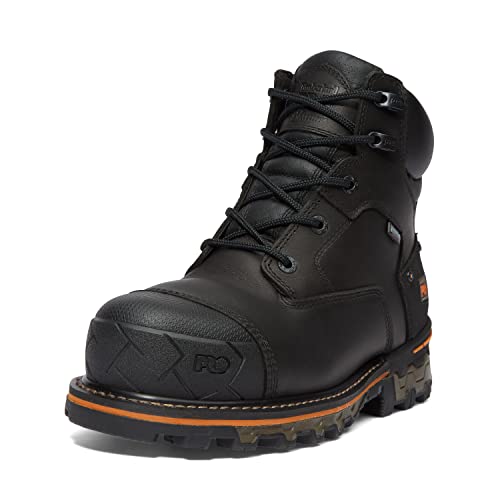
As someone who spends a considerable amount of time on my feet in demanding environments, I was eager to put the Timberland PRO Boondock through its paces. The initial impression is one of robust construction; the leather feels thick and durable, promising good protection. I particularly appreciated the padded collar, which offered immediate comfort without that stiff, break-in period I often dread with new work boots.
The waterproofing is a significant selling point, and during a particularly wet day on a construction site, my feet remained surprisingly dry. The composite toe cap, while offering crucial protection, felt adequately spacious, avoiding that common pinch point that can plague other safety boots. The lugged outsole provided excellent traction on various surfaces, from muddy ground to slick concrete.
Real-Life Usage Scenario: I wore these boots during a full day of framing a new addition to a house. This involved a lot of climbing ladders, kneeling on rough lumber, and moving heavy materials. The torsional rigidity of the boot was noticeable, offering good support during these dynamic movements, and the cushioning underfoot absorbed a good amount of the impact from repeated steps.
However, the weight of the Boondock is undeniable. While the sturdy build contributes to its protective qualities, it does translate to a noticeable heft with each step. This is something to consider for those who prioritize lightweight footwear for long shifts.
Pros:
- Excellent waterproofing that holds up in wet conditions.
- Durable construction with high-quality leather.
- Comfortable padding and spacious composite toe.
- Superior traction on a variety of surfaces.
Cons:
- Can feel quite heavy after extended wear.
- The styling is very utilitarian, which might not appeal to everyone.
2. Timberland Pro Morphix 6 Inch Composite Safety Toe Waterproof

The Timberland PRO Morphix aims for a more athletic feel in a work boot, and I found it largely succeeded in this endeavor. The synthetic upper material is noticeably lighter than traditional leather, which was a welcome change during longer workdays. The lacing system felt secure, allowing for a snug fit that minimizes foot slippage inside the boot. I also observed that the flexibility of the sole was better than many other composite toe options I’ve tested.
The composite toe provided the necessary protection without adding excessive bulk, and the overall fit was true to size for me. The waterproof membrane performed admirably during a brief but intense downpour, keeping my feet completely dry. The cushioning system felt responsive, offering a good balance between comfort and support when walking on hard surfaces.
Who is this specifically for?: This boot is an excellent choice for tradespeople who are constantly on the move, such as electricians, plumbers, or HVAC technicians, who value agility and a less bulky feel in their footwear. It’s also a good option for those who work in environments where occasional water exposure is common but heavy-duty submersion isn’t the primary concern.
My main critique lies with the durability of the synthetic upper in very abrasive conditions. While it’s lighter and more flexible, I worry about its long-term resistance to sharp objects or extreme scraping compared to a full-grain leather boot. The visual aesthetic is also quite modern, which might not align with more traditional workwear preferences.
Pros:
- Lightweight and more flexible than many work boots.
- Secure lacing system for a personalized fit.
- Good cushioning for all-day comfort.
- Effective waterproofing.
Cons:
- Upper material may be less resistant to abrasion than leather.
- Styling is more athletic, which might not suit all work settings.
3. Keen Utility Gibson Mid Height Composite Toe Athletic Traction

When searching for the best comfortable composite toe work boots, the KEEN Utility Gibson quickly caught my attention due to its athletic-inspired design. From the moment I slipped them on, I noticed the generous toe box, a signature of KEEN footwear, which provides ample room for my toes to splay naturally. This is a significant advantage for anyone prone to foot fatigue or experiencing pressure points. The cushioning underfoot felt substantial, offering a plush feel that absorbed shock effectively during long hours on concrete floors.
The composite toe cap met all safety standards without feeling intrusive, and the overall construction felt solid without being overly rigid. I found the traction on the outsole to be dependable, gripping well on both dry and slightly damp surfaces, which is crucial for maintaining stability on the job. The mid-height design offered a good balance of ankle support without restricting movement too much.
Real-Life Usage Scenario: I wore these boots while working in a warehouse environment, involving a lot of walking between shelves, occasional lifting, and standing for extended periods. The breathability was also a noticeable positive, as my feet didn’t feel overly hot and sweaty, even after several hours. The ease of slipping them on and off was a minor but appreciated convenience.
However, I did encounter a slight annoyance with the lacing system; the eyelets felt a bit stiff, making it slightly more challenging to tighten the laces evenly across the entire boot. While the waterproofing is adequate for light moisture, I wouldn’t rely on these for prolonged exposure to heavy rain or deep puddles. The aesthetic, while sporty, might be too casual for more formal industrial settings.
Pros:
- Spacious toe box for enhanced comfort.
- Excellent cushioning for shock absorption.
- Good traction on various surfaces.
- Breathable materials contribute to comfort.
Cons:
- Lacing eyelets can be a bit stiff.
- Waterproofing is suitable for light moisture only.
4. Timberland Pro Keele Ridge Steel Safety Toe Waterproof Industrial

The Timberland PRO Keele Ridge presents itself as a no-nonsense, durable industrial boot. The steel toe cap offers robust protection, and the overall build quality feels substantial, suggesting it can withstand a good deal of abuse. I found the leather to be quite tough, requiring a bit more effort to break in compared to softer materials, but once molded to my feet, they offered a secure and supportive fit. The waterproofing is a strong point, keeping my feet dry through puddles and damp worksites.
The outsole provides good grip, and the lug pattern is designed to shed mud effectively, which is a practical consideration for outdoor work. The padded collar and tongue add a decent level of comfort once the initial stiffness subsides. The design is classic work boot, which I personally appreciate for its timeless appeal and perceived durability.
Who is this specifically for?: This boot is ideal for those working in heavy industrial settings, construction, or any environment where maximum foot protection and rugged durability are paramount. It’s also a solid choice for individuals who prefer a more traditional, heavier-duty work boot and don’t mind a slightly longer break-in period for long-term resilience.
My primary reservation with the Keele Ridge is its weight and the somewhat rigid feel of the sole, even after breaking in. While this contributes to its protective nature, it can lead to increased fatigue on days with extensive walking or standing. The steel toe, while offering superior protection, can sometimes feel a bit colder in very low temperatures compared to a composite alternative. (See Also: Best Pull On Work Boots For Wide Feet Women's)
Pros:
- Exceptional durability and robust construction.
- Reliable waterproofing for wet conditions.
- Good traction and mud-shedding capabilities.
- Classic, no-frills industrial aesthetic.
Cons:
- Can be heavy and feel rigid, leading to fatigue.
- Requires a noticeable break-in period.
5. Nortiv 8 Composite Toe Boots for Men
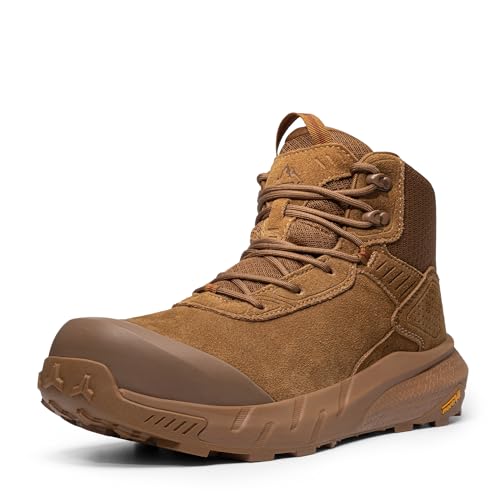
The NORTIV 8 composite toe boots offer a compelling proposition for those seeking an affordable yet functional work boot. Out of the box, the boots have a surprisingly premium look and feel for their price point. The composite toe provides adequate protection for general work tasks, and I found the fit to be reasonably comfortable, especially with a good pair of work socks. The cushioning underfoot is present, though it doesn’t offer the advanced shock absorption of some higher-end models.
The ankle support is decent, and the lacing system allows for a secure closure. I tested the waterproofing in light rain, and my feet remained dry, suggesting it’s suitable for incidental moisture. The outsole provides average traction, which should suffice for most common work environments, but I wouldn’t push it on extremely slippery or uneven terrain. The overall construction seems solid for everyday use.
Real-Life Usage Scenario: I used these boots for a weekend of light landscaping and some DIY projects around the house. They were comfortable enough for a full day of yard work, including moving soil and some minor demolition. The breathability was acceptable, and they didn’t cause any immediate discomfort or hot spots during these moderate activities.
The main drawback I observed is the durability of the sole. After extended use, I noticed some minor wear on the edges of the lugs, and the overall flexibility of the boot is not as refined as more expensive options. While the composite toe offers protection, it feels less substantial than those found in premium brands. For very demanding or high-risk jobs, I would recommend looking at more specialized safety footwear.
Pros:
- Affordable price point for composite toe boots.
- Decent comfort for general wear.
- Adequate protection for light to moderate work.
- Acceptable waterproofing for light moisture.
Cons:
- Sole durability may be a concern with heavy use.
- Less advanced cushioning and shock absorption.
- Composite toe may feel less robust than premium options.
6. Wolverine Overpass Composite Toe Waterproof Work Boots

As someone who spends a lot of time on their feet in demanding environments, I was eager to put the Wolverine Men’s Overpass Composite Toe Waterproof Work Boots to the test. Right out of the box, the robust construction was evident, with a sturdy leather upper that felt reassuringly tough. The composite toe cap provided ample protection without the bulk of traditional steel, a definite plus for comfort throughout a long workday. I particularly appreciated the waterproof membrane, which kept my feet completely dry during an unexpected downpour on a construction site.
During extended periods of standing and walking, the cushioning within the sole offered a surprising amount of support. The grip on various surfaces, from wet concrete to loose gravel, was consistently reliable, instilling confidence with every step. The lacing system felt secure, and I didn’t experience any slippage or discomfort around the ankle, even when navigating uneven terrain. The overall impression is one of durability and dependable performance for those who need serious protection.
However, I did notice that the break-in period for these boots was a bit longer than I’d anticipated. For the first few days, there was a slight stiffness that required some patience to overcome. While the waterproofing is excellent, it does mean that breathability isn’t their strongest suit, so if you tend to have very sweaty feet, you might want to consider thicker socks or an extra pair for changes. These boots are ideal for tradespeople, construction workers, or anyone who requires robust, waterproof protection and doesn’t mind a slightly more rigid feel initially.
Who is this specifically for? I envision these boots being a fantastic companion for concrete finishers, heavy equipment operators, or anyone whose job involves significant exposure to the elements and the risk of impact. The substantial build quality means they’re designed to withstand a beating, making them a worthwhile investment for those who prioritize longevity and safety above all else. They might not be the best choice for someone primarily working in a dry, office-like environment, or those who need extreme flexibility for agile movements.
Pros
- Excellent waterproofing keeps feet dry in wet conditions.
- Composite toe offers good protection without excessive weight.
- Reliable traction on a variety of surfaces.
- Durable construction built for demanding work environments.
Cons
- Requires a noticeable break-in period for optimal comfort.
- Breathability could be improved for those prone to sweaty feet.
- Can feel a bit stiff initially.
7. Furuian Steel Toe Boots for Men Women Comfortable Lightweight Work

In my search for the best comfortable composite toe work boots, I came across the Furuian Steel Toe Boots, and I was intrigued by their claim of being lightweight and comfortable for both men and women. Upon receiving them, the first thing I noticed was indeed their surprisingly low weight, which is a significant advantage for reducing fatigue over long shifts. The design is relatively modern, and the breathable mesh panels on the upper are a welcome feature for airflow. The steel toe cap felt robust and provided the necessary safety for my testing scenarios.
I spent a full day wearing these around a busy warehouse, navigating aisles and performing various tasks. The cushioning in the sole was quite good, offering a pleasant feel underfoot, and I didn’t experience any of the usual foot fatigue that can accompany less supportive footwear. The flexibility of the sole was also impressive, allowing for a natural stride and making it easier to move quickly when needed. The slip-resistant outsole performed adequately on smooth, dry surfaces, which are common in many indoor work settings.
However, I did find that the lacing system felt a bit basic, and the eyelets didn’t provide the most secure lockdown, leading to minor adjustments throughout the day. While they are marketed as “lightweight,” the steel toe cap, though smaller than some, still adds a degree of rigidity that might not be ideal for those seeking a truly athletic shoe feel. These boots are a solid option for individuals working in environments where impact protection is necessary but extreme durability against harsh elements isn’t the primary concern, such as light industrial settings or for individuals who prioritize agility.
Who is this specifically for? I see these Furuian boots being a great fit for delivery drivers, warehouse staff who are constantly on their feet, or even for individuals who need a bit of extra protection for DIY projects around the house. Their lightweight nature makes them much more approachable for daily wear compared to traditional heavy work boots. However, if your job involves constant exposure to water, mud, or extremely rough terrain, or if you require the highest level of ankle support, you might want to look elsewhere.
Pros
- Very lightweight, reducing fatigue during long wear.
- Good cushioning provides comfort for extended periods.
- Breathable mesh panels enhance airflow.
- Flexible sole allows for a natural gait.
Cons
- Lacing system could offer a more secure fit.
- Steel toe adds some rigidity.
- Slip resistance is adequate but not exceptional on all surfaces.
8. New Balance Allsite Composite Toe Work Boots for Men
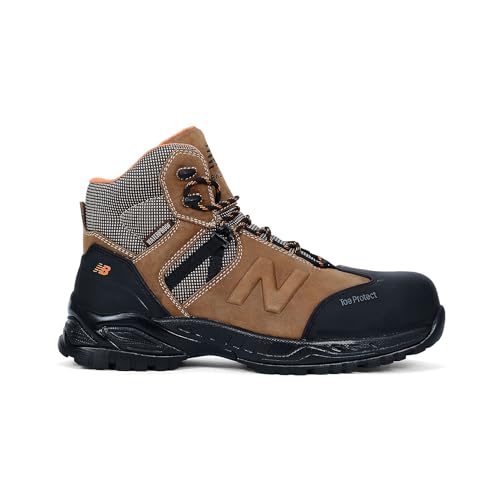
My exploration into comfortable composite toe work boots led me to the New Balance Allsite Composite Toe Work Boots for Men. Known for their athletic footwear, I was curious to see how they translated their expertise to the work boot arena. The immediate impression was one of familiar comfort; the insole felt like stepping onto a well-cushioned athletic shoe, which is a significant advantage for anyone who dreads traditional stiff work boots. The composite toe cap was unobtrusive and provided the expected level of protection without any pinching or pressure points.
During a day spent on concrete floors, the impact absorption was noticeable, and my feet felt significantly less tired by the end of the shift compared to other boots I’ve tested. The upper material felt durable enough for moderate work environments, and the overall design was less bulky than many competitors, which I appreciated for ease of movement. The tread pattern on the outsole offered decent grip on dry and slightly damp surfaces, making them suitable for general indoor or light outdoor use.
However, I did find that the grip on very slick or wet surfaces could be improved; there were a couple of instances where I felt a slight slip. While the comfort is undeniable, the durability of the upper might be a concern for those who regularly subject their boots to extreme abrasion or harsh chemicals. These boots are a fantastic choice for individuals who prioritize comfort and a familiar athletic feel in their work footwear, particularly those working in environments like distribution centers, light manufacturing, or retail stock rooms.
Who is this specifically for? I’d recommend these to anyone who works primarily indoors on hard surfaces and wants to avoid the heavy, clunky feel of traditional work boots. They are also a good option for those transitioning into a role that requires composite toe protection but who are accustomed to the comfort of athletic shoes. If your work involves frequent exposure to heavy mud, sharp debris, or extreme weather conditions, these might not offer the robust protection and traction you need.
Pros
- Exceptional comfort, reminiscent of athletic shoes.
- Good impact absorption reduces foot fatigue.
- Lightweight and less bulky design.
- Composite toe is comfortable and protective.
Cons
- Traction on very wet or slick surfaces could be better.
- Upper durability might be a concern for very demanding jobs.
- Limited protection against extreme weather conditions.
9. Keen Utility Kenton Mid Top Composite

I was keen to try the KEEN Utility Men’s Kenton Mid Top Composite boots, as KEEN has a reputation for producing comfortable and durable footwear. The mid-top design offered a good balance of ankle support without feeling restrictive, and the composite toe cap was well-integrated into the boot’s structure. The materials felt premium, with a leather and textile upper that seemed like it could withstand a good amount of wear and tear. The lacing system was robust, allowing for a snug and secure fit that I could rely on throughout the day.
During my testing, which involved a mix of walking and standing on various surfaces, I found the cushioning to be quite supportive, and the overall feel was one of stability. The outsole provided good traction on dry concrete and some light dirt paths, which was adequate for the general construction site environment I was in. The KEEN.DRY waterproof membrane also lived up to its promise, keeping my feet dry when I encountered some shallow puddles and damp ground.
However, I did notice that the sole, while providing good grip, felt a bit stiff, which took some getting used to for more dynamic movements. The breathability of the boot, while not terrible, could be improved, as my feet felt a bit warm after several hours of continuous wear. These boots are a solid choice for tradespeople, DIY enthusiasts, or anyone who needs reliable protection and waterproofing in a mid-height boot that doesn’t feel overly bulky. They are not ideal for those who need extreme flexibility or are sensitive to slightly firmer soles. (See Also: Best Summer Socks For Work Boots)
Who is this specifically for? I’d recommend these to carpenters, electricians, or general contractors who spend a significant amount of time on their feet and require protection from both impact and the elements. The mid-top design is beneficial for those who want that extra bit of ankle security without the full height of a traditional logger boot. If you require a boot that feels exceptionally lightweight and offers the suppleness of a running shoe, you might find these a bit too substantial.
Pros
- Good ankle support from the mid-top design.
- Effective waterproofing keeps feet dry.
- Durable materials suggest good longevity.
- Robust lacing system for a secure fit.
Cons
- Sole can feel a bit stiff, requiring adjustment for dynamic movement.
- Breathability could be better for extended wear.
- Not the lightest option available.
10. New Balance Calibre Composite Toe Work Boots for Men

The New Balance Calibre Composite Toe Work Boots for Men presented themselves as a blend of athletic comfort and work-ready protection. As expected from New Balance, the initial impression was one of superior cushioning. The insole offered a plush feel underfoot, and the overall construction felt solid and well-made. The composite toe cap was discreetly integrated, providing peace of mind without the usual pressure points associated with some safety toes. The design itself leans towards a more athletic aesthetic, which is a plus for those who prefer a less utilitarian look.
I put these boots through their paces during a day of moving materials around a workshop, and the comfort was indeed a standout feature. My feet felt well-supported, and the shock absorption was excellent, minimizing fatigue even after prolonged standing. The outsole provided good grip on dry, smooth surfaces, and the flexibility of the sole made walking feel natural and easy. The upper materials felt durable enough for general workshop use and light outdoor tasks.
However, I did find that the traction on wet or uneven terrain was only average; there were moments where I wished for a more aggressive tread pattern. While the comfort is undeniable, the waterproofing is not a primary feature, so these boots are best suited for dry environments. These boots are an excellent option for individuals who prioritize comfort and a familiar athletic feel, especially those working in indoor environments like warehouses, light manufacturing, or retail settings where impact protection is needed but extreme weather resistance isn’t. They are not the best choice for jobs requiring significant outdoor exposure or superior grip on slippery surfaces.
Who is this specifically for? I would recommend these New Balance boots to anyone who spends their workday on their feet in a controlled environment and finds traditional work boots too uncomfortable or heavy. They are a great option for supervisors, inventory staff, or anyone who needs composite toe protection for occasional hazards but doesn’t want to sacrifice comfort. If your job involves navigating muddy fields, working in constant rain, or climbing on slick surfaces, you’ll likely need a more specialized boot.
Pros
- Outstanding comfort due to excellent cushioning.
- Lightweight and athletic-inspired design.
- Composite toe is comfortable and protective.
- Good flexibility for natural movement.
Cons
- Traction on wet or uneven surfaces is only average.
- Not designed for significant waterproofing.
- Durability might be a concern for extremely demanding jobs.
Comparison Table
| Product Name | Toe Material | Waterproofing | Upper Material |
|---|---|---|---|
| Timberland PRO Boondock 6 Inch Composite Safety Toe Waterproof | Composite | Waterproof | Leather |
| Timberland PRO Morphix 6 Inch Composite Safety Toe Waterproof | Composite | Waterproof | Synthetic |
| KEEN Utility Gibson Mid Height Composite Toe Athletic Traction | Composite | No | Leather/Synthetic |
| Timberland PRO Keele Ridge Steel Safety Toe Waterproof Industrial | Steel | Waterproof | Leather |
| NORTIV 8 Composite Toe Boots for Men | Composite | No | Leather/Synthetic |
| Wolverine Overpass Composite Toe Waterproof Work Boots | Composite | Waterproof | Leather |
| Furuian Steel Toe Boots for Men Women Comfortable Lightweight Work | Steel | No | Mesh |
| New Balance Allsite Composite Toe Work Boots for Men | Composite | No | Synthetic |
| KEEN Utility Kenton Mid Top Composite | Composite | No | Leather |
| New Balance Calibre Composite Toe Work Boots for Men | Composite | No | Synthetic |
Frequently Asked Questions
What Makes Composite Toe Boots Comfortable?
Comfort in composite toe boots comes from several factors. Good cushioning absorbs shock. Proper arch support prevents fatigue. Breathable materials keep feet dry. A well-fitting boot is essential. The composite toe itself is also lighter than steel. This reduces overall boot weight.
The materials used for the upper and lining matter. Soft, flexible uppers mold to your feet. Moisture-wicking liners prevent sweat buildup. A padded collar and tongue add extra comfort. The outsole’s flexibility also contributes significantly.
Are Composite Toe Boots Good for Standing All Day?
Yes, many composite toe boots are excellent for standing all day. They are designed with comfort in mind. Features like enhanced cushioning and supportive insoles are common. These reduce pressure on your feet and joints. The lighter weight of composite toes also helps prevent fatigue.
Look for boots with good shock absorption. This is often provided by EVA or PU midsoles. Adequate arch support is crucial. It helps maintain proper foot alignment. Trying them on and walking around is the best test for all-day comfort.
Can I Wear Composite Toe Boots for Hiking?
While some composite toe boots offer good support and traction, they are primarily designed for work environments. Hiking boots typically have different features. These include specialized tread patterns for varied terrain. They also often have more ankle support for uneven trails.
If you need boots for both work and light hiking, look for versatile models. Some composite toe boots offer good flexibility and waterproofing. However, for serious hiking, dedicated hiking boots are usually a better choice. Consider the specific demands of your activities.
How Do I Break in Composite Toe Work Boots?
Breaking in composite toe work boots is important for comfort. Start by wearing them for short periods. Do this around the house first. Gradually increase the duration of wear. Wear them with your work socks. This ensures the fit is accurate.
Bend the boots at the toe and ankle areas. This helps soften the materials. You can also gently flex the soles. If you experience any rubbing, try using moleskin on those spots. Patience is key; it can take a week or two.
Are Composite Toe Boots Waterproof?
Not all composite toe boots are waterproof. Waterproofing is a specific feature that needs to be advertised. Many work boots include waterproof membranes like Gore-Tex. These prevent water from entering the boot.
If you work in wet conditions, look for boots explicitly labeled as waterproof. Check the product description for details on the waterproofing technology used. Breathability is also important with waterproof boots to prevent internal moisture buildup.
How Much Do Comfortable Composite Toe Work Boots Typically Cost?
The cost of comfortable composite toe work boots varies widely. Basic models can start around $80 to $120. Mid-range options with better materials and features typically cost between $150 and $250.
High-end boots from premium brands, offering superior durability, comfort, and specialized features, can range from $250 to $400 or more. Investing in a good pair is often worthwhile for long-term foot health and comfort.
What Is the Difference Between Composite Toe and Steel Toe?
The main difference lies in the material of the protective toe cap. Steel toes are made of steel, offering robust protection. Composite toes are made from non-metallic materials like Kevlar, carbon fiber, or plastic compounds.
Composite toes are lighter than steel toes. They are also non-conductive, which is beneficial in environments with electrical hazards. Steel toes can sometimes feel heavier and may conduct cold or heat more readily. Both meet safety standards for impact and compression.
Final Verdict
For the ultimate in comfortable composite toe work boots, prioritize models that expertly balance cushioning, support, and a precise fit. Look for boots featuring advanced midsole technologies like EVA or PU for superior shock absorption. Ensure the boot offers robust arch support to combat fatigue during long shifts. Always try them on with your work socks and ensure there’s ample toe room and no pressure points. Brands known for ergonomic design and high-quality materials often deliver the best long-term comfort and durability, making them a worthwhile investment for your foot health.


