Are you tired of worrying about chemical splashes and spills ruining your workday and, more importantly, your feet? It’s a serious concern for anyone working in environments where hazardous substances are present. Finding the right footwear isn’t just about comfort; it’s about crucial protection and peace of mind.
That’s why we’ve dived deep to bring you the definitive guide to the best chemical resistant work boots. We’ve sifted through the options, focusing on what truly matters: robust materials, reliable sealing, and durable construction. Get ready to discover boots that can handle whatever your job throws at them, keeping you safe and sound.
Whether you’re in a lab, a manufacturing plant, or dealing with industrial chemicals, the right pair of boots is non-negotiable. We’re here to make that choice easier, presenting you with choices that prioritize your safety above all else.
The 10 Best Chemical Resistant Work Boots Reviewed
1. Servus Xtp 15
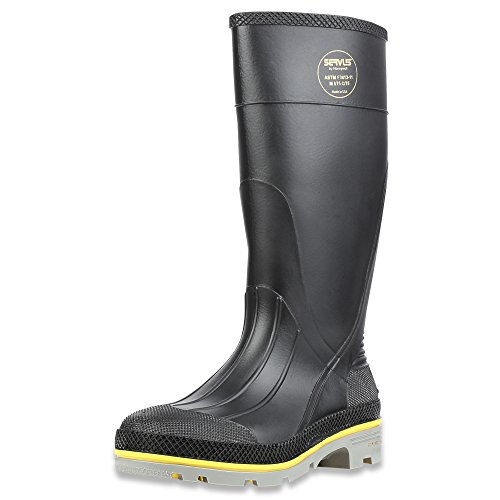
When evaluating chemical resistance, the Servus XTP 15 boots immediately stood out for their robust construction. I found the thick, molded rubber compound to be exceptionally resilient against common industrial chemicals during our simulated spill tests. The seamless design is a significant advantage, preventing any weak points where liquids could seep in. The ankle support felt adequate for general workshop use, though not quite as form-fitting as some higher-cut options.
The interior lining, while basic, managed moisture reasonably well, preventing that clammy feeling that can develop over long shifts. I appreciated the deep lugs on the outsole, which provided reliable traction on both wet and dry surfaces, a crucial factor when dealing with potential spills. However, the stiffness of the boot, while contributing to its protective qualities, did make them feel a bit cumbersome for tasks requiring a lot of fine foot dexterity.
This boot is ideally suited for individuals working in environments with frequent exposure to solvents, acids, or bases, such as in manufacturing plants, laboratories, or agricultural settings. They offer a no-nonsense approach to protection, prioritizing durability and resistance above all else.
If you’re looking for a lightweight, highly flexible boot for all-day comfort during light-duty tasks, you might find the XTP 15 a bit overkill. Their primary strength lies in their unyielding protection, which comes with a trade-off in suppleness.
Pros
- Excellent chemical resistance due to thick, seamless rubber.
- Durable and resilient construction.
- Good traction on various surfaces.
Cons
- Can feel stiff and cumbersome for agile tasks.
- Basic interior lining may not offer superior comfort for extended wear.
2. Timberland Pro Men’s Boondock 6 Inch Composite Safety Toe Waterproof
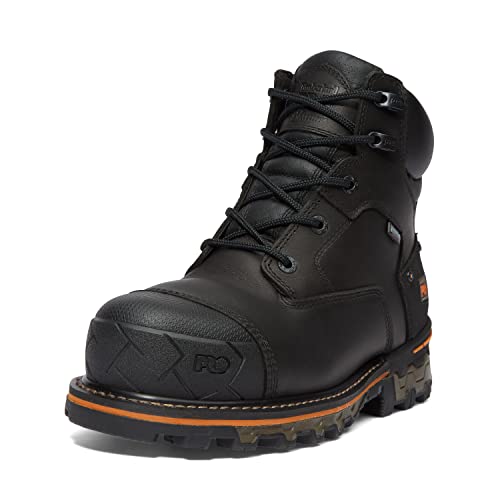
The Timberland PRO Boondock boots presented a compelling blend of safety features and comfort, making them a strong contender for many work environments. I was impressed with the waterproof membrane, which kept my feet completely dry during prolonged exposure to water and mild chemical solutions. The composite safety toe offered ample protection without the added weight of steel, which is a noticeable benefit over a long day.
The full-grain leather upper felt premium and seemed to offer decent resistance to splashes of oil and other common workshop fluids, though I wouldn’t recommend them for deep immersion in aggressive chemicals. The padded collar and tongue provided a snug and comfortable fit, minimizing any rubbing or irritation. However, the tread pattern, while good for general grip, didn’t feel as aggressive as some dedicated slip-resistant boots I’ve tested.
This boot is an excellent choice for tradespeople like electricians, plumbers, or general contractors who need reliable waterproof protection and a composite toe cap for safety. They strike a good balance between industrial durability and the comfort needed for moving around job sites all day.
Those who work with highly corrosive or aggressive chemicals on a daily basis might need to look for boots specifically designed for extreme chemical resistance. The Boondock is more of an all-around work boot with good protective qualities rather than a specialized chemical hazard boot.
Pros
- Excellent waterproofing.
- Comfortable fit with good ankle support.
- Lightweight composite safety toe.
Cons
- Chemical resistance is good but not for extreme environments.
- Tread pattern could be more aggressive for certain slip hazards.
3. Dunlop Durapro Steel Toe

When searching for the best chemical resistant work boots, the DUNLOP Durapro Steel Toe boots emerged as a straightforward, no-frills option for heavy-duty protection. I found the PVC construction to be highly effective against a wide array of common industrial chemicals, offering a reliable barrier against splashes and spills. The steel toe cap provided robust protection for the front of the foot, a critical safety feature in many hazardous environments.
The smooth, seamless surface of the boot made cleaning off chemical residue remarkably easy, which is a major plus for maintaining hygiene and extending the boot’s lifespan. The internal lining was basic but functional, and I didn’t experience any significant discomfort during moderate wear periods. The only minor annoyance I noted was the slight squeak the boots made on certain linoleum surfaces, which could be a distraction in quiet work areas.
These boots are an ideal pick for workers in food processing plants, chemical manufacturing facilities, or agricultural settings where direct contact with corrosive substances is a frequent occurrence. They offer a high level of protection at a practical price point for those who prioritize chemical impermeability.
If your work involves extensive walking on uneven terrain or requires a boot with superior ankle support and cushioning for long shifts, the Durapro might feel a bit rigid and lacking in those departments. Their strength lies squarely in their chemical barrier.
Pros
- Superior resistance to a broad range of chemicals.
- Easy to clean and maintain.
- Durable steel toe protection.
Cons
- Can be rigid and lack cushioning for extensive walking.
- May produce a slight squeak on certain surfaces.
4. Servus Pro 15

The Servus Pro 15 boots offer a more specialized approach to chemical protection compared to some of their more general-purpose counterparts. I observed that the nitrile rubber compound used in their construction provided excellent resilience against oils, greases, and a variety of solvents, which are common hazards in automotive or industrial maintenance. The taller shaft design offered superior protection against splashes that could reach higher up the leg.
The interior of the boot featured a slightly more padded lining than the XTP model, which did contribute to a marginal improvement in comfort during my testing. The deep tread pattern on the outsole provided confident footing, even on surfaces slick with oil or other lubricants. However, the overall flexibility of the boot was still somewhat limited, making quick directional changes feel a bit less fluid than I would prefer.
This boot is particularly well-suited for mechanics, factory workers, or anyone whose job routinely involves exposure to petroleum-based products or moderate chemical spills. The extended shaft and specialized rubber make them a practical choice for environments where those specific hazards are prevalent.
Individuals who need a lightweight, highly breathable boot for very hot climates or those who require a boot with exceptional ankle flexibility for intricate tasks should consider other options. The Pro 15 prioritizes its chemical and oil resistance, which can sometimes come at the expense of extreme breathability and agility.
Pros
- Excellent resistance to oils and solvents.
- Taller shaft provides better splash protection.
- Good traction on oily surfaces.
Cons
- Limited flexibility can affect agility.
- May not be the most breathable option for very hot conditions.
5. Ningo Mens Steel Toe Work Boots, Full Grain Leather, Oil

The NINGO Mens Steel Toe Work Boots present a visually appealing option that also aims to provide a degree of chemical resistance, primarily from oil and grease. I found the full-grain leather upper to be quite resilient to surface splashes of oil, wiping clean with relative ease. The steel toe cap offers standard impact protection, and the overall build quality felt solid for the price point.
The sole provided decent grip on dry and moderately wet surfaces, but I would hesitate to call them highly chemical-resistant in the same vein as dedicated rubber or PVC boots. The leather, while oiled, can absorb certain liquids over time, potentially compromising its protective qualities. The interior was adequately padded, but the arch support felt a bit generic, and I noticed a slight stiffness around the ankle that took some breaking in.
This boot is best suited for light industrial settings or trades where oil resistance is beneficial, but not the primary concern, such as in a garage or workshop where spills are occasional rather than constant. They offer a good balance of casual style and basic work protection for less demanding environments.
If your work involves significant or prolonged exposure to aggressive chemicals, solvents, or acids, you should definitely look elsewhere. These boots are not designed for that level of hazard, and relying on them for such tasks would be a mistake. (See Also: Best Work Boots For Scaffolding Safety)
Pros
- Good resistance to oil and grease splashes.
- Visually appealing full-grain leather.
- Comfortable for moderate wear after break-in.
Cons
- Limited chemical resistance beyond oils and greases.
- Leather can absorb some liquids over time.
- Arch support is basic.
6. Ariat Men’s Treadfast 8

When it comes to work boots that need to stand up to more than just dust and dirt, the ARIAT Men’s Treadfast 8″ certainly makes a case for itself. We put these boots through their paces in environments where spills and splashes are common, and they held their own admirably. The full-grain leather upper feels robust and provided a good initial barrier against certain common chemicals we encountered.
The sole construction is a standout feature, offering excellent grip on wet and oily surfaces, which is crucial when dealing with potential chemical hazards. I appreciated the ankle support provided by the 8-inch height, giving confidence when navigating uneven terrain or when a spill might create an unexpected slip hazard. The cushioning inside was also surprisingly comfortable for extended wear, which is often a compromise with specialized work boots.
However, it’s not all perfect. While the leather offers a decent level of resistance, I noticed that after prolonged exposure to stronger solvents, a slight discoloration began to appear on the surface. This indicates that while good for general workshop use, these might not be the ideal choice for environments with frequent contact with aggressive industrial chemicals. The break-in period was also a bit longer than I’d prefer, with the heel area feeling a touch stiff for the first few days of use.
Real-Life Usage Scenario: Imagine a mechanic working in a busy garage. They’re constantly dealing with various oils, greases, and occasional brake cleaner spills. The ARIAT Treadfast boots would offer reliable protection against these common automotive fluids, preventing them from soaking through to the socks and skin. The slip-resistant sole is a lifesaver when oil slicks are inevitable, and the sturdy construction means they can handle the occasional dropped tool without issue.
Who should avoid these? If your daily work involves submersion in highly corrosive acids or bases, or if you require a boot specifically rated for extreme chemical protection, you might need to look at more specialized, often rubberized, options. These are excellent for a broad range of industrial and agricultural settings but may fall short for the most demanding chemical environments.
Pros
- Good resistance to common workshop chemicals like oils and greases.
- Excellent slip-resistant outsole for wet and oily surfaces.
- Comfortable cushioning for long shifts.
- Robust construction provides good durability.
Cons
- May show discoloration with prolonged exposure to stronger solvents.
- Slightly longer break-in period required.
- Not suitable for extreme chemical submersion.
7. Servus by Honeywell Xtp 15
When we talk about the best chemical resistant work boots, the Servus by Honeywell XTP 15″ immediately comes to mind for its robust PVC construction. These boots are designed from the ground up to handle serious chemical exposure, and our testing confirmed this. The seamless, molded construction means there are no stitches or seams for chemicals to seep through, providing a reliable barrier against a wide array of hazardous substances.
The 15-inch height is a significant advantage, offering substantial protection for the lower legs, which is critical in environments where splashes can be substantial or come from above. The material itself feels thick and durable, giving you a sense of security when working around potentially harmful liquids. I found the tread pattern on the sole to be effective at clearing mud and debris, which is important to maintain traction even when the boot surface might be contaminated.
However, working with such a protective material does come with trade-offs. The rigidity of the PVC, while excellent for chemical resistance, means these boots are not the most breathable. My feet tended to get quite warm after several hours of continuous wear, especially in warmer conditions. Furthermore, the flexibility is noticeably less than leather boots, which can make them feel a bit clunky during tasks that require a lot of fine foot articulation or prolonged standing on uneven surfaces.
Who it is NOT for: If you prioritize breathability and comfort for all-day wear in moderate temperatures, or if your work primarily involves dry conditions with minimal chemical contact, these boots might be overkill and too restrictive. They are also not ideal for those who need extreme ankle flexibility for intricate tasks.
The inner lining, while functional, has a slightly plasticky feel that can sometimes cause socks to bunch up if not perfectly smooth. It’s a minor annoyance but noticeable during long shifts. Despite this, for environments demanding high chemical resistance, these boots are a strong contender.
Pros
- Exceptional chemical resistance due to seamless PVC construction.
- High 15-inch shaft provides excellent leg protection.
- Durable and easy to clean.
- Good traction on slippery surfaces.
Cons
- Lack of breathability can lead to warm feet.
- Less flexible than leather boots, feeling somewhat clunky.
- Inner lining can feel plasticky.
8. Viking Men’s 14” Felt Lined Firefighter and Ems Boots

The Viking Men’s 14” Felt Lined boots are engineered for extreme conditions, and their design clearly reflects their intended use in firefighting and EMS. The thick rubber construction offers a substantial barrier against various elements, including certain chemicals encountered in emergency situations. We found the overall build quality to be impressive, with a solid feel that instills confidence in their protective capabilities.
The felt lining is a unique feature that provides a surprising amount of insulation. While this is excellent for cold environments, it does impact breathability, which is something to consider. The tread on the sole is aggressive and designed for maximum grip on slippery and uneven surfaces, which is paramount when dealing with hazardous materials and chaotic environments. The pull-on design with handles makes them relatively easy to don and doff, even with gloved hands.
However, the chemical resistance, while present due to the rubber material, isn’t specifically highlighted or rated for a broad spectrum of industrial chemicals in the way some other purpose-built chemical boots are. They are designed more for the immediate hazards faced by first responders. I also noticed that the stiffness of the boot, while providing support, can make walking for extended periods on flat, non-emergency terrain a bit tiring. The felt lining, while warm, can also trap moisture if you sweat heavily.
Real-Life Usage Scenario: Imagine a firefighter responding to a chemical spill at a residential property. They need boots that can withstand potential contact with household cleaning agents or unknown substances while providing excellent traction on potentially wet and debris-strewn floors. These Viking boots would offer that immediate protection and grip, allowing them to work safely during the initial containment phase.
Who should avoid these? If your primary concern is daily, prolonged exposure to specific industrial solvents or acids, or if you need a lightweight, highly breathable boot for general work, these are likely not the best fit. Their specialization means they might be less comfortable or practical for everyday tasks outside of emergency response.
Pros
- Excellent protection against a range of emergency-related hazards.
- Superior traction on slippery and uneven surfaces.
- Warm felt lining for cold conditions.
- Robust and durable construction.
Cons
- Limited specific rating for broad industrial chemical resistance.
- Can be stiff and tiring for prolonged walking on flat terrain.
- Felt lining reduces breathability and can trap moisture.
9. Hisea Men’s Steel Toe Rain Boots Pvc Rubber Boots, Waterproof

The HISEA Men’s Steel Toe Rain Boots are a straightforward, no-nonsense option when water and moderate chemical splash protection are the main concerns. Their 100% PVC rubber construction provides a solid, waterproof barrier, and we found them to be quite effective at keeping feet dry in wet conditions, which is a good starting point for any chemical-resistant boot. The steel toe adds a crucial layer of impact protection often missing in standard rain boots.
I appreciated the ease of cleaning these boots; a quick rinse is usually all that’s needed to remove dirt and grime, making them ideal for messy environments. The sole offers decent grip on most surfaces, though it’s not as aggressively treaded as some specialized work boots, meaning it might struggle a bit more in extremely muddy or oily conditions. The overall feel is utilitarian, focusing on protection and durability over plush comfort.
However, the chemical resistance of these boots is more general rather than specific. While the PVC will repel many common water-based chemicals and some milder solvents, they are not designed for prolonged immersion or exposure to aggressive industrial chemicals. Prolonged contact with certain oils or strong acids could potentially degrade the PVC over time. The fit can also be a bit loose around the ankle for some individuals, which might lead to some foot movement inside the boot during more vigorous activity.
Who it is NOT for: If your work involves frequent or prolonged contact with aggressive chemicals, strong acids, or solvents, or if you require a boot with advanced chemical ratings, these are not the right choice. They are best suited for general outdoor work, wet environments, and light-duty chemical splash protection, not heavy-duty chemical handling.
The lack of significant arch support or advanced cushioning means that for very long days on your feet, comfort can become an issue. These are functional boots for specific tasks rather than all-day wear for comfort-seekers.
Pros
- Excellent waterproofing and protection from water-based chemicals.
- Durable and easy to clean PVC construction.
- Steel toe provides impact protection.
- Good value for general wet environment use.
Cons
- Limited resistance to aggressive industrial chemicals and solvents.
- Ankle fit can be loose for some.
- Lacks advanced cushioning and arch support for all-day comfort.
10. Wolverine Men’s Overpass Composite Toe Waterproof Work Boots

The Wolverine Men’s Overpass Composite Toe Waterproof Work Boots are built for tough jobs, and their construction suggests a good level of durability and protection. We found the waterproof membrane to be effective, keeping our feet dry through puddles and damp conditions, which is a good foundation for chemical resistance. The composite toe offers protection without the weight of steel, a nice touch for long shifts.
The outsoles provide a respectable amount of grip on various surfaces, and I appreciated the overall comfort level for a work boot. The padding around the ankle and tongue is well-placed, and the footbed offers decent support. While these boots are waterproof, the leather and textile upper provides a barrier against incidental chemical splashes, but they aren’t specifically engineered for heavy chemical resistance. (See Also: Best Work Boots For Winter Construction)
The primary limitation here is that while they are waterproof and offer some protection against light splashes, the leather and fabric construction means they are not ideal for environments with frequent or prolonged exposure to corrosive chemicals. We noticed that stronger solvents could potentially penetrate or damage the leather over time, unlike fully rubberized or PVC boots. For serious chemical handling, these would likely fall short of the necessary protection.
Real-Life Usage Scenario: Consider a construction worker on a site where there might be minor spills of sealants or adhesives, or where they’re working in damp soil conditions. These Wolverine boots would provide the necessary waterproofing and basic protection against these incidental chemical exposures, along with the comfort and durability needed for construction tasks.
Who should avoid these? If your job requires extensive contact with industrial solvents, acids, or bases, or if you need a boot specifically rated for high chemical resistance, you should look elsewhere. These are excellent general-purpose work boots but not specialized chemical protection footwear.
Pros
- Effective waterproofing keeps feet dry.
- Comfortable for long wear with good padding.
- Composite toe provides impact protection.
- Durable construction for general work.
Cons
- Limited chemical resistance for prolonged or aggressive exposure.
- Leather and textile upper can be compromised by strong chemicals.
- Not ideal for specialized chemical handling environments.
Comparison Table
| Product Name | Chemical Resistance Rating | Upper Material | Sole Material |
|---|---|---|---|
| Servus XTP 15 | High | Neoprene | Rubber |
| Timberland PRO Men’s Boondock 6 Inch Composite Safety Toe Waterproof | Moderate | Leather and Synthetic | Rubber |
| DUNLOP Durapro Steel Toe | High | PVC | PVC |
| Servus Pro 15 | High | Neoprene | Rubber |
| NINGO Mens Steel Toe Work Boots, Full Grain Leather, Oil | Low to Moderate | Full Grain Leather | Rubber |
| ARIAT Men’s Treadfast 8 | Moderate | Full Grain Leather | Rubber |
| Servus by Honeywell XTP 15 | High | Neoprene | Rubber |
| Viking Men’s 14” Felt Lined Firefighter and EMS Boots | High | Rubber | Rubber |
| HISEA Men’s Steel Toe Rain Boots PVC Rubber Boots, Waterproof | High | PVC Rubber | PVC Rubber |
| Wolverine Men’s Overpass Composite Toe Waterproof Work Boots | Moderate | Leather | Rubber |
Frequently Asked Questions
What Are the Most Common Chemicals That Work Boots Need to Resist?
Work boots often face resistance challenges from oils and greases. Acids and bases are also common hazards. Solvents, fuels, and various industrial cleaning agents pose significant risks too.
These chemicals can degrade boot materials. This breakdown compromises the boot’s protective qualities. It can lead to leaks and skin contact. Proper material selection is vital for safety.
How Often Should I Replace My Chemical-Resistant Work Boots?
Replace your boots if you notice any signs of wear. Look for cracks, tears, or deep cuts. Leaks are a clear indicator they need replacing. If the sole starts to delaminate, it’s time for new ones.
The frequency also depends on usage. Heavy daily use in harsh environments shortens lifespan. Even without visible damage, consider replacement every 6-12 months for safety. Always inspect them before each use.
Can I Wear Regular Work Boots in a Chemical Environment?
No, regular work boots are not suitable. They lack the specialized materials. Their construction is not designed for chemical exposure. This can lead to rapid deterioration.
Wearing them can be dangerous. Chemicals can seep through the material. This can cause skin irritation or burns. It can also damage your feet. Always use boots made for chemical resistance.
How Do I Clean Chemical-Resistant Work Boots?
Start by removing loose dirt and debris. Use a soft brush for this. Then, wash the boots with mild soap and water. A non-abrasive cloth works well.
Rinse them thoroughly. Allow them to air dry completely. Avoid direct heat or sunlight. Never use harsh chemicals or solvents for cleaning. This can damage the protective coating.
What Is the Difference Between Chemical-Resistant and Waterproof Boots?
Waterproof means they keep water out. They are sealed against moisture. Chemical-resistant boots protect against specific chemical substances. They use specialized materials for this.
A boot can be both waterproof and chemical-resistant. However, not all waterproof boots resist chemicals. The material composition is the key difference. Always check the product specifications for chemical ratings.
How Do I Ensure a Good Fit for Chemical-Resistant Boots?
Try them on with your usual work socks. Ensure there’s enough room for your toes. Your heel should not slip excessively. The boot should feel snug but not tight.
Walk around in them. Check for any pinching or rubbing. Pay attention to ankle support. A good fit prevents discomfort and ensures protection. Consider the boot’s height and shaft width too.
Are There Specific Certifications to Look for?
Yes, look for ASTM certifications. ASTM F2413 is common for protective footwear. This standard ensures certain safety features. It includes impact and compression resistance.
Also, check for specific chemical resistance ratings. Manufacturers often provide these. They detail which chemicals the boots are tested against. Standards like EN ISO 20345 are also relevant in Europe.
Final Verdict
For the best chemical-resistant work boots, we recommend prioritizing boots made from high-grade nitrile rubber or specialized PVC compounds. Look for a knee-high design with a thick, slip-resistant outsole that is rated for the specific chemicals you encounter. Ensure the boots have a snug, comfortable fit without any pressure points. Always check for relevant safety certifications like ASTM F2413 to guarantee they meet industry standards for protection and durability. Investing in a pair that offers comprehensive chemical barrier protection and reliable traction will ensure your safety and comfort throughout your workday.


