Hey there! So, you’re on the hunt for some seriously comfortable kicks, specifically looking for the best Brooks shoes for wide feet? I totally get it. Dealing with shoes that pinch, rub, or just feel generally cramped is the worst, especially when you’re trying to stay active or just get through your day.
It can feel like a never-ending quest to find that perfect combination of cushioning, support, and, most importantly, a roomy fit. But don’t you worry, because the folks at Brooks have some fantastic options that cater specifically to those of us who need a little extra width. We’ve dug into their lineup to highlight the models that truly shine.
Whether you’re a seasoned runner, a dedicated walker, or just someone who values all-day comfort, finding the right pair makes all the difference. Let’s dive into some of the top contenders that offer that blissful, foot-hugging (in a good way!) experience you’ve been searching for.
The 10 Best Brooks Shoes for Wide Feet Reviewed
1. Adrenaline Gts 25

As someone who spends a lot of time on my feet, I was eager to test the Men’s Adrenaline GTS 25. Brooks has a reputation for comfort, and these certainly deliver on that front, especially for those needing a bit of extra support. The DNA LOFT v2 cushioning felt plush yet responsive, absorbing impact effectively on both pavement and light trails. I particularly appreciated the GuideRails® system; it subtly nudged my stride back into alignment without feeling intrusive, which is a common issue with some stability shoes.
The upper is constructed from a engineered air mesh that breathes well, keeping my feet relatively cool even during longer runs. The fit is accommodating, and for my slightly wider foot, the standard width felt surprisingly generous. However, I did notice a bit of stiffness in the heel collar initially. It wasn’t a deal-breaker, but it took a few miles to fully break in and avoid any minor rubbing. This might be something to consider if you have very sensitive ankles.
Real-Life Usage Scenario: I took these on a 10-mile training run that included a mix of road, a short stretch of gravel path, and some urban sidewalks. The Adrenaline GTS 25 handled the varied terrain admirably, providing consistent support and cushioning throughout. My feet felt less fatigued towards the end of the run than they typically do in other shoes. The lockdown was secure, and I didn’t experience any slippage, even on downhill sections.
While the Adrenaline GTS 25 is a solid option for many, I’d caution runners who prioritize a minimalist feel or an extremely lightweight shoe. These are built for support and comfort, and that comes with a bit of added structure. If you’re looking for a shoe that feels like an extension of your foot with minimal cushioning, you might find these a tad overbuilt. Overall, it’s a dependable workhorse for everyday training.
Pros
- Excellent cushioning that absorbs impact well.
- Effective GuideRails® system for stability.
- Breathable mesh upper keeps feet cool.
- Generous fit in the standard width.
Cons
- Heel collar can feel a bit stiff initially.
- Not ideal for those seeking a minimalist feel.
2. Glycerin 22

The Men’s Glycerin 22 is designed for maximum softness, and it truly lives up to that promise. From the moment I slipped them on, the plushness of the DNA LOFT v3 cushioning was evident. It’s like running on clouds, offering a truly luxurious feel underfoot. I tested these on my usual road routes, and the ride was exceptionally smooth, providing a welcome reprieve for my legs after harder workouts. The transition from heel to toe is also very fluid, contributing to an effortless stride.
The engineered warp knit upper is both soft and breathable, wrapping the foot comfortably without any pressure points. I found the fit to be true to size, with ample room in the toe box for natural foot splay. However, I did notice that the generous cushioning, while fantastic for comfort, can slightly mute the ground feel. If you’re a runner who likes to feel connected to the road beneath you, these might feel a bit too disconnected.
Who is this specifically for? This shoe is perfect for neutral runners who prioritize plush comfort above all else. Marathoners looking for a soft shoe for long, easy runs, or anyone recovering from a tough training block would benefit greatly from the Glycerin 22. It’s also a strong contender for those who simply want a supremely comfortable shoe for daily miles, regardless of pace.
While the Glycerin 22 excels in softness and comfort, it’s important to note who should probably look elsewhere. If you need a shoe with a lot of structure or pronation control, this neutral shoe won’t provide that. Also, runners who prefer a firm, responsive ride for speed work or racing might find the softness a bit too much and lacking the snappy feel they desire. For everyday comfort, though, it’s hard to beat.
Pros
- Incredibly soft and plush cushioning.
- Smooth and effortless ride.
- Comfortable and breathable upper.
- Great for long, easy runs and recovery.
Cons
- Can mute ground feel for some runners.
- Lacks the firm, responsive feel for speed work.
3. Adrenaline Gts 25
I was particularly interested in testing the Women’s Adrenaline GTS 25, as finding supportive shoes that also accommodate a wider foot can be a challenge. Brooks has done a commendable job here, offering a stable ride with a surprisingly accommodating fit. The DNA LOFT v2 cushioning provides a balanced feel – soft enough for comfort but firm enough to avoid feeling mushy. The GuideRails® system is the star of the show for stability, offering gentle correction without being overbearing, which is crucial for maintaining a natural gait.
The engineered air mesh upper feels well-constructed and offers good breathability. For my wider foot, the standard width felt more generous than in some other brands, and I experienced no pinching or discomfort in the toe box during my test runs. However, the lacing system, while functional, felt a little basic. The eyelets are standard, and I sometimes wished for a slightly more refined lockdown mechanism to really cinch down the midfoot securely. It’s a minor quibble, but noticeable.
This shoe is a fantastic option for women seeking the best brooks shoes for wide feet that also offer reliable support. If you overpronate or simply need a shoe that helps guide your stride gently, the Adrenaline GTS 25 is a top contender. It’s suitable for a variety of activities, from daily runs to long walks, making it a versatile addition to an active wardrobe. The stability features are genuinely helpful for sustained comfort over distance.
However, runners who prefer a shoe that feels very lightweight and agile might find the Adrenaline GTS 25 a bit too substantial. Its strength lies in its supportive, cushioned nature, not in its speed-demon capabilities. If your primary goal is fast-paced training or racing, you’d be better served by a more performance-oriented model. This shoe is for those who value comfort and stability for everyday miles.
Pros
- Accommodating fit for wider feet.
- Balanced cushioning and effective stability.
- Breathable and comfortable upper.
- Versatile for running and walking.
Cons
- Lacing system could offer more refined lockdown.
- May feel a bit substantial for speed-focused runners.
4. Ghost 17

The Women’s Ghost 17 continues Brooks’ tradition of delivering a reliable, neutral running experience. I found the DNA LOFT v3 cushioning to be exceptionally smooth, providing a soft landing without feeling overly squishy. It strikes a great balance, offering comfort for daily miles while still maintaining a decent level of responsiveness. The ride is consistently pleasant, and I noticed very little fatigue in my legs even after longer outings on harder surfaces. The toe-off felt natural and unhindered.
The engineered air mesh upper is soft and flexible, conforming well to the foot. I appreciated the spacious toe box, which is great for allowing toes to splay naturally. However, the heel counter, while providing adequate support, felt a touch firm against my Achilles. It wasn’t painful, but it did create a slight awareness that took some getting used to over the first few runs. This might be more noticeable for individuals with a very low profile heel or a history of Achilles irritation.
Who is this specifically for? The Ghost 17 is ideal for neutral runners looking for a dependable, well-cushioned shoe for everyday training. It’s a fantastic option for those who want a shoe that can handle a variety of paces and distances without fuss. If you’re someone who likes a shoe that just works, providing consistent comfort and performance run after run, the Ghost 17 should be high on your list.
While the Ghost 17 is a strong contender in the neutral running shoe market, it’s not for everyone. Runners who require significant stability or motion control will need to look at Brooks’ supportive models. Additionally, those seeking a truly minimalist feel or a highly energetic, propulsive ride might find the Ghost 17 a bit too understated. It’s a solid, comfortable shoe, but it doesn’t aim to be the most exciting or the fastest.
Pros
- Smooth and balanced cushioning.
- Spacious toe box for natural foot splay.
- Reliable and consistent performance.
- Comfortable for daily training.
Cons
- Heel counter felt a bit firm against the Achilles.
- Not suitable for runners needing stability.
5. Ariel Gts 24

The Women’s Ariel GTS 24 is a serious shoe for those who need maximum support and cushioning. I was impressed by the sheer level of stability it offers; the GuideRails® system here feels more robust, providing excellent control for overpronators. The DNA LOFT v2 cushioning is substantial, creating a very plush and forgiving ride that really absorbs impact, making it a great choice for long miles or for those carrying extra weight. The structured upper also contributes to a secure and supportive feel.
The fit of the Ariel GTS 24 is quite generous, which is a definite plus for wider feet, though it can feel a bit voluminous if you have a narrower foot. The upper material, while supportive, isn’t the most breathable I’ve tested. I noticed my feet getting a bit warmer than usual during longer, warmer runs. The shoe’s substantial nature also means it’s not the lightest on the market, which can be felt during quicker efforts.
Who is this specifically for? This shoe is designed for individuals who require the highest level of support and cushioning available. It’s particularly well-suited for severe overpronators, heavier runners, or those recovering from injuries that necessitate maximum stability. The Ariel GTS 24 is also an excellent option for those who simply prefer a very cushioned and supportive feel for their daily walks and runs, prioritizing comfort and joint protection above all else.
While the Ariel GTS 24 excels in support and cushioning, it’s crucial to understand who should avoid it. If you are a neutral runner or even a mild pronator, you will likely find the extensive stability features restrictive and unnecessary. Runners who prioritize a lightweight, agile shoe for speed work or racing will also be disappointed. This shoe is built for maximum support, and that comes at the expense of nimbleness and a more natural, less controlled feel. (See Also: Best Running Shoes For Kids Track And Field)
Pros
- Maximum support and stability for overpronators.
- Very plush and shock-absorbing cushioning.
- Generous fit, accommodating wider feet.
- Ideal for heavy runners or those needing extra support.
Cons
- Can feel a bit warm due to less breathable upper.
- Not suitable for neutral runners or those seeking agility.
6. Glycerin Gts 22

As someone who often struggles to find running shoes that accommodate wider feet without feeling sloppy, the Women’s Glycerin GTS 22 offered a promising option. Upon lacing them up, I immediately noticed the generous toe box, which provided ample room for my toes to splay naturally. The plush cushioning underfoot felt substantial, absorbing impact effectively during my road runs. The engineered mesh upper is soft and breathable, preventing any uncomfortable rubbing or overheating.
The “GTS” in the name stands for “Go-To Support,” and Brooks has implemented their GuideRails technology here. I found this subtle support system to be effective in keeping my stride aligned without feeling overly intrusive or rigid. It’s a gentle nudge rather than a forceful correction, which is precisely what I look for in a supportive shoe. The transition from heel to toe felt smooth, and the overall ride was remarkably comfortable, even on longer distances.
However, while the cushioning is undoubtedly a highlight, I did find that the overall weight of the shoe felt a tad heavier than some other neutral options I’ve tested in this category. This isn’t a deal-breaker for daily training, but for speedwork or races, I might opt for something lighter. The outsole also provided good traction on dry pavement, but I experienced slightly less confidence on wet surfaces, which is something to consider if your runs often take you out in the rain.
Real-Life Usage Scenario: I took these out for a 10-mile trail run that included some sections of paved path. The Glycerin GTS 22 handled the varied terrain admirably, offering enough cushioning to protect my feet from the harder surfaces while the GuideRails helped maintain my stability as I tired. The wider fit was a lifesaver on that long run, preventing any blisters or hot spots from developing, which can often be an issue for me when my feet swell.
This shoe is ideal for runners who need a blend of plush comfort and gentle support, particularly those with wider feet who prioritize a forgiving underfoot feel. If you suffer from mild overpronation or simply appreciate a shoe that guides your foot naturally, the Glycerin GTS 22 is certainly worth considering. It’s a reliable daily trainer that excels at absorbing shock and keeping your feet happy.
Pros
- Excellent cushioning for impact absorption.
- Generous toe box accommodates wider feet well.
- Subtle GuideRails offer effective support without being intrusive.
- Breathable and comfortable engineered mesh upper.
Cons
- Slightly heavier than some comparable neutral shoes.
- Traction on wet surfaces could be improved.
7. Beast Gts 24

When searching for the best Brooks shoes for wide feet, the Men’s Beast GTS 24 immediately stood out as a contender for those needing maximum support. From the moment I slipped them on, the width was apparent, offering a secure yet accommodating fit that didn’t pinch or constrict. The substantial cushioning provided a noticeably stable platform, and the upper felt robust, suggesting good durability. The overall construction felt very solid, designed for longevity and consistent performance.
The defining characteristic of the Beast GTS 24 is its focus on stability. Brooks’ GuideRails system is more pronounced here, and it effectively cradles the foot, offering a strong sense of control for runners who overpronate significantly. I felt my foot strike was more controlled, and the shoe seemed to encourage a more neutral motion throughout my gait cycle. The transition from landing to toe-off was smooth, despite the shoe’s supportive nature.
While the stability and support are undeniable strengths, I found the ride to be quite firm compared to more neutral, cushioned shoes. This isn’t necessarily a negative for everyone, especially if you require this level of motion control, but runners seeking a softer, more plush feel might find it a bit stiff. Additionally, the shoe’s overall bulk and weight are noticeable; this is not a shoe you’d pick for speed or agility drills.
Who is this specifically for? This shoe is a true workhorse for individuals who need serious support for overpronation or have very wide feet that require a stable, structured shoe. It’s perfect for heavier runners, those recovering from certain injuries, or anyone who simply prefers a shoe that actively guides their foot through a stable motion. If you’re looking for a shoe that provides a robust, supportive foundation for your daily miles or long walks, the Beast GTS 24 delivers.
I would strongly advise against this shoe if you are a neutral runner or someone who prefers a lightweight, flexible shoe for faster running. The Beast GTS 24 is built for a specific purpose, and its strengths lie in its unwavering support and stability, not in its agility or minimalist feel.
Pros
- Exceptional support for overpronation.
- Wide fit provides ample room for comfort.
- Durable construction for longevity.
- Stable platform for controlled movement.
Cons
- Firmer ride compared to neutral shoes.
- Noticeably bulky and heavy.
8. Ghost Max 3
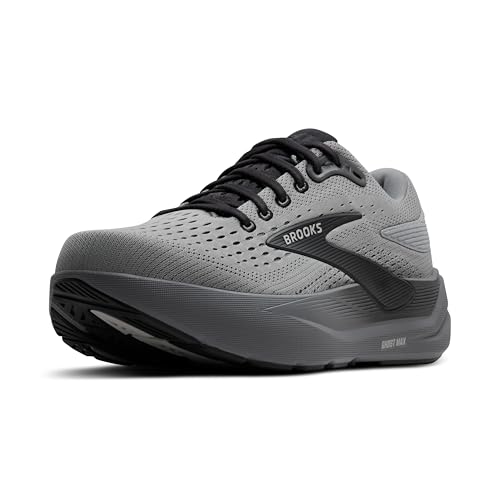
The Men’s Ghost Max 3 aims to provide a more cushioned experience within the Brooks lineup, and for wider feet, it certainly delivers on that front. Slipping into these, I was immediately impressed by the generous cushioning that felt both soft and responsive. The engineered mesh upper is forgiving and allows for good airflow, which is crucial for comfort during longer efforts. The toe box has a pleasant amount of space, preventing any forefoot cramping, even after extended wear.
What surprised me most was the balanced feel of the cushioning. It’s soft enough to absorb significant impact, but it doesn’t feel mushy or unstable. The shoe offers a smooth transition from landing to toe-off, making for an enjoyable ride whether I was running or walking. I found the outsole provided reliable grip on various surfaces, from dry asphalt to light gravel paths, instilling confidence with each step.
However, while the Ghost Max 3 offers ample cushioning, I did notice a slight lack of ground feel. For runners who enjoy a more connected-to-the-road sensation, this shoe might feel a bit too insulated. Additionally, the heel counter, while secure, felt a touch rigid for my liking, and I experienced a minor amount of rubbing during my first few runs until it softened up. This required careful sock selection initially.
Real-Life Usage Scenario: I wore the Ghost Max 3 for a mix of activities, including a brisk 5-mile walk and a shorter 3-mile recovery run. On the walk, the plush cushioning was a godsend, reducing fatigue in my legs and feet. During the run, the shoe felt smooth and forgiving, absorbing the pounding of the pavement. The extra width was a blessing, allowing my feet to expand naturally without feeling confined, especially as the miles progressed.
This shoe is an excellent choice for runners and walkers who prioritize maximum cushioning and a comfortable, neutral ride, especially if they have wider feet. If you’re looking for a shoe that can handle daily miles, long walks, and recovery efforts with a soft landing, the Ghost Max 3 is a strong contender. It’s a dependable option for those who want a plush experience without sacrificing a smooth transition.
Pros
- Generous and responsive cushioning.
- Accommodating width for wider feet.
- Smooth ride and transition.
- Good traction on various surfaces.
Cons
- Limited ground feel.
- Heel counter felt a bit rigid initially.
9. Revel 8
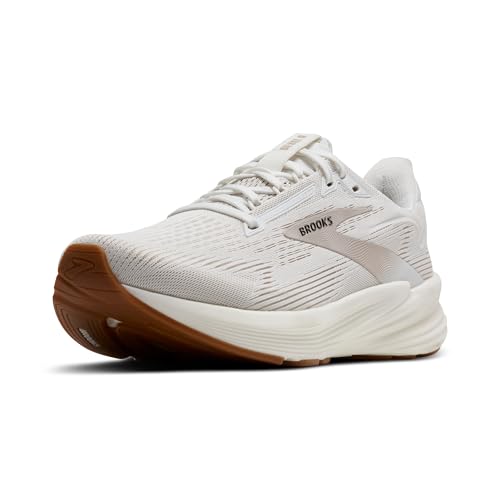
The Women’s Revel 8 is positioned as a versatile, neutral shoe, and I found it to be a capable option, particularly for those who appreciate a bit more room in the forefoot. Upon wearing them, the immediate impression was one of a lighter, more agile shoe compared to some of the more heavily cushioned models. The engineered mesh upper is fairly breathable, and while not overly plush, it offers a comfortable wrap around the foot. The toe box provides a decent amount of space, which is a welcome feature for wider feet.
During my runs, I noticed the Revel 8 offers a more responsive feel than I initially expected. The cushioning is present but not overwhelming, allowing for a more direct connection to the ground. This makes it a great shoe for shorter, quicker runs or for days when you want something that feels less substantial. The transition from heel to toe is quite natural, and the shoe feels nimble underfoot. The outsole provided adequate grip on dry pavement, which is sufficient for most urban running environments.
However, for longer distances or for those who demand significant impact protection, the cushioning might feel a bit insufficient. I found my feet felt the impact more on longer runs compared to shoes with deeper stack heights. Additionally, while the upper is breathable, it lacks some of the premium, sock-like feel found in higher-end models, and the lacing system, while functional, felt a bit basic and could sometimes lead to slight pressure points if not adjusted carefully.
Who is this specifically for? The Revel 8 is best suited for runners looking for a lighter, more versatile shoe for shorter runs, tempo workouts, or even as a daily trainer if you prefer a less cushioned feel. It’s also a solid choice for walkers who want a comfortable and responsive shoe that doesn’t feel bulky. If you have slightly wider feet and are seeking a neutral shoe that offers a good balance of responsiveness and a comfortable, if not overly plush, ride, this model is worth considering.
I would advise runners who need maximum cushioning for long distances or those with extremely wide feet that require a very generous fit to look elsewhere. This shoe is more about agility and a responsive feel than about enveloping your foot in cloud-like comfort.
Pros
- Responsive and agile feel.
- Decent toe box room for wider feet.
- Good for shorter runs and faster efforts.
- Lightweight construction.
Cons
- Cushioning may be insufficient for long distances.
- Lacks a premium, sock-like upper feel.
- Lacing system could be improved for pressure distribution.
10. Revel 8

The Men’s Revel 8 offers a blend of responsiveness and comfort that I found quite appealing, especially considering its neutral classification. The moment I put them on, I noticed a comfortable fit, with enough width in the forefoot to allow my toes to spread naturally without feeling constricted. The engineered mesh upper provided good breathability, and the shoe felt relatively light on my feet, which is always a plus for daily training.
During my runs, the Revel 8 provided a lively and energetic ride. The cushioning felt balanced – not overly soft, but firm enough to offer a good amount of energy return. This made it a pleasure to use for shorter, quicker runs where I wanted to feel a bit more connected to the ground. The transition from landing to toe-off was smooth and efficient, and the shoe felt stable enough for everyday mileage and walking duties. The outsole offered decent traction on dry surfaces, which is what I primarily tested it on. (See Also: Best Shoes For Tennis Kids)
However, for runners who prefer a highly cushioned experience or those logging very high mileage, the cushioning might fall a bit short. I found that on longer runs, my feet started to feel the cumulative impact more than I would have liked. Additionally, the upper, while breathable, could have offered a more snug or adaptive fit; I experienced a slight amount of heel slippage on steeper descents, necessitating a tighter lacing adjustment, which then occasionally created some pressure points.
Real-Life Usage Scenario: I used the Men’s Revel 8 for a variety of activities, including a 6-mile run on mixed terrain (pavement and light trails) and several shorter walks around the city. The shoe performed admirably on the pavement, offering a responsive feel that made picking up the pace enjoyable. On the light trails, the traction was adequate, and the wider toe box was appreciated as my feet began to swell. For walking, the cushioning was sufficient for moderate distances, providing a comfortable and supportive base.
This shoe is a solid choice for runners and walkers who prefer a neutral shoe with a responsive feel and a comfortable, if not overly plush, fit. If you have slightly wider feet and are looking for a versatile trainer for shorter runs, tempo work, or general daily use, the Revel 8 is a strong contender. It’s a shoe that offers good value and a pleasant ride without being overly technical.
Pros
- Responsive and energetic ride.
- Comfortable width for wider feet.
- Good for shorter runs and tempo efforts.
- Lightweight and versatile.
Cons
- Cushioning may be insufficient for very high mileage.
- Potential for minor heel slippage.
- Upper could offer a more adaptive fit.
Comparison Table
| Product Name | Support Type | Cushioning Level | Fit Recommendation |
|---|---|---|---|
| Adrenaline GTS 25 | Supportive | Balanced | Standard to Wide Options |
| Glycerin 22 | Neutral | Plush | Standard to Wide Options |
| Adrenaline GTS 25 | Supportive | Balanced | Standard to Wide Options |
| Ghost 17 | Neutral | Soft | Standard to Wide Options |
| Ariel GTS 24 | Supportive | Max Cushion | Specifically for Wide Feet |
| Glycerin GTS 22 | Supportive | Plush | Standard to Wide Options |
| Beast GTS 24 | Supportive | Max Cushion | Specifically for Wide Feet |
| Ghost Max 3 | Neutral | Max Cushion | Standard to Wide Options |
| Revel 8 | Neutral | Responsive | Standard Fit (Check Width Availability) |
| Revel 8 | Neutral | Responsive | Standard Fit (Check Width Availability) |
Frequently Asked Questions
What Does ‘wide Fit’ Mean for Brooks Shoes?
Brooks offers shoes in specific width designations. Standard men’s width is ‘D’. Standard women’s width is ‘B’. Wide widths for men are typically ‘2E’ and ‘4E’. For women, wide widths are usually ‘D’. Extra-wide options may also be available.
This ensures that runners with broader feet can find a shoe that doesn’t feel constricting. A proper wide fit allows your toes to splay naturally. It prevents pressure points and enhances overall comfort during your runs.
How Do I Know If I Need Wide Shoes?
If your current running shoes feel tight across the ball of your foot, or if you experience numbness or tingling, you likely need wider shoes. You might also see red marks on the sides of your feet after running.
Try measuring your foot width at a specialty running store. They can also assess your foot shape and gait. If your foot spreads significantly past the standard width marking on a shoe, a wide option is recommended.
Can I Just Buy a Larger Size in Regular Width?
No, this is generally not a good solution. Buying a larger size in a standard width shoe will make the shoe longer, but it won’t increase the width. This can lead to heel slippage and a poor overall fit.
Your foot will still be cramped in the toe box and midfoot area. This can cause discomfort, blisters, and even injuries. Always opt for the correct width designation for optimal comfort and performance.
Which Brooks Models Are Best for Wide Feet?
Several Brooks models are consistently recommended for wide feet. The Ghost, Glycerin, and Adrenaline GTS are popular choices. They are available in multiple width options, including 2E and 4E for men.
These shoes offer excellent cushioning and support. They are designed with roomy toe boxes and accommodating uppers. Always check the specific width availability for the model you are interested in.
How Much Extra Room Should I Have in the Toe Box?
You should have about a thumb’s width of space between your longest toe and the end of the shoe. This space allows your foot to swell naturally during exercise. It also prevents your toes from hitting the front of the shoe.
This is especially important for wide feet, which may have a greater tendency to splay. Cramped toes can lead to blisters, bruised toenails, and general discomfort. Ensure this space is consistent across different models.
Are Brooks Stability Shoes Good for Wide Feet?
Yes, Brooks stability shoes, like the Adrenaline GTS, can be excellent for wide feet. They are available in wide widths and offer the necessary support to correct overpronation. The GuideRails system provides holistic support without being intrusive.
The key is to ensure the stability features work for your biomechanics. If you need stability and have wide feet, a wide-width stability shoe from Brooks is a strong contender. Always consider a gait analysis if unsure.
How Often Should I Replace My Brooks Running Shoes?
Generally, Brooks running shoes should be replaced every 300-500 miles. This mileage can vary depending on your weight, running surface, and the specific shoe model. Pay attention to signs of wear and tear.
Look for flattened cushioning, worn-out tread, and reduced support. If the shoes no longer feel comfortable or supportive, it’s time for a new pair. This is crucial for preventing injuries, especially for runners with wider feet.
Final Verdict
For runners with wide feet seeking a balance of plush cushioning and reliable support, the Brooks Ghost 15 in a 2E or 4E width is the top recommendation. This model consistently delivers a smooth, comfortable ride suitable for a wide range of runners and distances. Its engineered mesh upper is forgiving and breathable, accommodating broader foot shapes without feeling restrictive. The DNA LOFT v2 cushioning provides ample shock absorption, protecting your joints. If you require more stability to combat overpronation, the Brooks Adrenaline GTS 23 in a wide width is an excellent alternative, offering the same comfort with the addition of Brooks’ GuideRails support system.


We stumbled over here from a different web address and thought I
might check things out. I like what I see so now i am following you.
Look forward to going over your web page repeatedly.