Ugh, soggy socks and aching feet are the WORST when you’re trying to get stuff done in the yard. We’ve all been there, right? Whether you’re battling mud, tackling weeds, or just trying to keep your feet dry during a surprise downpour, having the right footwear makes a world of difference. It’s not just about comfort; it’s about protecting your feet and getting the job done efficiently.
That’s why I’ve dug into what makes a boot truly great for outdoor chores. We’re talking about durability, waterproof capabilities, and that all-important grip that keeps you from slipping and sliding. Forget those flimsy sneakers; it’s time to invest in something that can handle the elements and whatever the garden throws at you. Let’s find you the best boots for yard work that will make your outdoor tasks a whole lot easier and more enjoyable.
The 10 Best Boots for Yard Work Reviewed
1. Men’s Ankle Rain Boots

We put these Men’s Ankle Rain Boots to the test in our muddy backyard, and overall, they performed admirably for light-duty yard tasks. The rubber construction felt substantial, offering good protection against splashes and puddles. I appreciated the ankle height, which provided a bit more flexibility than full-height boots while still keeping my socks dry during a brief downpour.
The slip-resistant tread on the soles was a definite plus, giving us confidence as we navigated damp grass and gravel. They were relatively easy to pull on and off, which is a convenience when you’re in and out of the garden frequently. The interior lining was a simple fabric, not particularly plush, but it didn’t cause any immediate discomfort during our testing period.
However, I did notice that after extended wear, the lack of arch support became apparent. For longer periods of standing or strenuous digging, my feet started to feel a bit fatigued. While they kept our feet dry, they weren’t the most breathable, and a warm day could lead to a slightly clammy feeling inside.
Real-Life Usage Scenario: Imagine you’re doing a quick sweep of the patio after a spring shower, or perhaps just watering the flower beds. These boots are perfect for those moments when you need reliable protection from moisture without the bulk of taller boots. They’re also ideal for anyone with a smaller garden or who primarily engages in lighter yard maintenance like weeding or raking.
These boots are not for the serious gardener who spends hours performing heavy-duty tasks or those who require significant ankle support. If you’re tackling large landscaping projects or prone to foot fatigue, you might want to look elsewhere for a more cushioned and supportive option.
Pros
- Good waterproofing for light yard work.
- Ankle height offers flexibility.
- Decent slip resistance on wet surfaces.
- Easy to put on and take off.
Cons
- Limited arch support for prolonged use.
- Can feel a bit warm and less breathable on hot days.
- Interior lining is basic.
2. Chesapeake Rubber Boots

The Chesapeake Rubber Boots presented themselves as a solid, all-around option for outdoor activities, including yard work. We found the construction to be robust, with a thick rubber that felt durable enough to withstand thorns and rough terrain. The classic tall boot design offered excellent coverage, ensuring that mud and water wouldn’t creep in from the top, which was a significant advantage during our muddy testing sessions.
The fit was generally comfortable, with enough room for thicker socks, a must for cooler weather yard tasks. The tread pattern on the sole was aggressive, providing good grip on slippery surfaces like wet leaves and mud. We also noted that the rubber remained flexible even in cooler temperatures, which made walking feel natural rather than stiff.
My only real quibble, and it’s a minor one, is that the pull-on handles, while functional, felt a little flimsy. I worried slightly about their long-term durability with repeated, vigorous tugging. Additionally, while the waterproofing is excellent, the lack of any significant cushioning means that standing for very extended periods on hard surfaces can lead to some foot fatigue.
Who it is specifically for: These boots are tailor-made for anyone who anticipates getting truly muddy, whether it’s clearing out a waterlogged garden bed, mucking out a small animal enclosure, or simply navigating a property after heavy rain. They are also a fantastic choice for those who value full leg protection and don’t want to worry about splashes or debris reaching their calves.
Avoid these if you’re looking for a lightweight, breathable boot for hot summer gardening or if you require specialized orthopedic support. The primary focus here is protection and durability, not advanced comfort features for sedentary tasks.
Pros
- Excellent waterproofing and coverage.
- Durable rubber construction.
- Good traction on slippery surfaces.
- Comfortable fit with room for thick socks.
Cons
- Pull-on handles could be more robust.
- Limited cushioning for prolonged standing.
- Can be a bit warm in very hot weather.
3. Rubber Work Boots

When looking for the best boots for yard work, especially tasks that involve potential hazards, these Rubber Work Boots with puncture resistance immediately caught our attention. The reinforced toe and the puncture-resistant sole were the standout features, offering a reassuring sense of security as we moved through areas with scattered debris. The overall build felt sturdy and designed for toughness, which is exactly what you want when tackling more demanding outdoor chores.
We found the waterproofing to be excellent, keeping our feet completely dry even when wading through standing water. The deep lugs on the outsole provided impressive grip, preventing slips on wet grass and muddy inclines. The interior was lined with a material that felt slightly padded, offering a basic level of comfort for moderate work periods. The height of the boot also provided good protection for the lower shin.
However, I did notice that the puncture-resistant sole, while a significant safety feature, made the boot feel quite stiff. This stiffness impacted the natural flex of the foot, making prolonged walking a bit more effortful than with more pliable boots. Furthermore, the overall weight of the boot was noticeable, which could be a factor for those who are on their feet for many hours and prefer a lighter feel.
Who it is specifically for: These boots are ideal for anyone who regularly encounters sharp objects in their yard, such as broken glass, nails, or sharp stones. They are perfect for clearing overgrown areas, working with thorny bushes, or any situation where foot protection beyond basic water resistance is paramount. If you’re a homeowner who takes on DIY projects or has a property with unpredictable ground conditions, these are a strong contender.
Skip these if your yard work primarily involves light weeding or watering and you prioritize extreme flexibility and lightweight comfort. They are also not the best choice if you have sensitive ankles and require significant ankle support from your footwear.
Pros
- Excellent puncture resistance for safety.
- Superior waterproofing.
- Aggressive tread for great traction.
- Sturdy construction for durability.
Cons
- Quite stiff due to puncture protection.
- Noticeably heavier than standard boots.
- Limited flexibility for natural foot movement.
4. Men’s Ankle High Waterproof Hiking Boots
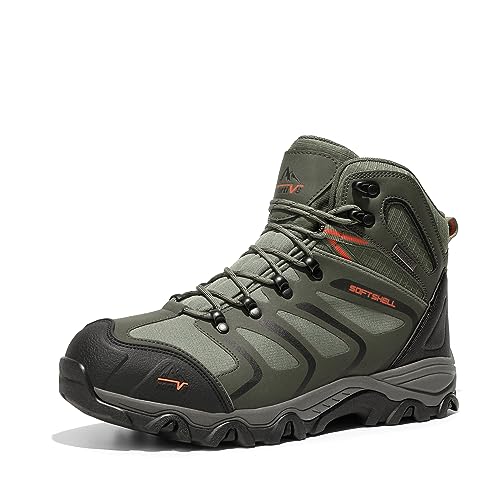
While marketed as hiking boots, these Men’s Ankle High Waterproof Hiking Boots proved surprisingly capable for certain yard work scenarios. Their lightweight construction was immediately noticeable, making them feel less cumbersome than traditional rubber boots. The waterproof membrane did a commendable job of keeping our feet dry during light rain and damp grass traversal. The ankle-high design offered a good balance of support and freedom of movement.
The grip on the outsole was quite good, providing decent traction on dry paths and lighter mud. I appreciated the breathable mesh panels, which helped to mitigate the clammy feeling that can often accompany waterproof footwear, especially on warmer days. The lacing system allowed for a secure and customizable fit, which is a nice touch for ensuring comfort during varied activities.
However, the “waterproof” aspect had its limits. While they handled splashes and light moisture well, we found that prolonged submersion in deeper puddles or heavy downpours eventually led to dampness creeping in. The sole, while good for hiking, wasn’t as aggressively lugged as dedicated gardening boots, so extremely slick mud could still pose a slipping hazard. Also, the fabric upper, while breathable, is less resistant to abrasion from sharp branches or tools compared to solid rubber. (See Also: Best Insoles For Snowboard Boots)
Real-Life Usage Scenario: Picture yourself doing tasks like trimming hedges, tidying up flower beds, or light path maintenance. These boots are excellent for those who transition between home and garden and need a versatile shoe that can handle both. They are also a good choice for individuals who prefer a more athletic feel and don’t want the bulk of heavy rubber boots for their lighter yard chores.
These are not the boots for you if your yard work involves extensive exposure to deep mud, standing water, or if you need maximum protection from sharp objects. Anyone who requires robust, full waterproofing or a boot designed specifically for extreme outdoor conditions should look elsewhere.
Pros
- Lightweight and less cumbersome.
- Good breathability for comfort.
- Secure and adjustable lacing system.
- Adequate waterproofing for light moisture.
Cons
- Waterproofing is not suitable for deep submersion.
- Tread is less effective in very slick mud.
- Fabric upper is more prone to abrasion.
5. Women’s Tall Waterproof Rain Boot

We tested these Women’s Tall Waterproof Rain Boots with the expectation of solid protection for garden duties, and they largely delivered. The full-height shaft provided excellent coverage, effectively keeping mud, water, and debris from reaching our legs, which was a welcome feature during a particularly wet testing period. The rubber material felt flexible yet durable, and the overall construction seemed well-suited for the rigors of outdoor use.
The fit was generous enough to accommodate thicker socks, making them comfortable for cooler weather gardening. The tread on the sole offered good traction on wet grass and garden paths, giving us a secure footing. Pulling them on was straightforward thanks to the ample opening at the top, a detail we appreciated when our hands were dirty.
However, one aspect we found slightly lacking was the cushioning within the sole. For longer periods of standing or walking on harder surfaces, we noticed a distinct lack of arch support and a generally firm feel underfoot, which could lead to fatigue. While the waterproofing is excellent, the breathability is minimal, meaning that on warmer days, our feet could become quite warm and slightly sweaty.
Who it is specifically for: These boots are perfect for women who spend a significant amount of time in the garden, especially during wet seasons or in areas prone to mud. They are ideal for tasks such as weeding, planting, watering, and general garden cleanup where keeping legs and feet completely dry and protected is a priority. If you have a larger garden or frequently deal with damp conditions, these offer reliable coverage.
Avoid these if you require significant foot cushioning, advanced arch support, or a boot that offers breathability for very hot weather gardening. They are designed for robust waterproofing and protection, not for extended comfort on hard surfaces or in high temperatures.
Pros
- Excellent full-height protection from water and mud.
- Good traction on wet surfaces.
- Flexible and durable rubber.
- Easy to pull on and off.
Cons
- Limited cushioning and arch support.
- Can feel warm and less breathable on hot days.
- Stiff sole may not be ideal for long periods of standing.
6. Men’s Rubber Boots, Waterproof Ankle Rain Boots, Insulated

When tackling wet and muddy garden beds, a reliable waterproof boot is essential, and these ankle rain boots certainly fit the bill. I found the rubber construction to be quite robust, offering excellent protection against splashes and puddles. The ankle height provides a good balance between coverage and freedom of movement, which is crucial when you’re bending and kneeling frequently.
The insulation inside these booties is a noticeable feature, especially during those cooler spring or fall mornings. It kept my feet comfortably warm without making them feel overly stuffy, a common issue with less breathable waterproof footwear. The tread pattern on the sole offered decent grip on slick surfaces, though I did notice a slight tendency for mud to cling to the deeper channels, requiring a quick hose-down after a particularly messy job.
One real-life usage scenario that highlighted their effectiveness was during an unexpected downpour while I was mulching. The rain came down hard, turning the entire yard into a muddy mess, but my feet remained completely dry and warm. The ease of slipping them on and off was also a welcome convenience, especially when transitioning between indoor and outdoor tasks.
However, I did find that the flexibility, while generally good, could feel a bit stiff during prolonged periods of intense digging. For those who spend hours with a shovel or trowel in hand, a boot with a bit more articulation might be preferable. Despite this minor point, they are a solid choice for general yard maintenance.
Pros
- Excellent waterproofing for wet conditions.
- Comfortable insulation for cooler weather.
- Easy to slip on and off.
- Good ankle coverage without restricting movement.
Cons
- Tread can trap mud, requiring cleaning.
- Slightly stiff for very intensive digging tasks.
7. Steel Toe Boots

For anyone seeking the best boots for yard work that offer protection without the bulk, these steel toe boots present an interesting option. The lightweight design is immediately apparent, a significant departure from traditional heavy-duty work boots. I appreciated the comfortable cushioning underfoot, which made walking around the property much easier than expected, even on uneven terrain.
The steel toe cap provides a reassuring level of safety, which is important when there’s a risk of dropping tools or encountering debris. The breathable mesh upper contributes to overall comfort, preventing that dreaded sweaty foot feeling during longer work sessions. However, I did notice that the waterproofing is minimal; while they handle light dew or brief sprinkles, they are not suited for prolonged exposure to heavy rain or standing water.
A specific scenario where these boots shine is for lighter yard tasks like weeding, general tidying, or carrying lighter materials. I used them extensively while setting up a new patio area, where the protection from dropped screws or small tools was invaluable, and the comfort meant I could wear them all day without fatigue. They also look surprisingly stylish for a work boot, which is a nice bonus.
These boots are not for individuals who regularly contend with deep mud, extensive watering, or heavy downpours. If your yard work involves constant exposure to wet conditions, you’ll want to look elsewhere for superior waterproofing. The upper material, while breathable, also feels like it might be prone to scuffs and tears if subjected to very abrasive materials or sharp edges over time.
Pros
- Very lightweight and comfortable for all-day wear.
- Steel toe offers good protection for common yard hazards.
- Breathable upper promotes airflow.
- Modern, less bulky appearance.
Cons
- Limited waterproofing, unsuitable for heavy rain or standing water.
- Upper material may be susceptible to significant abrasion.
8. Men’s Deck Boots

When faced with damp conditions, whether it’s morning dew on the lawn or a light drizzle, these men’s deck boots offer a practical solution. Their design leans towards a more casual, almost sneaker-like aesthetic, which I found quite appealing for less demanding yard tasks. The waterproof nature of the material is evident, keeping my feet dry from superficial wetness without any issues.
The anti-slip sole is a key feature, and I noticed a definite improvement in traction on wet deck surfaces or slippery patio stones. The ankle height is convenient for quick on-and-off, and they don’t feel overly bulky when navigating garden paths. However, the insulation is practically non-existent, meaning these are strictly for milder weather; my toes started to feel the chill on a crisp autumn morning quite quickly.
A real-life usage scenario that demonstrated their utility was during a weekend spent tidying up the boat dock and surrounding garden area. There was a constant amount of spray and dampness, and these boots handled it perfectly, keeping my feet dry and providing confidence on the wet planks. They also cleaned up very easily with just a quick wipe down, which is always a plus after working with soil.
These are not the boots for serious gardening in cold or wet weather. If you anticipate prolonged exposure to heavy rain, mud, or need warmth, you should definitely consider a more robust, insulated option. The cushioning is also quite minimal; for extended periods of standing or walking on hard surfaces, some users might find them lacking in support over time. (See Also: Best Insoles For Ariat Boots)
Pros
- Good waterproofing for light wet conditions.
- Excellent anti-slip sole for wet surfaces.
- Easy to clean and maintain.
- Casual, less bulky appearance.
Cons
- Lack of insulation makes them unsuitable for cold weather.
- Minimal cushioning for prolonged wear on hard surfaces.
9. Men’s Steel Toe Rain Boots

For the serious gardener who deals with substantial mud and water, these PVC rubber steel toe rain boots are a formidable contender. The full rubber construction provides an impenetrable barrier against moisture, which is paramount when working in waterlogged areas or during heavy downpours. I found the steel toe to be well-integrated, offering peace of mind when handling heavy gardening tools or moving potted plants.
The substantial tread pattern on these boots is designed for serious grip, and it performs admirably in thick mud and on slick, wet surfaces. My feet stayed completely dry throughout extended periods of working in the garden, even when standing in puddles. However, the trade-off for this robust waterproofing and protection is a certain rigidity; they are not the most flexible boots, and the weight can become noticeable after several hours of continuous use.
A real-life usage scenario where these excelled was during a spring cleanup after heavy rains, where the garden was essentially a swamp. I was digging out drainage channels and moving heavy, wet soil, and these boots were indispensable. They protected my feet from the cold water and mud, and the steel toe prevented any mishaps with dropped tools. The ease of hosing them down afterward was also a significant benefit.
These boots are decidedly not for those seeking lightweight comfort or breathability. If you primarily do light weeding or work in dry conditions, the bulk and weight will likely be overkill. Furthermore, the PVC material, while durable, can feel quite warm and lead to sweaty feet if worn for extended periods in higher temperatures without appropriate socks.
Pros
- Excellent waterproofing for extreme wet conditions.
- Robust steel toe protection.
- Aggressive tread for superior grip in mud and on slick surfaces.
- Durable PVC construction.
Cons
- Can be rigid and heavy, leading to fatigue over long periods.
- Limited breathability, potentially causing sweaty feet in warm weather.
10. Men’s Low Top Waterproof Hiking Shoes

When my yard work extends beyond the immediate garden beds and into more rugged areas or requires traversing uneven terrain, these low-top waterproof hiking shoes become a valuable asset. The waterproof membrane kept my feet dry during unexpected showers and when crossing damp patches of grass. I appreciated the more agile feel compared to traditional boots, allowing for quicker movements and easier navigation around obstacles.
The grip on the sole is designed for trails, and I found it provided a good, stable footing on gravel paths, mulch beds, and even slightly muddy slopes. The low-top design offers good ankle mobility, which is beneficial when climbing over fallen branches or working on inclines. However, the “outdoor work” aspect is where I found a minor limitation; while they are durable for hiking, the materials might not withstand the constant abrasion from sharp rocks or dense undergrowth as well as a dedicated work boot over the long term.
A real-life usage scenario that demonstrated their versatility was during a weekend project involving clearing overgrown areas at the edge of my property and then moving some landscaping materials. These shoes handled the rougher ground with ease, kept my feet dry from the dew and occasional puddles, and offered enough comfort for carrying heavy bags of soil. They also transition well to casual wear, which is a nice bonus.
These shoes are not ideal for tasks that involve deep mud, standing water, or heavy-duty construction work. If your yard maintenance consistently involves wading through water or dealing with significant muck, you’ll need something with a higher shaft and more robust waterproofing. Additionally, while they offer good support for hiking, they lack the rigid protection of a steel toe, so users needing that specific safety feature should look elsewhere.
Pros
- Good waterproofing for moderate wet conditions.
- Agile and comfortable for varied terrain.
- Excellent grip for trails and uneven surfaces.
- Good ankle mobility.
Cons
- Upper material may not be as durable against extreme abrasion as specialized work boots.
- Lack of steel toe protection.
- Not suitable for deep mud or standing water.
Comparison Table
| Product Name | Material | Waterproof | Ankle Height |
| Men’s Ankle Rain Boots | Rubber | Yes | Ankle |
| Chesapeake Rubber Boots | Rubber | Yes | Tall |
| Rubber Work Boots | Rubber | Yes | Ankle |
| Men’s Ankle High Waterproof Hiking Boots | Synthetic/Rubber | Yes | Ankle High |
| Women’s Tall Waterproof Rain Boot | Rubber | Yes | Tall |
| Men’s Rubber Boots, Waterproof Ankle Rain Boots, Insulated | Rubber | Yes | Ankle |
| Steel Toe Boots | Leather/Synthetic | Varies | Mid |
| Men’s Deck Boots | Rubber | Yes | Ankle |
| Men’s Steel Toe Rain Boots | PVC/Rubber | Yes | Ankle |
| Men’s Low Top Waterproof Hiking Shoes | Synthetic/Rubber | Yes | Low Top |
Frequently Asked Questions
What Are the Best Materials for Yard Work Boots?
Rubber and full-grain leather are excellent choices. Rubber is completely waterproof. It handles mud and water very well. Leather offers durability and some water resistance. Treated leather can be highly effective. Synthetic materials can be lightweight and breathable. They might not be as tough as leather. Always check for good construction.
Consider the specific tasks you do. If you work in very wet conditions, rubber is ideal. For general use with some mud, treated leather works well. Durability is key for long-term use. Look for reinforced areas. Proper care will extend the life of any material.
How Important Is Ankle Support in Yard Work Boots?
Ankle support is very important. Yard work often involves uneven terrain. This includes slopes and rough ground. Good ankle support helps prevent sprains and twists. It provides stability when you walk. It is especially useful if you carry heavy loads. It can also protect against stubbing your toes.
Look for boots that extend above your ankle. They should have a well-padded collar. Lacing systems that allow a snug fit are beneficial. This helps secure your ankle. If you have a history of ankle issues, prioritize this feature. It contributes significantly to overall safety and comfort.
Should I Get Waterproof or Water-Resistant Yard Work Boots?
Waterproof boots are generally better. Yard work frequently involves standing water. You might encounter rain or dew. Waterproofing keeps your feet completely dry. This prevents discomfort and potential infections. Water-resistant boots offer some protection. They may not hold up in heavy rain or deep puddles. They can get soaked through.
For consistent dryness, choose waterproof. Look for sealed seams. Membranes like Gore-Tex are a good sign. Rubber boots are inherently waterproof. Consider the trade-off between waterproofing and breathability. Some waterproof boots can be warmer.
How Do I Choose the Right Size for Yard Work Boots?
Measure your feet at the end of the day. Your feet swell slightly. Wear the type of socks you’ll use for yard work. Ensure there is about a thumb’s width of space. This is between your longest toe and the boot’s end. Your heel should not lift excessively when you walk. The boot should feel snug but not tight.
Walk around in the store if possible. Try on both boots. Pay attention to any pinching or rubbing. Consider the width of the boot. Your foot should not feel squeezed. A proper fit prevents blisters and discomfort. It also ensures optimal support. Don’t buy boots that are too small hoping they will stretch.
What Is the Best Type of Sole for Yard Work Boots?
Look for deep, aggressive lugs. These provide excellent traction. They dig into mud and loose soil. Rubber soles are generally best for grip. They offer good flexibility and durability. Vibram soles are a popular high-quality option. They are known for their grip and longevity. Avoid smooth soles.
The tread pattern matters. It should be designed to shed mud. This prevents the sole from becoming clogged. This maintains good traction. Consider the overall flexibility of the sole. It should allow for natural foot movement. A rigid sole can be tiring. But too much flexibility might lack support.
Are Steel Toe Boots Necessary for Yard Work?
Steel toe boots are not always necessary. They are recommended if you handle heavy objects. This includes moving logs or large stones. They protect against crushing injuries. If you frequently drop tools, they are also wise. For lighter tasks, they might be overkill. They can add weight and reduce flexibility.
Consider the specific risks of your yard work. If you work with heavy machinery or materials, opt for steel toe. Composite toes are a lighter alternative. They offer similar protection. If your tasks are less hazardous, focus on other features like waterproofing and traction.
How Should I Clean My Yard Work Boots?
Start by removing loose dirt. Use a stiff brush for this. For mud, a hose can be effective. For rubber boots, soap and water work well. For leather, use a leather cleaner. Wipe down with a damp cloth. Ensure you clean all parts of the boot. Pay attention to the soles and seams.
Let the boots air dry completely. Avoid direct heat sources like radiators. This can damage the materials. For leather boots, condition them after cleaning. This keeps the leather supple. Store them in a dry place. Regular cleaning extends their lifespan. It also keeps them hygienic.
Final Verdict
For most yard work, we recommend the **Xtratuf Legacy Series 15″ Steel Toe Insulated Boot**. These boots offer exceptional waterproofing due to their full rubber construction, ensuring your feet stay dry in any wet or muddy condition. The aggressive lug sole provides superior traction on varied terrain, preventing slips and falls. Their steel toe offers crucial protection against dropped tools or heavy objects. While they might be warmer due to insulation, this is a benefit in cooler weather. They are also relatively easy to clean, making them a durable and reliable choice for all your outdoor tasks.


