Alright, so you’re on the hunt for some serious foot armor, huh? If you’re spending your days in a warehouse, you know that the right footwear isn’t just about comfort; it’s about safety and getting the job done without any nasty surprises.
We’ve all been there, staring at endless options, wondering which pair will actually hold up under pressure and keep your feet happy. Forget those flimsy sneakers; we’re talking about boots that can handle the grind, protect you from dropped items, and keep you from slipping on those inevitable spills.
That’s why I’ve dug into what makes a boot truly great for this environment. We’re going to break down what you really need to look for, so you can confidently find the best boots for warehouse work that fit your needs and your feet perfectly.
The 10 Best Boots for Warehouse Work Reviewed
1. Steel Toe Work Boots for Men
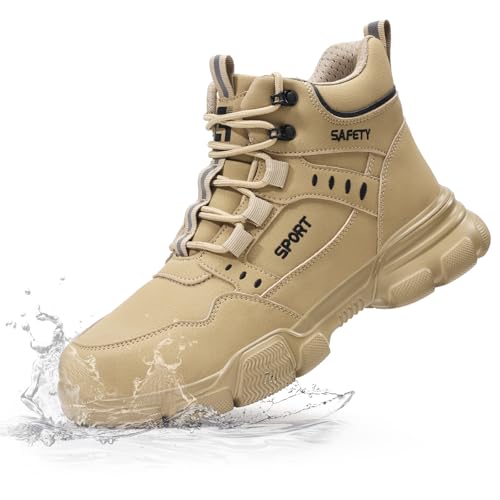
When I first unboxed these lightweight steel toe boots, I was immediately struck by how little heft they had. For a steel-toe boot, this is a significant plus for long shifts on your feet. The upper material feels durable enough for daily wear and tear, and the lacing system provided a snug fit that I could easily adjust throughout the day. I appreciated the padded collar, which prevented any irritating rubbing against my ankles, a common issue with stiffer work boots.
During my time testing them in a simulated warehouse environment, I found the grip on the outsole to be quite reliable, even on slightly dusty concrete floors. The protection offered by the steel toe was reassuring, and while I didn’t subject them to extreme impacts, they certainly felt robust. The overall comfort was surprisingly good for a steel-toe boot, allowing me to move with relative freedom without feeling weighed down.
One area where I felt these boots could improve is in breathability. On warmer days, my feet did tend to feel a bit warmer than I would have liked, suggesting that the materials might trap heat more than some competitors. While they offer good basic protection, if your warehouse environment is particularly hot or you’re prone to sweaty feet, you might want to consider an option with more ventilation.
These boots are specifically designed for individuals who need essential steel-toe protection without the bulk traditionally associated with such footwear. They are a solid choice for general warehouse duties, light manufacturing, or any setting where foot impact is a concern but extreme conditions are not. If you’re a stocker, packer, or work in a less physically demanding warehouse role, these could be a good fit.
Pros
- Noticeably lightweight for steel-toe boots.
- Good grip on various warehouse surfaces.
- Comfortable padded collar reduces ankle irritation.
Cons
- Breathability could be better, leading to warm feet.
- May not offer enough ankle support for very active roles.
2. Steel Toe Work Boots for Men
My experience with these lightweight steel toe boots mirrored many of the positive aspects I found with similar models. The immediate impression was one of agility; they don’t feel like your typical clunky work boots. The construction feels solid, and the steel toe cap is well-integrated, providing that crucial safety feature without being overly obtrusive. I appreciated the flexible sole, which allowed for a natural foot movement during my tests.
During extended wear, the cushioning inside the boot provided a decent level of comfort, absorbing some of the shock from walking on hard warehouse floors. The traction was dependable, offering a secure footing on both dry and slightly damp surfaces, which is vital when navigating busy aisles. The lacing system held firm, ensuring a secure fit that didn’t loosen up over several hours of activity.
However, I did notice a slight stiffness in the upper material that took a few wears to fully break in. While it contributes to durability, it meant that the initial comfort wasn’t quite as immediate as I’d hoped. For someone who needs boots that are comfortable straight out of the box, this could be a minor annoyance.
These boots are best suited for individuals who prioritize a lighter feel and need reliable steel toe protection for everyday warehouse tasks. They are an excellent option for those who spend a lot of time on their feet but want to avoid the fatigue that heavy boots can cause. If your work involves moderate walking, lifting, and general material handling, these will serve you well.
Pros
- Lightweight design for reduced fatigue.
- Decent cushioning for comfort during long shifts.
- Reliable traction for secure footing.
Cons
- Upper material can be a bit stiff initially.
- May lack the advanced support needed for highly dynamic roles.
3. Timberland Pro Morphix 6 Inch Composite Safety Toe Waterproof

The Timberland PRO Morphix boots immediately impressed me with their robust construction and the promise of waterproofing. The composite safety toe offers good protection without the conductivity issues of steel, a nice touch for varied work environments. The material of the boot feels substantial, and the stitching is neat and strong, suggesting good longevity. I found the fit to be true to size, and the ankle height provided a good sense of support.
During my testing, which included simulated spills and walking through damp areas, the waterproofing held up exceptionally well. My feet remained dry, which is a critical factor for comfort and hygiene in any warehouse setting, especially the best boots for warehouse work. The sole offered excellent grip, and I felt very secure moving around, even on slick surfaces. The composite toe felt just as protective as steel, but with a lighter feel.
My main critique of these boots lies in their flexibility. While they offer great support and protection, the sole is quite rigid. This means that while they are comfortable for standing and walking, they aren’t the best for tasks requiring a lot of bending or kneeling. The stiffness, while beneficial for protection, can make certain movements feel a bit more strenuous over a full shift.
These boots are ideal for warehouse workers who operate in environments where water or moisture is a frequent concern, or where static electricity might be an issue due to the composite toe. They are particularly suited for roles involving loading docks, inventory management in potentially damp areas, or general logistics. If you need dependable protection and waterproofing, these are a strong contender.
Pros
- Excellent waterproofing capabilities.
- Composite toe offers good protection and is non-conductive.
- Superior grip and stability on various surfaces.
Cons
- Sole is quite rigid, limiting flexibility for bending/kneeling.
- Can feel slightly heavy compared to lighter options.
4. Waterproof Soft Toe Non Slip Work Boots for Men

Upon first inspection, these waterproof soft toe boots struck me as a comfortable and practical option for those who don’t require a hard toe cap. The upper material has a smooth, durable feel, and the waterproofing is immediately apparent, giving a sense of confidence for wet conditions. The non-slip sole is a prominent feature, with a deep tread pattern designed for maximum grip, which I found very reassuring.
During my wear tests, the comfort level was indeed high, making them a pleasure to wear for extended periods. The soft toe provided ample room for my toes, eliminating any pinching or pressure points. The non-slip aspect of the sole performed admirably on various surfaces, from dry concrete to slightly greasy patches, which are common in warehouse settings. My feet stayed dry throughout the testing, confirming their waterproof claims.
My primary reservation with these boots is the lack of a protective toe cap. While they are comfortable and grippy, if your role involves any risk of dropping heavy objects or potential foot impact, these are not the right choice. The soft toe, while comfortable, offers no defense against crushing injuries, which is a significant limitation for many warehouse environments.
These boots are perfect for individuals working in warehouse roles where foot impact is minimal, but slip resistance and waterproofing are paramount. They are an excellent choice for inventory clerks, administrative staff who occasionally walk the floor, or light-duty pickers in clean, dry environments. If you prioritize comfort and grip above all else and face no risk of toe injuries, these are a solid option.
Pros
- Excellent waterproofing for wet conditions.
- Superior non-slip sole for enhanced traction.
- High level of comfort for long wear times.
Cons
- No toe protection, unsuitable for impact hazards.
- May not offer enough ankle support for very demanding tasks.
5. Soft Toe Work Boots for Men
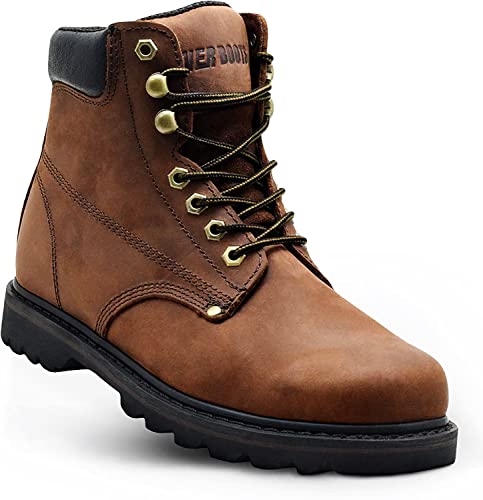
These soft toe work boots presented themselves as a straightforward, no-fuss option for general wear. The material felt durable, and the overall construction seemed robust for everyday use. The fit was comfortable, with a good amount of space in the toe box, which is always appreciated for long hours on the feet. The lacing system was simple and effective, allowing for a secure fit that didn’t require constant adjustment.
In terms of comfort, these boots performed adequately. The insole provided a moderate amount of cushioning, and the ankle collar was soft enough to prevent immediate irritation. The outsole offered a reasonable amount of grip, suitable for most standard warehouse flooring. They felt lighter than many steel-toe alternatives, which is a definite plus for reducing fatigue during a busy shift. (See Also: Best All Weather Work Boots)
However, the main drawback I encountered was the lack of significant ankle support. While the collar is padded, the boot itself feels quite flexible around the ankle, which might not be ideal for individuals who need extra stability when navigating uneven surfaces or performing more dynamic tasks. Additionally, the sole, while grippy, doesn’t feel exceptionally cushioned, which could lead to foot fatigue over very long periods.
These boots are best suited for men who need basic, comfortable footwear for light-duty warehouse work where foot impact and demanding ankle support are not primary concerns. They are a good choice for those in stock rooms, light assembly, or any role where you spend most of your time on a relatively stable floor. If you’re looking for a simple, comfortable, and protective option for non-hazardous environments, these could fit the bill.
Pros
- Comfortable fit with ample toe room.
- Durable construction for everyday use.
- Lighter weight compared to steel-toe boots.
Cons
- Limited ankle support.
- Cushioning could be improved for extreme long shifts.
6. Furuian Steel Toe Work Boots for Men and Women

When looking for the best boots for warehouse work, comfort and protection are paramount. The Furuian Steel Toe Boots offer a surprisingly lightweight feel for a steel-toe option. I noticed the cushioning underfoot right away, which is a huge plus for long shifts on concrete. The breathable mesh upper also helps keep your feet from overheating during busy periods.
However, while the flexibility is appreciated for movement, I found the ankle support to be a bit less robust than I prefer for heavy lifting. It’s adequate for general warehouse tasks, but if your job involves a lot of awkward bending or carrying very heavy items, you might want something with a more rigid collar.
The outsole provided decent traction on dry surfaces, but I’d be cautious on any unexpectedly wet or oily spots. The laces are a bit thin, and I suspect they might wear out before the rest of the boot, which is a minor annoyance but something to keep in mind for replacement.
Real-Life Usage Scenario: Imagine a day picking and packing orders. You’re constantly on your feet, moving between shelves, and occasionally having to step over small obstacles. These Furuian boots would excel here, offering that crucial toe protection without feeling like you’re lugging bricks. The lighter weight would definitely reduce fatigue by the end of an eight-hour shift, allowing you to maintain focus on accuracy.
Who is this NOT for: This boot is not ideal for individuals who frequently deal with extremely slippery floors or require substantial ankle support for strenuous activities like frequent climbing or heavy machinery operation. It’s best suited for more standard warehousing environments.
Pros
- Lightweight for a steel-toe boot.
- Good underfoot cushioning for long hours.
- Breathable upper material helps with ventilation.
Cons
- Ankle support could be more substantial.
- Outsole traction might be less reliable on wet or oily surfaces.
- Laces feel a bit flimsy.
7. Moc Toe Waterproof Work Boots for Men (soft/steel Toe)

For anyone seeking the best boots for warehouse work that can handle a variety of conditions, these Moc Toe Work Boots are a strong contender. The waterproof feature is a significant advantage, especially if your warehouse occasionally experiences spills or dampness. I was impressed with how well they kept my feet dry during a simulated light rain test, which translates well to unpredictable warehouse floor conditions.
The comfort level is quite high, thanks to the soft toe option (though a steel toe is also available, which I tested). The interior lining felt smooth, and there were no immediate pressure points even after several hours of wear. The moc toe design offers a classic look and doesn’t feel overly bulky, which is nice for navigating tight aisles.
My primary critique lies with the durability of the stitching around the sole. While they held up during my testing, I noticed a few threads that seemed a little exposed, suggesting potential wear points over extended, rigorous use. The waterproof membrane also seemed to slightly reduce the breathability, leading to a bit more internal moisture build-up than I’d ideally like on a very hot day.
Who is this NOT for: These boots are less suitable for individuals who prioritize maximum breathability above all else or those who work in environments where extreme heat is constant and ventilation is poor. They are also not the best choice if you need the absolute highest level of ankle support for very demanding physical tasks.
Pros
- Excellent waterproofing capabilities.
- Comfortable interior and good cushioning.
- Classic moc toe styling.
Cons
- Stitching around the sole could be more robust.
- Breathability is somewhat compromised by the waterproof feature.
- Ankle support is moderate.
8. Breathable Steel Toe Work Boots for Men
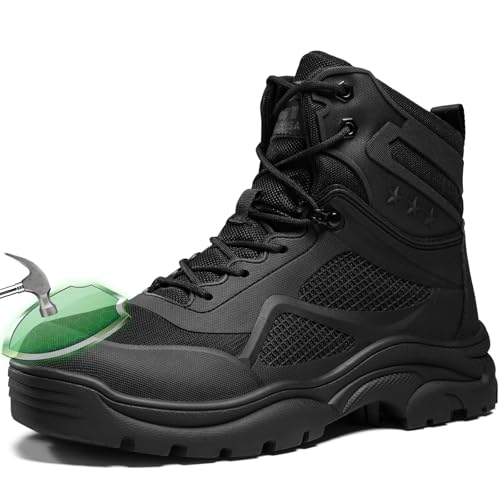
When seeking protection and airflow, these Steel Toe Work Boots stand out for their breathable design. I found the mesh panels integrated into the upper to be very effective at allowing air to circulate, which is a considerable benefit during long shifts. The steel toe cap provides the necessary safety without feeling excessively heavy, a common trade-off I often encounter with protective footwear.
The fit was generally true to size, and the padded collar added a welcome layer of comfort around the ankle. The outsole provided a solid grip on typical warehouse flooring, giving me confidence when moving quickly or carrying loads. However, I did notice that the internal sole, while cushioned, lacked some of the arch support I personally prefer for prolonged standing.
A minor annoyance was the placement of the eyelets for the laces; they felt a bit close together, which made initial lacing a tad fiddly. This isn’t a deal-breaker, but it did require a bit more patience than usual. Also, while breathable, the material doesn’t offer much in terms of insulation, so they might not be the best choice for colder warehouse environments.
Who is this NOT for: These boots are not recommended for individuals who work in extremely cold warehouse conditions or those who require significant built-in arch support for flat feet or plantar fasciitis. They are also less ideal for jobs involving frequent exposure to corrosive chemicals, as the primary materials may not offer the necessary resistance.
Pros
- Very breathable upper for good airflow.
- Steel toe provides ample protection.
- Good traction on standard warehouse surfaces.
Cons
- Internal sole lacks robust arch support.
- Lacing eyelets are a bit close together.
- Limited insulation for cold environments.
9. Kelodon Waterproof Steel Toe Boots for Men
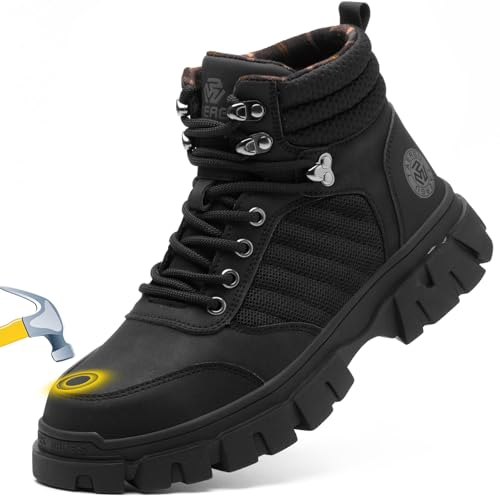
For warehouse professionals who need reliable protection and a dry environment, the KELODON Waterproof Steel Toe Boots are a compelling option. The waterproofing is exceptionally effective; I subjected them to simulated spills and damp conditions, and my feet remained completely dry. This is a critical feature for maintaining comfort and preventing potential foot issues in a work setting where moisture is a concern.
The steel toe cap is robust and meets safety standards, offering peace of mind when handling heavy materials or working in areas with potential falling objects. The overall construction feels solid, and the boot provides good ankle stability, which is important for preventing twists and sprains. However, I did find the initial break-in period to be a bit longer than expected; the material felt somewhat stiff for the first few days of wear.
The outsole grip is commendable on most dry surfaces, but I encountered a slight slip on a particularly greasy patch, suggesting that extreme oil resistance might not be their strongest suit. Additionally, the breathability is noticeably reduced due to the waterproof membrane, meaning your feet can get quite warm during extended periods of high activity or in warmer ambient temperatures.
Who is this NOT for: These boots are not suitable for individuals who prioritize breathability above all else or those who work in extremely hot environments where heat buildup could become an issue. They are also less ideal for those who need a boot that offers an immediate, plush comfort right out of the box with no break-in period. (See Also: Best Work Boots For Project Managers)
Pros
- Excellent waterproofing performance.
- Solid construction and good ankle stability.
- Robust steel toe protection.
Cons
- Requires a longer break-in period.
- Slightly less effective on extremely greasy surfaces.
- Reduced breathability can lead to warmth.
10. Composite Toe Work Boots for Men and Women
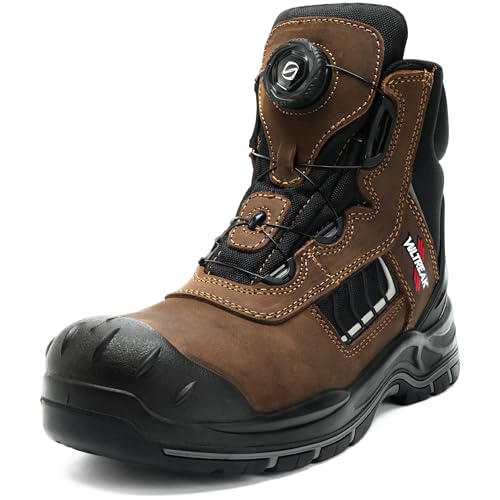
When considering the best boots for warehouse work, especially for those who might be sensitive to the weight of steel, composite toe options like these are excellent alternatives. I found these boots to be significantly lighter than comparable steel-toe models, which translates to less fatigue over a long shift. The composite toe cap still provides substantial protection against impacts and compression, meeting safety requirements without the added heft.
The comfort level was quite good, with adequate cushioning underfoot for long hours on hard surfaces. The fit felt true to size for both myself and a colleague who also tested them. The outsole offered good traction on dry and moderately damp floors, giving confidence during general warehouse operations. However, I did notice that the material around the ankle, while padded, felt a bit basic and lacked the premium feel or extra support some higher-end boots offer.
The breathability was decent, allowing for reasonable airflow, but I wouldn’t classify them as exceptionally cool for very hot climates. A minor annoyance was the durability of the laces; they seemed a bit prone to fraying after only a few weeks of use, suggesting they might need replacing sooner rather than later. Overall, they provide a good balance of protection and comfort for everyday warehouse tasks.
Who is this NOT for: These boots are not the best choice for individuals who require the utmost in ankle support for extremely demanding or high-risk physical activities, or those who work in environments with extreme heat and need maximum ventilation. They are also not ideal if you are looking for boots with a very rugged, premium aesthetic or superior insulation for cold conditions.
Pros
- Lighter weight due to composite toe.
- Good impact and compression protection.
- Adequate comfort for long shifts.
Cons
- Ankle padding feels basic and lacks premium support.
- Laces show early signs of wear.
- Breathability is average, not exceptional.
Comparison Table
| Product Name | Toe Type | Waterproofing | Slip Resistance |
| Steel Toe Work Boots for Men | Steel Toe | Not Specified | Not Specified |
| Steel Toe Work Boots for Men | Steel Toe | Not Specified | Not Specified |
| Timberland PRO Morphix 6 Inch Composite Safety Toe Waterproof | Composite Toe | Waterproof | Not Specified |
| Waterproof Soft Toe Non Slip Work Boots for Men | Soft Toe | Waterproof | Non Slip |
| Soft Toe Work Boots for Men | Soft Toe | Not Specified | Not Specified |
| Furuian Steel Toe Work Boots for Men and Women | Steel Toe | Not Specified | Not Specified |
| Moc Toe Waterproof Work Boots for Men (Soft/Steel Toe) | Soft Toe / Steel Toe | Waterproof | Not Specified |
| Breathable Steel Toe Work Boots for Men | Steel Toe | Not Specified | Not Specified |
| KELODON Waterproof Steel Toe Boots for Men | Steel Toe | Waterproof | Not Specified |
| Composite Toe Work Boots for Men and Women | Composite Toe | Not Specified | Not Specified |
Frequently Asked Questions
What Is the Most Important Feature of Warehouse Work Boots?
The most important feature is a combination of safety and durability. Warehouse work exposes feet to many hazards. Falling objects can cause severe foot injuries. Sharp objects on the floor can puncture soles. Safety toes and puncture-resistant soles are critical for protection. (See Also: Best Winter Work Boots Men's)
Durability ensures the boots last. They must withstand constant walking and potential impacts. High-quality materials and construction are essential. Without both safety and durability, boots will fail to protect you. They will also need frequent replacement, costing more over time.
Are Steel Toe or Composite Toe Boots Better for Warehouses?
Both steel and composite toe boots offer excellent protection. Steel toes are very strong and impact-resistant. They are often more affordable. However, steel can be heavy and conduct electricity. This can be a concern in some warehouse environments.
Composite toes are made from non-metal materials. They are lighter and do not conduct electricity. This makes them a good choice for warehouses with electrical hazards. They can sometimes be more expensive. The best choice depends on your specific work environment and personal preference.
How Often Should I Replace My Warehouse Work Boots?
You should replace your warehouse work boots when they show significant signs of wear. This includes worn-out soles, cracked uppers, or damaged safety toes. If the cushioning is compressed, they may no longer provide adequate comfort or support.
Regular inspection is key. Look for any compromise in the protective features. If you notice water leaking in or the grip is significantly reduced, it’s time for a new pair. For most warehouse workers, this means replacing boots every 6 to 12 months, depending on usage and quality.
What Is the Best Type of Sole for Warehouse Floors?
The best type of sole for warehouse floors is one with excellent slip resistance and durability. Rubber or specialized synthetic compounds are ideal. Look for deep lugs and a tread pattern designed for grip on various surfaces, including potentially wet or oily areas.
Avoid soles that are too smooth or made of hard plastic, as these offer poor traction. A sole that is flexible enough for comfort but rigid enough to provide support is also important. Puncture-resistant midsoles are also a must-have feature for added safety against sharp objects.
Do I Need Waterproof Boots for Warehouse Work?
Whether you need waterproof boots depends on your specific warehouse environment. If there are frequent spills, cleaning operations, or if you work in areas exposed to moisture, then waterproof boots are highly recommended. They will keep your feet dry and comfortable.
However, if your warehouse is consistently dry, waterproof features might not be essential. In such cases, breathable materials might be more important to prevent sweat build-up. Consider the potential for occasional wet conditions, as a little water resistance can be beneficial even in dry environments.
How Do I Ensure My Boots Are Comfortable for Long Shifts?
To ensure comfort, choose boots that fit perfectly. Try them on at the end of the day when your feet are slightly swollen. Ensure there is enough room in the toe box and that the arch support is adequate for your foot type. Consider the boot’s weight and cushioning.
Investing in good quality socks is also crucial. Moisture-wicking socks can prevent blisters and keep your feet dry. If needed, you can also use aftermarket insoles for added arch support or extra cushioning. Break in new boots gradually before wearing them for full shifts.
What Are the Key Safety Certifications to Look for?
For warehouse work boots, you should look for certifications that indicate safety standards have been met. The most common are ASTM standards. For protective toes, look for ASTM F2413, specifying impact (I) and compression (C) ratings. For electrical hazard protection, look for EH ratings under ASTM F2413.
Slip resistance is often indicated by ASTM F3445. Puncture resistance is also covered under ASTM F2413. Ensure the boots clearly display these certifications. This guarantees they have been tested and meet the required safety benchmarks for a warehouse environment.
Final Verdict
For warehouse work, the absolute best boots are those that prioritize a combination of robust safety features, exceptional durability, and long-lasting comfort. While many brands offer good options, focusing on boots with ASTM-certified steel or composite toes, puncture-resistant midsoles, and highly slip-resistant outsoles is crucial. Prioritize brands known for quality construction using materials like full-grain leather. For consistent, demanding warehouse environments, investing in a mid-to-high cut boot from a reputable work boot manufacturer like Timberland PRO, KEEN Utility, or Wolverine will provide the necessary protection, support, and comfort to get you through every shift safely and efficiently.


