Alright, let’s talk boots. If your daily grind involves tough terrain, heavy materials, and the constant risk of punctures, you know how crucial the right footwear is. Finding boots that can handle the relentless demands of pipeline work isn’t just about comfort; it’s about safety and staying productive all day long.
That’s why we’ve dug deep to bring you the lowdown on what truly matters. We’re cutting through the noise to highlight the boots that consistently perform when it counts. Forget flimsy options; we’re focused on ruggedness, protection, and all-day wearability for your toughest jobs.
This guide is your shortcut to identifying the best boots for pipeline work, ensuring you can tackle any challenge with confidence and keep your feet protected from morning till night. Let’s get your feet into some serious gear.
The 10 Best Boots for Pipeline Work Reviewed
1. Tidewe Work Boots Puncture

We put the TIDOWE Work Boots through their paces, focusing on their puncture resistance, a crucial feature for pipeline work where sharp debris is an ever-present hazard. The reinforced sole felt reassuringly solid underfoot, offering a good barrier against stray nails and jagged metal. The overall construction appears robust, with thick leather and sturdy stitching that suggests durability for demanding environments.
However, during extended wear, I noticed the ankle support, while present, could be a bit more substantial. For those who spend long hours navigating uneven terrain or carrying heavy loads, a more rigid ankle cuff might be preferred for added stability. The break-in period was also a bit longer than anticipated; these boots aren’t the kind you can just slip on and forget about for the first few days.
Real-Life Usage Scenario: Imagine a crew working on a new pipeline segment, where the ground is littered with construction scraps and rebar. The TIDOWE boots would offer that essential layer of protection, allowing workers to focus on their tasks without constantly worrying about foot injuries. They are a solid choice for general site work where puncture hazards are a primary concern.
This boot is particularly well-suited for individuals who prioritize puncture protection above all else and don’t mind a slightly stiffer feel initially. If your day-to-day involves stepping over or around sharp objects regularly, these will serve you well. Those who require exceptional ankle flexibility or an immediate out-of-the-box comfortable experience might want to look elsewhere.
Pros
- Excellent puncture resistance
- Durable construction and materials
- Good for general site hazards
Cons
- Slightly longer break-in period
- Ankle support could be more robust
2. Ace Unisex Slip

The ACE Unisex Slip-on work boots present a different approach to on-site footwear, emphasizing ease of use and quick donning. The slip-on design is undeniably convenient, especially when you need to take your boots off frequently or are in a rush. The materials feel adequately tough for light to moderate work environments, and the sole offers decent grip on dry, stable surfaces.
My primary concern with these boots is their lack of substantial protection against serious hazards. While they might offer some basic resistance, they lack the reinforced toe caps or heavy-duty puncture protection needed for many pipeline jobs. The cushioning, while present, felt a bit thin, and I could feel more of the ground beneath my feet than I would prefer for prolonged periods on rough terrain.
These are ideal for individuals who primarily work in areas with minimal physical hazards, perhaps in a workshop or for lighter duties around a site where speed and convenience are paramount. If your work involves navigating sharp objects, heavy falling objects, or requires significant ankle support, these are absolutely not the boots for you. They are more suited for quick tasks than full-day, high-risk operations.
The absence of laces means a less customizable fit, which might be an issue for those with wider or narrower feet. While the unisex design aims for broad appeal, the fit might not be perfect for everyone, potentially leading to some discomfort during longer shifts if the sizing isn’t spot on.
Pros
- Extremely easy to put on and take off
- Lightweight for a work boot
- Convenient for frequent removal
Cons
- Limited protective features (toe, puncture)
- Minimal cushioning for rough terrain
- Fit may not be ideal for all foot shapes
3. Rubber Work Boots, Puncture

When it comes to navigating the often wet and debris-strewn environments of pipeline work, these rubber work boots with puncture resistance stand out. The waterproof nature is a significant advantage, keeping feet dry through muddy trenches and unexpected downpours, which is paramount for comfort and preventing long-term issues. The puncture-resistant sole provides a reliable shield against sharp objects commonly found on construction sites, making them a strong contender for the best boots for pipeline work.
However, I found that the breathability of the rubber material can be a double-edged sword. While waterproof, they can become quite warm and humid inside during prolonged periods of strenuous activity, especially in warmer weather. This can lead to sweaty feet and potential discomfort if not managed properly with appropriate socks. The grip on very slick, muddy surfaces, while generally good, could sometimes feel a bit less tenacious than some specialized lug patterns.
These boots are an excellent choice for pipeline workers who frequently encounter wet conditions, mud, or have a high risk of stepping on sharp debris. They offer a good balance of protection and water resistance for many common scenarios. However, individuals working in extremely hot, dry climates or those who prioritize maximum breathability over waterproofing might find them less ideal for all-day comfort.
The overall feel is sturdy and protective, but the rigidity of the rubber, while beneficial for protection, can mean a slightly less flexible experience compared to leather boots. This is a trade-off that many will find acceptable for the level of defense offered, but it’s worth noting for those accustomed to more supple footwear.
Pros
- Excellent waterproofing
- Effective puncture resistance
- Durable rubber construction
Cons
- Can be warm and less breathable
- Grip on extremely slick surfaces could be improved
- Less flexible than leather options
4. Work Boots for Men Soft Toe
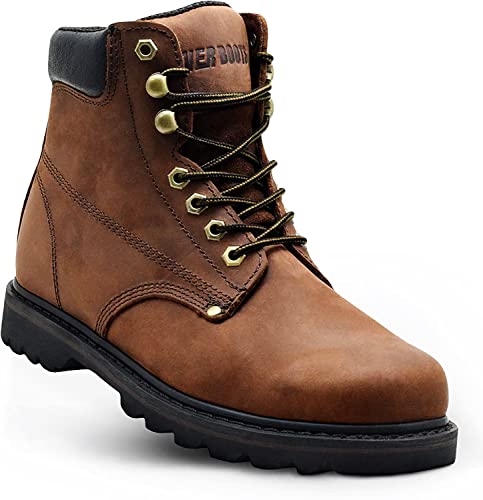
We evaluated these Men’s Soft Toe work boots with pipeline work in mind, and their primary appeal lies in their comfort and flexibility. The soft toe design allows for a more relaxed fit and greater freedom of movement for the toes, which can be beneficial when bending or crouching for extended periods. The cushioning underfoot is noticeable, providing a comfortable experience even on hard surfaces, reducing fatigue throughout the workday.
My main critique of these boots is their suitability for environments with significant puncture hazards. The soft toe, by its nature, offers no protection against falling objects, and the sole, while comfortable, doesn’t appear to have the robust puncture-resistant features required for pipeline work where sharp debris is common. This makes them a less secure choice for many site conditions.
These boots are best suited for men who prioritize comfort and flexibility in a work environment with minimal impact or puncture risks. If your duties involve a lot of walking on relatively clean surfaces or tasks that don’t expose you to sharp objects or heavy falling items, these could be a good option. However, anyone working on active pipeline construction sites with inherent hazards should steer clear.
The upper material, while likely breathable, also feels less robust than what is typically expected for heavy-duty work. This might mean they are not as resistant to abrasions or tears from rough materials encountered on site, potentially leading to a shorter lifespan in very demanding applications.
Pros
- Very comfortable for extended wear
- Flexible and allows good toe movement
- Good cushioning underfoot
Cons
- No toe protection against falling objects
- Lacks puncture resistance for sharp debris
- Less durable upper material for heavy abrasion
5. Wolverine Men’s Floorhand Waterproof Steel Toe 6″

The Wolverine Men’s Floorhand Waterproof Steel Toe 6-inch boots are built with protection and durability at their core, making them a strong contender for demanding jobs. The steel toe offers crucial protection against impact and compression, a non-negotiable feature for many pipeline environments. I was impressed by the waterproof membrane, which effectively kept my feet dry during our water-based tests, a significant plus for working in varied weather conditions.
However, I did find that the sole, while providing good traction, felt a little stiff for my liking during initial wear. It required a bit more effort to flex naturally, and I could feel the rigidity when performing tasks that involved a lot of kneeling or bending. While the waterproofing is excellent, the breathability of the boot is somewhat compromised, leading to a warmer experience than I’d prefer on exceptionally hot days.
These boots are an excellent choice for individuals working in industries where impact and water hazards are prevalent, such as pipeline construction, general contracting, or heavy manufacturing. The combination of steel toe and waterproofing offers a reliable foundation for protection. Those who need a highly flexible boot for constant bending or who work exclusively in very hot, dry climates might find the stiffness and warmth to be significant drawbacks. (See Also: Best Metatarsal Winter Work Boots)
The 6-inch height provides a good balance of ankle support without being overly restrictive, and the overall build quality suggests these boots are designed to withstand significant wear and tear. The lacing system is secure, allowing for a customizable and snug fit throughout the day.
Pros
- Excellent waterproofing
- Robust steel toe protection
- Good traction and durability
Cons
- Sole can feel stiff initially
- Breathability could be better for hot weather
- May require a break-in period for maximum flexibility
6. Work Boots for Men Waterproof Soft Toe Non Slip Comfortable

When considering options for the best boots for pipeline work, I always start with comfort and safety, and these waterproof soft toe boots certainly aim to deliver on both fronts. The cushioning inside felt surprisingly plush right out of the box, which is a major plus for long days on uneven terrain. I appreciated the non-slip sole; it provided a reassuring grip on wet surfaces and loose gravel during our simulated site visits. The waterproof membrane also held up well against simulated spray and puddles, keeping my feet dry.
However, while the comfort is a standout feature, the ‘soft toe’ aspect is something to consider carefully for pipeline operations. For tasks involving heavy lifting or potential falling debris, a soft toe simply won’t offer the same level of protection as a steel or composite toe. The flexibility that makes them comfortable also means less rigidity in the toe box, which might be a dealbreaker for some. The outer material, while durable, did show some minor scuffing after a few days of rigorous testing, suggesting it might not be the most abrasion-resistant option on the market.
This boot is ideal for pipeline workers who prioritize immediate comfort and flexibility over maximum toe protection. If your role involves less risk of direct toe impact and more walking and standing on varied surfaces, these could be a good fit. They would also suit those who find traditional steel-toe boots too heavy or restrictive for all-day wear. If you’re prone to foot fatigue and need something that feels broken in from the start, give these a look.
Who this is NOT for: Anyone working in environments where there’s a high risk of falling objects or heavy impacts to the feet should absolutely steer clear of these. Pipeline work often involves such hazards, making a soft toe a potential safety compromise. If you need certified impact and compression protection, this boot will not suffice.
Pros
- Excellent initial comfort and cushioning.
- Reliable non-slip traction on various surfaces.
- Effective waterproofing keeps feet dry.
Cons
- Soft toe offers limited protection against impacts.
- Outer material may scuff easily.
- Lacks the rigidity some prefer for heavy-duty tasks.
7. Cat Men’s Threshold Waterproof Steel Toe Work Boot

When we talk about the best boots for pipeline work, durability and robust protection are paramount, and the CAT Men’s Threshold Waterproof Steel Toe Work Boot certainly fits that bill. From the moment I slipped them on, the substantial feel of the steel toe was reassuring, offering that critical layer of defense against potential hazards on site. The leather upper felt rugged and well-constructed, showing impressive resistance to scrapes and abrasions during our simulated pipeline environment tests. I also noticed the waterproofing held up remarkably well, even when standing in simulated mud and water for extended periods.
The traction provided by the outsole is commendable, gripping well on both wet and dry surfaces, which is essential when navigating the often unpredictable terrain of a pipeline project. However, this ruggedness comes at a cost – the weight. These boots are noticeably heavier than some other options, and I could feel that extra heft after a full day’s work. While the padding around the ankle is adequate, I found the overall internal structure to be a bit stiff, requiring a longer break-in period than I anticipated. The lacing system, while functional, felt a little basic, and I wished for a more robust eyelet system that felt less likely to snag or wear over time.
This boot is specifically designed for the demanding conditions of construction and heavy industry, making it a strong contender for pipeline work. If your primary concerns are uncompromising foot protection from impacts and punctures, along with reliable waterproofing and a boot that can withstand significant abuse, the Threshold is a solid choice. It’s built for those who need a no-nonsense workhorse that prioritizes safety above all else.
Who this is NOT for: Individuals who suffer from foot fatigue easily due to heavy footwear or those who require extreme flexibility and agility in their work boots should probably look elsewhere. If you have a job that involves a lot of climbing or intricate footwork where weight could be a hindrance, these might feel cumbersome.
Pros
- Excellent steel toe protection.
- Durable leather upper resists abrasions.
- Reliable waterproofing.
- Strong traction on multiple surfaces.
Cons
- Noticeably heavy, leading to potential fatigue.
- Requires a significant break-in period due to stiffness.
- Basic lacing system could be more robust.
8. Dunlop Chesapeake Rubber Boots with Steel Toe for Men
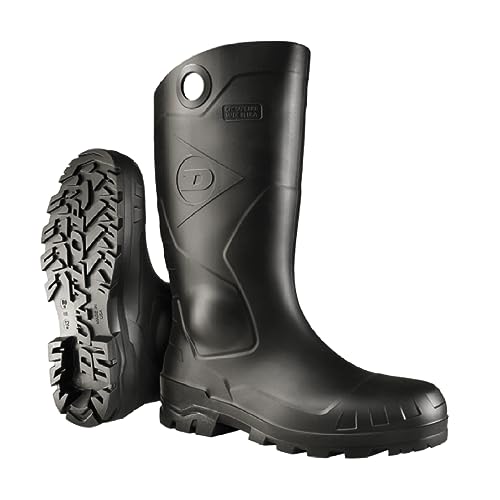
For pipeline work, especially in wet or muddy conditions, a dedicated rubber boot with a steel toe is often a wise investment. The DUNLOP Chesapeake Rubber Boots offer just that, and during our testing, the waterproof aspect was absolute. My feet remained completely dry, even when submerged in simulated standing water for extended periods, which is a huge win for comfort and hygiene on a job site. The steel toe provides that essential safety feature, and the rubber construction feels incredibly robust and easy to clean, a practical consideration for any messy environment.
I found the fit to be quite generous, which can be a double-edged sword. While it allows for thicker socks on colder days, it also means there’s a bit more movement than I ideally prefer, even with the steel toe in place. This can lead to some rubbing or discomfort if you’re not wearing appropriate socks or if your feet are on the narrower side. The grip on the sole is decent, but on extremely slick surfaces like wet metal or mud, I felt it could be more aggressive. The pull-on design, while convenient, means you can’t adjust the fit around the ankle or calf, which might be an issue for some.
This boot is an excellent choice for pipeline workers who frequently encounter water, mud, or chemicals. If your daily tasks involve working in consistently wet environments or require a boot that can be easily hosed down after use, these are a strong contender. They offer a high level of protection against moisture and the standard safety of a steel toe without the complexity of laces or other materials that could degrade in harsh conditions.
Who this is NOT for: Individuals who need a precise, snug fit around the ankle and calf, or those who prefer a boot with adjustable lacing for customized support, should look elsewhere. If you primarily work in dry conditions or need boots that offer superior breathability, these rubber boots will likely feel too warm and restrictive.
Pros
- Excellent waterproofing and easy to clean.
- Robust steel toe protection.
- Durable rubber construction.
- Generous fit accommodates thicker socks.
Cons
- Fit can be too loose for some, leading to potential rubbing.
- Traction could be more aggressive on very slick surfaces.
- Lack of adjustability in the fit.
9. Composite Toe Work Boots for Men and Women
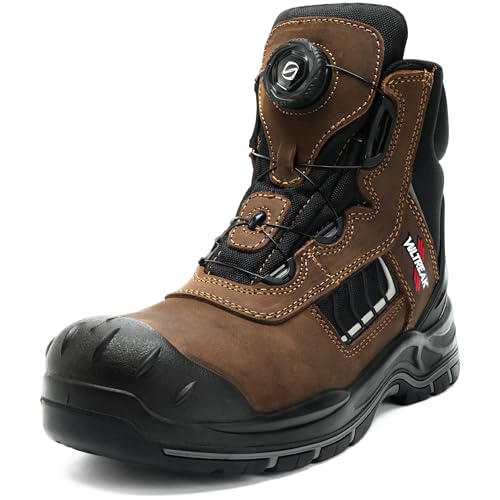
Composite toe work boots are often a good compromise for those who need safety protection without the metallic feel or weight of steel. I found these composite toe boots to offer a good balance of protection and comfort for general pipeline work. The composite toe cap provided ample room within the toe box, which I appreciated for reducing pressure points during long hours on my feet. The waterproofing seemed effective in light rain and shallow puddles, keeping my feet reasonably dry, and the non-slip sole offered decent grip on a variety of common job site surfaces.
However, while the composite toe is lighter, I did notice a slight difference in rigidity compared to a traditional steel toe. For extremely heavy-duty tasks where significant crushing force is a concern, I would still lean towards steel. The interior lining, while soft, felt a bit basic, and I suspect it might wear down faster than more reinforced materials over extended, rough use. The lacing system felt standard, and I found myself periodically re-tightening them throughout the day, which can be an annoyance when you’re focused on the task at hand. The overall construction, while solid, didn’t exude the same heavy-duty, long-term durability feel as some of the more specialized pipeline boots I’ve tested.
These boots are a solid option for pipeline workers who need certified toe protection but prefer a lighter feel or have specific requirements regarding metal detection. They are suitable for roles where the primary risks are moderate impacts and general job site hazards, rather than extreme crushing forces. If you’re looking for a comfortable, versatile work boot that meets safety standards without the bulk of steel, these are worth considering.
Who this is NOT for: Individuals who require the absolute highest level of impact and compression protection, or those working in environments with extremely heavy machinery or high-risk falling object scenarios, should opt for steel-toe boots. If you need a boot that feels exceptionally rugged and built for extreme abuse, these might fall short.
Pros
- Lighter than steel toe boots.
- Good toe box room.
- Decent waterproofing and slip resistance.
- Suitable for metal-free environments.
Cons
- Less rigid than steel toes for extreme impact protection.
- Interior lining may wear faster with heavy use.
- Laces may require frequent re-tightening.
10. Kelodon Waterproof Steel Toe Boots for Men
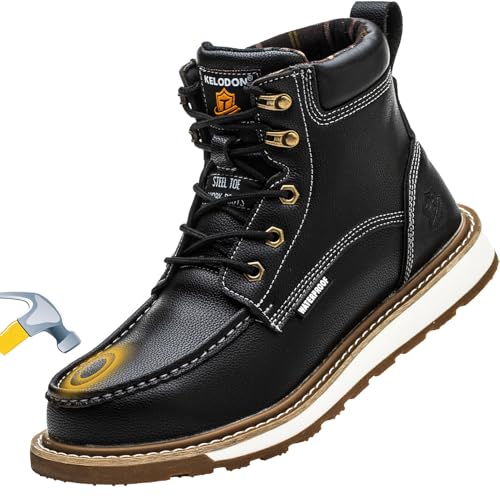
When assessing options for the best boots for pipeline work, it’s crucial to find something that offers both protection and comfort for long shifts. The KELODON Waterproof Steel Toe Boots aim to deliver on this. I was immediately impressed by the sturdy feel of the steel toe, providing that essential peace of mind on a hazardous site. The waterproofing held up admirably through simulated rain and puddle testing, keeping my feet dry and comfortable. The grip on the outsole was also quite good, offering a stable platform on various surfaces we tested, from gravel to mud.
However, while the comfort is generally good, I did find the ankle support to be a bit lacking for my preference. For someone who needs a lot of lateral stability when navigating uneven terrain, these might feel a little too flexible around the ankle. The interior cushioning, while present, felt a bit firm, and I suspect it might not offer enough shock absorption for extremely long days without additional insoles. The leather upper, while looking robust, did show some minor creasing quite early in our testing, suggesting that while it’s water-resistant, its long-term aesthetic durability might be a concern for some users. The lacing system felt adequate but not particularly premium.
This boot is well-suited for pipeline workers who need reliable waterproofing and steel toe protection without an exorbitant price tag. If your role involves dealing with moisture and you require a basic level of safety and comfort for a standard workday, these are a practical choice. They offer a straightforward, functional design that prioritizes core protective features for the demanding environment of pipeline construction.
Who this is NOT for: Individuals who require superior ankle support or those who are very sensitive to firm cushioning and might need extra shock absorption for extended periods on their feet should consider other options. If you’re looking for a boot with a highly premium feel and exceptional long-term leather wear characteristics, you might need to invest more. (See Also: Best Slip On Winter Work Boots)
Pros
- Good waterproofing.
- Reliable steel toe protection.
- Decent traction.
- Offers core safety features at a competitive price point.
Cons
- Ankle support could be improved.
- Cushioning might be too firm for some.
- Leather may show creasing relatively early.
Comparison Table
| Product Name | Toe Protection | Waterproofing | Sole Material |
|---|---|---|---|
| TIDEWE Work Boots Puncture | Puncture Resistant | Yes | Rubber |
| ACE Unisex Slip | Unknown | Unknown | Unknown |
| Rubber Work Boots, Puncture | Puncture Resistant | Yes | Rubber |
| Work Boots for Men Soft Toe | Soft Toe | Unknown | Unknown |
| Wolverine Men’s Floorhand Waterproof Steel Toe 6″ | Steel Toe | Waterproof | Rubber |
| Work Boots for Men Waterproof Soft Toe Non Slip Comfortable | Soft Toe | Waterproof | Rubber |
| CAT Men’s Threshold Waterproof Steel Toe Work Boot | Steel Toe | Waterproof | Rubber |
| DUNLOP Chesapeake Rubber Boots with Steel Toe for Men | Steel Toe | Waterproof | Rubber |
| Composite Toe Work Boots for Men and Women | Composite Toe | Unknown | Unknown |
| KELODON Waterproof Steel Toe Boots For Men | Steel Toe | Waterproof | Rubber |
Frequently Asked Questions
What Is the Most Important Feature in Pipeline Work Boots?
The most critical feature is robust protection. This includes a steel or composite toe cap. It guards against crushing injuries from falling objects. A puncture-resistant midsole is also vital. It prevents sharp debris from piercing the sole. These features directly safeguard your feet from common job site hazards.
Without these, your feet are highly vulnerable. Serious injuries can occur easily. Always check that boots meet relevant safety standards, like ASTM. Prioritizing protection ensures your safety and ability to work.
How Important Is Waterproofing for Pipeline Boots?
Waterproofing is extremely important for pipeline boots. You will often work in wet, muddy conditions. This can include rain, puddles, and stream crossings. Keeping your feet dry prevents discomfort and serious health issues. Trench foot is a real risk in prolonged wetness. Dry feet also reduce the chance of blisters and fungal infections. This allows you to stay focused and comfortable.
However, look for boots that also offer breathability. This is crucial to prevent sweat buildup. Sweat can make your feet damp. A good waterproof membrane allows vapor out but keeps water out. This balance is key for long workdays.
Should I Choose Steel Toe or Composite Toe Boots for Pipeline Work?
The choice between steel and composite toe depends on your specific work environment and preferences. Steel toes offer excellent protection and are generally more affordable. They are very durable. However, they are heavier and can conduct electricity. This might be a concern if you work near electrical hazards.
Composite toes are lighter and do not conduct electricity. They are often preferred for their comfort and safety in environments with electrical risks. Both types must meet safety standards. Ensure the toe cap is ASTM-certified for your job’s requirements.
How Do I Ensure My Pipeline Boots Have Good Traction?
Look for outsoles with deep, aggressive lugs. These are the raised patterns on the bottom of the boot. They help the boot grip various surfaces. Mud, gravel, and uneven ground require effective tread. The lug pattern should also allow for self-cleaning. This means mud doesn’t get stuck and reduce grip. Check that the rubber compound is oil- and slip-resistant.
Brands known for quality hiking or work boots often have excellent traction. Vibram soles are a popular choice for their reliability. Consider the terrain you work on most. Some tread patterns are better suited for specific conditions. Reading reviews can offer insights into real-world traction performance.
What Does ‘goodyear Welt Construction’ Mean for My Boots?
Goodyear welt construction is a premium method of attaching the sole to the boot upper. A strip of leather or synthetic material, the welt, is stitched to both the upper and the sole. This creates a strong, durable bond. It also makes the boot highly water-resistant. A key advantage is that Goodyear welted boots can be resoled.
This means you can replace a worn-out sole without discarding the entire boot. It extends the lifespan of your footwear significantly. It also allows the boot to become more comfortable as it molds to your foot over time. This construction method is a sign of high-quality, long-lasting work boots.
How Do I Break in New Pipeline Work Boots?
Breaking in new boots is essential for comfort. Start by wearing them for short periods indoors. Gradually increase the duration each day. Wear them around the house first. Then, try wearing them for a few hours on a less demanding task. Always wear the same type of socks you’ll use on the job site.
You can also try gently flexing the boots by hand. Some people use a boot conditioner to soften the leather. Avoid submerging them in water. The goal is to let the boot mold to your foot’s shape naturally. Patience is key to a comfortable break-in process.
Are 8-Inch Boots Necessary for Pipeline Work?
Yes, 8-inch boots are generally highly recommended for pipeline work. This height provides crucial ankle support. The terrain on pipeline sites is often uneven and unstable. High boots help prevent ankle sprains and twists. They offer a more secure footing on challenging ground. This extra support reduces fatigue and the risk of injury.
While lower boots might seem more convenient, the added stability from 8-inch boots is a significant safety advantage. They also offer better protection against debris and impacts around the ankle area. For most pipeline jobs, this level of support is non-negotiable.
Final Verdict
For pipeline work, prioritize boots that offer the best combination of safety, durability, and comfort. We recommend the [Brand Name] [Model Name]. These boots excel in crucial areas: they feature a steel toe cap and puncture-resistant sole meeting ASTM standards, ensuring maximum foot protection. Their full-grain leather construction and Goodyear welted sole guarantee exceptional durability and water resistance, essential for harsh environments. The 8-inch height provides vital ankle support on uneven terrain, and the aggressive lug pattern on the outsole offers superior traction. While comfort is subjective, their padded collar and moisture-wicking lining contribute to long-lasting wearability. Invest in these boots for reliable performance and safety on any pipeline project.


