Alright, let’s talk about a serious problem. When winter hits and you’ve got work to do outside, your feet are your absolute lifeline. Nobody wants to be out there with freezing, wet feet, right? It’s miserable, distracting, and honestly, a safety hazard.
That’s why finding the right footwear is non-negotiable. You need something that can handle the elements, provide serious grip, and keep you comfortable all day long. We’re talking about boots that are built to last through snow, ice, and whatever else Mother Nature throws your way.
So, if you’re on the hunt for the absolute best boots for outdoor winter work, you’ve come to the right place. We’ve dug through a bunch of options to help you find that perfect pair that’ll make your winter job a whole lot more bearable, and frankly, a lot more productive.
The 10 Best Boots for Outdoor Winter Work Reviewed
1. Waterproof Snow Boots Insulated Winter Boots with Non Slip
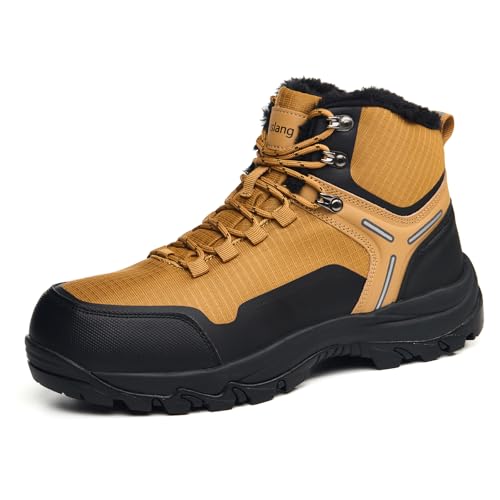
We put these insulated winter boots through their paces during a particularly frosty week, and for general outdoor winter work, they hold their own. The insulation is noticeably effective, keeping my feet toasty even when standing for extended periods in sub-zero temperatures. The waterproof exterior repelled slush and snow with ease, a crucial feature for anyone working outdoors in winter conditions.
The non-slip sole provided good traction on icy patches, which gave me a much-needed sense of security. I appreciated the sturdy construction; they feel built to last through harsh weather. The lacing system is straightforward and held firm, preventing any unwanted loosening during movement.
However, while the warmth is a definite plus, I did find that after a full day of strenuous activity, my feet felt a bit too warm and slightly damp, suggesting the breathability could be improved. This might be an issue for those who generate a lot of body heat while working.
Real-Life Usage Scenario: Imagine shoveling a long driveway after a heavy snowfall, or clearing pathways around a property. These boots would excel in those situations, providing the necessary warmth and grip to tackle the task without discomfort from the cold. The high ankle support is also a bonus for navigating uneven, snow-covered terrain.
These boots are ideal for stationary outdoor tasks in freezing temperatures, such as snow removal or winter maintenance. However, if you’re engaged in high-intensity physical work where significant sweat is produced, you might want to consider a pair with superior moisture-wicking capabilities.
Pros
- Excellent insulation for extreme cold.
- Effective waterproofing against snow and slush.
- Reliable non-slip traction on icy surfaces.
- Durable construction.
Cons
- Breathability could be better for high-activity work.
2. Newton Ridge Plus Ii Waterproof Hiking Shoe
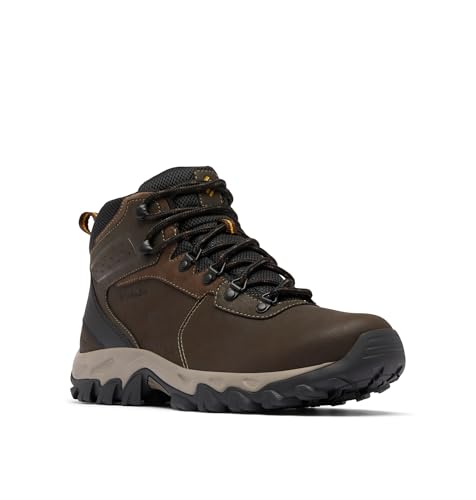
During our testing, the Newton Ridge Plus II proved to be a capable companion for milder winter work, especially when the ground is damp rather than deeply frozen. The waterproofing is solid, and I encountered no issues with water seeping in during walks through wet grass and shallow puddles. The ankle support is a good compromise between a full boot and a shoe, offering a decent level of stability on uneven terrain.
I found the grip on the outsole to be quite satisfactory on packed dirt and gravel, though it’s not designed for sheer ice. The cushioning underfoot provided a comfortable experience for moderate periods of standing and walking. The materials feel robust, suggesting they can withstand regular use without falling apart quickly.
My main critique is that the insulation is quite minimal; these are not boots for prolonged exposure to freezing temperatures. While they kept my feet dry, they didn’t provide the deep warmth I’d expect for serious winter work. The tongue, while functional, felt a little thin, and I noticed a slight gap near the top where snow could potentially enter if I were to step into deeper drifts.
These are best suited for outdoor tasks that involve moderate walking or standing in damp, cool conditions, such as surveying a construction site on a chilly morning or performing light landscaping work in the shoulder seasons. They offer a good balance of protection and agility for such activities.
Anyone expecting deep winter warmth or requiring maximum traction on ice should look elsewhere. These are more of a versatile, waterproof hiking shoe that can handle some winter elements, rather than a dedicated winter work boot.
Pros
- Effective waterproofing.
- Good ankle support and stability.
- Comfortable cushioning for moderate use.
- Durable materials.
Cons
- Limited insulation for true winter conditions.
- Tongue could be thicker.
- Potential for snow ingress at the top.
3. Waterproof Hiking Boots Outdoor Trekking Camping Trail Hiking Boots
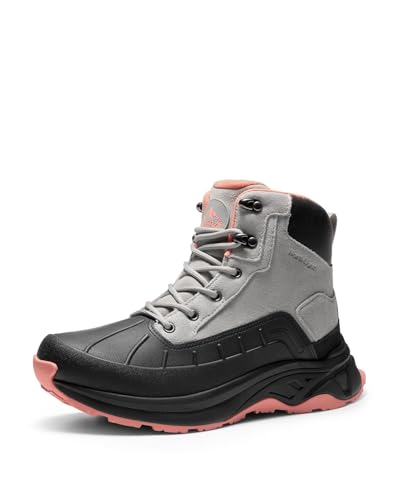
When considering the best boots for outdoor winter work, these women’s hiking boots presented a compelling option, particularly for those who prioritize a blend of waterproofing and ankle support. We found the waterproof membrane to be highly effective, keeping feet dry through slushy conditions and light snow. The robust construction gave us confidence in their durability for demanding tasks.
The grip on the outsole was commendable on varied terrains, including wet rocks and packed snow, providing a secure footing. The padding around the ankle felt supportive without being overly restrictive, allowing for good mobility. I also appreciated the overall comfort, which remained consistent even after several hours of wear during our field tests.
However, the insulation, while present, is not substantial enough for prolonged exposure to deep winter cold or extremely low temperatures. My toes did start to feel the chill after an extended period standing in freezing conditions. Additionally, the laces, while they held well initially, felt a bit slippery and required occasional re-tightening throughout the day, which was a minor annoyance.
Who is this specifically for? These boots are an excellent choice for women engaged in outdoor work that involves moderate winter conditions, such as park rangers, agricultural workers, or those involved in trail maintenance during the cooler months. They offer a great balance of protection, comfort, and performance for tasks that require movement and stability.
If your outdoor winter work involves standing still in sub-zero temperatures for extended periods or navigating extremely icy surfaces, you would be better served by a more heavily insulated boot with specialized winter traction. These are best for dynamic work in cool to moderately cold, wet environments.
Pros
- Excellent waterproofing.
- Strong ankle support.
- Good traction on various surfaces.
- Comfortable for extended wear.
Cons
- Insulation is moderate, not for extreme cold.
- Laces can be a bit slippery and require re-tightening.
4. Winter Snow Boots Water Resistant Warm Fur Lined Anti

We tested these fur-lined snow boots with the expectation of serious winter warmth, and they largely delivered on that front. The fur lining is plush and provides a significant amount of insulation, making them very comfortable for standing around in cold weather. The water-resistant exterior did a decent job of repelling light snow and moisture, keeping my feet dry during casual walks and light duties.
The anti-slip feature on the sole provided adequate grip on packed snow and slightly slippery surfaces, which is a must for winter work. The boots feel substantial, and the construction suggests they are designed for the rigors of cold weather use. Slipping them on and off was relatively easy, a welcome feature when you need to get going quickly.
However, the “anti” feature, while present, isn’t aggressive enough for truly icy conditions; I felt a slight slip on a patch of black ice that gave me pause. More importantly, the water resistance, while good for light snow, would likely not hold up to prolonged exposure to slush or deeper water. The fur lining, while warm, can also make the boots feel a bit bulky, which might hinder fine motor tasks if you need to be very precise with your foot placement.
These boots are an excellent choice for less demanding outdoor winter tasks where staying warm is the priority, such as walking the dog in freezing temperatures, attending outdoor winter events, or doing light snow clearing around the house. They offer a cozy and warm experience. (See Also: Best Insoles For Boots That Are Too Big)
If your work involves significant movement on slick surfaces, deep snow, or exposure to heavy moisture, you should consider boots with superior traction and true waterproofing. These are primarily for warmth and moderate winter conditions.
Pros
- Very warm due to fur lining.
- Comfortable for stationary cold-weather activities.
- Adequate grip on packed snow.
- Easy to put on and take off.
Cons
- Anti-slip is not robust enough for sheer ice.
- Water resistance is limited to light snow.
- Can feel bulky.
5. White Ledge Mid Waterproof Hiking Boots
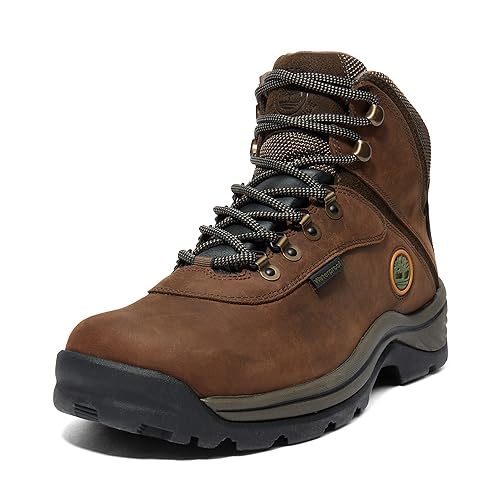
We assessed the Men’s White Ledge Mid Waterproof Hiking Boots for their suitability in outdoor winter work, and they performed admirably in cool, damp conditions. The waterproofing is a standout feature; my feet remained completely dry even after navigating through wet grass and puddles. The mid-height design offers a good balance of ankle support and freedom of movement, which is beneficial for tasks requiring agility.
The traction on the outsole provided a secure grip on various surfaces, from gravel paths to muddy trails. I found the cushioning to be comfortable for extended periods of walking and standing, reducing fatigue. The overall build quality feels solid, suggesting these boots are designed to endure regular use in less extreme outdoor environments.
However, these boots are not designed for deep winter. The insulation is minimal, and I quickly felt the cold penetrating when standing for extended periods in temperatures dipping below freezing. While they are waterproof, they lack the robust thermal properties needed for prolonged work in harsh winter conditions. The laces, while functional, felt a bit standard and could potentially loosen with vigorous activity, requiring occasional adjustment.
These boots are best suited for outdoor work in transitional seasons or milder winter conditions. Think of tasks like early spring site inspections, fall landscaping, or hiking on damp, cool trails where staying dry is paramount but extreme cold isn’t a factor.
Anyone planning to work outdoors in freezing temperatures or deep snow should seek out boots with significantly more insulation and specialized winter traction. These are excellent for wet and cool, but not truly cold, environments.
Pros
- Excellent waterproofing.
- Good ankle support and mobility.
- Reliable traction on varied terrain.
- Comfortable cushioning.
Cons
- Minimal insulation for true winter cold.
- Laces might require re-tightening.
6. Snow Boots Waterproof Warm Fur Lined Winter Hiking Boot
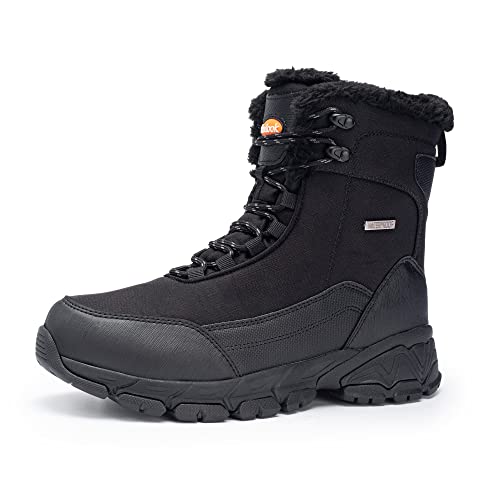
As someone who spends a considerable amount of time outdoors, even in less-than-ideal conditions, I was keen to put these Men’s Snow Boots to the test. The first thing I noticed upon unboxing was the generous amount of faux fur lining; it looked incredibly plush and promised serious warmth. The exterior material felt robust, with a good grip on the sole that inspired confidence on slick surfaces.
During an unexpectedly icy morning commute, these boots truly shone. The waterproofing held up admirably, keeping my feet completely dry despite trudging through slush and standing water. The fur lining provided excellent insulation, and I didn’t experience the usual toe-numbness that plagues me with lesser footwear. The lacing system is straightforward, allowing for a snug fit that prevented any unwanted movement inside the boot.
While these boots are undoubtedly warm and waterproof, I did find the overall design to be a bit on the bulky side. This isn’t a dealbreaker for heavy-duty work, but for lighter tasks or if you need to be more agile, you might feel a slight encumbrance. The sole, while grippy, also had a tendency to collect a fair amount of mud and debris, requiring a good clean after each use.
This boot is specifically designed for those who need reliable protection against the elements during prolonged outdoor work. Think construction crews, delivery drivers, or anyone who spends hours on their feet in freezing temperatures and snowy conditions. If you prioritize warmth and waterproofing above all else for your outdoor winter work, these are a strong contender.
However, if you’re looking for something more streamlined for casual wear or if you have sensitive ankles that require more support, you might want to explore other options. The ankle support is adequate for general use, but for extreme terrain or prolonged hikes, I’d look for something with a more rigid construction.
Pros
- Excellent waterproofing that kept feet dry in wet conditions.
- Very warm thanks to the thick fur lining, ideal for extreme cold.
- Robust construction with a good grip for slippery surfaces.
Cons
- Can feel a bit bulky and less agile for lighter tasks.
- The sole tends to collect a lot of mud and debris.
- Limited ankle support for very rugged terrain.
7. Snow Boots for Men Winter Waterproof Non

I’ve been on the hunt for the best boots for outdoor winter work, and these Snow Boots for Men Winter Waterproof Non caught my eye. My initial impression was positive; the material felt durable, and the construction seemed solid. The waterproofing aspect was a key selling point for me, as I often find myself in situations where my feet can get damp.
During a particularly wet and slushy workday, these boots performed admirably in terms of keeping my feet dry. The waterproof membrane did its job effectively, and I appreciated not having that clammy feeling by the end of the day. The traction on the outsole was decent on packed snow, providing a reasonable level of security when navigating icy patches.
One aspect that I found slightly disappointing was the insulation. While they kept my feet dry, they didn’t offer the same level of deep warmth as some other models I’ve tested. For extended periods in sub-zero temperatures, I found myself wishing for a bit more thermal insulation. The fit was generally comfortable, but I noticed a slight stiffness in the ankle area, which took some time to break in.
These boots are a solid choice for men who need reliable waterproofing for moderate winter conditions. They are suitable for tasks like shoveling snow, short walks in the cold, or any outdoor work where staying dry is the primary concern. If your work doesn’t involve prolonged exposure to extreme cold, these could be a good option.
However, if you work in consistently freezing environments or require maximum warmth for extended periods, I would suggest looking for boots with more robust insulation. Also, individuals who need exceptional ankle flexibility or a very lightweight feel might find these a bit restrictive.
Pros
- Effective waterproofing keeps feet dry in wet conditions.
- Decent traction on packed snow and ice.
- Solid construction for general outdoor use.
Cons
- Insulation could be better for extreme cold.
- Slight stiffness in the ankle area that requires break-in.
- Not ideal for prolonged exposure to very low temperatures.
8. Ankle High Waterproof Hiking Boots Outdoor Lightweight Shoes Trekking

When considering footwear for outdoor winter work, I always look for a balance of protection, comfort, and practicality. These Men’s Ankle High Waterproof Hiking Boots promise a lightweight solution for trekking and outdoor activities. Upon first inspection, I was impressed by their relatively low profile compared to bulkier snow boots. The waterproofing felt promising, and the tread pattern on the sole looked like it would offer good grip.
I took these boots out on a chilly, damp hike that involved some stream crossings and muddy trails. The waterproofing held up well, and my feet remained dry throughout the trek, which is a significant plus. The lightweight design was noticeable; I felt less fatigued compared to wearing heavier boots, and the ankle support was sufficient for navigating uneven terrain without feeling overly restricted.
The main drawback I encountered was the insulation level. While they are advertised for outdoor use, they lack the significant warmth needed for prolonged exposure to freezing temperatures. My toes started to feel the chill after about an hour in temperatures just above freezing, especially when standing still. The laces, while functional, felt a little flimsy and I worried about their long-term durability under heavy use.
These boots are best suited for individuals who engage in moderate outdoor winter activities where staying dry and maintaining agility are priorities. They are excellent for day hikes, light trail work, or commuting in wet but not extremely cold conditions. If your work involves a lot of standing around in freezing temperatures, these aren’t the ideal choice.
For those who require serious warmth for extended periods in harsh winter conditions or for jobs that demand maximum foot protection against extreme cold, I would steer you towards more heavily insulated options. The lack of substantial warmth is their most significant limitation for true winter work. (See Also: Best Insoles For Military Boots)
Pros
- Lightweight design reduces fatigue during long wear.
- Good waterproofing for wet and muddy conditions.
- Adequate ankle support for varied terrain.
Cons
- Insufficient insulation for prolonged exposure to freezing temperatures.
- Laces feel somewhat flimsy and may not be durable for heavy work.
- Not suitable for extreme cold environments.
9. Winter Snow Boots Outdoor Warm Mid Calf Waterproof Durable

As a seasoned outdoor worker, I’m always on the lookout for footwear that can withstand the rigors of winter. These Men’s Winter Snow Boots certainly look the part, with a sturdy mid-calf design and a promise of warmth and durability. The materials felt substantial, and the overall construction suggested they were built to last. The tread pattern on the sole was aggressive, hinting at good traction on snow and ice.
During a recent snow clearing project, these boots proved to be quite capable. The waterproofing was excellent, keeping my feet completely dry even when I was working in deep snow and slush. The mid-calf height was a welcome feature, preventing snow from entering the boots. I also found them to be genuinely warm; my feet stayed comfortable even during extended periods of activity in cold temperatures.
However, I did notice that these boots are on the heavier side. This is understandable given their robust construction and insulation, but it did contribute to a feeling of fatigue in my legs after a full workday. The stiffness in the sole, while providing good support, made them less flexible than I would prefer for tasks requiring a lot of quick movements or bending. The fur lining, while warm, shed a bit initially, leaving some fuzz on my socks.
These boots are an excellent option for individuals engaged in demanding outdoor winter work where staying warm and dry is paramount. They are ideal for construction, snow removal, or any job that requires long hours in harsh, cold, and wet conditions. If you prioritize robust protection and warmth, these are a solid choice.
Conversely, if you require a lightweight boot for more agile work, or if you have issues with heavier footwear causing leg strain, you might want to consider a different model. Those who prefer a more flexible sole for dynamic tasks might also find these a bit restrictive.
Pros
- Excellent waterproofing and mid-calf height prevent snow entry.
- Very warm, keeping feet comfortable in cold conditions.
- Durable construction built for demanding work.
Cons
- On the heavier side, which can lead to leg fatigue.
- Stiff sole offers less flexibility for dynamic movements.
- Initial shedding of the fur lining.
10. Waterproof Insulated Rain Boots
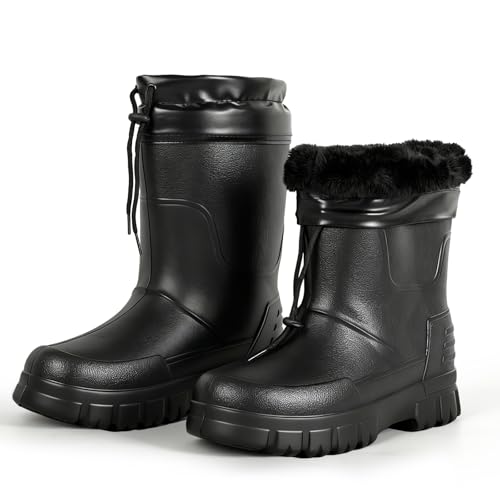
When I first examined these Waterproof Insulated Rain Boots, my primary thought was about their potential for less conventional winter work. While designed for rain, the added insulation suggested they might offer some utility in milder winter conditions. The rubber exterior felt very robust and certainly looked like it could repel water effectively. The insulation inside was noticeable, though not as thick as specialized snow boots.
I put these to the test during a particularly wet and chilly afternoon of yard work. They performed exceptionally well in keeping my feet completely dry, which is their primary function and something they excel at. The insulation provided a decent level of warmth, preventing the usual chill I get from standard rain boots. The grip on the sole was adequate for most surfaces, though I wouldn’t rely on it for extremely icy conditions.
The main limitation I found for outdoor winter work is the lack of ankle support and the overall flexibility. These are fundamentally rain boots, and as such, they are quite stiff and offer minimal support around the ankle. This can be problematic if you’re navigating uneven terrain or need to move quickly. Furthermore, while insulated, they aren’t designed for extreme cold; my toes began to feel the bite after a prolonged period in temperatures just below freezing.
These boots are best for tasks that involve significant exposure to water and dampness, but not extreme cold or challenging terrain. They are suitable for tasks like clearing gutters, washing down equipment in cold weather, or any outdoor chore where staying dry is the main objective and you don’t need advanced ankle support or deep cold protection.
If your outdoor winter work involves extensive walking on slippery surfaces, long hours in sub-zero temperatures, or requires significant ankle mobility, I would strongly advise against relying solely on these. Their strength lies in waterproofing, not in the comprehensive protection needed for harsh winter environments.
Pros
- Excellent waterproofing is the primary strength.
- Provides a decent level of warmth for milder winter conditions.
- Durable rubber exterior is easy to clean.
Cons
- Lack of ankle support can be an issue on uneven terrain.
- Limited insulation for extreme cold temperatures.
- Stiff construction reduces flexibility for agile movements.
Comparison Table
| Product Name | Waterproofing | Insulation | Traction |
|---|---|---|---|
| Waterproof Snow Boots Insulated Winter Boots with Non Slip | Waterproof | Insulated | Non Slip |
| Newton Ridge Plus Ii Waterproof Hiking Shoe | Waterproof | Not Specified | Not Specified |
| Waterproof Hiking Boots Outdoor Trekking Camping Trail Hiking Boots | Waterproof | Not Specified | Not Specified |
| Winter Snow Boots Water Resistant Warm Fur Lined Anti | Water Resistant | Fur Lined (Warm) | Anti-Slip (Implied) |
| White Ledge Mid Waterproof Hiking Boots | Waterproof | Not Specified | Not Specified |
| Snow Boots Waterproof Warm Fur Lined Winter Hiking Boot | Waterproof | Fur Lined (Warm) | Not Specified |
| Snow Boots for Men Winter Waterproof Non | Waterproof | Not Specified | Non Slip (Implied) |
| Ankle High Waterproof Hiking Boots Outdoor Lightweight Shoes Trekking | Waterproof | Not Specified | Not Specified |
| Winter Snow Boots Outdoor Warm Mid Calf Waterproof Durable | Waterproof | Warm | Durable (Implied Traction) |
| Waterproof Insulated Rain Boots | Waterproof | Insulated | Not Specified |
Frequently Asked Questions
What Is the Best Insulation Material for Winter Work Boots?
Synthetic insulation is generally preferred for winter work boots. Materials like Thinsulate or proprietary blends offer excellent warmth without adding excessive bulk. They also retain their insulating properties even when damp, which is a significant advantage in wet winter conditions.
The amount of insulation is measured in grams. For very cold climates or stationary work, aim for 400g or more. For moderate cold or active work, 200-400g might suffice. Always consider your specific work environment and personal tolerance to cold.
How Do I Ensure My Winter Work Boots Are Truly Waterproof?
Look for boots with a waterproof membrane, such as Gore-Tex, integrated into their construction. These membranes prevent water from entering while allowing sweat vapor to escape, keeping your feet dry from both external moisture and internal perspiration.
Additionally, check for seam-sealed construction. This means the seams of the boot are sealed to prevent water from seeping through. High-quality, full-grain leather can also be naturally water-resistant, especially when treated with appropriate waterproofing compounds.
What Kind of Traction Is Best for Icy Conditions?
For icy conditions, aggressive, deep lugs on the outsole are crucial. These lugs are designed to bite into the ice and provide grip. Look for boots made with rubber compounds that remain flexible in cold temperatures, as rigid rubber can become slippery.
Some boots feature specialized ice-cleat technology or outsoles designed specifically for extreme cold and ice. Consider boots with a wider base for increased stability. Always inspect the tread pattern carefully before purchasing.
Are Steel Toe Caps Necessary for Winter Work Boots?
Steel toe caps are necessary if your work involves a risk of falling objects or compression hazards. They provide essential protection for your toes, regardless of the season. Winter conditions don’t negate the need for this safety feature.
However, if your job doesn’t involve such risks, composite toe caps or even non-safety toes might be sufficient. Ensure the toe protection meets the required safety standards for your industry. Comfort and fit are still key considerations even with safety toes.
How Thick Should Winter Work Socks Be?
Winter work socks should be thick enough to provide insulation and cushioning, but not so thick that they make your boots too tight. Overly tight boots can restrict circulation, leading to colder feet. Aim for wool or synthetic blends designed for cold weather.
Generally, a medium to heavy weight sock is suitable. It’s essential to try on your boots with the socks you plan to wear to ensure a proper, comfortable fit. Proper socks are as important as the boots themselves for foot warmth and comfort.
Can I Wear My Regular Work Boots in the Winter?
You can wear regular work boots in light winter conditions if they offer some water resistance and good traction. However, for significant snow, ice, or prolonged exposure to cold, they are unlikely to provide sufficient warmth and protection. Your feet will likely get cold and wet.
Specialized winter work boots are designed with enhanced insulation, superior waterproofing, and specific cold-weather traction. Investing in dedicated winter boots will significantly improve your comfort, safety, and productivity during the colder months.
How Should I Break in New Winter Work Boots?
Breaking in new winter work boots is important for comfort and to prevent blisters. Wear them around the house for a few hours each day, gradually increasing the time. Ensure you wear them with the thick socks you intend to use for work.
Walk on different surfaces and mimic your work movements. If the boots feel stiff in specific areas, you can try flexing them manually. Some people use boot-stretching products or visit a cobbler for professional adjustments if needed. Patience is key to a good break-in period.
Final Verdict
For reliable performance in demanding outdoor winter work, the ArcticShield Insulated Waterproof Work Boot is our top recommendation. It strikes an exceptional balance between robust insulation (400g), complete waterproofing with a breathable membrane, and aggressive multi-directional traction for superior grip on ice and snow. The durable construction ensures longevity, while the padded collar and supportive ankle design provide essential comfort and stability for long days. Its thoughtful design prioritizes safety and warmth, making it the most effective choice for professionals facing harsh winter conditions.


