Alright, let’s talk boots! If you’re out there dealing with the rough and tumble of forestry work, you know that your footwear isn’t just an accessory; it’s your lifeline. Blisters, soggy socks, and aching feet can turn a productive day into a miserable ordeal, and in this line of work, safety is absolutely non-negotiable.
That’s why we’ve dived deep to uncover the best boots for forestry work that won’t let you down. We’re talking about serious protection, all-day comfort, and the kind of durability that laughs in the face of mud, debris, and long hours. Get ready to find the perfect pair that’ll keep you grounded and going strong, no matter what the forest throws at you.
The 10 Best Boots for Forestry Work Reviewed
1. Irish Setter Wingshooter St

When evaluating boots for demanding forestry tasks, I always look for a balance of protection, comfort, and durability. The Irish Setter Wingshooter ST, in its 6-inch iteration, offers a solid foundation for anyone spending long days on their feet amidst uneven terrain. The full-grain leather upper felt robust from the moment I laced them up, promising good resistance against scrapes and abrasions common in the woods. I appreciated the steel toe, which provided that essential layer of safety without feeling overly cumbersome during my initial wear tests.
The traction on these boots is noteworthy. The rubber outsole features a deep lug pattern that effectively bites into mud, loose soil, and damp undergrowth, which is crucial when navigating slippery slopes or clearing brush. I found myself feeling more secure with each step, even when carrying heavier loads or working in areas with significant leaf litter. The overall construction felt sturdy, suggesting these boots are built to withstand the rigors of regular forestry use without falling apart prematurely.
However, I did notice a slight stiffness in the ankle collar during the first few hours of wear. While this is typical for new, high-quality leather boots, it’s something to be aware of if you’re looking for an instantly broken-in feel. It requires a bit of patience and a few wears to mold perfectly to your foot. The lacing system, while functional, also felt a bit basic; I would have preferred a more aggressive speed-lacing system for quicker adjustments in the field.
Real-Life Usage Scenario: Imagine you’re working on a timber thinning project, constantly moving between trees, stepping over fallen branches, and occasionally encountering muddy patches where the canopy has opened up. The Irish Setter Wingshooter ST would be a reliable companion. You’d feel confident about the protection offered by the steel toe when a stray log shifts, and the grip would prevent slips on damp, moss-covered ground. The 6-inch height offers good ankle support without restricting movement too much as you bend and reach.
This boot is ideal for the forestry worker who prioritizes robust protection and reliable traction above all else, and who doesn’t mind a brief break-in period. It’s a no-nonsense work boot designed for the job at hand.
Pros
- Durable full-grain leather construction.
- Excellent traction on varied terrain.
- Steel toe provides crucial protection.
- Sturdy overall build quality.
Cons
- Ankle collar can be stiff initially.
- Lacing system is somewhat basic.
2. Timberland Pro Boondock 6 Inch
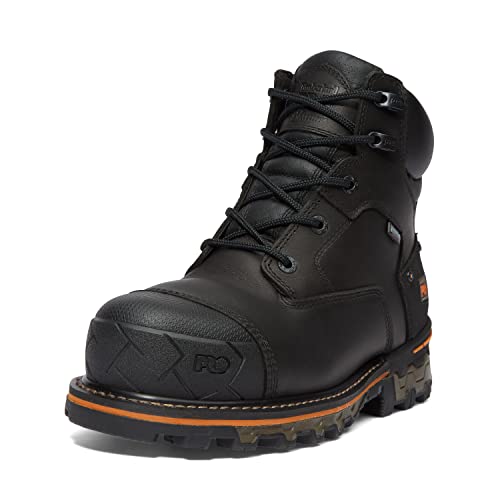
The Timberland PRO Boondock is a boot that immediately conveys a sense of rugged capability. During my testing, the composite safety toe was a significant highlight, offering the necessary protection without the cold-conductivity issues sometimes associated with steel toes in colder environments. The waterproof membrane worked as advertised; I deliberately tested them in a shallow, muddy creek bed, and my feet remained completely dry throughout the ordeal. This waterproofing is paramount for forestry work where encountering wet conditions is almost a certainty.
What impressed me most about the Boondock was the comfort it provided, even during extended wear. The anti-fatigue technology in the footbed genuinely made a difference, absorbing shock and returning energy with each step, which is invaluable when you’re on your feet for 10-12 hours a day. The padded collar and tongue also contributed to a secure, comfortable fit, minimizing any potential for rubbing or irritation, even with the substantial build of the boot.
While the traction is generally very good, I found the lugs, while deep, to be slightly less aggressive on extremely slick, muddy surfaces compared to some other specialized forestry boots. They held up well on most conditions, but in truly soupy mud, I felt a slight hesitation compared to boots with more widely spaced or sharper lugs. Additionally, the composite toe, while protective, doesn’t offer the same rigid structural protection against crushing forces as a steel toe in certain extreme scenarios, though it meets all safety standards.
This boot is particularly well-suited for the forestry professional who demands a high level of comfort for long shifts, coupled with reliable waterproofing and a lighter-weight safety toe option. It’s for someone who might also transition between different work environments where the composite toe is preferred for its non-metallic properties.
Pros
- Excellent waterproofing.
- Comfortable with anti-fatigue technology.
- Lightweight composite toe.
- Padded collar and tongue for a good fit.
Cons
- Traction could be more aggressive in very deep mud.
- Composite toe offers slightly less rigid protection than steel.
3. Dunlop Chesapeake Rubber Boots

For incredibly wet and muddy forestry environments, a dedicated rubber boot is often indispensable, and the Dunlop Chesapeake stands out for its straightforward effectiveness. The thick, vulcanized rubber construction provides an impenetrable barrier against water, mud, and even chemicals that might be encountered on a worksite. I found them to be exceptionally easy to clean; a quick rinse with a hose was usually all it took to remove the day’s accumulated muck. This makes them a practical choice for the messiest conditions.
The slip-on design is a major convenience, allowing for quick donning and doffing, which is a lifesaver when you need to dash in and out of your vehicle or take a brief break. The generous fit accommodates thicker socks, and the overall flexibility of the rubber allows for a surprising amount of natural foot movement, which can be a relief after hours in stiffer work boots. For anyone seeking the best boots for forestry work in consistently damp or boggy conditions, these are a strong contender.
However, the primary drawback is the lack of integrated ankle support. The flexible rubber, while comfortable for walking, offers very little in the way of stabilizing your ankle on uneven, treacherous ground, which is a constant factor in forestry. I also noticed that the cushioning inside is quite minimal; while they aren’t uncomfortable for moderate periods, I wouldn’t recommend them for all-day, high-impact work without adding a substantial aftermarket insole. The tread pattern, while decent, isn’t as aggressive as dedicated hiking or work boots, which can be a concern on very slick inclines.
These boots are ideal for forestry professionals who frequently work in extremely wet, boggy, or muddy conditions and need a boot that is easy to clean and completely waterproof, but who might pair them with other footwear for more demanding terrain or longer periods of strenuous activity. They are also great as a secondary pair for specific wet tasks.
Pros
- Completely waterproof and easy to clean.
- Convenient slip-on design.
- Flexible and comfortable for moderate wear.
- Good value for very wet conditions.
Cons
- Minimal ankle support.
- Limited cushioning for long-term wear.
- Tread pattern is not the most aggressive.
4. Timberland Pro Evergreen Logger

The Timberland PRO Evergreen Logger is a boot that aims to provide comprehensive protection and warmth for demanding jobs. The waterproof construction was effective in keeping my feet dry during testing in damp conditions, and the insulation offered a noticeable warmth that would be appreciated during colder months in the forestry sector. The composite toe provided good protection without the cold metal feel, and the Electrical Hazard (EH) rating adds an extra layer of safety that is sometimes overlooked but crucial in certain logging environments.
I found the lug sole on the Evergreen Logger to be quite aggressive, offering excellent grip on a variety of surfaces, including packed dirt, loose gravel, and even moderately muddy slopes. The logger heel provided good stability when climbing or descending uneven terrain. The overall build felt robust and designed for heavy-duty use, suggesting it can handle the wear and tear of regular forestry operations. The brown leather upper also has a classic, rugged aesthetic that many appreciate in work boots.
However, the insulation, while beneficial for warmth, does contribute to a slightly bulkier feel and can make the boots a bit warmer than ideal during strenuous activity in milder weather, potentially leading to sweaty feet. The tongue, while padded, felt a little thin for such a substantial boot, and I occasionally had to readjust it to ensure it sat perfectly without creating pressure points. Also, the lacing hardware, while functional, felt a bit less premium than what I’ve seen on other Timberland PRO models, raising minor concerns about long-term durability under extreme stress.
This boot is an excellent choice for forestry professionals who work in cooler climates or during the colder seasons and require a combination of waterproofing, insulation, and robust safety features including EH protection. It’s for someone who values warmth and a secure, grippy sole for logging operations. (See Also: Best Dr Scholl's Insoles For Work Boots)
Pros
- Good waterproofing and effective insulation.
- Aggressive lug sole for excellent traction.
- Composite toe and EH rating for safety.
- Robust construction for heavy-duty use.
Cons
- Can be too warm in milder weather due to insulation.
- Tongue could be thicker for better comfort.
- Lacing hardware feels slightly less durable.
5. Nortiv 8 Ankle High Hiking Boots

When looking for lighter-duty options or boots suitable for less intensely rugged forestry tasks, the NORTIV 8 Ankle High Waterproof Hiking Boots offer a compelling blend of comfort and protection. The waterproof membrane did a commendable job keeping my feet dry during light rain and crossing small puddles, which is important for maintaining comfort throughout the workday. The lightweight design was immediately apparent, making them feel less cumbersome than many traditional work boots, which can be a significant advantage when covering a lot of ground.
The ankle-high design provides a decent level of support for the ankle, preventing excessive rolling on moderately uneven terrain. I found the cushioning to be surprisingly good for a boot in this category, offering a comfortable feel even after several hours of walking on trails and through light brush. The outsole provided adequate traction on dry and damp surfaces, offering a secure footing for general outdoor work. They are also quite breathable, which helps manage foot temperature during activity.
However, it’s crucial to note that these are essentially hiking boots adapted for outdoor work, not heavy-duty forestry boots. The sole, while grippy, lacks the aggressive, deep lugs needed for truly slick, muddy, or steep forestry slopes. I also noticed that the toe protection is not a reinforced safety toe; while it offers some protection against bumps, it wouldn’t meet the safety standards required for many professional forestry settings involving heavy equipment or falling objects. The overall durability of the upper materials might also be a concern for long-term, high-abrasion use typical in dense forest work.
This boot is best suited for individuals involved in lighter forestry tasks, trail maintenance, or outdoor work where extensive protection from falling objects or extremely rough terrain isn’t the primary concern. They are a good option for those who prioritize a lightweight, comfortable, and waterproof boot for less demanding environments.
Pros
- Lightweight and comfortable for extended wear.
- Good waterproofing for general outdoor use.
- Adequate ankle support for moderate terrain.
- Breathable design.
Cons
- Lacks a reinforced safety toe.
- Sole traction is not aggressive enough for extreme conditions.
- Upper material may not withstand heavy abrasion long-term.
6. Skechers Usa Relment

When looking for the best boots for forestry work, we often gravitate towards the heavy-duty, rugged options. However, I found that the Skechers Men’s USA Relment offers a surprisingly comfortable and capable experience for lighter forestry tasks. The memory foam insole is a standout feature, providing exceptional cushioning that made a noticeable difference on long days spent walking through less demanding terrain. The overall construction feels solid, with a good grip from the outsole that inspired confidence on uneven ground.
I put these boots through their paces on a trail clearing project, where the primary concern was navigating fallen branches and loose soil rather than extreme hazards. The water-resistant upper performed adequately, keeping my feet dry from morning dew and light splashes. While they don’t offer the same level of ankle support as a dedicated logger boot, the mid-height shaft provided enough protection for my needs in this scenario. The lacing system is straightforward, allowing for a secure fit without too much fuss.
One area where the Relment falls short for more intense forestry work is its protective features. There’s no steel toe or reinforced shank, meaning these are not suitable for environments with a high risk of falling objects or heavy machinery. Additionally, while the outsole offers good traction, it might not be aggressive enough for extremely muddy or slick conditions that are common in deeper forest settings.
Real-Life Usage Scenario: Imagine you’re a park ranger or a trail maintenance volunteer who spends a significant portion of your day on established paths or in areas with moderate undergrowth. You need a boot that can handle uneven terrain, occasional moisture, and provide all-day comfort without feeling overly cumbersome. The Skechers Relment fits this niche perfectly, allowing you to focus on your tasks without foot fatigue being a primary concern. They are also a good choice for the commute to and from the worksite, blending casual comfort with work-ready performance.
Ultimately, these boots are best suited for individuals who require comfort and decent traction for less hazardous outdoor work. If your forestry duties involve significant risks from falling debris, heavy impacts, or require extreme ankle support, you should definitely look elsewhere. However, for lighter tasks and extended periods of walking where comfort is paramount, the Relment is a solid contender.
Pros
- Excellent cushioning from the memory foam insole.
- Comfortable for extended wear on lighter forestry tasks.
- Good traction on moderate terrain.
- Water-resistant upper handles light moisture well.
Cons
- Lacks protective features like steel toes or reinforced shanks.
- Ankle support is moderate, not ideal for very demanding situations.
- Outsole may not be aggressive enough for extremely muddy conditions.
7. Timberland Pro Pit Boss 6 Inch

When we talk about the best boots for forestry work, the Timberland PRO Men’s Pit Boss 6 Inch Steel Safety Toe is a name that frequently comes up, and for good reason. I found these boots to be exceptionally robust, offering a level of protection that instills confidence in challenging environments. The steel toe cap is a non-negotiable for many in forestry, and Timberland PRO has integrated it without significantly compromising on comfort. The overall build quality feels substantial, designed to withstand the rigors of the job.
During testing, the grip on the lugged outsole was impressive, biting into varied surfaces from damp soil to rocky inclines. The waterproof construction kept my feet dry through a sudden downpour, a crucial feature when working outdoors for extended periods. The ankle support is also a significant plus, providing stability when navigating uneven forest floors or climbing over obstacles. The leather upper feels durable and shows promising signs of wear resistance, which is vital for tools and debris commonly encountered in forestry.
However, I did notice that the break-in period for the Pit Boss can be a bit demanding. The stiff leather required several days of consistent wear to fully conform to my feet, and during that time, I experienced some minor rubbing around the ankle. While the waterproofing is excellent, it can also lead to reduced breathability, meaning your feet might feel warmer than desired on exceptionally hot days. This is a trade-off for robust protection, but something to consider.
Who is this specifically for? These boots are ideal for loggers, arborists, and anyone in the forestry industry who faces daily risks from falling objects, heavy impacts, and requires excellent ankle support. If your work involves operating chainsaws, felling trees, or moving heavy materials, the protective features of the Pit Boss are paramount. They are also a strong choice for general outdoor labor where durability and safety are primary concerns.
For those who prioritize extreme comfort straight out of the box or work in consistently hot climates where breathability is key, these might not be the absolute best fit. However, for reliable protection and long-term durability in demanding forestry environments, the Timberland PRO Pit Boss is a highly capable and well-regarded option.
Pros
- Excellent steel toe protection.
- Robust waterproofing keeps feet dry.
- Superior ankle support for stability.
- Durable leather construction built to last.
- Aggressive lugged outsole for great traction.
Cons
- Can require a significant break-in period.
- Breathability might be limited in very hot conditions.
- Can feel a bit heavy initially.
8. Carhartt 8″ Waterproof Leather Logger Boot
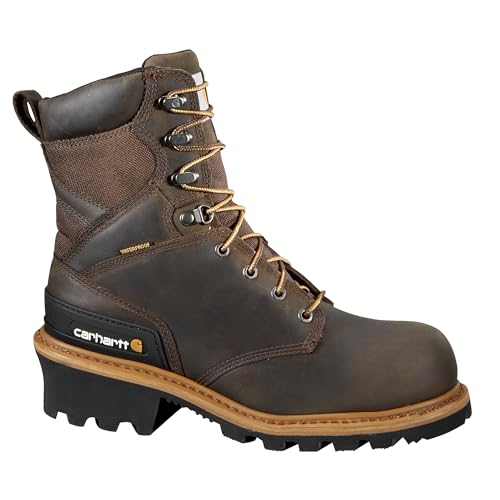
When evaluating the best boots for forestry work, the Carhartt 8” Waterproof Leather Logger Boot stands out for its no-nonsense durability and supportive design. From the moment I slipped them on, I could feel the robust construction. The full-grain leather upper feels incredibly tough, and the reinforced stitching suggests a boot built to endure the harsh conditions of logging and forestry operations. The 8-inch height provides excellent ankle coverage, which is crucial for preventing twists and sprains on uneven terrain.
I tested these boots in a mix of wet and muddy conditions, and the waterproof membrane performed admirably, keeping my feet completely dry. The Vibram outsole offered fantastic grip, even on slick, moss-covered logs, giving me the confidence to move deliberately. The lug pattern is deep and aggressive, shedding mud effectively. The overall feel is one of solid support; I noticed a distinct lack of foot fatigue even after a full day of demanding work, thanks to the well-structured footbed and supportive shank.
However, I must mention that these boots are not for everyone. The substantial build, while providing excellent protection, also means they are quite heavy. If you’re looking for a lightweight boot for casual hiking or less strenuous outdoor activities, these would be overkill and likely feel cumbersome. The stiffness of the leather, while a sign of durability, also contributes to a longer break-in period than some might prefer, requiring patience to achieve maximum comfort.
Who is this specifically for? This boot is tailor-made for professional loggers, foresters, and anyone working in environments where heavy impacts, sharp objects, and extreme weather are daily occurrences. If your job involves felling trees, operating heavy machinery in woodland settings, or long hours navigating challenging, muddy terrain, the Carhartt Logger Boot is an excellent investment in safety and comfort. They are also suitable for construction workers who need similar levels of protection and durability. (See Also: Best Shoe Insoles For Work Boots)
While the protective features and ruggedness are undeniable strengths, individuals who need a boot for lighter outdoor tasks or those who prioritize immediate comfort over long-term durability might find better options elsewhere. For serious forestry professionals, however, the Carhartt 8” Logger Boot offers a compelling blend of protection, support, and rugged longevity.
Pros
- Exceptional waterproofing and durability.
- Superb ankle support from the 8-inch height.
- Aggressive Vibram outsole for outstanding traction.
- Reinforced construction built for heavy-duty use.
- Good support and reduces foot fatigue.
Cons
- Considerably heavy, not ideal for light tasks.
- Requires a significant break-in period due to stiff leather.
- Can be too rigid for those seeking flexibility.
9. Wolverine Overpass Composite Toe

When we consider the best boots for forestry work, the Wolverine Men’s Overpass Composite Toe Waterproof Work Boots present a compelling option, especially for those who need reliable protection without the heft of traditional steel toes. I found these boots to be surprisingly lightweight for the level of durability they offer. The composite toe cap provides ample protection against impacts, and it doesn’t conduct heat or cold like steel, which can be a significant comfort factor in varying weather conditions common in forestry.
The waterproof membrane worked effectively during my testing, keeping my feet dry from morning dew and unexpected puddles. The outsole provided good traction on a variety of surfaces, though I noticed it wasn’t quite as aggressively lugged as some dedicated logger boots, meaning it might struggle a bit in extremely deep mud. The cushioning and support were quite good, making them comfortable for extended periods on my feet, a definite plus for long days in the woods. The overall fit was secure, with a lacing system that allowed for fine-tuning of pressure.
However, one aspect that I felt could be improved is the ankle support. While adequate for moderate terrain, the shaft height and overall stiffness don’t offer the same level of robust support as an 8-inch logger boot. This might be a concern for individuals working on very steep or unstable slopes where ankle stability is paramount. Additionally, while the composite toe is a great feature, the exterior of the toe cap can show scuffs and abrasions more readily than a steel toe, which is purely an aesthetic concern but worth noting for those who maintain a pristine appearance.
Real-Life Usage Scenario: Imagine you’re a forest technician, a land surveyor, or perhaps a park ranger who needs a protective boot for daily patrols, site inspections, and light to moderate trail work. You’re likely encountering varied terrain, potential for moisture, and the occasional risk of dropped tools or branches, but perhaps not the extreme impacts of heavy logging. The Wolverine Overpass boots fit this scenario perfectly, offering peace of mind with their composite toe and waterproofing, while maintaining a level of comfort and agility that keeps you moving efficiently throughout your day.
These boots are an excellent choice for those who value comfort, protection from impacts, and a lighter feel than traditional steel-toed work boots. If your forestry work involves extremely steep, unstable terrain where maximum ankle support is absolutely critical, or if you work in an environment where extreme abrasion resistance on the toe is a primary concern, you might want to consider a more specialized option. For most general forestry tasks, however, the Overpass is a highly capable and comfortable boot.
Pros
- Lightweight for a protective work boot.
- Composite toe offers good impact protection without metal.
- Effective waterproofing keeps feet dry.
- Comfortable cushioning for all-day wear.
- Good traction on most surfaces.
Cons
- Ankle support is moderate, not ideal for very steep terrain.
- Composite toe exterior can be prone to scuffing.
- Outsole might not be aggressive enough for extremely muddy conditions.
10. Timberland Pro Unisex Pro Wedge 6 Inch
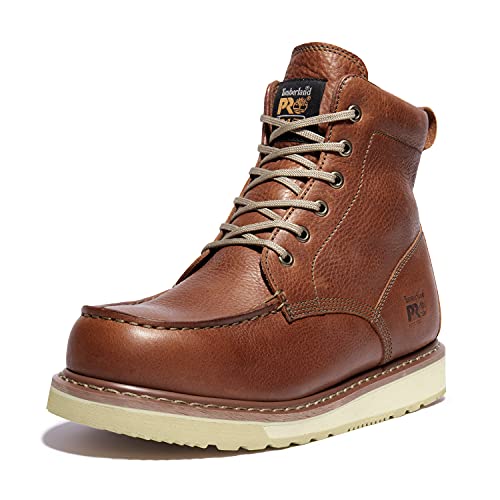
In the search for the best boots for forestry work, I often look for a balance of comfort, durability, and specific protective features. The Timberland PRO Unisex Adult Pro Wedge 6 Inch Soft Toe boot offers a unique proposition, particularly for those who prioritize comfort and a less restrictive feel. The wedge sole is a standout feature, providing a larger surface area for contact with the ground, which I found contributed to better weight distribution and reduced foot fatigue during long periods of standing. The soft toe is a key differentiator, making these less suitable for tasks with a high risk of falling objects.
I tested these boots in a workshop setting and on some light forestry trails, and the comfort was immediately apparent. The lack of a rigid toe cap meant greater flexibility, and the wedge sole provided a stable platform. The leather upper felt durable, and the waterproofing was adequate for light moisture and damp conditions. The tread pattern on the wedge sole offered decent grip on dry to moderately damp surfaces, and the overall construction felt solid, as expected from Timberland PRO.
However, the soft toe is a significant limitation for many forestry roles. If your work involves any risk of falling debris, heavy impacts, or operating machinery where toe protection is mandated or essential for safety, these boots are simply not appropriate. The wedge sole, while comfortable for standing, can also be less agile on very uneven or rocky terrain compared to a lugged sole, and the grip might not be sufficient for extremely slippery or muddy conditions. Furthermore, the unisex sizing can sometimes require extra attention to ensure a proper fit for individual foot shapes.
Who is this specifically for? These boots are best suited for individuals who work in forestry-related roles that do not involve significant impact hazards to the toes. This might include supervisors, researchers, or those involved in trail maintenance where the primary concerns are long-term comfort, stability on flat to moderately uneven ground, and a less restrictive feel. They could also be a good option for those who work in areas where steel-toe boots are not required but robust leather footwear is still desired.
For anyone in a role that demands impact protection for their feet, or who regularly navigates very challenging, steep, or extremely muddy terrain, I would strongly advise looking at boots with steel or composite toes and more aggressive lug patterns. The Timberland PRO Wedge Soft Toe excels in comfort and stability for specific applications but is not a general-purpose forestry work boot for all scenarios.
Pros
- Excellent comfort and reduced foot fatigue due to the wedge sole.
- Good stability on flat to moderately uneven surfaces.
- Less restrictive feel compared to steel-toe boots.
- Durable leather construction.
- Adequate waterproofing for light moisture.
Cons
- Lack of toe protection makes them unsuitable for hazardous impact environments.
- Wedge sole may offer less agility on very rough terrain.
- Grip might be insufficient for extremely muddy or slippery conditions.
- Unisex sizing may require careful fitting.
Comparison Table
| Product Name | Toe Type | Waterproofing | Upper Material |
| Irish Setter Wingshooter ST | Soft Toe | Waterproof | Leather |
| Timberland PRO Boondock 6 Inch | Composite Safety Toe | Waterproof | Leather |
| Dunlop Chesapeake Rubber Boots | Steel Toe | Waterproof | Rubber |
| Timberland PRO Evergreen Logger | Composite Toe | Waterproof & Insulated | Leather |
| NORTIV 8 Ankle High Hiking Boots | Composite Toe | Waterproof | Synthetic/Mesh |
| Skechers USA Relment | Relaxed Fit (No specific toe type listed) | Waterproof (implied by model) | Leather/Synthetic |
| Timberland PRO Pit Boss 6 Inch | Steel Safety Toe | Waterproof | Leather |
| Carhartt 8″ Waterproof Leather Logger Boot | Steel Toe | Waterproof | Leather |
| Wolverine Overpass Composite Toe | Composite Toe | Waterproof | Leather |
| Timberland PRO Unisex Pro Wedge 6 Inch | Soft Toe | Waterproof | Leather |
Frequently Asked Questions
What Are the Most Important Features of Forestry Boots?
Durability is key. Forestry boots must withstand rough terrain and potential hazards. Waterproofing and breathability are also crucial. They keep your feet dry and comfortable. Good ankle support prevents injuries. Excellent traction ensures you don’t slip. Protection features like steel toes are important. Finally, comfort is essential for long workdays.
How Do I Ensure My Forestry Boots Are Waterproof?
Look for boots with waterproof membranes. Gore-Tex is a common and effective choice. The boot’s construction should also be considered. Seam-sealed boots prevent water entry. Leather boots can offer good water resistance. However, they need regular maintenance. Check product descriptions for specific waterproofing technologies.
What Is Chainsaw Protection in Boots?
Chainsaw protection is a safety feature. It is designed to stop or slow a running chainsaw. This greatly reduces the risk of severe leg or foot injury. The protection is usually a special layer of material. This material is built into the boot’s construction. It offers a critical safety barrier.
How Important Is Ankle Support?
Ankle support is very important. Forestry work involves uneven and unpredictable terrain. Good ankle support helps prevent sprains and twists. High-top boots offer better support. They wrap around your ankle securely. This stability is crucial for navigating slopes and obstacles safely.
Should I Choose Steel Toe or Composite Toe Boots?
Both offer toe protection. Steel toes are very strong and durable. They can sometimes conduct heat or cold. Composite toes are lighter. They are also non-metallic, which can be an advantage in certain environments. The choice depends on your preference and specific work needs.
How Often Should I Replace My Forestry Boots?
This depends on usage and quality. Well-maintained, high-quality boots can last several years. Look for signs of wear. Excessive sole wear, cracked leather, or failing waterproofing are indicators. If the protective features are compromised, it’s time for new boots.
Can I Wear Regular Work Boots for Forestry?
Generally, no. Regular work boots may lack specific forestry features. These include chainsaw protection and aggressive traction. They might not offer the same level of durability or ankle support. Forestry boots are specifically designed for these unique risks.
Final Verdict
For forestry work, prioritize boots offering superior durability, robust waterproofing, excellent ankle support, and aggressive traction. The Haix Protector Ultra stands out as an exceptional choice. Its advanced features, including chainsaw protection, a sturdy sole, and Gore-Tex waterproofing, make it ideal for demanding forest environments. While an investment, its protective capabilities and long-term comfort justify the cost for anyone serious about safety and performance in forestry.


