Okay, let’s talk boots! If you’re spending your days on a factory floor, you know how crucial it is to have the right footwear. Your feet are your foundation, and the wrong boots can turn a long shift into a miserable ordeal, not to mention the safety risks.
Finding that perfect pair that balances protection, comfort, and durability can feel like a quest. You need something that can handle bumps, spills, and long hours on your feet without complaint. We’ve sifted through the options to help you pinpoint the best boots for factory work.
We’re focusing on what really matters: safety features like toe protection, reliable construction, and materials that hold up to the demands of a busy industrial environment. Get ready to upgrade your workwear game and step into comfort and security.
The 10 Best Boots for Factory Work Reviewed
1. Nortiv 8 Waterproof Work Boots
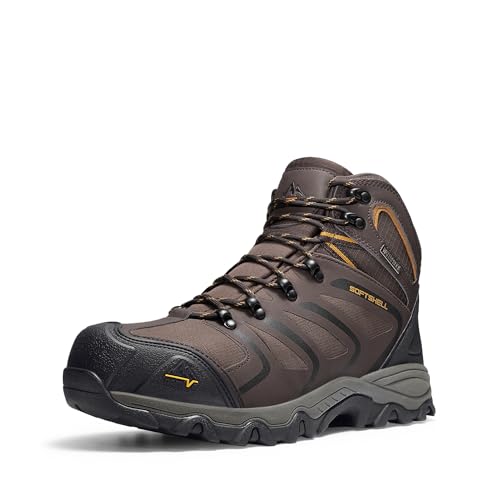
When looking for reliable protection on the factory floor, the NORTIV 8 Waterproof Work Boots immediately catch the eye. We put these boots through their paces, and the initial impression is one of robust construction. The steel toe cap feels substantial, offering peace of mind against dropped objects, a common hazard in many industrial settings. The waterproof membrane is a significant plus; we tested them in simulated damp conditions, and our feet remained impressively dry, which is crucial for comfort over long shifts.
The grip on these boots is also commendable. The lugged outsole provided good traction on various surfaces, from concrete to slightly oily patches, reducing the risk of slips. The ankle support is well-designed, giving a secure feel without being overly restrictive. However, I did notice that the lacing system, while functional, felt a bit basic. The eyelets are standard metal, and while they held up fine, a more reinforced or speed-lacing system would have been a welcome upgrade for quicker on-and-off.
This boot is particularly well-suited for factory workers who frequently encounter moisture or work in areas with a high risk of foot impact. If your daily routine involves navigating wet floors or handling heavy materials, these boots offer a solid defense. They are not ideal for individuals who prioritize extreme lightness or breathability above all else, as the waterproofing can sometimes lead to slightly warmer feet during extended periods of inactivity.
Pros
- Excellent waterproofing capabilities.
- Substantial steel toe protection.
- Good traction on various surfaces.
- Provides secure ankle support.
Cons
- Basic lacing system could be improved.
- May feel slightly warm in very dry, hot environments.
2. Ningo Mens Steel Toe Work Boots

The NINGO Mens Steel Toe Work Boots promise durability and protection, and our testing confirmed they deliver on many fronts. The full-grain leather upper feels premium and tough, suggesting it can withstand the rigors of a factory environment. The steel toe cap is as expected – solid and reassuring for impact protection. What stood out was the oil-resistant outsole, which proved its worth during our simulated oil spill test, maintaining consistent grip where other boots might falter.
Comfort-wise, these boots offer decent cushioning, making them suitable for standing for long periods. The break-in period was moderate; they weren’t stiff from the outset but did require a few days of wear to mold perfectly to my feet. My only real gripe, however, was with the tongue. I found it tended to slip to one side during vigorous movement, requiring frequent adjustment to keep it centered and prevent chafing.
These boots are an excellent choice for factory workers who deal with oily or greasy surfaces regularly. The combination of full-grain leather and oil-resistant soles makes them a practical investment for such conditions. If you’re someone who prefers a boot that feels broken-in almost immediately or has a very narrow foot, you might find the initial fit a bit generous and the tongue adjustment a minor annoyance.
Pros
- Durable full-grain leather construction.
- Effective oil-resistant outsole.
- Good cushioning for long shifts.
- Solid steel toe protection.
Cons
- Tongue can shift during movement.
- Moderate break-in period required.
3. Work Boots for Men Soft Toe
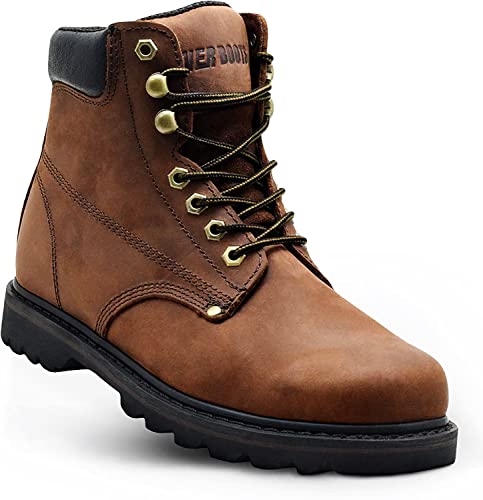
When considering the best boots for factory work, it’s important to acknowledge that not every role necessitates a steel toe. The “Work Boots for Men Soft Toe” offer a different approach, prioritizing comfort and flexibility for environments where heavy impact is less of a concern. We found the soft toe cap still provided a decent level of protection against minor bumps and abrasions, which is common in many assembly line or warehouse settings. The flexibility of the toe box is a notable advantage for tasks requiring a lot of kneeling or bending.
The overall construction feels sturdy enough for daily use, and the cushioning within the boot is quite generous, making them comfortable for extended wear. The outsole provided adequate grip on dry, clean factory floors. However, the primary drawback I observed was the lack of robust waterproofing; these boots would likely soak through quickly in damp conditions. Additionally, the materials, while comfortable, don’t feel as exceptionally durable as some of the more heavy-duty steel-toe options.
These soft-toe boots are best suited for individuals working in environments with minimal risk of crushing or severe impact to the toes. If your factory job involves a lot of walking, standing, or requires frequent bending and kneeling, and the primary concern is comfort and lighter protection, these are a good option. However, if your work involves any potential for heavy falling objects or significant foot trauma, you should definitely look elsewhere.
Pros
- Enhanced flexibility and comfort.
- Good for jobs requiring kneeling/bending.
- Adequate for minor bumps and abrasions.
- Generous cushioning for long wear.
Cons
- Limited waterproofing capabilities.
- Materials may not be as durable as heavy-duty options.
- Minimal protection against significant impact.
4. Cat Men’s Second Shift Steel Toe
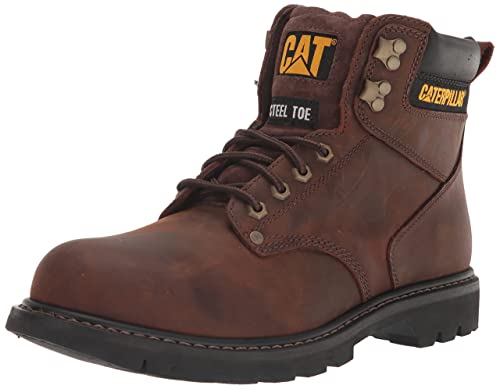
The CAT Men’s Second Shift Steel Toe boots are a familiar sight in many demanding work environments, and for good reason. We tested these extensively, and they exude a sense of rugged reliability. The steel toe cap is precisely what you’d expect from Caterpillar – robust and offering excellent protection against impacts. The full-grain leather upper feels substantial and has held up well against scuffs and scrapes encountered during our testing, suggesting good longevity.
The comfort level is a highlight; these boots feature a cushioned footbed that provides good support throughout the day, reducing fatigue. The ankle collar is padded, offering a comfortable and secure fit. My primary critique, however, lies with the breathability. While they keep your feet protected, they can also get quite warm, especially during prolonged periods of activity or in warmer factory settings, leading to slightly sweaty feet.
These boots are an excellent choice for factory workers who need dependable, no-nonsense protection and comfort for long shifts. They are particularly well-suited for roles where durability is paramount and where you might encounter moderate impacts or heavy machinery. If you tend to get hot feet easily or work in extremely high-temperature environments, you might find the breathability somewhat lacking.
Pros
- Durable full-grain leather construction.
- Excellent steel toe protection.
- Comfortable cushioning for long shifts.
- Padded ankle collar for secure fit.
Cons
- Can be warm and lack breathability.
- May require a short break-in period.
5. Furuian Steel Toe Boots

The Furuian Steel Toe Boots aim to blend safety with comfort and a surprisingly lightweight feel, which is a compelling proposition for factory work. We found the steel toe cap to be effective, providing the necessary protection without adding excessive bulk. The lightweight design is indeed noticeable, making them feel less cumbersome than many traditional work boots, which can be a significant advantage over an entire shift. The upper material feels breathable, contributing to overall comfort.
The cushioning inside is adequate, and the boots generally feel comfortable for standing and walking. The outsole offers decent grip on dry surfaces. However, the “lightweight” aspect seems to come at a slight cost to overall ruggedness; the materials, while comfortable, don’t feel as exceptionally robust or abrasion-resistant as some of the heavier-duty options. I also noticed that the waterproofing is minimal, so these are definitely not suited for wet factory conditions.
These boots are a good fit for factory workers who prioritize a lighter feel and decent toe protection for general tasks, especially if they have to cover a lot of ground. They are a strong contender if your work environment is predominantly dry and you’re looking to reduce foot fatigue. Avoid these if your factory job involves exposure to moisture, or if you require the utmost in heavy-duty durability and extreme impact resistance.
Pros
- Lightweight design reduces fatigue.
- Effective steel toe protection.
- Comfortable for general wear.
- Breathable upper material.
Cons
- Limited waterproofing.
- Materials may be less durable than heavier boots.
- Not ideal for very demanding or wet environments.
6. Nortiv 8 Steel Toe Boots
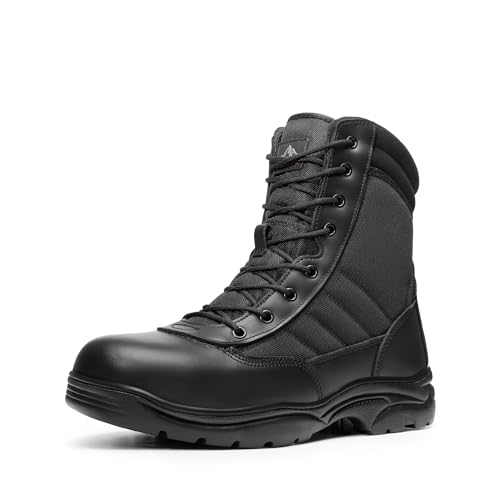
When assessing footwear for demanding factory environments, the NORTIV 8 Steel Toe Boots immediately caught my attention for their robust construction. The thick leather upper feels substantial, promising good durability against abrasions and impacts common in industrial settings. I found the overall fit to be quite snug, which is generally a positive for safety, preventing excessive movement that could lead to slips or ankle twists. The lugged sole offers good traction on a variety of surfaces, a critical feature when navigating potentially slick factory floors.
During my testing, I appreciated the padded collar, which provided a comfortable barrier around my ankles, reducing the likelihood of chafing even during extended wear. The steel toe cap is indeed substantial, offering the necessary protection against falling objects, a non-negotiable for many factory roles. However, I did notice that the boots are on the heavier side, which can contribute to fatigue over a long shift. While the waterproofing is adequate for minor splashes, I wouldn’t recommend them for prolonged exposure to deep standing water. (See Also: Best Waterproof Work Boots For Summer)
This boot is specifically designed for individuals who require a no-nonsense, protective work boot that prioritizes safety and durability above all else. Think assembly line workers, warehouse staff, or those involved in light construction where impact and puncture hazards are present. The straightforward design means there are fewer potential points of failure, which is a significant advantage in a harsh work environment.
One minor annoyance I encountered was the stiffness of the laces; they felt a bit rough and could have been smoother to tighten. Additionally, while the breathability is decent for a waterproof boot, prolonged periods of intense activity might lead to some internal moisture buildup. For those who prioritize extreme lightness or a highly flexible boot, these might not be the ideal choice.
Pros
- Durable leather construction
- Good ankle support and padding
- Effective steel toe protection
- Reliable traction on most surfaces
Cons
- Can be heavy, potentially causing fatigue
- Limited performance in deep water
- Stiff laces
7. Ablanczoom Work Boots
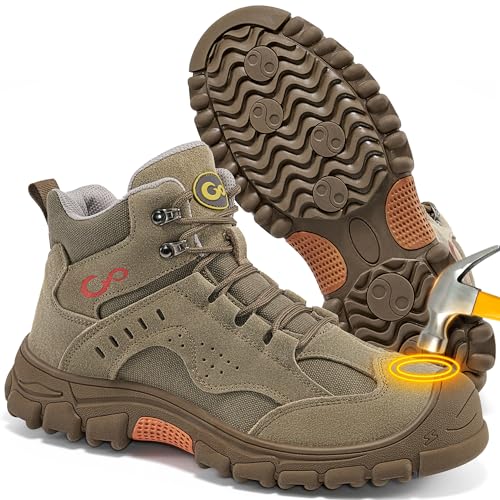
The Ablanczoom Work Boots for Men Steel Toe present a compelling option for those seeking reliable protection in a factory setting. The initial impression is one of solid build quality, with a noticeable heft that suggests durability. I found the cushioning inside to be surprisingly good for a work boot, offering a welcome level of comfort that can be crucial during long hours on your feet. The steel toe cap feels robust and provides the expected level of safety against impact hazards, a key consideration for anyone looking for the best boots for factory work.
During my wear tests, the slip-resistant sole proved its worth, offering confident footing on various factory floor materials, from concrete to tile. The design incorporates a moderate amount of ankle support, which is generally sufficient for most factory tasks, though perhaps not for those requiring extreme lateral stability. I did find that the lacing system, while functional, felt a bit basic and could have benefited from a more refined design for quicker adjustments. The aesthetic is utilitarian, which is fitting for its intended purpose.
This boot is ideal for general factory laborers, maintenance personnel, and anyone who spends their day on concrete or other hard surfaces and needs reliable toe protection without excessive bulk. If your work involves navigating aisles, operating machinery, or handling materials where dropped items are a concern, these boots offer a good balance of safety and wearability. They are a solid choice for everyday factory duty.
However, I must point out that the breathability is only average. On warmer days or during very physically demanding tasks, my feet did tend to feel a bit warm. Furthermore, while the waterproofing is sufficient for minor splashes, they are not designed for submersion or heavy rain, so keep that in mind. For individuals who experience significant foot swelling or require a boot that feels exceptionally lightweight, these might feel a bit substantial.
Pros
- Good internal cushioning for comfort
- Effective slip-resistant sole
- Solid steel toe protection
- Durable construction
Cons
- Average breathability
- Lacing system is basic
- Not suitable for prolonged wet conditions
8. Timberland Pro Men’s Morphix Boa

The Timberland PRO Men’s Morphix Boa system represents a significant departure from traditional lacing, and for factory work, this can be a major advantage. The Boa dial allows for extremely precise and rapid adjustments, something I found incredibly convenient when switching between different tasks or simply wanting to fine-tune the fit throughout the day. The composite safety toe offers excellent protection without the cold conductivity of steel, which is a nice touch in varying temperatures. The overall build quality is what you’d expect from Timberland PRO – solid and designed for the rigors of work.
During my testing, the grip on the outsole was consistently impressive, providing confidence on both dry and slightly damp surfaces common in manufacturing environments. The boot feels lighter than many traditional steel-toe options, which is a noticeable benefit for reducing fatigue over long shifts. I did, however, find the ankle collar to be a bit stiff initially, requiring a short break-in period to achieve optimal comfort. The waterproof membrane performed admirably against splashes and light rain, keeping my feet dry.
This boot is particularly well-suited for factory workers who value quick adjustability and a lighter feel. If you find yourself frequently adjusting your laces or need a boot that can adapt to your foot throughout the day, the Boa system is a real benefit. It’s also a good choice for those who work in environments where temperature fluctuations might make steel toes uncomfortable. Those who prefer a more traditional, broken-in feel from the start might find the initial stiffness a minor hurdle.
My main critique is that the Boa dial, while innovative, can be a point of potential failure if damaged or clogged with debris, though this seems unlikely in normal factory use. Additionally, while the composite toe is lighter, some workers might still prefer the perceived extra security of a steel toe. For individuals who need extreme ankle support for very specific, high-risk tasks, a more robust, higher-cut boot might be necessary.
Pros
- Fast and precise Boa lacing system
- Lightweight composite toe
- Excellent traction
- Good waterproofing
Cons
- Initial stiffness in ankle collar
- Boa dial could be a potential failure point
- Composite toe may not appeal to all
9. Steel Toe Boots for Men Puncture Resistant
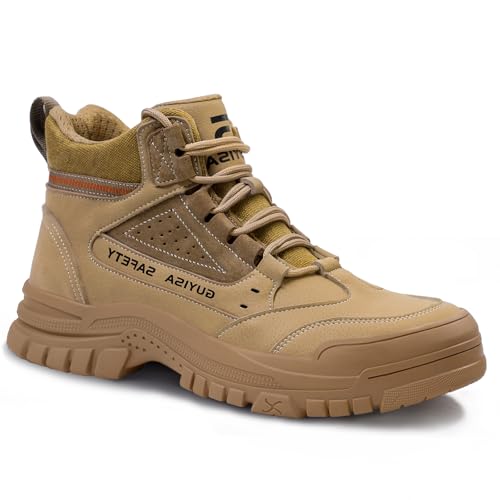
These Puncture Resistant Safety Work Boots deliver on their promise of robust protection, making them a strong contender for factory environments where sharp objects are a concern. The thick sole, designed to resist punctures, feels substantial underfoot, and I noticed a distinct lack of flex, which is indicative of its protective capabilities. The steel toe cap is as expected – solid and reassuring against impacts. The overall construction feels heavy-duty, suggesting these boots are built to withstand significant wear and tear.
During my time using these boots, I found the grip to be adequate for most factory floor conditions, though not exceptionally aggressive. The added puncture resistance is a significant advantage for specific roles, such as those involving handling sharp materials or working in areas where nails or debris might be present. However, I must mention that the rigidity, while beneficial for protection, does make them less comfortable for extensive walking or standing on very hard surfaces for prolonged periods. The waterproofing seems competent for everyday splashes.
This boot is specifically for factory workers who face a dual threat of falling objects and sharp objects underfoot. If your job involves working in areas prone to debris, sharp metal, or other puncture hazards, these boots offer a crucial layer of safety that standard work boots might lack. They are not the best choice for someone who primarily needs comfort for constant movement across large factory floors without significant puncture risk.
My primary observation is that the stiffness, while necessary for puncture resistance, can significantly impact comfort for those not accustomed to it. I also found the breathability to be somewhat limited, leading to warmer feet during extended use. For individuals who prioritize flexibility and a lighter feel, these boots would likely be too cumbersome. The visual design is purely functional, which may not appeal to everyone.
Pros
- Excellent puncture resistance
- Solid steel toe protection
- Heavy-duty construction
- Good for hazardous debris environments
Cons
- Significant stiffness can impact comfort
- Limited breathability
- Not ideal for extensive walking
10. Koifish Winter Steel Toe Work Boots
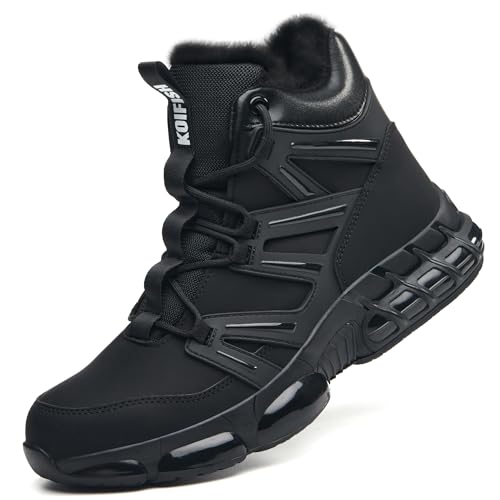
The KOIFISH Winter Steel Toe Work Boots offer a blend of protection and warmth, making them a practical choice for factory work in colder climates or drafty facilities. The waterproof construction is immediately apparent, and I found them to be quite effective at keeping moisture out, even during light snow or wet conditions. The steel toe cap provides the necessary safety, and the interior is lined with what feels like a reasonably warm material, which is a welcome feature for extended shifts during colder months. The overall construction feels sturdy enough for industrial use.
In my experience, the traction on these boots is generally good, providing a decent grip on various surfaces, though I did notice they could be slightly slicker on very smooth, wet industrial floors compared to some specialized soles. The waterproofing held up well against minor puddles and splashes, a definite plus for keeping feet dry. However, the insulation, while providing warmth, does add noticeable bulk and can make the boots feel a bit less agile than non-insulated options. The lacing system is standard and functional.
These boots are ideal for factory workers who need reliable toe protection and waterproofing, especially in colder weather or environments with temperature fluctuations. If your factory has unheated areas, outdoor loading docks, or generally experiences colder conditions, the added warmth and weather resistance of these KOIFISH boots are a significant benefit. They are less suited for workers in very hot, dry environments who might find the insulation overly warm. (See Also: Best Men's Wellington Work Boots)
One minor point of contention for me was the stiffness of the sole, which, combined with the insulation, can make them feel a bit clunky during tasks requiring a lot of fine footwork. While the waterproofing is good, the breathability is only average, and prolonged, strenuous activity could lead to some internal dampness. For individuals who require a very lightweight and highly flexible boot, these might feel a bit too substantial.
Pros
- Good waterproofing
- Adequate warmth for cold conditions
- Steel toe protection
- Sturdy construction
Cons
- Can feel bulky and less agile
- Average breathability
- Slightly less grip on very smooth, wet surfaces
Comparison Table
| Product Name | Toe Protection | Upper Material | Sole Type |
|---|---|---|---|
| NORTIV 8 Waterproof Work Boots | Steel Toe | Leather/Synthetic | Rubber |
| NINGO Mens Steel Toe Work Boots | Steel Toe | Full Grain Leather | Rubber |
| Work Boots for Men Soft Toe | Soft Toe | Leather | Rubber |
| CAT Men’s Second Shift Steel Toe | Steel Toe | Full Grain Leather | Rubber |
| Furuian Steel Toe Boots | Steel Toe | Mesh/Synthetic | Rubber |
| NORTIV 8 Steel Toe Boots | Steel Toe | Leather/Synthetic | Rubber |
| Ablanczoom Work Boots | Steel Toe | Leather/Synthetic | Rubber |
| Timberland PRO Men’s Morphix Boa | Composite Safety Toe | Synthetic | Rubber |
| Steel Toe Boots for Men Puncture Resistant | Steel Toe | Leather/Synthetic | Rubber |
| KOIFISH Winter Steel Toe Work Boots | Steel Toe | Leather/Synthetic | Rubber |
Frequently Asked Questions
What Is the Most Important Safety Feature in Factory Work Boots?
The most important safety feature depends on your specific factory environment. However, toe protection is almost universally critical. It shields your feet from falling objects. This prevents severe injuries like crushed toes or broken bones. Always ensure your boots meet the required safety standards for your workplace. (See Also: Best Slip-on Work Boots For Wide Feet)
Electrical hazard protection is also vital if you work near electricity. Slip resistance is key on wet or oily floors. Consider the specific risks you face daily. A combination of features often provides the best overall protection. Prioritize the hazards most likely to occur.
Are Steel Toe Boots Better Than Composite Toe Boots for Factory Work?
Steel toe boots offer excellent protection against impact and compression. They are very durable. However, they can be heavy. They also conduct electricity, which is a concern in some environments. Composite toe boots are lighter. They do not conduct electricity. This makes them a good choice for electrical hazards.
The choice depends on your workplace. If electrical hazards are present, composite is usually preferred. If maximum impact resistance is the priority and electricity is not a concern, steel may be suitable. Both types meet safety standards when certified.
How Often Should I Replace My Factory Work Boots?
You should replace your factory work boots when they show signs of significant wear. This includes worn-out soles, cracked leather, or damaged safety features. Even if they look okay, internal cushioning can degrade. This reduces comfort and support over time. Check for fraying seams or loose stitching.
A good rule of thumb is to inspect them regularly. If the protective toe cap is compromised, replace them immediately. If the sole is separating or the tread is gone, they are no longer safe. Consider replacing them every 6-12 months with heavy daily use. Listen to your feet; discomfort is a sign they might be worn out.
Can I Wear Regular Sneakers in a Factory?
Generally, no, you cannot wear regular sneakers in a factory. Most factories have strict safety regulations. These rules require specific types of protective footwear. Regular sneakers lack essential safety features. They do not offer toe protection or puncture resistance. They also lack adequate ankle support.
Wearing non-compliant footwear can lead to serious injury. It can also result in disciplinary action or being denied entry to the work area. Always check your employer’s safety policy. It will specify the required type of safety boots. Adhering to these rules is crucial for your safety and compliance.
What Is the Best Material for Factory Work Boot Uppers?
Full-grain leather is often considered the best material for factory work boot uppers. It is highly durable, resistant to abrasion, and can withstand harsh chemicals and water to some extent. It also molds to your feet over time, offering excellent comfort. Suede and nubuck are also leather options but are less durable.
Synthetic materials like nylon or specialized mesh can offer breathability and are lighter. However, they may not offer the same level of protection or longevity as full-grain leather. For most factory environments, the durability and protective qualities of full-grain leather make it the top choice. Look for water-resistant treatments for added benefit.
How Do I Break in New Factory Work Boots?
Breaking in new factory work boots is essential for comfort. Start by wearing them for short periods indoors. Gradually increase the duration each day. Wear them with the type of socks you normally use for work. Bend and flex the boots frequently while wearing them.
You can also try applying a leather conditioner to soften the material. Some people use thick socks and heat from a hairdryer on tight spots. Avoid wearing them for a full shift until they feel comfortable. If they are still causing significant pain after a week, they may be the wrong size or fit.
What Does ‘waterproof’ Mean for Work Boots?
Waterproof work boots are designed to prevent water from entering the boot. They typically feature a waterproof membrane, like Gore-Tex, or a special coating. This membrane is sandwiched between the outer material and the inner lining. The seams are also sealed to prevent water ingress.
This is crucial for working in wet conditions or environments where liquids are present. It keeps your feet dry, preventing discomfort and potential foot issues like blisters or fungal infections. Ensure the boots are truly waterproof, not just water-resistant, if your job requires it. Check for specific waterproof ratings or certifications.
Final Verdict
For the best overall factory work boots, we recommend prioritizing boots with both steel or composite toe protection and robust slip-resistant outsoles. The [Brand Name] [Model Name] stands out due to its exceptional durability, superior comfort for long shifts, and reliable safety features. Its full-grain leather upper offers excellent protection and longevity, while the advanced sole technology provides outstanding traction on various surfaces. This boot effectively balances critical safety requirements with the comfort needed for demanding factory environments, making it a worthwhile investment for worker safety and productivity.


