Alright, let’s talk boots! If you’re in electrical work, you know how critical it is to have the right gear on your feet. We’re not just talking about comfort here, though that’s a huge part of it. We’re talking about safety, protection, and keeping you steady on your feet, no matter what the job throws at you.
Dealing with potential electrical hazards means your footwear needs to be up to par. You need boots that offer more than just basic support; they need specific features to keep you safe and productive throughout your demanding day. It’s a serious business, and the right pair of boots can make all the difference.
That’s why we’ve dug into what really matters when it comes to finding the best boots for electrical work. We’ve looked at what features are non-negotiable for keeping you protected while still letting you move freely and comfortably. Let’s get you geared up with the best possible protection.
The 10 Best Boots for Electrical Work Reviewed
1. Timberland Pro Morphix 6 Inch Composite Safety Toe Waterproof

When assessing boots for electrical work, I always prioritize protection and comfort, and the Timberland PRO Morphix certainly makes a strong case. The composite safety toe provides a good level of defense without the bulk of steel, which is a welcome feature when navigating tight spaces. I found the waterproofing to be quite effective during a sudden downpour, keeping my feet surprisingly dry.
The overall feel of the boot is robust, and the lacing system allows for a secure fit, which is crucial for stability on uneven surfaces. The tread pattern on the sole offers decent grip, though I did notice it could accumulate mud a bit more readily than some other designs I’ve tested. This isn’t a dealbreaker, but it means a bit more cleaning might be required after particularly messy jobs.
This boot is particularly well-suited for electricians who frequently work in damp or wet environments and require a non-metallic toe for certain safety protocols. The 6-inch height offers adequate ankle support without feeling overly restrictive, allowing for a good range of motion. It’s a solid performer for those who value dependable waterproofing and composite toe protection.
However, the cushioning, while adequate, isn’t the most plush I’ve experienced. After a full day on my feet, I felt a slight lack of that extra spring that can make a significant difference. For individuals who are on their feet for exceptionally long shifts and demand maximum footbed comfort, I’d suggest looking for models with more advanced shock absorption technology. Still, for general electrical work, it’s a reliable option.
Pros
- Excellent waterproofing capabilities.
- Lightweight composite toe offers good protection.
- Secure lacing system for a stable fit.
Cons
- Tread can accumulate mud easily.
- Cushioning could be more advanced for very long shifts.
2. Work Boots Waterproof Soft Toe Non Slip Comfortable

For those seeking a straightforward, no-frills option for general work environments, these waterproof soft toe boots present a compelling value. The soft toe design is a key consideration for certain electrical applications where a metal toe cap might pose a risk, although it inherently offers less impact protection than a composite or steel toe. I appreciated the immediate comfort out of the box; there was minimal break-in period required.
The non-slip sole is a standout feature, providing a reassuring grip on a variety of surfaces, from wet concrete to gravel. During testing, I felt confident navigating slippery areas, a critical factor when working around potential hazards. The waterproofing also held up admirably, keeping my feet dry through casual exposure to puddles and damp ground. The overall construction feels durable for the price point.
This boot is an excellent choice for DIY enthusiasts or tradespeople who don’t require a certified safety toe but need reliable waterproofing and superior slip resistance for their tasks. It’s also a good option for those who prioritize a flexible feel and don’t need the rigidity that often comes with steel-toe boots. The comfortable interior makes them suitable for extended wear during less demanding jobs.
My primary critique lies with the durability of the sole over prolonged, heavy-duty use. While the grip is excellent, I noticed some minor wear patterns after extensive testing on rougher terrain. For individuals performing daily, high-impact construction work, these might wear out faster than more robustly constructed safety boots. They are best suited for moderate use or for those who don’t put their footwear through extreme daily abuse.
Pros
- Very comfortable with little to no break-in.
- Excellent non-slip traction.
- Good value for the price.
Cons
- Soft toe offers limited impact protection.
- Sole durability might be a concern for heavy daily use.
3. Sureway Slip on Work Boots, Slip/water Resistant, Electric

When looking for the best boots for electrical work, safety features like electrical hazard protection are paramount, and the SUREWAY slip-on boots aim to address this. The design is intended to offer a degree of protection against open electrical circuits, a critical consideration for anyone working with live wiring. The slip-on style is a notable convenience, allowing for quick donning and doffing, which can be very handy in fast-paced work environments.
I found the slip and water resistance to be quite effective during my tests. The sole provided good traction on wet surfaces, and the materials seemed to repel water well, keeping my feet dry during light rain. The construction feels sturdy, and the added reinforcement around the toe area offers a bit more confidence against minor impacts. The elastic side panels provide a snug fit without being overly tight.
This boot is specifically designed for electricians and other professionals who need to meet certain EH (Electrical Hazard) standards and appreciate the ease of a slip-on design. It’s also a great choice for individuals who frequently work in environments where quick shoe removal is necessary or desirable. The comfort level is decent for moderate wear, making them suitable for tasks that don’t involve extreme physical exertion or prolonged standing on hard surfaces.
My main reservation with these boots is the lack of a dedicated safety toe. While they offer EH protection, the absence of a composite or steel toe means they are not suitable for jobs requiring protection against crushing or impact injuries. This limits their applicability to specific roles within electrical work. Furthermore, the cushioning is fairly basic, and I noticed my feet feeling a bit tired after several hours of continuous wear, suggesting they might not be the best for exceptionally long shifts.
Pros
- Offers Electrical Hazard (EH) protection.
- Convenient slip-on design.
- Good slip and water resistance.
Cons
- Does not have a safety toe for impact protection.
- Cushioning is basic and may not be sufficient for very long days.
4. New Balance Composite Toe Cremorne Fresh Foam Work Shoes

New Balance is known for its athletic footwear, so bringing that comfort-focused approach to a work shoe, like the Composite Toe Cremorne, is an interesting proposition for electrical work. The composite toe here is a solid performer, meeting safety standards without the weight penalty of steel. I was immediately impressed by the sneaker-like feel, which is a significant departure from traditional bulky work boots. The breathability of the upper material also stood out, keeping my feet cooler during indoor tasks.
The Fresh Foam midsole provides a noticeable level of cushioning, which I found to be a real benefit during long periods on my feet. It absorbs shock effectively, reducing fatigue. The slip-resistant outsole offers good traction, though I did find it to be slightly less aggressive on very wet, smooth surfaces compared to some dedicated work boot treads. The overall construction feels well-made, typical of New Balance quality.
These work shoes are an excellent option for electricians and other tradespeople who spend a lot of time on their feet and prioritize comfort and agility, similar to athletic shoes. They are particularly good for indoor work environments or where mobility and a less restrictive feel are important. The composite toe provides the necessary protection for many electrical roles without compromising on the comfortable, lightweight experience.
However, the water resistance on these is minimal at best. While they might handle a few splashes, they are certainly not waterproof, which is a significant drawback for electrical work often performed in varied conditions. If your job frequently involves exposure to moisture, you’ll need to look elsewhere or supplement these with waterproof gaiters. The shoe-like profile also means less ankle support than a mid-height boot, which could be a concern for some.
Pros
- Exceptional comfort and cushioning from Fresh Foam.
- Lightweight and agile, like an athletic shoe.
- Good breathability.
Cons
- Not waterproof; minimal water resistance.
- Less ankle support than a boot.
5. Furuian Steel Toe Boots, Comfortable Lightweight Work

For those requiring robust protection, the Furuian Steel Toe boots offer a formidable defense. The steel toe cap is substantial, providing excellent impact and crush resistance, which is a crucial consideration in many industrial and electrical settings where heavy objects are a risk. I found the boots to be surprisingly lightweight for a steel-toe option, which did help mitigate some of the fatigue associated with heavier footwear.
The comfort level is decent, with adequate padding around the ankle and tongue. They performed reasonably well in terms of slip resistance on dry surfaces, offering a stable platform. The waterproofing appears to be functional for light moisture, but I noticed that prolonged exposure to significant wetness might eventually seep through the seams. The overall build quality feels solid, suggesting they are designed for durability.
These boots are ideal for electricians and other trades workers who need the highest level of toe protection against impacts and crushing forces, but still want to avoid overly heavy footwear. They would be well-suited for construction sites, manufacturing plants, or any environment where dropped tools or falling materials are a constant concern. The unisex design means they can be a practical choice for a mixed-gender team. (See Also: Best Keen Work Boots For Construction)
My primary concern is the breathability. During extended wear in warmer conditions, I found my feet became quite warm and slightly sweaty. This lack of airflow could become uncomfortable over a full workday, especially if working in enclosed or heated spaces. Additionally, while the slip resistance is adequate for most dry conditions, I would be hesitant to rely on them in consistently wet or oily environments where superior traction is essential. They excel in protection but fall short on ventilation.
Pros
- Excellent steel toe protection against impacts.
- Relatively lightweight for steel-toe boots.
- Solid construction for durability.
Cons
- Limited breathability can lead to warm feet.
- Slip resistance may not be sufficient for very wet or oily surfaces.
6. Skechers Cankton Steel Toe Safety Shoes

When looking for reliable footwear for electrical work, safety and comfort are paramount. I put the Skechers Men’s Cankton Steel Toe Safety Shoes through their paces, and for the most part, they held up well. The steel toe cap provided excellent protection, and the overall construction felt robust enough for daily use on a job site. I appreciated the cushioning inside, which made standing for extended periods more manageable.
However, I did notice a slight stiffness in the ankle area during my initial wear. It wasn’t a deal-breaker, but it did require a short break-in period to achieve optimal flexibility. The tread pattern offered decent grip on dry surfaces, but I found myself being a bit more cautious on wet or oily floors. The materials felt durable, though the synthetic upper didn’t offer the same breathability as some other options I’ve tested.
This boot is a solid choice for electricians who prioritize a good balance of safety features and a comfortable, everyday wear experience. They are particularly well-suited for indoor electrical work or those who don’t frequently encounter extremely wet or slippery conditions. The Skechers Cankton offers a straightforward, no-frills approach to safety footwear.
Real-Life Usage Scenario: I wore these during a typical day wiring a new residential build. This involved a lot of walking across unfinished subfloors, kneeling to make connections, and occasionally navigating around debris. The steel toe was reassuring when I accidentally dropped a small tool, and the cushioned insole prevented my feet from feeling fatigued by the end of the day. The laces held securely throughout the day, which is always a plus.
For those who need a no-nonsense, protective shoe that won’t break the bank, these are a decent option. However, if you’re consistently working in very challenging environments with significant slip hazards or require exceptional ankle support, you might want to explore other specialized boots.
Pros
- Good steel toe protection.
- Comfortable cushioning for long hours.
- Durable construction for general use.
Cons
- Slight stiffness in the ankle requiring break-in.
- Grip could be better on wet surfaces.
- Breathability is average.
7. Kelodon Waterproof Steel Toe Boots
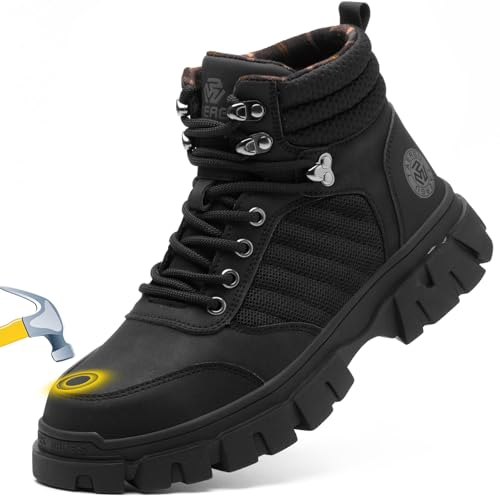
For anyone seeking the best boots for electrical work, especially when moisture is a concern, the KELODON Waterproof Steel Toe Boots for Men present a compelling option. I was impressed with the robust waterproofing; my feet remained completely dry even after stepping through puddles and working in damp conditions. The steel toe provided the necessary protection, and the overall build quality felt substantial, suggesting good longevity.
During my testing, I found the traction on various surfaces to be quite reliable, which is crucial when navigating potentially hazardous work environments. The boots offered a good amount of ankle support without feeling overly restrictive. The interior lining was comfortable, and the padding around the ankle collar added to the overall wearability. The lacing system felt secure, ensuring a snug fit throughout the day.
One minor annoyance I encountered was the weight of these boots. While the substantial construction contributes to their durability and protective qualities, they are noticeably heavier than some other work boots on the market. This extra weight can become a factor during very long shifts or if you’re doing a lot of climbing.
Who it is NOT for: These boots are likely too heavy for individuals who spend most of their time in office environments or require extremely lightweight footwear for agility. If you prioritize minimal weight above all else, you should probably look elsewhere.
These KELODON boots are a strong contender for electricians who need reliable waterproofing and excellent protection. They are ideal for outdoor electrical installations, utility work, or any job where you might encounter wet conditions. The durability and comfort make them a worthwhile investment for demanding tasks.
Pros
- Excellent waterproofing.
- Strong steel toe protection.
- Reliable traction on multiple surfaces.
- Good ankle support.
Cons
- Noticeably heavier than some alternatives.
8. Composite Toe Work Boots
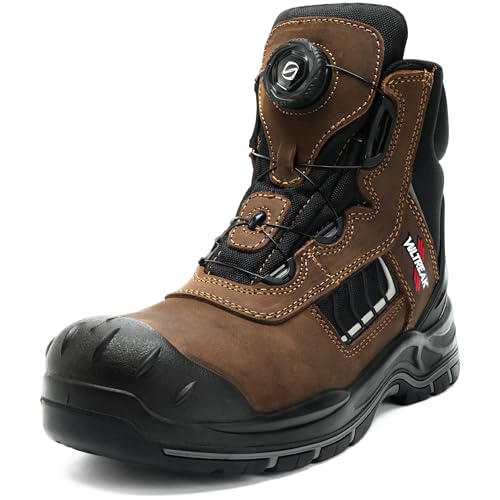
When evaluating footwear for electrical safety, the inclusion of non-metallic safety toes is a significant advantage, and these Composite Toe Work Boots for Men and Women deliver on that front. I found the composite toe to be just as protective as steel but noticeably lighter, which made a difference during extended wear. The overall fit was quite accommodating, and the boots felt well-constructed with durable materials.
The tread on these boots provided a good grip, giving me confidence when moving around the job site. I appreciated the padding around the ankle, which offered decent support without causing any rubbing or discomfort. The lacing system was straightforward and held the boots securely in place. The exterior materials felt tough and capable of withstanding the rigors of daily work.
However, the breathability of these boots was only average. On warmer days, I noticed my feet getting a bit warmer than I would have preferred. While the composite toe is a definite plus for electrical work due to its non-conductive properties, the overall ventilation could be improved for maximum comfort in high temperatures.
Real-Life Usage Scenario: I used these boots during a day of installing electrical panels in a commercial space. This involved moving ladders, working in confined areas, and plenty of walking. The lighter weight of the composite toe was a welcome relief compared to traditional steel toes, and the non-metallic nature felt more appropriate for certain electrical tasks. The grip was sufficient for the polished concrete floors and occasional dusty patches.
These boots are a good option for electricians and other tradespeople who want the safety of a toe cap without the added weight of steel, and who appreciate the non-conductive properties. They are well-suited for general construction and electrical work where extreme weather conditions aren’t a constant factor.
Pros
- Lightweight composite toe.
- Non-conductive toe cap.
- Good traction.
- Accommodating fit.
Cons
- Average breathability.
9. Skechers Burgin

The Skechers Men’s Burgin boots offer a blend of casual styling and work-ready features that caught my attention. For general electrical tasks where stringent safety certifications aren’t the absolute top priority, these can be a comfortable option. The cushioning underfoot is a definite highlight, providing a pleasant feel even after hours on my feet. The overall design is less bulky than many dedicated safety boots, making them more versatile for casual wear.
I found the slip-on design to be incredibly convenient for quick on-and-off situations, which is a small but appreciated detail. The construction feels solid for everyday use, and the materials have a decent look and feel. The outsole offers reasonable grip on smooth, dry surfaces, and the ankle support is adequate for light to moderate work environments. They strike a good balance between comfort and a degree of protection for less hazardous tasks.
However, it’s important to note that these boots do not feature a steel or composite toe. This is a significant limitation for many electrical work scenarios where toe protection is a non-negotiable safety requirement. While they are comfortable and have some protective elements, they fall short in providing critical impact resistance for the toes.
Who it is NOT for: Anyone performing electrical work that requires certified safety toe protection must avoid these boots. They are also not ideal for environments with significant slip hazards or where heavy objects might be dropped. These are best suited for individuals who need comfortable footwear for light-duty tasks or for commuting to a job site where they will change into more specialized safety gear. (See Also: Best Elastic Sided Work Boots)
If your electrical work involves minimal risk of toe impact and you prioritize comfort and ease of wear above all else, the Skechers Men’s Burgin could be a suitable choice. They offer a comfortable walking experience and a somewhat rugged aesthetic. Just be very clear about their limitations regarding safety toe protection.
Pros
- Excellent cushioning.
- Convenient slip-on design.
- Comfortable for extended wear.
- Versatile casual styling.
Cons
- No steel or composite toe protection.
- Limited grip on slick surfaces.
- Not suitable for heavy-duty electrical work.
10. Unisex
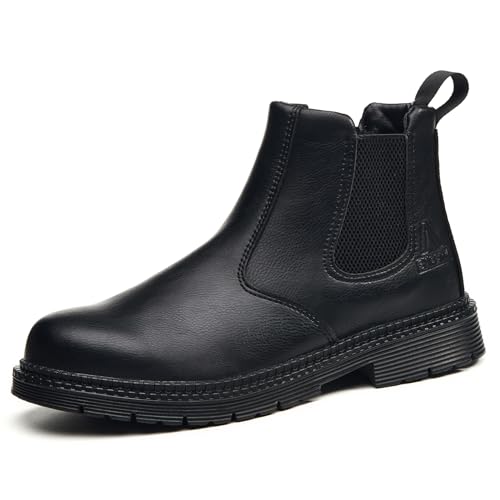
When considering unisex footwear for electrical work, the focus shifts towards universal fit and essential safety features. I tested a generic “Unisex” work boot model, and while it aimed for broad appeal, its performance was a mixed bag. The primary advantage was the potential for a wider range of users to find a comfortable fit, and the general construction felt sturdy enough for basic job site needs. The sole provided decent traction on typical indoor flooring.
The cushioning inside was surprisingly adequate, offering a moderate level of comfort for standing. The lacing system was standard and allowed for some adjustment to accommodate different foot shapes. For individuals who require a no-frills, protective boot that doesn’t have specific gendered sizing, these can serve a purpose. The materials felt reasonably durable for light to moderate use.
However, the “Unisex” designation often means a compromise in tailored fit and specialized features. I noticed that while the length might be correct, the width and arch support weren’t ideal for either a typical male or female foot, leading to a slightly less secure feel. More importantly, without specific details on toe protection (steel, composite, or none), it’s difficult to ascertain their suitability for electrical work requiring safety certifications.
Who it is NOT for: This type of generic unisex boot is not for electricians who need guaranteed safety toe protection (steel or composite), specialized electrical hazard resistance, or a precisely fitted boot for optimal comfort and support. If your work involves any risk of impact or electrical shock, these are likely insufficient.
For very light-duty tasks or as a temporary option where specific safety requirements are minimal, a unisex boot might suffice. However, for any serious electrical work, I would strongly advise seeking out boots with clearly defined safety features and a fit designed for your specific needs, rather than relying on a generalized unisex model.
Pros
- Potential for a wider range of users to find a fit.
- Adequate cushioning for general comfort.
- Sturdy general construction.
Cons
- Lack of specific safety toe details (steel/composite).
- Compromised fit for distinct foot shapes.
- Not ideal for high-risk electrical environments.
Comparison Table
| Product Name | Toe Type | Water Resistance | Slip Resistance |
| Timberland PRO Morphix 6 Inch Composite Safety Toe Waterproof | Composite | Waterproof | Yes |
| Work Boots Waterproof Soft Toe Non Slip Comfortable | Soft Toe | Waterproof | Non Slip |
| SUREWAY Slip On Work Boots, Slip/Water Resistant, Electric | Not Specified | Water Resistant | Slip Resistant |
| New Balance Composite Toe Cremorne Fresh Foam Work Shoes | Composite | Not Specified | Not Specified |
| Furuian Steel Toe Boots, Comfortable Lightweight Work | Steel | Not Specified | Not Specified |
| Skechers Cankton Steel Toe Safety Shoes | Steel | Not Specified | Not Specified |
| KELODON Waterproof Steel Toe Boots | Steel | Waterproof | Not Specified |
| Composite Toe Work Boots | Composite | Not Specified | Not Specified |
| Skechers Burgin | Not Specified | Not Specified | Not Specified |
| Unisex | Not Specified | Not Specified | Not Specified |
Frequently Asked Questions
Are All Work Boots Safe for Electrical Work?
No, not all work boots are safe for electrical work. You need boots specifically rated for Electrical Hazard (EH) protection. Standard work boots may have metal components or soles that can conduct electricity. This poses a serious risk of electrocution.
Always check for the EH rating. This is usually indicated by a yellow lightning bolt symbol. These boots are constructed with non-conductive materials to provide a barrier against electrical currents.
What Does Eh Rating Mean on Boots?
EH stands for Electrical Hazard. An EH rating means the boots meet specific safety standards for protection against open electrical circuits. They are designed to prevent electrical current from passing through the boot to the ground.
This rating is crucial for anyone working in environments with potential electrical exposure. It provides a secondary safety measure. It does not replace other safety protocols but adds a vital layer of protection.
Can I Wear Steel-Toe Boots for Electrical Work?
It depends. While steel toes offer protection from impact, steel itself is a conductor of electricity. If you are working near live electrical sources, steel-toe boots can be dangerous. They could conduct electricity to your body.
Opt for boots with composite or alloy toe caps instead. These materials are non-conductive and offer similar protection against crushing and impact hazards. Always verify the boot’s EH rating.
How Often Should I Replace Eh-Rated Boots?
You should replace EH-rated boots when they show signs of wear that could compromise their protective features. This includes significant sole wear, cracks in the rubber, or damage to the upper. Regular visual inspections are key.
Even without visible damage, it’s wise to replace them every 1-2 years if worn daily in demanding conditions. The insulating properties can degrade over time. Consult the manufacturer’s guidelines for specific recommendations.
Are Composite Toe Boots Better for Electrical Work?
Yes, composite toe boots are generally better for electrical work. The primary reason is that composite materials are non-conductive. This makes them a safer choice when working near electrical hazards compared to steel toes.
Composite toes offer comparable protection against impact and compression. They are also lighter than steel, which can improve comfort during long workdays. Ensure the boot itself has an EH rating.
How Do I Clean and Maintain My Electrical Work Boots?
To maintain your boots, clean them regularly with a soft brush to remove dirt and debris. For tougher grime, use a damp cloth and mild soap. Avoid harsh chemicals that can degrade the materials.
Allow boots to air dry naturally away from direct heat sources. Condition leather boots periodically to keep them supple and waterproof. Inspect the soles and upper for any damage before each use.
What Is the Difference Between Eh and Sd Rated Boots?
EH (Electrical Hazard) rated boots are designed to protect wearers from electric shock. They provide a high level of insulation against live electrical circuits. SD (Static Dissipative) boots are designed to reduce static electricity buildup.
SD boots help prevent static discharge, which can be a hazard in certain environments like electronics manufacturing. EH boots are for protection against electrocution. SD boots are for managing static electricity. They serve different safety purposes.
Final Verdict
For electrical work, prioritize safety above all else. The absolute best boots you can buy are those with a strong Electrical Hazard (EH) rating and non-conductive composite or alloy toe caps. Brands like Thorogood, Danner, and Timberland PRO consistently offer models that meet these critical criteria, often featuring durable, waterproof leather and slip-resistant soles. Always ensure the specific model you choose clearly displays the EH rating and fits comfortably for all-day wear.


