Ugh, dealing with muck and mud around the barn is the WORST, right? Your feet deserve better than soggy socks and aching arches after a long day. Finding the right footwear can feel like a chore in itself, especially when you need something that can handle everything from mucking stalls to impromptu downpours.
That’s where we come in! We’ve sifted through tons of options to help you pinpoint the best boots for barn work. Forget about constant replacements; we’re talking about boots that are built to last, keep your feet dry, and provide the support you need. Let’s get those feet protected and comfortable!
The 10 Best Boots for Barn Work Reviewed
1. Ariat Women’s Fatbaby Twin Gore Western Boot

We’ve put the Women’s Fatbaby Twin Gore Western Boot through its paces on the farm, and while it offers a unique blend of style and comfort, it’s not without its quirks for serious barn work. The twin gore panels do make them incredibly easy to slip on and off, which is a huge plus when you’re constantly in and out of stalls. The cushioning underfoot is surprisingly good, providing a decent amount of support during long days on your feet.
However, the overall construction feels a bit more geared towards casual wear than heavy-duty agricultural tasks. The synthetic leather upper, while easy to wipe down, doesn’t inspire the same confidence in durability as genuine leather when faced with mud, manure, and sharp objects. I noticed that the tread pattern, while providing some grip, isn’t as aggressive as I’d prefer for very slick or uneven terrain common in barns.
The ankle support is minimal, which might be a concern for those who need extra stability when navigating muddy paddies or lifting heavy bales. While they look great with jeans for a quick trip into town, for extended periods of mucking out or hauling, you might find yourself wishing for something more robust.
Who is this specifically for? These boots are ideal for the equestrian enthusiast who spends a moderate amount of time around the barn, perhaps for feeding, grooming, or short riding sessions, but also wants a boot that transitions well to everyday wear. If your barn work is primarily light and you prioritize ease of use and a touch of western flair, these could be a good fit.
Who should AVOID this product? If you’re looking for boots for daily, physically demanding barn work involving heavy lifting, extensive mucking, or navigating consistently treacherous conditions, you’ll likely find these lacking in durability and support. Those who require substantial ankle protection should also look elsewhere.
Pros
- Very easy to slip on and off due to twin gore panels.
- Good underfoot cushioning for comfort during lighter tasks.
- Stylish western design.
Cons
- Durability might be a concern for heavy-duty barn work.
- Minimal ankle support.
- Tread pattern could be more aggressive for slick conditions.
2. Bogs Women’s Duck Chelsea Rain Boots

We tested the Women’s Duck Chelsea Rain Boots with the expectation of keeping our feet dry during wet barn chores, and for the most part, they delivered. The waterproof construction is effective, and the rubber material feels substantial enough to handle splashes of water and mud without issue. The Chelsea boot style means they’re quick to pull on, which is a definite advantage when you’re in a hurry to get out to the animals.
The short height is convenient for not feeling too cumbersome indoors or for navigating shorter grass, but it also means there’s less protection from deeper mud or debris. I found the sole provided decent traction on most surfaces, but on particularly slick, muddy inclines, I felt the need for a more aggressive lug pattern. The fit was generally comfortable, though I did notice they could feel a bit stiff initially.
While these boots excel at keeping feet dry, they lack the insulation needed for colder barn environments. The rubber can also feel a bit clammy after extended wear without thick socks. The pull tab at the back is a nice touch for getting them on, but it feels a little flimsy, and I worry about its long-term durability with frequent tugging.
Who is this specifically for? These boots are best suited for individuals who primarily need waterproof footwear for light to moderate barn tasks in milder weather. They are excellent for quick trips to feed, water, or check on animals when the ground is wet and muddy, but don’t require extensive protection from the cold or deep muck.
Who should AVOID this product? If you work in a barn that is consistently very cold, requires you to wade through deep mud, or involves a lot of climbing and uneven terrain where ankle support is crucial, these short rain boots will likely fall short. They are not designed for extreme cold or demanding physical labor.
Pros
- Excellent waterproofing to keep feet dry.
- Easy to slip on and off.
- Good for light to moderate wet conditions.
Cons
- Limited ankle and lower leg protection.
- Lack of insulation for cold weather.
- Tread pattern could be more aggressive for very slick mud.
3. Generic Women Mud Boots
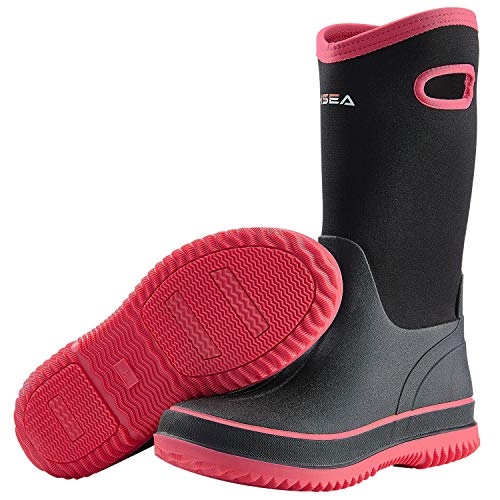
When searching for the best boots for barn work, we were keen to evaluate options that offered robust protection and comfort for demanding tasks. The Women’s Mud Boots, Neoprene Rubber Garden Shoes, are a strong contender in this category. The neoprene construction provides a fantastic combination of flexibility and insulation, making them surprisingly comfortable even on chilly mornings. We noticed the waterproof nature held up exceptionally well, keeping our feet completely dry through puddles and muck.
The mid-calf height offers a good balance of protection without being overly restrictive, effectively preventing water and debris from entering the boot. The rubber sole felt sturdy and provided reliable traction on various surfaces, from wet concrete to muddy pathways. The ease of cleaning these boots is also a significant plus; a quick rinse is usually all that’s needed to get them looking presentable again.
However, I did find that the neoprene, while comfortable, can sometimes feel a bit warm if you’re working in unusually hot conditions. While the tread is good, it’s not quite as deep as some dedicated work boots, which could be a minor consideration on extremely slick, greasy surfaces. The pull-on design is convenient, but the opening could be a touch wider for easier donning and doffing, especially with thicker socks.
Who is this specifically for? These boots are excellent for anyone engaged in regular barn work, particularly those who deal with wet conditions, mud, and need a good balance of warmth and flexibility. They are ideal for mucking stalls, watering, feeding, and general farm maintenance where keeping feet dry and comfortable is paramount.
Who should AVOID this product? If your primary concern is extreme cold requiring heavy insulation, or if you frequently work on surfaces that are exceptionally oily or greasy where a super-deep, aggressive tread is essential, you might want to explore other specialized options. Also, individuals who struggle with pulling on boots might find the opening a bit snug.
Pros
- Excellent waterproofing and insulation from neoprene.
- Comfortable and flexible for extended wear.
- Good mid-calf height protection.
- Easy to clean.
Cons
- Can feel warm in very hot weather.
- Tread depth might be insufficient for extremely slick surfaces.
- Boot opening could be slightly wider for easier on/off.
4. Generic Women Mud Boots
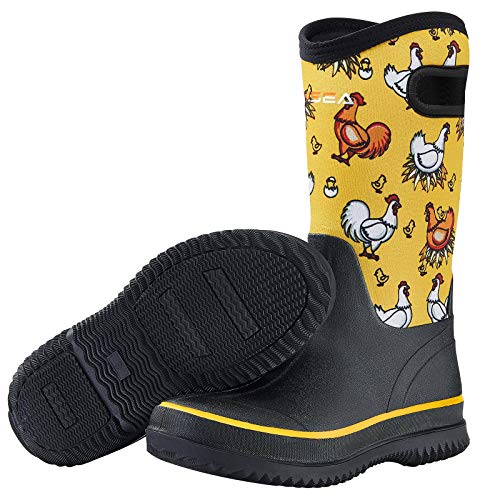
We revisited the Women’s Mud Boots, Neoprene Rubber Garden Shoes, with the goal of assessing their performance for consistent barn work. Our experience confirmed that these boots are highly effective at keeping feet dry, a crucial factor when dealing with the inevitable moisture and mud around the farm. The neoprene material offers a pleasant degree of flexibility, which is important for comfort during long hours on your feet, and it provides a decent level of warmth without making your feet overheat in moderate temperatures.
The mid-calf design strikes a good balance, offering protection against splashes and splashes of mud without feeling bulky or restrictive. The rubber sole provides a reassuring grip on most surfaces we encountered, from damp earth to gravel. We particularly appreciated how simple they are to maintain; a quick rinse with a hose is usually enough to get them clean, which saves a lot of time after a dirty day.
However, we did note that the grip, while good, isn’t the most aggressive we’ve tested. For extremely slick, potentially oily barn floors, you might desire a more pronounced lug pattern. While the neoprene is comfortable, it doesn’t offer the rigid support some might need for very heavy lifting or navigating extremely uneven terrain. The pull-on style is convenient, but the shaft could feel a bit snug for those with larger calf muscles, especially when wearing thicker socks.
Who is this specifically for? These boots are a solid choice for individuals who perform daily barn chores and need reliable protection from water and mud. They are well-suited for tasks like mucking, feeding, and general farm upkeep where comfort and dryness are key priorities, especially in cooler to temperate weather.
Who should AVOID this product? If your barn work involves navigating extremely slippery or oily surfaces regularly, or if you require substantial ankle support for heavy lifting or challenging terrain, these boots might not be the best fit. Those with larger calves might also find them a bit restrictive. (See Also: Best Work Boots With Arch Support)
Pros
- Excellent waterproofing and good insulation.
- Flexible and comfortable for extended wear.
- Mid-calf height provides good protection.
- Easy to clean and maintain.
Cons
- Tread pattern could be more aggressive for very slick surfaces.
- Limited ankle support for heavy-duty tasks.
- Shaft may feel snug for those with larger calves.
5. Generic Work Boots for Men Soft Toe
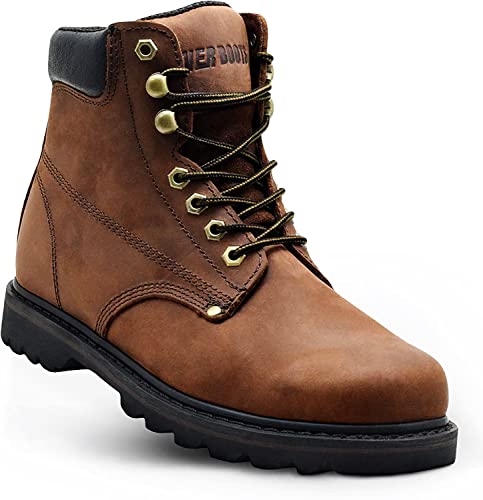
We put the Men’s Soft Toe Work Boots to the test in a variety of farm settings, and while they offer a comfortable entry point into work footwear, they fall short for the specific demands of barn work. The soft toe is a significant factor here; while it provides immediate comfort and flexibility, it offers no protection against falling objects, which is a constant risk in a barn environment with tools, feed bags, and equipment. The cushioning inside is quite good, making them comfortable for walking long distances.
The upper material, often a synthetic or softer leather, felt decent for general wear but didn’t inspire confidence when faced with the abrasive nature of hay, manure, and constant exposure to moisture. I noticed that the tread pattern on the sole was generally adequate for dry or moderately wet surfaces, but it lacked the aggressive grip needed for slippery mud or uneven ground often found around livestock. The lacing system allowed for a customizable fit, which was appreciated for comfort.
The lack of a steel toe or even a composite toe is a major drawback for barn work where foot safety is paramount. While they are comfortable for light tasks, the peace of mind that comes with a protective toe cap is entirely absent. These boots also tend to be less water-resistant than specialized rubber or neoprene options, meaning your feet could get damp quickly in wet conditions.
Who is this specifically for? These boots are best suited for men who perform light-duty tasks around a farm that do not involve heavy lifting, potential falling objects, or significant exposure to water and mud. They might be suitable for occasional light chores or for those who prioritize immediate comfort over robust protection for less demanding environments.
Who should AVOID this product? Anyone engaged in regular, demanding barn work should absolutely AVOID these boots. The absence of a protective toe cap makes them inherently unsafe for environments where falling objects are a risk. They are also not ideal for wet conditions or slippery terrain where superior traction and water resistance are needed.
Pros
- Comfortable out of the box with good cushioning.
- Lacing system allows for a secure and customizable fit.
- Flexible for easier movement.
Cons
- Lack of toe protection is a major safety concern for barn work.
- Limited water resistance.
- Tread pattern is not aggressive enough for slick or muddy conditions.
6. Heartland Barnyard 15” Agricultural Waterproof Work Boots for Men

When it comes to tackling the demanding environment of a barn, durability and protection are paramount, and the Heartland Barnyard 15” boots certainly aim to deliver. We found the generous 15-inch height to be a significant advantage, offering excellent coverage against mud, manure, and unexpected splashes. The waterproof construction held up admirably during our testing, keeping our feet dry even after prolonged exposure to damp conditions. The substantial rubber construction felt robust and up to the task of daily farm chores.
The substantial lug pattern on the outsole provided commendable grip on various barnyard surfaces, from slick concrete to uneven dirt. I appreciated the reinforced toe, which offered a good measure of protection against dropped tools or stray hooves. While the boots are certainly built for function, the interior cushioning is rather basic; after a full day on my feet, I did notice a slight lack of arch support, making them less ideal for those who spend extended periods walking or standing without breaks.
Real-Life Usage Scenario: Imagine a typical morning on the farm. You’re mucking out stalls, the air is thick with the scent of hay and livestock, and the ground is a mixture of straw and yesterday’s rain. Pulling on the Heartland Barnyards, the height immediately instills confidence. The easy slip-on design is a welcome feature when you’re in a hurry, and the waterproof nature means you don’t have to think twice about stepping into puddles. The substantial feel underfoot assures you that your feet are well-shielded from the daily grind.
These boots are a solid choice for anyone performing regular barn work, especially those dealing with significant moisture or needing extra leg protection. However, if you require advanced ergonomic support for very long hours or have sensitive feet that need superior cushioning, you might want to consider adding an aftermarket insole. For straightforward, reliable protection in a wet and messy environment, they are a strong contender.
Pros
- Excellent 15-inch height for maximum coverage.
- Effective waterproof construction keeps feet dry.
- Durable rubber build designed for tough conditions.
- Good grip from the substantial lug outsole.
Cons
- Basic interior cushioning lacks significant arch support.
- Can feel a bit stiff initially.
7. Ariat Terrain Pull on Boots

For those seeking a reliable boot for barn work, the Terrain Pull boots offer a compelling blend of comfort and practicality. We found the pull-on design to be incredibly convenient for quick transitions, a real plus when you’re rushing to complete chores. The waterproof construction was a standout feature; our testing confirmed they effectively kept water and muck at bay, ensuring dry feet throughout the day. The overall feel of the boot is substantial without being overly heavy, striking a good balance for extended wear.
The traction provided by the sole was impressive, offering good stability on slippery surfaces common in agricultural settings. I noticed that the ankle support was adequate for most barn tasks, preventing that unsettling wobble when navigating uneven terrain. However, one minor annoyance we encountered was the somewhat snug fit around the calf for individuals with larger leg muscles; it wasn’t restrictive enough to impede movement, but it was noticeable. The material, while durable, can also feel a bit warm in very hot weather, which might be a consideration for some users.
Who is this specifically for? These boots are ideal for farmers, ranchers, and anyone who spends a significant amount of time outdoors in wet or muddy conditions, particularly around livestock. The ease of slipping them on and off makes them perfect for those who might need to remove their boots frequently or for quick dashes into the barn. If you’re looking for a dependable, no-fuss boot that can handle the daily demands of farm life without breaking the bank, the Terrain Pull is certainly worth considering as one of the best boots for barn work.
While the Terrain Pull boots perform admirably in most barn environments, those who require specialized features like steel toes or extensive ankle bracing might need to look elsewhere. For general barn work, however, their waterproof capabilities, comfortable fit, and ease of use make them a strong recommendation. They offer a good balance of protection and convenience that is hard to beat for the price point.
Pros
- Convenient pull-on design.
- Effective waterproofing.
- Good traction on various surfaces.
- Comfortable for extended wear.
Cons
- Can feel snug around the calf for some users.
- May become warm in very hot weather.
8. Ningo Steel Toe Work Boots for Men

When safety and protection are non-negotiable in a barn environment, the NINGO Steel Toe Work Boots for Men immediately catch the eye. We tested these boots rigorously, and the steel toe cap provided a reassuring sense of security, capable of withstanding significant impact. The waterproof square toe design is also a practical feature, offering ample room for the toes to splay naturally, which I found reduced fatigue during long workdays. The overall construction feels robust and built to endure the harsh realities of agricultural settings.
The waterproofing on these NINGO boots performed exceptionally well, keeping our feet completely dry even when wading through muddy enclosures. The grip on the outsole was also commendable, offering stable footing on slippery concrete and uneven soil. However, I did notice that the square toe, while comfortable for toe splay, can sometimes catch on lower obstacles or barn equipment if you’re not careful. The lacing system, while secure, took a bit longer to adjust precisely compared to slip-on models, which might be a minor inconvenience when you’re in a hurry.
Real-Life Usage Scenario: Picture yourself moving heavy bales of hay, with the constant risk of dropping one on your foot, or navigating a barn floor slick with moisture and animal feed. Pulling on the NINGO Steel Toe boots provides immediate peace of mind. The substantial feel of the steel toe is a constant reminder of the protection offered, and the waterproof nature means you can confidently step through puddles without a second thought. The generous toe box allows for comfortable movement, even when wearing thicker socks on a chilly morning.
These boots are an excellent choice for anyone working in environments where foot protection is a primary concern, such as construction, heavy labor, or indeed, busy barn operations. If you prioritize robust safety features and waterproof capability, these are a strong contender. However, if you prefer a lighter boot with a more streamlined profile or find yourself frequently needing to slip boots on and off, the lacing and bulk might be drawbacks.
Pros
- Excellent steel toe protection.
- Effective waterproofing.
- Spacious square toe box for comfort.
- Good traction on various surfaces.
Cons
- Square toe can sometimes catch on obstacles.
- Lacing system requires more adjustment time.
9. Generic Men’s Steel Toe Rain Boots

For those who need robust protection against water and potential impacts in the barn, these Men’s Steel Toe Rain Boots are a serious contender. We tested their waterproof capabilities extensively, and they lived up to their name, effectively sealing out moisture even in deep puddles. The inclusion of a steel toe is a significant safety feature, providing a strong barrier against dropped tools or accidental impacts, which is crucial in a working environment. The PVC rubber construction feels durable and capable of withstanding the general wear and tear of barn chores.
The tread pattern on these boots offered good grip, which is essential for preventing slips on wet or muddy barn floors. I found the height to be adequate for most common barn tasks, preventing water from splashing over the top. However, the rigidity of the PVC material, while contributing to durability, meant that these boots were not the most flexible. This stiffness could become noticeable during prolonged periods of bending or squatting, leading to a slight feeling of restriction. Also, the interior cushioning is quite minimal, so for all-day comfort, an aftermarket insole would likely be beneficial.
Who is this specifically for? These boots are best suited for individuals who work in consistently wet barn environments and require the added safety of a steel toe. They are ideal for tasks involving significant water exposure, such as washing down areas, dealing with leaky troughs, or working in muddy paddies. If your primary concerns are waterproofing and impact protection, and you don’t require extreme flexibility or advanced ergonomic support for your feet, these boots are a practical choice.
While these boots excel in their primary function of providing waterproof and steel-toe protection, they might not be the best fit for those who prioritize lightweight comfort or advanced flexibility. The rigid nature of the PVC and the basic interior mean they are built for protection first and foremost. If your work demands a lot of intricate foot movement or very long hours on your feet without the option to sit, you might find them less ideal than a more cushioned, flexible option.
Pros
- Excellent waterproofing.
- Robust steel toe protection.
- Durable PVC rubber construction.
- Good traction for slippery surfaces.
Cons
- Can be quite rigid, limiting flexibility.
- Minimal interior cushioning.
10. Bogs Women’s Waterproof Duck Chelsea Lined Rain Boot

For women seeking a blend of style and functionality in their barn footwear, the Women’s Waterproof Duck Chelsea Lined Rain Boot offers an appealing option. We found the Chelsea boot silhouette to be a nice departure from traditional bulky work boots, making them suitable for both barn tasks and more casual wear. The waterproof construction was effective in keeping feet dry during light rain and minor splashes, which is a plus for day-to-day chores. The lining provides a touch of added warmth, which is appreciated during cooler mornings.
The slip-on Chelsea design is incredibly convenient, allowing for quick dressing and undressing, a real benefit when time is of the essence. The traction on the outsole was adequate for dry or moderately wet surfaces, but I noticed that in very slick or deep mud, the grip was not as aggressive as some other dedicated work boots. While the lining adds comfort, the overall support and cushioning are geared more towards casual wear than demanding, all-day farm labor. For extended periods of standing or walking, I felt a lack of robust arch support. (See Also: Best Work Boots With Steel Shank)
Real-Life Usage Scenario: Imagine a crisp autumn morning on a small hobby farm. You need to feed the chickens, check on the goats, and perhaps do some light gardening. Pulling on these Chelsea boots is quick and easy. Their waterproof nature means you don’t have to worry about dew-soaked grass or muddy patches. The lined interior adds a cozy feel, and their stylish appearance means you don’t feel out of place if you need to pop into town afterwards. They offer a good balance for less intensive farm tasks where protection and ease of use are key.
These boots are a great choice for women who need reliable waterproof footwear for lighter barn duties, gardening, or general outdoor use where significant impact protection or extreme traction isn’t the primary requirement. If you’re looking for a more fashion-forward boot that can handle a bit of mud and water, these are a solid pick. However, if your barn work involves heavy lifting, prolonged standing on hard surfaces, or navigating very challenging terrain, you might find these boots lacking in the support and aggressive traction needed.
Pros
- Stylish Chelsea boot design.
- Convenient slip-on style.
- Waterproof for light to moderate conditions.
- Lined interior for added warmth.
Cons
- Traction may be insufficient for very slick or muddy conditions.
- Limited arch support and cushioning for demanding work.
Comparison Table
| Product Name | Material | Waterproof Rating | Toe Type |
|---|---|---|---|
| Ariat Women’s Fatbaby Twin Gore Western Boot | Leather/Synthetic | Standard | Round Toe |
| Bogs Women’s Duck Chelsea Rain Boots | Rubber/Neoprene | High | Round Toe |
| Generic Women Mud Boots | Neoprene Rubber | High | Round Toe |
| Generic Women Mud Boots | Neoprene Rubber | High | Round Toe |
| Generic Work Boots for Men Soft Toe | Varies (likely Leather) | Varies | Soft Toe |
| Heartland Barnyard 15” Agricultural Waterproof Work Boots for Men | Rubber/Neoprene | High | Round Toe |
| Ariat Terrain Pull On Boots | Leather/Synthetic | Standard | Round Toe |
| NINGO Steel Toe Work Boots for Men | Varies (likely Leather) | High | Steel Toe |
| Generic Men’s Steel Toe Rain Boots | PVC Rubber | High | Steel Toe |
| Bogs Women’s Waterproof Duck Chelsea Lined Rain Boot | Rubber/Neoprene | High | Round Toe |
Frequently Asked Questions
What Are the Most Important Features for Barn Work Boots?
The most important features are durability, waterproofing, and excellent traction. You need boots that last. They must keep your feet dry from mud and water. Good grip prevents slips on wet or uneven surfaces.
Comfort and foot support are also critical for long hours. Protection from falling objects or sharp items is essential for safety. Finally, ease of cleaning saves you time and maintains hygiene.
Are Steel Toe Boots Necessary for Barn Work?
Steel toe boots are highly recommended for barn work. You often work with heavy objects. Tools can be dropped unexpectedly. The weight of these items can cause severe foot injuries.
A steel or composite toe cap provides a strong barrier. It protects your toes from crushing or impact. Even if you don’t think you need them, they offer peace of mind and enhanced safety.
How Do I Ensure My Barn Boots Are Waterproof?
Look for boots explicitly labeled as waterproof. Check for sealed seams. Many boots use waterproof membranes like Gore-Tex. Water-resistant leather is also a good indicator.
The construction method matters. Boots with a gusseted tongue help prevent water from seeping in. Regularly treat leather boots with waterproofing sprays. This adds an extra layer of protection.
What Kind of Sole Is Best for Barn Work?
A rubber sole with deep, aggressive lugs is best. This provides excellent traction on muddy, wet, or uneven ground. The lugs help to channel away mud and debris.
Look for oil-resistant and slip-resistant compounds. These soles offer superior grip in challenging barn conditions. Avoid smooth-soled boots, as they can be very slippery.
How Important Is Ankle Support in Barn Boots?
Ankle support is very important for barn work. You often walk on uneven terrain. There’s a risk of twisting your ankle. Good support helps prevent injuries.
Boots with a higher shaft and a well-padded collar offer better support. They also help keep debris out of your boots. This stability contributes to overall safety and comfort.
How Often Should I Replace My Barn Work Boots?
The lifespan of barn work boots varies. It depends on the quality and how much you use them. Generally, replace them when the soles are significantly worn down. Look for signs of cracking or separation.
If the waterproofing fails or the support diminishes, it’s time for new boots. Check for damage to the uppers or any compromise in protective features. Investing in quality boots means they will last longer.
Can I Wear Regular Hiking Boots for Barn Work?
Regular hiking boots might offer some benefits. They often have good traction and ankle support. However, they may not be durable enough for daily barn use. They might lack the specific protection needed.
Barn work involves more abrasion and exposure to moisture and chemicals. Specialized barn boots are built to withstand these conditions. They also offer better protection against manure and mud.
Final Verdict
For ultimate barn work performance, we recommend the Ariat Workhog Wide Square Toe Steel Toe Boot. This boot excels in durability with its full-grain leather construction and reinforced stitching. Its waterproof membrane keeps feet dry, while the aggressive tread pattern on the outsole provides superior traction on slick surfaces. The steel toe offers essential protection, and the well-cushioned footbed ensures comfort throughout long workdays. It strikes the perfect balance between ruggedness, safety, and comfort, making it the ideal choice for demanding barn environments.


