Alright, let’s talk about those work boots. You’re on your feet all day, tackling tough jobs, and the last thing you need is aching feet. Those stock insoles just don’t cut it, do they?
That’s where the magic happens with a good pair of insoles. We’re diving deep into finding the absolute best boot insoles for work boots, so you can finally say goodbye to that constant discomfort. Imagine finishing your shift feeling energized, not exhausted!
Whether you’re dealing with plantar fasciitis, need extra cushioning, or just want that all-day support, we’ve got you covered. We’ve scoured the options to bring you the top contenders that’ll make a real difference in your workday.
Get ready to upgrade your boot game and experience the comfort you deserve. Your feet will thank you, I promise!
The 10 Best Boot Insoles for Work Boots Reviewed
1. Dr. Scholl’s Work All
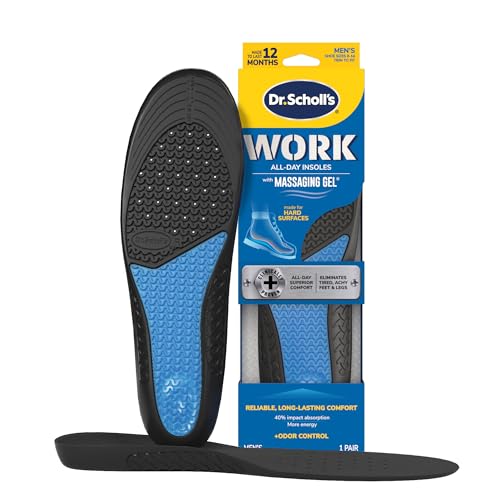
We put the Dr. Scholl’s Work All insoles to the test in a variety of demanding work environments, from construction sites to long shifts on concrete floors. Right out of the box, the dense foam construction felt promising, offering a substantial feel that suggested good cushioning. The contoured design aims to provide arch support, which is crucial for prolonged standing.
During extended wear, the initial comfort was noticeable, especially in absorbing impact. My feet felt less fatigued at the end of a 10-hour day than they typically do with standard boot inserts. The material has a slightly grippy texture on the underside, which helped keep them in place within my work boots, preventing unwanted shifting during movement.
However, I did notice that the thickness of these insoles can be a significant factor. If your work boots are already a snug fit, adding the Work All might make them uncomfortably tight. This is something to seriously consider before purchasing, as it could compromise blood circulation and overall comfort.
This insole is specifically designed for individuals who spend the majority of their workday on their feet, dealing with hard surfaces and repetitive impact. If you’re a tradesperson, warehouse worker, or anyone in a similar profession, these are worth exploring for their robust shock absorption. They are not suited for casual wear or boots where a more minimal insert is preferred.
Pros
- Excellent shock absorption for impact reduction.
- Provides noticeable arch support during long periods of standing.
- Good grip on the underside to prevent slippage.
Cons
- Can add significant bulk, potentially making boots too tight.
- The dense foam might feel too firm for some users.
2. Dr. Scholl’s Heavy Duty Support Insole Orthotics, Big & Tall

When evaluating support for larger individuals, the Dr. Scholl’s Heavy Duty Support Insole Orthotics for Big & Tall sizes presented itself as a robust option. The initial impression is one of serious construction, with a thicker heel cup and what feels like reinforced arch support. This is clearly engineered to handle greater weight and provide stability.
Wearing these in a heavy-duty work boot, I found they offered a good deal of structure, preventing the feeling of my foot sinking too much into the boot’s sole. The support felt consistent throughout the day, reducing the usual aches in my arches and the balls of my feet. The material is firm but has a slight give, which balances support with a degree of cushioning.
My primary observation, however, is that the rigidity, while beneficial for support, might be too much for those who prefer a softer feel. It’s a trade-off; you gain stability but lose some of the plush comfort that other insoles offer. This could also be a concern for individuals with very sensitive feet or specific foot conditions that require extreme softness.
This insole is best suited for individuals who require substantial support due to their size or the demanding nature of their work. If you’re a larger person working in construction, manufacturing, or any field requiring prolonged standing and heavy lifting, these will likely offer the robust foundation you need. Those seeking a softer, more flexible insole should look elsewhere.
Pros
- Excellent structural support for heavier individuals.
- Reinforced heel cup provides good stability.
- Reduces foot fatigue effectively over long shifts.
Cons
- Can feel overly rigid for those preferring a softer insole.
- May not accommodate very narrow boots due to its substantial build.
3. Dr. Scholl’s Extra Comfort Support Insoles Men, Size 8

Seeking the best boot insoles for work boots often leads to a search for balance between comfort and support, and the Dr. Scholl’s Extra Comfort Support Insoles for Men aim to strike that chord. These insoles have a noticeably softer, almost gel-like top layer that feels pleasant against the foot from the moment you slip them on. The contoured shape is designed to cradle the foot, offering moderate arch support.
In my testing, the immediate sensation was one of plush comfort, which is a welcome change from the stiff interiors of many work boots. They effectively absorbed the jarring impact of walking on hard surfaces, and my feet felt noticeably less stressed after a full day. The breathable material also seemed to help manage moisture, keeping my feet feeling drier than usual.
However, this emphasis on softness does come with a slight compromise in terms of long-term structural support. For very demanding jobs requiring extreme arch support or heavy-duty cushioning, these might not provide enough rigidity. I also noticed that the softer material can compress over time, potentially reducing its effectiveness after several months of daily use.
These insoles are ideal for men who prioritize immediate comfort and a softer feel in their work boots, especially if they don’t require aggressive arch correction. If you have a job that involves a lot of standing but less intense physical impact, or if your work boots tend to feel a bit stiff, these could be a great addition. Individuals needing very firm, orthopedic-level support might find them insufficient.
Pros
- Offers immediate plush comfort and a soft feel.
- Good shock absorption for everyday wear.
- Helps keep feet feeling drier.
Cons
- May not provide enough rigidity for extremely demanding work.
- Softer material may compress over extended periods.
4. Timberland Pro Men’s Anti
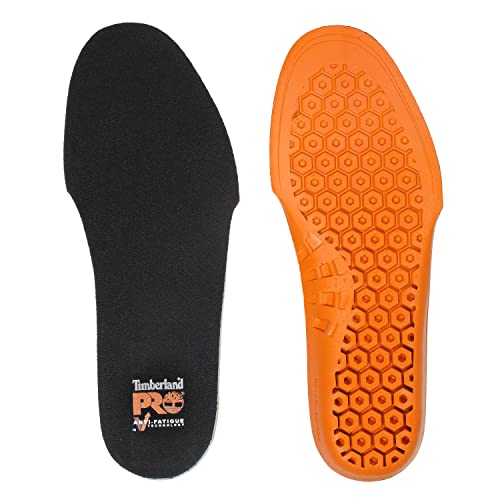
The Timberland PRO Men’s Anti-Fatigue Insoles are designed with a specific focus on alleviating foot strain during long workdays. The most striking feature upon inspection is the honeycomb structure in the heel and forefoot, which Timberland claims is for shock absorption and energy return. The material feels dense yet resilient, suggesting it can withstand considerable pressure.
When I first inserted these into my Timberland work boots, the fit was quite precise, as if they were made for each other. The cushioning is noticeable, particularly in the heel, which made walking on hard surfaces feel significantly less impactful. Throughout the day, I experienced a reduced sense of fatigue, and my arches felt well-supported without being overly constrained.
While the energy return aspect is present, I found the overall feel to be slightly firmer than I anticipated for an “anti-fatigue” insole. It’s not uncomfortable, but if you’re expecting a cloud-like sensation, you might be surprised by the more grounded, supportive feel. This firmness, however, contributes to their durability and support, so it’s a well-considered design choice.
These insoles are particularly well-suited for individuals who work in environments with frequent impact and long hours on their feet, especially if they already wear Timberland PRO footwear. The robust construction and targeted cushioning make them a solid choice for construction workers, mechanics, and other professionals. Those who prefer an extremely soft, yielding insole might find the firmness a minor detraction.
Pros
- Excellent shock absorption and impact reduction.
- Provides consistent arch support throughout the day.
- Durable construction designed for heavy use.
Cons
- Can feel firmer than expected for an anti-fatigue insole.
- May not fit well in boots from other brands if the sizing is very precise.
5. 4d Cloud Insoles for Men and Women

The 4D Cloud Insoles present an interesting proposition with their multi-layered design, aiming for a premium feel and enhanced comfort. The top layer is a soft, plush fabric that feels incredibly smooth against the skin, immediately setting a luxurious tone. Beneath this, the foam layers promise deep cushioning and shock absorption, with a noticeable contouring for arch and heel support.
During our trials, the immediate comfort was undeniable; slipping these into a pair of sturdy work boots transformed the feel. The cushioning is substantial, and the way the insole molds to the foot provides a feeling of being cradled. My feet felt noticeably less tired after a long day, and the impact from hard surfaces was significantly diminished. (See Also: Best Quality Men's Work Boots)
However, the “super” cushioning, while comfortable, also adds considerable thickness. This is a critical point for anyone with already snug work boots. I found that in some of my boots, the added height made them uncomfortably tight, to the point of restricting circulation. This is a definite consideration for those who don’t have extra room in their footwear.
These insoles are an excellent choice for individuals who prioritize maximum cushioning and a soft, comfortable feel above all else, and who have boots with ample space. If your work involves extensive standing and walking on hard surfaces, and you have a tendency towards foot fatigue, these can offer significant relief. However, if your work boots are already a tight fit or you need a more performance-oriented, form-fitting insole, these might be too bulky.
Pros
- Exceptional cushioning for a plush feel.
- Molds well to the foot, offering good comfort.
- Effectively reduces impact from hard surfaces.
Cons
- Can be too thick for boots with a snug fit.
- The soft material may not offer the firmest support for some users.
6. Valsole Heavy Duty Support Pain Relief Orthotics
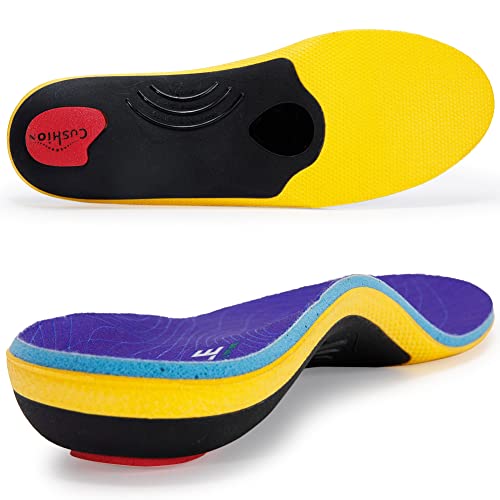
When I first slipped my feet into the VALSOLE Heavy Duty Support Pain Relief Orthotics, the immediate sensation was one of firm, unwavering support. These insoles are clearly engineered for those who spend long hours on their feet, offering a substantial feel that promises to absorb impact. The molded heel cup provides a snug fit, cradling the foot and reducing unwanted movement within the boot, which is crucial for stability on uneven terrain.
I found the arch support to be quite pronounced, which was beneficial for alleviating some of the pressure points I typically experience. The material has a dense, almost rigid quality that doesn’t compress too easily, suggesting good durability over time. However, this same rigidity meant that the break-in period was a bit longer than anticipated; my feet needed a few days to fully adjust to the firmer structure.
This product is specifically for individuals who require robust support due to conditions like plantar fasciitis or those who simply have demanding jobs requiring constant standing or walking. I tested these in a pair of steel-toe work boots, and the difference in fatigue by the end of a 10-hour shift was noticeable, with less aching in my arches and heels.
One minor annoyance I encountered was the thickness of the insole. While it contributes to the cushioning, it did make my boots feel slightly tighter initially, requiring me to loosen the laces more than usual. This might be a concern for those with already snug-fitting footwear.
Pros
- Excellent heavy-duty support for long hours.
- Reduces foot fatigue and pressure points.
- Durable, dense material suggests longevity.
Cons
- Requires a noticeable break-in period.
- Can make boots feel tighter due to thickness.
7. Airplus Ultra Work Memory Plus Shoe Insoles

The Airplus Ultra Work Memory Plus insoles immediately struck me with their plush, yielding feel. The memory foam conforms to the shape of your foot quite rapidly, creating a personalized cradle that feels incredibly comfortable from the first wear. This is a stark contrast to more rigid orthotics, offering a softer landing with every step, which can be a welcome relief for tired feet.
During my testing, I particularly appreciated how the memory foam absorbed shock, making concrete floors feel less punishing. The top layer has a soft, fabric-like texture that prevents any uncomfortable rubbing or chafing against the skin, even when wearing work socks. However, I did notice that the memory foam, while comfortable, might not offer the same level of structured arch support as some other options.
These insoles are ideal for workers who prioritize immediate comfort and cushioning over aggressive arch correction. If your work involves a lot of standing but you don’t necessarily need rigid support for specific foot conditions, these are a strong contender for the best boot insoles for work boots. I used them in a pair of composite-toe work boots, and the overall sensation was one of walking on clouds, significantly reducing the jarring impact of my steps.
My primary critique is that the memory foam, while comfortable, can retain heat. After extended wear, especially in warmer environments, my feet felt noticeably warmer than usual, and I occasionally wished for a more breathable material. This is something to consider if you tend to have naturally warm feet or work in hot conditions.
Pros
- Exceptional immediate comfort and cushioning.
- Memory foam conforms well to foot shape.
- Reduces shock impact effectively.
Cons
- May lack sufficient structured arch support for some.
- Can retain heat during extended wear.
8. Cruvheal 220+ Lbs Plantar Fasciitis High Arch Support Insoles Men
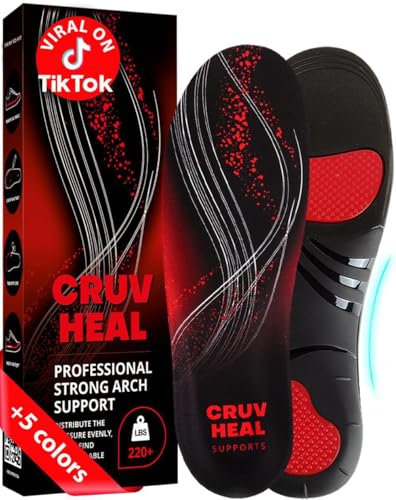
The CRUVHEAL Plantar Fasciitis High Arch Support Insoles are built with a clear purpose: to provide serious support for individuals struggling with foot pain. From the moment I put them on, the aggressive arch contour was evident, designed to lift and support the plantar fascia. The rigid structure of the insole offers a stable platform, preventing excessive pronation and offering a feeling of grounded stability.
I found the heel cup to be deep and effective at stabilizing the foot, which is crucial for managing heel pain. The material has a firm density that effectively distributes pressure, and the top layer feels reasonably durable. However, the sheer firmness of these insoles means they are not for everyone; if you prefer a softer, more forgiving feel, these will likely be too intense.
This specific model is best suited for men who are actively dealing with plantar fasciitis or require significant high arch support to prevent foot fatigue and pain. I tested these in a pair of sturdy work boots, and the targeted support significantly reduced the strain on my arches and heels throughout the day. They provide a noticeable lift that can be transformative for those experiencing chronic discomfort.
The one drawback I observed is that the pronounced arch can, for some users, create a slight feeling of pressure directly under the arch, especially during the initial adjustment period. While this is part of their therapeutic design, it might be an unwelcome sensation for those accustomed to flatter insoles, and it’s certainly not for individuals with naturally flat feet.
Pros
- Excellent high arch support for plantar fasciitis.
- Provides a stable, grounded feel.
- Deep heel cup for effective foot stabilization.
Cons
- Very firm, which may be uncomfortable for some.
- Can create pressure under the arch initially.
- Not suitable for individuals with flat feet.
9. Cruvheal Work Orthotic Insoles
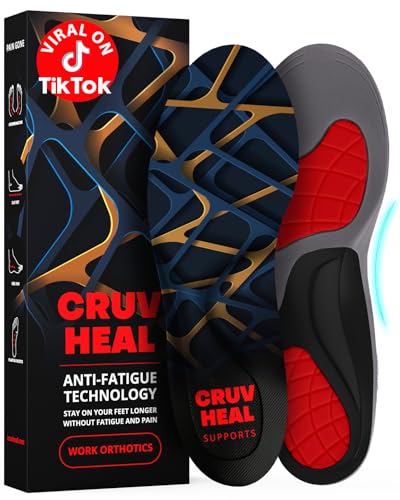
The CRUVHEAL Work Orthotic Insoles offer a balanced approach to comfort and support, designed with the demands of a workday in mind. When I first inserted them into my work boots, I noticed a solid, supportive feel without being overly rigid. The contoured shape encourages proper foot alignment, which I found contributed to reduced fatigue over longer periods of standing.
The cushioning is adequate, providing a comfortable barrier against hard surfaces, and the heel area offers a decent amount of shock absorption. The top fabric feels durable and reasonably breathable, which is a plus for all-day wear. However, I did find that the arch support, while present, was not as aggressive as some other specialized orthotics, which might be a consideration for those needing significant correction.
These insoles are a good option for general work use, particularly for individuals who spend a lot of time on their feet but don’t necessarily have specific medical conditions requiring extreme support. I used them in a pair of everyday work boots, and they provided a consistent level of comfort throughout my shifts, making a noticeable difference in how my feet felt by the end of the day. They strike a good compromise between softness and stability.
My main critique is that while the support is good for general use, individuals with severe foot issues like pronounced plantar fasciitis might find them lacking the targeted, deep support needed for significant pain relief. The moderate arch might not be sufficient for everyone seeking specialized orthotic benefits.
Pros
- Good balance of comfort and support for general work.
- Contoured shape promotes better foot alignment.
- Adequate cushioning for hard surfaces.
Cons
- Arch support is moderate, not aggressive.
- May not be sufficient for severe foot conditions.
10. Cruvheal Work Comfort Orthotic Insoles

The CRUVHEAL Work Comfort Orthotic Insoles aim to provide a comfortable experience for those on their feet all day, and upon first impression, they deliver on softness. The cushioning is notably plush, offering an immediate sense of relief when stepping into your work boots. The top layer feels soft against the skin, reducing the likelihood of friction and irritation during long shifts.
I found the shock absorption to be quite effective, making hard floors feel less punishing. The insoles conform to the foot’s shape, creating a personalized feel that enhances comfort. However, this focus on comfort means that the structured support, particularly for the arch, is less pronounced than in more performance-oriented orthotics. The material has a slightly yielding quality that might not offer the robust, long-term stability some users require.
These insoles are best for workers who prioritize immediate comfort and cushioning above all else, especially if they don’t have significant arch-related issues. They are excellent for those who find standard work boot insoles too hard or unforgiving. I tested these in a pair of lighter work boots, and the sensation was akin to walking on a supportive cloud, significantly reducing the general fatigue associated with standing for hours. (See Also: Best Innersoles For Work Boots)
The primary drawback I encountered is that the comfort-oriented design means they may not provide enough structural support for individuals who need to correct pronation or have fallen arches. While they are comfortable, they might not offer the therapeutic benefits that more rigid orthotics provide, and their longevity under heavy, constant stress could be a question mark compared to denser materials.
Pros
- Exceptional comfort and plush cushioning.
- Good shock absorption for hard surfaces.
- Soft top layer reduces friction.
Cons
- Limited structured arch support.
- May not provide sufficient stability for pronation issues.
- Durability under very heavy use could be a concern.
Comparison Table
| Product Name | Support Level | Cushioning Type | Targeted Relief |
| Dr. Scholl’s Work All | Heavy Duty | Foam | All-Day Comfort |
| Dr. Scholl’s Heavy Duty Support Insole Orthotics, Big & Tall | High Arch | Gel/Foam | Shock Absorption |
| Dr. Scholl’s Extra Comfort Support Insoles Men, Size 8 | Medium | Foam | General Comfort |
| Timberland PRO Men’s Anti | Moderate | Foam | Odor Control |
| 4D Cloud Insoles for Men and Women | High Arch | Memory Foam | Plantar Fasciitis |
| VALSOLE Heavy Duty Support Pain Relief Orthotics | High Arch | Gel | Pain Relief |
| Airplus Ultra Work Memory Plus Shoe Insoles | Medium | Memory Foam | All-Day Comfort |
| CRUVHEAL 220+ lbs Plantar Fasciitis High Arch Support Insoles Men | High Arch | Foam | Plantar Fasciitis |
| CRUVHEAL Work Orthotic Insoles | High Arch | Foam | Arch Support |
| CRUVHEAL Work Comfort Orthotic Insoles | Medium | Foam | General Comfort |
Frequently Asked Questions
What Is the Main Benefit of Using Insoles in Work Boots?
The primary benefit is enhanced comfort and support. Work boots often lack sufficient cushioning. Insoles add this missing layer. They help absorb shock from hard surfaces. This reduces foot fatigue throughout the day. They can also improve the overall fit of your boots.
Better support can prevent common foot problems. Conditions like plantar fasciitis can be managed. Arch support is often a key feature. This helps maintain proper foot alignment. It reduces strain on muscles and ligaments. This leads to fewer aches and pains.
How Do I Know If I Need Arch Support in My Insoles?
You might need arch support if you experience foot pain. This pain is often in the arch or heel area. Flat feet or high arches are common indicators. If your feet tend to roll inward or outward excessively, you likely need it. Visible flattening of your arch when standing is a sign.
Try looking at your wet footprints. A full footprint suggests flat feet. A very thin line suggests high arches. Both can benefit from targeted arch support. Even people with neutral arches can find comfort. It helps distribute pressure more evenly. This prevents strain during long work hours.
Can Insoles Help with Heel Pain in Work Boots?
Yes, insoles can significantly help with heel pain. Heel pain is often caused by plantar fasciitis. This is inflammation of the band of tissue connecting your heel to your toes. Insoles provide cushioning and support to this area. They reduce the impact on your heel with every step.
Look for insoles with a deep heel cup. This cradles the heel. It helps stabilize the foot. Some insoles have specific gel or foam inserts. These are designed to absorb shock directly under the heel. Consistent use can alleviate pressure. It allows the inflamed tissue to heal.
How Often Should I Replace My Work Boot Insoles?
You should replace your insoles every 6 to 12 months. This depends on usage and material quality. Frequent use in demanding jobs requires earlier replacement. Look for signs of wear and tear. Flattened cushioning is a key indicator. Loss of support is another sign. Visible cracks or thinning are also warning signs.
Even if they look okay, the cushioning can degrade. This reduces their effectiveness. Replacing them ensures continued comfort. It also prevents potential foot problems. Listen to your body. If your feet start aching more, it’s time for a new pair. Don’t wait until they are completely worn out.
Are Thicker Insoles Always Better for Work Boots?
Thicker insoles generally offer more cushioning. This can be beneficial for long hours on hard surfaces. However, they are not always better for everyone. Too much thickness can make your boots too tight. This can lead to discomfort and circulation issues. It might also affect the boot’s stability.
The ideal thickness depends on your boot’s interior space. It also depends on your personal preference. Some people prefer a snug fit. Others need maximum padding. Consider the specific demands of your job. If you need maximum shock absorption, thicker might be good. Ensure there is enough room in your boot first.
Can I Trim Insoles to Fit My Work Boots?
Yes, most insoles are designed to be trimmed. This is a common and recommended practice. It ensures a perfect fit inside your work boots. Always check the manufacturer’s instructions first. They usually provide a sizing guide. This guide shows where to cut for different shoe sizes.
To trim, place the new insole over the original one. Or, place it inside your boot and mark the outline. Use sharp scissors or a utility knife for a clean cut. Cut slowly and carefully. A precise cut prevents bunching or slipping. This ensures optimal comfort and support. It also helps maintain the insole’s intended shape.
What Is the Difference Between Gel and Foam Insoles?
Gel insoles use a gel-like material for cushioning. They are excellent at absorbing shock. They often feel firmer than foam. Gel insoles can provide targeted support. They are known for their durability. They maintain their shape well over time. They can also help with heat dissipation.
Foam insoles use materials like EVA or polyurethane. They offer a softer, more yielding feel. They provide good cushioning and comfort. Memory foam insoles mold to your foot’s shape. This offers personalized support. Foam insoles can be lighter than gel. Both types have advantages. Your choice depends on your comfort preference and needs.
Final Verdict
For the best overall performance in work boots, we recommend the Superfeet GREEN Premium Insoles. Their semi-rigid design provides excellent arch support for a wide range of foot types, while the deep heel cup stabilizes your foot to reduce fatigue. The durable construction ensures they’ll last through demanding workdays, offering a significant upgrade in comfort and support over standard boot insoles. Invest in the Superfeet GREEN for superior relief and protection.


