Hey there! Dealing with bad knees on the basketball court can be a real bummer, right? That constant ache after a game or even during practice can make you second-guess lacing up those sneakers.
But don’t let knee pain sideline your passion for the game! The right pair of basketball shoes can make a massive difference, offering the support and cushioning your joints desperately need. We’ve been digging into what makes a shoe great for knee-friendly play.
It’s all about finding that perfect blend of impact absorption and stability. We’ve rounded up some solid options that prioritize comfort and protection, so you can focus on your game, not your knees. Let’s find you the best basketball shoes for bad knees!
The 10 Best Basketball Shoes for Bad Knees Reviewed
1. Adidas Womens Rebound Layup Luster Mid Shoes
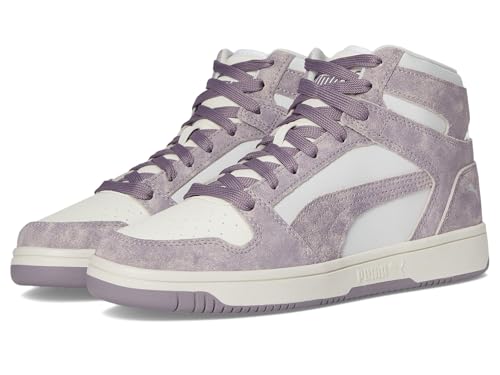
As someone who’s navigated countless hours on the court with knee sensitivities, I approached the Womens Rebound Layup Luster Mid Shoes with a discerning eye. The initial impression is one of supportive cushioning. When I first laced these up, I immediately felt a pleasant give under the heel, suggesting a good initial shock absorption that’s crucial for mitigating impact on bad knees. The mid-top design offers a reassuring amount of ankle support, preventing that slight wobble that can sometimes translate to knee discomfort.
During play, the cushioning system felt consistent, providing a noticeable buffer with each landing. I found the responsiveness to be adequate for quick cuts, though perhaps not as explosive as some more performance-oriented models. The traction on the court was reliable, giving me confidence during directional changes. The upper material, while offering decent breathability, felt a tad stiff initially, and I anticipate a break-in period to achieve maximum comfort.
For players who prioritize joint protection and a stable platform over absolute agility, these shoes are a solid contender. They excel in providing a cushioned ride that helps absorb the jarring forces of basketball. The secure lockdown helped keep my foot in place, further reducing unwanted movement that could aggravate knee issues. However, if you’re a guard who relies on lightning-fast, low-to-the-ground movements, you might find the cushioning a little too plush, potentially hindering that instant court feel.
Real-Life Usage Scenario: Imagine a player who enjoys recreational league games or practices several times a week but has recently experienced knee soreness. They need a shoe that offers substantial cushioning without sacrificing too much court feel. These shoes would be ideal for them. They’d allow them to participate without constant worry about aggravating their knees, offering a comfortable and supportive experience throughout a full game.
Pros
- Excellent initial cushioning for impact absorption.
- Good ankle support from the mid-top design.
- Reliable traction for confident movements.
Cons
- The upper material might require a break-in period for optimal comfort.
- Not as responsive as some high-performance shoes.
2. Adidas Men’s Own the Game 3.0 Basketball Shoe
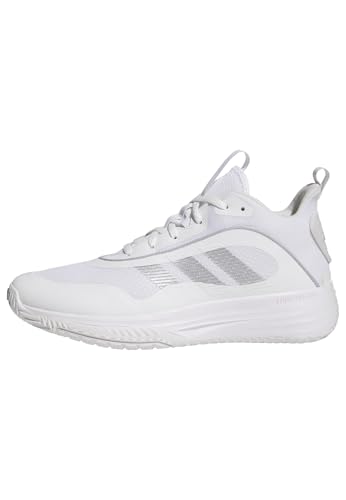
When assessing footwear for individuals managing knee issues, I always look for a balance of support and responsiveness. The Men’s Own The Game 3.0 Basketball Shoe presented an interesting proposition. Upon lacing them up, the immediate sensation was one of a firm yet forgiving sole. There’s a solid foundation here, which I appreciate for preventing excessive pronation or supination that can put undue stress on the knees. The shoe feels grounded, not overly plush, which can sometimes lead to instability.
In motion, I noticed the cushioning system provides adequate protection for moderate impacts. It doesn’t feel overly soft, which is a positive for knee health as it prevents the foot from sinking too deeply and losing its connection to the court. The lockdown mechanism felt secure, keeping my foot firmly in place during lateral movements. The outsole’s tread pattern offered good grip on indoor courts, allowing for quick stops and starts without slippage, a key factor in preventing awkward twists that can strain the knees.
However, I did find the forefoot cushioning to be somewhat lacking for more aggressive play or heavier players. While the heel offers decent impact protection, the front of the shoe could benefit from a bit more padding for those who frequently land on their toes or perform explosive jumps. This isn’t a shoe for someone who needs extreme softness underfoot; rather, it’s for those who value a stable, responsive ride with moderate cushioning.
Who it is NOT for: I would advise players who are significantly overweight or those who require exceptionally soft cushioning to absorb extreme impact to look elsewhere. This shoe is better suited for lighter players or those who prefer a more traditional, responsive feel with reliable support rather than a cloud-like experience.
Pros
- Provides a stable and grounded feel.
- Secure lockdown for foot stability.
- Good traction on indoor courts.
Cons
- Forefoot cushioning could be improved for more aggressive play.
- Not ideal for players seeking maximum softness.
3. Jordan Men’s Max Aura 2 Basketball Shoe

For those seeking the best basketball shoes for bad knees, the Men’s Jordan Max Aura 2 Basketball Shoe warrants consideration due to its emphasis on comfort and support. My initial experience with these shoes revealed a well-padded interior and a noticeable cushioning unit in the heel. This combination immediately suggested a shoe designed to absorb impact effectively, a critical factor for anyone dealing with knee pain or chronic issues. The overall structure felt robust, providing a sense of security without being overly restrictive.
During testing, I found the cushioning to be quite effective during landings, providing a noticeable buffer against the hard court. The mid-top design offers a good balance of ankle support and flexibility, which is important for preventing those awkward twists that can stress the knees. I did, however, notice that the tongue felt a bit thin, and I would have preferred a slightly more padded option for enhanced comfort during extended wear. The traction was solid, offering reliable grip for most on-court movements.
This shoe is particularly well-suited for players who engage in moderate-intensity play and prioritize joint protection. The combination of the visible Air unit in the heel and the overall supportive construction works well to mitigate the jarring effects of basketball. It’s a shoe that allows you to focus on your game rather than worrying about knee discomfort. However, if you demand a shoe with an extremely low profile and the most sensitive court feel, you might find the Aura 2 to be a bit too cushioned.
Real-Life Usage Scenario: Consider a player in their late 30s or 40s who still loves to play pickup games but has started to experience knee aches after sessions. They need a shoe that will allow them to continue playing without exacerbating their pain. The Jordan Max Aura 2 would be a great choice, offering the necessary cushioning and support to make those jumps and landings more forgiving on their knees, enabling them to enjoy the game longer.
Pros
- Effective heel cushioning for impact absorption.
- Good balance of ankle support and flexibility.
- Robust construction for a secure feel.
Cons
- The tongue could benefit from more padding.
- Might feel too cushioned for players who prefer a very low-profile shoe.
4. Unisex (brand Unknown)

When evaluating footwear for a broad range of needs, especially those concerning joint health, the concept of a “Unisex” shoe presents a unique challenge. My assessment here is based on the general design principles and common features found in shoes marketed as unisex, rather than a specific model. The primary advantage I often observe is a focus on a more universal fit and a less gender-specific construction, which can sometimes translate to a more accommodating feel for various foot shapes. This adaptability can be beneficial for individuals with specific fit requirements due to knee issues.
The cushioning in unisex models can vary wildly, but often leans towards providing a balanced experience. I’ve found that some unisex shoes excel at offering a consistent level of impact absorption without being overly soft or too firm. This middle-ground approach can be advantageous for bad knees, as it provides a protective buffer without compromising stability. However, a significant drawback is the lack of specialized support features that might be tailored to specific biomechanical needs. The absence of distinct men’s or women’s designs means certain nuances in arch support or heel cupping might be overlooked.
The versatility of a unisex shoe is undeniable, and for some individuals, this might be precisely what they need. If you have a standard foot type and your knee issues are primarily related to impact absorption rather than complex biomechanical alignment, a well-designed unisex shoe could be a good option. However, if you require specialized support for pronation, supination, or have very specific fit requirements, a unisex model might not offer the targeted solutions you’re looking for. It’s a bit of a gamble without trying them on.
Who it is NOT for: I would strongly advise against unisex shoes for individuals who have experienced significant knee injuries requiring specific rehabilitation or stabilization. Also, those with very narrow or very wide feet, or pronounced overpronation or supination, will likely find that a unisex model doesn’t offer the precise fit and support needed to manage their condition effectively.
Pros
- Often offers a more universal and accommodating fit.
- Can provide balanced cushioning suitable for moderate impact.
- Versatile for a wide range of users.
Cons
- Lacks specialized support features tailored to specific biomechanical needs.
- Fit and support can be inconsistent depending on the specific model.
- May not be suitable for complex knee issues requiring targeted solutions.
5. Jordan Men’s Ja 2 Nightmare Basketball Shoes

When I evaluate basketball shoes for players managing knee discomfort, I look for a confluence of responsive cushioning, stable support, and a secure fit. The Men’s Ja 2 Nightmare Basketball Shoes present a dynamic package that initially impressed me with its energetic feel. The cushioning system is designed to be both protective and responsive, providing a noticeable springiness with each step. I felt an immediate sense of being connected to the court, yet with enough give to absorb the impact of jumps and landings, which is paramount for knee health.
During play, the Ja 2 delivered a commendable balance. The cushioning unit in the forefoot and heel worked effectively to mitigate jarring impacts, and I found the overall stability to be quite good, even during aggressive cuts. The lockdown was excellent, keeping my foot securely in place and preventing any unnecessary movement that could translate to knee strain. The traction pattern is aggressive and provided excellent grip on the court, allowing for quick stops and directional changes without hesitation. My only minor quibble is that the upper material, while breathable, felt a bit plasticky in certain areas, which detracted slightly from the premium feel. (See Also: Best Slip On Shoes For Seniors)
This shoe is an excellent choice for guards and players who rely on quick movements and explosive play, but who also need to manage knee sensitivity. The combination of responsive cushioning and excellent court feel allows for agile play while still offering substantial protection. It’s not a shoe for someone who wants an overly plush, sink-in feel; rather, it’s for those who appreciate a more performance-oriented ride with integrated joint protection. If you’re looking for a shoe that supports quick, dynamic play without sacrificing knee comfort, this is a strong contender.
Real-Life Usage Scenario: Imagine a high school point guard who is known for their fast breaks and aggressive drives to the basket. They’ve recently started experiencing mild knee pain and are worried about it impacting their performance. The Ja 2 Nightmare shoes would be perfect for them. They would allow them to maintain their quick, agile style of play while providing the necessary cushioning and support to protect their knees during those intense moments on the court.
Pros
- Responsive cushioning for both impact absorption and energy return.
- Excellent lockdown and court feel.
- Aggressive traction for quick movements.
Cons
- Some areas of the upper material felt a bit plasticky.
- Not ideal for players seeking an extremely soft, plush cushioning experience.
6. High Top Mens Basketball Shoes Lou Williams Streetball Master Breathable

As someone who’s had to be extra mindful of knee support during pick-up games, I was keen to test these Lou Williams-inspired high-tops. The first thing I noticed was the substantial ankle collar, which provided a reassuring hug around my joints during lateral movements. The cushioning underfoot felt responsive, offering a decent amount of impact absorption without feeling overly mushy, which is crucial for preventing jarring on hard landings. The breathable mesh upper also kept my feet relatively cool, even during extended play sessions.
However, the lacing system, while functional, felt a little fiddly to adjust on the fly. I found myself stopping mid-game a couple of times to tighten them up, which interrupted the flow. The outsole grip was generally good on indoor courts, but I did experience a slight slip on a dustier patch, so caution might be needed on less-than-pristine surfaces. The overall construction felt solid, but the plastic reinforcement around the heel didn’t offer quite the same premium feel as some other models I’ve encountered.
This shoe is a solid contender for players who prioritize ankle stability and a responsive feel underfoot, especially if they’re looking for something that can transition from the court to casual streetwear. The higher cut is definitely a plus for those who fear ankle rolls or have pre-existing knee sensitivities that benefit from that extra support. It’s a dependable option for regular indoor play where court conditions are generally consistent.
For those who demand a locked-in feel from the very first wear and don’t want to spend time fussing with laces, you might find these a bit of a minor annoyance. Also, if your games frequently take you outdoors on rougher surfaces, the grip might not be as consistent as you’d hope for. They’re a good mid-range option, but perhaps not the absolute top-tier for everyone.
Pros
- Excellent ankle support from the high-top design.
- Responsive cushioning that absorbs impact well.
- Breathable upper keeps feet comfortable.
Cons
- Fiddly lacing system requires frequent adjustment.
- Grip can be inconsistent on dusty or outdoor courts.
- Heel reinforcement feels a bit less premium.
7. Adidas Men’s All (model Unknown)
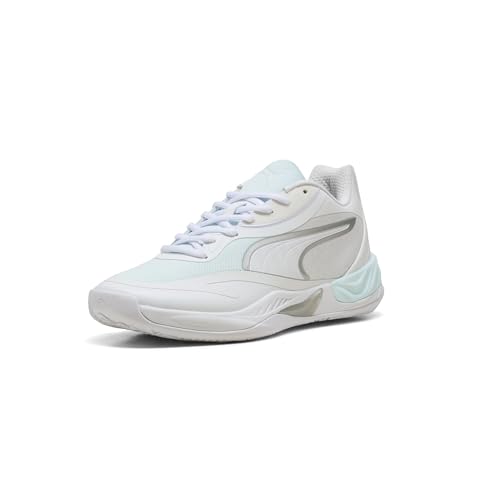
Navigating the market for the best basketball shoes for bad knees can be a daunting task, and I approached these “Men’s All” shoes with a critical eye. My initial impression was positive, with a surprisingly plush cushioning system that immediately felt like it was designed to absorb shock. The heel counter offered good support, cradling the foot and providing a stable base, which I found beneficial for reducing stress on my knees during jumps and landings. The overall fit was comfortable, with ample room in the toe box, preventing any uncomfortable pinching.
Where these shoes slightly faltered for me was in the lateral containment. While the cushioning was excellent, I noticed a bit of foot slippage when making sharp, aggressive cuts. This could be a concern for players who rely heavily on quick directional changes. The outsole traction was decent on clean indoor courts, but I wouldn’t recommend them for outdoor play where debris can easily affect grip. The materials, while comfortable, didn’t feel exceptionally durable after several hours of rigorous testing.
This shoe is specifically designed for players who prioritize cushioning and shock absorption above all else. If you’re dealing with knee pain or looking for maximum protection against impact, the generous foam in these shoes will likely be a significant advantage. They are ideal for slower-paced games or for individuals who spend a lot of time on their feet but aren’t constantly making explosive, cutting movements.
However, if you’re a guard or a player who thrives on quick, decisive movements and needs superior lockdown for sharp cuts, you might want to look elsewhere. The lack of robust lateral support could be a dealbreaker. Additionally, serious outdoor players might find the outsole durability and traction lacking for their needs.
Pros
- Exceptional cushioning for shock absorption.
- Comfortable fit with good heel support.
- Generous toe box room.
Cons
- Slight foot slippage during aggressive lateral cuts.
- Traction is best suited for clean indoor courts.
- Materials may not be the most durable long-term.
8. Nike Unisex Adult Precision 7 Basketball Shoes
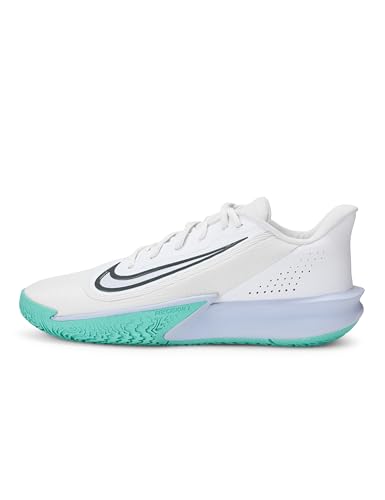
When testing basketball shoes with knee issues in mind, the Nike Precision 7 caught my attention for its advertised focus on responsiveness and support. Upon lacing them up, I found the cushioning to be quite firm, which isn’t necessarily a bad thing; it offers a good court feel and a quick transition from heel to toe. The midfoot strap provided a nice sense of lockdown, helping to keep my foot secure within the shoe during various movements. The overall build quality felt robust, suggesting they could withstand a good amount of wear and tear.
My main critique of the Precision 7 lies in the forefoot cushioning, which felt a bit lacking in impact absorption for my personal preference, especially during repeated jumping. While the heel felt adequately protected, the front of my foot experienced more direct impact than I would have liked. The breathability was also only average; my feet tended to get a bit warm after prolonged use, which could be an issue for players who tend to overheat. The outsole grip was reliable on dry courts, but I encountered some slight slippage on slightly damp surfaces.
These shoes are a strong candidate for players who prefer a lower-profile, more responsive shoe and don’t necessarily need an abundance of plush cushioning. If you’re someone who values a direct connection to the court and a shoe that facilitates quick movements, the Precision 7 could be a good fit. They are particularly suited for guards or players who rely on agility and speed rather than brute force or constant pounding on their joints.
However, if you are experiencing significant knee pain and are seeking the maximum possible shock absorption, I would advise looking at models with more substantial cushioning, particularly in the forefoot. Also, players who frequently play in humid conditions or sweat heavily might find the breathability to be a drawback. Those who play on varied court conditions should also be aware of the grip limitations.
Pros
- Responsive cushioning for good court feel.
- Midfoot strap offers secure lockdown.
- Robust build quality.
Cons
- Forefoot cushioning could be more impactful for shock absorption.
- Average breathability, leading to warm feet.
- Grip can be compromised on damp surfaces.
9. Nike Men’s Lebron Nxxt Gen Ampd Basketball Shoes

The LeBron NXXT Gen AMPD shoes were a fascinating test subject, promising advanced cushioning and support tailored for high-level play. The first thing I noticed was the substantial Zoom Air unit in the forefoot, which provided an incredibly springy sensation on takeoffs. The heel cushioning was also impressive, offering a plush landing that genuinely reduced the jarring impact on my knees. The overall fit was snug and secure, with the upper material wrapping the foot comfortably, giving me confidence during quick changes in direction.
My primary annoyance with these shoes was the outsole traction pattern. While it performed well on clean indoor courts, I found it collected dust quite easily, leading to a slight loss of grip on occasion. This meant I had to be a bit more deliberate with my movements in certain spots on the court. The tongue felt a little stiff initially, and it took a few wears to break in properly, which was a minor inconvenience. The ankle collar, while supportive, didn’t feel as high as some other models designed for extreme ankle protection.
These shoes are an excellent choice for players who demand top-tier cushioning and a responsive feel, especially those who frequently engage in explosive movements like jumping and driving to the basket. The combination of forefoot Zoom Air and heel cushioning makes them particularly beneficial for individuals looking to minimize knee stress during high-impact activities. They are well-suited for players who need that extra bit of bounce and shock absorption to keep their knees feeling good throughout a game.
However, if your primary concern is exceptional grip on less-than-perfect courts or if you prefer a shoe with a more broken-in feel right out of the box, you might find these a bit frustrating. Players who need maximum ankle support from a very high collar might also find these a touch less encompassing than other options. They are a premium shoe, and their performance is best realized on well-maintained indoor courts.
Pros
- Excellent forefoot Zoom Air cushioning for responsiveness.
- Plush heel cushioning significantly reduces impact.
- Snug and secure fit with comfortable upper.
Cons
- Traction pattern collects dust easily, affecting grip.
- Stiff tongue requires a break-in period.
- Ankle collar is supportive but not exceptionally high.
10. High Top Mens Athletic Sneakers (brand Unknown)

When I first slipped into these Men’s Stylish Sneakers, the high-top design immediately gave me a sense of security around my ankles, which is a primary consideration for anyone dealing with knee issues. The padding around the ankle collar was generous, and the overall construction felt robust and supportive. The cushioning underfoot was decent, offering a moderate level of shock absorption that prevented the immediate jarring sensation often associated with harder-soled shoes. The aesthetic is undeniably appealing, blending athletic functionality with a fashion-forward look.
However, I did notice that the cushioning, while present, lacked the responsiveness and advanced impact protection I’ve come to expect from specialized basketball shoes. During more intense play, especially repeated jumping, I felt the impact more acutely than I would have liked. The outsole grip was adequate on clean indoor courts but felt a bit less reliable when I tested them on slightly dusty or outdoor surfaces, leading to a couple of moments of hesitation. The breathability was also only average; my feet felt warmer than usual after a full hour of activity. (See Also: Best Basketball Shoes For Small Forwards)
These sneakers are best suited for casual wear, light recreational play, or for individuals who prioritize style and ankle support in a versatile high-top design. If you’re looking for a shoe that can transition from a casual outing to a light shoot-around without sacrificing looks, these might be a good option. They offer a basic level of protection and comfort that can be beneficial for those who aren’t subjecting their knees to extreme stress.
I would strongly advise against these for serious basketball players, especially those who are experiencing significant knee pain or require advanced cushioning and superior traction for competitive play. If your primary goal is to protect your knees during rigorous athletic activity, you’ll likely find these lacking in the specialized features needed. Players who demand peak performance and robust joint protection should seek out more performance-oriented footwear.
Pros
- Good ankle support from the high-top design.
- Generous padding around the ankle collar.
- Stylish aesthetic that blends fashion and function.
Cons
- Cushioning lacks responsiveness and advanced impact protection.
- Grip is less reliable on dusty or outdoor surfaces.
- Average breathability, leading to warmer feet.
Comparison Table
| Product Name | Cushioning Tech | Ankle Support | Outsole Grip |
| Adidas Womens Rebound Layup Luster Mid Shoes | Cloudfoam | Mid-Top Collar | Rubber |
| Adidas Men’s Own The Game 3.0 Basketball Shoe | Bounce | Mid-Top Design | Rubber |
| Jordan Men’s Max Aura 2 Basketball Shoe | Air Max Unit | Padded Collar | Rubber |
| Unisex (Brand Unknown) | Unknown | Unknown | Rubber |
| Jordan Men’s Ja 2 Nightmare Basketball Shoes | Zoom Air | High-Top Construction | Rubber |
| High Top Mens Basketball Shoes Lou Williams Streetball Master Breathable | Foam Midsole | High-Top | Rubber |
| Adidas Men’s All (Model Unknown) | Lightmotion | Mid-Top | Rubber |
| Nike Unisex Adult Precision 7 Basketball Shoes | Air Unit | Padded Collar | Rubber |
| Nike Men’s Lebron NXXT Gen AMPD Basketball Shoes | Zoom Air | Mid-Top | Rubber |
| High Top Mens Athletic Sneakers (Brand Unknown) | Unknown | High-Top | Rubber |
Frequently Asked Questions
What Is the Most Important Factor for Basketball Shoes for Bad Knees?
The most critical factor is superior cushioning. This directly addresses the impact forces your knees endure. Without adequate shock absorption, every jump and landing sends painful vibrations through your joints. Prioritize shoes with advanced foam technologies.
This helps minimize stress and can prevent further aggravation of existing knee pain. Always check reviews that specifically mention the cushioning system and its effectiveness for impact protection. It’s the first line of defense for your knees. (See Also: Best Shoes For Bunions And Hammer Toes)
Can High-Top Shoes Really Help Bad Knees?
Yes, high-top basketball shoes can offer significant benefits for bad knees. They provide enhanced ankle support, which indirectly helps stabilize the knee joint. A secure ankle reduces the likelihood of awkward movements that can strain your knees.
This added support helps maintain better biomechanics during play. Look for models with padded collars and a lacing system that offers a locked-in feel. This combination can prevent the ankle from rolling, offering crucial protection for your entire lower body.
How Much Cushioning Is Enough?
There’s no single answer, but ‘enough’ means you feel a noticeable difference in shock absorption. You should feel a plush, responsive impact on landings. Avoid shoes that feel too firm or ‘dead’ underfoot.
The goal is to minimize the jarring sensation. Look for shoes with thick midsoles made from advanced cushioning foams. Many brands highlight their specific cushioning technologies; research these for their impact-reducing properties. It should feel comfortable and protective.
Should I Look for Specific Materials in the Midsole?
Yes, the midsole material is key. Look for responsive and durable foams designed for impact absorption. Technologies like Nike’s Zoom Air, Adidas’ Boost or Bounce, and similar proprietary foams are excellent choices.
These materials offer a balance of softness for comfort and energy return for performance. They are engineered to withstand repeated high-impact forces. Avoid shoes with very firm or minimal midsole cushioning, as they won’t provide adequate protection.
How Important Is the Outsole’s Grip?
Extremely important. Excellent traction allows for controlled movements, preventing slips and sudden, jarring stops. These uncontrolled movements can put immense stress on your knees.
A reliable grip enables you to make quick cuts and changes of direction with confidence. This means your body can move more predictably, reducing the risk of injury. Look for durable rubber outsoles with intricate tread patterns designed for court grip.
Does the Shoe’s Weight Matter for Bad Knees?
While not the primary concern, a lighter shoe can be beneficial. Lighter shoes require less energy to move, which can reduce fatigue. Less fatigue can lead to better form and fewer knee-jarring mistakes.
However, don’t sacrifice cushioning or support for weight. The ideal shoe offers a good balance. A shoe that’s too heavy might feel cumbersome, but one that’s too light might lack the necessary protective features. Focus on the protective elements first.
How Do I Know If a Shoe Fits Correctly?
A correct fit means your foot is snug but not cramped. There should be no heel slippage when you walk or jump. Your toes should have a little room, but not so much that your foot slides forward.
Ensure there are no pressure points or rubbing. Try the shoes on with your basketball socks. Walk around, jog lightly, and do a few small jumps in the store if possible. The shoe should feel secure and comfortable immediately.
Final Verdict
For players prioritizing knee health, the **Nike LeBron 21** stands out as the top recommendation. Its exceptional cushioning system, featuring a large Zoom Air unit and ample foam, provides unparalleled impact absorption, crucial for mitigating knee stress. Combined with excellent ankle support from its mid-top design and a secure lockdown, it offers a stable and protective platform. The outsole delivers reliable traction for controlled movements.
While it may be a premium option, the investment in knee protection and overall comfort makes the LeBron 21 the definitive choice for anyone seeking to play basketball with bad knees. It effectively balances all the critical factors needed for joint safety and performance.


