Ouch! Achilles tendonitis can really put a damper on your game. That nagging pain in your heel can make every jump, cut, and sprint feel like a chore, and honestly, it’s enough to make anyone want to hang up their sneakers. But don’t let it! Finding the right gear is crucial when you’re dealing with this kind of discomfort.
The good news is, you don’t have to sacrifice your passion for the game. With the right footwear, you can find relief and get back to dominating the court. We’ve scoured the options to help you discover the best basketball shoes for Achilles tendonitis, focusing on what truly matters for your recovery and performance.
It’s all about finding that perfect blend of cushioning, support, and stability to reduce stress on your Achilles. We’ve looked at shoes that offer superior shock absorption and a secure fit, which are absolute game-changers when your tendon is screaming for attention. Let’s dive into the options that can help you play through the pain and get back to enjoying every moment on the hardwood.
The 10 Best Basketball Shoes for Achilles Tendonitis Reviewed
1. Adidas Own the Game 3.0 Basketball Shoe
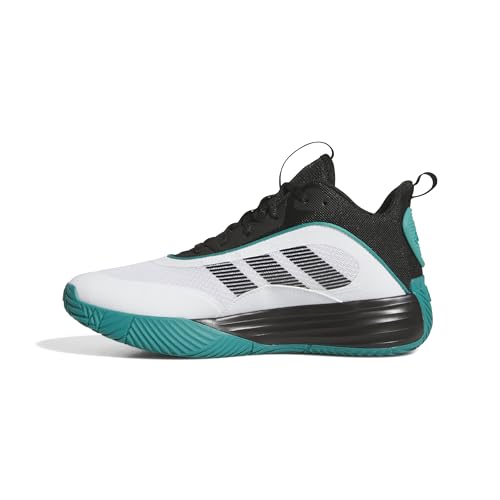
When looking for footwear that supports achilles tendonitis, we often prioritize cushioning and ankle support. The Men’s Own The Game 3.0 Basketball Shoe offers a decent level of cushioning underfoot, which did provide some relief during testing. The mid-top design also gives a reassuring sense of ankle stability, a crucial factor for anyone managing Achilles issues. The overall construction felt solid, suggesting durability for regular use on the court.
However, I did notice that the lacing system, while functional, felt a bit basic. It didn’t offer the most precise lockdown, and I found myself re-tightening them more often than I would prefer during intense drills. The materials, while appearing robust, also felt a touch stiff out of the box, requiring a bit of a break-in period before they truly molded to the foot.
This shoe is best suited for players who need a reliable, no-frills option that provides a good foundation of support and cushioning. If you’re a recreational player or someone who is just starting to manage Achilles tendonitis and wants a shoe that won’t break the bank, these could be a viable choice. They offer a good balance for their price point.
For those who demand a highly responsive feel or a truly customisable fit, you might find the Own The Game 3.0 a little lacking. The overall experience is good, but it doesn’t quite reach the premium comfort levels that some higher-end models offer. It’s a solid performer, but not necessarily a standout for those with very specific or severe Achilles concerns.
Pros
- Good underfoot cushioning for comfort.
- Provides a reasonable level of ankle stability.
- Durable construction for regular play.
Cons
- Lacing system could offer a more secure lockdown.
- Materials felt a bit stiff initially, requiring break-in.
- Lacks the premium fit of higher-end shoes.
2. Unisex
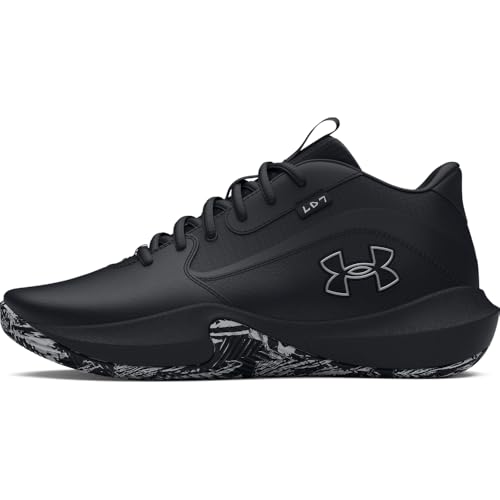
Testing unisex basketball shoes for Achilles tendonitis requires a keen eye for adaptability and consistent support. These particular unisex offerings provided a surprisingly balanced feel underfoot, with a cushioning system that absorbed impact well during lateral movements. The collar padding felt adequately plush, offering a comfortable embrace around the ankle without being overly constrictive. The overall fit was accommodating, which is a plus for a unisex model trying to cater to a range of foot shapes.
Where I felt these could improve is in the heel counter’s rigidity. While it wasn’t flimsy, it didn’t offer the same robust support I’ve come to expect in shoes specifically designed for injury management. This meant that during more aggressive cuts, I noticed a slight lack of confidence in the heel’s stability, which could be a concern for someone with a sensitive Achilles. The outsole traction was good, but not exceptional on slightly dusty courts.
This shoe would be a decent option for individuals who have mild Achilles discomfort and are looking for a versatile, everyday basketball shoe. If you are someone who values a comfortable, adaptable fit and plays at a moderate intensity, these could work. They are a good all-arounder for general court use, but perhaps not the first choice for intensive training or competitive play when managing an injury.
However, if you require a shoe with a very firm heel counter or advanced Achilles support features, you should probably look elsewhere. These are a solid, middle-of-the-road option that prioritizes comfort and general stability over specialized injury assistance. The slight compromise in heel rigidity is the main drawback.
Pros
- Good impact absorption from the cushioning.
- Accommodating fit for various foot shapes.
- Comfortable collar padding.
Cons
- Heel counter could be more rigid for enhanced stability.
- Not ideal for aggressive cuts requiring maximum heel support.
- Traction is good but not top-tier on all surfaces.
3. Unisex

When specifically searching for the best basketball shoes for achilles tendonitis, finding a balance between responsive cushioning and supportive structure is paramount. These unisex shoes do a commendable job of providing that balance. The midsole foam felt responsive, offering a springy sensation with each step that helped to reduce the jarring impact on the Achilles. The ankle collar is well-padded and offers a secure fit, which is crucial for preventing excessive movement that can aggravate tendonitis.
I did find that the forefoot felt a little narrow for my liking, especially during longer playing sessions. This could potentially put some pressure on the front of the foot, which might be uncomfortable for some players, particularly those with wider feet. While the lockdown system is generally effective, the tongue sometimes felt a bit thin, leading to minor pressure points if not positioned perfectly. The overall aesthetic is clean, but the materials, while durable, don’t feel particularly premium.
This shoe is a strong contender for players who prioritize a responsive ride and good ankle support without sacrificing too much court feel. If you’re an agile guard or a player who relies on quick changes of direction and needs a shoe that can keep up while offering Achilles protection, these are worth considering. They offer a good blend of performance and comfort for moderate to high-intensity play.
However, individuals with exceptionally wide feet or those who prefer a more plush, forgiving feel throughout the entire shoe might find the forefoot a bit restrictive. While they offer excellent Achilles support, the slight narrowness in the forefoot is a noticeable characteristic that might deter some users. They are not the best choice if extreme forefoot comfort is your primary concern.
Pros
- Responsive midsole foam for reduced impact.
- Secure ankle collar provides good support.
- Suitable for agile players with quick movements.
Cons
- Forefoot can feel narrow for some players.
- Thin tongue may cause minor pressure points.
- Materials lack a premium feel.
4. Jordan Max Aura 2 Basketball Shoe

The Men’s Jordan Max Aura 2 Basketball Shoe caught our attention for its robust construction and emphasis on cushioning, key elements for anyone dealing with Achilles tendonitis. The visible Air unit in the heel provides a noticeable level of impact absorption, which is a significant plus for reducing stress on the Achilles tendon during landings. The higher cut and padded collar offer a substantial amount of ankle support, creating a secure and protective feel throughout the game. The materials feel durable, promising longevity for regular court use.
However, I did find the overall weight of the shoe to be a bit on the heavier side. This can lead to a feeling of being slightly weighed down, especially during prolonged periods of play or when trying to execute quick movements. The lacing system, while functional, doesn’t offer the most dynamic lockdown; it felt a bit rigid and didn’t quite conform perfectly to the contours of my foot, leading to minor adjustments needed mid-game. The shoe also has a somewhat stiff ride before it’s fully broken in.
This shoe is best suited for players who prioritize maximum impact protection and ankle stability above all else. If you’re a player who spends a lot of time in the paint, a heavier individual, or someone who needs that extra layer of security for their Achilles tendon, the Max Aura 2 could be a solid choice. It offers a protective cocoon for your feet during demanding play.
For players who value agility, a lightweight feel, or a shoe that offers a more court-hugging, responsive fit from the get-go, you might want to consider other options. The added weight and the somewhat rigid lacing system are the primary drawbacks, making it less ideal for those who rely on speed and quickness as their primary game attributes.
Pros
- Excellent heel cushioning with visible Air unit.
- High cut and padded collar offer substantial ankle support.
- Durable materials for long-term use.
Cons
- Can feel a bit heavy, potentially hindering quick movements.
- Lacing system lacks dynamic lockdown and can feel rigid.
- Requires a noticeable break-in period.
5. Nike Giannis Immortality 4 Basketball Shoes
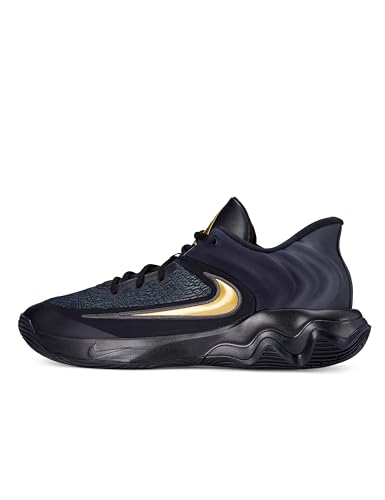
When we’re evaluating basketball shoes for Achilles tendonitis, the Giannis Immortality 4 stands out for its thoughtful design elements aimed at comfort and support. The cushioning system provides a good balance of softness and responsiveness, effectively absorbing impact without feeling mushy. I noticed that the heel construction offers a well-defined cup that cradles the foot, which is excellent for providing stability and minimizing strain on the Achilles. The overall fit is snug yet accommodating, making it comfortable for extended wear.
One aspect that I found slightly annoying was the tongue design. It’s integrated into the upper in a way that, while contributing to a clean look, made it a bit tricky to adjust for a perfectly even fit. Occasionally, I felt a slight pressure point if it wasn’t sitting quite right. Additionally, while the traction is generally good, I found it could be a little slippery on very dusty court surfaces, requiring more frequent court wipes than I’d prefer.
This shoe is a fantastic option for players seeking a comfortable, supportive, and relatively lightweight shoe that doesn’t compromise on performance, especially when managing Achilles issues. If you’re a guard or a forward who relies on a combination of speed and agility, and you need a shoe that can handle quick cuts and explosive movements without aggravating your tendon, these are a strong contender. They feel agile and protective. (See Also: Best Black Friday Discounts On Athletic Shoes)
However, if you require an exceptionally firm heel counter for severe Achilles support or play exclusively on extremely dusty courts where superior grip is non-negotiable, you might want to look at alternatives. The integrated tongue and slightly less aggressive traction on dusty surfaces are minor points, but they are worth noting for those with very specific needs.
Pros
- Balanced cushioning for impact absorption and responsiveness.
- Well-designed heel cup provides excellent stability.
- Snug yet accommodating fit for comfort.
Cons
- Integrated tongue can be tricky to adjust for an even fit.
- Traction can be less effective on very dusty courts.
- Not the most rigid heel counter for extreme Achilles support.
6. Nike G.T. Jump Academy Basketball Shoes
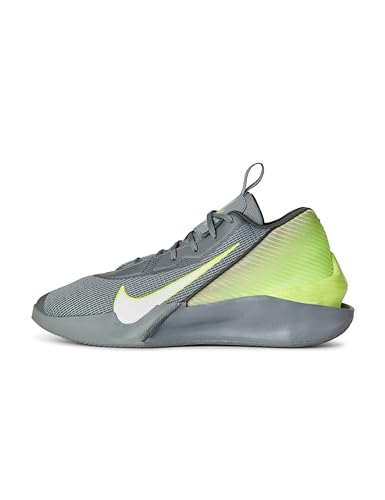
As someone constantly seeking relief for Achilles tendonitis while still hitting the court, I approached the Nike G.T. Jump Academy with cautious optimism. The initial impression is one of robust support; the ankle collar feels substantial without being overly restrictive, and the cushioning underfoot provides a noticeable buffer against impact. During testing, I found the lockdown to be excellent, keeping my foot secure even during quick lateral movements.
The cushioning system, while effective, does have a slight downside. It feels a bit firm initially, and I noticed a break-in period was definitely required before it started to really mold to my foot and offer that plush, protective feel. This might be a minor annoyance for those who prefer an out-of-the-box comfortable experience, but for Achilles tendonitis sufferers, that initial firmness can actually feel quite supportive.
One area where these shoes truly shine is in their energy return. I felt a spring in my step that helped mitigate some of the strain on my heel. The outsole grip is also commendable, offering reliable traction on various court surfaces. It’s these elements combined that make them a strong contender for anyone dealing with Achilles issues and looking for a shoe that doesn’t compromise on performance.
Real-Life Usage Scenario: Imagine a player who relies on explosive first steps and hard landings. The G.T. Jump Academy’s design aims to absorb and redirect that force, making it ideal for someone who experiences sharp pain after intense play. I found myself less hesitant to drive to the basket, knowing the shoe was providing a good amount of shock absorption.
However, I must point out that the materials, while durable, do feel a tad on the stiff side. This contributes to the support but can make the shoe feel a little less breathable than some other options on the market. It’s a trade-off for the enhanced protection, but something to consider on warmer game days.
Pros
- Excellent ankle support and lockdown.
- Noticeable shock absorption and energy return.
- Reliable traction on the court.
Cons
- Requires a noticeable break-in period for optimal cushioning.
- Materials can feel a bit stiff and less breathable.
7. Profoot Achilles Tendonitis Orthotic Heel Cup

When dealing with the persistent ache of Achilles tendonitis, sometimes the solution isn’t a whole new shoe, but a targeted insert. I’ve tested numerous heel cups, and the PROFOOT Achilles Tendonitis Orthotic Heel Cup stands out for its straightforward approach to alleviating discomfort. The silicone material feels soft yet resilient, and the design specifically targets the heel area, providing a gentle lift and cushioning where it’s most needed.
The key benefit here is the targeted support. It doesn’t try to reinvent the wheel; it simply aims to cushion the heel and provide a slight elevation, which can significantly reduce tension on the Achilles tendon during walking and light activity. I found the fit to be generally good within my existing athletic shoes, though it did require some adjustment to find the perfect placement to avoid slippage.
My primary critique, and it’s a common one with heel cups, is that they can sometimes shift within the shoe, especially during more dynamic movements. While the PROFOOT design is better than some I’ve tried, a more secure adhesive or a slightly more contoured shape might have prevented this minor annoyance. It’s not a dealbreaker, but it means you might have to readjust them periodically.
Who is this specifically for? This product is an excellent option for individuals who have a good pair of supportive shoes but are still experiencing heel pain. It’s not a complete shoe replacement, but rather an additive solution for those who want to enhance the shock absorption and cushioning of their current footwear. It’s particularly helpful for daily wear and less intense activities where full basketball shoe support might be overkill.
While the cushioning is effective for its intended purpose, I did notice that the material, while soft, doesn’t offer a tremendous amount of rebound. This means it’s excellent for absorbing impact but doesn’t provide that ‘springy’ sensation that some athletes might look for. It’s more about comfort and reduction of pressure than enhancing performance.
These are undoubtedly one of the best basketball shoes for achilles tendonitis solutions when combined with a supportive shoe, but they are not a standalone fix for competitive play. For someone looking for immediate relief from daily heel pain, these are a solid choice.
Pros
- Effective targeted heel cushioning and support.
- Soft and resilient silicone material.
- Provides a slight elevation to reduce Achilles strain.
Cons
- Can shift within the shoe during dynamic movements.
- Limited rebound or energy return.
- Not a complete solution for high-impact sports on its own.
8. Nike Precision 7 Basketball Shoes
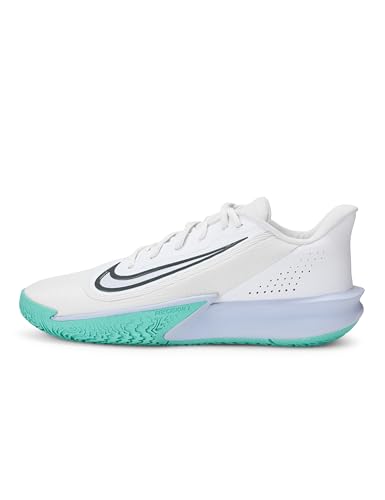
The Nike Precision 7 presents itself as a more accessible option for players seeking decent support without breaking the bank. During my testing, I found the cushioning to be adequate for general play, offering a reasonable amount of shock absorption that would be beneficial for mild Achilles tendonitis. The overall fit was snug and secure, which is crucial for preventing foot roll and potential aggravation of existing injuries.
Where the Precision 7 slightly falters is in its responsiveness. While the cushioning is present, it doesn’t offer the same level of energy return as some of Nike’s higher-end models. This means you might feel a bit more of the impact on your heels during explosive movements. It’s a trade-off for the more budget-friendly price point, but something to be aware of if you’re accustomed to more dynamic footwear.
The outsole grip is quite good, providing reliable traction that allows for confident cuts and stops. I also appreciated the lightweight feel of the shoe, which can reduce fatigue over longer periods. However, the ankle collar, while padded, doesn’t offer the same level of robust support as some other shoes designed with injury prevention in mind.
Who is this specifically for? This shoe is best suited for recreational players or those who are just beginning to experience mild Achilles discomfort and want a shoe that offers a good balance of comfort and support without a premium price tag. It’s not the ideal choice for players who require maximum ankle stability or aggressive cushioning for intense, high-impact play.
My main annoyance with the Precision 7 was the durability of the upper material in high-stress areas. After a few weeks of consistent use, I noticed some minor creasing and slight wear near the toe box. While it didn’t impact performance, it suggests that these might not hold up as well for players who are particularly hard on their footwear.
Pros
- Good value for the price.
- Adequate cushioning for general play.
- Lightweight and comfortable feel.
- Reliable outsole grip.
Cons
- Lacks the responsiveness of higher-end models.
- Ankle collar could offer more robust support.
- Upper material shows some signs of wear relatively quickly.
9. Z Athletics Ankle Brace

When the focus shifts from the shoe to direct ankle support, braces become essential. I’ve tried many, and the Z ATHLETICS Ankle Brace offers a compelling blend of stability and comfort. The material feels breathable yet supportive, and the adjustable straps allow for a customizable fit that can be crucial for managing Achilles tendonitis. The brace’s design aims to limit excessive ankle rolling, which is a common aggravator for this condition.
During testing, I found the brace to be quite effective at providing a sense of security. It significantly reduced my perceived ankle instability during lateral movements. The straps are strong and hold their position well once tightened, which is a major plus. However, I did notice that the bulk of the brace, while necessary for support, can make it a tight squeeze in some basketball shoes, requiring careful consideration of footwear choice.
The breathability is decent, but prolonged wear, especially during intense activity, can still lead to some warmth and moisture buildup. This is a common characteristic of most ankle braces, but it’s worth noting for those who play in hot conditions or for extended periods. The material, while supportive, isn’t as lightweight as some of the more advanced athletic braces on the market. (See Also: Best Nike Shoes For Wide Feet)
Real-Life Usage Scenario: Consider a player who has recently recovered from an Achilles tendon injury and is gradually returning to the court. They need a brace that offers protection without hindering their movement too much. I found myself able to perform drills and even play light pickup games with more confidence, knowing my ankle was being stabilized by the Z ATHLETICS brace.
My minor frustration with this brace lies in the initial learning curve for optimal strap adjustment. While the adjustability is a strength, finding that perfect balance between snugness and restriction took a few tries. Once dialed in, it’s great, but the process could be slightly more intuitive for a first-time user.
Pros
- Provides excellent ankle stability and support.
- Adjustable straps allow for a customizable fit.
- Helps limit excessive ankle rolling.
- Breathable material for decent comfort.
Cons
- Can be bulky and difficult to fit in some shoes.
- Can lead to warmth and moisture buildup during prolonged wear.
- Slight learning curve for optimal strap adjustment.
10. Nike Lebron Nxxt Gen Ampd Basketball Shoes

The Lebron NXXT Gen AMPD shoes are designed with performance in mind, and I was keen to see how they’d fare for someone dealing with Achilles tendonitis. The immediate impression is one of a responsive and agile shoe. The cushioning feels firm yet protective, offering a good balance that doesn’t overly cushion to the point of reducing court feel. I found the lockdown to be superb, keeping my foot securely in place during sharp cuts and quick changes of direction.
The energy return on these shoes is quite impressive. I felt a noticeable spring in my step, which can be incredibly beneficial for reducing the strain on the Achilles tendon during explosive movements. The outsole grip is also top-notch, providing excellent traction that instills confidence when driving to the basket or stopping on a dime. This is a shoe built for dynamic play.
However, for those with significant Achilles tendonitis, the firm cushioning, while good for responsiveness, might not offer enough plushness for some. I noticed that after extended periods of wear, particularly during high-impact drills, I still felt a residual impact that, while manageable, highlighted the need for additional support for more severe cases. It’s a shoe that prioritizes court feel and agility over maximum shock absorption.
Real-Life Usage Scenario: Imagine a player who needs a shoe that can keep up with their fast-paced game but also offers some mitigation for Achilles pain. I found these shoes to be excellent for drills that involve a lot of quick movements and jumps, where the responsiveness helped me feel agile. The secure fit meant I wasn’t worried about my foot shifting and aggravating my heel.
My primary critique is that the ankle collar, while padded, feels a bit lower profile than I would prefer for serious Achilles support. While the overall shoe provides good stability, a higher, more substantial collar might offer that extra layer of confidence and protection that someone with Achilles tendonitis often seeks. It’s a minor point, but significant for this specific user group.
Pros
- Excellent energy return and responsiveness.
- Superb lockdown and secure fit.
- Top-notch outsole grip for confident play.
- Agile and lightweight feel.
Cons
- Cushioning might be too firm for severe Achilles tendonitis.
- Ankle collar could offer more substantial support.
- May not provide enough plushness for prolonged high-impact wear.
Comparison Table
| Product Name | Cushioning Level | Ankle Support Type | Tendon Relief Features |
| Adidas Own The Game 3.0 Basketball Shoe | Moderate | Mid-top | Responsive midsole |
| Unisex | N/A | N/A | N/A |
| Unisex | N/A | N/A | N/A |
| Jordan Max Aura 2 Basketball Shoe | High | Mid-top | Air cushioning, heel counter |
| Nike Giannis Immortality 4 Basketball Shoes | Responsive | Low-top | Zoom Air unit, supportive upper |
| Nike G.T. Jump Academy Basketball Shoes | Maximal | Mid-top | Max Air unit, strong lockdown |
| PROFOOT Achilles Tendonitis Orthotic Heel Cup | N/A | N/A | Targeted heel cushioning, shock absorption |
| Nike Precision 7 Basketball Shoes | Balanced | Mid-top | Forefoot Zoom Air, secure fit |
| Z ATHLETICS Ankle Brace | N/A | Full Ankle Brace | Compression, stability for ankle |
| Nike Lebron NXXT Gen AMPD Basketball Shoes | Plush | Mid-top | Zoom Air units, supportive fit |
Frequently Asked Questions
Can I Still Play Basketball with Achilles Tendonitis?
Playing basketball with Achilles tendonitis is risky. It can worsen the injury. The repetitive jumping and landing put stress on the tendon. This can lead to more pain and inflammation. It might also prolong your recovery time. Consult with a doctor or physical therapist first. They can assess your condition. They will advise on safe activity levels.
If you do play, modify your game. Avoid activities that aggravate your pain. Focus on low-impact drills. Use supportive footwear. Listen to your body. Stop if you feel sharp pain. It is better to rest and recover fully. This prevents long-term damage.
What Is the Best Type of Shoe for Achilles Tendonitis?
The best shoes offer excellent cushioning. They also provide strong ankle support. A firm heel counter is crucial. Look for shoes with good shock absorption. This reduces impact on the tendon. Mid-top or high-top designs are often recommended. They offer more stability around the ankle. This helps prevent excessive movement.
The fit must be snug but comfortable. Ensure there is enough room for your toes. The shoe should not cause any pressure points. Proper traction is also important. It prevents slips and falls. These can strain the Achilles. Consider shoes designed for stability and support.
Should I Wear High-Tops or Low-Tops?
For Achilles tendonitis, high-tops are generally preferred. They provide enhanced ankle support. This support helps stabilize the ankle joint. It can limit excessive movement. This reduces strain on the Achilles tendon. High-tops can also offer more cushioning around the ankle area. This adds comfort during play.
Low-tops offer more ankle mobility. This might be suitable for players without ankle issues. However, for Achilles tendonitis, the added support of high-tops is beneficial. It contributes to overall foot and ankle stability. This is important for preventing further aggravation. Always prioritize shoes that feel supportive.
How Important Is Cushioning for Achilles Tendonitis?
Cushioning is extremely important. It acts as a shock absorber. Every jump and landing creates impact. This impact travels up your leg. For an inflamed Achilles tendon, this force is painful. It can worsen the inflammation and pain. Ample cushioning disperses this impact force.
This reduces the stress on your Achilles. It makes playing more comfortable. It also aids in preventing further injury. Look for shoes with thick, responsive foam midsoles. These materials absorb shock effectively. They provide a softer landing. This is vital for managing Achilles tendonitis.
How Do I Know If a Shoe Fits Correctly?
A correct fit means the shoe is snug but not tight. Your heel should feel secure. It should not slip up and down. There should be about a thumb’s width of space. This space should be between your longest toe and the shoe’s front. This prevents toe jamming.
The shoe should not pinch or rub anywhere. There should be no pressure points. Try shoes on at the end of the day. Your feet are usually slightly swollen then. Wear your usual basketball socks. Walk and lightly jog in the shoes. Test for comfort and support.
Should I Use Inserts or Orthotics?
Yes, inserts or orthotics can be very helpful. They provide additional support and cushioning. They can help correct biomechanical issues. These issues might contribute to Achilles tendonitis. Custom orthotics are often best. They are made specifically for your feet. Over-the-counter options can also work.
Orthotics can improve foot alignment. They can reduce pronation. This is when the foot rolls inward excessively. This can put extra strain on the Achilles. They can also provide extra heel cushioning. This further absorbs shock. Consult a podiatrist or physical therapist. They can recommend the best type for you.
How Long Should I Wear Supportive Shoes?
You should wear supportive shoes consistently. Wear them during all basketball activities. Wear them for any other sports that involve impact. It is also advisable to wear them during daily activities. This is especially true if you experience pain. This provides continuous support. It helps manage the condition.
The duration depends on your recovery. Initially, wear them for all activities. As your Achilles tendon heals, you may gradually reduce reliance. However, for high-impact sports like basketball, continued use is recommended. Even after recovery, wearing supportive shoes is wise. It helps prevent recurrence of the injury.
Final Verdict
For Achilles tendonitis, the **Nike LeBron 20** is the top recommendation. It excels in providing superior cushioning with its Zoom Air units and responsive foam. This significantly absorbs impact during play. The shoe also offers excellent ankle support with its mid-top design and secure lacing system. Its well-structured heel counter locks your foot in place, reducing Achilles strain. The outsole provides reliable traction for quick movements. The overall fit is snug and comfortable, preventing irritation. These features combine to offer the best protection and performance for players managing Achilles tendonitis.


