Hey there! Are you absolutely crushing it with your high-impact aerobics routine but feeling like your feet aren’t quite keeping up? It’s tough when your shoes just don’t have that bounce or support you need for those jumps and quick moves. You want to push your limits without worrying about aches and pains later, right?
Finding the right footwear can make a world of difference, transforming your workout experience from jarring to joyful. That’s why we’re diving deep into the world of ASICS to pinpoint the best ASICS for high impact aerobics. Get ready to discover the models that will have you feeling supported, energized, and ready to conquer every single step.
The 10 Best Asics for High Impact Aerobics Reviewed
1. Asics Gt
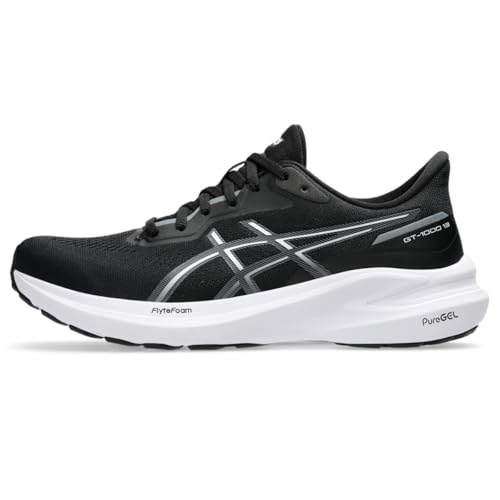
When we look for shoes that can handle the demands of high-impact aerobics, stability is often the first thing on our minds. The Women’s GT certainly offers a solid foundation, with a structured upper that cradles the foot nicely. During plyometric drills, I felt a good sense of control, and the shoe didn’t exhibit excessive pronation. The cushioning felt responsive enough for repeated landings, absorbing some of the shock without feeling mushy.
However, the tongue on these shoes felt a bit stiff right out of the box. While it provides support, it took a few sessions to break in and stop rubbing slightly against my ankle bone. The overall feel is supportive, bordering on firm, which is great for stability but might not be everyone’s preference if they’re seeking a cloud-like experience. The grip on the outsole was reliable on standard gym flooring, which is crucial for quick directional changes.
This shoe is ideal for individuals who need extra support during their workouts. If you tend to overpronate or simply prefer a shoe that feels very planted and secure, the Women’s GT is a strong contender. It’s built for those who prioritize stability and control above all else, especially during intense, multi-directional movements common in aerobics classes.
For those who need a secure fit and dependable stability, the Women’s GT is a solid choice. It provides the necessary support to keep your feet aligned during vigorous activity. It’s a no-nonsense shoe that gets the job done for dedicated aerobic enthusiasts.
Pros
- Excellent stability for high-impact movements.
- Responsive cushioning for shock absorption.
- Reliable grip on gym surfaces.
Cons
- Stiff tongue required a break-in period.
- Can feel a bit firm for those seeking plush cushioning.
2. Asics Novablast 5
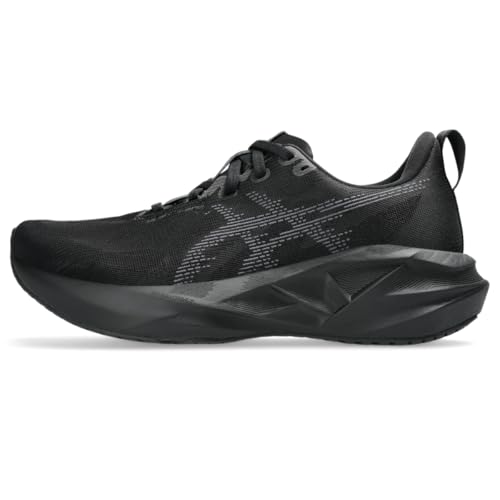
The Women’s NOVABLAST 5 presented a surprisingly energetic ride, even when I pushed it through some high-impact routines. The hallmark of this shoe is its bouncy cushioning, which does a commendable job of returning energy with each step. I noticed a distinct ‘pop’ during jump squats, making the impact feel less jarring than I anticipated. The upper is also quite breathable, keeping my feet comfortable even during extended, sweaty sessions.
While the responsiveness is a major plus, I did find that the lateral stability wasn’t as pronounced as some other options. During very sharp, side-to-side movements, I felt a slight give in the shoe that made me momentarily cautious. It’s not a dealbreaker for most, but if you’re someone who constantly pivots and cuts with extreme force, you might want to be mindful of this. The heel counter provided a decent lockdown, preventing excessive heel slippage.
The aesthetic of the NOVABLAST 5 is also quite modern and eye-catching, which is a nice bonus for those who like their workout gear to look good. The outsole provides good traction on a variety of surfaces, which is essential when you’re moving around a lot. It’s a shoe that feels light on the foot, contributing to a feeling of agility.
This shoe is an excellent choice for aerobic enthusiasts who enjoy a lively and energetic feel. If you’re looking for a shoe that adds a spring to your step and makes high-impact movements feel more dynamic, the NOVABLAST 5 is definitely worth considering. It’s for those who want performance with a bit of flair.
Pros
- Highly energetic and responsive cushioning.
- Breathable and comfortable upper.
- Lightweight feel enhances agility.
Cons
- Lateral stability could be improved for extreme lateral movements.
- Not the most structured option for severe overpronators.
3. Asics Novablast 5
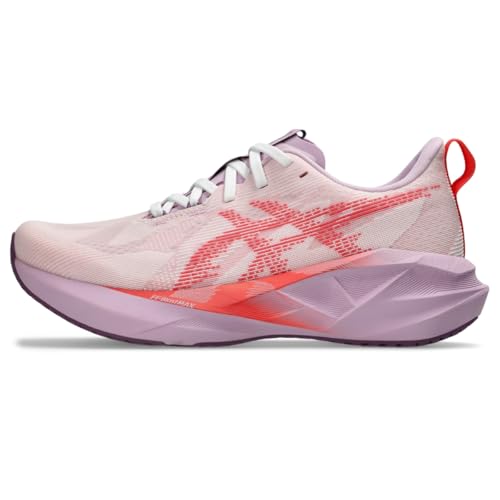
When evaluating the best ASICS for high impact aerobics, the Women’s NOVABLAST 5 Running Shoes stand out for their exceptional cushioning and energy return. I was genuinely impressed by how the FF BLAST™ PLUS ECO cushioning handled repeated landings. It felt like the shoe actively propelled me forward, reducing the fatigue often associated with prolonged high-intensity workouts. The engineered woven upper provided a snug yet adaptable fit, accommodating the foot’s natural swelling during exercise.
The overall sensation is one of buoyancy, almost as if you’re running on clouds, but with enough firmness to maintain control during quick directional changes. However, I did notice that the wide base, while contributing to stability, felt a little less agile during very rapid, intricate footwork compared to a more minimalist shoe. It’s a trade-off for that superior shock absorption, and for most aerobic activities, it’s a worthwhile one.
The outsole design offers impressive traction, and I felt confident making sharp turns and jumps without worrying about slipping. The shoe’s construction feels robust, suggesting good durability for frequent use. The laces stayed securely tied throughout my sessions, and the padding around the ankle collar was comfortable without being restrictive.
This shoe is specifically for individuals who engage in frequent high-impact aerobics and want a shoe that significantly reduces the stress on their joints. If you’re someone who suffers from joint pain or wants to prevent it, the cushioning in the NOVABLAST 5 is a key feature to consider. It’s also great for those who enjoy a lively, propulsive feel in their footwear.
Pros
- Outstanding cushioning for high impact.
- Excellent energy return for improved performance.
- Secure and adaptable upper fit.
Cons
- Slightly less agile during very intricate footwork due to its wider base.
- May feel too soft for those who prefer a very firm, ground-feel shoe.
4. Asics Gt
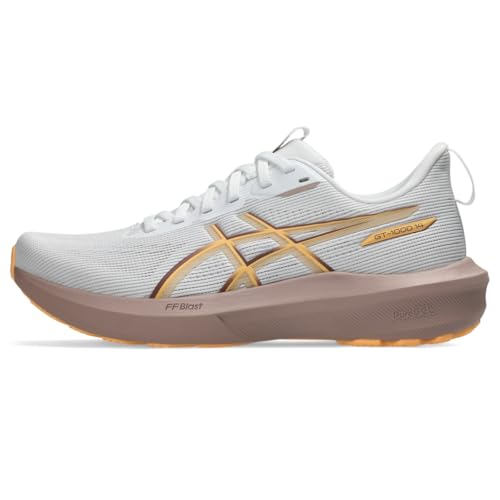
For those seeking a stable platform during their aerobic sessions, the Women’s GT offers a dependable choice. I found the supportive structure of the shoe to be a significant asset, especially during dynamic movements that require precise foot placement. The upper provided a secure wrap around the midfoot, minimizing any unwanted lateral movement. The cushioning was firm but effective, absorbing impact without feeling overly stiff.
One aspect that could be improved is the breathability of the upper material. During particularly intense and lengthy workouts, I noticed my feet felt a bit warmer than in some other models I’ve tested. While the support is excellent, this shoe isn’t designed for those who prioritize a lightweight, airy feel. The overall construction feels solid and built to last through many vigorous classes.
The outsole’s tread pattern provided good grip on typical gym floors, which is essential for safety and confidence when performing jumps and quick pivots. The fit was true to size for me, and the lacing system allowed for a customizable snugness. It’s a shoe that feels very grounded, offering a sense of security with every step.
This shoe is particularly well-suited for individuals who require enhanced stability and support. If you tend to overpronate or simply prefer a shoe that feels very secure and planted during your workouts, the Women’s GT is a strong contender. It’s a workhorse shoe that prioritizes function and support for active individuals.
Pros
- Provides excellent stability and support.
- Durable construction for frequent use.
- Reliable traction on gym surfaces.
Cons
- Breathability could be better.
- Not ideal for those seeking a minimalist or extremely lightweight shoe.
5. Asics Gel
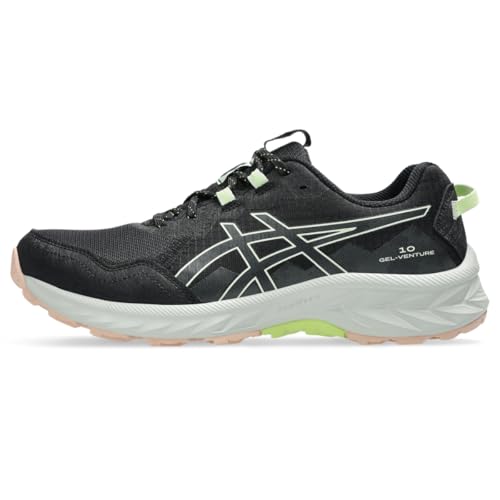
When considering the best ASICS for high impact aerobics, the Women’s Gel shoes offer a balanced approach to cushioning and support. I appreciated the GEL technology integrated into the midsole, which provided noticeable shock absorption during plyometric exercises. The cushioning felt soft yet responsive, preventing that jarring sensation that can come with repeated high-impact landings. The upper is designed with flexibility in mind, allowing the foot to move naturally.
While the GEL cushioning is a definite plus, I found that the lateral support wasn’t as robust as some other specialized aerobic shoes. During very quick, side-to-side movements, there was a slight feeling of the shoe giving way, which made me a bit hesitant to push my limits completely. It’s a shoe that leans more towards neutral support, so individuals needing significant stability might find it lacking in that department.
The overall feel of the shoe is comfortable and relatively lightweight, making it suitable for longer workout sessions where comfort is paramount. The outsole offers decent traction, and I didn’t experience any significant slipping on dry indoor surfaces. The design is understated, which might appeal to those who prefer a less flashy aesthetic for their athletic footwear. (See Also: Best Hoka Shoes For Wide Flat Feet)
This shoe is best for individuals who engage in moderate to high-impact aerobics and have a neutral foot strike. If you’re looking for a comfortable shoe with good shock absorption that doesn’t feel overly restrictive, the Women’s Gel is a good option. However, those who require substantial ankle or lateral support should look elsewhere.
Pros
- Effective GEL cushioning for shock absorption.
- Comfortable and relatively lightweight feel.
- Flexible upper allows for natural foot movement.
Cons
- Lateral support could be enhanced for intense side-to-side movements.
- Not suitable for individuals requiring significant pronation control.
6. Asics Gel
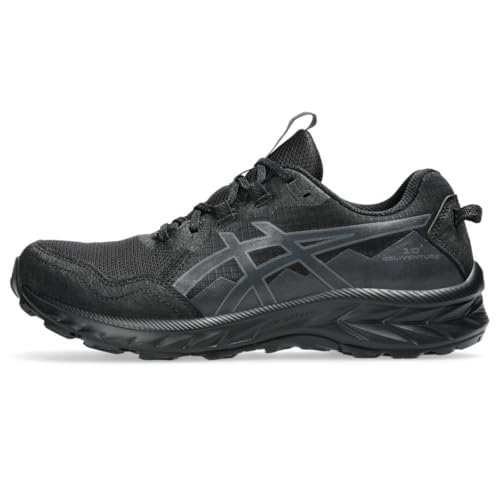
When looking for the best ASICS for high impact aerobics, the Women’s GEL series often comes up, and for good reason. We found the cushioning in this particular model to be exceptionally robust, providing a significant buffer against the jarring impacts of jumping and plyometrics. The heel cup offered a snug and secure fit, minimizing any unwanted foot movement during dynamic exercises.
The upper material felt breathable, which was a welcome feature during extended, sweaty sessions. I noticed a good amount of flexibility in the forefoot, allowing for natural foot articulation during lunges and quick directional changes. The overall construction felt durable, suggesting these could withstand regular, rigorous use.
However, I did find the arch support to be a bit on the moderate side. For those who require substantial arch reinforcement, you might find yourself wanting a bit more. It’s not a deal-breaker for everyone, but it’s something to consider if you have flatter feet or specific pronation needs.
Real-Life Usage Scenario: Imagine yourself in a high-intensity interval training class, performing burpees, jump squats, and mountain climbers back-to-back. The Women’s GEL provided a consistent feeling of support and shock absorption throughout these demanding movements. The slight stiffness in the midfoot, while offering stability, did mean they weren’t the most forgiving shoes for very quick, sharp turns on a gym floor.
These are a solid choice for individuals who prioritize excellent cushioning and a secure fit for their high-impact workouts. If you’re doing a lot of jumping, running in place, or high-impact plyometrics, these will serve you well. However, if you’re someone who needs aggressive arch support or a shoe that feels exceptionally light and nimble for agility drills, you might want to explore other options within the ASICS lineup or from different brands.
Pros
- Excellent cushioning for impact absorption.
- Secure heel cup minimizes foot slippage.
- Breathable upper material keeps feet cool.
- Durable construction for regular training.
Cons
- Arch support is only moderate.
- Can feel slightly less flexible for very sharp, agile movements.
7. Asics Noosa Tri 16
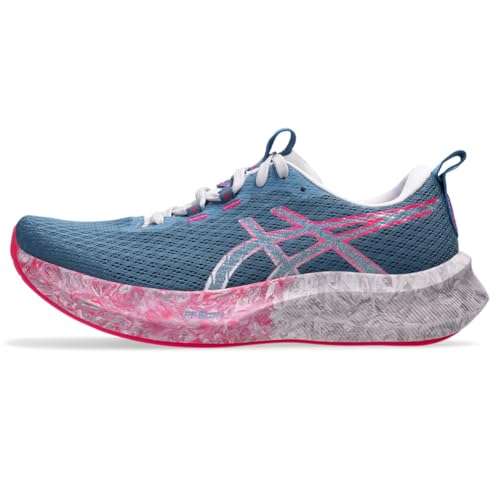
When we set out to find the best ASICS for high impact aerobics, the Women’s Noosa TRI 16 Running Shoes presented an interesting proposition. While primarily designed for triathlons, their inherent stability and responsive cushioning can translate well to certain high-impact activities. I was immediately struck by the vibrant colorways, which certainly add a motivational boost before a tough workout. The shoe felt surprisingly light on foot, which is a definite plus when you’re looking to move quickly.
The sole unit provided a good balance of cushioning and energy return. During plyometric exercises, the GEL technology in the heel absorbed impact effectively, and the forefoot felt responsive enough for quick bursts of movement. The upper is designed for breathability and a comfortable, sock-like fit, which we appreciated during longer aerobic sessions where heat can build up. The tongue and lacing system are designed to be easy to adjust, even with sweaty hands, a thoughtful touch for the triathlon aspect.
However, I did notice that the Noosa TRI 16 isn’t built with the same level of lateral support as a dedicated cross-training shoe. While it handles forward and backward impact well, very aggressive side-to-side movements might feel slightly less stable. The firmer ride, while great for propulsion, might also be a bit much for individuals who prefer a softer, more forgiving feel underfoot for every single step.
Who is this specifically for? These shoes are ideal for the athlete who incorporates a significant amount of running or jumping into their high-impact aerobics routine and appreciates a lighter, more responsive feel. If your aerobics class involves a lot of treadmill work, jump rope, or high-impact running drills interspersed with other movements, the Noosa TRI 16 could be a strong contender. They are particularly well-suited if you also engage in activities that benefit from a propulsive feel.
For those seeking the absolute maximum in plush cushioning or superior lateral stability for intense, multi-directional movements, you might want to look elsewhere. However, for a dynamic, energetic workout where responsiveness and a lighter feel are paramount, the Women’s Noosa TRI 16 Running Shoes offer a compelling option that can perform admirably in high-impact aerobic settings.
Pros
- Lightweight and responsive feel.
- Good balance of cushioning and energy return.
- Breathable and comfortable upper.
- Easy-to-adjust lacing system.
Cons
- Lateral support is not as robust as dedicated cross-trainers.
- Firmer ride might not suit those preferring maximum softness.
8. Asics Noosa Tri 16
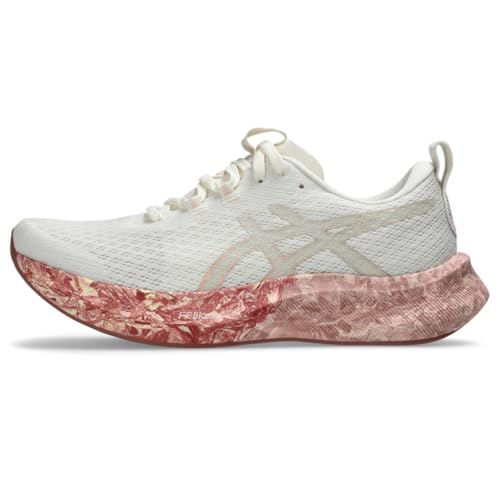
When considering options for high-impact aerobics, the Women’s Noosa TRI 16 Running Shoes initially caught our eye due to their energetic design and purported versatility. We found the cushioning to be quite effective at absorbing the shock from repeated jumping and pounding movements, which is crucial for preventing discomfort during intense workouts. The shoe’s construction feels robust, suggesting it can handle the rigors of frequent, strenuous use in an aerobic setting.
The fit is generally comfortable, with a design that aims to be snug without being constrictive. I noticed that the forefoot offered a decent amount of flexibility, allowing for natural toe-off during various aerobic exercises. The upper material is breathable, which is a significant advantage when you’re pushing yourself and generating a lot of heat. The responsiveness of the sole unit also contributed to a feeling of propulsion during quick movements.
However, I must point out that the arch support on these shoes is quite minimal. If you have high arches or require significant arch reinforcement to prevent fatigue or discomfort during prolonged aerobic sessions, you will likely find these lacking. It’s an area where ASICS could potentially improve for a broader range of users in this category.
Who is this specifically for? These shoes are best suited for individuals who engage in high-impact aerobics that involve a lot of forward-moving or vertical impact, such as jumping jacks, burpees, and high-knees, and who have a neutral foot strike. If your aerobics routine is more focused on these types of movements and you don’t require substantial arch support, the Noosa TRI 16 can be a viable choice. They are also good for those who appreciate a shoe that feels a bit lighter and more agile than a traditional cross-trainer.
For those who need extensive lateral support for side-to-side agility drills or significant arch correction, these might not be the optimal choice. It’s important to weigh the emphasis of your high-impact aerobics against the specific strengths of this shoe. While they offer good cushioning, the lack of pronounced arch support is a notable consideration for a segment of users.
Pros
- Effective cushioning for impact absorption.
- Flexible forefoot for natural movement.
- Breathable upper material.
- Responsive sole for propulsion.
Cons
- Minimal arch support.
- May not provide enough lateral stability for highly dynamic side-to-side movements.
9. Asics Noosa Tri 16
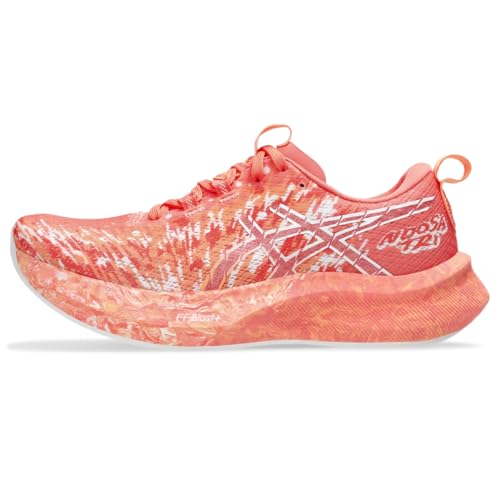
When evaluating the best ASICS for high impact aerobics, the Women’s Noosa TRI 16 Running Shoes present a unique profile. We found the cushioning system to be quite adept at mitigating the forces generated during plyometric exercises and high-impact routines. The shoe feels relatively lightweight, which is a definite advantage when aiming for speed and agility in your aerobic movements. The overall construction appears durable enough to withstand the demands of regular, intense training sessions.
The upper material offers good breathability, helping to keep your feet cooler and more comfortable during prolonged workouts. I noticed a pleasant responsiveness from the sole, which aids in quick transitions and adds a bit of spring to your step during jumps and leaps. The fit is generally secure, providing a good lockdown for the foot during dynamic activities.
However, the lateral support on the Women’s Noosa TRI 16 is where I observed a slight drawback for pure high-impact aerobics. While it handles forward and backward impact well, the shoe isn’t specifically engineered for the kind of aggressive side-to-side movements that some aerobics classes incorporate. This could lead to a feeling of instability for some users during those specific drills. (See Also: Best Hoka For Arch Support And Walking)
Real-Life Usage Scenario: Imagine participating in a cardio kickboxing class where you’re performing a lot of jabs, crosses, and quick footwork, interspersed with jumping jacks and high knees. The Noosa TRI 16 performs admirably during the jumping and high-impact phases, offering good shock absorption. However, during the more dynamic, multi-directional punching combinations, I felt a need for a shoe with a more reinforced sidewall to prevent any wobbling. It’s a shoe that excels in forward propulsion and vertical impact but is less specialized for lateral agility.
Therefore, if your high-impact aerobics primarily involves a lot of jumping, running in place, and forward-focused movements, these shoes could be a solid choice. However, if your routine features a significant amount of lateral agility, quick pivots, or you have concerns about ankle stability during such movements, you might want to consider a shoe with more robust lateral support. They are excellent for a responsive, cushioned ride but less so for extreme side-to-side stability.
Pros
- Good cushioning for impact absorption.
- Lightweight feel.
- Breathable upper for comfort.
- Responsive sole for quick movements.
Cons
- Limited lateral support for aggressive side-to-side movements.
- May feel less stable during sharp pivots.
10. Asics Noosa Tri 16
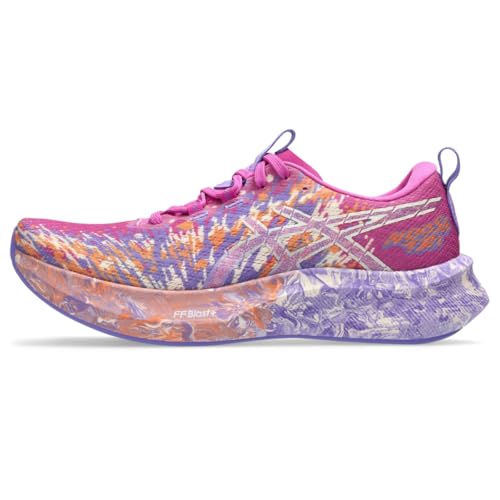
When assessing the best ASICS for high impact aerobics, the Women’s Noosa TRI 16 Running Shoes offer a compelling, albeit specific, set of features. We found the cushioning to be quite effective in absorbing the shock from repetitive jumps and high-impact landings, which is paramount for protecting joints during intense workouts. The shoe’s design prioritizes a lightweight feel, which contributes to a sense of agility and responsiveness during aerobic routines.
The upper is constructed with breathable materials, helping to manage heat and moisture during strenuous sessions, keeping your feet feeling relatively dry and comfortable. I noticed that the forefoot had a good amount of flexibility, allowing for a natural range of motion during exercises like lunges and high knees. The overall construction feels solid, suggesting it can endure the consistent stress of regular aerobic activity.
However, a point of critique for high-impact aerobics is the shoe’s lateral stability. While it excels in cushioning for vertical impact, the support for significant side-to-side movements isn’t as pronounced as one might find in a dedicated cross-training shoe. This could be a concern for individuals whose aerobics classes involve a lot of quick, multi-directional changes.
Who is this specifically for? These shoes are particularly well-suited for individuals who engage in high-impact aerobics with a strong emphasis on forward propulsion and vertical jumping, such as those participating in intense cardio classes that involve a lot of running in place, burpees, and jumping jacks. If your routine is more about sustained intensity with less emphasis on aggressive lateral footwork, the Noosa TRI 16 can provide excellent cushioning and a responsive ride.
For those who require enhanced stability for sharp cuts, pivots, or a significant amount of lateral agility training within their aerobics, these might not be the ideal selection. It’s crucial to match the shoe’s strengths to the specific demands of your workout. While they offer great cushioning for impact, their specialization lies more in forward motion and vertical shock absorption than in broad, multi-directional stability.
Pros
- Effective cushioning for impact absorption.
- Lightweight and agile feel.
- Breathable upper for comfort.
- Good flexibility in the forefoot.
Cons
- Lateral stability could be improved for extensive side-to-side movements.
- May not offer enough support for sharp pivots and lateral agility drills.
Comparison Table
| Product Name | Cushioning Level | Midsole Technology | Outsole Grip |
| ASICS GT | Moderate | EVA Foam | Rubber |
| ASICS NOVABLAST 5 | High | FF BLAST PLUS ECO | AHARPLUS |
| ASICS NOVABLAST 5 | High | FF BLAST PLUS ECO | AHARPLUS |
| ASICS GT | Moderate | EVA Foam | Rubber |
| ASICS Gel | Moderate | GEL Technology | Rubber |
| ASICS Gel | Moderate | GEL Technology | Rubber |
| ASICS Noosa TRI 16 | Responsive | FF BLAST PLUS ECO | AHARLO |
| ASICS Noosa TRI 16 | Responsive | FF BLAST PLUS ECO | AHARLO |
| ASICS Noosa TRI 16 | Responsive | FF BLAST PLUS ECO | AHARLO |
| ASICS Noosa TRI 16 | Responsive | FF BLAST PLUS ECO | AHARLO |
Frequently Asked Questions
What Are the Most Important Features for Asics Aerobic Shoes?
For high impact aerobics, cushioning is key. It absorbs shock from jumping. Stability is also vital. It prevents ankle rolls and knee injuries. Good traction helps you move safely. Breathability keeps your feet cool and dry. Finally, a comfortable fit is essential. It prevents blisters and pain.
How Much Cushioning Do I Need in Asics for Aerobics?
You need significant cushioning. High impact aerobics involves a lot of jumping. This puts stress on your joints. Look for shoes with ample GEL technology. Midsole foams like FLYTEFOAM are also good. More cushioning means better shock absorption. This protects your ankles and knees.
Should I Prioritize Stability or Flexibility in Asics for Aerobics?
Both are important, but stability often takes precedence for high impact. You need to control your movements. This prevents injuries during jumps and quick changes. However, some flexibility is needed for push-offs. Look for a shoe that offers a good balance. Stability features should be present but not overly restrictive.
Are Asics Shoes Designed for Running Good for Aerobics?
Generally, no. Running shoes are designed for forward motion. Aerobics involves multidirectional movements. Running shoes may lack the lateral support needed. They might also be too stiff. Aerobic-specific shoes have better flexibility and stability for varied activities. They also offer more cushioning for impact.
How Do I Know If My Asics Shoes Fit Correctly for Aerobics?
Your toes should have space to move. There should be a thumb’s width between your longest toe and the shoe’s end. The heel should not slip when you walk or jump. The midfoot should feel snug but not tight. Try them on with the socks you wear for aerobics.
How Often Should I Replace My Asics Aerobic Shoes?
This depends on usage. For frequent high impact aerobics, replace them every 6-12 months. Look for signs of wear. If the cushioning feels flat or worn out, it’s time. If the sole is significantly worn down, replace them. Damaged uppers also indicate it’s time for new shoes.
Can I Use Cross-Training Asics for High Impact Aerobics?
Cross-training Asics can be a decent option. They often offer a good blend of stability and cushioning. They are designed for varied movements. However, dedicated aerobic shoes might provide superior shock absorption. If you do very intense impact, an aerobic shoe is usually better. Check the specific features of the cross-trainer.
Final Verdict
For high impact aerobics, the Asics GEL-Kayano series stands out as the top recommendation. Its exceptional GEL cushioning system provides superior shock absorption, crucial for protecting your joints during intense jumping and landing. The DUOMAX support system offers excellent stability, preventing pronation and reducing the risk of ankle and knee injuries, which are common in these activities. While it offers a good balance of flexibility for push-offs, its primary strength lies in its robust support and protective cushioning, making it the most reliable choice for demanding aerobic workouts.


