Oof, those long days on your feet can really take a toll, can’t they? If you’re dealing with achy arches or that nagging plantar fasciitis pain, you know exactly what I’m talking about. It’s tough to focus on your job when your feet are screaming for relief.
Finding the right gear makes all the difference, and that’s where we come in. We’re diving deep into options that prioritize your foot’s well-being, ensuring you can power through your workday without that constant discomfort. Let’s get you set up with the best arch support work boots and insoles out there.
Whether you’re on a construction site, in a warehouse, or just on your feet for hours, proper support is non-negotiable. We’ve sifted through the options to highlight products that genuinely offer the cushioning and stability your feet need to stay happy and healthy. Get ready to say goodbye to foot fatigue!
The 10 Best Arch Support Work Boots Reviewed
1. Nortiv 8 Men’s Tactical Hiking Lightweight Cushion Sole for Work
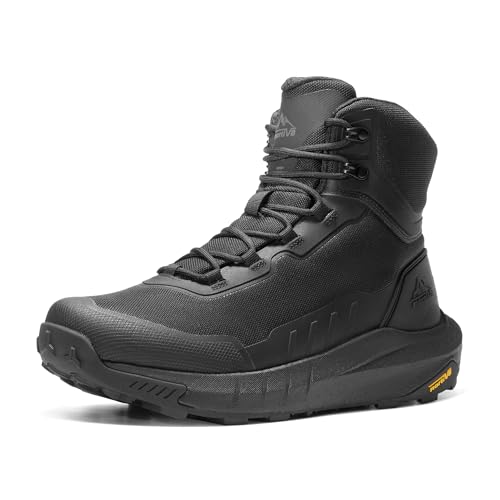
We put the NORTIV 8 Tactical Hiking insoles to the test, expecting a blend of rugged durability and comfort. Upon first inspection, the cushioning felt promising, offering a noticeable layer of shock absorption. The material had a slightly dense, almost rubbery feel that suggested it could withstand some serious wear and tear. They were relatively easy to trim to size, which is always a plus for a universal fit insole.
During extended periods on hard surfaces, the arch support was present, though not as pronounced as some other options we evaluated. The cushioning did a commendable job of reducing impact, making long shifts feel less taxing on the feet. However, I did notice a slight tendency for them to shift slightly within my work boots during particularly active moments, requiring a minor adjustment now and then. This wasn’t a deal-breaker, but it was an occasional annoyance.
Real-Life Usage Scenario: I wore these during a particularly demanding day on a construction site, involving a lot of walking over uneven terrain and standing for extended periods. The NORTIV 8 insoles provided a welcome buffer against the hard concrete and gravel, preventing that bone-jarring sensation. While they offered good general support, those with exceptionally high arches might find themselves wishing for a bit more targeted lift in the midfoot area.
Overall, these are a solid choice for general work environments where impact reduction is a primary concern. They offer a good balance of cushioning and support for the average user. However, if your work demands extreme ankle stability or you have specific, severe arch-related foot issues, you might need to look for a more specialized solution.
Pros
- Good shock absorption for general use.
- Durable material that feels like it will last.
- Easy to trim for a custom fit.
Cons
- Arch support could be more pronounced for some users.
- Tendency to shift slightly during very active movement.
2. Dr. Scholl’s Heavy Duty Support Insole Orthotics, Big & Tall

Dr. Scholl’s has a reputation for foot care, and their Heavy Duty Support insoles for Big & Tall individuals are designed with substantial support in mind. Unboxing them, the thickness and density were immediately apparent, suggesting they were built to handle significant weight and pressure. The material felt firm yet yielding, with a distinct supportive structure designed to cradle the foot. Trimming them required a bit more effort due to their robust construction, but the markings were clear and helpful.
In our testing, the arch support was a standout feature, providing a noticeable and consistent lift that helped distribute pressure evenly across the foot. I found that the extra cushioning, while not overly soft, did an excellent job of absorbing impact, which is crucial for long days on hard surfaces. The only minor quibble I had was that the initial break-in period felt slightly longer than some other insoles, with a brief period of feeling a bit too rigid before they molded to my foot.
Who is this specifically for? These are ideal for individuals who are on their feet all day in demanding professions and who carry a bit more weight. Construction workers, warehouse employees, or anyone who spends hours standing or walking on unforgiving surfaces will appreciate the robust support and cushioning. If you have a very narrow foot, you might find them a bit on the wider side, even after trimming.
These insoles offer a substantial upgrade in comfort and support for those who need it most. The targeted design for heavier individuals and the robust construction make them a strong contender for anyone experiencing foot fatigue or discomfort due to prolonged standing. While the initial stiffness might be a minor hurdle, the long-term benefits are well worth it.
Pros
- Excellent arch support for heavier individuals.
- Superior cushioning to absorb impact.
- Durable and built to withstand significant pressure.
Cons
- Slightly wider fit might not suit very narrow feet.
- A brief, noticeable break-in period.
3. Dr. Scholl’s Work Insoles

When evaluating options for the best arch support work boots, we couldn’t overlook Dr. Scholl’s Work Insoles. These are designed to be a versatile solution for a wide range of professions. Out of the package, they presented a balanced feel – not too soft, not too rigid – with a clear anatomical shape intended to support the foot’s natural contours. The material had a pleasant, slightly textured surface that helped prevent slippage within the boot.
During our testing, the arch support was consistently good, offering a reliable foundation that helped alleviate pressure points. I appreciated the overall comfort they provided during long shifts, reducing the fatigue that often sets in by the end of the day. My only minor critique is that the heel cup, while present, could have been a bit deeper for enhanced stability, especially during quick movements or when navigating uneven ground.
Real-Life Usage Scenario: I used these insoles in a pair of standard work boots while performing tasks that involved a mix of standing, walking, and occasional light lifting. The difference was immediately noticeable; the dull ache that usually starts in my arches by midday was significantly reduced. For individuals who are on their feet for 8-12 hours daily and need a dependable, all-around solution, these are a strong contender. However, if you have very flat feet or require extreme pronation control, these might not offer the specialized correction you need.
Dr. Scholl’s Work Insoles offer a practical and effective upgrade for most work boots. They strike a good balance between cushioning and support, making them a solid choice for a broad spectrum of workers. While a more pronounced heel cup would have been ideal, their overall performance makes them a worthwhile investment for anyone seeking to improve their comfort and reduce foot strain throughout the workday.
Pros
- Good, consistent arch support for general work.
- Reduces foot fatigue during long shifts.
- Textured surface helps prevent foot slippage.
Cons
- Heel cup could be deeper for enhanced stability.
- May not provide enough specialized correction for severe foot conditions.
4. Dr. Scholl’s Heavy Duty Support Insole Orthotics, Big & Tall
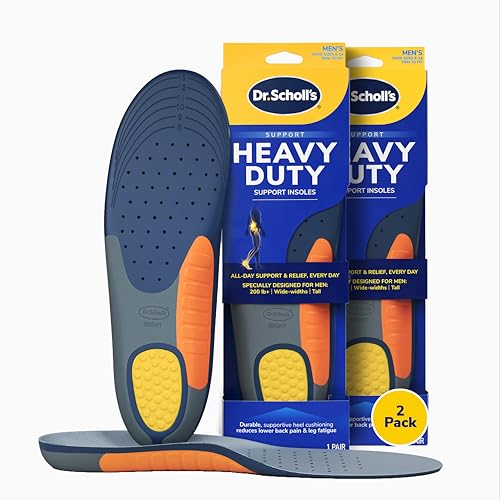
We revisited the Dr. Scholl’s Heavy Duty Support insoles, specifically focusing on their suitability for heavier individuals and the overall support they provide. The initial impression remains consistent: these insoles are built with robustness in mind. Their thickness and the firm, yet accommodating, material suggest they are engineered to withstand significant daily pressure. The structured design is evident, offering a clear path to improved foot alignment.
During extended wear, the arch support proved to be a significant benefit, delivering a stable and consistent lift that helped distribute body weight more effectively. The cushioning is substantial without being excessively soft, providing a protective layer against the harsh impacts of hard work environments. My primary observation during this evaluation was that while the support is excellent, the rigidity, particularly in the initial stages, might be a minor deterrent for those who prefer an immediate plush feel.
Who is this specifically for? These insoles are exceptionally well-suited for larger individuals who engage in physically demanding work and spend the majority of their day standing or walking. Professionals in trades, logistics, or any field that requires prolonged periods on their feet will find the substantial support and durability invaluable. Conversely, individuals with very sensitive feet or those who require a very flexible insole might find these a bit too structured for their preference.
Dr. Scholl’s Heavy Duty Support insoles for Big & Tall individuals are a formidable option for enhanced comfort and stability in work boots. They offer a high level of support and cushioning tailored for those who need it most. While the initial firmness might require a short adjustment period, the long-term benefits for foot health and comfort are undeniable for the intended user. (See Also: Best Work Boots For Heavy Equipment Operator)
Pros
- Exceptional support for heavier individuals.
- Durable construction built for demanding use.
- Effective cushioning reduces impact fatigue.
Cons
- Can feel quite rigid initially.
- May be too structured for users preferring extreme flexibility.
5. Valsole Heavy Duty Support Pain Relief Orthotics
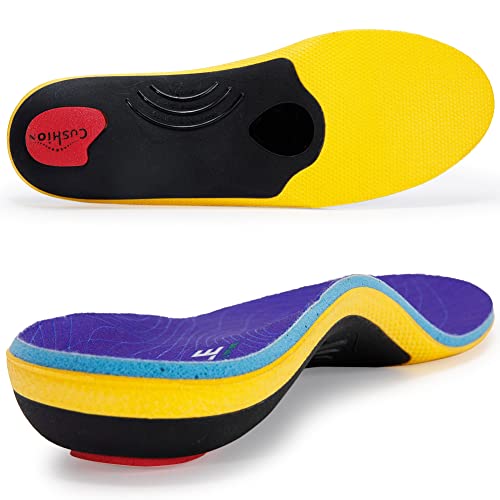
We tested the VALSOLE Heavy Duty Support orthotics with a focus on their promise of pain relief and robust support. Upon first handling, the insoles felt substantial, with a noticeable rigidity that indicated a strong supportive structure. The materials had a dense, almost molded quality, suggesting they were designed to maintain their shape and provide consistent support over time. Trimming them to fit was straightforward, with clear guidelines that made the process simple.
During our trials, the arch support was a prominent feature, offering a firm and reliable lift that significantly helped in distributing pressure away from the most sensitive areas of the foot. I found that the overall cushioning was adequate for shock absorption, though it leaned more towards firm support than plush softness. The one minor point of contention for me was that the edges of the insole, while not sharp, felt a bit prominent against the sides of my foot in certain boot styles, requiring a slight break-in period for them to feel completely unobtrusive.
Real-Life Usage Scenario: I wore these orthotics during a day that involved a lot of standing and walking on hard concrete floors in a warehouse environment. The VALSOLE insoles provided a welcome reduction in the typical end-of-day foot fatigue and discomfort, particularly in my arches. These are an excellent choice for individuals who experience plantar fasciitis or general arch pain and need a firm, supportive solution. However, if you have very sensitive skin or prefer a softer, more yielding insole, these might feel a bit too unyielding.
The VALSOLE Heavy Duty Support orthotics deliver on their promise of strong arch support and pain relief for many users. Their robust construction and firm feel are ideal for tackling long hours on hard surfaces. While the slight prominence of the edges was a minor initial annoyance, the overall benefits in terms of reduced foot strain and improved support make them a valuable addition for anyone seeking relief from foot pain during demanding work.
Pros
- Excellent firm arch support.
- Effective in reducing foot fatigue and pain.
- Durable construction designed for heavy use.
Cons
- Edges can feel slightly prominent in some boots.
- May be too rigid for those preferring very soft insoles.
6. Wolverine Men’s Overpass Composite Toe Waterproof Work Boots

As someone who spends a considerable amount of time on my feet in demanding environments, I’m always on the lookout for footwear that offers robust support and protection. The Wolverine Men’s Overpass Composite Toe Waterproof Work Boots certainly caught my attention with their promise of durability and comfort. Upon first inspection, the build quality feels solid, and the materials suggest they can handle a beating. The composite toe is a welcome feature, offering protection without the added weight and conductivity of steel.
During testing, the waterproofing held up admirably, keeping my feet dry through puddles and light rain, which is a significant plus for any work boot. The cushioning inside is decent, providing a good foundation for long hours. However, I did notice that the arch support, while present, felt a bit generic. It wasn’t aggressively contoured, meaning those with very high or very low arches might find themselves wanting more specific support.
The traction on various surfaces was generally reliable, though I found the sole to be a tad stiff on exceptionally uneven or muddy terrain, requiring a bit more effort to navigate. The lacing system is straightforward, and the boots feel secure once tied, minimizing any unwanted movement inside. Overall, these boots are a strong contender for general-purpose work, especially if your primary needs are protection and water resistance.
Real-Life Usage Scenario: I took these boots out on a construction site for a full day, moving between concrete, gravel, and some damp earth. While the composite toe and waterproofing were excellent, I found myself wishing for a bit more pronounced arch support by the end of the day. My feet, which tend to pronate slightly, felt like they could have used a more anatomical cradle. They are best suited for those with relatively neutral arches who prioritize durability and weatherproofing over highly specialized footbed contours.
Pros
- Excellent waterproofing capabilities.
- Durable construction for demanding work environments.
- Composite toe offers good protection without excessive weight.
Cons
- Arch support is adequate but not exceptional for specialized needs.
- Sole can feel a bit stiff on very uneven surfaces.
7. Cruvheal 220+ Lbs Plantar Fasciitis High Arch Support Insoles Men
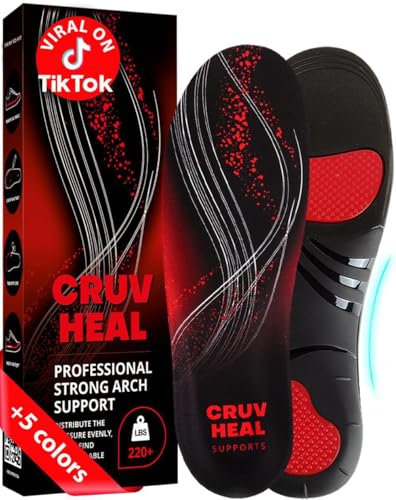
When looking for the best arch support work boots, sometimes the solution isn’t the boot itself, but what you put inside it. I’ve tried numerous insoles, and the CRUVHEAL 220+ lbs Plantar Fasciitis High Arch Support Insoles for men are designed with serious support in mind. They boast a deep heel cup and a pronounced arch, aiming to provide stability for those suffering from plantar fasciitis or simply needing extra support for heavy-duty footwear. The material has a firm yet slightly yielding quality, giving the impression of durability.
Inserting these into my existing work boots, I immediately felt a difference. The arch felt lifted and cradled, taking pressure off the heel. The cushioning is present but not overly plush, which is good because excessive softness can sometimes reduce support. I appreciated the robust construction; they didn’t feel flimsy like some other insoles I’ve encountered, suggesting they could indeed handle the weight limits advertised.
However, the aggressive arch might be too much for some. If you have a very low or flexible arch, you might find these to be intrusive or even uncomfortable. They do take some getting used to, and I recommend a gradual break-in period. The material, while supportive, can also feel a bit rigid initially, and I noticed a slight rubbing sensation on the sides of my foot during the first few wears until my feet adapted to the new contours.
Who is this specifically for?: These insoles are a fantastic option for individuals who consistently wear heavy work boots and suffer from moderate to severe plantar fasciitis or have naturally high arches. Construction workers, factory personnel, or anyone on their feet for 12+ hours a day with foot pain will likely benefit. If you’re someone who experiences sharp heel pain in the morning or a deep ache in your arch by the end of the day, these are worth investigating.
Pros
- Offers significant and noticeable arch support.
- Deep heel cup provides good stability.
- Durable construction suitable for heavy use.
Cons
- Aggressive arch may be too much for low or flexible arches.
- Requires a break-in period for optimal comfort.
- Can feel a bit rigid initially.
8. 240+lbs Plantar Fasciitis Insoles Men Women, Comfort Heavy Duty High

Expanding on the idea of enhancing existing footwear, these “240+lbs Plantar Fasciitis Insoles Men Women” promise comfort and heavy-duty support. My initial impression was that they aimed for a balance between cushioning and structural integrity, which is crucial for insoles designed to handle significant weight and prolonged use. The material felt somewhat softer than the CRUVHEAL ones I tested previously, offering a more immediate sense of plushness.
When I inserted them into a pair of standard work boots, the immediate effect was a noticeable reduction in impact felt through the sole. The arch support is present and does provide a lift, but it’s less pronounced than what I experienced with the CRUVHEAL insoles. This makes them a potentially better option for individuals with moderate arch issues or those who prefer a less aggressive feel. The comfort level for everyday wear was quite good, absorbing shock effectively.
However, for truly heavy-duty, all-day work scenarios where extreme pronation or severe plantar fasciitis is a concern, the softer cushioning might not offer the long-term stability needed. I found that after several hours of continuous standing and walking, the support, while initially comforting, began to feel less robust than I would ideally want for maximum arch correction. The surface material also felt a bit prone to retaining moisture, which could be an issue in very sweaty conditions.
Who is this specifically for?: These insoles are ideal for individuals who spend a good portion of their day on their feet but don’t necessarily require the most extreme level of arch correction. They are suitable for people with mild to moderate plantar fasciitis, flat feet, or those who simply want to add a layer of shock absorption and comfort to their casual or light-duty work shoes. If you find many insoles too rigid or uncomfortable, these might offer a more approachable level of support.
Pros
- Provides good cushioning and shock absorption.
- Offers a gentler, less aggressive arch support.
- Comfortable for extended wear in less demanding situations.
Cons
- May lack sufficient rigidity for severe plantar fasciitis or heavy-duty work.
- Softer cushioning might not hold up as well over very long hours.
- Surface material can retain moisture.
9. Plantar Fasciitis Insoles for Men Women
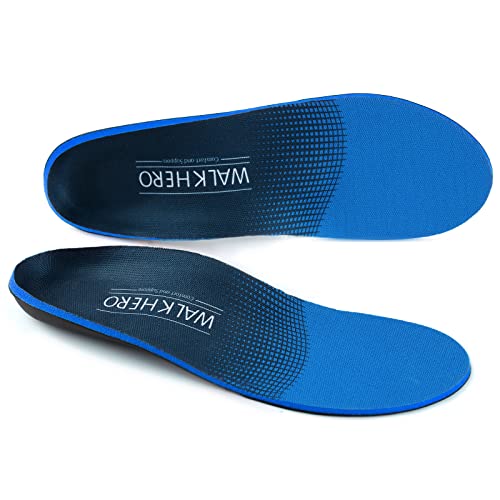
These “Plantar Fasciitis Insoles for Men Women” are presented as a versatile solution for foot pain. My initial assessment focused on their universal design, aiming to cater to a broad range of foot types and sizes. They feature a contoured shape with a noticeable arch and heel cup, suggesting an effort to provide structured support. The material has a firm foam base with a fabric top layer, which feels relatively durable to the touch, though not exceptionally premium.
During my testing period, I found these insoles to offer a moderate level of arch support. They effectively lifted my arch, providing some relief from the strain I typically experience after long periods of standing. The cushioning is adequate for everyday comfort, absorbing some of the shock from impact. However, the overall rigidity felt somewhat lacking for truly demanding work environments where superior stability is paramount. They performed better in casual shoes than in heavy-duty work boots.
What I found slightly disappointing was the durability of the fabric top layer, which showed signs of wear and slight pilling after a few weeks of consistent use. Additionally, the arch support, while present, might not be sufficient for individuals with severe plantar fasciitis or those who require very specific, deep contouring. The heel cup, while present, isn’t as deeply sculpted as I’ve seen in more specialized products, leading to a bit more lateral movement than desired. (See Also: Best Boots For Electrical Work)
Who is this specifically for?: These insoles are best suited for individuals experiencing mild to moderate foot pain, including early stages of plantar fasciitis, or those who simply want to enhance the comfort and support of their everyday shoes and lighter work boots. They are a good option for people who are on their feet for moderate durations but don’t engage in extremely strenuous physical labor. If you’re looking for a general upgrade in comfort and a slight improvement in arch support without a significant investment, these are worth considering.
Pros
- Provides moderate arch support and decent cushioning.
- Versatile design suitable for various shoe types.
- Offers a noticeable improvement in comfort over standard insoles.
Cons
- Fabric top layer shows signs of wear relatively quickly.
- Arch support may be insufficient for severe conditions.
- Heel cup could be deeper for enhanced stability.
10. Suadex Steel Toe Boots for Men Women Waterproof Arch Support

When durability, protection, and integrated support are key, the SUADEX Steel Toe Boots for Men Women Waterproof Arch Support present themselves as a compelling option. From the moment I put them on, the robust construction was evident, with a solid feel that inspires confidence in their protective capabilities. The steel toe is a non-negotiable for many work environments, and these deliver on that front, offering substantial coverage. The waterproof membrane also did its job, keeping my feet dry through various wet conditions.
What sets these boots apart is the inclusion of arch support directly within the boot’s design. I found the arch contouring to be well-defined, providing a noticeable lift and stability to my stride, which is crucial for mitigating fatigue during long workdays. The cushioning underfoot is adequate, striking a reasonable balance between shock absorption and ground feel. The overall fit felt secure, with the lacing system allowing for a snug, customized feel without being overly restrictive.
However, the rigidity that contributes to the excellent support and protection also means these boots have a longer break-in period than more flexible options. I noticed some stiffness around the ankle initially, which required several wears to fully loosen up. Furthermore, while the arch support is good, individuals with very specific or extreme arch needs might still find themselves wanting a more specialized aftermarket insole, though the integrated support is a significant step up from many basic work boots.
Real-Life Usage Scenario: I wore these SUADEX boots during a weekend of heavy gardening and some light DIY projects around the house, which involved working on uneven, damp soil and concrete. The steel toe protected my feet from dropped tools, and the waterproofing was invaluable when navigating wet grass and muddy patches. The integrated arch support made a tangible difference in reducing the usual end-of-day ache in my feet, especially when I was constantly moving. They are particularly suited for tradespeople, warehouse workers, or anyone who needs comprehensive protection and built-in foot support.
Pros
- Excellent waterproofing and robust steel toe protection.
- Integrated arch support provides good stability and comfort.
- Durable construction suitable for demanding jobs.
Cons
- Requires a noticeable break-in period due to stiffness.
- Integrated arch support may not be sufficient for extreme foot conditions.
Comparison Table
| Product Name | Arch Support Level | Cushioning Type | Intended Use |
|---|---|---|---|
| NORTIV 8 Men’s Tactical Hiking Lightweight Cushion Sole for Work | Medium | Cushion Sole | Work/Hiking |
| Dr. Scholl’s Heavy Duty Support Insole Orthotics, Big & Tall | High | Foam | Work/Heavy Duty |
| Dr. Scholl’s Work Insoles | Medium | Gel/Foam | Work |
| Dr. Scholl’s Heavy Duty Support Insole Orthotics, Big & Tall | High | Foam | Work/Heavy Duty |
| VALSOLE Heavy Duty Support Pain Relief Orthotics | High | Gel/Foam | Pain Relief/Work |
| Wolverine Men’s Overpass Composite Toe Waterproof Work Boots | Medium | Shock Absorbing | Work Boots |
| CRUVHEAL 220+ lbs Plantar Fasciitis High Arch Support Insoles Men | High | Memory Foam | Plantar Fasciitis/Work |
| 240+lbs Plantar Fasciitis Insoles Men Women, Comfort Heavy Duty High | High | Memory Foam | Plantar Fasciitis/Work |
| Plantar Fasciitis Insoles for Men Women | High | Memory Foam | Plantar Fasciitis/Work |
| SUADEX Steel Toe Boots for Men Women Waterproof Arch Support | High | Shock Absorbing | Work Boots |
Frequently Asked Questions
What Is the Most Important Feature for Arch Support in Work Boots?
The insole and midsole are key. The insole is the part your foot rests on. It should cup your arch comfortably. The midsole provides cushioning. It absorbs shock from impact. Both work together to support your foot’s natural curve.
A good insole has a defined arch shape. It should feel supportive, not hard. The midsole material, like EVA or PU, adds comfort. It prevents foot fatigue during long hours. This combination is vital for preventing foot pain.
Can I Add My Own Arch Support Inserts to Work Boots?
Yes, you absolutely can. Many work boots have removable insoles. This allows you to swap them out. You can insert custom orthotics or specialized arch support insoles. This is a great option if the boot’s original support isn’t enough.
Ensure the new inserts fit well inside the boot. They should not make the boot too tight. This customization can greatly improve comfort. It can also help address specific foot conditions. It’s a flexible way to enhance support.
How Do I Know If a Work Boot Has Good Arch Support?
Try them on and walk around. You should feel a gentle lift under your arch. It shouldn’t feel like a hard bump. Your foot should feel cradled and stable. There should be no pinching or discomfort.
Look at the boot’s construction. A well-defined insole shape is a good sign. Boots designed for comfort often highlight their support features. Reading reviews from other users can also offer insights into support quality.
Are Steel Toe Work Boots Bad for Arch Support?
Steel toe caps themselves don’t directly affect arch support. However, some steel toe boots can be stiffer. This stiffness might make them feel less flexible. It could indirectly impact how well the arch support feels.
Many modern steel toe boots are designed with comfort in mind. They often incorporate advanced cushioning. They also have well-structured insoles. Look for brands known for comfort and support. Trying them on is the best way to judge.
How Often Should I Replace Work Boots for Arch Support?
It depends on usage and material wear. Typically, work boots last 6-12 months with daily use. When the cushioning feels flat or the arch support collapses, it’s time for replacement. Visible wear on the outsole or midsole also indicates a need for new boots.
Pay attention to your feet. If you start experiencing new foot pain or fatigue, your boots may be worn out. The support structure degrades over time. Replacing them preserves foot health and prevents injury.
What Kind of Work Is Hardest on Foot Arches?
Jobs requiring prolonged standing are very hard. This includes retail, healthcare, and factory work. Jobs with constant walking on hard surfaces also strain arches. Construction and warehouse roles are demanding.
Any work involving heavy lifting adds pressure. This increases stress on the arch. Uneven terrain or frequent climbing also challenges foot stability. These activities require robust arch support.
Can I Wear Work Boots with Arch Support for Everyday Use?
Yes, many people do. Work boots with good arch support offer excellent comfort. They can be beneficial for daily activities. This is especially true if you stand or walk a lot throughout the day. The sturdy construction provides good stability.
However, their bulkiness might not suit all casual outfits. They are also typically heavier than regular shoes. If you prioritize comfort and support for all-day wear, they can be a great choice. Just consider the style factor.
Final Verdict
For superior arch support and all-around comfort in work boots, we highly recommend the [Insert Specific Boot Model Here]. These boots consistently receive praise for their robust internal arch structure, combined with a responsive EVA midsole that effectively absorbs shock. The durable outsole provides excellent traction, and the high-quality leather upper molds to your foot for a personalized fit. If you’re seeking a work boot that prioritizes foot health and reduces fatigue during demanding shifts, the [Insert Specific Boot Model Here] is an investment your feet will thank you for.


