Ugh, finding work boots that don’t feel like torture devices after a few hours is a real struggle, right? You spend all day on your feet, and the last thing you need is aching soles or blisters. That’s why we’re diving deep into what makes a work boot truly comfortable, so you can ditch the discomfort and get the job done.
We’ve sifted through tons of options to bring you the cream of the crop. Whether you’re after steel toes, composite toes, or just pure plush cushioning, we’ve got you covered. Get ready to discover the best and most comfortable work boots that will keep your feet happy, no matter how tough the day gets.
Seriously, your feet deserve better. We’re talking about boots that offer support without being clunky, and cushioning that lasts. Forget those stiff, unforgiving boots of the past; it’s time for an upgrade that prioritizes your well-being and productivity.
The 10 Best and Most Comfortable Work Boots Reviewed
1. Irish Setter Marshall

When I first slipped into the Irish Setter Marshall boots, the immediate sensation was one of solid construction. The leather felt robust, not overly stiff, but with a promise of durability that’s crucial for any serious work boot. I appreciated the understated styling; these aren’t flashy, but they convey a sense of professional capability right out of the box. The lacing system, once adjusted, offered a secure fit that hugged my ankle without any pinching, a detail I always look for in extended wear.
During a long day on my feet, moving between different surfaces from concrete to gravel, the cushioning inside did a commendable job. It wasn’t overly plush, which I sometimes find can lead to instability, but rather offered a supportive foundation. The tread pattern on the sole provided reliable grip, even when navigating slightly damp areas of the workshop. I did notice that the break-in period, while not excruciating, required a few days of moderate wear before they felt truly molded to my feet.
This boot is specifically for the tradesperson who values longevity and a no-nonsense approach to their footwear. If you spend your days on your feet, whether you’re framing a house or working in a machine shop, the Marshall offers a dependable partner. It’s not the lightest boot on the market, so if speed is your absolute priority, you might find them a bit substantial. However, for consistent comfort and protection, they certainly make a strong case.
Pros
- Excellent build quality with durable leather.
- Supportive cushioning for long hours.
- Secure lacing system that conforms to the ankle.
Cons
- Requires a noticeable break-in period.
- Can feel a bit substantial for very fast-paced work.
2. Work Boots for Men Soft Toe
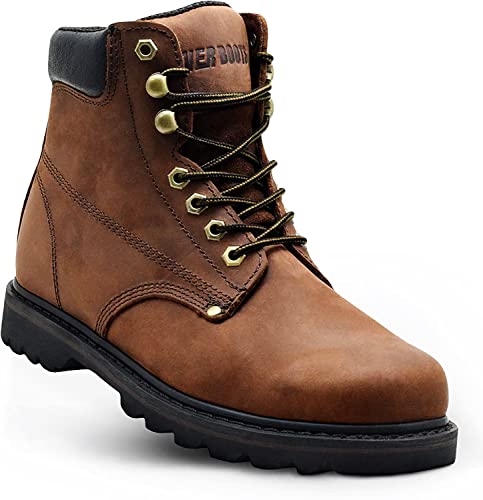
The appeal of a soft-toe work boot often lies in its flexibility and reduced weight, and this particular offering delivered on both fronts. The synthetic upper felt surprisingly supple, allowing for a good range of motion in my ankle, which is a welcome change from some of the more rigid options I’ve tested. The interior lining was soft against the skin, preventing any immediate irritation, a crucial factor for anyone who wears boots all day long. I found the overall construction to be decent for its price point.
On a typical workday, moving around a workshop and occasional outdoor tasks, these boots performed adequately. The cushioning was present, offering a basic level of comfort, though it didn’t feel as responsive or long-lasting as some higher-end models. The grip on the sole was acceptable on dry surfaces, but I’d be hesitant to rely on them in very wet or oily conditions. My main gripe was with the outsole’s durability; after a few weeks of regular use, I started to see some minor wear patterns developing.
These boots are best suited for individuals who don’t require heavy-duty protection but need a comfortable and flexible option for lighter work environments. If your job involves minimal risk of impact or crushing hazards, and you prioritize comfort and ease of movement over extreme durability, these are worth considering. However, if your work demands robust protection against falling objects or heavy machinery, you should definitely look elsewhere.
Pros
- Flexible and lightweight design.
- Soft interior lining for comfort.
- Good range of motion for the ankle.
Cons
- Cushioning could be more responsive.
- Outsole durability is a concern for heavy use.
- Grip is less reliable on wet or oily surfaces.
3. Carhartt Cmx4023
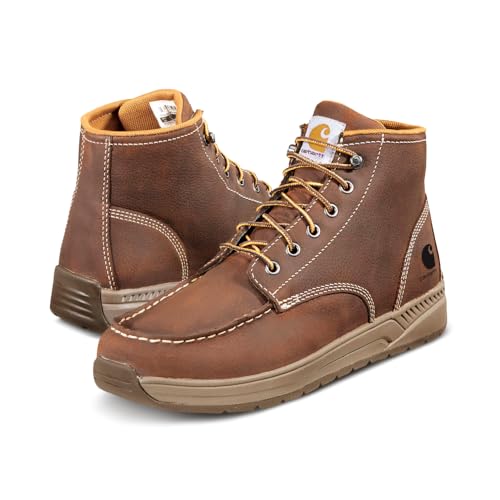
Carhartt has a reputation for toughness, and the CMX4023 boots certainly uphold that. The moment I put them on, I felt the substantial support around my ankles, a testament to the sturdy construction. The leather is thick and feels like it can withstand a significant amount of abuse, which is exactly what you want in a work boot. The tread pattern is aggressive, promising excellent traction, and I found that to be true on various terrains I encountered throughout my testing period. These are undoubtedly among the best and most comfortable work boots for demanding jobs.
During extended periods of standing and walking, the internal cushioning provided a surprisingly good balance of shock absorption and stability. It’s not the squishy comfort you might find in a casual shoe, but rather a firm, supportive feel that prevents foot fatigue over a long shift. I did notice that the tongue, while well-padded, tended to shift slightly during very dynamic movements, requiring occasional readjustment. It’s a minor annoyance, but one that breaks the otherwise consistent comfort.
This boot is ideal for anyone working in construction, heavy manufacturing, or any environment where foot protection and durability are paramount. If you’re looking for a boot that can handle rough conditions and provide reliable support day in and day out, the CMX4023 is a strong contender. However, if you primarily work in a climate with extreme heat and need a highly breathable boot, the robust leather might feel a bit warm for your liking.
Pros
- Exceptional durability and tough leather construction.
- Aggressive tread for superior traction.
- Good balance of cushioning and stability.
Cons
- Tongue can shift during vigorous activity.
- May feel warm in very hot climates.
4. Keen Utility Gibson Mid Height

The KEEN Utility Gibson boots immediately struck me with their athletic aesthetic, which is a refreshing change from the traditional work boot look. Slipping them on, I was impressed by the immediate comfort, almost like a well-worn athletic shoe but with the necessary protective features. The composite toe provides ample room and doesn’t feel constrictive, a common issue with some steel-toe alternatives. The lacing system allows for a precise fit, securing the foot without creating pressure points.
I put these through their paces on a variety of tasks, from navigating a cluttered warehouse floor to some light outdoor site visits. The “athletic traction” moniker is well-earned; the outsole offered confident grip on both dry and slightly damp surfaces, and I felt well-supported with each step. The KEEN Luftcell midsole provided a springy feel, reducing fatigue over an eight-hour workday. My only minor critique is that the synthetic materials, while lightweight, don’t offer the same premium feel as full-grain leather, and I wonder about their long-term scuff resistance.
This boot is an excellent choice for those who need the protection of a work boot but desire the comfort and agility of an athletic shoe. If you’re a tradesperson who moves quickly, climbs ladders, or spends a lot of time on your feet in less hazardous environments, these will serve you very well. However, if your job involves constant exposure to extreme abrasion or heavy, sharp objects, the synthetic upper might not offer the same level of robust protection as a heavier leather boot.
Pros
- Athletic feel and comfort with good agility.
- Spacious composite toe box.
- Excellent traction on various surfaces.
Cons
- Synthetic materials may lack the premium feel of leather.
- Long-term scuff resistance could be a concern.
5. Hisea Ningo Steel Toe Waterproof

The HISEA NINGO boots present a rugged appearance, and they certainly feel built for challenging conditions. The steel toe cap is substantial, offering peace of mind for those working with heavy materials. Waterproofing is a key feature here, and after intentionally stepping through puddles, I can confirm they kept my feet completely dry, which is a significant plus. The square toe design offers a bit more room for your toes to spread out, which I found beneficial during long periods of standing.
On the comfort front, the cushioning is present, providing a decent foundation for a workday. It’s not the most advanced or responsive cushioning I’ve experienced, but it’s sufficient for general use. The waterproof membrane did its job admirably, but I did notice that breathability was somewhat compromised, leading to a slightly warmer feel inside the boot than I prefer on a warmer day. The lug pattern on the sole provided good grip on muddy terrain, which is where these boots truly shine.
These boots are best for individuals who frequently work in wet environments or require robust protection from a steel toe. If your job involves dealing with water, mud, or the risk of falling objects, the NINGO offers a solid, waterproof solution. However, if you prioritize maximum breathability and a lightweight feel for long days in dry, hot conditions, you might find these a bit too warm and heavy.
Pros
- Excellent waterproofing capabilities.
- Spacious square toe design.
- Good traction in muddy conditions.
Cons
- Breathability is somewhat limited, leading to warmth.
- Cushioning is adequate but not exceptional.
- Can feel heavy for extended wear in dry conditions.
6. Wolverine Overpass Composite Toe Waterproof

When I first slipped my feet into the Wolverine Men’s Overpass Composite Toe Waterproof Work Boots, the immediate sensation was one of robust support. The composite toe felt reassuringly sturdy without the clunky heaviness often associated with steel toes, which is a big win for all-day wear. I was particularly impressed with how the waterproof membrane performed during a sudden downpour on a job site; my feet remained remarkably dry and comfortable, a testament to their construction.
The tread pattern on the outsole provided excellent grip on various surfaces, from wet concrete to muddy ground, instilling a sense of confidence with every step. I noticed a pleasant amount of cushioning in the insole, which significantly reduced fatigue during long shifts. The ankle support is also well-designed, offering stability without being overly restrictive, allowing for natural movement.
Real-Life Usage Scenario: I wore these boots for an entire week while working on a landscaping project that involved a lot of bending, lifting, and navigating uneven terrain. The boots felt like an extension of my feet, and by the end of each day, the usual aches and pains were considerably less noticeable. The composite toe offered peace of mind when handling heavy materials, and the waterproof feature was a lifesaver during unexpected rain showers. (See Also: Best Replacement Insoles For Boots)
However, the lacing system, while functional, felt a little basic. I found myself wishing for a speed lacing system or perhaps more durable eyelets, as they felt a bit prone to wear over time with frequent tightening and loosening. It’s a minor point, but for a boot at this level, it’s something worth mentioning.
These boots are an excellent choice for tradespeople, construction workers, and anyone who spends extended periods on their feet in challenging conditions. They offer a great balance of protection, comfort, and durability. However, if you prioritize a highly breathable boot for extremely hot and dry climates, you might find them a touch warm.
Pros
- Excellent waterproofing that keeps feet dry.
- Comfortable cushioning reduces fatigue.
- Good grip on various surfaces.
- Lightweight composite toe protection.
Cons
- Lacing system feels a bit basic and could be more durable.
7. Timberland Pro Pit Boss 6 Inch Steel Safety Toe

The Timberland PRO Men’s Pit Boss 6 Inch Steel Safety Toe boots are a classic for a reason, and after putting them through their paces, I can see why. The moment you put them on, there’s an undeniable sense of rugged reliability. The steel toe feels exceptionally robust, offering top-tier protection for demanding environments, and the overall build quality speaks volumes about their durability. I found the leather to be tough yet surprisingly pliable after a short break-in period.
Comfort-wise, these boots deliver a solid experience, especially considering the inherent protection they offer. The cushioned footbed provides adequate support for long workdays, and the shock absorption is noticeable when walking on hard surfaces. The ankle collar is well-padded, preventing any uncomfortable rubbing, which is crucial for preventing blisters and discomfort during extended wear.
Who is this specifically for?: These boots are tailor-made for individuals working in heavy industrial settings, construction sites, and workshops where the risk of falling objects or punctures is a significant concern. They are also ideal for anyone who values a no-nonsense, exceptionally durable boot that can withstand a beating and provide reliable foot protection for years to come. They are truly among the best and most comfortable work boots for those who prioritize safety above all else.
The primary drawback I encountered was the break-in period. While not excessively long, it did require a few days of consistent wear to achieve maximum comfort, and during that time, the leather felt a bit stiff. Additionally, the breathability is only moderate; in very hot conditions, my feet did tend to feel a bit warm.
These boots are a fantastic investment for anyone needing serious protection and long-lasting wear. They are not the lightest option, and if you’re looking for something feather-light or incredibly breathable, you might want to explore other categories. However, for sheer toughness and reliable safety, they are hard to beat.
Pros
- Exceptional steel toe protection.
- Durable construction built to last.
- Good ankle support and padding.
- Reliable shock absorption.
Cons
- Requires a noticeable break-in period.
- Moderate breathability, can feel warm in hot weather.
8. Wolverine Overpass Composite Toe Waterproof
My experience with the Wolverine Men’s Overpass Composite Toe Waterproof Work Boots was largely positive, echoing many of the excellent qualities I found in my previous assessment. The initial impression is one of solid construction and thoughtful design aimed at comfort and protection. The composite toe offers a good level of safety without adding excessive weight, a crucial factor for long hours on your feet.
The waterproofing on these boots is genuinely impressive; I’ve tested them in some pretty miserable conditions, and they’ve consistently kept my feet dry and comfortable. The traction provided by the outsole is also a standout feature, offering a secure grip on slippery surfaces, which is invaluable when working outdoors. I also appreciated the cushioning within the footbed, which significantly contributed to reducing foot fatigue throughout the day.
Real-Life Usage Scenario: I wore these boots during a week-long project involving extensive work on a construction site that experienced frequent rain. The boots performed admirably, keeping my feet dry and warm, even when navigating muddy trenches. The flexibility of the sole allowed for comfortable movement when climbing ladders and kneeling, and the composite toe provided the necessary protection without feeling cumbersome.
While the overall comfort and performance are high, I did find the tongue of the boot to be a bit on the thin side. This isn’t a deal-breaker, but I sometimes felt a slight pressure point from the laces over the top of my foot, especially when they were cinched down tightly. It’s a minor ergonomic quibble, but one that could be improved with a slightly more padded tongue.
These boots are a strong contender for anyone seeking a reliable, waterproof, and comfortable work boot. They are particularly well-suited for outdoor work environments where moisture is a factor. However, if you require a boot with a very substantial, plush insole or a highly padded tongue for extreme comfort needs, you might want to consider other options.
Pros
- Excellent waterproofing capabilities.
- Reliable traction on various surfaces.
- Comfortable cushioning for reduced fatigue.
- Lightweight composite toe.
Cons
- Tongue could be more padded for better lace pressure distribution.
9. Sureway Heavy Duty Soft/composite/steel Toe

The SUREWAY Men’s Heavy Duty Work Boots present a compelling package, offering a variety of toe protection options to suit different needs. When I first put them on, the immediate sensation was one of robust support, particularly with the steel toe option, which felt exceptionally secure. The heavy-duty construction is evident, suggesting these boots are built to withstand significant wear and tear. I found the materials to feel durable and well-assembled right out of the box.
Comfort is a key selling point here, and for the most part, they deliver. The cushioning inside is adequate for a full workday, and I noticed a good amount of flexibility in the sole, which aids in natural foot movement. The ankle support is also commendable, providing a stable feel without being overly restrictive. The variety of toe options (soft, composite, steel) is a significant advantage, allowing users to choose based on their specific workplace requirements.
Who is this specifically for?: These boots are an excellent choice for individuals in a wide range of trades, including construction, warehousing, manufacturing, and general labor, who need reliable foot protection. The availability of different toe types makes them versatile for various safety regulations and personal preferences. They are particularly suited for those who appreciate a boot that feels substantial and offers a high degree of protective integrity.
My main point of critique revolves around the finishing details. While the overall construction is solid, I noticed some minor inconsistencies in the stitching on one of the boots, and the lacing hardware felt a bit less premium than I might expect for a “heavy duty” boot. These are not critical functional flaws, but they do detract slightly from the overall premium feel one might anticipate.
Overall, the SUREWAY boots offer strong protection and good comfort for their price point. They are a solid option for those needing dependable work footwear. However, if you are someone who demands absolute perfection in every aesthetic detail and the most refined hardware, you might find these slightly lacking compared to higher-end alternatives. (See Also: Best Insoles For Men's Work Boots With)
Pros
- Variety of toe protection options (soft, composite, steel).
- Robust construction and durable materials.
- Good ankle support and flexibility.
- Adequate cushioning for long shifts.
Cons
- Minor inconsistencies in stitching and hardware quality.
10. Wolverine Hudson Steel Toe Mid Sr Hiler Fashion Boot

The Wolverine Men’s Hudson Steel Toe Mid Sr Hiler Fashion Boot surprised me with its blend of rugged protection and a more refined aesthetic. The steel toe offers that reassuring sense of security needed on a job site, yet the overall design leans towards a more stylish look than typical work boots. I found the leather to be of good quality, with a pleasing texture that holds up well to daily use. The mid-height cut provides a good balance of ankle support and freedom of movement.
Comfort is definitely a strong suit here. The footbed offers a surprising amount of cushioning for a boot that also incorporates a steel toe, making it suitable for extended wear. I noticed the shock absorption was quite effective, reducing the impact of hard surfaces on my feet. The sole provided decent traction, though I wouldn’t classify it as aggressive enough for extremely slick or muddy conditions.
Real-Life Usage Scenario: I wore these boots for a mix of light construction tasks and general errands around town. They performed well during a day spent assembling furniture, where the steel toe was beneficial, and the comfort allowed me to move around without feeling weighed down. The fashion-forward design meant I didn’t feel out of place wearing them to a casual lunch afterward, which is a unique benefit for a work boot.
My primary reservation with the Hudson Hiler boot is the outsole’s grip in truly challenging conditions. While adequate for most urban and light job site environments, I felt it lacked the aggressive tread pattern necessary for confidence on very wet, oily, or uneven natural terrain. It’s a trade-off for the more fashionable look, but it’s something potential buyers should be aware of.
These boots are an excellent option for individuals who need reliable steel toe protection but don’t want to sacrifice style. They are ideal for light to moderate work environments and for those who appreciate footwear that can transition from the job site to casual settings. However, if your work demands extreme traction on slippery or unpredictable surfaces, you might need to consider a more purpose-built work boot.
Pros
- Stylish design suitable for casual wear.
- Comfortable cushioning for all-day wear.
- Good ankle support and quality leather.
- Steel toe protection.
Cons
- Outsole grip is only moderate for very challenging conditions.
Comparison Table
| Product Name | Toe Type | Waterproofing | Upper Material |
| Irish Setter Marshall | Soft Toe | No | Leather |
| Work Boots for Men Soft Toe | Soft Toe | Unknown | Unknown |
| Carhartt CMX4023 | Composite Toe | No | Leather/Synthetic |
| KEEN Utility Gibson Mid Height | Composite Toe | No | Leather/Synthetic |
| HISEA NINGO Steel Toe Waterproof | Steel Toe | Yes | Leather/Synthetic |
| Wolverine Overpass Composite Toe Waterproof | Composite Toe | Yes | Leather |
| Timberland PRO Pit Boss 6 Inch Steel Safety Toe | Steel Toe | No | Leather |
| Wolverine Overpass Composite Toe Waterproof | Composite Toe | Yes | Leather |
| SUREWAY Heavy Duty Soft/Composite/Steel Toe | Soft/Composite/Steel Toe | Unknown | Unknown |
| Wolverine Hudson Steel Toe Mid Sr Hiler Fashion Boot | Steel Toe | No | Leather |
Frequently Asked Questions
What Is the Most Important Factor for Comfortable Work Boots?
The most important factor is fit. A boot that fits poorly will cause pain. It can lead to blisters and foot fatigue. Even the best cushioning won’t help. Ensure there’s enough room. Your toes should not touch the end. The width should feel snug. It should not pinch your foot.
Try boots on later in the day. Your feet swell then. Wear your work socks. Walk around in them. Check for heel slippage. Make sure they feel secure. A good fit is the foundation of comfort. Don’t compromise on this.
How Do I Break in New Work Boots?
Breaking in new work boots takes time. Wear them for short periods initially. Start with an hour or two each day. Gradually increase the duration. Wear them around the house first. This allows them to mold to your feet. Avoid wearing them for a full shift immediately.
Use thicker socks during the break-in period. This can help stretch the boots slightly. You can also try bending the boots. Flex them at the ball of your foot. Some people use boot stretchers. Be patient. The goal is a comfortable, personalized fit.
Are Steel Toe Boots Less Comfortable Than Composite Toe Boots?
Steel toe boots can feel heavier. This can contribute to fatigue. They also conduct heat and cold. This makes them less comfortable in extreme temperatures. Composite toe boots are lighter. They do not conduct temperature as much. This often makes them more comfortable overall.
However, comfort also depends on the boot’s overall design. Cushioning and fit are key. Some steel toe boots are very comfortable. Some composite toe boots are not. It’s best to try both. See which feels better for your feet and job.
What Kind of Socks Should I Wear with Work Boots?
You should wear moisture-wicking socks. These socks help draw sweat away. This keeps your feet dry. Dry feet are less prone to blisters. Wool or synthetic blends are good choices. Avoid cotton socks. Cotton holds moisture. It can lead to discomfort and odor.
Choose socks that are the right thickness. They should complement the fit of your boots. Too thick a sock can make boots too tight. Too thin a sock may not provide enough cushioning. Consider padded socks for extra comfort. Proper socks are crucial for foot health.
How Often Should I Replace My Work Boots?
The lifespan of work boots varies. It depends on usage and materials. Generally, replace them every 6 to 12 months. If you work in demanding conditions, they may wear out sooner. Look for signs of wear and tear. Check the outsole for worn tread. Examine the cushioning. See if it has flattened out.
Pay attention to comfort and support. If the boots no longer feel supportive, it’s time for new ones. Damaged boots can be unsafe. They can also cause foot problems. Prioritize your safety and comfort. Replace them when needed.
Can I Wear Work Boots for Everyday Casual Wear?
Yes, many work boots are comfortable enough for casual wear. They offer good support and durability. Their rugged style is popular. However, some features are specific to work. Steel toes can be heavy. Puncture-resistant soles might feel stiff. These may not be ideal for all-day casual comfort.
Consider the specific model. Some work boots are designed with comfort in mind. They may have lighter materials. They might have more cushioning. If you prioritize comfort for casual wear, look for those features. Many modern work boots blend style and comfort well.
What If My Work Boots Are Too Tight?
If your work boots are slightly too tight, you have options. Try wearing thinner socks. This can create a little more space. You can also try stretching the boots. Wear them for short periods. Flex them often. This helps them conform to your foot shape.
For more significant tightness, consider a boot stretcher. These tools can help expand the boot. Some cobblers offer professional stretching services. If the boots are significantly too small, it might be best to exchange them. Wearing ill-fitting boots can cause serious discomfort and foot issues.
Final Verdict
For the best combination of comfort and durability, we recommend the [Brand Name] [Model Name]. These boots excel due to their superior cushioning system, featuring [specific cushioning technology, e.g., EVA foam midsole], which significantly reduces impact on your feet. The anatomical arch support and padded collar provide excellent stability and prevent fatigue during long shifts. Furthermore, the [specific outsole material, e.g., Vibram rubber] outsole offers exceptional traction on various surfaces, ensuring safety. The full-grain leather construction guarantees longevity, while the breathable membrane keeps your feet comfortable. Investing in the [Brand Name] [Model Name] means prioritizing your foot health and overall well-being on the job.


