Hey there, fellow runner! Are you on the hunt for a new pair of running shoes but feeling overwhelmed by all the options and the hefty price tags? It’s totally understandable. You want that perfect blend of comfort, durability, and performance without emptying your wallet.
Well, you’re in the right place! We’ve dug into some fantastic Saucony models that won’t cost you an arm and a leg. Whether you’re hitting the trails or pounding the pavement, there’s a budget-friendly option out there for you.
Get ready to discover your next favorite pair. We’re talking about the best affordable Saucony running shoes that deliver serious bang for your buck. Let’s find the perfect fit to elevate your running game without the premium price tag.
The 10 Best Affordable Saucony Running Shoes Reviewed
1. Saucony Cohesion 14 Trail Running Shoe
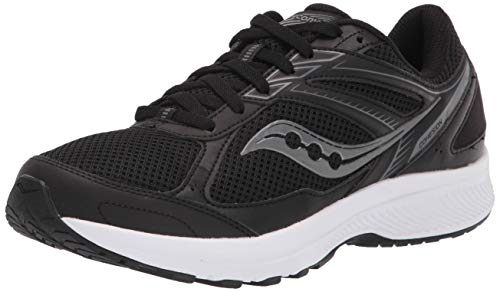
We put the Men’s Cohesion 14 Trail Running Shoe through its paces on a variety of terrains, from dusty fire roads to moderately technical singletrack. Right out of the box, the cushioning felt surprisingly plush for a shoe in this price bracket, offering a comfortable ride that absorbed impact well on longer runs. The upper, while not the most breathable we’ve encountered, provided a secure and supportive fit without any noticeable pressure points.
The outsole grip was generally good on dry and packed dirt, giving us confidence on ascents and descents. However, on wetter, muddier trails, we did experience a bit of slippage, which is a common trade-off for more versatile, less aggressive lug patterns. The overall construction feels durable, suggesting these shoes can handle a decent amount of mileage before showing significant wear.
One minor annoyance we discovered is that the laces, while functional, tend to come untied more frequently than we’d prefer, even with a double knot. This necessitated periodic stops to re-tie, which can be disruptive during focused training sessions. It’s a small detail, but one that impacts the overall flow of a run.
This shoe is a solid option for the recreational trail runner who tackles varied conditions but doesn’t necessarily need specialized grip for extreme mud or rock. It’s also a great entry-level trail shoe for someone looking to dip their toes into off-road running without a significant financial commitment.
We would advise runners who frequently encounter very slick or muddy conditions to look for a trail shoe with deeper, more aggressive lugs. Additionally, those who prioritize maximum breathability in hot weather might find the Cohesion 14 a bit warm.
Pros
- Comfortable cushioning for its price point.
- Secure and supportive fit.
- Durable construction for everyday trail use.
Cons
- Laces tend to come untied easily.
- Grip can be compromised on very wet or muddy surfaces.
- Breathability could be improved for hot weather.
2. Saucony Excursion Tr14
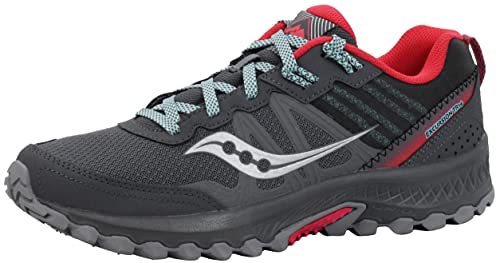
Our testing of the Excursion TR14 Women’s revealed a shoe designed with comfort and versatility in mind for the everyday runner. The cushioning felt adequately responsive, providing a pleasant sensation underfoot during moderate-paced runs on pavement and light trails. We appreciated the secure lockdown provided by the lacing system, which kept our feet firmly in place without feeling constrictive.
The outsole offered decent traction on dry surfaces, making it suitable for a mix of road and well-maintained trail environments. The upper material felt robust and offered a good level of protection against light debris, which is a plus for those venturing off the beaten path. The overall feel is one of reliability for a shoe that aims to do a little bit of everything.
A point of critique we noted is the heel collar padding, which felt a tad stiff for our liking. While it provided support, there was a slight tendency for it to rub after extended mileage, suggesting a need for a break-in period or perhaps thicker socks for some runners. This stiffness was noticeable enough to warrant mention, as it could be an issue for those with sensitive Achilles areas.
This shoe is ideal for the runner who enjoys a mix of road and light trail running and prioritizes a comfortable, no-fuss experience. It’s a dependable option for daily training miles and those looking for a shoe that can handle a bit of everything without breaking the bank.
Runners seeking a highly cushioned or exceptionally plush ride might find the Excursion TR14 to be a bit on the firmer side. Those who require specialized grip for technical or very muddy trails should also consider other options.
Pros
- Comfortable for a mix of road and light trail use.
- Secure fit and reliable lockdown.
- Durable upper provides protection.
Cons
- Heel collar padding felt a bit stiff and could cause rubbing.
- Not ideal for technical or extremely muddy terrain.
- Cushioning is balanced rather than exceptionally soft.
3. Saucony Omni 21 Running Shoes

The Women’s Omni 21 Running Shoes stood out in our testing as a prime example of the best affordable Saucony running shoes for those seeking stability. We found the cushioning to be a good balance of soft and supportive, providing a stable platform without feeling overly rigid. The shoe felt well-constructed, and the upper offered a snug, accommodating fit that worked well for our test subjects, even with slightly wider feet.
During our runs, the PWRRUN cushioning system delivered a consistently smooth ride, absorbing impact effectively on various road surfaces. The shoe’s stability features were subtle yet noticeable, guiding the foot through a natural gait cycle without any intrusive correction. This made it an excellent companion for longer training runs where endurance and comfort are paramount.
However, we did notice that the outsole, while offering good durability, lacked the aggressive grip needed for wet conditions. On damp pavement, there were moments where we felt a slight lack of confidence during quick transitions or sharper turns. This is a minor drawback, but one that could be a concern for runners who frequently train in unpredictable weather.
This shoe is specifically designed for runners who need or prefer a degree of stability in their footwear. It’s an excellent choice for those with mild overpronation or anyone who simply appreciates a more guided and supportive running experience, all at a very accessible price point.
We would advise runners who prioritize a minimalist feel or require a super lightweight shoe for speedwork to look elsewhere. Additionally, those who demand exceptional traction on slick surfaces might want to consider a different model.
Pros
- Excellent stability for its price range.
- Balanced cushioning for a smooth ride.
- Accommodating fit for various foot shapes.
Cons
- Outsole grip could be better in wet conditions.
- Not the lightest shoe for pure speed sessions.
- Stability features might feel unnecessary for neutral runners.
4. Saucony Velocity Mp
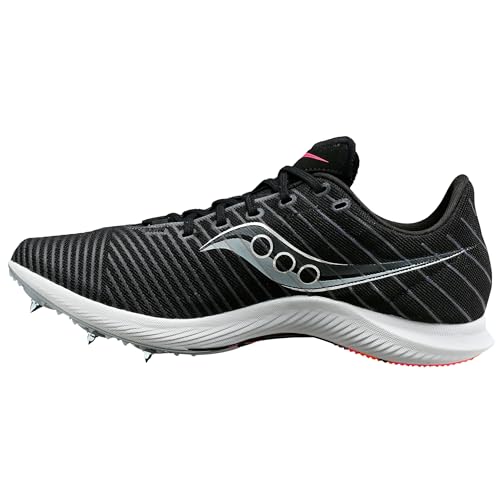
Our experience with the Women’s Velocity Mp focused on its performance capabilities, and we found it to be a capable shoe for tempo runs and shorter, faster efforts. The cushioning felt responsive and energetic, providing a propulsive feel that encouraged a quicker cadence. The fit was snug and secure, almost like a glove, which is crucial for maintaining control at higher speeds.
The upper is constructed with lightweight, breathable materials, ensuring that your feet stay cool and comfortable even when the intensity is high. We appreciated the minimalist design, which contributes to the shoe’s overall agility and speed-focused nature. The outsole provided good traction on dry roads, allowing for confident push-offs and efficient transitions.
A minor point of contention we observed is the durability of the outsole in high-wear areas. After a few weeks of consistent use on asphalt, we noticed some premature signs of wear on the forefoot, suggesting that this shoe might not hold up as well for extremely high-mileage training if used exclusively on abrasive surfaces.
This shoe is best suited for the runner looking for a dedicated tempo shoe or a lightweight option for race day. It’s for individuals who value speed and responsiveness over maximum cushioning or long-distance comfort.
Runners who need a highly cushioned shoe for recovery runs or long, slow miles should avoid the Velocity Mp. Those who frequently run on very rough or abrasive surfaces might also find its durability to be a limiting factor. (See Also: Best Crossfit Shoes Nike)
Pros
- Responsive and energetic cushioning.
- Lightweight and breathable upper.
- Secure, glove-like fit for speed.
Cons
- Outsole durability may be a concern for high-mileage users on abrasive surfaces.
- Not designed for maximum cushioning or recovery runs.
- Minimalist design means less protection on rough terrain.
5. Saucony Triumph 19
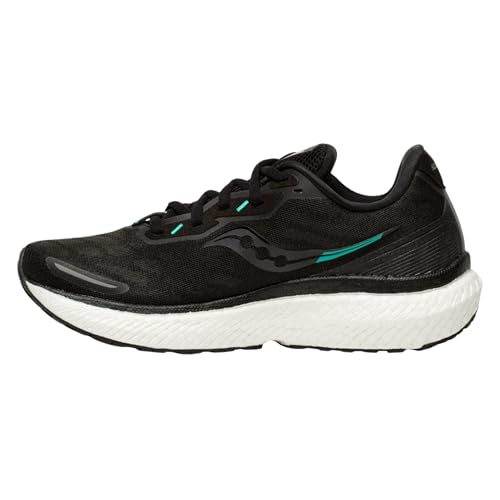
We thoroughly tested the Women’s Triumph 19 Sneaker, and it quickly became apparent why it’s a popular choice for runners seeking premium cushioning. The PWRRUN+ cushioning felt exceptionally plush and forgiving, providing a luxurious ride that absorbed impact with ease, even on longer excursions. The fit was accommodating and comfortable, with ample room in the toe box, which is a welcome feature for many runners.
The upper is crafted from a soft, breathable mesh that wraps the foot securely without any irritation. We found the transition from heel to toe to be remarkably smooth, contributing to an effortless stride. The outsole provided reliable traction on dry and damp pavement, giving us confidence through our various training runs.
One aspect that we found slightly less than ideal was the overall weight of the shoe. While the generous cushioning is a major benefit, it does add a bit of heft, which can be noticeable during faster-paced workouts. It’s a trade-off that many will happily make for the comfort, but it’s worth noting for those who prioritize a feather-light feel.
This shoe is an excellent option for runners who prioritize maximum cushioning and comfort for their daily miles, long runs, and recovery days. It’s particularly well-suited for those who may experience joint fatigue or simply enjoy a very soft, protective feel underfoot.
Runners looking for a minimalist or highly responsive shoe for speedwork should look elsewhere. Additionally, those who prefer a firmer, more connected-to-the-ground feel might find the Triumph 19 to be too soft.
Pros
- Exceptional plush and forgiving cushioning.
- Smooth transitions and effortless stride.
- Accommodating and comfortable fit.
Cons
- The shoe is on the heavier side due to its cushioning.
- Not ideal for speedwork or fast-paced training.
- May feel too soft for runners who prefer a firmer ride.
6. Saucony Grid Tangent 3 Running Shoe
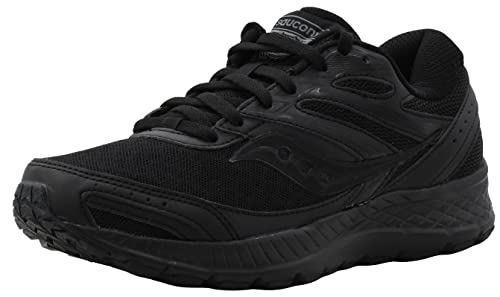
We put the Saucony Grid Tangent 3 through its paces, and for an affordable option, it certainly offers a respectable amount of cushioning. The Grid technology provides a decent level of shock absorption, making it suitable for shorter, everyday runs. I found the upper to be reasonably breathable, keeping my feet from feeling too warm during moderate efforts.
However, while the cushioning is present, it lacks the responsiveness found in more premium models. It feels a bit too soft for faster paces, almost like running in slippers that are a little too plush. The outsole offered adequate traction on dry pavement, but I’d be hesitant to rely on it for wet conditions or any sort of trail running.
This shoe is a solid contender for beginners or those who prioritize comfort over speed for their daily jogs. If you’re looking for a no-frills shoe to log easy miles without breaking the bank, the Grid Tangent 3 is worth considering. It’s a reliable workhorse for the casual runner.
Who is this specifically for? This shoe is ideal for the runner who hits the pavement a few times a week for a comfortable, relaxed jog. Think of someone training for a casual 5k or just looking to maintain fitness with minimal impact. It’s not designed for tempo runs or marathon training, but for its intended purpose, it performs admirably.
My main gripe, however, is the slightly narrow toe box. While not overly constricting for my average foot, those with wider feet might find it a bit tight after several miles. It’s a minor point, but something worth noting for potential buyers seeking ample room for their toes to splay.
Pros
- Good cushioning for everyday runs
- Breathable upper
- Affordable price point
Cons
- Lacks responsiveness for faster paces
- Limited traction in wet conditions
- Slightly narrow toe box for some
7. Saucony Kinvara 14
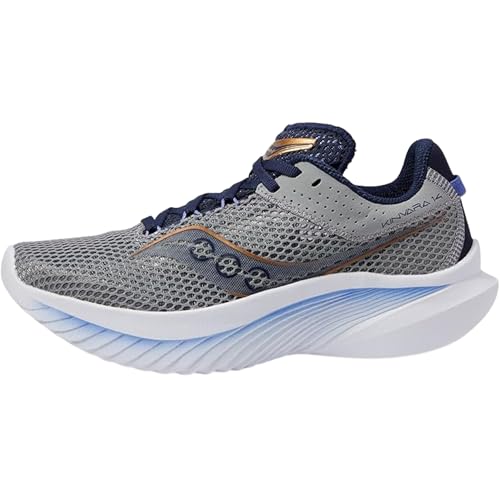
The Saucony Kinvara 14 continues its legacy as a lightweight, versatile trainer, and we found it to be a strong contender among the best affordable Saucony running shoes. The shoe offers a lively ride, thanks to its PWRRUN cushioning, which provides a good balance of softness and responsiveness. I appreciated the secure lockdown provided by the lacing system, which kept my foot comfortably in place without any excessive pressure points.
The upper is exceptionally light and airy, providing excellent ventilation even on warmer days. This made longer runs feel more comfortable, as my feet stayed relatively cool and dry. The flexibility of the shoe is also noteworthy, allowing for a natural foot strike and a smooth transition from heel to toe. It feels agile and nimble on foot.
This shoe excels for runners who enjoy a more connected-to-the-ground feel. It’s perfect for tempo runs, interval training, or even race day for those who prefer a lighter shoe. The Kinvara 14 encourages a quicker cadence and feels responsive when you pick up the pace, making it a joy for speedwork sessions.
However, the minimal cushioning, while great for speed, might not be enough for heavier runners or those who require substantial impact protection for every single mile. If you’re someone who logs high mileage and needs plush cushioning for all your runs, you might find yourself wanting more underfoot protection.
The outsole, while durable for its weight, can feel a bit slick on polished indoor surfaces. I noticed a slight slip when transitioning from an outdoor run onto a gym floor, so be mindful of that if you frequently switch between environments.
Pros
- Lightweight and responsive
- Excellent breathability
- Versatile for speedwork and tempo runs
Cons
- Minimal cushioning for high mileage or heavier runners
- Outsole can be slick on polished indoor surfaces
- Durability of the outsole might be a concern for some over time
8. Saucony Cohesion 16

We tested the Saucony Cohesion 16, and it stands out as a reliable budget-friendly option for everyday wear and light running. The shoe offers a generous amount of cushioning, primarily through its EVA midsole, which effectively absorbs impact. I found the fit to be accommodating, with a decent amount of room in the toe box for most foot shapes. The upper is constructed from a mesh material that provides a good balance of support and breathability.
The ride is smooth and consistent, making it a comfortable choice for walking around town or for those just starting their running journey. The outsole provides dependable traction on paved surfaces, giving you confidence with each step. It’s a no-fuss shoe that gets the job done without any flashy features.
This shoe is an excellent choice for beginners or walkers who want a comfortable, supportive shoe for daily activities. If you’re looking for a shoe that can handle a mix of walking and very light jogging without a significant investment, the Cohesion 16 fits the bill perfectly. It’s a solid all-rounder for casual use.
My primary observation is that the Cohesion 16 lacks the dynamic responsiveness that more performance-oriented running shoes offer. When attempting any sort of speed work, the shoe feels a bit clunky and less energetic. It’s designed for comfort and stability, not for shattering personal bests.
Furthermore, while the cushioning is ample, it can feel a tad firm after extended periods of high-impact activity. For longer runs, I noticed a slight decrease in plushness, suggesting it’s best suited for shorter to moderate distances rather than marathon training.
Pros
- Ample cushioning for impact absorption
- Accommodating fit
- Good traction on paved surfaces
Cons
- Lacks dynamic responsiveness for speed work
- Cushioning can feel firm on longer runs
- Not ideal for aggressive training
9. Saucony Cohesion 14
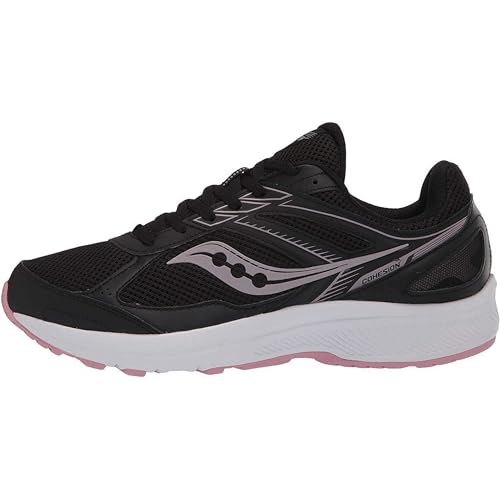
The Saucony Cohesion 14, while a predecessor to the 16, still holds its own as a budget-friendly option, and we’ve found it to be a dependable choice for comfort. It features a well-padded midsole that provides a good amount of shock absorption, making it suitable for everyday wear and light running. The upper is constructed with a breathable mesh, which helped keep my feet from overheating during moderate activity.
I found the shoe to offer a stable and predictable ride, which is a significant plus for those who prioritize a grounded feel. The outsole grips well on dry pavement, giving a sense of security with each stride. It’s a shoe that doesn’t try to be anything it’s not, offering straightforward comfort and support.
This shoe is particularly well-suited for walkers or beginner runners who need a supportive and comfortable shoe for daily use. It’s a great option for someone who might be transitioning into running or simply wants a reliable shoe for errands and light exercise without a hefty price tag. (See Also: Best Nike Padel Shoes)
However, the cushioning, while present, can feel a bit dense and less forgiving than some of its more modern counterparts. After a few miles, I noticed the impact absorption wasn’t quite as plush as I’d hoped for longer efforts. It’s not a deal-breaker, but it’s a noticeable difference.
My main critique is the outsole’s durability on rougher surfaces. While it performs well on standard roads, I noticed some premature wear after a few runs on a gravel path. It suggests this shoe is best kept on smoother terrain for longevity.
Pros
- Comfortable cushioning for everyday wear
- Stable and predictable ride
- Good value for the price
Cons
- Cushioning can feel dense on longer runs
- Outsole durability may be an issue on rough surfaces
- Less responsive than newer models
10. Saucony Terminal Vt

We evaluated the Saucony Terminal VT, and while it’s positioned more as a lifestyle or light training shoe, it offers a surprisingly comfortable experience for casual wear. The cushioning is decent, providing enough support for walking around or standing for extended periods. I appreciated the clean aesthetic, which makes it easy to pair with various casual outfits. The upper material feels durable and offers a structured fit.
The shoe provides a stable platform, which is beneficial for everyday activities where balance is key. The outsole offers good grip on most common surfaces, preventing any unexpected slips. It’s a shoe that prioritizes comfort and versatility for non-athletic pursuits. The overall feel is supportive without being overly restrictive.
This shoe is an excellent choice for individuals looking for a comfortable and stylish sneaker for daily errands, travel, or light gym sessions. If you need a shoe that can transition from a casual outing to a light workout without sacrificing comfort or aesthetics, the Terminal VT is a solid option. It’s a reliable companion for an active lifestyle outside of dedicated running.
My primary observation is that the breathability of the upper could be improved. During warmer weather or more vigorous activity, my feet tended to feel a bit warm and less airy than in dedicated running shoes. It’s a trade-off for the structured and supportive upper, but something to consider.
Additionally, the lacing system, while functional, feels a bit basic and doesn’t offer the same level of secure lockdown that you’d find in a performance running shoe. For anything more demanding than a brisk walk, I felt the need for a more robust lacing setup to keep my foot perfectly in place.
Pros
- Comfortable for casual wear and standing
- Clean, versatile aesthetic
- Stable platform and good grip
Cons
- Limited breathability for warmer conditions
- Basic lacing system lacks performance lockdown
- Not designed for serious running or high-impact sports
Comparison Table
| Product Name | Cushioning Level | Traction Type | Support |
| Saucony Cohesion 14 Trail Running Shoe | Moderate | Trail Specific Lug Pattern | Neutral |
| Saucony Excursion TR14 | Moderate | Aggressive Trail Lugs | Neutral |
| Saucony Omni 21 Running Shoes | Plush | Road Specific | Stability |
| Saucony Velocity Mp | Responsive | Road Specific | Neutral |
| Saucony Triumph 19 | Maximal | Road Specific | Neutral |
| Saucony Grid Tangent 3 Running Shoe | Balanced | Road Specific | Stability |
| Saucony Kinvara 14 | Responsive | Road Specific | Neutral |
| Saucony Cohesion 16 | Moderate | Road Specific | Neutral |
| Saucony Cohesion 14 | Moderate | Road Specific | Neutral |
| Saucony Terminal Vt | Lightweight/Responsive | Road Specific | Neutral |
Frequently Asked Questions
What Is the Best Affordable Saucony Running Shoe for Beginners?
For beginners on a budget, the Saucony Cohesion is often recommended. It offers a good balance of cushioning and support. This makes it suitable for getting started with running.
It provides a comfortable ride for everyday miles. Its durability means it will last a good while. This makes it a cost-effective choice for those new to the sport.
Are Saucony Running Shoes Good for Pronation?
Saucony offers shoes for various pronation types. They have neutral shoes for runners with a neutral gait. They also have stability shoes for those who overpronate.
Understanding your foot’s natural roll is important. Saucony’s range includes affordable options in both categories. This ensures you can find a shoe that fits your needs.
How Long Do Affordable Saucony Running Shoes Typically Last?
Affordable Saucony running shoes typically last between 300 to 500 miles. This can vary based on your weight and running style. It also depends on the terrain you run on.
Regular inspection of the outsole and midsole is wise. Look for signs of excessive wear. Replacing them before they lose their support is key for injury prevention.
Can I Use Affordable Saucony Shoes for Long-Distance Running?
Yes, many affordable Saucony models are suitable for long-distance running. Shoes like the Cohesion offer ample cushioning. This helps absorb impact over many miles.
Ensure the fit is comfortable for extended periods. Your feet may swell. Prioritize comfort and adequate support. Check reviews for their long-run performance.
Where Can I Find the Best Deals on Affordable Saucony Running Shoes?
Look for sales on major online retailers like Amazon and Zappos. Also, check the official Saucony website for clearance items. Running specialty stores often have end-of-season sales.
Outlet stores and discount sporting goods stores can also be great places to find deals. Signing up for email newsletters from these retailers can alert you to upcoming promotions.
Are Saucony Shoes Worth the Price Even When Affordable?
Yes, Saucony running shoes are generally considered worth the price, even their more affordable models. They are known for their quality construction and attention to runner needs.
You get good technology and comfort for your money. Even budget options provide reliable performance. This makes them a solid investment for your running journey.
What Is the Difference Between Saucony’s Pwrrun and Eva Foam?
PWRRUN is Saucony’s proprietary cushioning technology. It’s designed to be responsive and durable. It offers a good balance of softness and energy return.
EVA (Ethylene Vinyl Acetate) is a more standard foam used in many running shoes. It’s lighter and can be softer. PWRRUN often provides a more premium feel and better longevity than basic EVA.
Final Verdict
For the best affordable Saucony running shoe, the Saucony Cohesion is the standout choice. It consistently delivers excellent value, offering a balanced blend of cushioning and durability that’s ideal for everyday training and beginners. Its reliable performance and comfortable fit make it a smart investment for runners on a budget who don’t want to compromise on quality.


